Artists who could recreate works by known painters and sculptors used to be praised and acknowledged for their work. However, today the world views the most famous forgers as the greatest con artists of all time. Here are the five most notorious art forgers in history:
5. Han van Meegeren
Han van Meegeren (1889-1947) is considered by some to be the most popular forger of the twentieth century. The Dutch painter specialized in creating ‘new’ Johannes Vermeers and Pieter de Hochs. He spent six years perfecting his use of materials and painting technique and purchased authentic 17th-century canvases in order to create his forgeries. His most famous works are arguably his Vermeers, inspired by Michelangelo’s (who was one of the greatest forgers of his time) paintings The Supper at Emmaus and The Last Supper I.
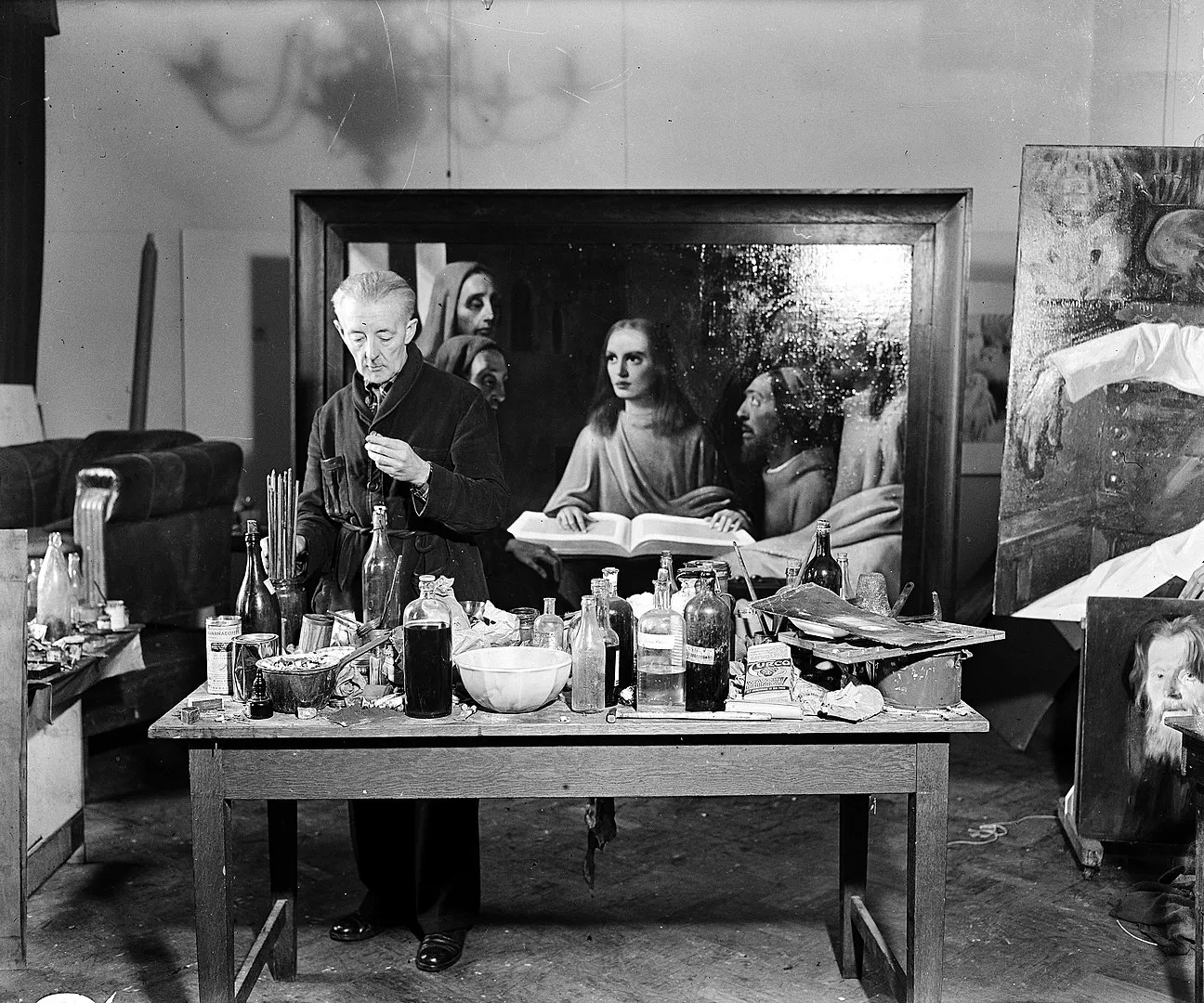
But how were the art specialists fooled in the 1930s? Van Meergeren asked a trusted Old Masters expert, who was also conned by his exceptional painting, Dr Abraham Bredius to authenticate his work. The Supper at Emmaus was thereupon purchased by the Rembrandt Society in 1937 for 520,000 guilders (around $5 million today) and given to the Museum Boijmans Van Beuningen in Rotterdam, where it and three other Vermeer forgeries still exist today.
See also: The Top 10 Stolen Masterpieces
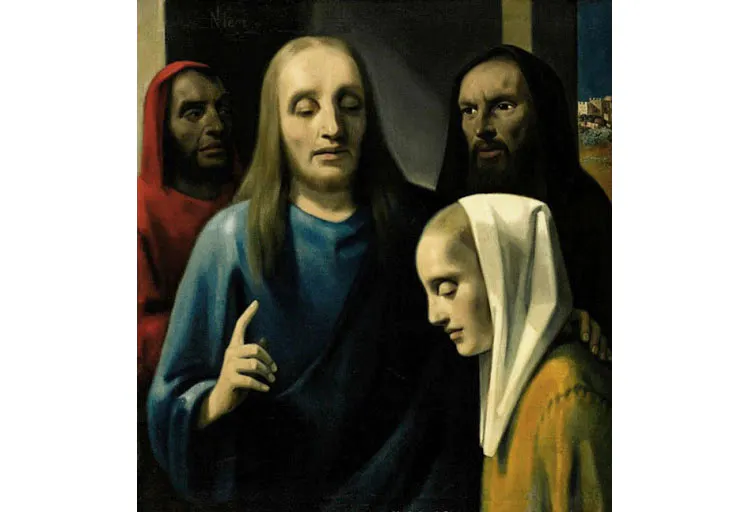
Van Meegeren became famous through the sale of his Vermeer copy Christ with the Adultress to the Nazi Reichsmarschall and right hand of Adolf Hitler, Hermann Göring, who traded 137 paintings from his collection so that he could own the unknown forgery. In May 1945 the allied forces discovered the painting in a salt mine, which Göring used to hide his artworks. They all believed it was a Vermeer and they traced the ownership back to van Meegeren, who was arrested for aiding and abetting the enemy. He died of a heart attack during the trial.
I thought “I could do this,” and so I did it.
4. Tony Tetro
The American art forger Tony Tetro (b.1950) made a lot of noise during the 1970s and ‘80s with his works that ranged from the Old Masters to those of the post-war era. His works included creations in the style of Rembrandt, Joan Miró, Marc Chagall, Salvador Dalí and Norman Rockwell, as well as numerous other artists. Tetro never went to art school but simply enjoyed painting and copying works in his early years.
Tetro said in an interview, “I picked up a book called, Fake, and I was flipping through the pages and I thought “I could do this,” and so I did it”. He went home and started to learn about the materials the artists used and how these affected not only the aging but also the overall look of the piece. In the beginning, he went to a small auction house in California where he presented an Amedeo Modigliani drawing to the owner – who knew it was a fake – who offered Tetro $1,600 for it and then sold it for much, much more.
See also: The Rediscovered Stolen Klimt is Authenticated
After a while, Tetro created multiple forgeries for the same auction house, then also went to other art dealers to offer his works. According to Tetro, they all knew the works were forgeries and still sold them to unknowing customers who “just wanted something to match their carpets”. After living a lavish and wealthy lifestyle for ten years, his work was discovered in 1988 by the artist Hiro Yamagata who saw one of his own works as a fake in a sale. During the trial, Tetro lost his entire fortune and relied on a public defender but got off reasonably well. He received 200 hours of community service, during which he painted a mural wall, and spent only one year in prison.
Most recently, Tetro claimed that multiple artworks given to Prince Charles’ Dumfries House as a loan were actually created by him. This included paintings by Claude Monet, Pablo Picasso and Dalí.
3. Wolfgang and Helene Beltracchi
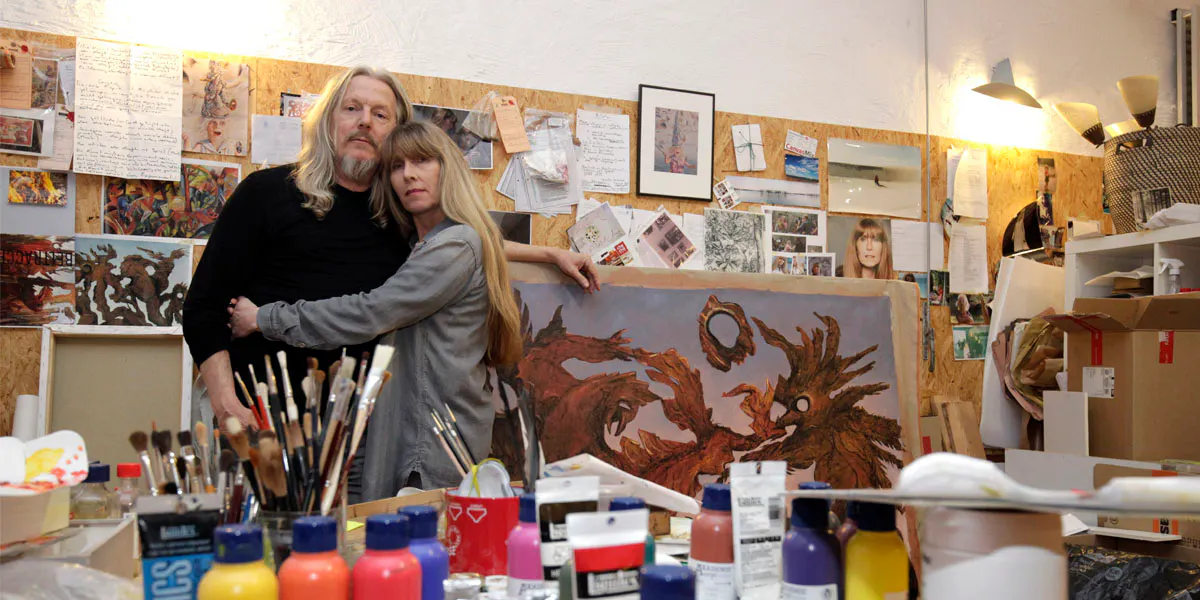
In the art world of the 21st century, Wolfgang Beltracchi (b. 19510) may be the man who fooled everyone to make over an estimated $20 to $50 million from the sale of his forgeries. The German artist and his wife, Helene, did not stop at the forgery of art – they went on to create an entire background story for each work they sold by dressing up for photographs and forging old letters. Instead of copying already existing works, Beltracchi created new works in the style of artists such as Max Ernst, Heinrich Campendonk, Max Pechstein and Fernand Léger. Even today experts are baffled by the detail the Beltracchis thought of when offering one of their forgeries.
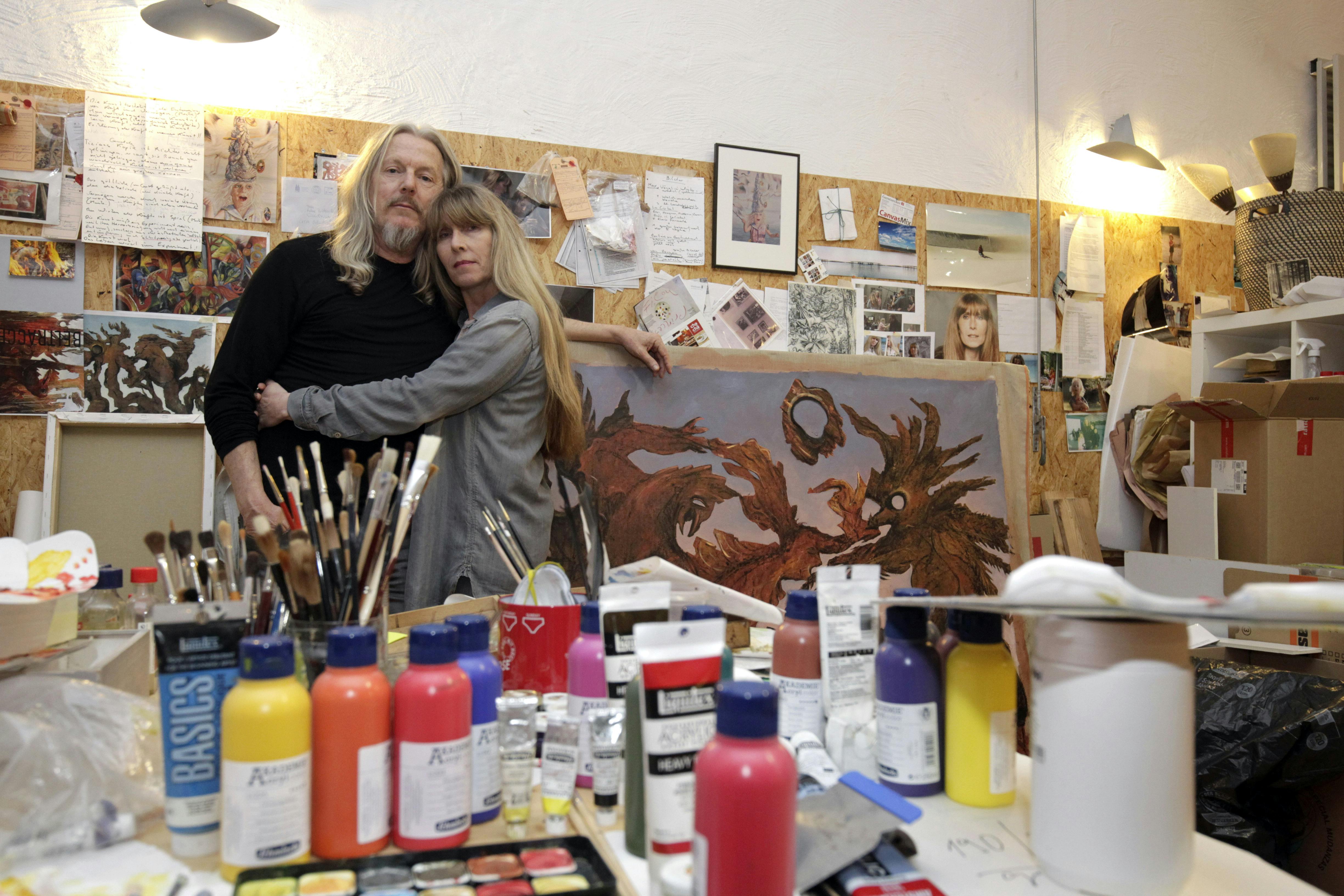
The most fascinating fact in all this is that they managed to fool the man who was believed to be the absolute expert in Ernst, Werner Spies. Spies was invited to look at a (Beltracchi) painting that the Beltracchis claimed to be created by Ernst. The expert walked into the Beltracchis’ bedroom where it hung over their bed and pronounced it to be real right there and then. According to Helene, Ernst's wife saw the forgery and claimed: “it was the most beautiful picture that Max Ernst had ever painted.”
The couple was caught in 2008 when an exam was conducted on a painting that they sold. In Red Picture with Horses, experts discovered a pigment, Titanium White, which did not exist in paints in 1914. The Beltraccis got four and three years in prison each and had to dish out numerous compensations.
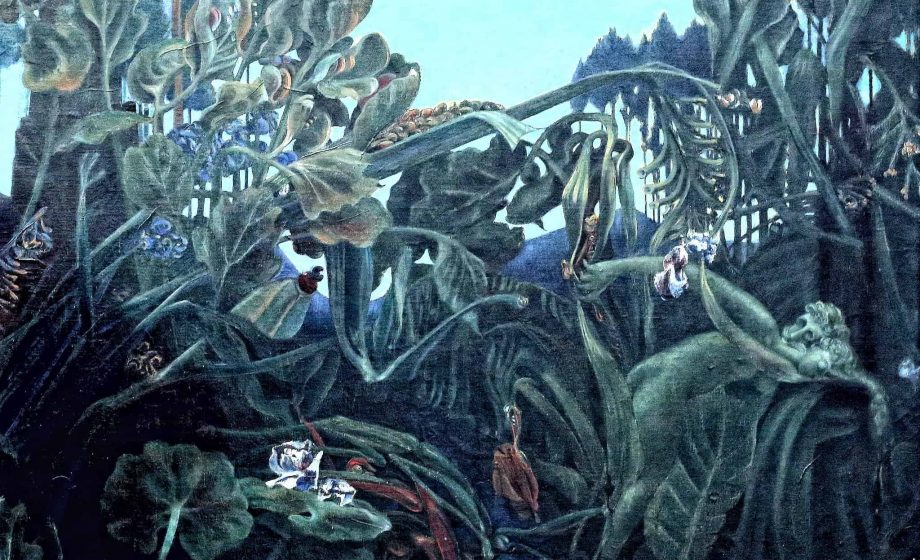
Even now it is believed that over 200 of Wolfgang’s paintings are still in art institutions, private collections and on the art market. When he was on trial he only admitted to 14 forgeries. Beltracchi was the subject of an award-winning documentary Beltracchi: The Art of Forgery that further raised his status, and it is believed that he today makes millions with his own works of art.
See also: Multi-million Gauguin Sculpture Acquired by Getty is a Fake
2. The Greenhalgh Family
This forgery was a family affair. Over 17 years, the British artist Shaun Greenhalgh (b. 1960) sold many works to museums and galleries around the world with the help of his parents and brother.
Greenhalgh’s career in artistic forgery started when he was just thirteen years old and selling clay and other pottery objects at flea markets and claiming they were antiques. He then worked for an art dealer only, known as ‘Tom’, for whom he created multiple copies of works, but then the pair had a falling out and Greenhalgh started to work alone. After perfecting his painting skills he went on to learn how to forge the provenance of a piece of art. He stated that “No matter how many mistakes, [dealers] were always blown away by the provenance. Often they hardly looked at the work.”
When he started working with his family, his parents were responsible for approaching clients and his brother managed the monetary side of the business. However, after selling a statue titled the Amarna Princess for 440,000 pounds to the Bolton Museum, the family got a little careless. They tried selling more Assyrian reliefs with the same provenance, which the British Museum was interested in purchasing. Yet, the museum found anomalies in the works and informed the Arts and Antiquities Unit of Scotland Yard, who arrested the family.
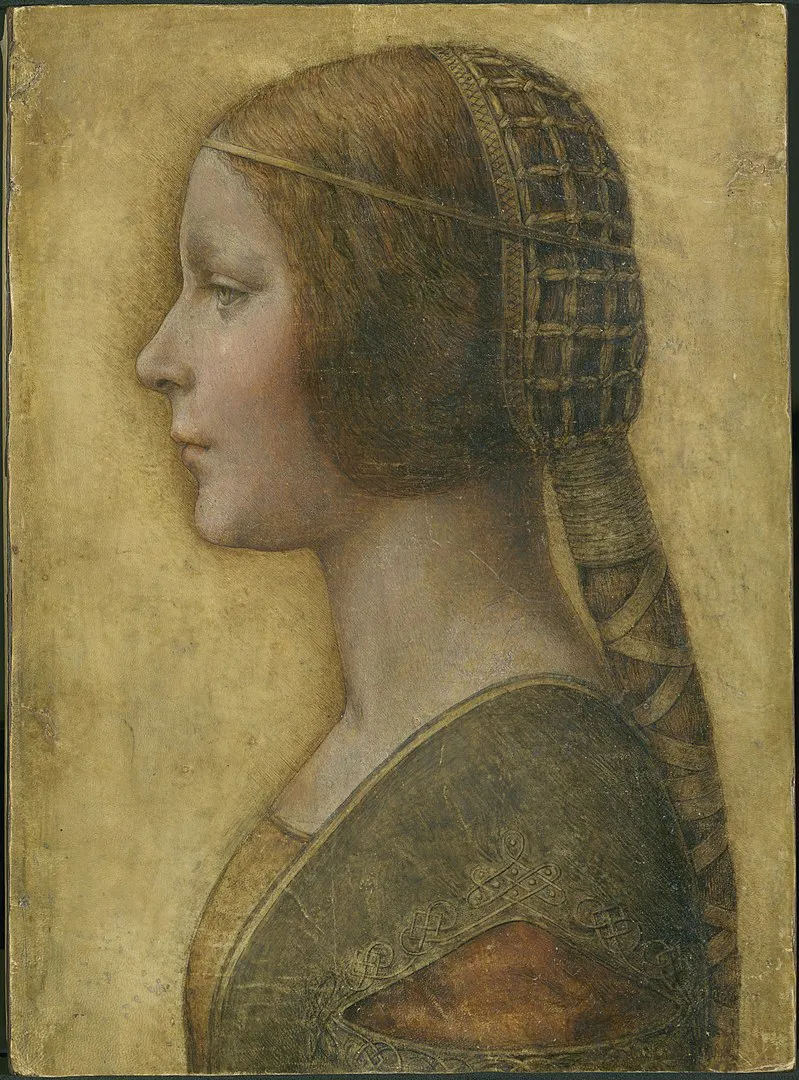
During his imprisonment, Shaun Greenhalgh wrote a memoir titled A Forger’s Tale, which tells his side of this incredible story and also claims him to be the artist behind the artwork La Bella Principessa, which is attributed to Leonardo da Vinci and locked in a vault in a secret Switzerland location.
1. Tom Keating
The Englishman Tom Keating (1917-1984) is possibly one of the only forgers who did not create fakes for money but to make a statement. He believed that the art world existed in an "avant-garde fashion, with critics and dealers often conniving to line their own pockets at the expense both of naïve collectors and impoverished artists."
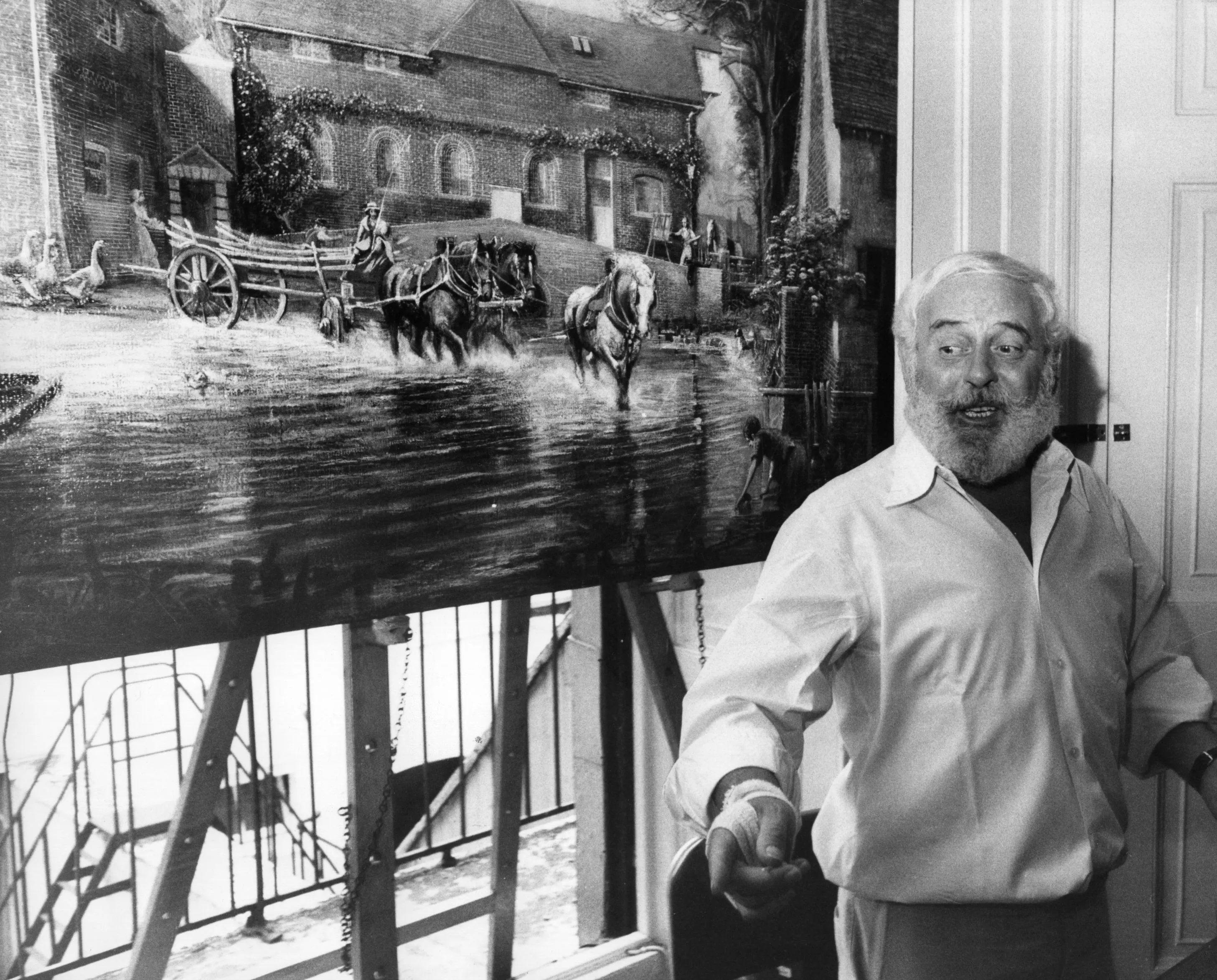
Coming from a tremendously poor background, Keating sympathized with the famous artists of the past that died in poverty. He created forgeries of artists such as Rembrandt, Edgar Degas and Modigliani. Initially, he studied at Goldsmith University and also taught painting over the years, where he also met his thirty-years-younger wife, Jane. It was Keating’s intent to show the world how flawed the art world was, and he left ‘time bombs’ in his work – small clues that would be detectable by the experts if they wanted to examine the authenticity of a work.
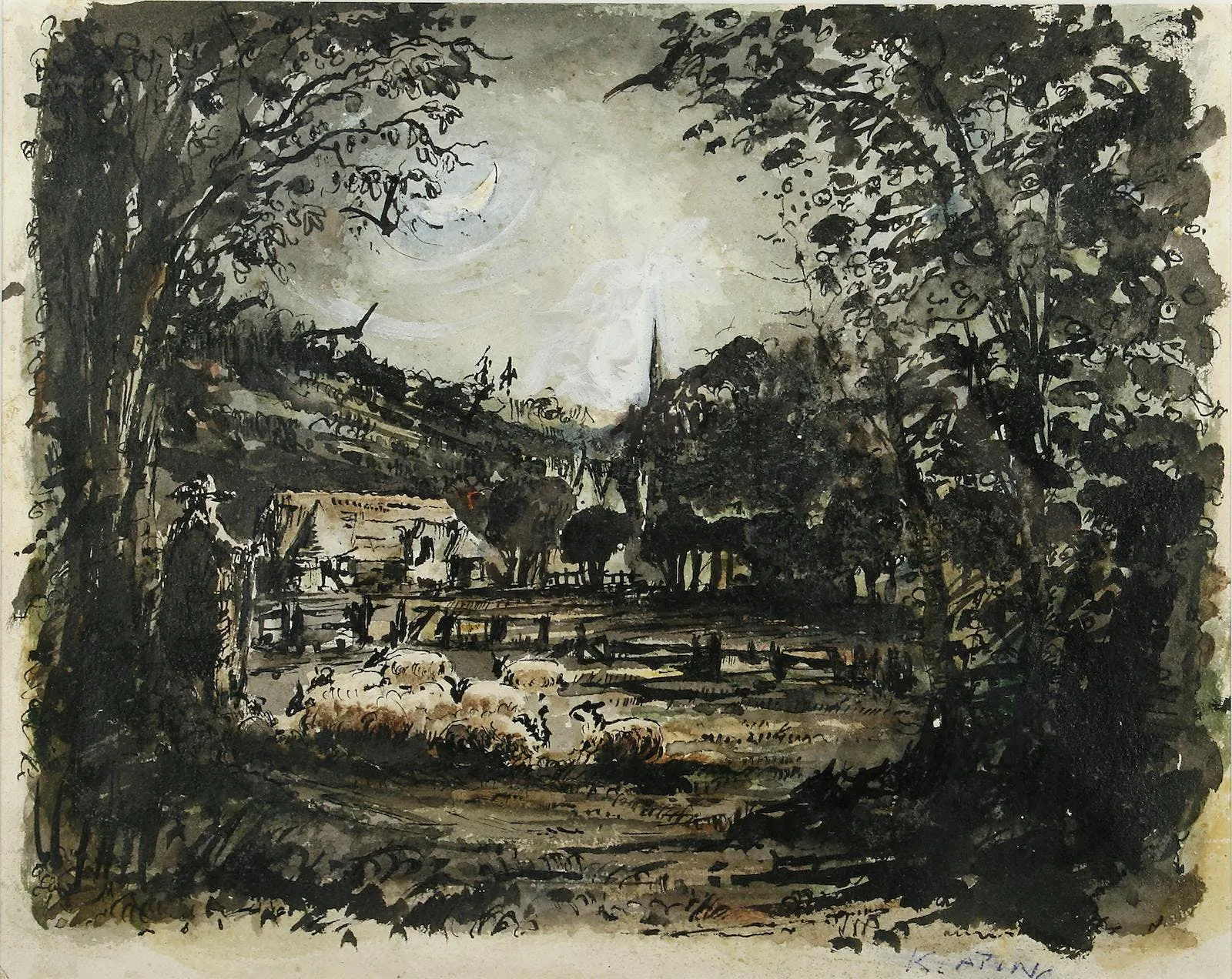
He was only discovered in 1970 when Geraldine Norman sent thirteen works attributed to Samuel Palmer to a laboratory to get scientifically analyzed. The tests concluded that they were all forgeries. It was Jane’s brother who told Norman about Keating and his work. Both Jane and Keating were arrested and Jane promised to testify against him after pleading guilty, but all charges were dropped against Keating due to his very poor health. Jane still had to serve a prison sentence. After his death, Keating’s works rose considerably in value and are still popular on the auction market today. It is believed that around 2,000 of his forgeries are still circulating the art world.
Explore more art with Barnebys
Article by Sophie Bubmann