César Ritz, a Swiss visionary, forever changed the hotel industry. Raised in the small Swiss town of Niederwald, he ignored his family’s objections and left Switzerland for Paris, where he started working as a waiter. But Ritz was more than just a waiter—he was a skilled salesman. He famously convinced customers that the water in Paris was unhealthy and persuaded them to drink wine instead—the most expensive wine, of course. Eventually, he moved into the hotel business, where his talent continued to grow. Ritz understood that a hotel couldn’t just be a place to sleep; it had to be an experience. He organised grand balls, special events, and fireworks displays, ensuring guests would remember their stay long after they left. This reputation for prestige followed him wherever he went.
See also: Accommodation Meets Art: 7 of the Most Creative Hotels in the World
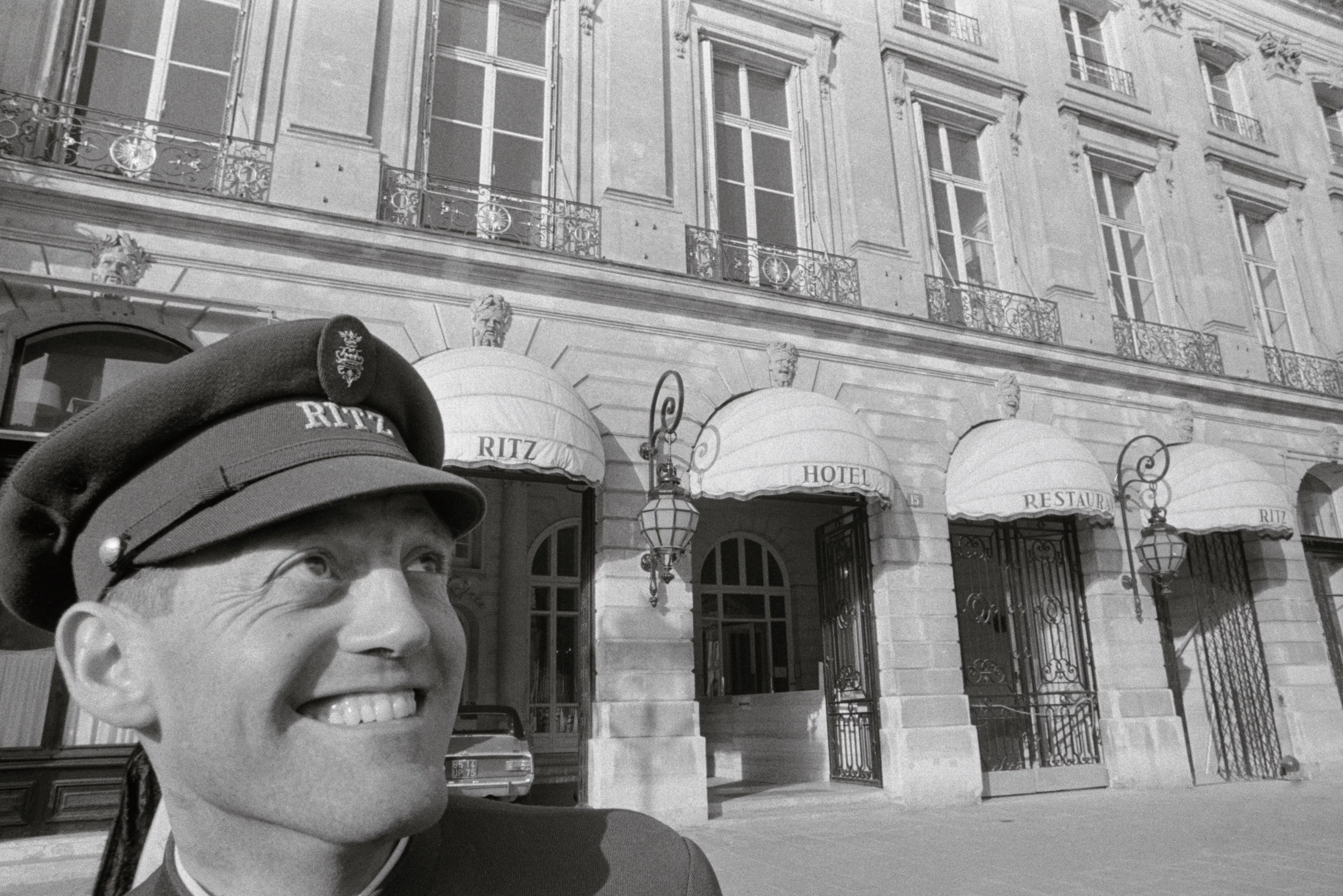
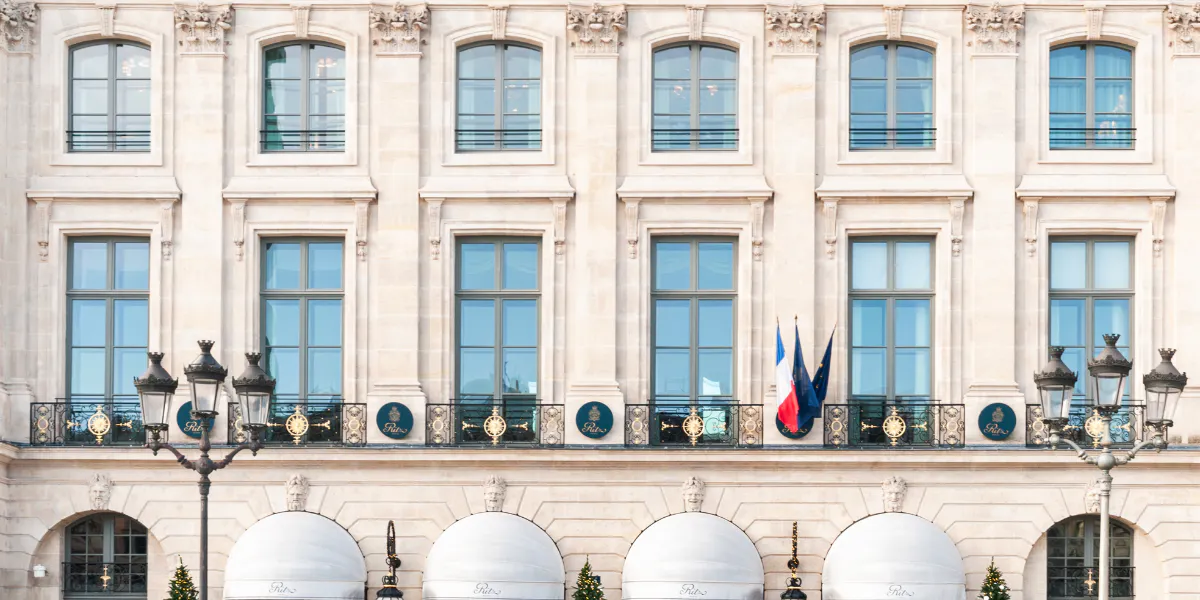
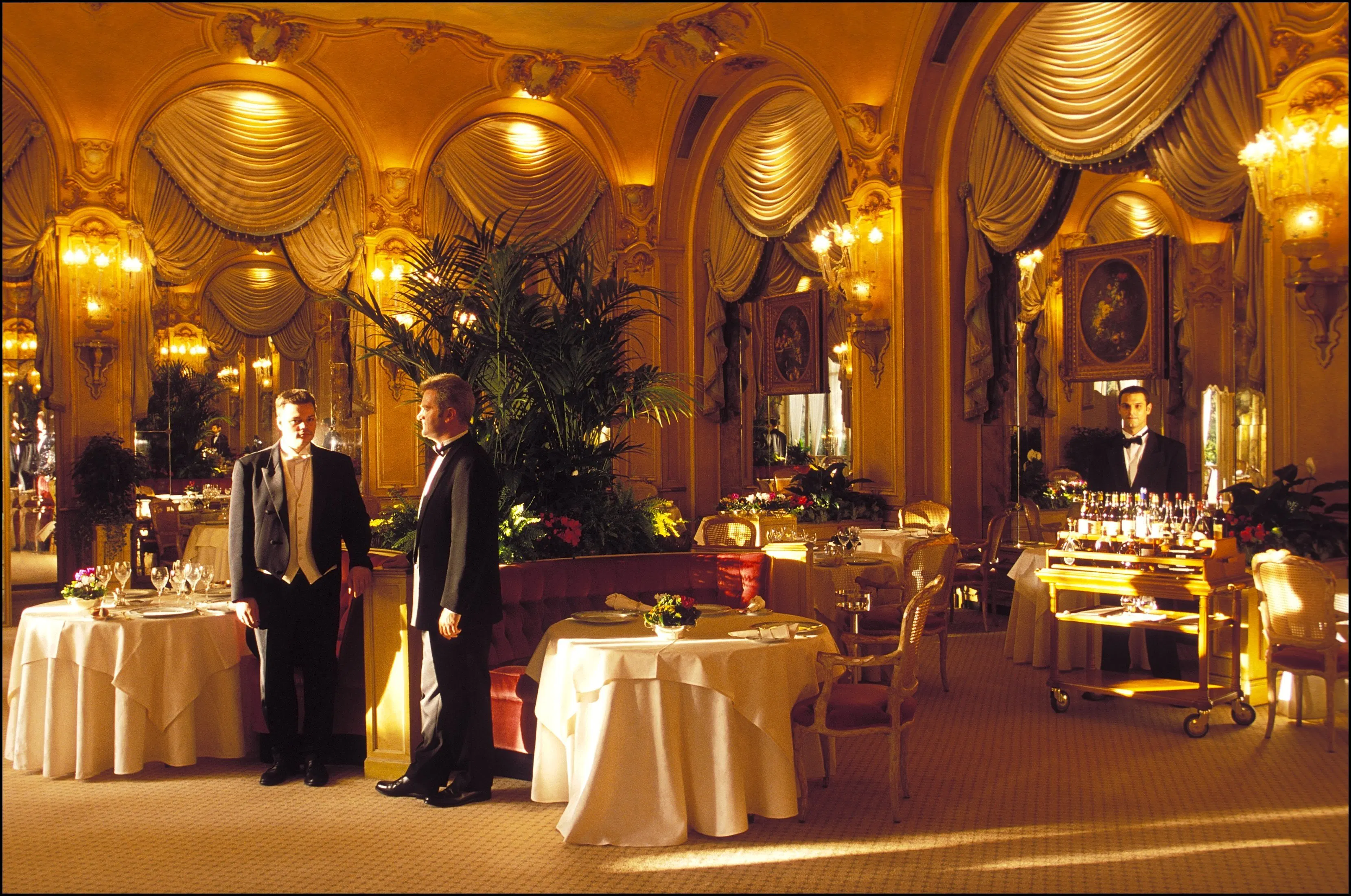
Ritz had always dreamed of opening his own hotel, and when the perfect opportunity came—a tenant at 15 Place Vendôme was selling—he knew it was his chance. His vision was simple: to create the most luxurious hotel in the world. Despite the doubts of others in the industry, he was determined to make his dream a reality. The opening in 1898 was a great success, attended by Parisian high society, including Sarah Bernhardt, Cornelius Vanderbilt (who traveled all the way from Manhattan), Emperor Nicholas II of Russia, and Marcel Proust, who eventually moved into the hotel. From the day it opened until the economic crisis of the 1930s, the Ritz was always fully booked, quickly becoming the ultimate symbol of luxury.
Here are 10 things to know about the Ritz:
1. How the Ritz Revolutionized the Hotel Industry
The Ritz was the first hotel to offer a private bathroom in every room—at a time when shared bathrooms were still the norm. Obsessed with hygiene, Ritz believed every guest deserved their own space and privacy. On top of that, the Ritz was always ahead of its time, introducing the latest technology to enhance guest comfort. Electricity, elevators, telephones—you name it. The Ritz was constantly evolving, setting new standards for luxury and convenience.
See also: 8 Patrons of the Parisian Avant-garde
2. Designed with Women in Mind
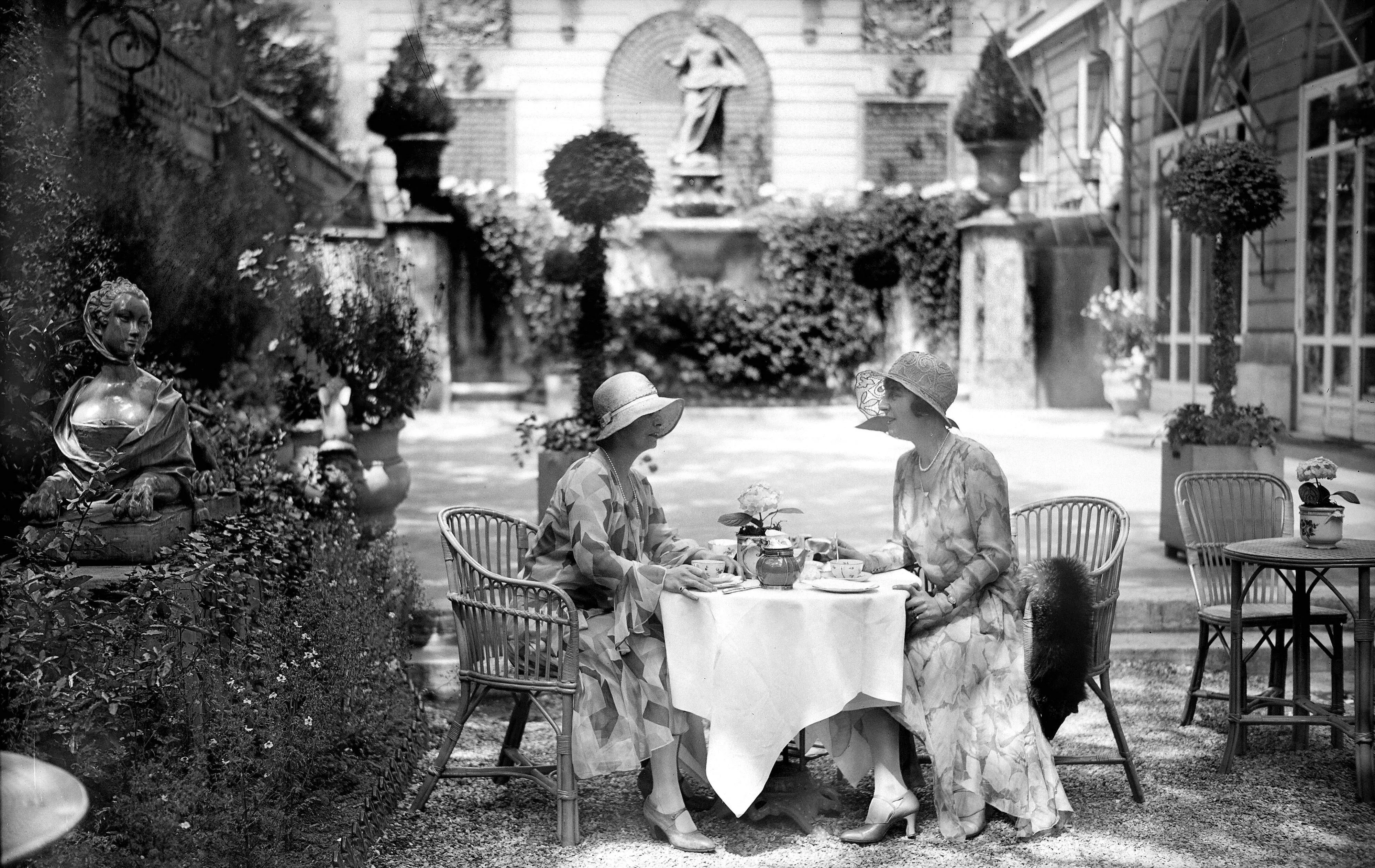
The Ritz was designed with women in mind, breaking social conventions and redefining hospitality. With the help of his wife, Marie-Louise Ritz, César made thoughtful changes to ensure women felt comfortable and welcome. He widened the staircase so that women in crinoline dresses wouldn’t have to squeeze through sideways and added hooks to every chair for women to hang their purses—small but revolutionary details. More importantly, the Ritz was one of the first places in Paris where women could gather freely without needing to be accompanied by a husband, which was both controversial and groundbreaking at the time. Marie-Louise went to great lengths to help women feel their best, even choosing peach-coloured towels to flatter their complexions. Women could feel free and independent at the Ritz, making it a regular spot for personalities like Sarah Bernhardt and Colette.
See also: Inside Violino d'Oro: Venice's Visionary 'Made in Italy' Hotel
3. The Golden Rule
At the Ritz Paris, the golden rule was simple: anything a guest desired, they received. The staff was trained to fulfil every request, no matter how unusual. For instance, when Cole Porter felt inspired in the middle of the night and needed a piano, it appeared instantly. Similarly, when Elsa Maxwell told César Ritz she wanted to throw a dinner for 200 people in just a few hours, it was done without hesitation. At the Ritz, no request was too extravagant to be met.
Want more articles like this straight to your inbox? Subscribe to our free newsletter!
4. The Famous Ritz Parties
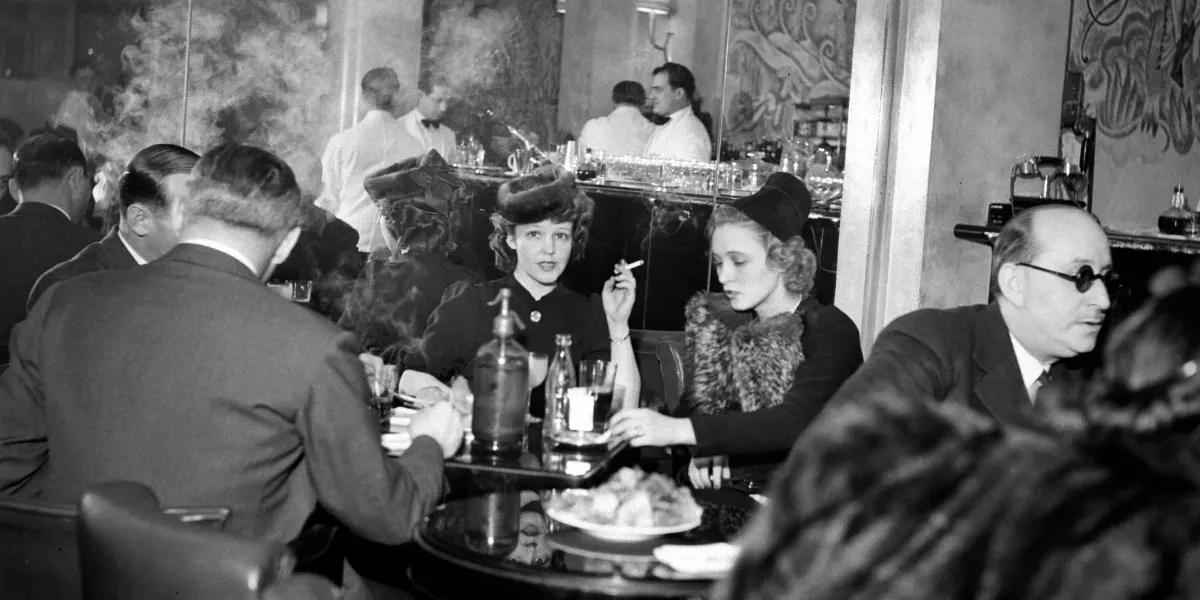
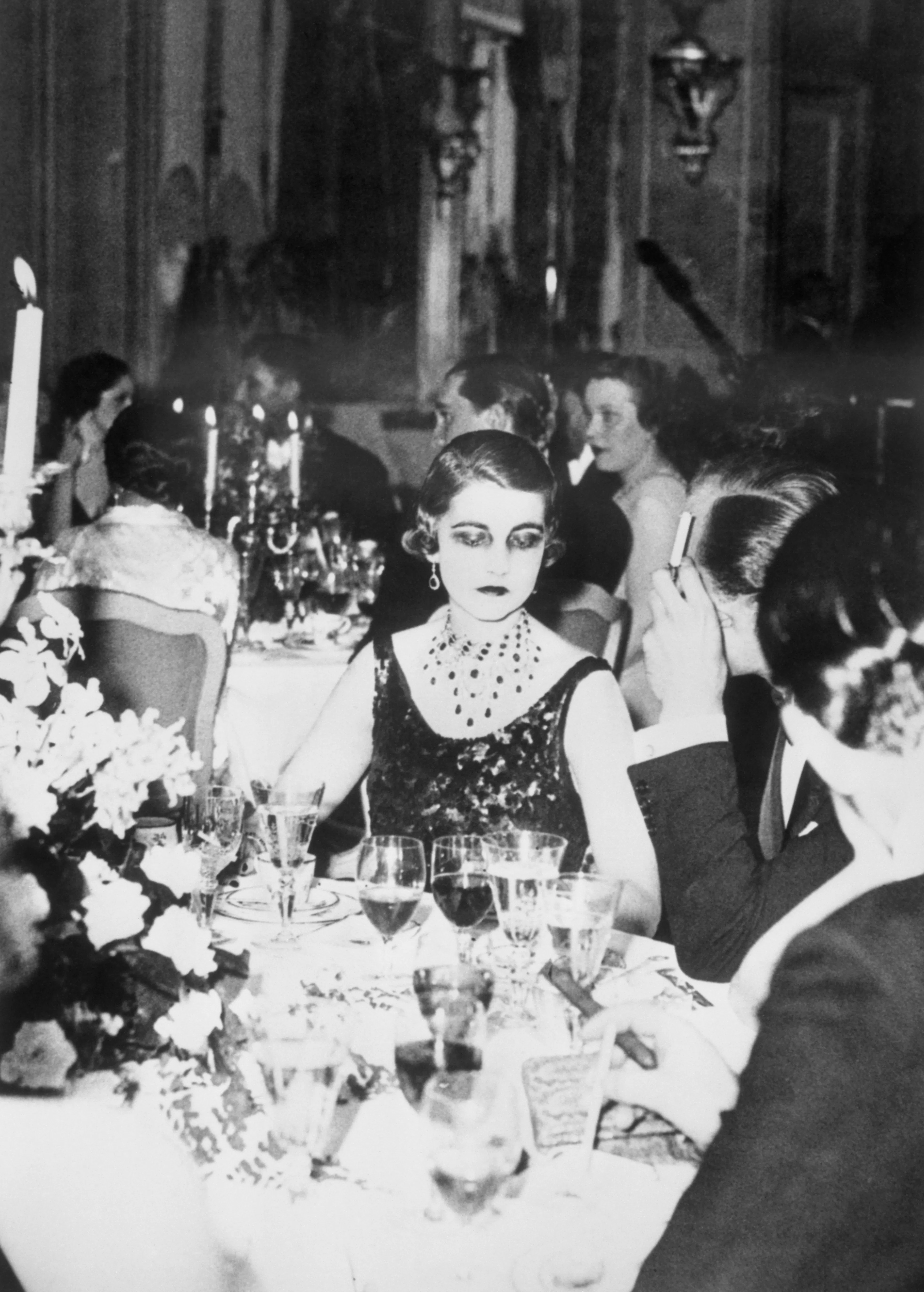
The famous parties at the Ritz Paris attracted more than just the invited guests. The hotel’s ballrooms were home to a menagerie of exotic creatures alongside their owners—parrots, monkeys, and even panthers. Woolworth Donahue casually strolled to the bar with a puma on a leash, and it wasn’t even considered unusual. Luisa Casati, known for her extraordinary dresses, kept two cheetahs in her room. She also wore a sedated, gold-painted snake draped over her shoulders at these famous parties (and, of course, it was the Ritz staff who fed the snake). The food was equally extraordinary, including elephant meat sourced from the Parisian zoo. But no matter how unusual the request, the rules remained unchanged—the Ritz was dedicated to fulfilling the wishes of its guests. Even during the Second World War, the parties continued. The hotel became a symbol of defiance, where Parisian intellectuals gathered to plot how to end the war.
5. The Queen of the Ritz
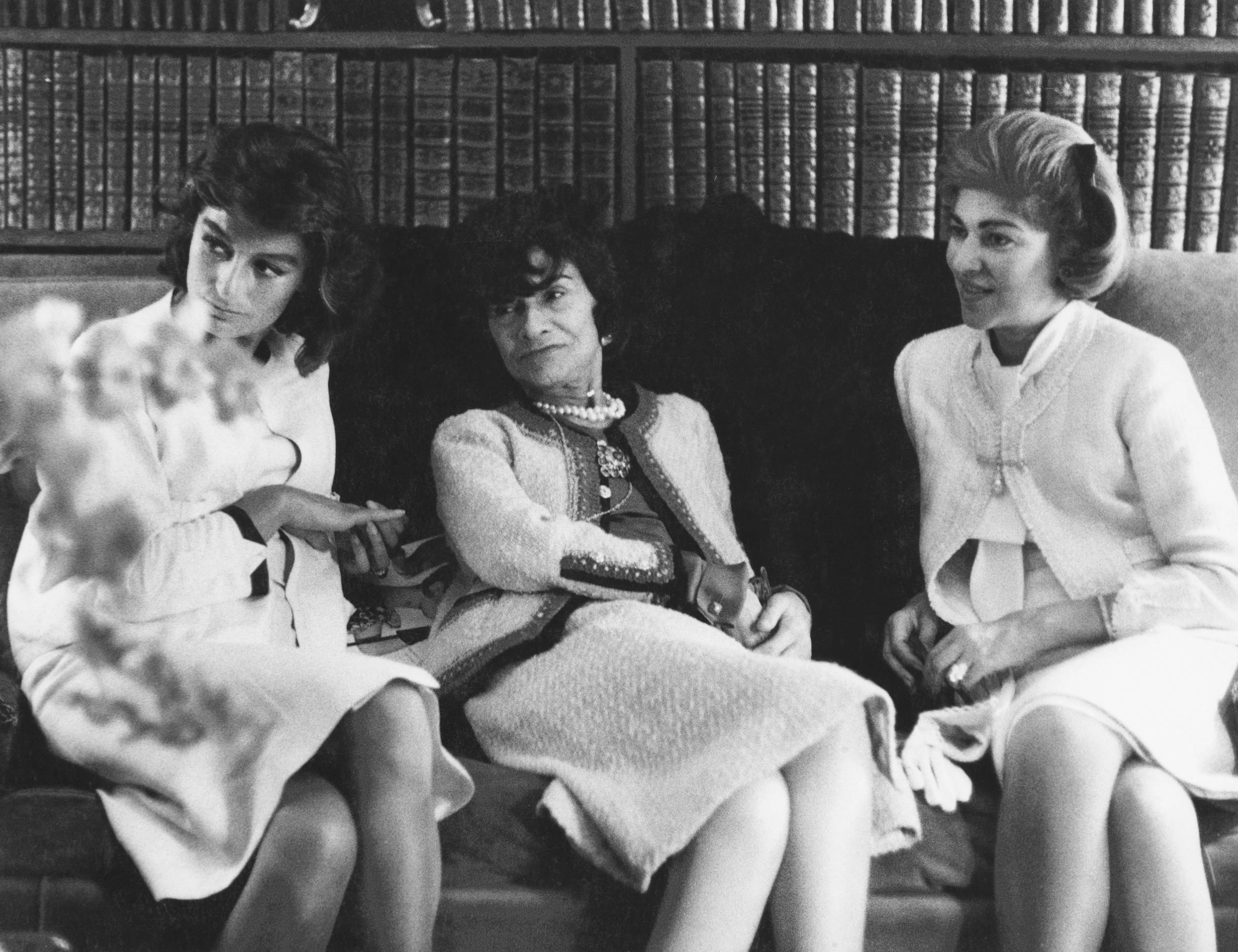
At first, Coco Chanel visited the Ritz to find inspiration and observe the ever-evolving world of fashion. In 1934, she moved into her own suite at the hotel (which you can now stay in for 32,000 euros a night). The Ritz became more than just her home and creative sanctuary—it also served as a place of business. Here, Chanel designed stunning outfits for guests attending the lavish parties hosted by Elsa Maxwell (and during this time, Chanel was also designing men’s fashion). During the 1940s, when Germany occupied France, part of the hotel was requisitioned by German officers, and Chanel’s suite was taken over by officer Hermann Göring. As a result, she was forced to relocate to the top floor, where she would remain for the rest of her life. Before this, however, Chanel had a secret affair with German officer Hans von Dincklage, a relationship she worked hard to conceal. This led to rumours that she was a spy providing information to the Germans, although these allegations were never confirmed.
See also: Chanel: French Fashion Par Excellence
6. A Hub for Fashion
Not only did Coco Chanel showcase her brilliant designs at the Ritz, but Elsa Schiaparelli also presented her first-ever collection at the hotel, forever changing fashion history by introducing Surrealist-inspired creations.
7. The Hemingway Bar
Ernest Hemingway had a deep affection for the Ritz Paris, a place where he often retreated to write his novels and create history alongside F. Scott and Zelda Fitzgerald over glasses of dry martinis. Hemingway even planned to write a book about the legendary parties held at the Ritz, though it sadly never came to fruition. He famously 'liberated the Ritz' at the end of World War II, arriving in a Jeep with a group of military men and declaring the hotel free. He then ordered the staff to open every bottle of alcohol in the cellar and insisted that every guest at the bar be served a bottle of champagne. As for Hemingway, he famously drank 51 dry martinis that day. Today, if you stay in the Hemingway Suite at the Ritz, the staff will deliver a dry martini to your room at 6 p.m., just above the iconic Hemingway Bar. Hemingway once wrote, 'When I dream of the afterlife in heaven, the action always takes place in the Paris Ritz.'
8. The Masterpiece Discovery
During renovations at the Ritz Paris, a priceless masterpiece by French artist Charles Le Brun, The Sacrifice of Polyxena (1647), was uncovered in Coco Chanel’s suite. The painting was later sold at Christie's for €1.44 million and now resides in the Metropolitan Museum of Art in New York.
See also: Travel the World Through Art

9. A Suite Inspired by Marie Antoinette’s Bedroom
The Imperial Suite, the most expensive at the Ritz Paris, is modelled after Marie Antoinette’s bedroom at Versailles. Styled with antique design elements, the suite features gold accents and rich blue velvet interiors, showcasing a stunning example of classic French design. It serves as an inspiring space for anyone looking to decorate their home in an antique style. Additionally, this suite was the venue for Karl Lagerfeld’s iconic Chanel fashion show, held to mark the 25th anniversary of Coco Chanel’s death.
See also: A History of Élisabeth Vigée Le Brun's Portraits of Marie Antoinette
10. A Source of Inspiration for Iconic Writers
Marcel Proust, inspired by the Ritz's extravagant guests, drew from the hotel’s atmosphere to write his novel À la recherche du temps perdu. In homage to the legend, the Ritz Paris has dedicated a French-style tea room in his name, where guests can experience the same inspiration Proust found within its walls. Both F. Scott Fitzgerald's Tender Is the Night and Ernest Hemingway’s The Sun Also Rises feature scenes set in the hotel, further cementing the Ritz’s role as a muse for some of the most iconic writers of the 20th century. To honour these literary giants, the hotel offers exclusive suites named after them, allowing guests to immerse themselves in the same luxurious surroundings that inspired their novels. Staying in one of these suites lets you step into the world of your favorite writer for a night or two.
To this day, the Ritz Paris remains a symbol of luxury and elegance, a global icon renowned for its rich history.