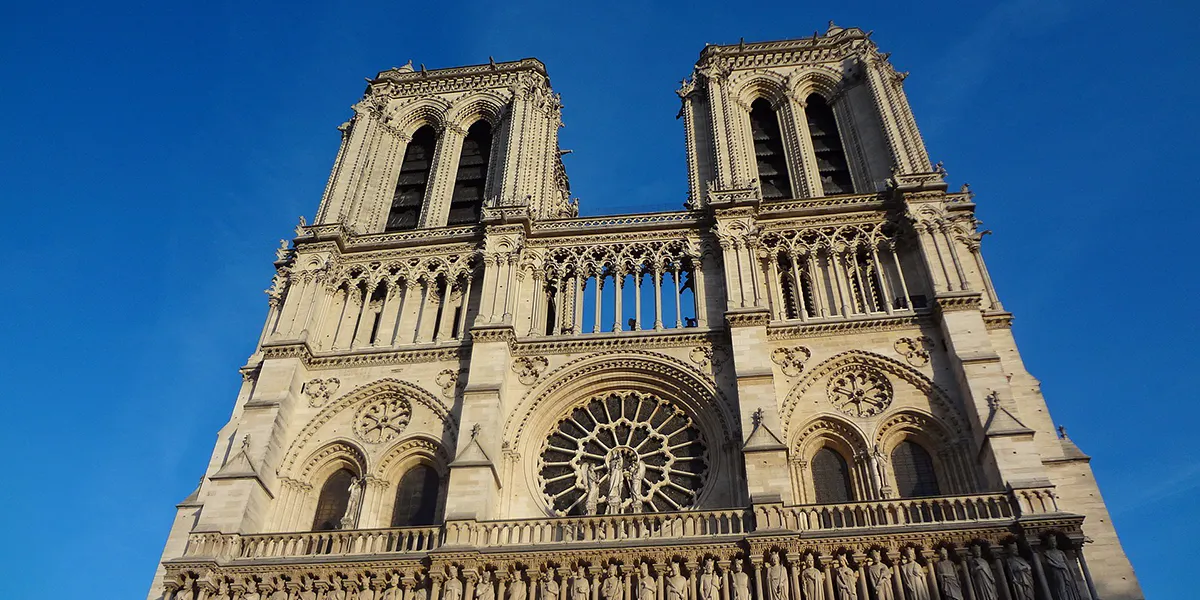
From the outset, the reconstruction of Notre-Dame Cathedral in Paris, heavily damaged by the fire on April 15, 2019, was accompanied by archaeological investigations conducted by the National Institute for Preventive Archaeological Research (INRAP). These investigations unearthed many fascinating details about the construction and usage history of the world-famous church. In April 2022, archaeologists from the institute discovered two burials in anthropomorphic lead sarcophagi in the transept. While the identity of one of the individuals was quickly revealed through an inscription, the question of the second person's identity remained unsolved—until now.
See also: The Mysterious Sarcophagi Rediscovered in Notre Dame de Paris
Last week, INRAP announced who the mysterious deceased might be. The examination of the skeleton took place at the University Hospital of Paul Sabatier University in Toulouse, under the direction of Professor Eric Crubézy. It was soon determined that the deceased was a person of rank, as the body had been autopsied and then embalmed. The male individual had died in his late thirties from chronic tuberculous meningitis. Deformities on the skeleton also indicated that the individual had frequently spent time on horseback.
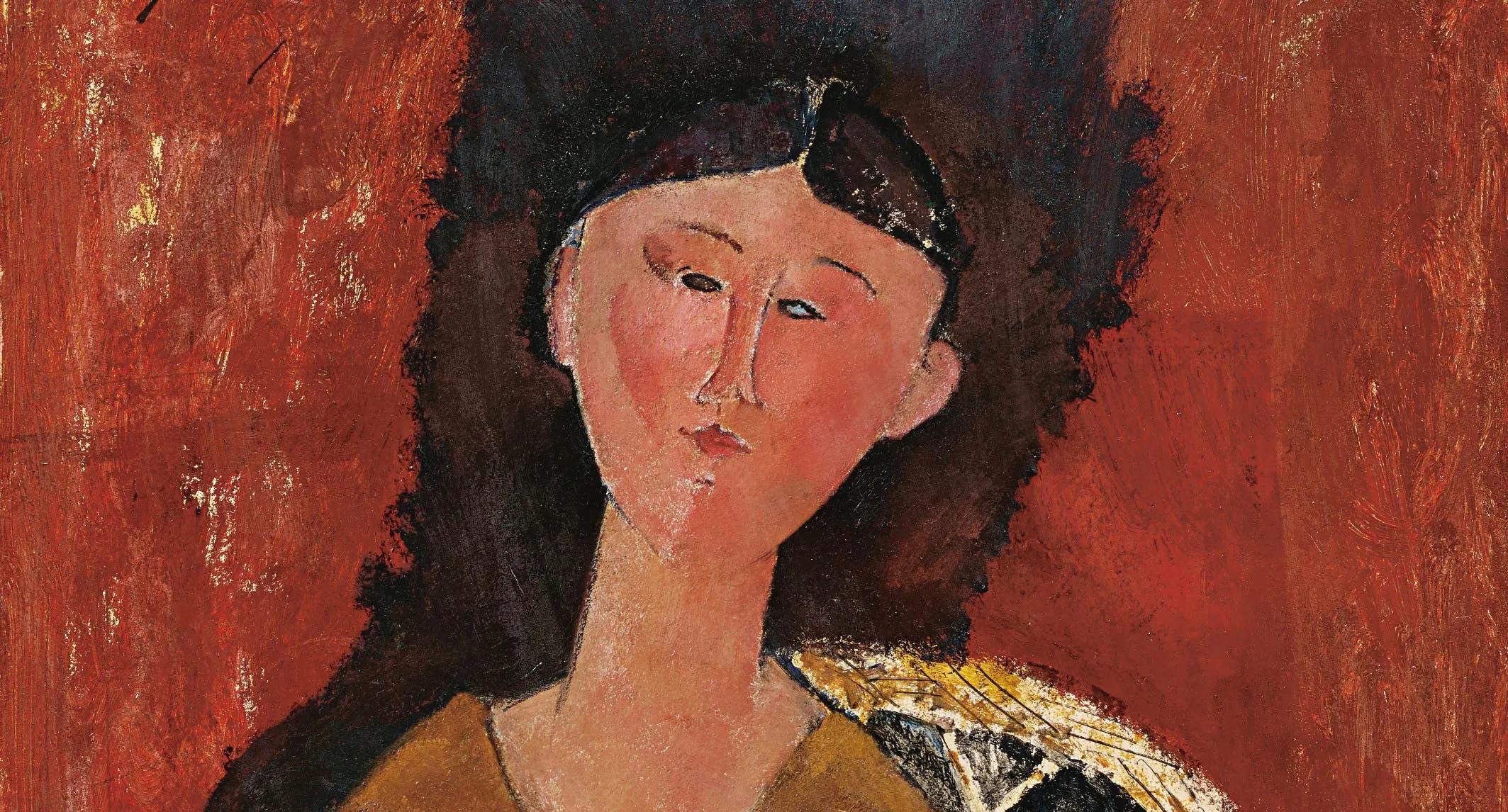
These clues, along with the prominent burial in Notre-Dame, point to Joachim du Bellay, one of the most important French poets of the 16th century. Du Bellay died in early January 1560 at around 37 years of age in Paris, from tuberculous meningitis, as revealed by an autopsy at the time. In addition to his literary work, Du Bellay was also known as a skilled horseman. From 1553 to 1557, he accompanied his second cousin once removed, Jean du Bellay, Bishop of Paris, who had supported him since the early death of his parents, on a diplomatic mission to the Holy See in Rome, during which his uncle was elevated to Cardinal.
See also: The History of Notre-Dame
Jean du Bellay’s resting place, who died only six weeks after his nephew in 1560, is also in Notre-Dame, but in a different location from the poet’s grave, despite the family’s wish for the two to be buried side by side, as Eric Crubézy explains in INRAP’s report. He suggests that possible reasons for the separation of the burials could be “an interim burial that became permanent, or a relocation of [Joachim du Bellay’s] coffin during another burial in 1569, after the publication of his complete works.”
Want news like this straight to your inbox? Subscribe to our free newsletter!
Notre-Dame is set to reopen later this year. After the original plan to have the cathedral ready in time for the Paris Olympic Games fell through, the reopening is now scheduled for 8 December 2024. However, work on the intricate details of the Gothic structure is expected to continue for another ten years.