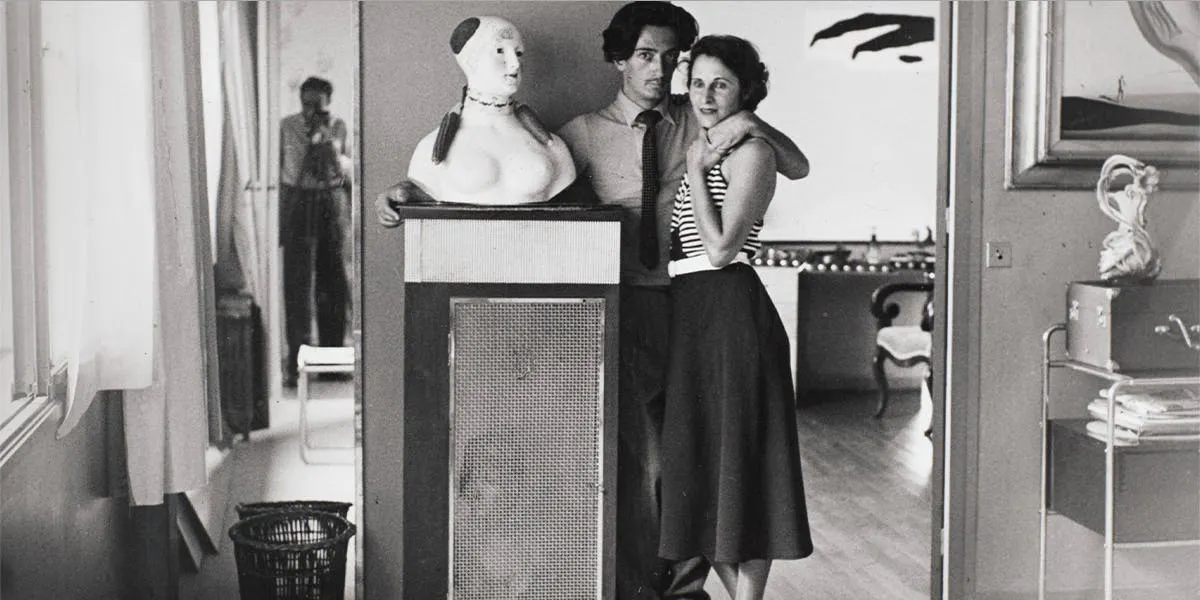
The term 'muse' was first used by the ancient Greeks. In Greek mythology, the nine muses were the daughters of Zeus and Mnemosyne, the goddess of memory and assigned as protective goddesses for each genre of art. Who ever was lucky enough to be kissed by a muse would no longer suffer such artistic woes as writer's block.
The image of the muse has since changed, though it continues to exist in all areas of the arts, from music to fashion, art to literature. Here we take an in depth look into art history's most famous muses, from Pablo Picasso and Fernande Olivier to Andy Warhol and Edie Sedgwick.
Simonetta Vespucci (1453-1476)

Related: Fire, Passion, Inspiration: Red Hair in Art
Simonetta Vespucci came from a Genoese aristocratic family. She married the cousin of the famous navigator Amerigo Vespucci and lived out her days in Florence, where she was soon hailed as the most beautiful woman in town. Her beauty inspired many artists of the time. Piero di Cosimo painted her as Cleopatra, and Sandro Botticelli portrayed her as Madonna and as several mythological figures. Whether she also served as a model for the Venus in Botticelli's Birth of Venus is argued over today by art historians.
Fernande Olivier (1881-1966)
Related: On and Off the Canvas: Art's Most Famous Muses
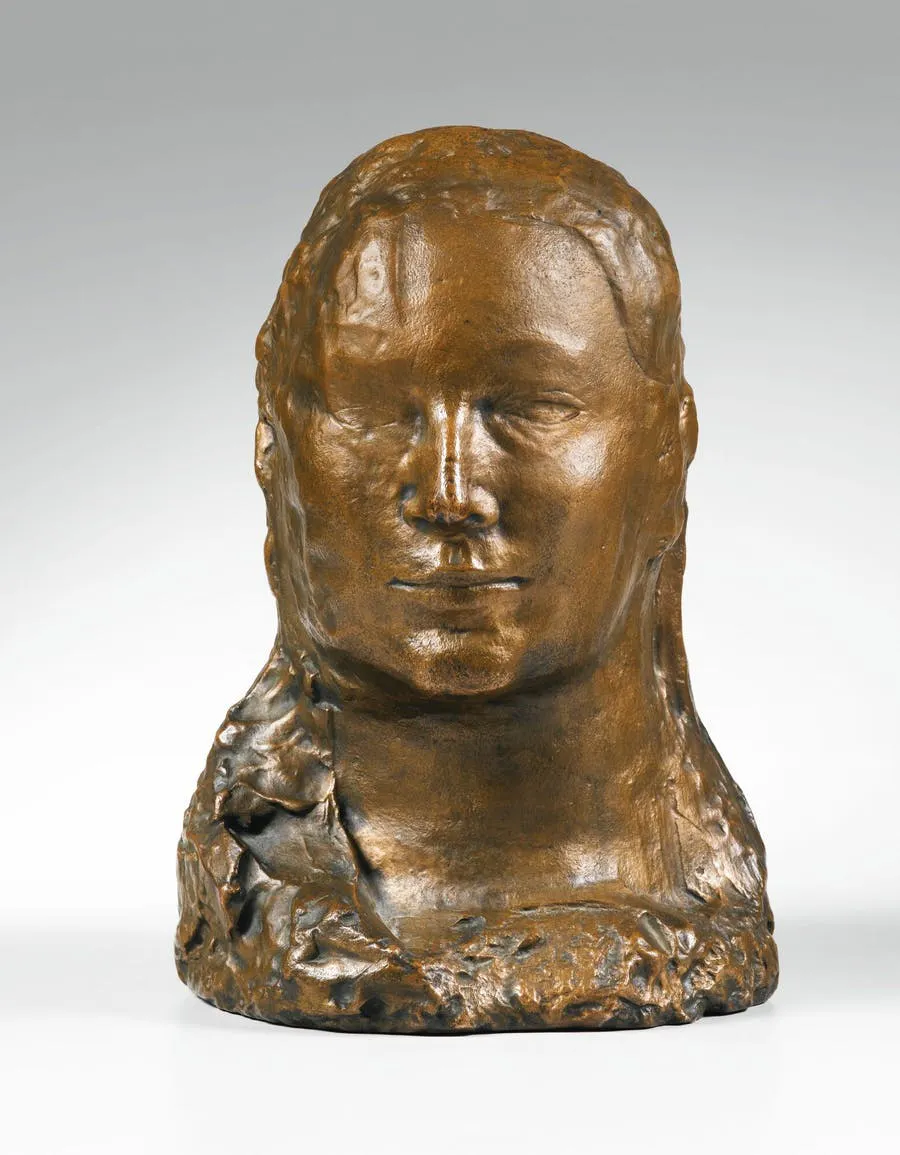
Pablo Picasso had, in the course of his eventful life and work, more than one muse. However, Fernande Olivier was his first. Even before her encounter with Picasso, Olivier, born as Amélie Lang, worked as a model for various artists. Olivier and the Spanish artist met in 1904 in Paris and fell in love. Until 1912, Fernande Olivier was Picasso's partner and muse. During this period came the emergence of Cubism. Picasso portrayed his girlfriend several times in the Cubist style. After their paths separated, Fernande Olivier continued to work as a model and later as a teacher. Her time with Picasso is described in two of her memoirs.
Jeanne Hébuterne (1898-1920)
Related: Who Was Beatrice Hastings, the First Muse of Modigliani?
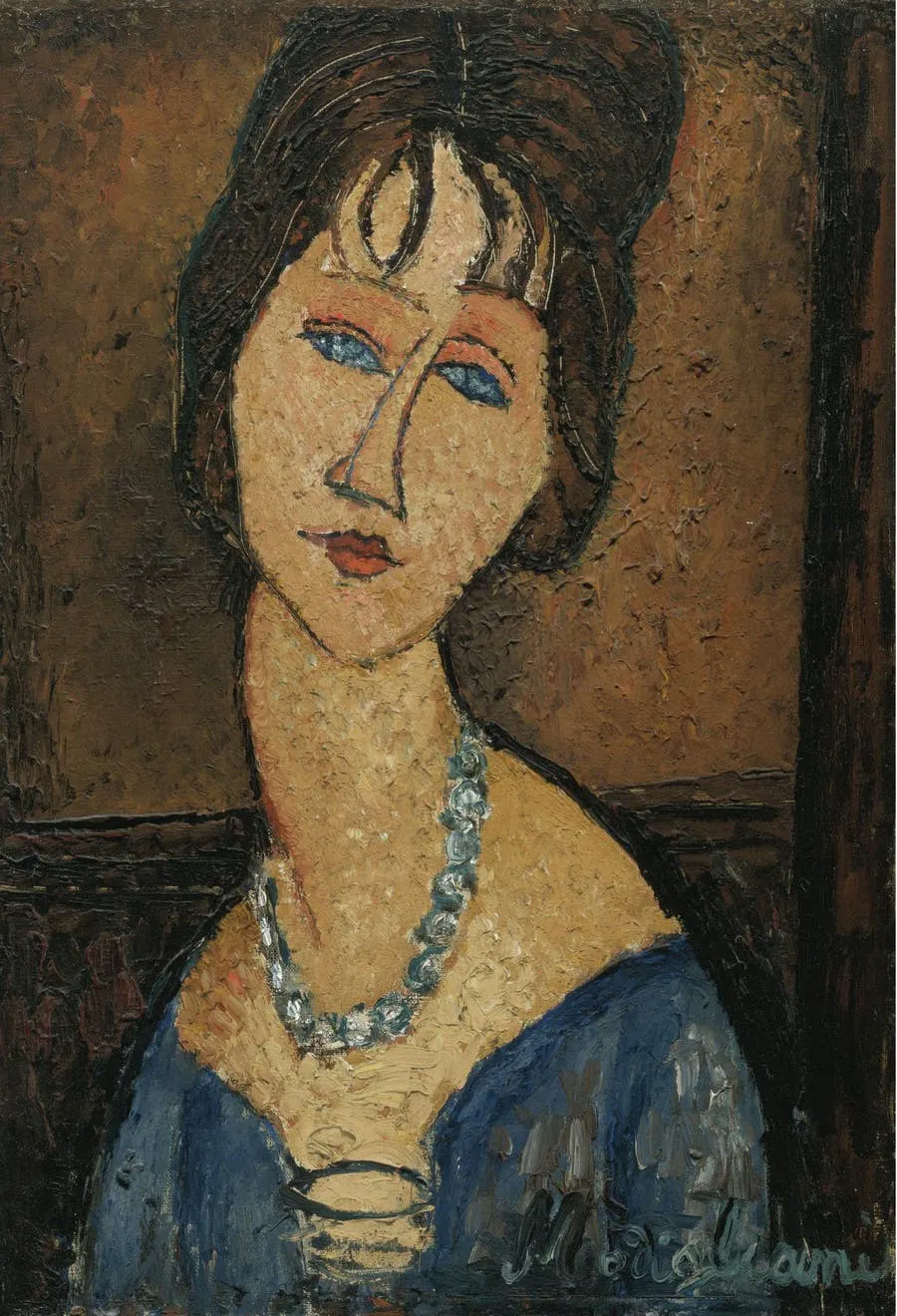
An equally touching and but more tragic artist-muse relationship was that of Amedeo Modigliani and Jeanne Hébuterne. Hébuterne lived as an art student in Paris, when she met the fourteen-years-older Modigliani. They fell in love and moved in together and, in 1918, Hébuterne gave birth to an illegitimate daughter. Modigliani painted his lover several times. Hébuterne was a good influence on Modigliani, whose life was marked by alcohol and drug abuse. When Jeanne fell pregnant again, the pair finally decided to wed. However, in a tragic series of events Modigliani died on January 24, 1920 after falling ill with tuberculous meningitis before they could get married. Pregnant Hébuterne committed suicide the day after his passing.
Berthe Morisot (1841-1895)
Want more inspiriting articles straight to your inbox? Sign up to our free newsletter here
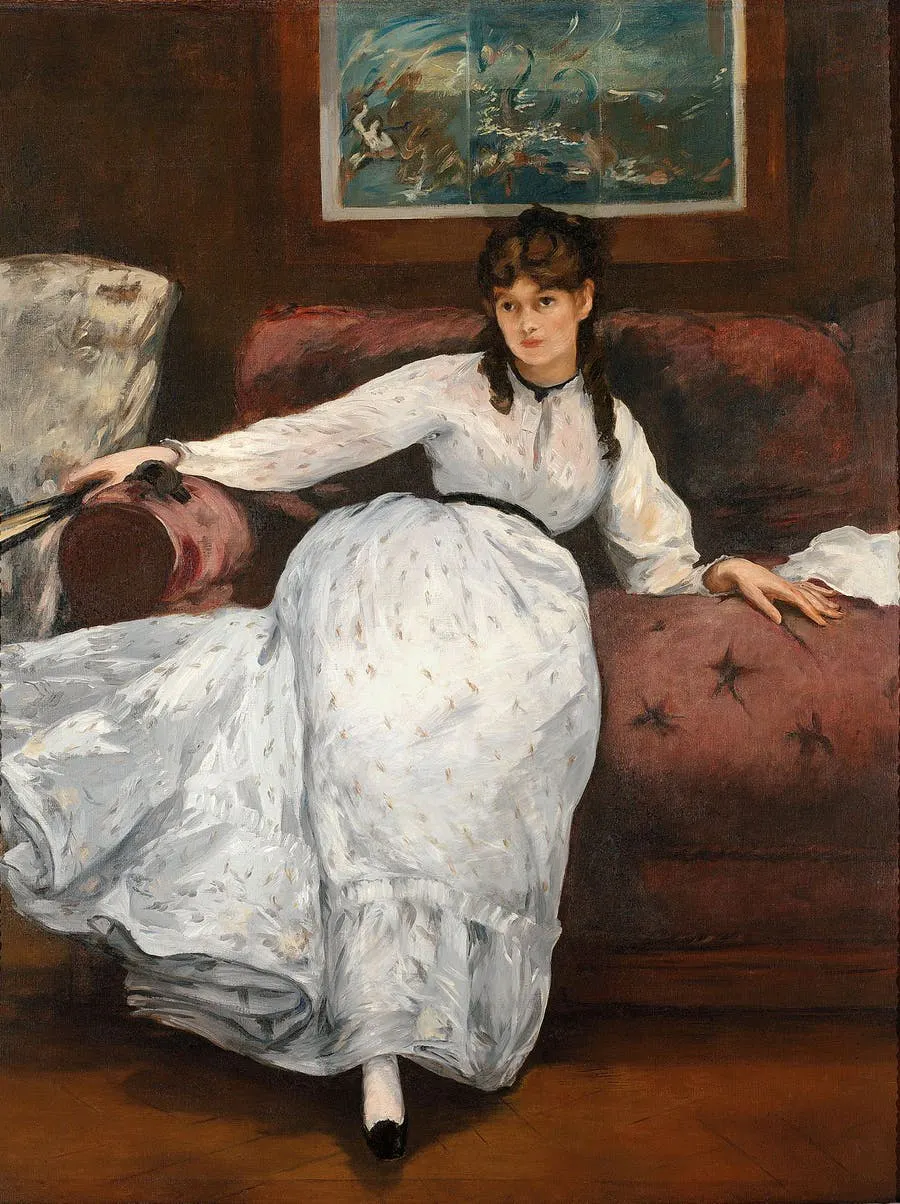
Impressionist Édouard Manet portrayed Berthe Morisot twelve times between 1868 and 1874. At that time, it was very unusual for a young woman of her origin to sit as a model for paintings that were not commissioned portraits. Morisot and Édouard Manet, who was already married to Suzanne Manet, never met completely alone, and their relationship was likely to have been purely platonic. Berthe Morisot then married Édouard Manet's brother, Eugène.
Edie Sedgwick (1943-1971)
Related: Andy Warhol’s Influence on Fashion
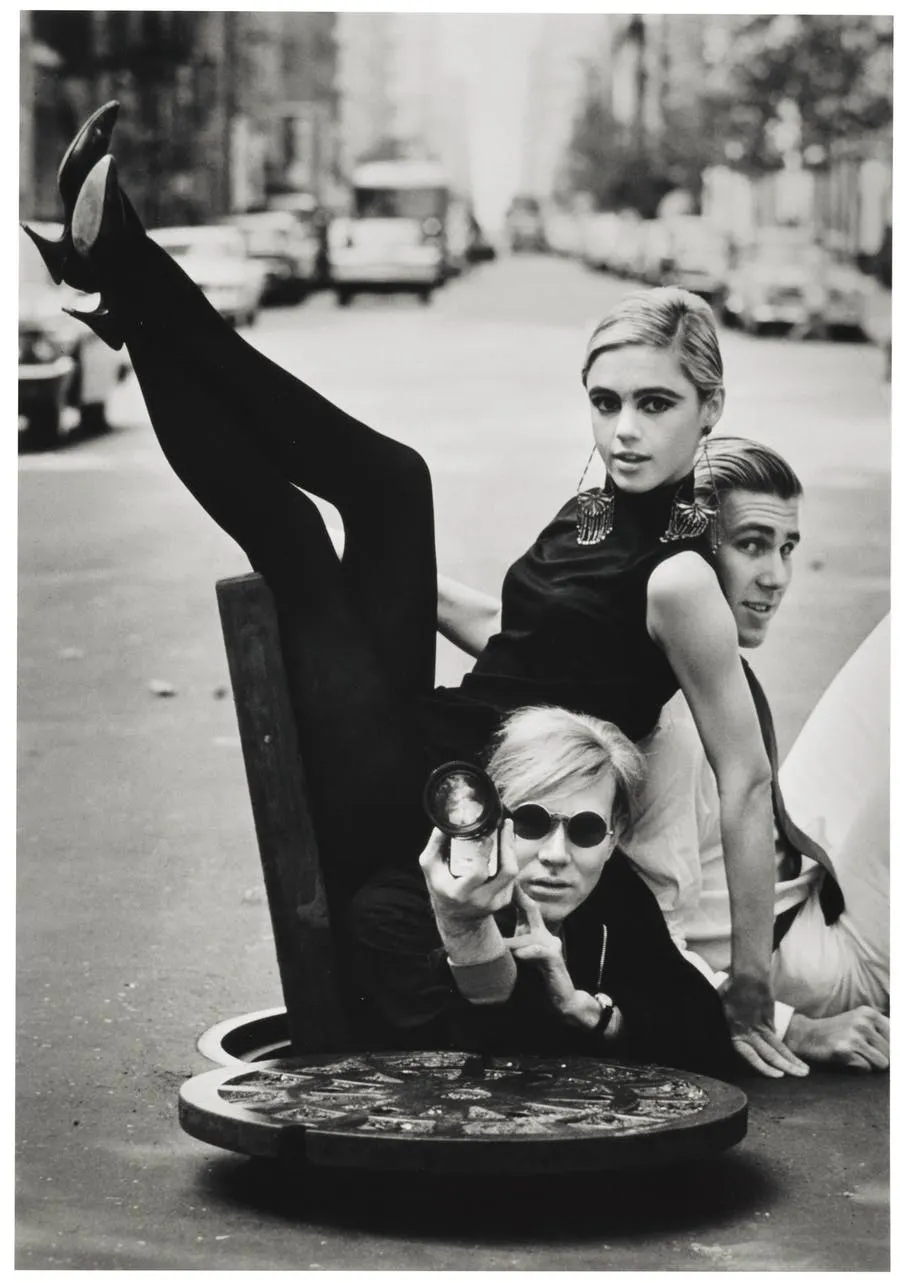
Edie Segdwick and Pop Art god Andy Warhol have one of the most famous, if not the most famous, artist and muse relationships in popular 20th-century culture. Warhol met the 21-year-old model Edie Sedgwick in New York in 1965 and was so fascinated with her that he declared her as his muse and that he wanted to form her into his alter ego. Sedgwick, who already held a reputation in the New York fashion scene at the time, became the star of Warhol's experimental films created in The Factory. She is often referred to as the first 'It Girl', thanks to her distinctive style. But the relationship between Warhol and Sedgwick cooled when she didn't feel she had been fairly treated by him, having received no money for her movie roles. Soon, she turned to Bob Dylan's circle of movers and shakers. At the age of 28, Sedgwick died after a battle with drug use.
Saskia van Uylenburgh (1612-1642)
Related: 6 Iconic Dutch Paintings
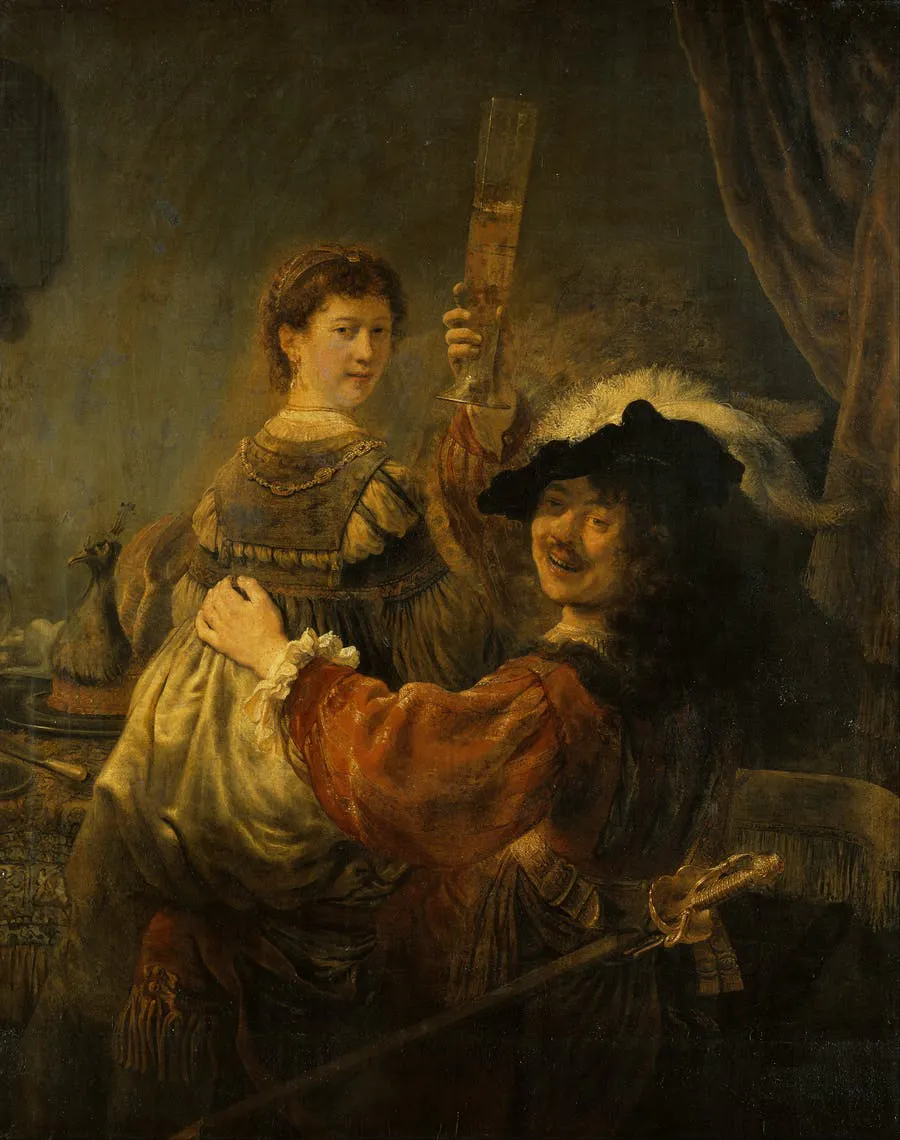
Saskia van Uylenburgh, the wife of the great Dutch painter Rembrandt van Rijn, served as the artist's muse. She came from a wealthy patrician family and the fact that she married a man who was beneath her own social status is testament to both of their strong characters and to the great love they had for one another. She served as a model for Flora, the Roman goddess of spring in her husband's work. Rembrandt also painted himself and his wife together. However, there wasn't much luck in the van Rijn house: three of the four children died early, when Saskia was less than 30 years old.
The importance place she must have had for Rembrandt's inspiration is made clear by the fact that his artistic output declined sharply after her death.
Gala Dalí (1894-1982)
Related: 10 Artist Couples You Should Know
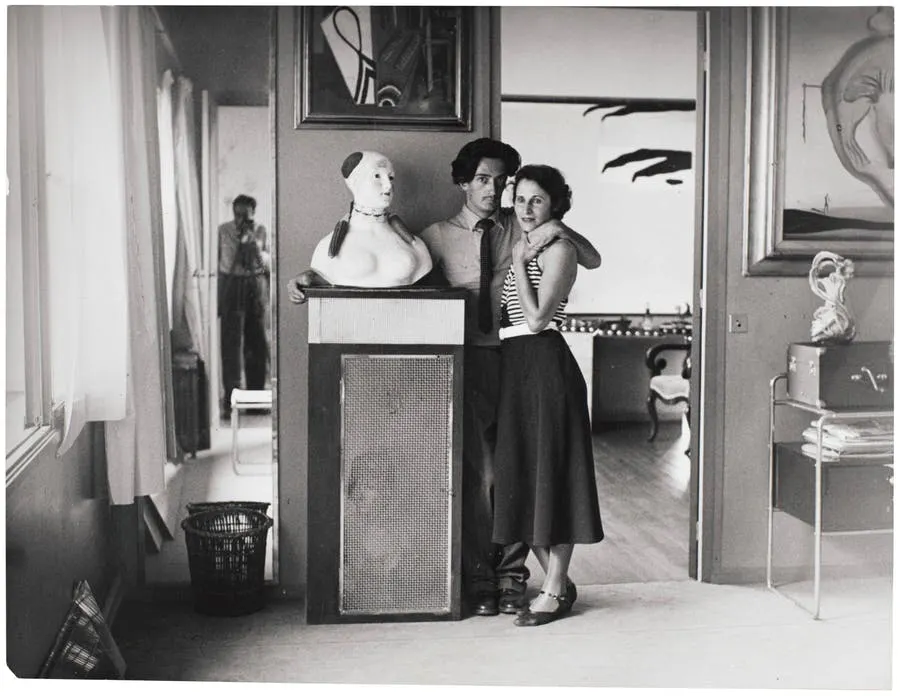
Finally, we come to a woman who was a source of inspiration to several artists: Gala Dalí, the wife of Salvador Dalí. She was born as Jelena Dmitryevna Djakonowa in the Russian Empire, and chose the name Gala for herself. In Switzerland, she met the Surrealist poet Paul Éluard. In 1917, they married and went on to live together in Paris after after World War I. There, they were major players on the avant-garde art scene. In the early 1920s, the Éluards met the painter Max Ernst. Gala and Ernst fell in love and for two years Ernst and the couple were locked in a love triangle. During this time, Ernst painted Gala several times.
In 1929, Gala met Salvador Dalí, ten years her junior, and fell in love. They moved in together in Paris and got married in 1934. Not only was Gala a model for Dalí's paintings and sculptures, she also managed his marketing.
Gala was the center of Dalí's life – until 1965, when Amanda Lear became his new muse. Gala accepted this new situation and was even glad that there was someone who was her substitute in public as, by this time, Gala was 70 years old. As Dalí became seriously got ill, Gala nursed him devotedly. The couple lived out their days in the Castell Púbol on the Costa Brava. In 1982, Gala closed her eyes and passed away next to the sleeping Salvador Dalí, who fulfilled her last wish and laid her to rest in the vault of the castle.
As different as the lives of all these muses may be, they share one thing in common: they inspired artists in turn, who made them immortal through some of their greatest works of art.