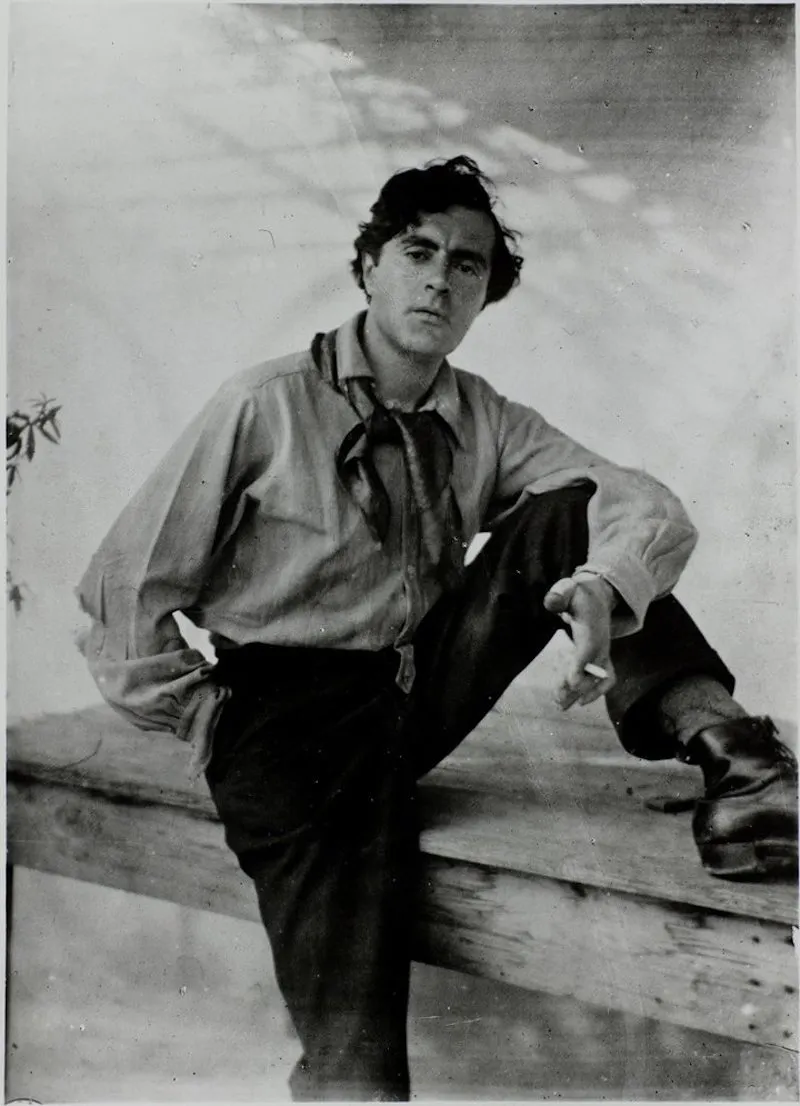
Paris, June 1914: Amedeo Modigliani, aged 32, has lived in the capital of the avant-garde for almost eight years without having managed to become known as an artist. His style is too unconventional, his health too poor, his lifestyle too excessive. Although he comes from a family in Livorno, who helps him financially, his situation continues to deteriorate.
He looked ugly, ferocious, greedy...
It is not surprising, then, that poet, journalist and British art critic Beatrice Hastings, who was sent to Paris to work on a column to be published in The New Age newspaper, was dubious after their first meeting in the summer of 1914 at Café de la Rotonde. She wrote that Modigliani was, "a complex character. A pig and a pearl. Met in 1914 at a 'cremerie'. I sat opposite him. Hashish and brandy. Not at all impressed. Didn't know who he was. He looked ugly, ferocious, greedy," she says, before continuing, "Met again at the Cafe Rotonde. He was shaved and charming. Raised his cap with a pretty gesture' blushed to his eyes and asked me to come and see his work."
It seemed as if Modigliani had already fallen in love with Beatrice Hastings, five years his senior, at the first meeting, whereupon he brought out his better side. Even Beatrice Hastings gave up her initial dislike soon enough. Modigliani began to fascinate her – both as an artist and as a man. It was not long before a tumultuous love affair ignited between the passionate artist and writer.
See also: On and Off the Canvas: Art's Most Famous Muses
Beatrice Hastings was the pen name of Emily Alice Haigh, who was born in London in 1879. Her childhood was spent as the daughter of a landowner in South Africa before she attended Queen's College, Oxford. When publishing short stories in England, she took on the persona of Beatrice Hastings, the last name which she took from an alleged short marriage to a prize boxer in Cape Town. Hastings became a regular contributor to The New Age newspaper in 1906. By 1907 she had entered into an affair with Alfred Richard Orage, the married editor of The New Age newspaper.
See also: A Dress Designed by Gustav Klimt's Muse at Auction
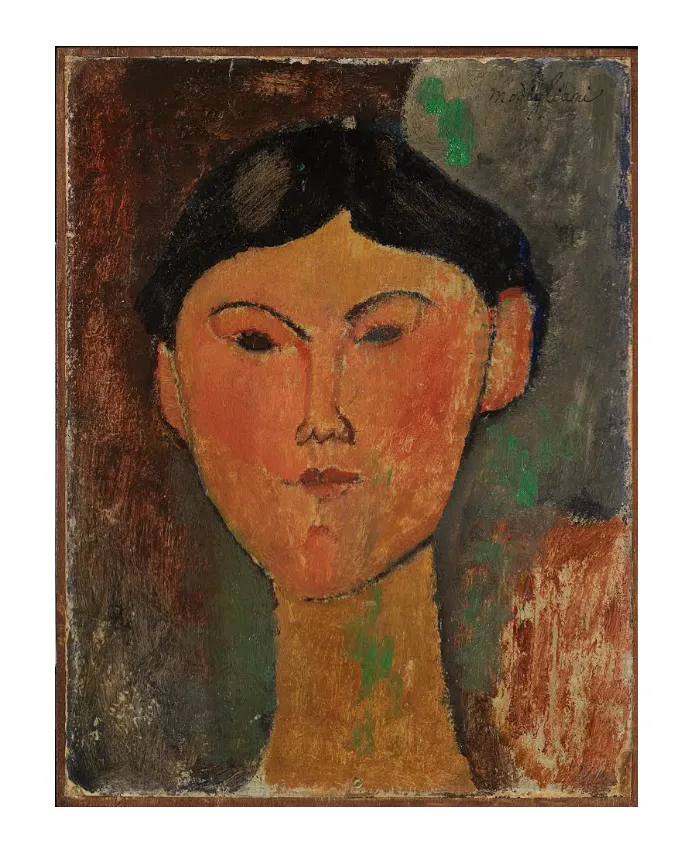
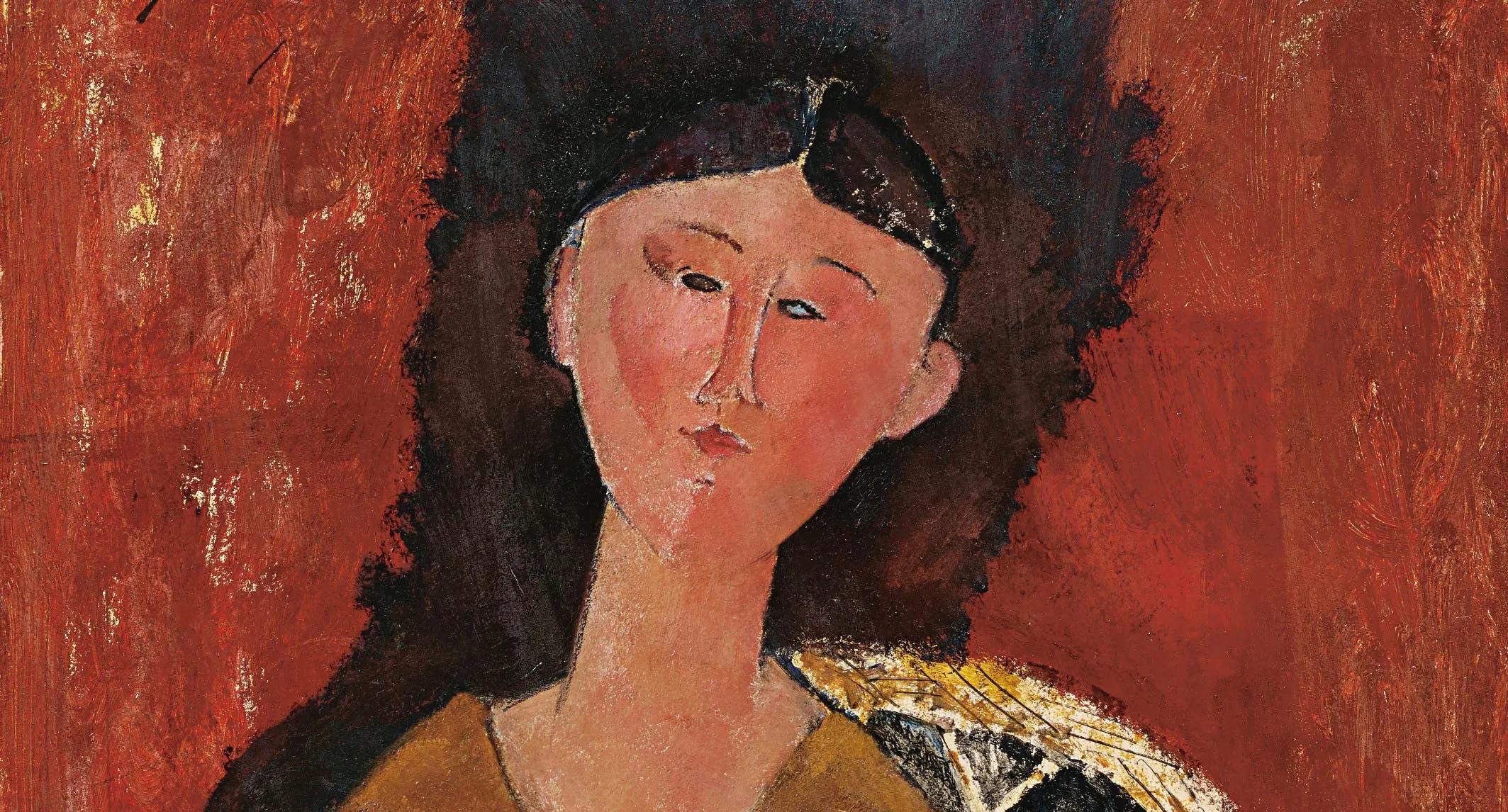
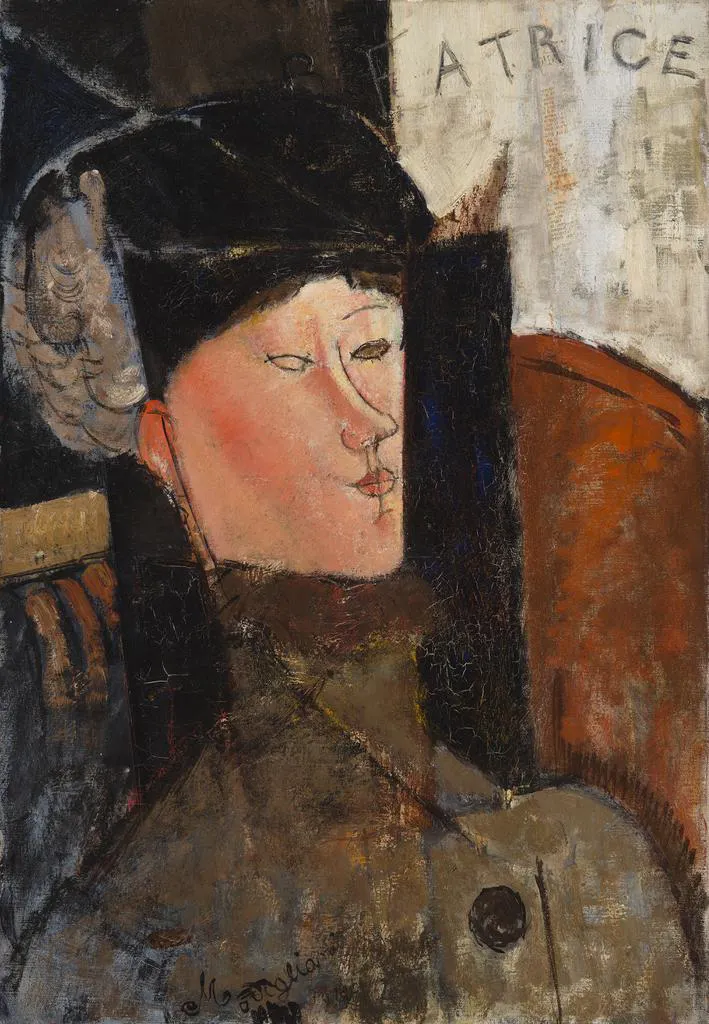
Orage sent Hastings to Paris to cover scandals in the Parisian art world and, through Modigliani, she infiltrated the scene – and also became an important muse for the artist. Inspired by Hastings, Modigliani turned back to painting, which he had given up in favour of sculpture. It was then that he began to develop his unmistakable style that would make him immortal. He painted Beatrice over ten times. These portraits show a confident woman, but also one who was portrayed with great sensitivity by her lover.
See also: Diego Rivera: 7 Facts to Know
But the relationship between Hastings and Modigliani, which was stormy, also had its downsides as the opium and alcohol consumption of the health-stricken artist sharply increased. Fierce clashes often rose between the two strong characters. The relationship finally ended after two years in the summer of 1916. Both turned to new partners: Modigliani with Simone Thiroux, a Canadian-born art student and friend of Beatrice Hastings, Hastings with the sculptor Alfredo Pina.
Finally, Modigliani found his last great – and tragic – love in Jeanne Hébuterne. In 1917 the pair began their liaison, only for the artist to die not long after on 24 January 1920 at the age of 35. He had suffered from tuberculous meningitis, which was made worse by complications brought on by substance abuse. Two days later, Hébuterne, 21, took her own life, throwing herself out of the fifth-floor apartment window, killing herself and her unborn child.
Hastings gave up her dissolute life in Paris in 1931 and returned to England, where she could no longer gain a foothold in her career. Lonely and impoverished, she committed suicide in her apartment on 30 October 1943, never having received the critical recognition as a writer that she sought.
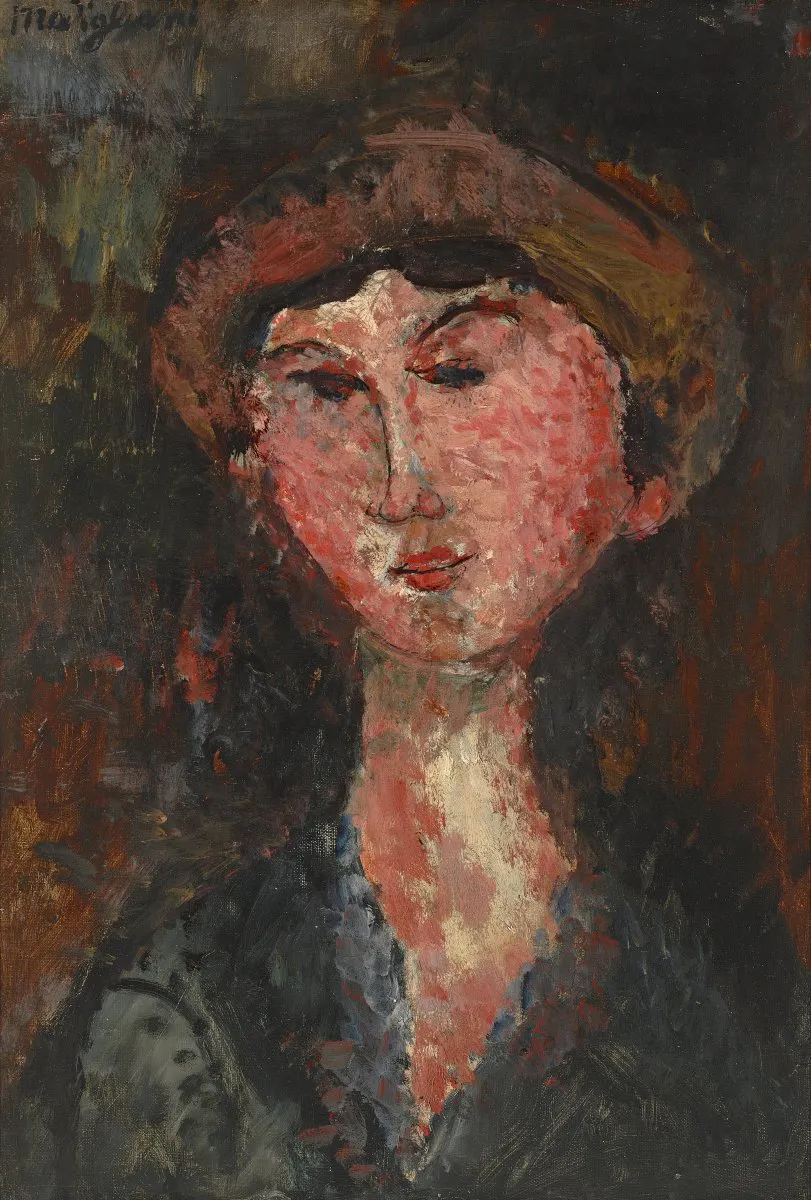
Several of Modigliani’s portraits of Hastings have found success on the auction market: Beatrice Hastings devant une porte (1915) sold for $4.2 million at Christie’s in 2002, Beatrice Hastings assise (1915) for $4.8 million at Christie’s in 2019, and Beatrice Hastings (1916) for $16 million at Christie’s in 2015. Though tumultuous, the underlying passion of their spirited love is canonized in these works.