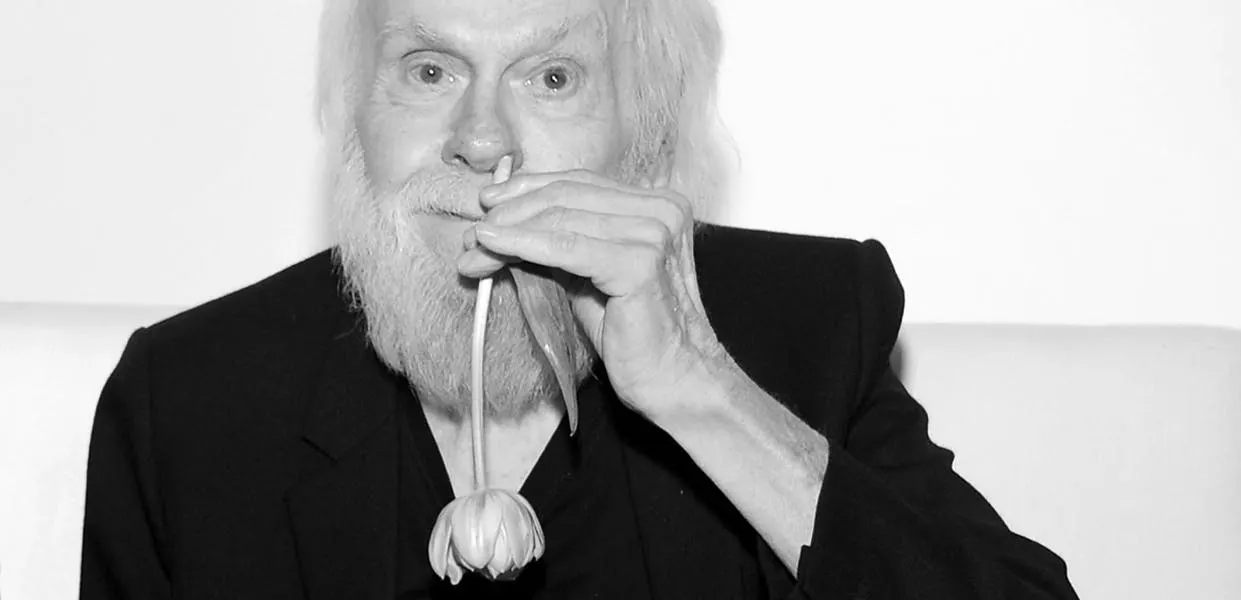
Ferdinand Cheval, also called the Facteur Cheval, was born April 19, 1836 in southeastern France to a family of modest farmers. His short education left him with a poor command of the French language. He became an apprentice baker at the age of 13, after obtaining his primary school certificate, and was under the tutelage of his uncle after the death of his father (his mother died when he has only 11 years). He moved as a baker to Valence in 1856, then to Chasselay two years later.
Related: 5 Must-see Cultural Destinations in the North of France
His first wife, Rosalie Revol, bore him two children, but after the death of his first son in 1865 he abandoned baking, an enterprise that is said to have strongly influenced his expertise as a sculptor and creator.

He officially became a postman on July 12, 1867. He was first assigned to several villages in the area, and in 1869, he asked to take charge of the town of Hauterives, located about seven miles from his native village. He then became responsible for "the tour of Tersanne", a 20-mile daily walking tour, which he would carry out until his retirement.
During the long and strenuous daily exercise of his job, Ferdinand spent his hours in long reveries, building and planning in his mind.
Following the death of Rosalie, he remarried Claire-Philomène Richaud in 1978, who brought to the union the equivalent of two years of Cheval's pay and a small property that allowed Cheval to acquire land in Hauterives, outside of Lyon in southeastern France.
Related: Art Brut: Art Outside the Box
In April 1879 he found the first stone, the one that will lay the foundations of his building and turn his dream to reality. The event is of such importance for Cheval that he relates it in his notebooks as such:
"One day in April, 1879, when I was on my rural postman's tour, a quarter of a league before I got to Tersanne, I was walking very fast when my foot caught something that sent me a few feet away. I wanted to know the cause. I had built in a dream a palace, a castle of caves, I can not express it well ... I did not say it to anyone for fear of being ridiculed and I thought I was ridiculous myself. At the end of fifteen years, at the moment when I had almost forgotten my dream, that I thought of it the least in the world, it is my foot that reminds me of it. My foot hit a stone that almost made me fall. I wanted to know what it was ... It was such a bizarrely shaped stone that I put it in my pocket to admire it at my ease. The next day, I went back to the same place. I found some more beautiful stones and I gathered them on the spot and I remained delighted ... It is a molasse stone worked by the waters and hardened by the force of the times. It becomes as hard as pebbles. It represents a sculpture as bizarre as it is impossible for man to imitate it, it represents all kinds of animals, all kinds of caricatures. I said to myself: since Nature wants to do sculpture, I will do masonry and architecture."
Want more articles like this straight to your inbox? Subscribe to our free newsletter!
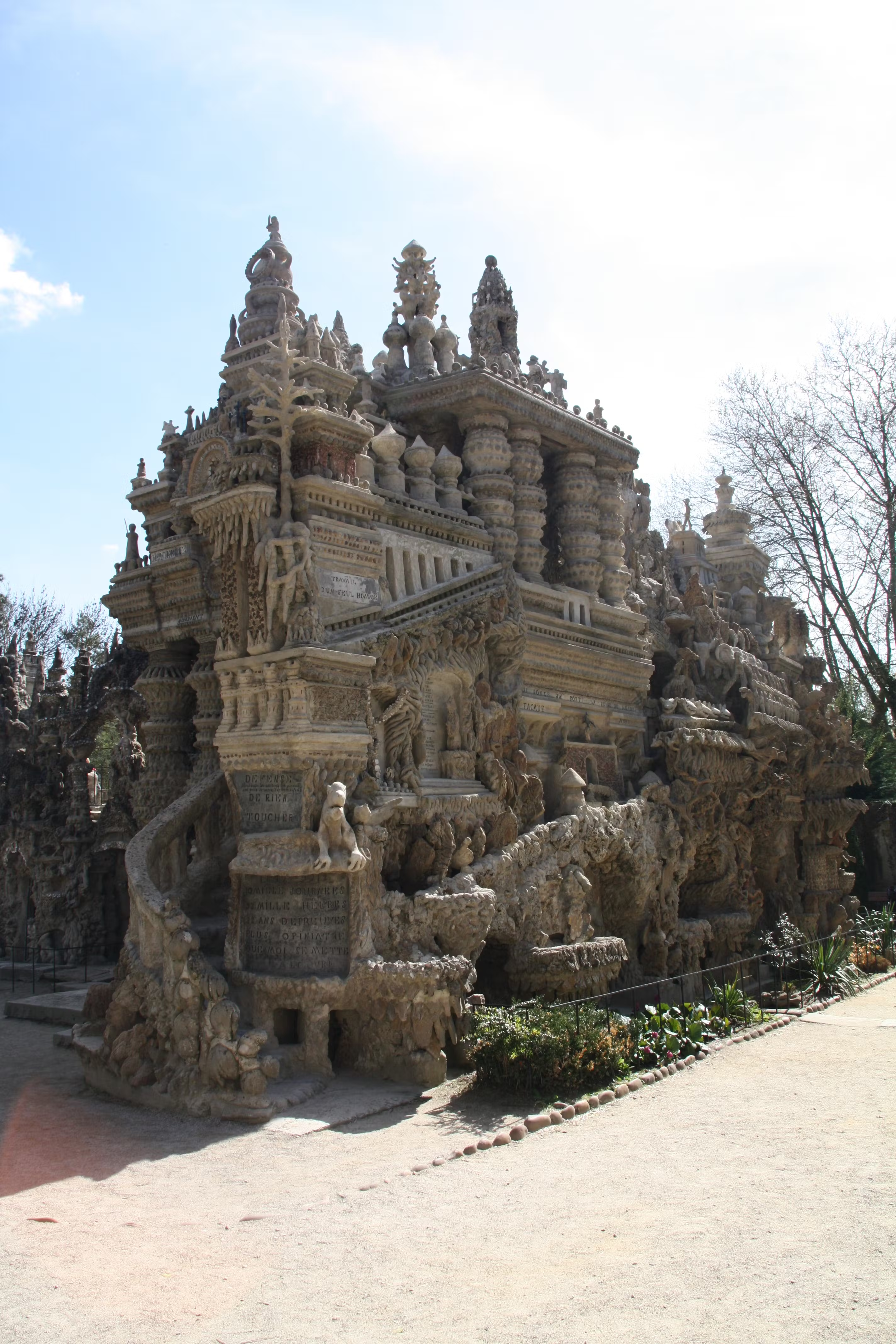
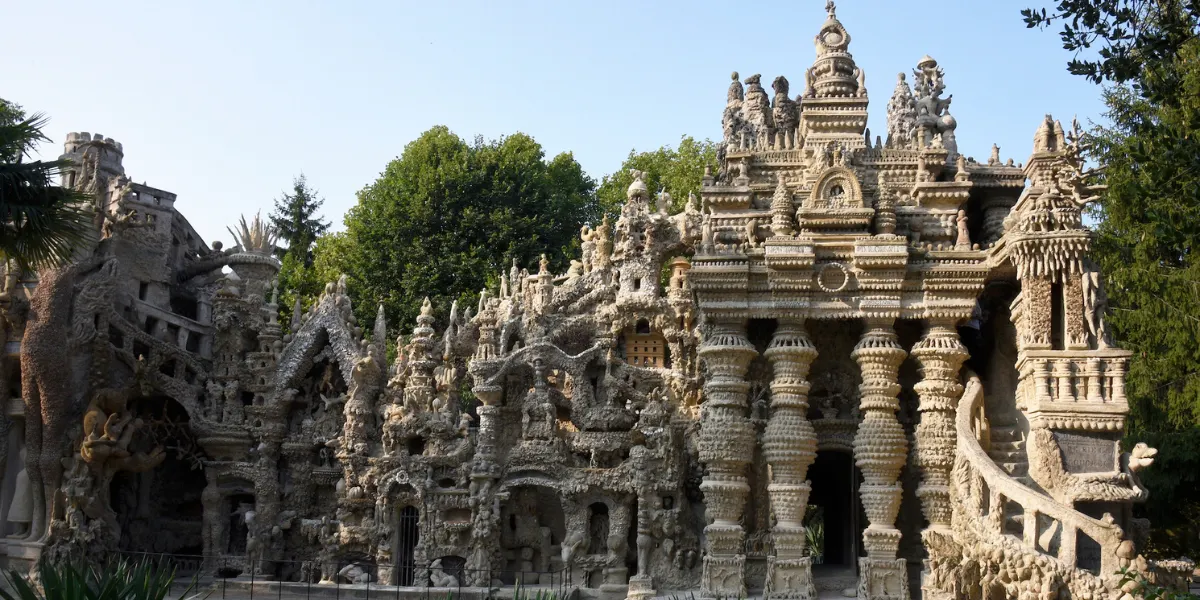
Ferdinand therefore decided to build the palace of his dreams: Le Palais Idéal (the Ideal Palace). He collected stones found on his way during his tour, arranged them in piles, and came to pick them up at dusk with the help of his wheelbarrow, which he called his "faithful companion of grief." He stored the stones in his garden and began the construction of his monument in April 1879. His project was criticized by his neighbors, who considered him a "poor fool" amassing stones.
Related: 10 Artists Between Genius and Madness
He retired in 1896 and had a villa built near the Ideal Palace. The construction of the palace ended in 1912, after 33 years of hard work. The extraordinary palace has drawn comparisons from Angkor War temple and Christian churches to a highly intricate sandcastle on a large scale. All of the stones are bound together by lime, mortar and cement.
Cheval wished to be buried in his work, but learned with dismay that French law does not allow it if the body is not cremated. Cremation being uncommon at the time, Cheval resolved to rest in the cemetery on one condition.
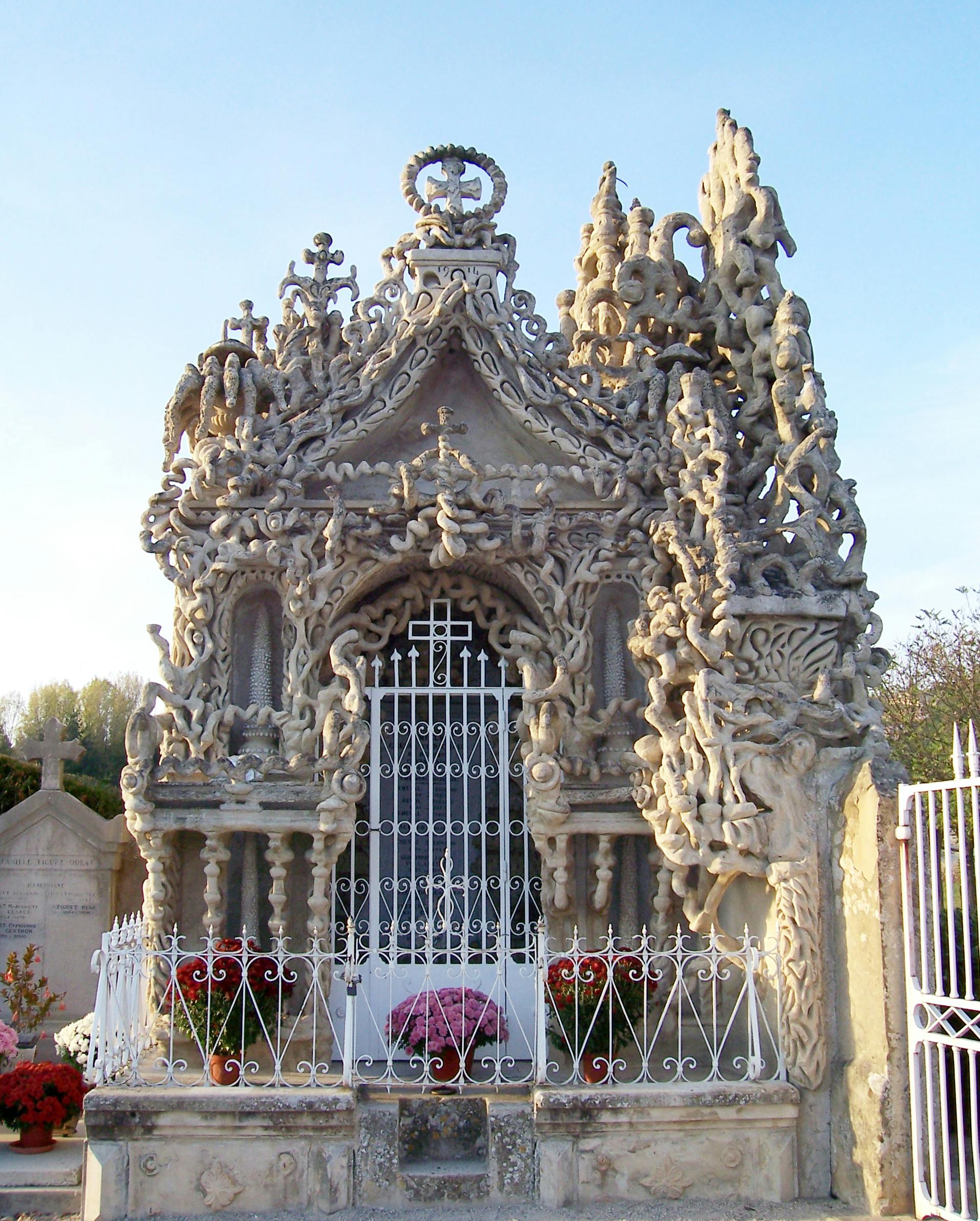
In 1914, this tireless worker began the construction of his own tomb, carrying stones to assemble them into a funeral building that he called the Tomb of Silence and Endless Rest. The project ended in 1922, two years before his death, at age 88.
The Ideal Palace has inspired many artists, notably Pablo Picasso who drew sketches of Cheval in what is now known as the Facteur Cheval sketchbook in 1937.
Related: Picasso: The Universal Artist
His recognition came only much later, when the Ideal Palace was classified as a historical monument on September 2, 1969 thanks to André Malraux, the French minister of culture. While some officials of the Ministry of Culture described the work of Cheval as "a monstrous gathering of insanities that were muddled in a boor's brain", Malraux considered the Ideal Palace as "the only representative in architecture of naïve art." The Tomb of Silence and Endless Rest is also registered on the inventory of historical monuments, by decree of September 12, 1975, and classified on May 23, 2011.
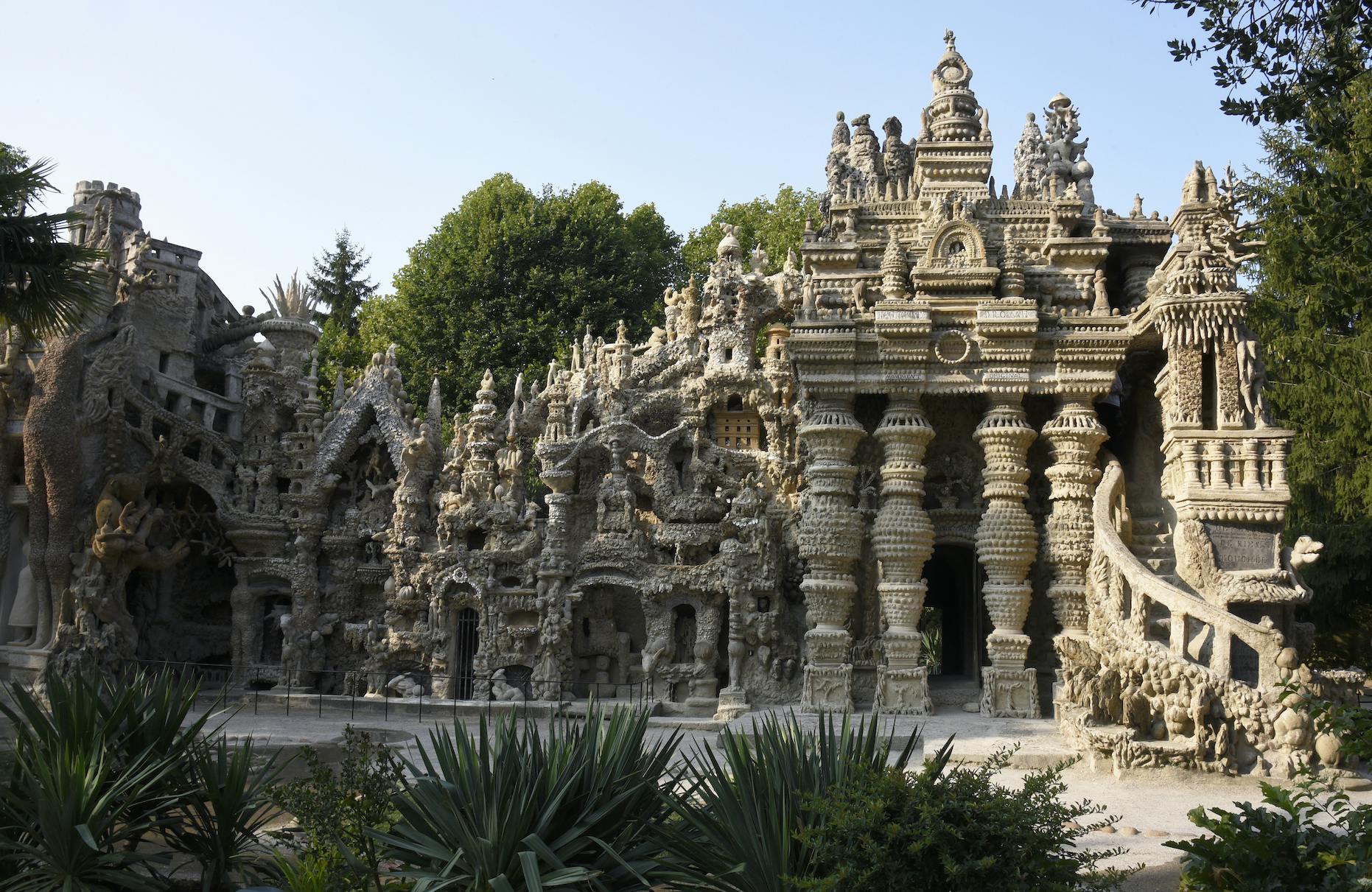
Naïve art is work done by those who are not formally trained in the arts and does not necessarily adhere to a specific movement. Even if the opinions are varied, the Ideal Palace is a stunning example of naïve art and Art Brut with its synthesis of styles.
Find more articles on Barnebys Magazine
This is an updated version of the article originally published on January 7, 2019