I guess I get bored easily, and thank God. I don't want to all my life pound only the same key, although some artists do it very effectively.
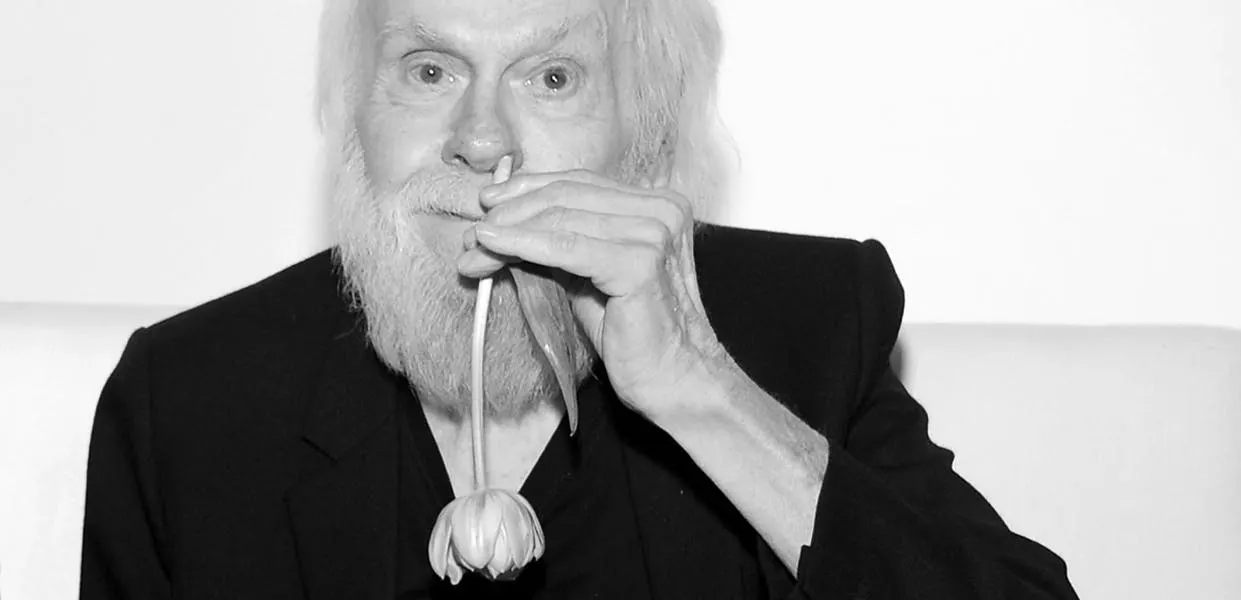
John Baldessari, a pioneer of conceptual art and esteemed professor, passed away on January 2, 2020 at the age of 88. Born in 1931 to a Dutch mother and an Austrian father of Italian origins in National City, California, Baldessari graduated from the University of San Diego and in 1959, he began his career as a teacher, which would bring him to Californian universities as an famed professor and key figure in the evolution of West Coast art.
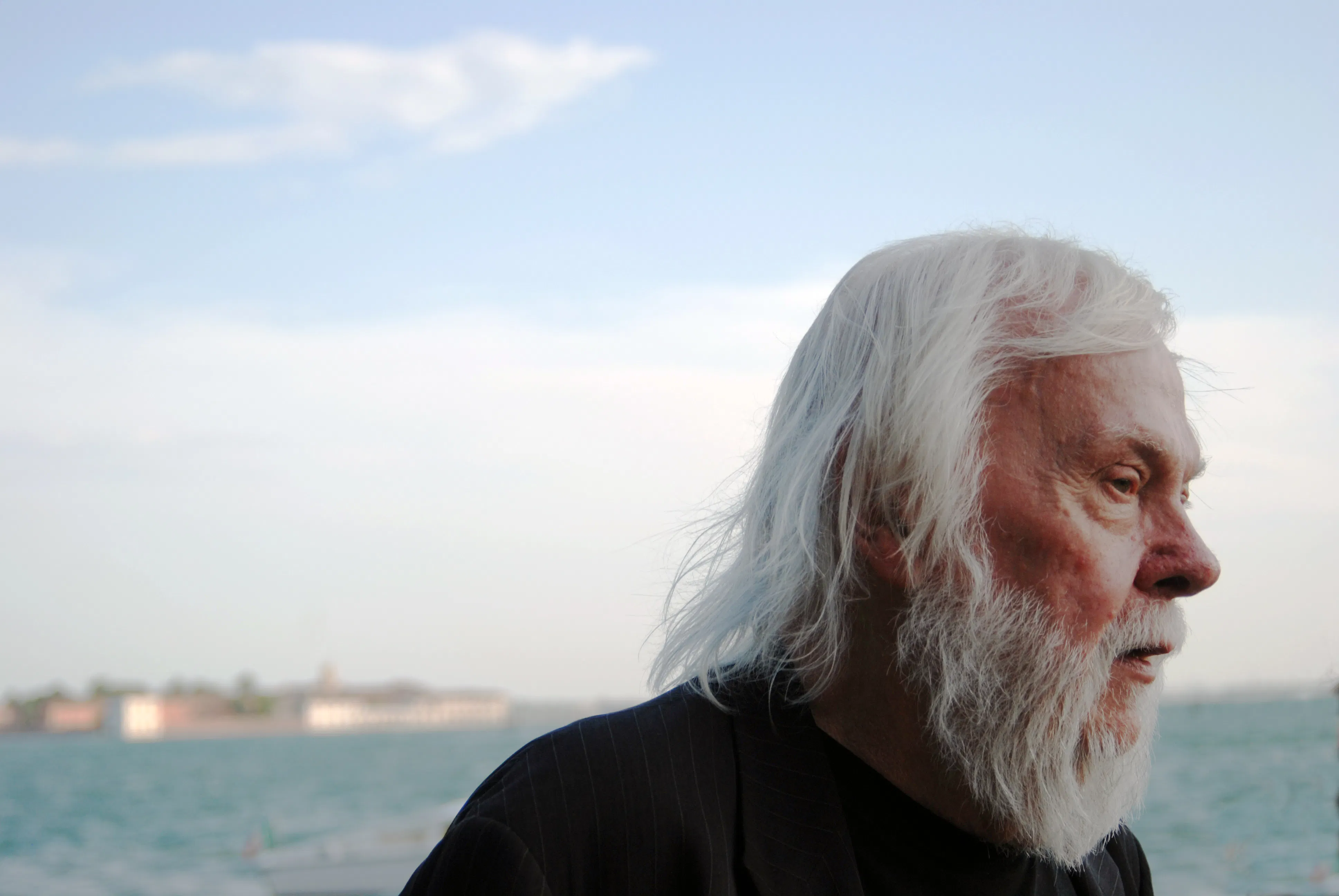
1970 was a pivotal year in his career: Baldessari decided to burn all the works he had made between 1953 and 1966. He called this cremation of his first works "The Cremation Project". The ash was then used in the dough for cookies, which he exhibited at MoMA on the occasion of an exhibition dedicated to the conceptual art titled "Information". Thus began his real career, characterized by a witty and satirical attitude combined with continuous experimentation: he worked on painting, texts, installations, photography, video, sculpture, printing and much more. Baldessari was tireless in putting irony at the cornerstone of his art.
In 1971 Baldessari declared that he would "never make boring art again". On the occasion of an exhibition at the Nova Scotia College of Art and Design in which he was unable to participate due to budget problems, Baldessari asked his students to write the phrase"I will not make any more boring art" on the walls of the exhibition space.
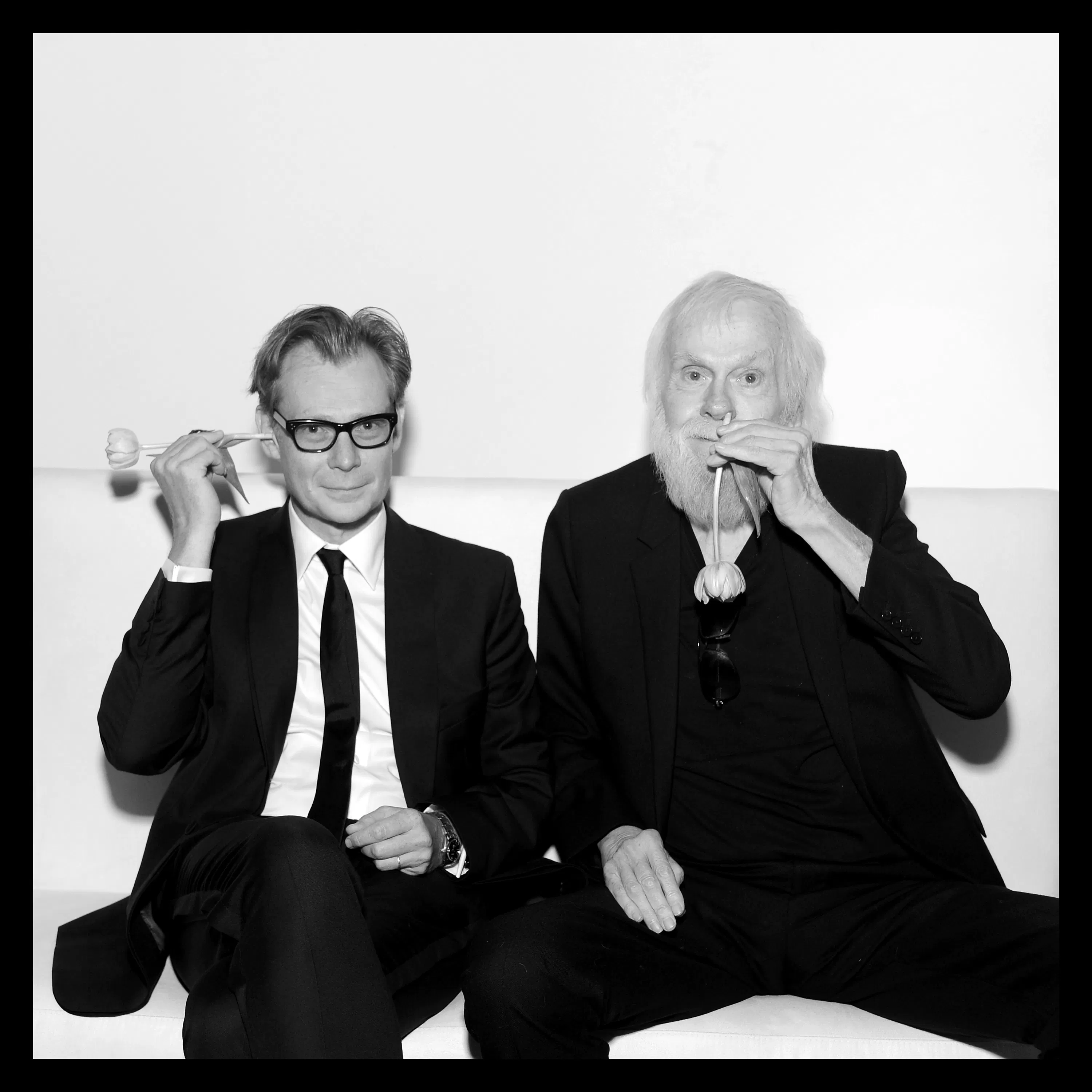
And this was precisely the essence of Baldessari's art: conceptual yes, but irreverent, different from the cold and somewhat boring work found around him. Baldessari mixed Pop and Dada-inspired irony with conceptual art to keep his work from being too serious.
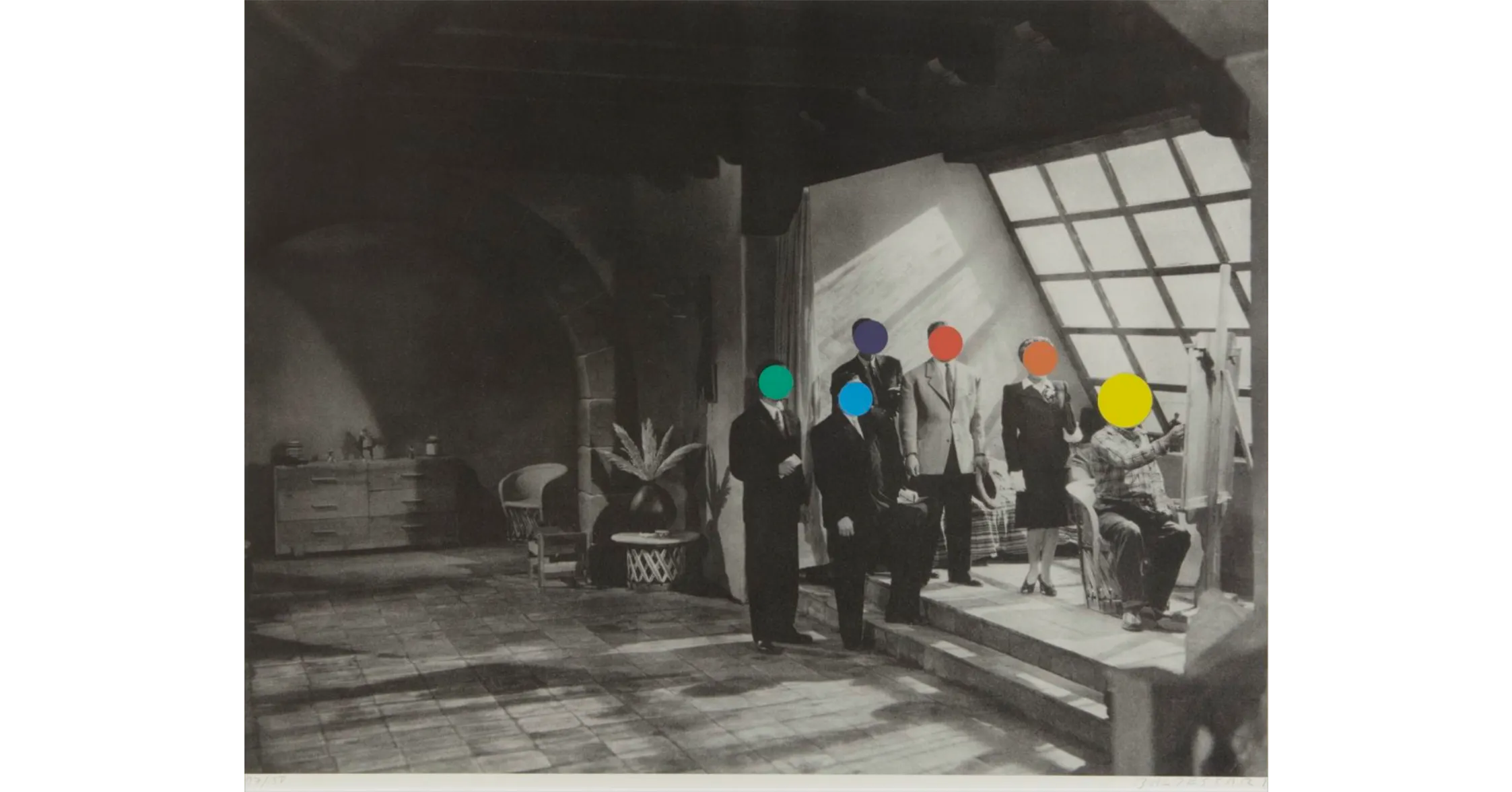
In the '70s and '80s, Baldessari created a varied body of works but with the common denominator of the narrative power of words and images: from the video "Baldessari Sings Lewitt" in which he sang Lewitt's "Sentences on Conceptual Art" of 1968, and photographic works decontextualized and modified to acquire new concepts, to performance art, such as "Unrealized Proposal for Cadavre Piece" inspired by the 15th century painting Lamentation of Christ by Andrea Mantegna and "Police Drawing Project," in which students described the artist's likeness to a policeman artist, with the interaction all filmed by a hidden camera.
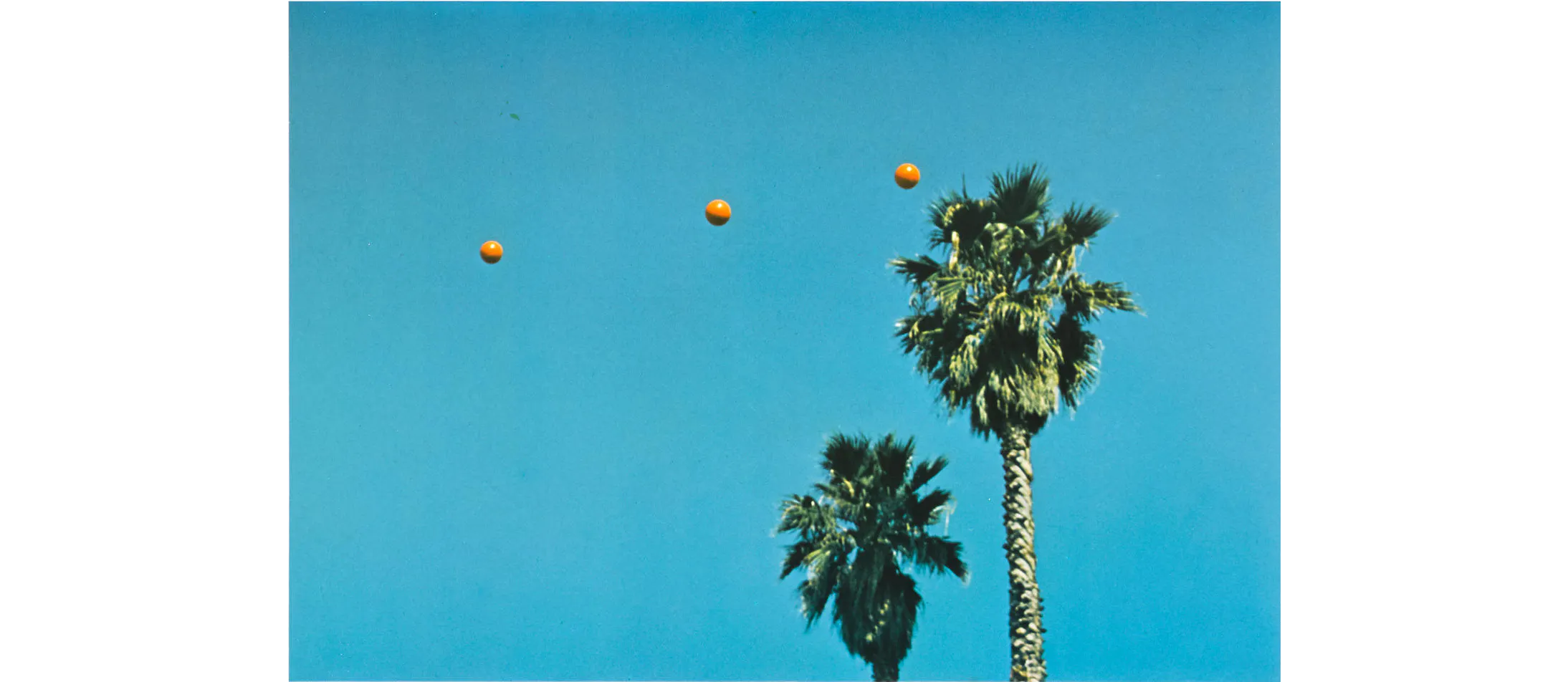
Photography was not exhibited in art galleries, it was exhibited only in galleries specializing in photography, so one of my goals became to bring it to art galleries.
From the '90s onwards, Baldessari returned to a certain pictorial sensitivity characterized by bright colors and isolated some parts of his images with acrylic, creating a separation between "the parts" and "the whole". However, he never stopped combining words, texts, photographs and images.
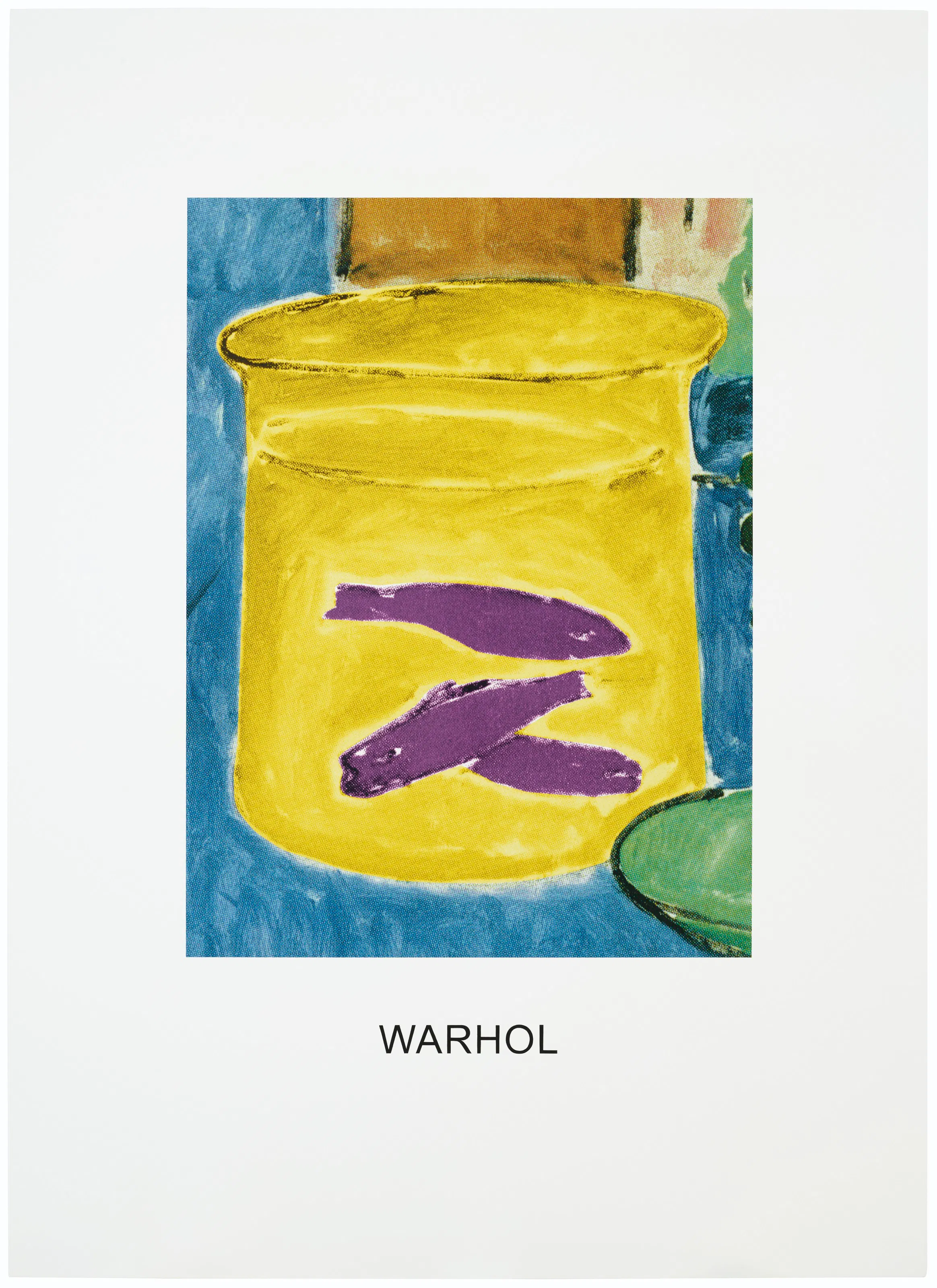
During his great career, John Baldessari exhibited in over 300 solo exhibitions and over 1,000 group shows. He received three honorary degrees, numerous awards and prestigious international awards and in 2009 he was awarded the Golden Lion for Lifetime Achievement at the Venice Biennale.
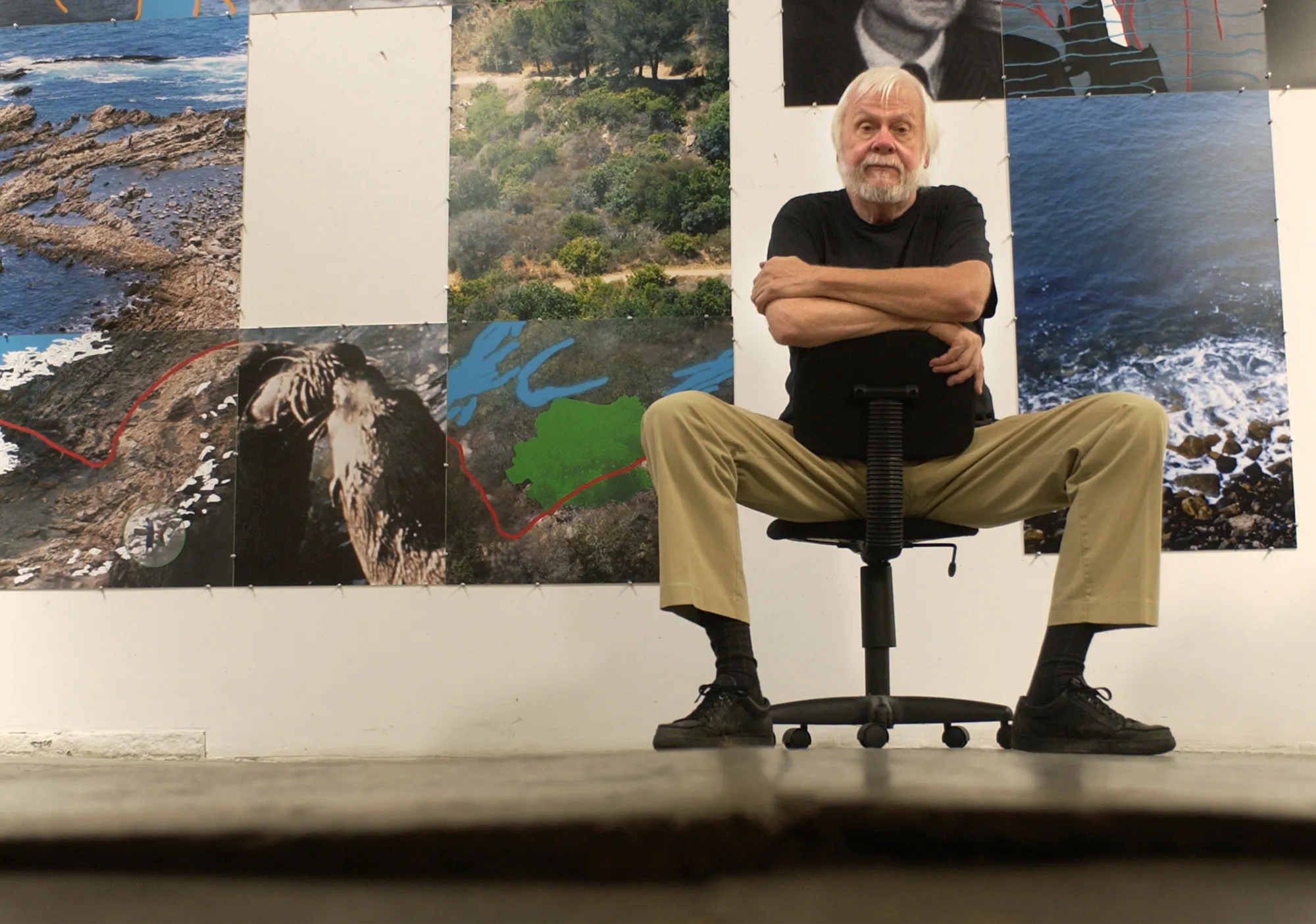
His work has appeared at auction and he set a personal record in 2007 when his painting Quality Material sold at Christie's for $4.4 million. However, most importantly, Baldessari has left behind a lasting legacy of the revolution of conceptual art which still prevails today, as evident in works by artists such as Maurizio Cattelan, Damien Hirst, Jenny Holzer, Ai Weiwei and David Shrigley.