When everything goes wrong, mezcal; when everything is going well, too.
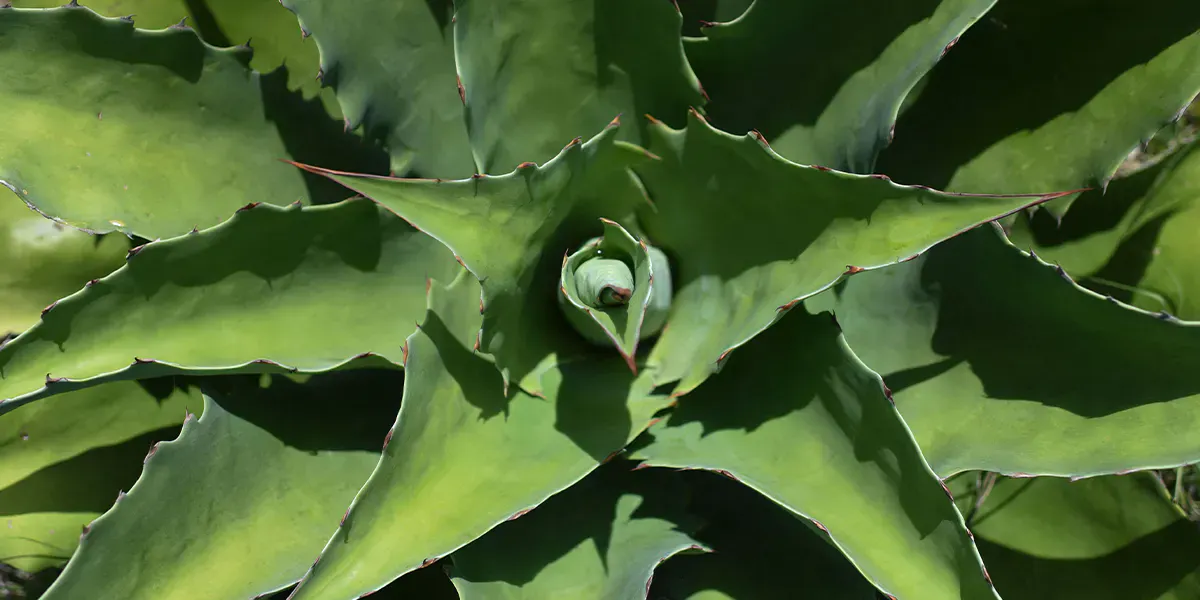
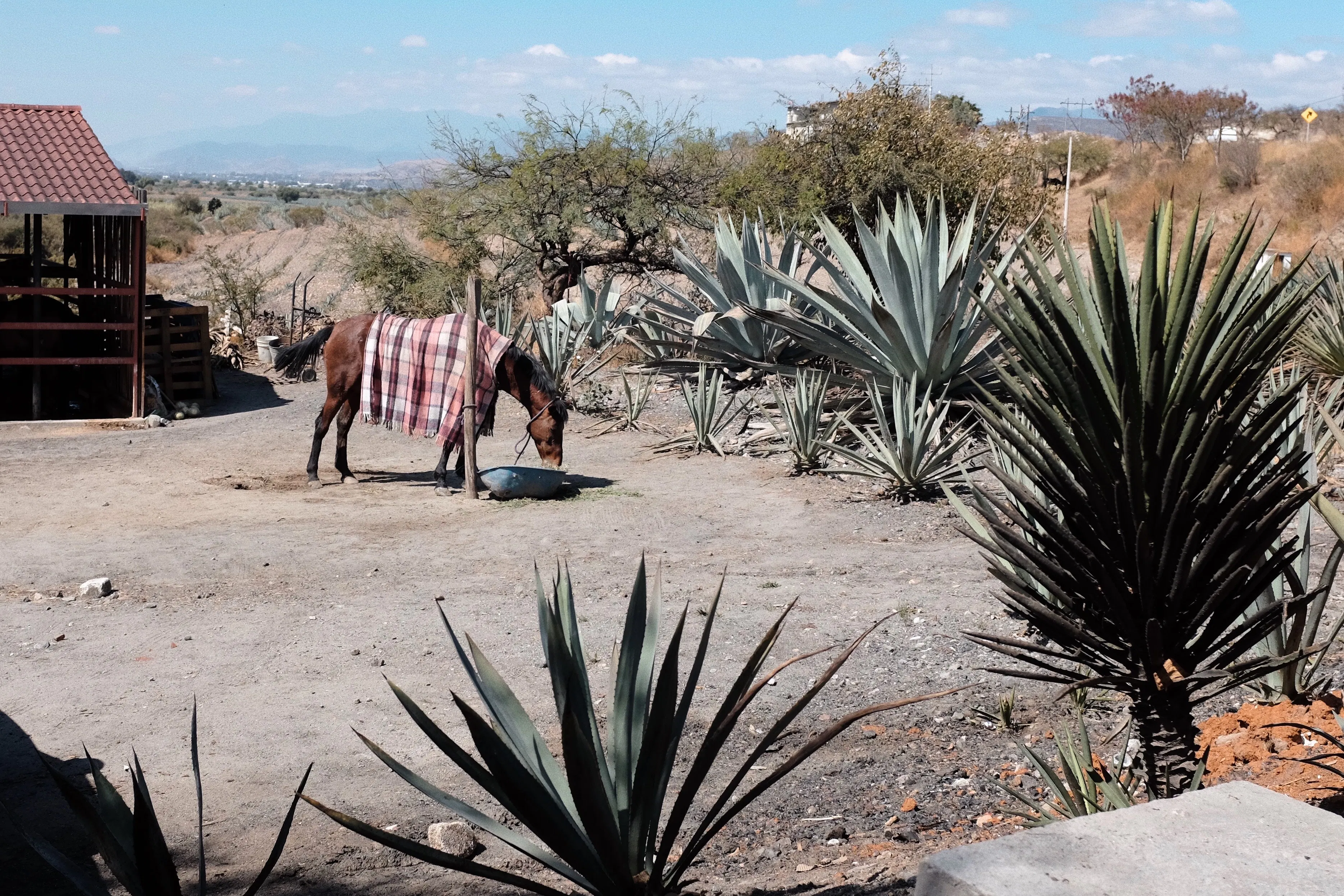
In the Oaxaca region of Mexico, the sunset is a unique experience: the light caresses the colored facades of the adobe houses and also paints the agave plants with golden waves. These emerge in the dim light like living sculptures, with their thick, fleshy leaves resembling hands reaching towards the sky. The sharp edges of the leaves form a natural embroidery that guards the heart of the plant, the piña, protecting its juice. This precious nectar is the essential ingredient for the production of a smoky and enigmatic elixir known as mezcal. Being one of the most famous alcohols in Mexico, this drink has enormous historical and cultural importance, intertwined with traditions and folklore. Distilled from the heart of the agave plant, mezcal holds the heart of Mexican heritage in its complex flavors.
Related: For Sake's Sake: A Japanese Nectar
The word mezcal comes from the term mexcalli (a union of metl and ixcalli), meaning "oven-baked agave." The origin of this drink is connected to a legend: it is said that lightning struck an agave plant, considered among the most sacred in Mexico, cooking it and magically letting the juice flow out. For this reason, the liquid is nicknamed "nectar of the gods."
Related: An Artistic Walk in the Footsteps of Bacchus
Mezcal is still produced much as it was 200 years ago, in a labor-intensive process, often supervised by maestros mezcaleros. 90% of mezcal is produced in the state of Oaxaca. There, in the sunny fields where agave plants sway in the warm breeze, local distilleries preserve the ancient methods of slow roasting that infuses the liquid with a distinctive flavor. Traditionally handcrafted by small producers in factories or palenques, it differs from the most famous Mexican spirit, tequila, due to a more manual production process.
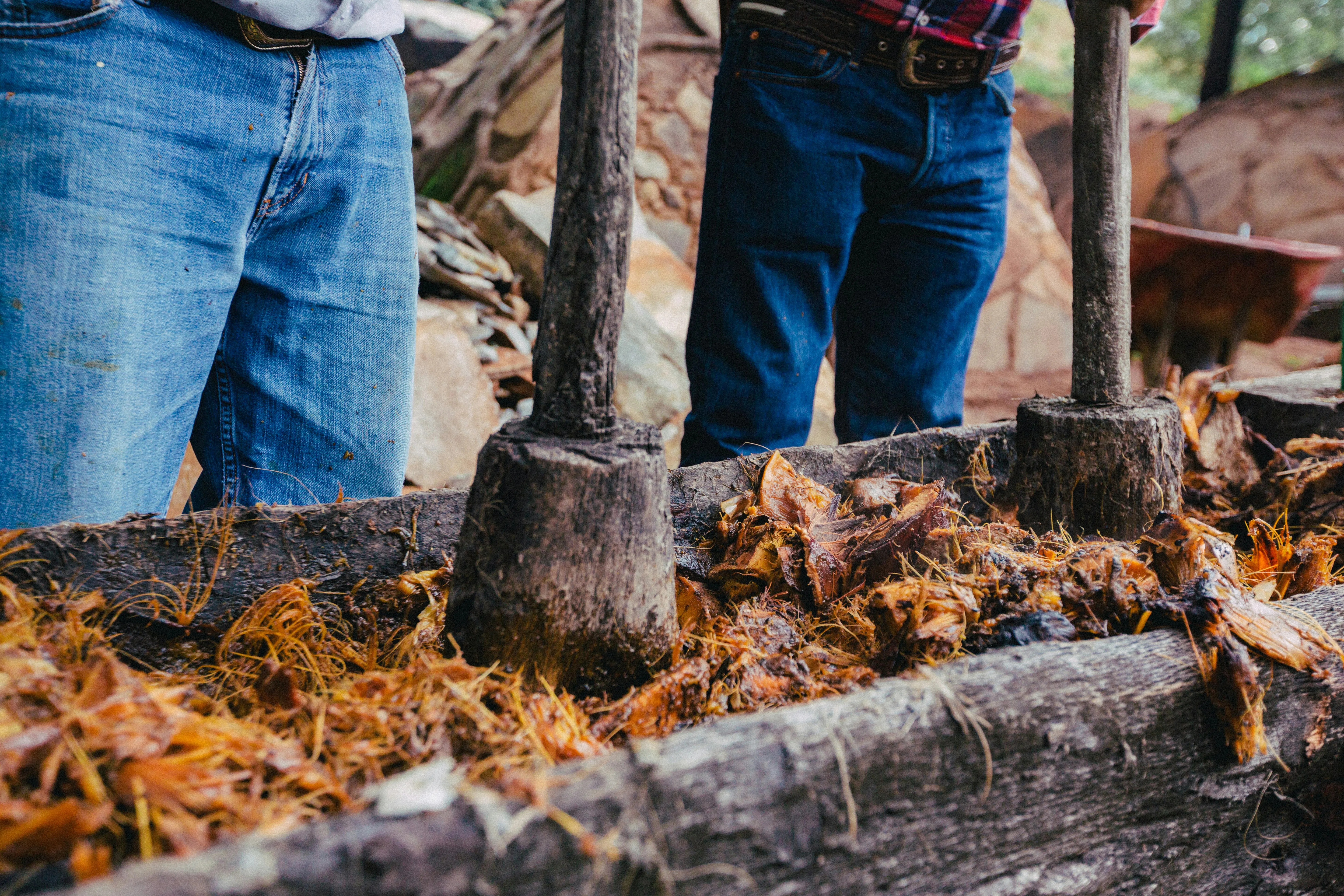
The piñas are cooked in special underground ovens, which gives mezcal its distinctive smoky flavor. Once cooked they are then mashed and fermented in large vats or barrels. After fermentation, the liquid is distilled in clay or copper pots and then bottled. Depending on aging, mezcal can be young (joven, blanco), reposado (aged for a period of two months to a year) or añejo (aged for at least one year, sometimes even 12 years) and can reach a 55% alcohol content. Unlike tequila, which is made only with blue agave, Mezcal is made with over 30 species and subvarieties of agave. From the earthy and citrusy espadín to the rare and refined tobalá, each variety lends a distinctive character to mezcal's complex web of flavors, appreciated by both seasoned connoisseurs and those trying the drink for the first time.
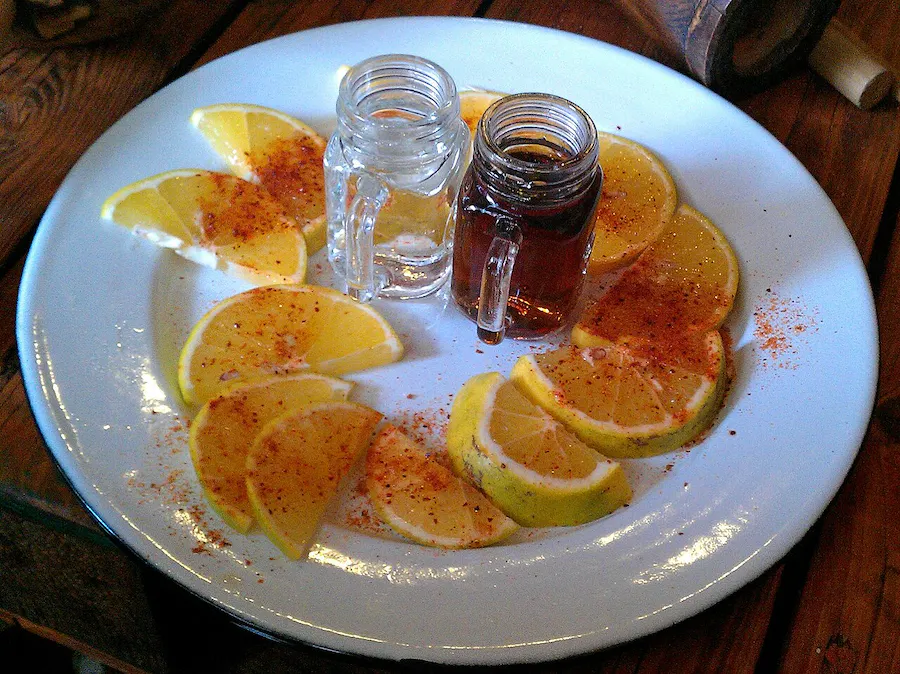
Although not as popular as its "cousin" tequila, mezcal is exported with success to the United States and Japan, and its popularity is growing internationally. In Mexico it is generally consumed neat to better appreciate all of its complex characteristics. It is not customary to mix it into a cocktail, but rather mezcal is often served with slices of orange, lemon or lime, accompanied by a mixture of ground fried larvae, chili pepper and salt, known as "sal de gusano," which translates literally as "worm salt." Regarding the traditional custom of inserting a gusano (Spanish term for worm) into some bottles of mezcal, there are conflicting opinions. According to some, the addition of the worm, which is actually a larva (of a beetle or butterfly), dates back to a centuries-old tradition; according to others it is simply a clever marketing gimmick. Often the gusano is placed at the bottom of the bottle as a decoration.
Want to receive more articles like this via email? Sign up to our free newsletter!
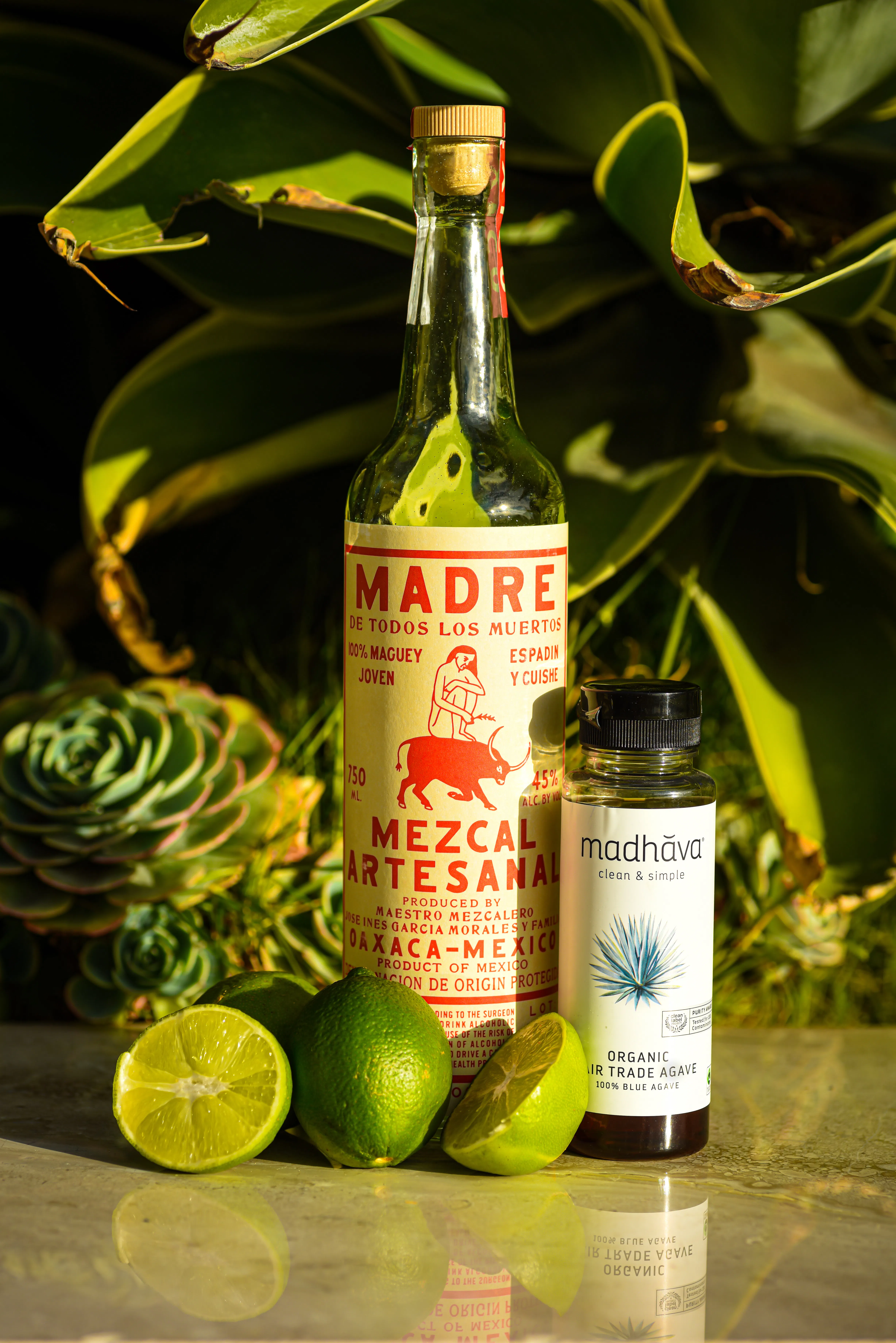
As a very versatile product, mezcal can be paired with a variety of foods. For example, it goes well with dark chocolate, with which it creates a sort of harmonious contrast. This spirit is increasingly becoming a prominent ingredient in famous craft cocktails in various parts of the world. Among the best-known drinks are the Mezcal Margarita in which mezcal, triple sec, agave syrup and lime juice are mixed; the Mezcal Mule with mezcal, lime juice and ginger beer; and the Negroni al Mezcal, which includes mezcal, red vermouth and Campari.
Related: The Cocktails that Inspired History’s Creatives
As the sun sets over the agave fields, the poetry of mezcal continues to glow, inviting you to enjoy the timeless charm of this spirit. Whether drunk straight or mixed in a cocktail, alone or shared with friends, mezcal remains an important thread in the fabric of Mexican tradition. A well-known saying goes Para todo mal, mezcal; para todo bien, también ("When everything is bad, mezcal; when everything is good, too"). While keeping in mind that any type of alcohol should be consumed responsibly, mezcal is an elixir that should be savored at least once in a lifetime and contains the magic of Mexico in every single drop.