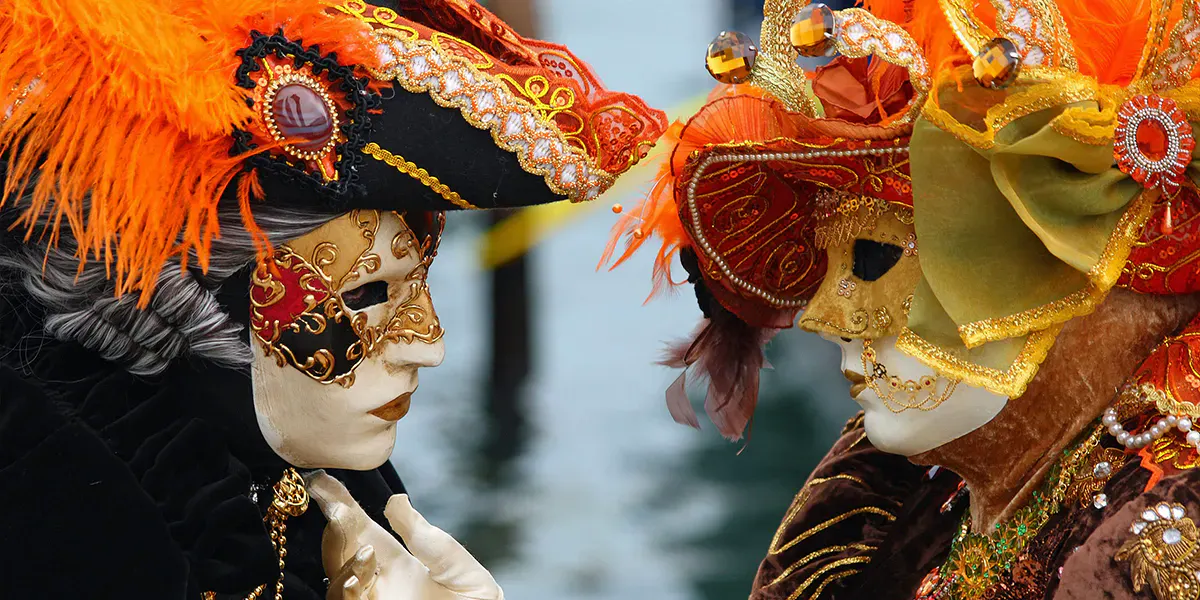
The Venice Carnival, along with that of Rio de Janeiro in Brazil, stands out as one of the most renowned carnival celebrations in the world, capturing the imagination of visitors from every corner of the planet. In addition to being a festival with very ancient origins, with the first written testimony dating back to 1094 in the document of the Doge Vitale Faliero Dodoni, the Venice Carnival is full of charm and mystery, closely intertwined with the rich history, peculiar architecture and poetic beauty of the lagoon city. This unique celebration – in which actors and spectators become one on a large stage of masks and costumes – attracts millions of fans from all over the world every year. Here, we explore six must-know curiosities about this extraordinary and original event, which runs from January 27 to February 13 this year.
Related: Canaletto: The Spirit of Venice
1. The origin of the name is Latin
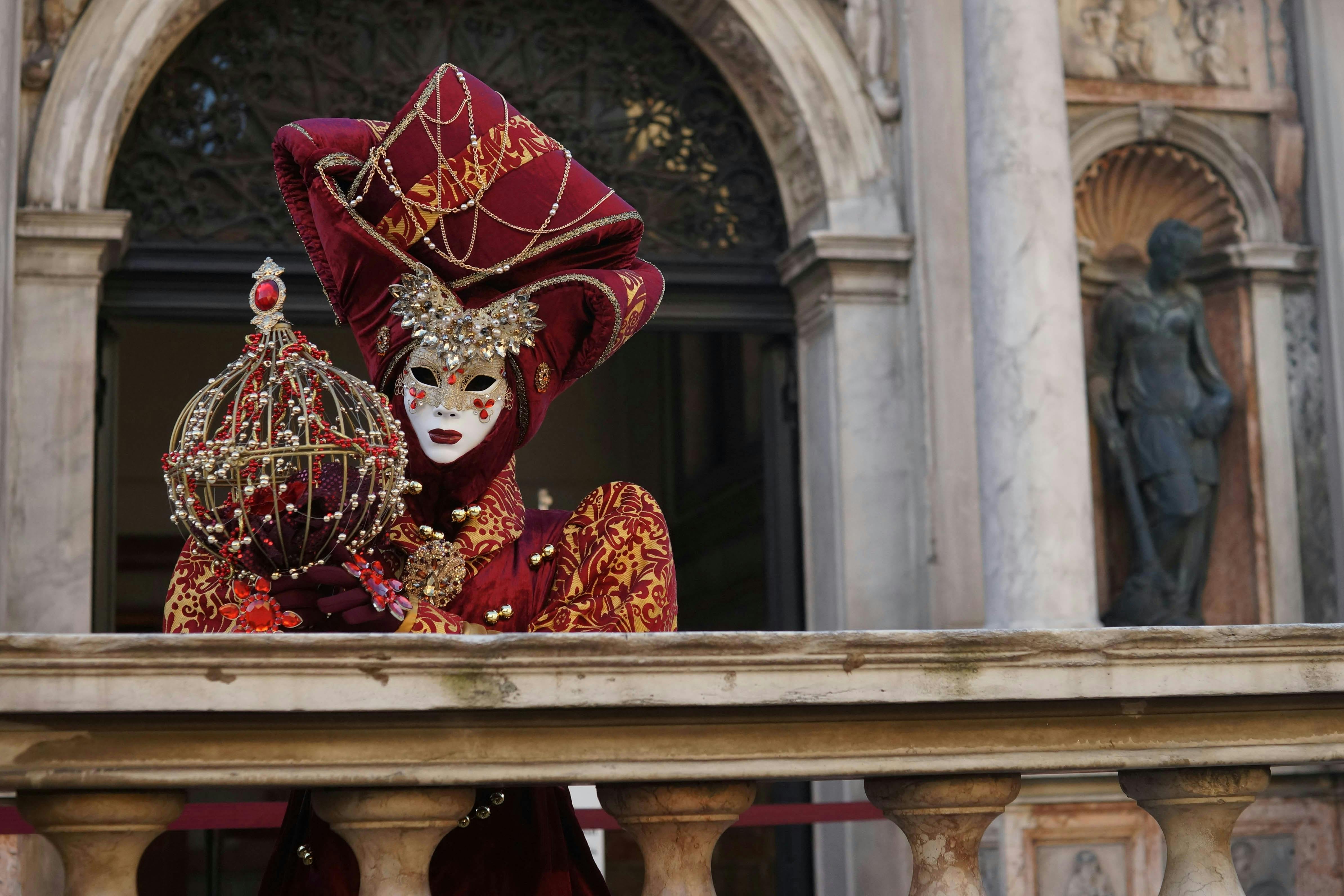
According to many, the word Carnival derives from the Latin expression carnem levare, or "remove the meat." In fact, this celebration culminates on Shrove Tuesday, the day before Ash Wednesday and the beginning of Lent. During the following 40 days, according to Christian tradition, it is forbidden to eat meat in observance of the Lenten fast. An alternative hypothesis derives the word from carrus navalis, which refers to a naval chariot or allegorical ship on wheels that inaugurated the festival, an image that recalls the idea of modern parade floats.
2. It was everyone's party
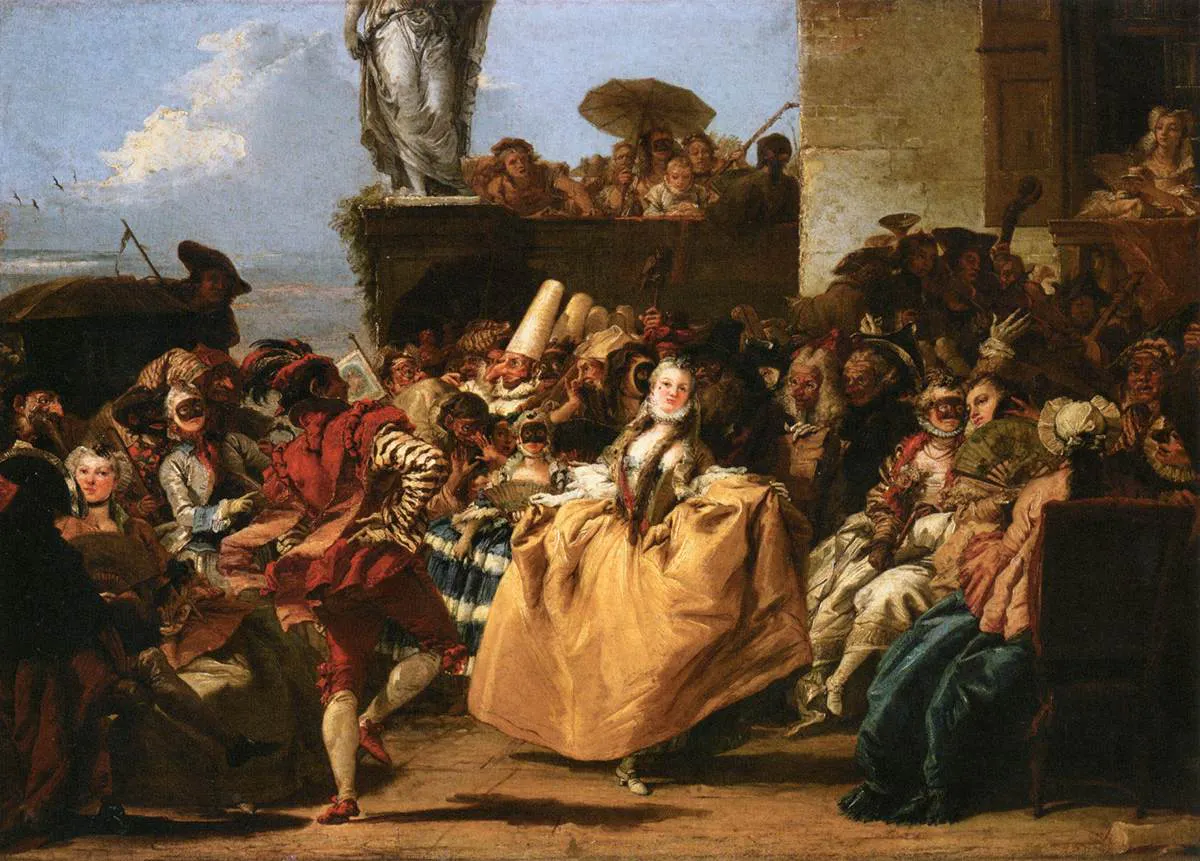
Thanks to the anonymity granted by the masks, Carnival was also considered the occasion in which nobles and civilians mixed together in the streets of Venice, a moment of celebration in which class distinctions disappeared, as well as any other type of social differences. This allowed anyone to get close even to the Doge, creating an atmosphere of equality, in which it was customary for the mysterious masked figures to bow to each other when they met.
Related: The Unique Story Behind These Carnival Paintings
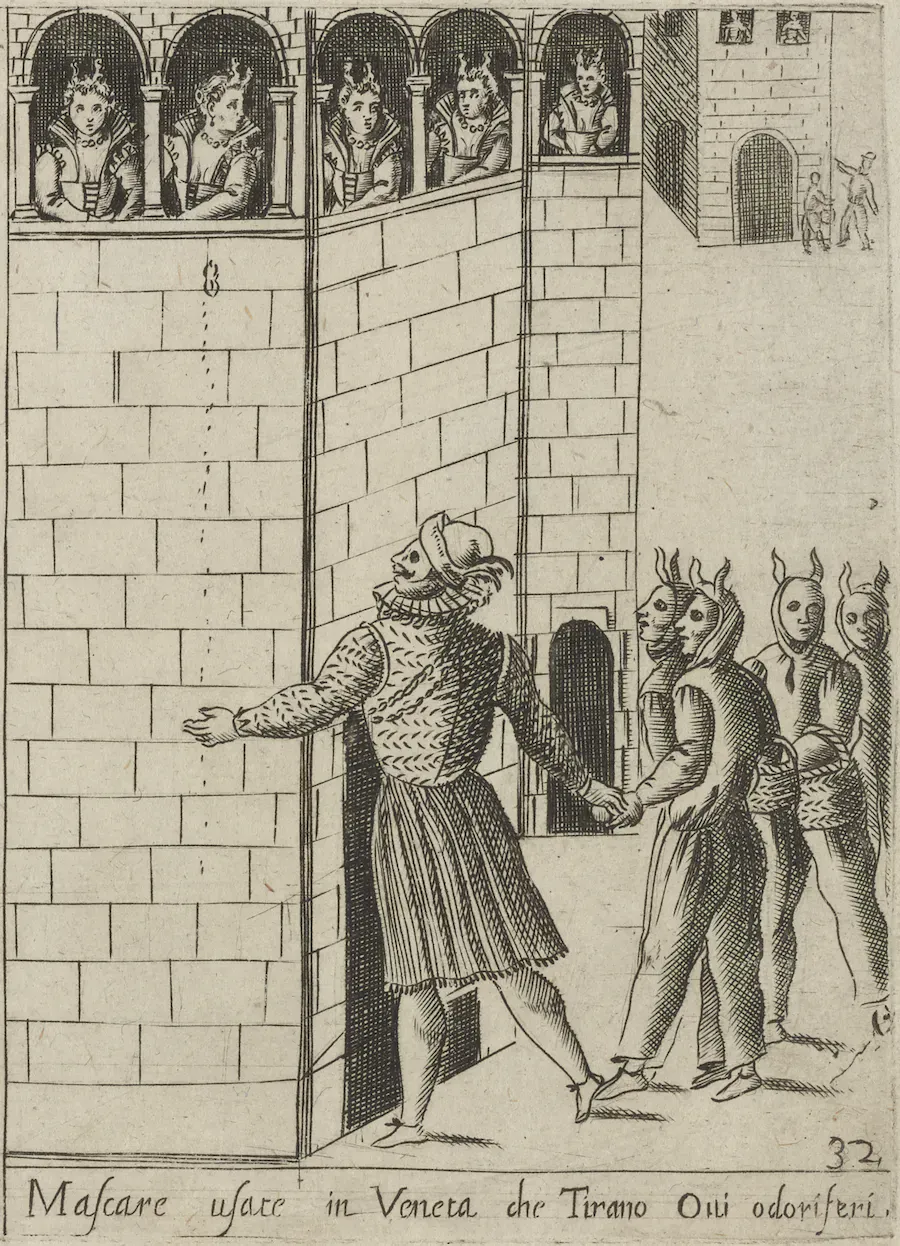
3. Scented eggs were thrown
Among the fashionable customs of Carnival is the so-called ovi odoriferous (scented eggs). These were not regular eggs, but shells filled with perfume, often rose water. Masked youths threw them at each other or, in some cases, at women they found attractive. However, the situation could take an interesting turn, as some of these eggs were sometimes filled with ink or other substances, causing unpleasant surprises.
Want to receive more articles like this via email? Sign up to our newsletter!
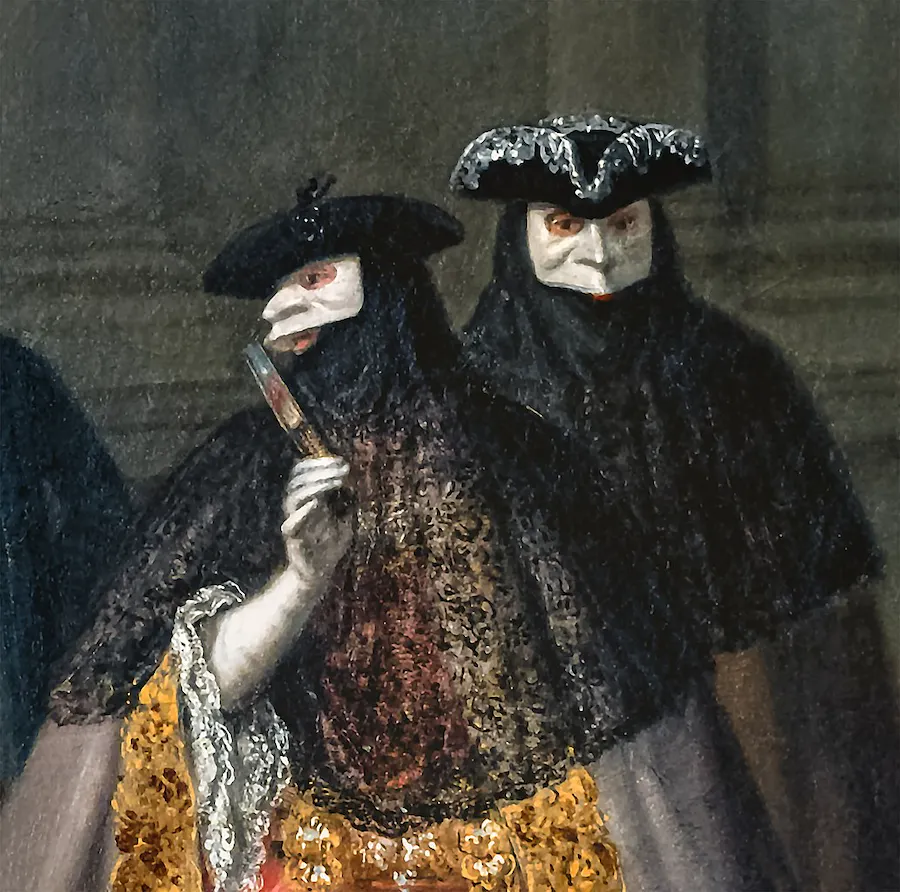
4. The Baùta mask was a favorite of Casanova
One of the most widespread masks in ancient Carnival, and still loved in the modern one, is the Baùta. The disguise, worn by both men and women, includes a black tricorn hat, a white mask called a larva, and a dark, enveloping cloak, known as a tabard. The Baùta was widely used in situations where one wanted to court or be courted freely, maintaining anonymity. It covered the eyes and nose, but widened at the mouth, allowing you to eat, drink... and kiss. The large cloak made it possible to hide the body well and indulge in licentiousness among the Venetian streets. Perhaps also for this reason it is said to have been the favorite mask of the well-known tombeur de femmes Giacomo Casanova.
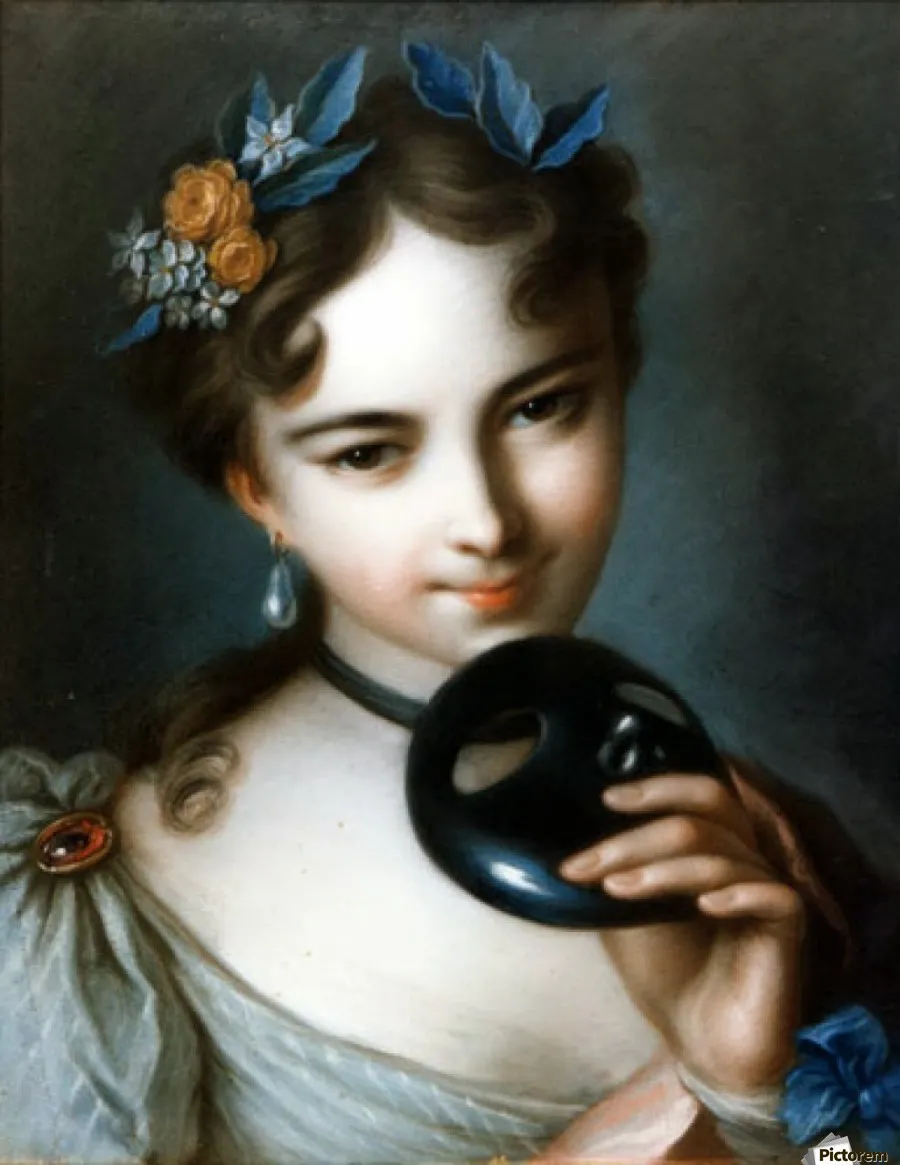
5. The Moretta was the silent mask of seduction
The Moretta was a small oval black velvet mask worn by nobles, fashionable between the 17th and 18th centuries. It had no opening at the mouth, which earned it the nickname the muta (mute), and was a symbol of femininity and seduction. The name appears to derive from the Venetian dialect word moro, meaning dark or black. This shade highlighted the white skin and hair of Venetian women, often dyed a copper-blonde color. This mask became iconic for its mysterious appearance and was loved by women who could hide their identity with it, while highlighting the generous neckline of the clothes of the time. Enigma and sensuality were thus united together in this facial covering.
Related: Fire, Passion, Inspiration: Red Hair in Art
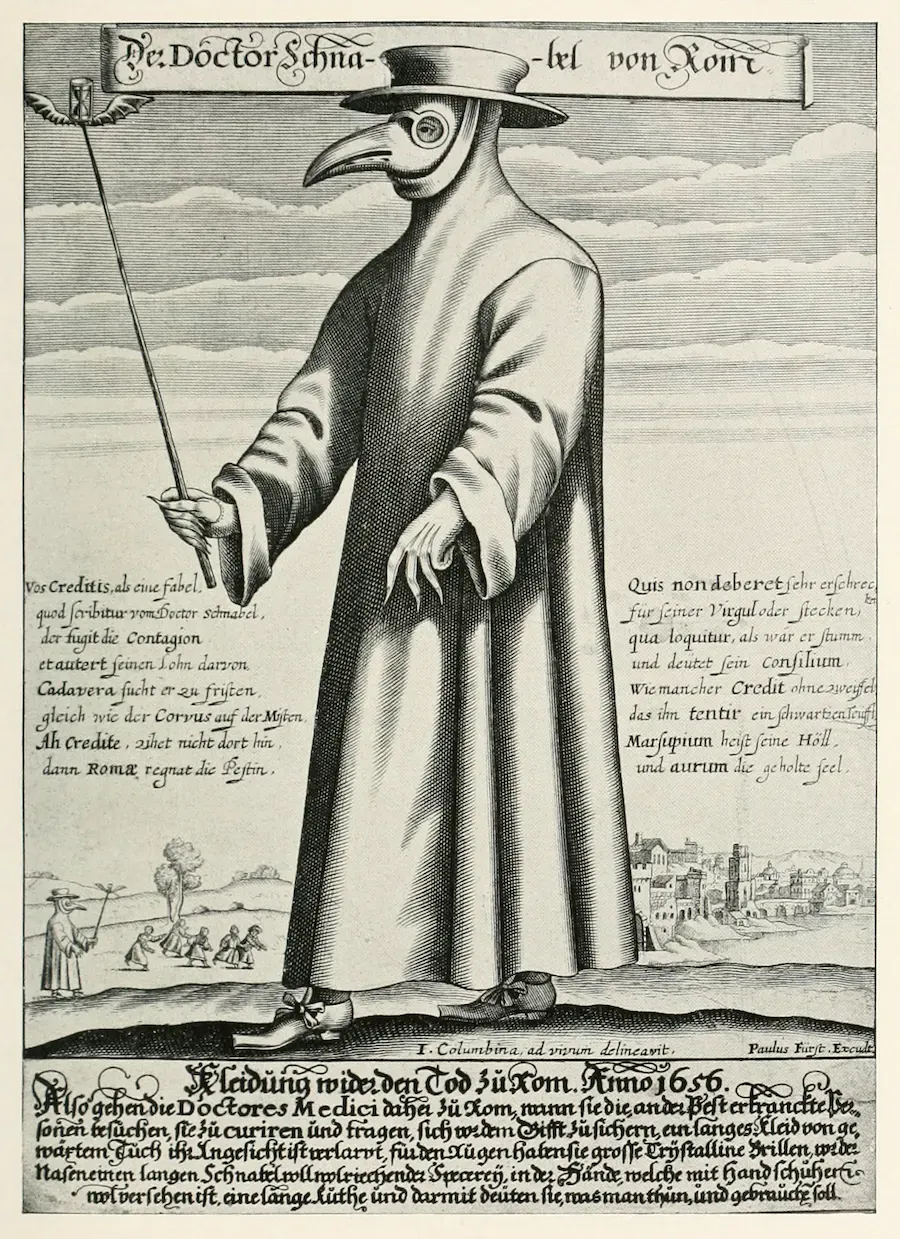
6. The Plague Doctor was not originally a carnival mask
The Plague Doctor is among the most extravagant and recognizable Venetian masks, but it did not originate as a Carnival mask. Initially, it was a device designed to prevent the spread of disease. It is said that Charles de Lorme, a 17th century French doctor, adopted this mask along with other measures during the plague epidemic of 1619. The mask, often white, has two holes for eyes and a long hollow beak. During the epidemic, this spout was used to contain flowers and other fragrant essences. According to the miasma theory predominant in that period, noxious odors (of putrefied material and other harmful particles) were believed to spread infection, and therefore attempts were made to counteract them with aromatic substances. Interestingly, during the COVID-19 pandemic, the Plague Doctor costume gained renewed popularity.