Starting out in the art world can be tough. Often, recent graduates of art history struggle to figure out which career path they want to take: writer, researcher, lecturer, curator, exhibition designer, conservator, technician, valuer, auctioneer? The options can seem countless and daunting.
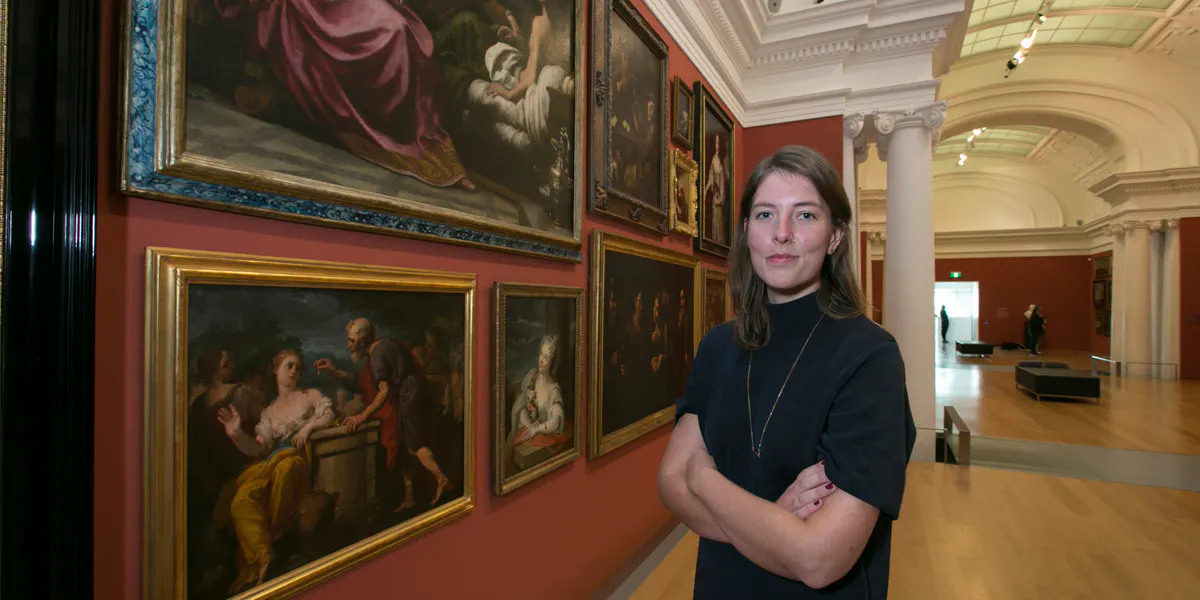
For those particularly interested in public museums and galleries, or in a career that is as varied as it is interesting, a curatorial role may be the right choice. We recently sat down with one rising star in this sphere: Emma Jameson is an Assistant Curator at Auckland Art Gallery Toi o Tāmaki, one of New Zealand’s leading public galleries. Read on to learn more of what Emma’s day-to-day experiences are, what she enjoys most about her job, and what she recommends for those in the early days of their arts careers.
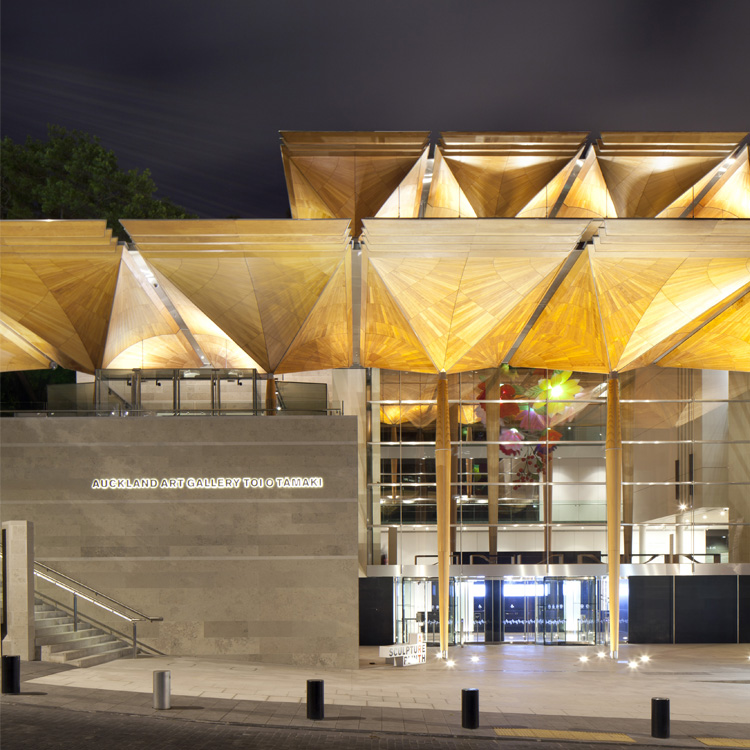
Barnebys: Auckland Art Gallery Toi o Tāmaki (AAGToT) is one of New Zealand’s biggest and most prestigious public art galleries. As Assistant Curator in Historic International and New Zealand Art, your role must cover a wide variety of duties. What does your average day look like?
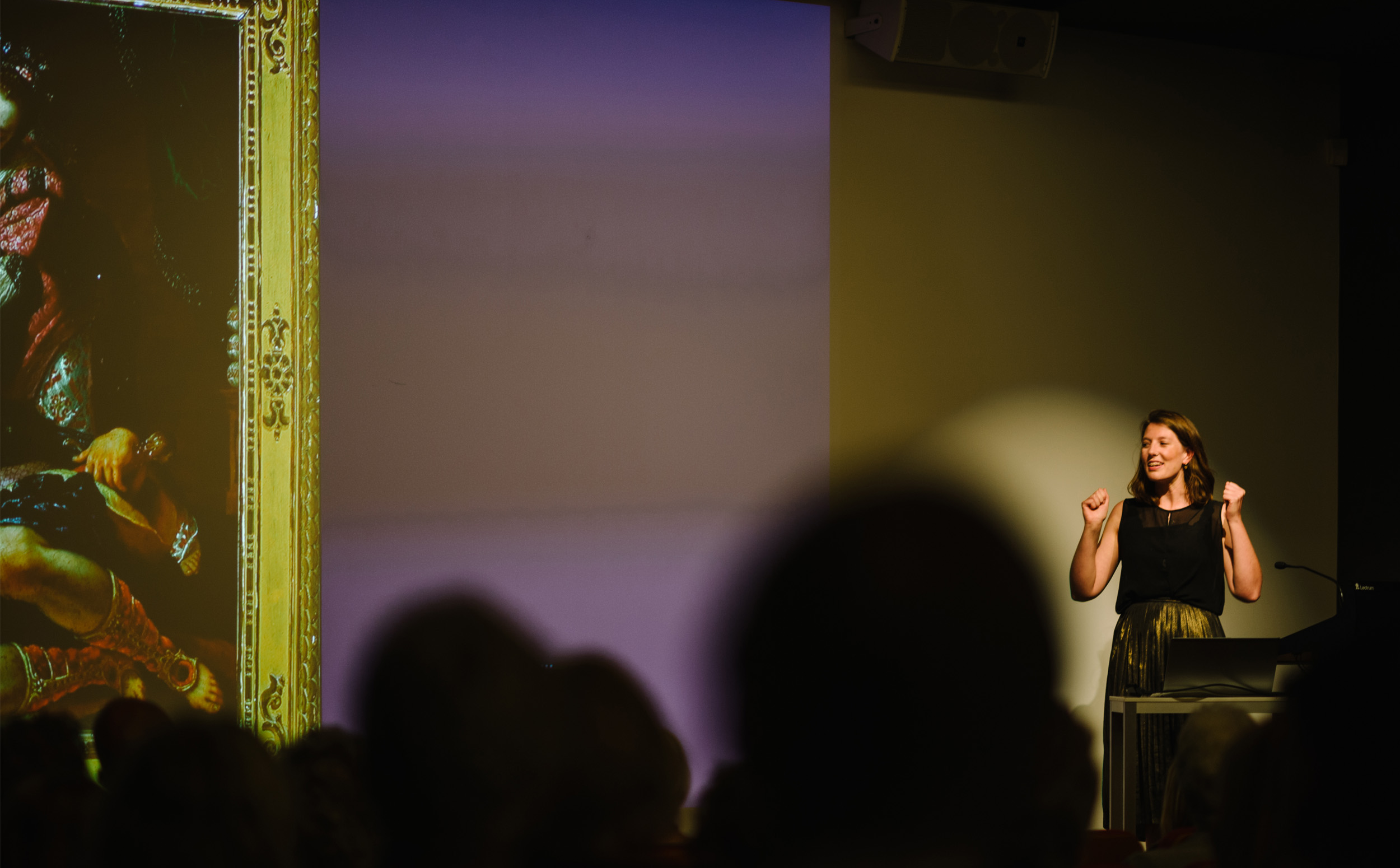
Emma Jameson: I love how multi-faceted and varied my working days are. An average day could entail researching and developing concepts for future exhibitions, viewing artworks in storage for research, writing artwork labels for exhibitions, advising on the graphic design identity of an exhibition or marketing campaign, delivering a talk or a tour as part of a public program or education initiative, trawling the archives to research artworks in the collection, meeting with conservators to discuss framing options, meeting with potential lenders/donors to view art collections, writing proposals for acquisitions, or giving an interview for radio, television or written media outlets.
Embrace any opportunity that you can take… keep that passion alive.
What period does ‘historic’ range from? What is it that draws you to this particular period of art history?
At AAGToT the historic collection ranges from our earliest dated work (circa 1376) to 1890-1900. I’ve thoroughly loved forging a strong relationship with this part of the gallery’s collection by developing and presenting exhibitions as well as researching artworks.
I’m drawn to these works because not only do they act as a portal through which we can understand how people in the past perceived and expressed their worlds, but they speak to aspects of the human condition that still profoundly resonate today. I love connecting audiences with the themes and people contained in historic artworks by finding emotive or tactile points of engagement, be it the sweep of gestural paint across a canvas, the glint of gold-leaf, or the suspended, anguished gestures in historical or religious scenes. I particularly enjoyed curating an exhibition of 18th-century prints that investigated the emergence of the modern concept of the fragment, which I felt was prescient for today’s rather tumultuous socio-political context and our increasingly individualied, isolated existence.
The curators here are really fortunate to have the opportunity to be relatively flexible in the areas that we work with – for example, I curated an exhibition of works by the Guerrilla Girls last year, and I also have the freedom to incorporate artworks from various periods into exhibitions that I curate, so long as I consult the curator assigned to that collection area.
See also: Yayoi Kusama: The Queen of Cool
You got your role straight out of university, is that right? What do you think set you apart from other applicants?
Not quite straight out of university – when I was hired by AAGToT I was completing my Master’s thesis part-time while working as a Post-Graduate Teaching Assistant at the University of Auckland and also writing reviews for an art website. Throughout my time at university I worked in various part-time roles in public and private art galleries in New Zealand.
I also had the incredible opportunity of working as an intern at the Peggy Guggenheim Collezione in Venice, through which I gained invaluable insight into the multi-faceted aspects involved in caring for collections, developing art exhibitions and communicating art to the public. I also completed two research internships at the University (including a research internship at AAGToT) with Dr Erin Griffey, which empowered me with the requisite work experience for this role. I feel very fortunate to have had all of these opportunities.
What did you study at university and how has this helped in your current role?
I studied art history and Italian in my undergraduate studies at university and then completed Honors and Master’s in Art History. In my undergraduate studies I made a conscious decision to take a broad selection of courses to ensure that I had an in-depth knowledge and appreciation for art media from various periods – I particularly enjoyed studying 19th-century British architecture and interior designs as that was a subject that was entirely new to me at the time. In my Honors’ and Master’s years I focused my attention to the areas that I wanted to specialize in: 17th-century Dutch and Italian art and architecture.
My studies have been invaluable in my current role – they’ve empowered me with the research and communication skills to enact and express my passion for art and history. Through my studies I learnt how to be an independent, rigorous, confident and tenacious researcher as well as gaining an appreciation for the multiplicity of perspectives that artworks can solicit. I’ve learnt how to critically analyze documents, how to read the technical and visual components of artworks, and how to best display and care for them.
Learning a second and third language (French) was invaluable, and is a skill that I harnessed extensively in my Master’s research as well as in my research for AAGToT.
See also: The 14 Most Expensive Female Artists
What’s your favorite show you’ve worked on at AAGToT and why?
A really fun challenge and new experience for me was curating the Guerrilla Girls: Reinventing the ‘F’ Word – Feminism! Exhibition last year. This was the first large show that I curated by myself. I loved having the opportunity to work with contemporary artists in the exhibition’s design, public program and written interpretation, and thoroughly enjoyed observing how engaged our younger audiences were with the show.
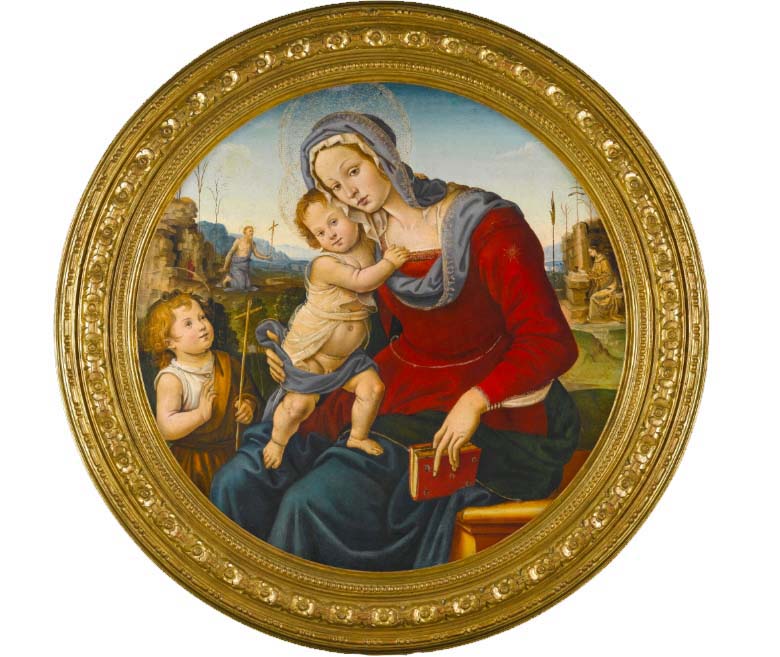
I also thoroughly enjoyed contributing to the catalogue for The Corsini Collection: A Window on Renaissance Florence (2017), as that gave me the opportunity to research and write about Italian artworks from the 16th and 17th centuries that haven’t received much scholarly attention.
What tips would you give budding curators and art historians? What’s the best way to get a foot in the art world or make a job application stand out?
Embrace any opportunity that you can take, think laterally about the work roles you might be interested in, be open to learning from your failures, keep that passion alive.