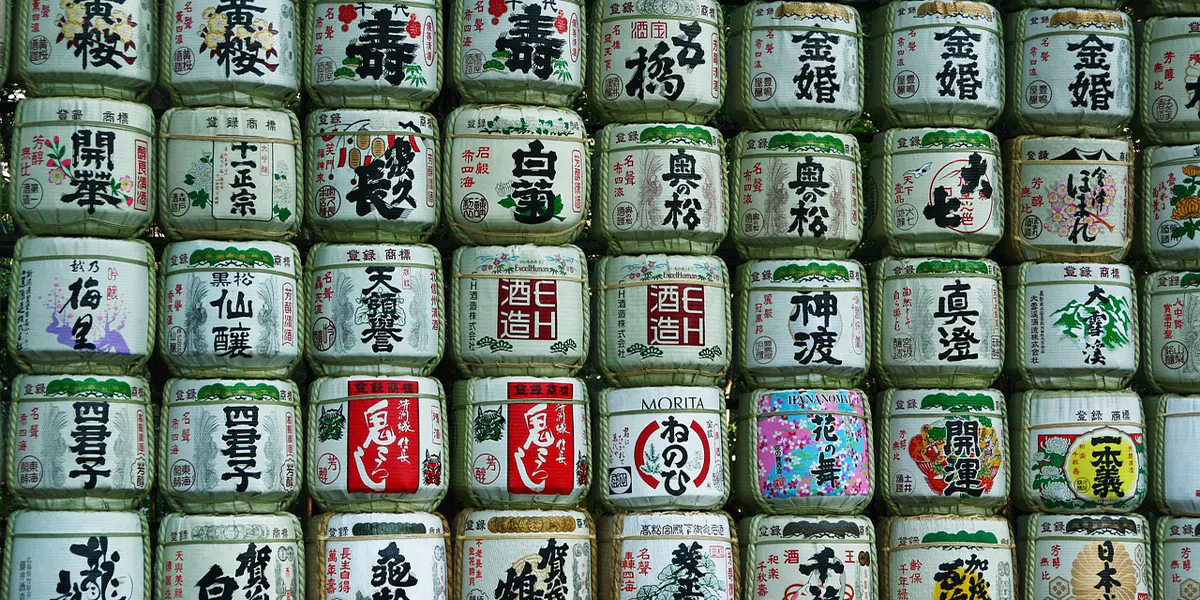
Sake lives: it must always be taken care of. You must know the character of the yeast and the barrel. If you talk to it, it answers, and the sake becomes a good sake.
What kind of alcohol is Sake?
Also known as 'rice wine', 'Japanese vodka' and even the 'nectar of the gods', sake is an alcoholic drink made up of specific varieties of rice, water, yeast and a kind of mould called koji (aspergillus oryzae). When the starch is transformed into glucose and the yeast converts the sugars into ethanol, the compound takes on the smooth, velvety texture and the exquisite aroma typical of sake. In Japan, the appropriate term for the drink is nihonshu, as the word sake refers to an alcoholic product in the generic sense.
Related: Brandy and Cognac: Divine Spirits
A millennial history
Sake is one of the oldest drinks in the world, with a thousand-year history behind it. Its origins are not well documented, and there are various theories on its birth. Some argue that the practice originated in China and was later exported to Japan, while others identify the origin of rice fermentation in 3rd-century Japan. Originally, sake, called kuchikami no sake ('mouth-chewed sake') was made from a mixture of rice and other ingredients chewed together - to allow enzymes in the saliva to convert the starches into sugar - and then spat into a vat. According to some beliefs, the best sake was made by young virgin women. Later, with the discovery of koji, whose enzymes convert rice starch into sugar, chewing no longer became necessary. During the Heian era (794-1185), three new stages were added to the fermentation process and improvements were made, updated and refined over the next 500 years.
Want more articles like this delivered straight to your inbox? Subscribe to our free newsletter
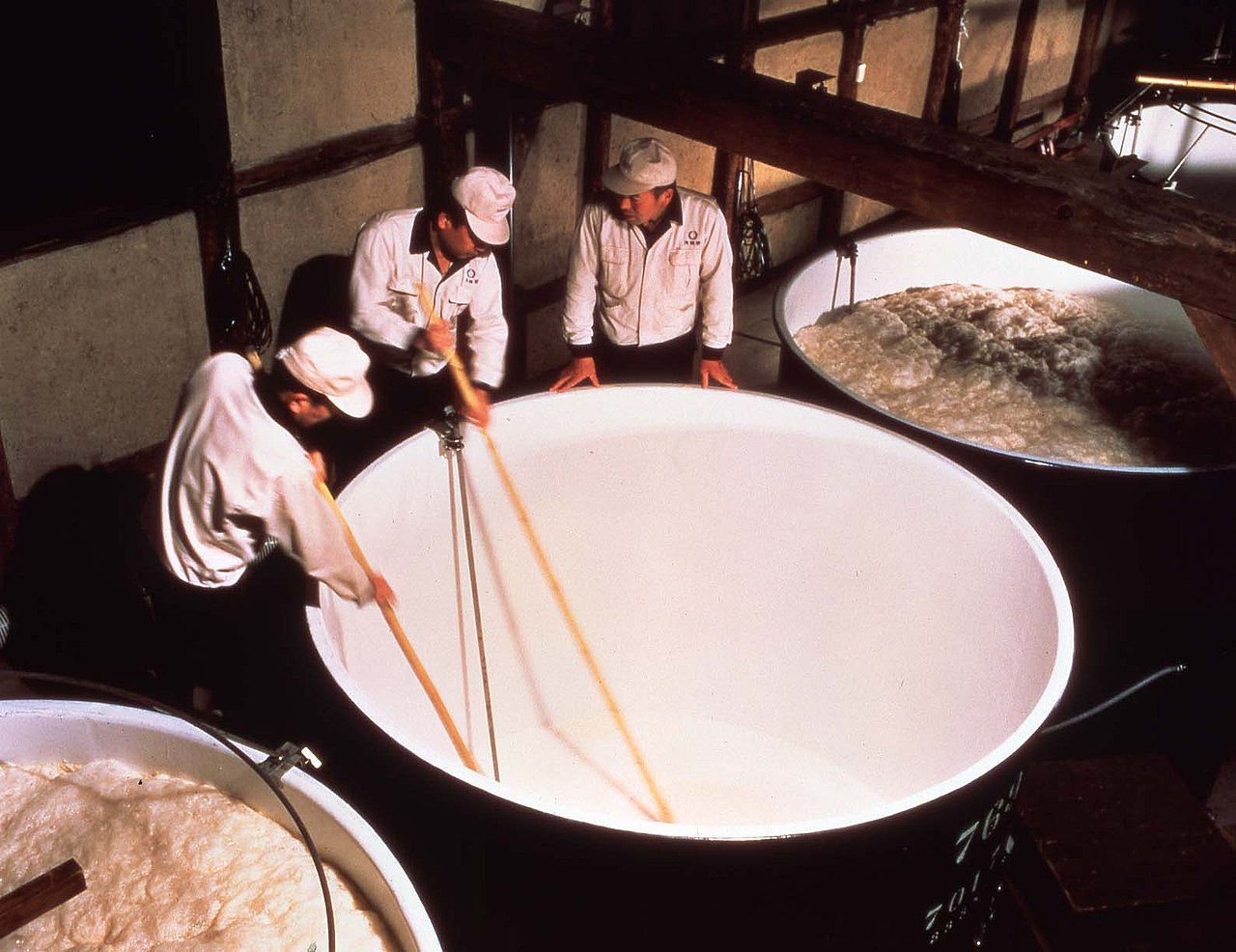
In the twentieth century, the technology of sake production developed enormously. The use of enameled tanks was preferred ito wooden barrels, considered less hygienic. The production of homemade sake was banned. During the Second World War, the sake industry suffered heavy losses, only to recover at the end of the conflict. However, in the 1960s, sake's popularity in Japan began to decline in favor of beer, wine and spirits. At the same time, the quality of the sake improved a lot, paving the way for success in the rest of the world. Today, sake consumption in Japan is on the decline, flanked by a general decrease in alcohol intake, so much so that the government has even instituted a campaign called Sake Viva!, to encourage young people to drink more alcohol. Despite this, sake still enjoys wide popularity and the figure of the Sake Master (Tōji) still constitutes a very respectable job.
Related: Super Tuscan Wines: The Top 5 in the World
How do you make sake?
Sakamai, compared to common rice, has larger grains, low protein content, is non-glutinous and therefore less sticky and rather soluble during the fermentation process. This rice undergoes a first refining process in which the grains are cleaned from the external layers and refined. The smoother the grain, the higher the quality of the sake. The rice is then washed in order to remove the last impurities and left to soak to increase the water content until the next phase, in which it is steamed. Then koji comes into play (obtained by adding the spores of aspergillus oryzae to the rice), which converts starch into glucose. To convert the latter into alcohol, yeast comes into play. The yeast cultivation process is called shubo. By mixing a certain amount of rice, koji, shubo and water and fermenting the mixture, moromi is obtained. After a very complex fermentation, the sake is pressed, filtered, pasteurized, and then placed in a seasoning vat to mature and be bottled.
Want more articles like this delivered straight to your inbox? Subscribe to our free newsletter
The alcohol content of sake is similar to that of wines (it contains about 14-16% alcohol, with a legal maximum of 22%), but the way it is produced is more reminiscent of the production technique of beers.

How many types of sake are there?
There are two main types of sake: Futsushu is a low-quality sake often referred to as 'regular sake' or 'table sake"' and Tokutei Meisho-shu, or 'specially-designated sake'. The first type represents about 75% of the sake produced, while the second has a rice refining certification and is subject to restrictions when it comes to the addition of alcohol. As mentioned, the quality of a sake therefore depends on the level of smoothness of the grains. The refining of rice is an important procedure which consists in removing the external part of the grain, leaving instead the internal part, the starch heart, which is what ferments. The oils and proteins of the external part of the rice, if not removed in the proper way, will leave strange or unpleasant aromas in the drink.
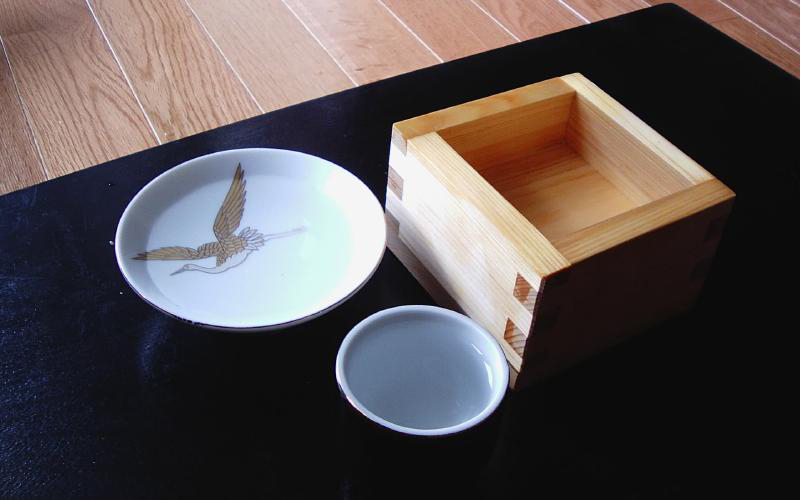
What do you drink Sake out of?
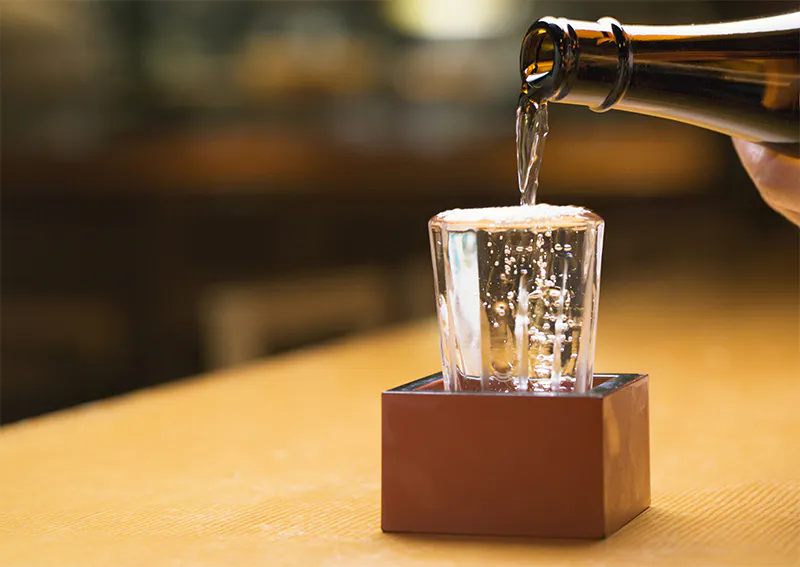
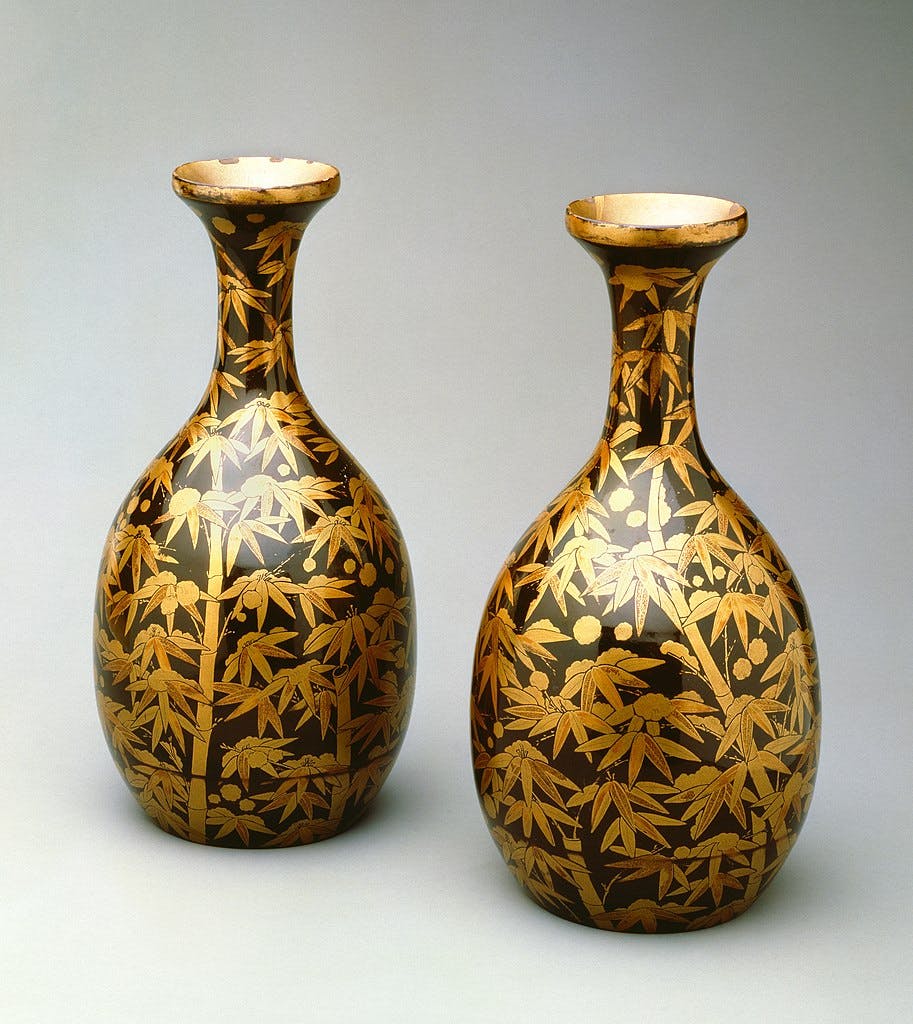
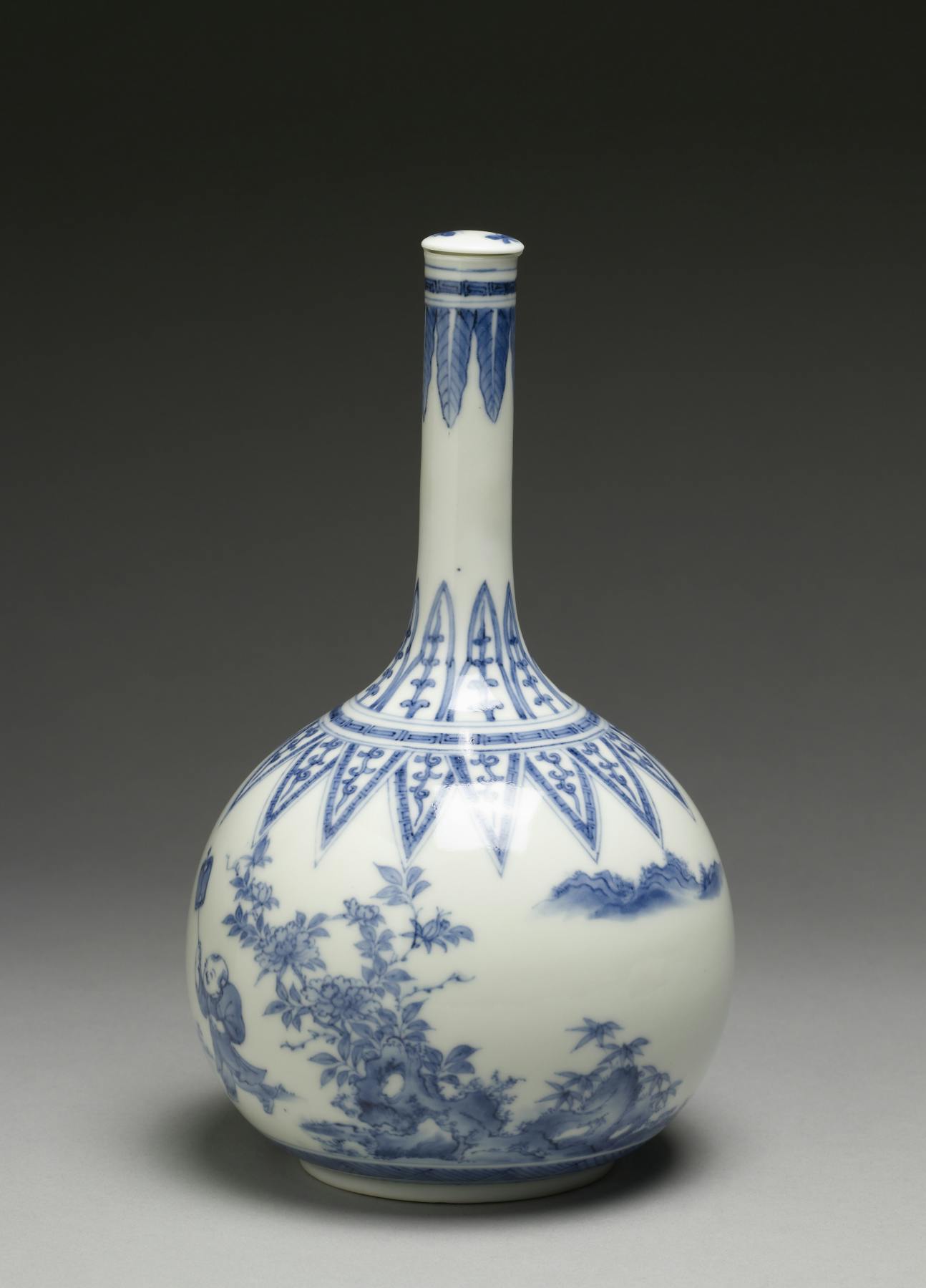
Sake is considered auspicious and often served with a special ceremony, in which it is sipped from a small cup with a wide opening called sakazuki, after being heated in an earthenware or porcelain bottle. The serving temperature can vary considerably depending on the type – a bit like wine. In addition to the aforementioned sakazuki, another container used for sake is the masu, a squared wooden container that was formerly used as a measuring instrument; the guinomi, usually found in porcelain or terracotta but also available in glass; and the ochoko, smaller in size and often in the shape of a thimble. Beyond these traditional vessels, however, sake can also be drunk in ordinary glass wine glasses.
It should be noted that some sake sets are considered highly collectible, due to their history and artistic qualities.
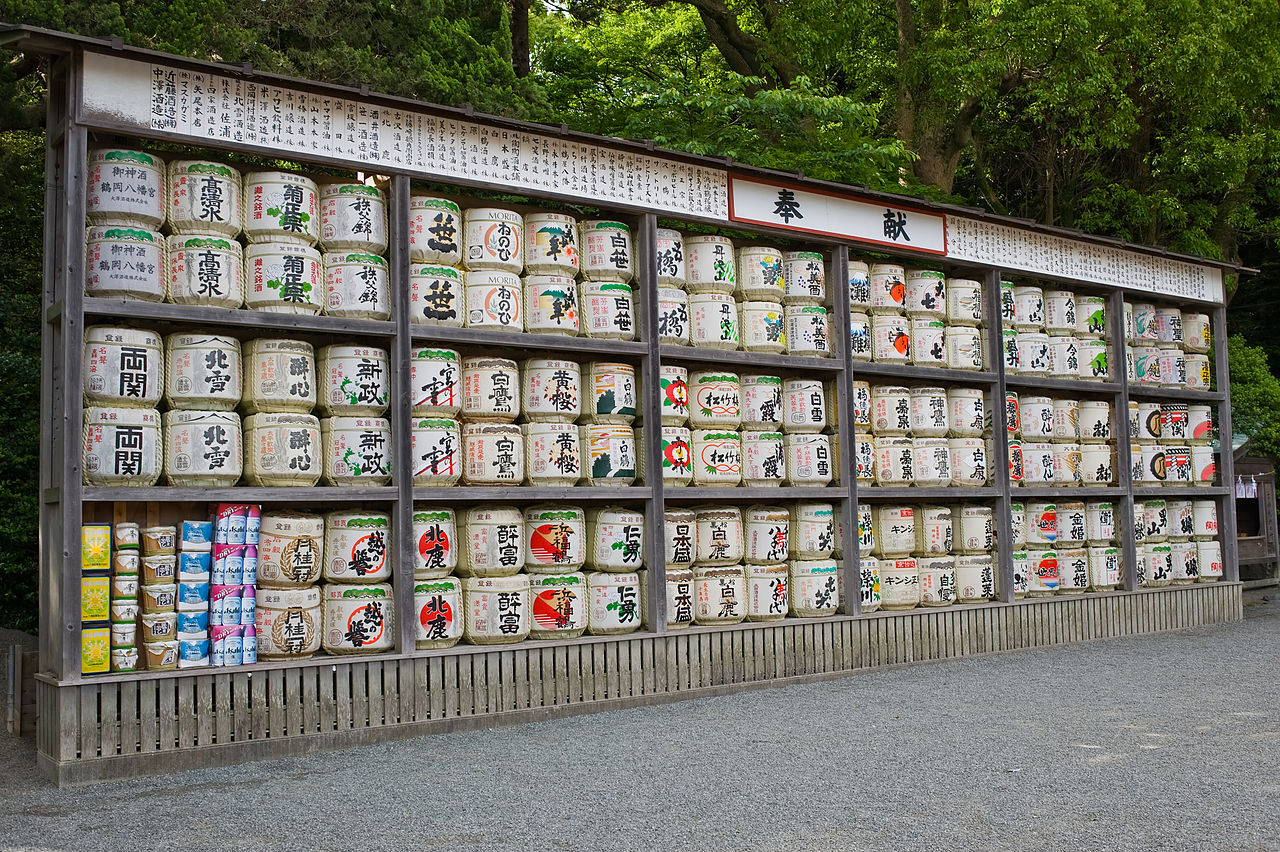
Cocktails with Sake
Versatile from many points of view, sake is also used to make cocktails of various types. Among these are the fresh and spicy Kyoto Sour that combines grapefruit slices with sake mixed with green Tabasco sauce, lemon juice and agave nectar; the mighty Coco Geisha with Japanese single-malt whiskey, sake, Angostura orange and coconut water; the delicate Sakura-Chan, inspired by the typical cherry blossoms of Japan, which mixes sake, sakura liqueur, cherry flavored kirsch and lemon juice ... and many other phenomenal cocktails.
Related: The Cocktails that Inspired History’s Creatives
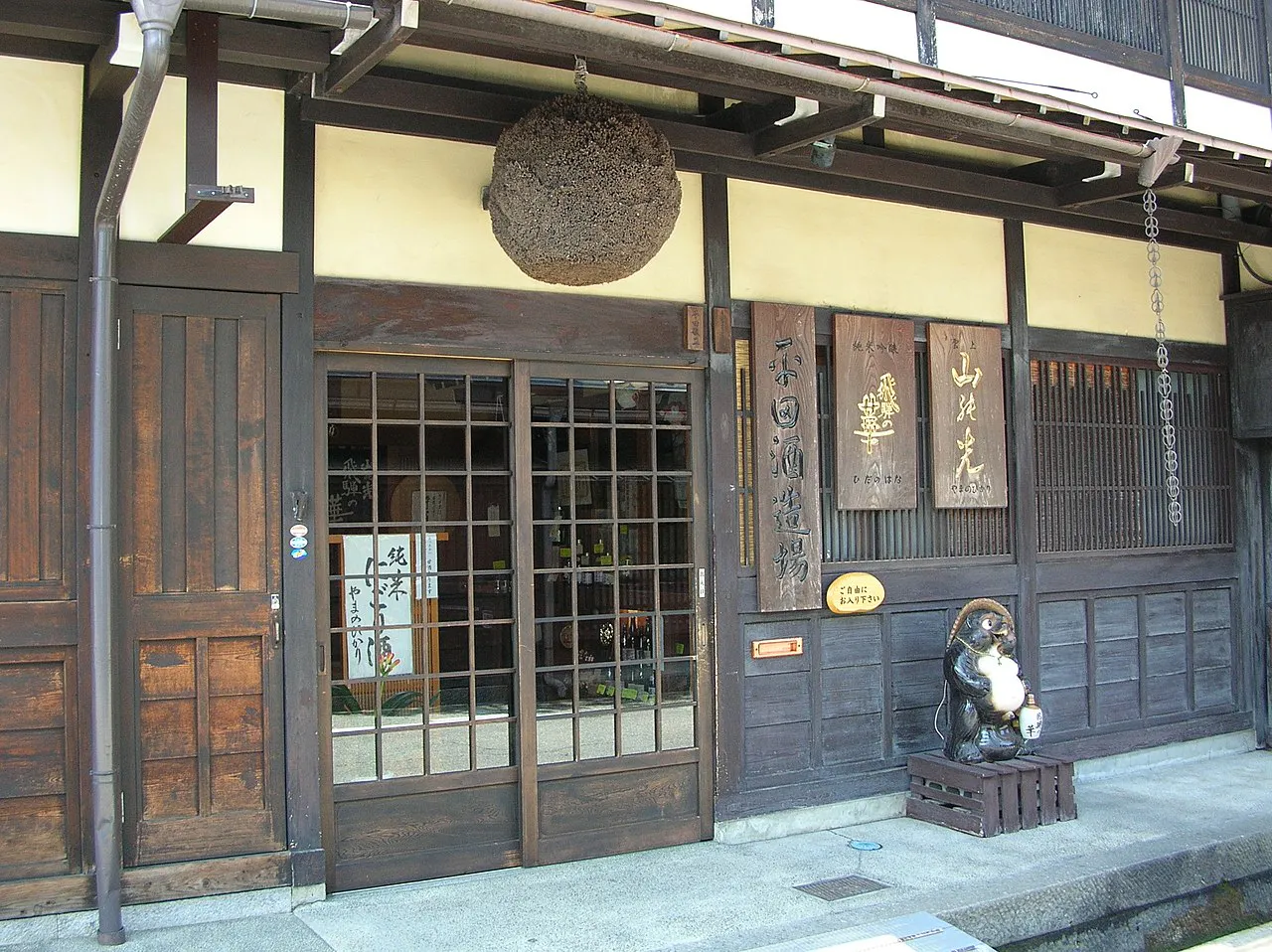
Food pairings with Sake
Also by virtue of its versatility, sake goes well with different dishes. It has a more delicate flavor than wine and goes well with sushi, fish and seafood. It can also be combined with meat and more intense flavors in general. One thing to take into consideration is the fact that sake can be served cold, at room temperature, or hot (never boiling). Hot sake goes preferably with dishes rich in oil or fat, lukewarm sake goes well with sushi, while cold sake goes well with slightly sweet or sour foods.
Sake's customs and traditions
Usually you don't serve sake alone, but pour it to the person with whom you are drinking it, as a gesture of courtesy and friendship, especially during important ceremonies. Pouring it to another person and letting them do the same for you is understood as a sign of union, hospitality and empathy.
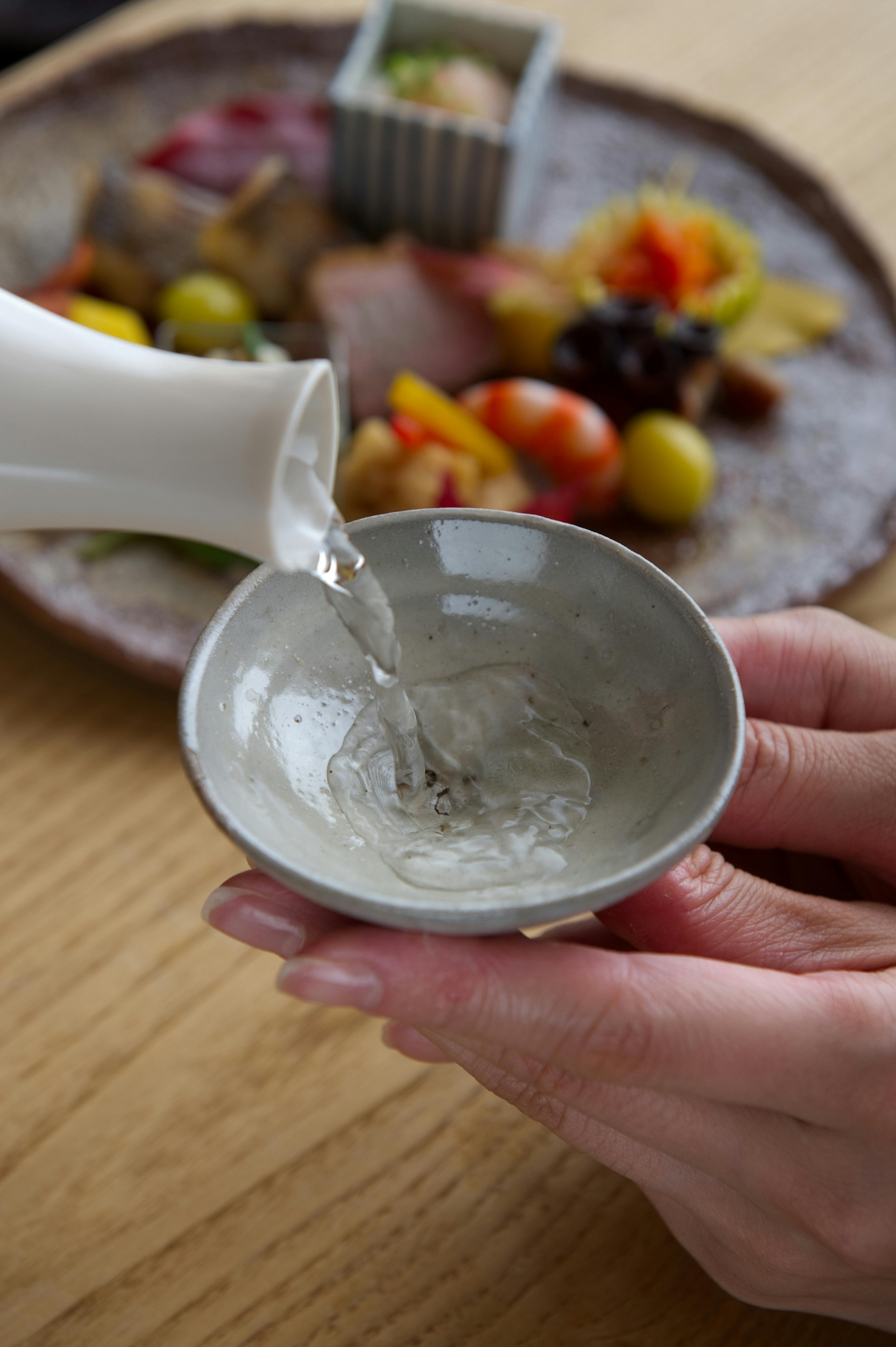
World Sake Day has been established since 1978, and is celebrated on the 1st of October. On New Year's Eve, many Japanese drink toso (also called o-toso), a special sake made by dipping a powdered Chinese medicine into the drink. Toso is taken as an auspicious drink to drive away the ailments of the previous year, and as a propitiatory rite of good health and long life. According to some, sake has strong antioxidant power. Taking advantage of this belief, many producers create brands aimed mainly at female audiences, sometimes available in charming pink bottles, as in the case of the well-known Hakutsuru Jyunmai Nigori Sayuri.
As we've discovered together what sake is, how it is made, how to drink it and what it's properties are, there's only one last thing to do: Kanpai!