Here are five interesting facts about the popular distillate.
1. The country of origin is disputed
Scotland or Ireland? The birthplace of whisk(e)y can no longer be determined with certainty. In any case, the name goes back to a Gaelic term that means 'water of life'. The word 'whisky' was first documented in 1736. At that time, however, it wasn't only whisky as we know it today that was called that, but also other spirits with spices. Today, whiskey (with an 'e') refers to the distillate from Ireland and the United States, while whisky (with no 'e') refers to Scottish, Canadian, or Japanese grain spirits.
2. The taxation of whisky was controversial
While we've come to accept that alcohol is a taxable luxury, many whiskey consumers have long resisted it. When the English authorities taxed whisky in Ireland in 1643 and in Scotland in 1644, no one complied, which led to a general ban on whisky production (unless you obtained a state lisence). The result was around 200 years of struggle and resistance to the high taxation of the popular distillate. In America, too, the taxation of whisky in 1794 led to an uprising that went down in history as the 'Whisky Rebellion'.
Related: Brandy and Cognac: Divine Spirits
3. Different countries, different customs
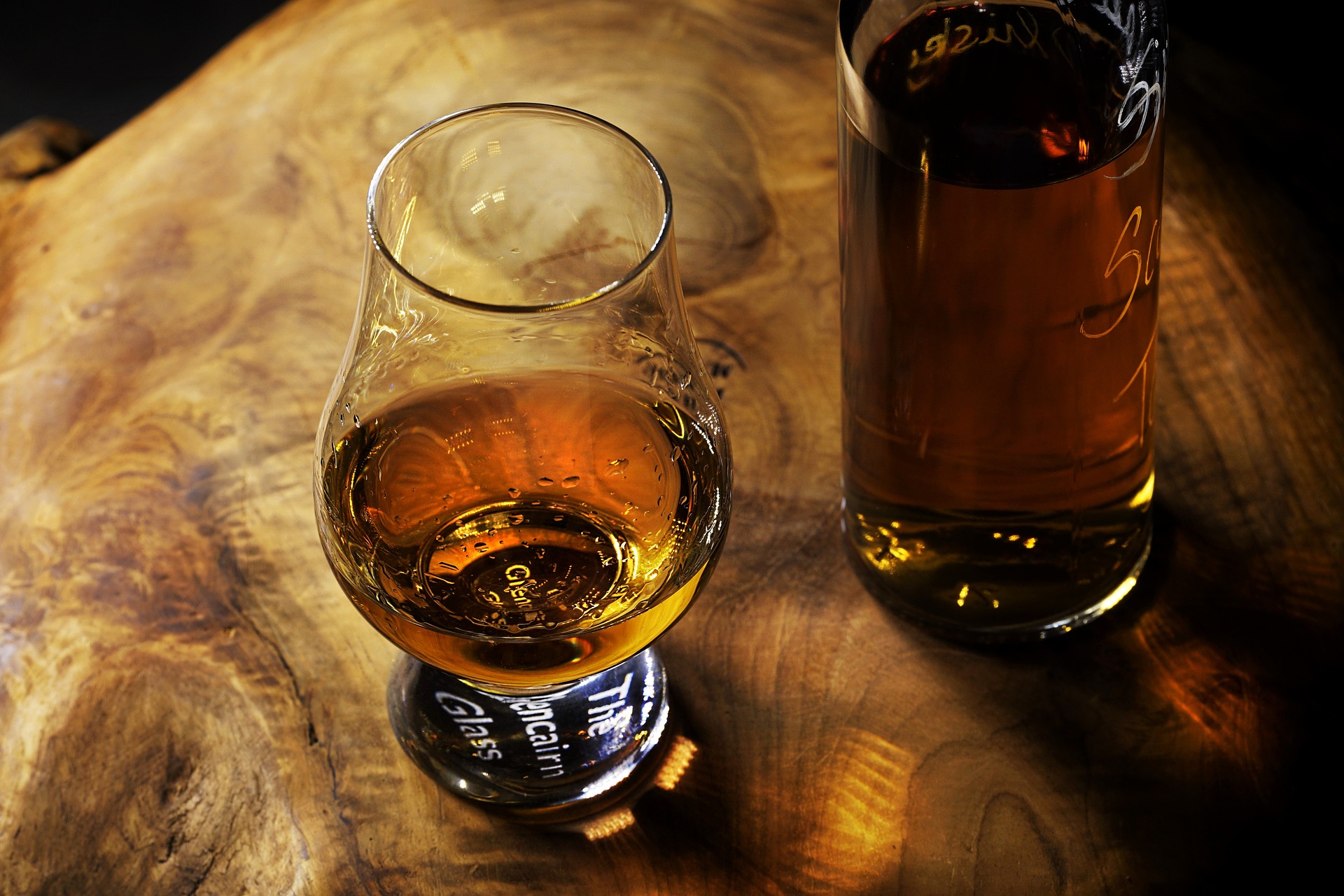
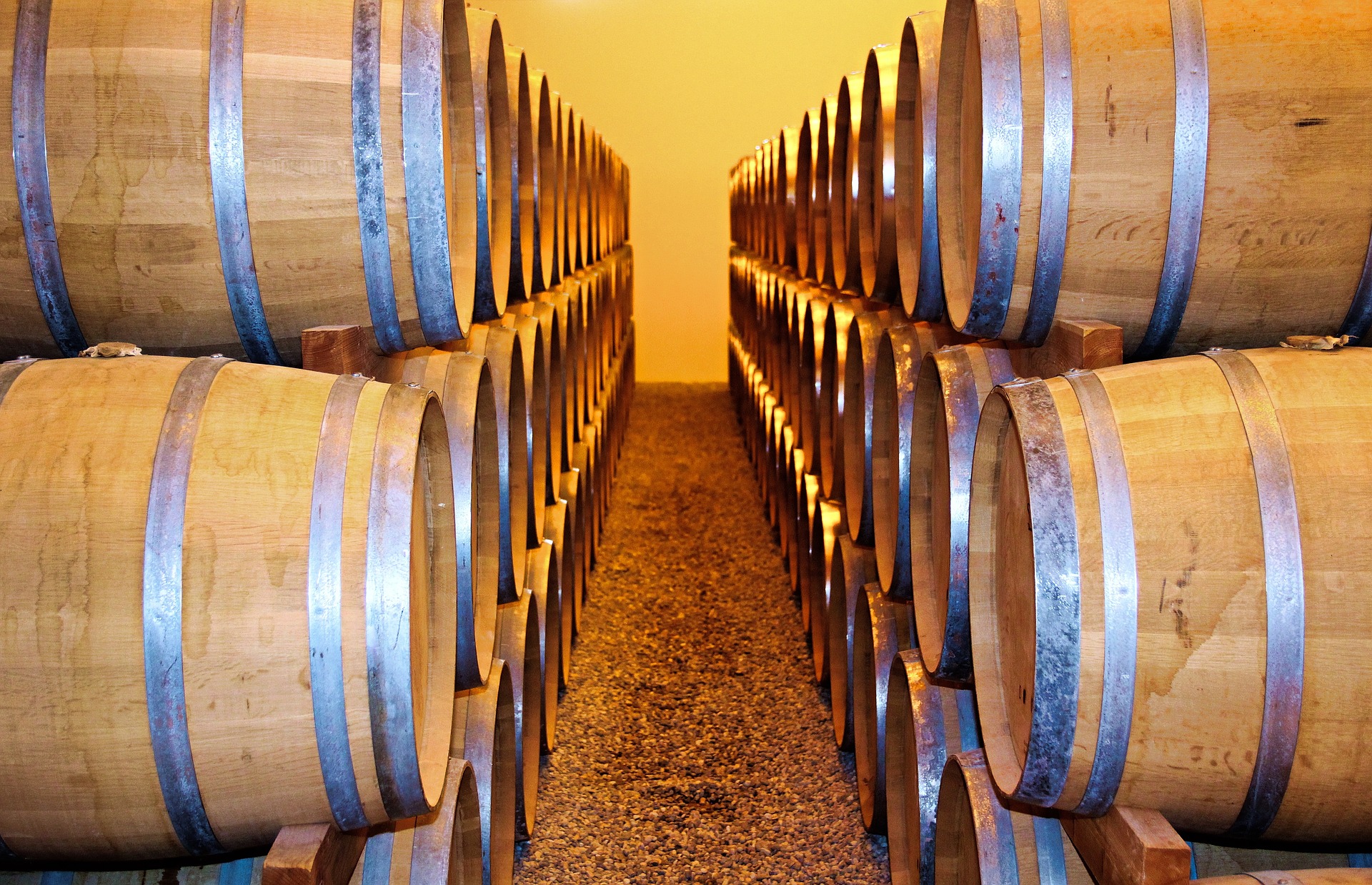
Today, distillations made from grain mash that have matured in wooden barrels for at least three years are allowed to use the name 'whisky'. So whisky can be made from different grains. Barley is mandatory for Scottish whisky. Other types of grain may only be added in. In America, where whiskey was made primarily by Irish immigrants, distillations are also made from corn (bourbon), rye or wheat.
Want more articles like this delivered straight to your inbox? Subscribe to our free newsletter!
4. Whiskey is produced all over the world today
The grain distillate is now also produced in many other countries around the world, in addition to the 'big whisky nations' of Scotland, Ireland and the USA. Some of the production has been around since the middle of the 20th century. However, the market in Europe experienced a real increase around the turn of the millennium. The situation is similar in Australia and New Zealand. In Asia, the term 'whisky' is broader. Distillations made from rice are also sometimes called that.
Related: For Sake's Sake: A Japanese Nectar
5. Whiskey was a secret movie star
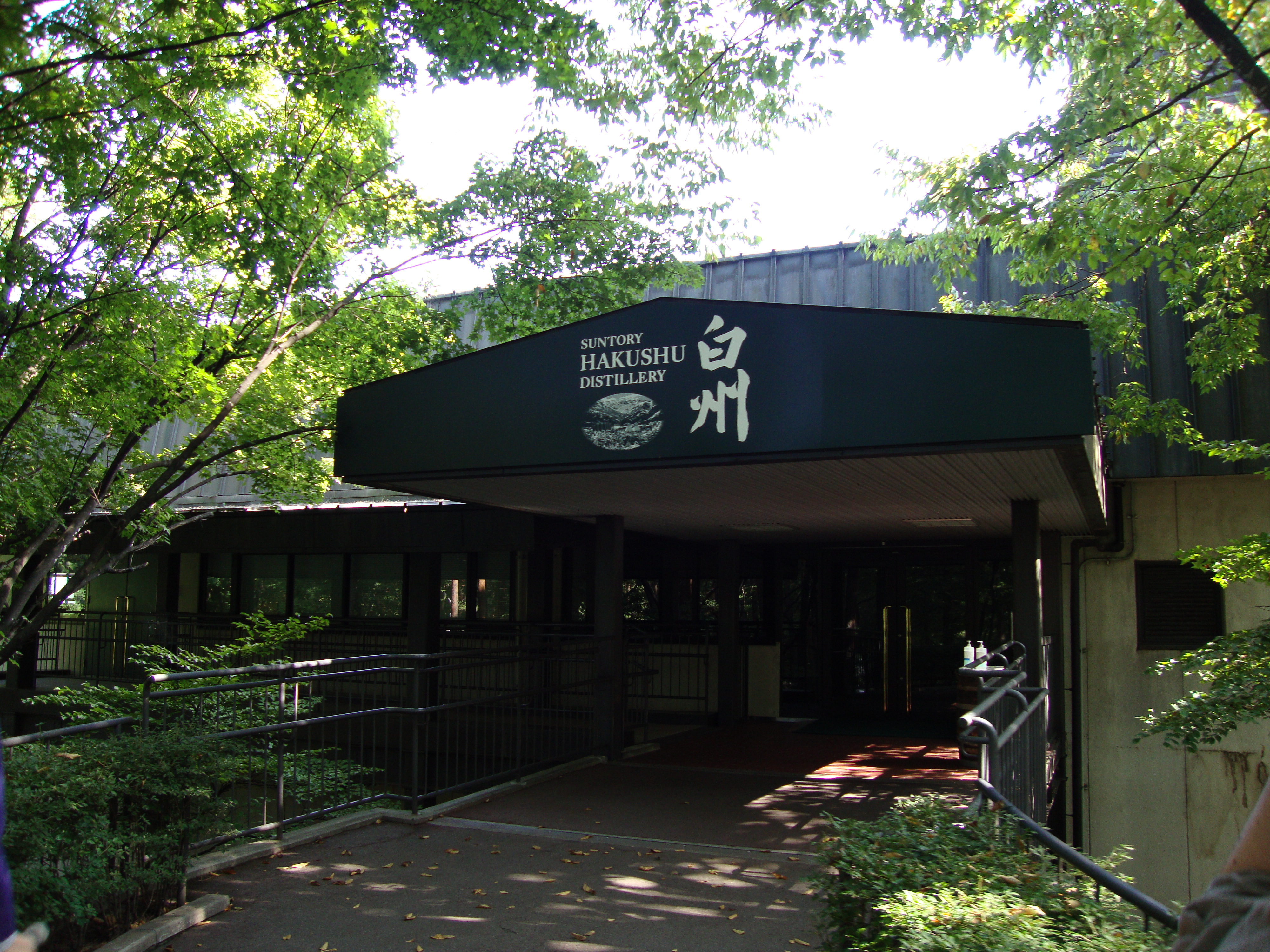
"For relaxing times, make it Suntory time."
This is the phrase used by Bill Murray's character Bob Harris to promote Suntory Whisky in the 2003 film Lost in Translation. Bob Harris is an American actor who shoots a whisky commercial for Japanese (and real) beverage company Suntory in Tokyo. In fact, Suntory was one of the first companies in Asia to rely on American film stars to market their products. In the 1970s, director Francis Ford Coppola was also hired, whose daughter Sofia Coppola wrote and directed the screenplay for Lost in Translation.