Brandy with water spoils two good things.
Similar, but not the same. Many tend to confuse these two types of liqueur, but there is a fundamental difference: while every cognac is a brandy, not all brandy is cognac. Some connoisseurs even like to say that cognac is to brandy what champagne is to sparkling wine.
Brandy is a liqueur obtained from distilling wine, and it can be produced in any country. It became popular in Europe thanks to the Dutch, who were the most important merchants of wines and spirits in the 17th century. The term brandy derives from the Dutch brandewijn, meaning ‘burnt wine’, later translated into the English brandwine and finally shortened to brandy. Brandies produced in the Armagnac region have their own Appellation d'Origine Contrôlée (AOC), i.e. a Controlled Designation of Origin.
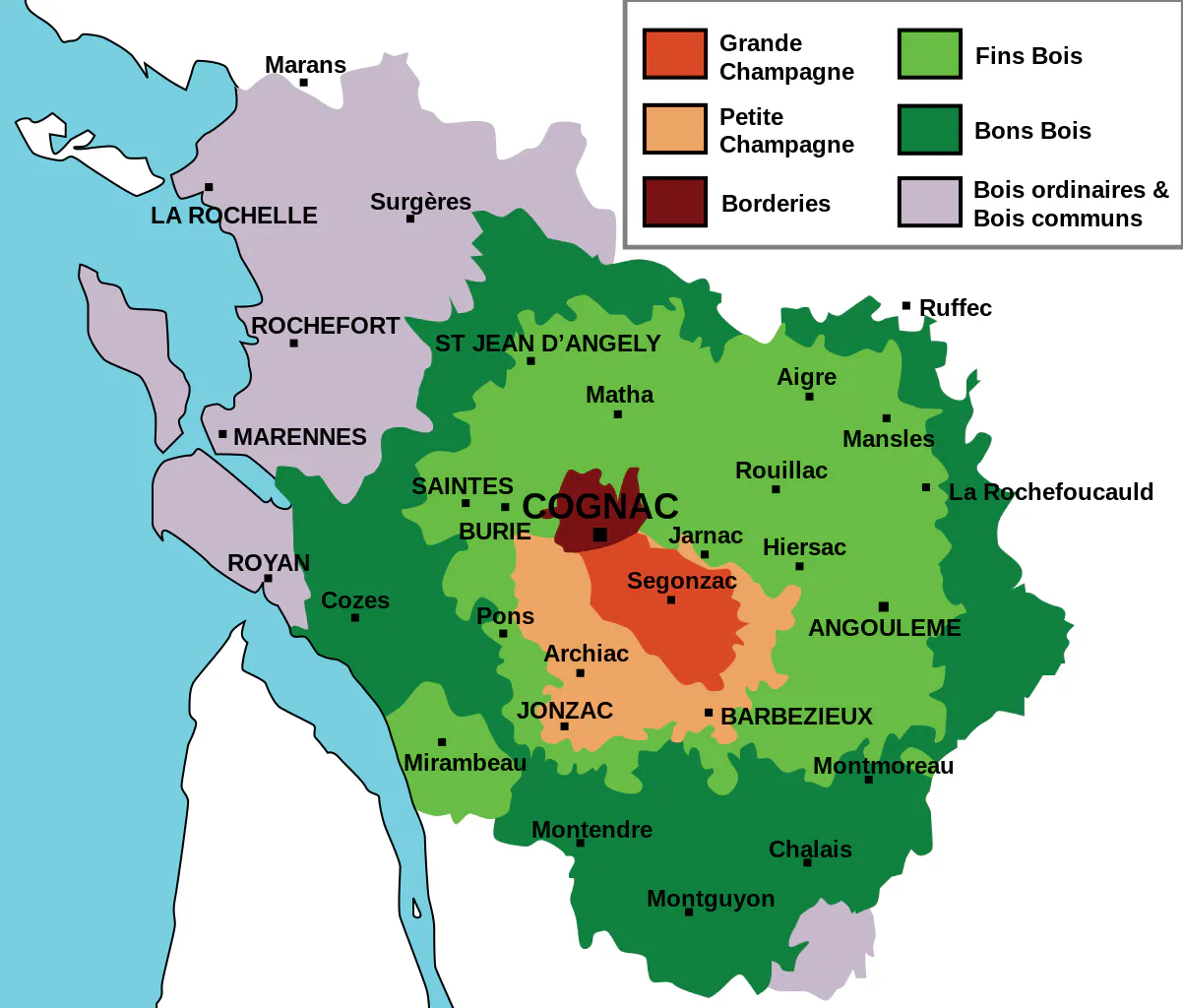
Cognac, on the other hand, is a distillate produced exclusively from white wine, protected by an AOC and produced in a very specific area of France, in the Charentes region, as well as a small part of the Dordogne and the Deux Sèvres department. It takes its name from Cognac, the city in the south-west of France traditionally considered its birthplace. Cognac is produced according to specific criteria and with a specific type of grape, mainly the Ugni blanc.
Related: Super Tuscan Wines: The Top 5 in the World
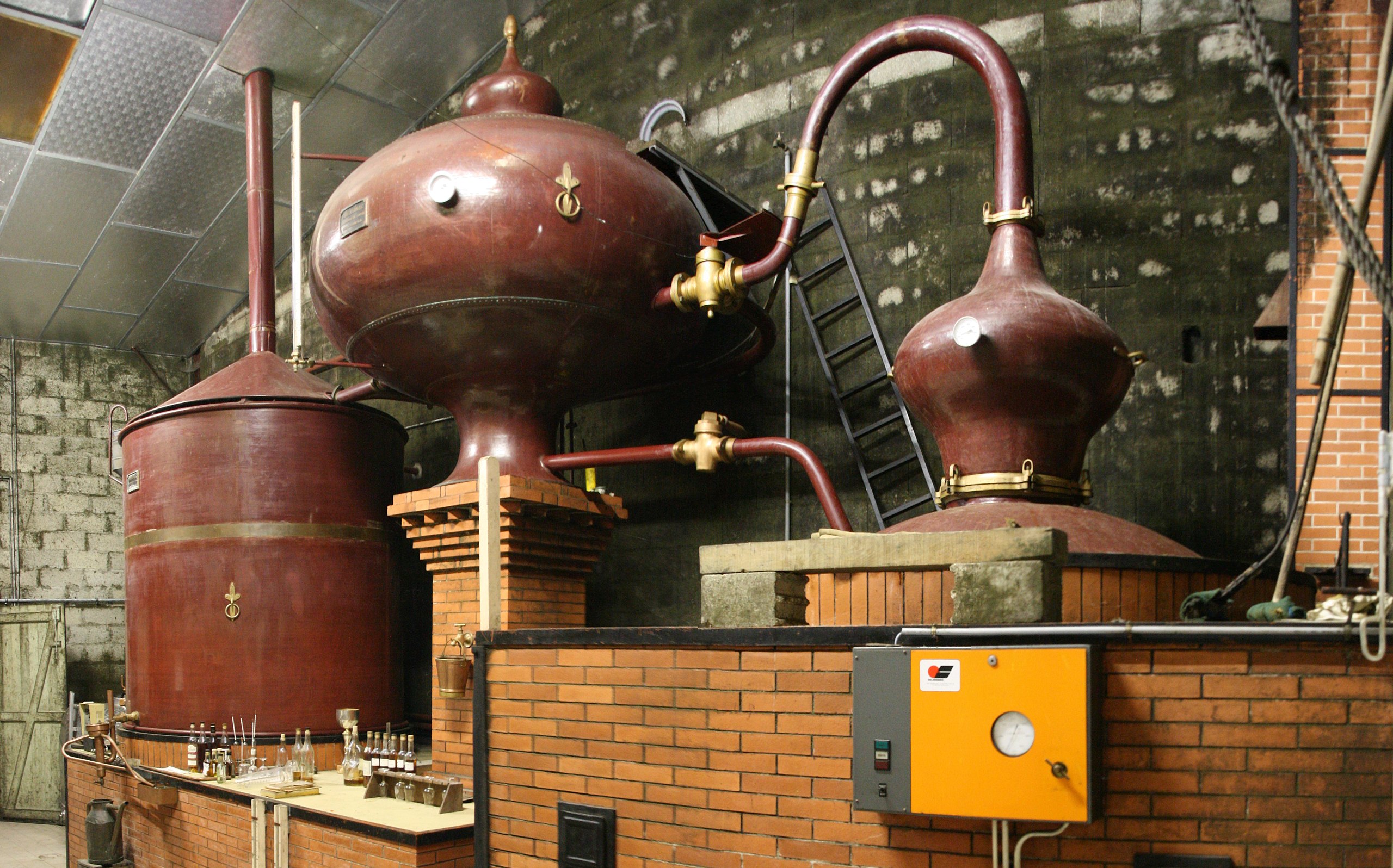
To obtain cognac, the wine must be distilled twice in a copper alembic (from the Arabic al'ambiq, meaning to distill, which in turn derives from the Greek ambix, meaning a cup or vase). In the first distillation, the so-called brouillis is obtained, with an alcohol content of around 30°. In the second phase, the brouillis is returned to the boiler for a second heating, known as the bonne chauffe. The distilled product must then be aged for at least two years in French oak barrels – although most cognacs spend much more time in contact with wood than the minimum legal requirements.
Producers can choose whether to distill wine with or without yeast. In the first case, the product is generally more complex and rich. Those who eliminate yeasts look for a lighter and more immediate type of cognac. As for the large producers, the yeast method is used by the producer Rémy, while the yeast-free method is used by Martell.
The Charentais alembic used to distill cognac is governed by precise regulations, and built according to traditional forms in use for centuries. The distillation technique itself is the result of very ancient traditions, handed down from generation to generation of winemakers in Charente. These traditions are an integral part of the charm of cognac production.
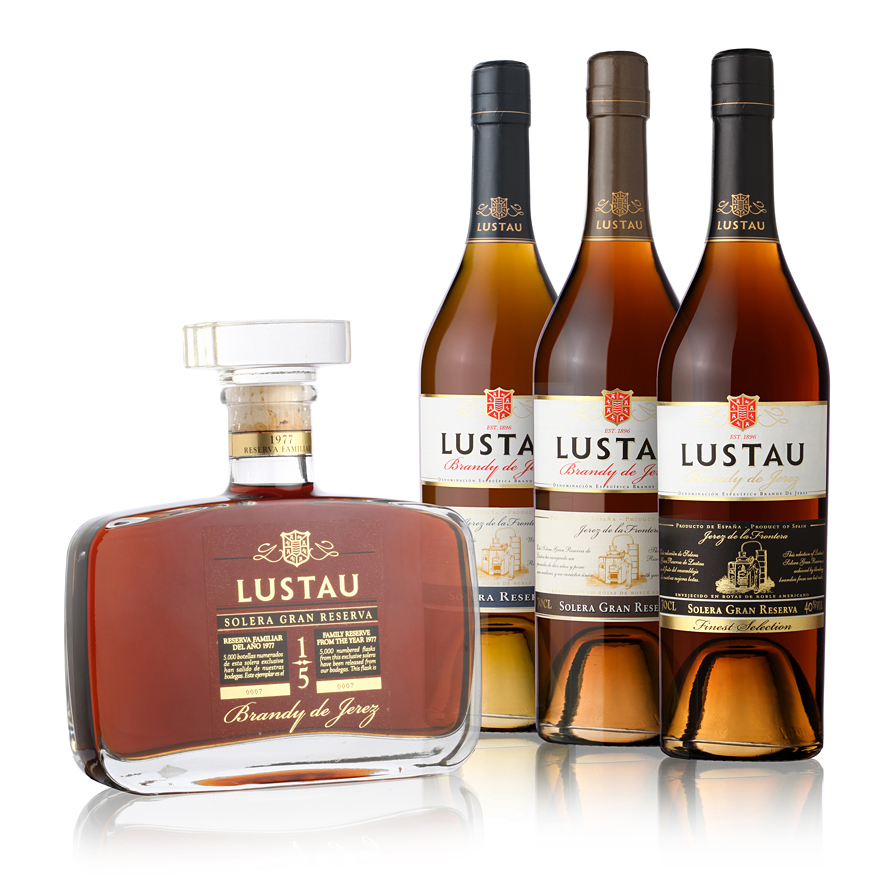
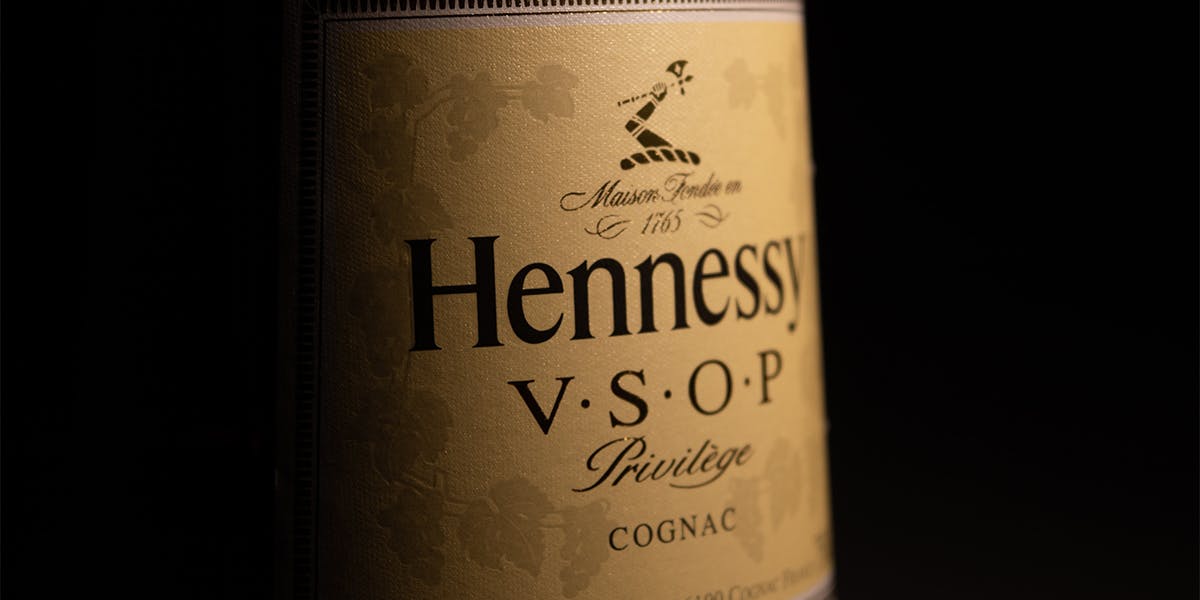
Brandy and cognac are categorized according to their age. Brandies follow the Hennessy classification depending on the years of aging. They have abbreviations such as VS, or Very Special, in the case of a brandy aged at least two years; Napoleon, if it spent at least 4 years in wood; VSOP (at least 5 years), XO (or Extra Old) for spirits aged at least six years, Hors D'age, (very high quality brandy, aged for more than six years) and Brandy Vintage, for brandies produced with a particular vintage grape.
As for cognacs, they range from VS or Trois Etoiles for cognacs with an age of up to four and a half years, VSOP (Very Superior Old Pale), VO (Very Old) or Réserve, Vieille Réserve (Old Reserve), Grande Réserve (Grand Reserve), Royal, Vieux (Old), XO (Extra Old), and finally Hors d'âge and Paradis, used for highly aged cognacs.
Do you have an old bottle of cognac or brandy and want to know how much it is worth? Ask our experts!
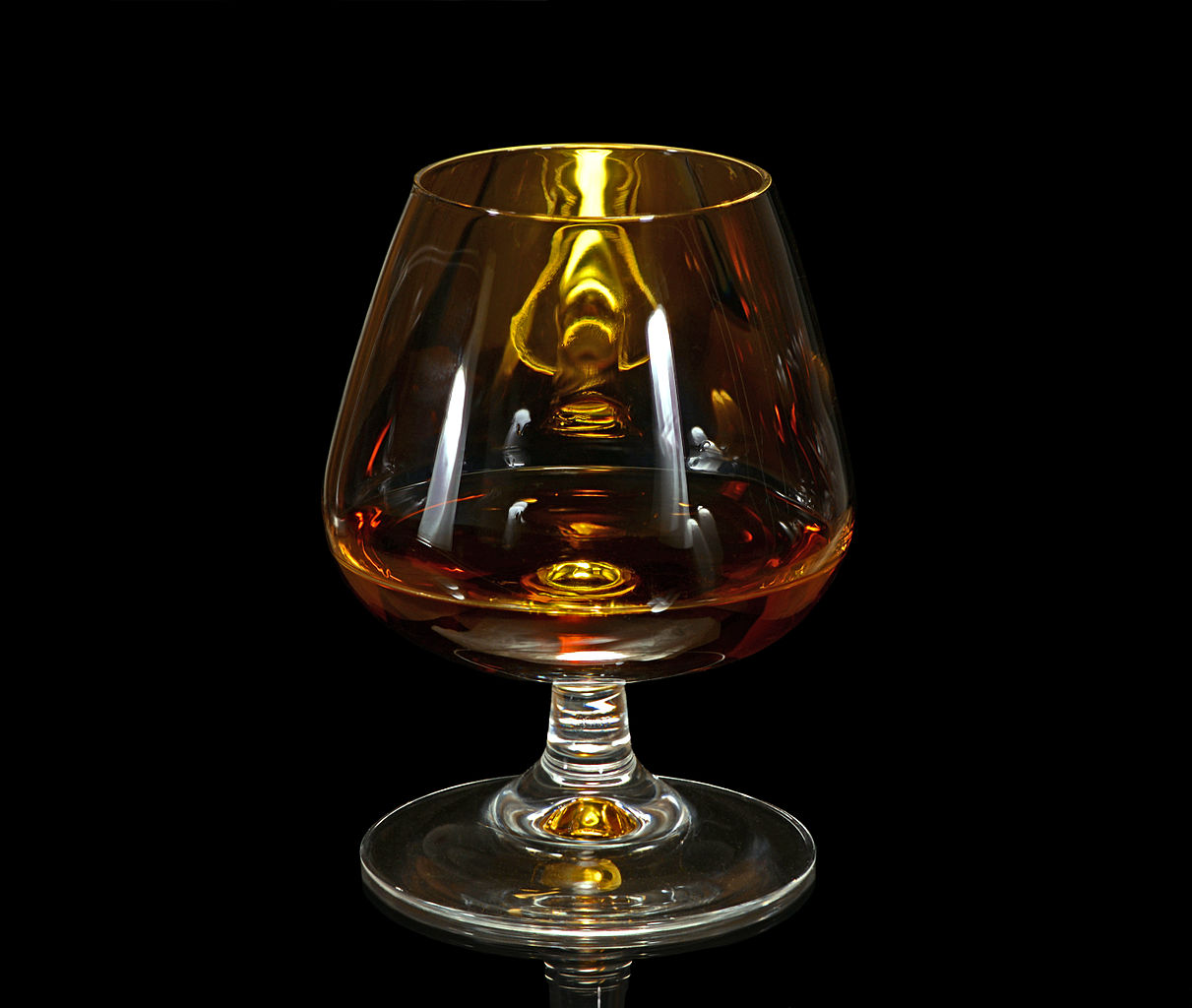
Brandy or cognac glasses are typically the Ballon or Snifter, with a wide bottom and a narrower top, to let the liquid breathe and at the same time trap its aroma. The Tulipe, a tulip-shaped glass, also works: it has a long stem with a wide bell and a slight flare on the edge, making it able to capture the aroma of cognac while still letting it breathe. The distillate should never be watered down with ice, nor heated with flames or lively heat, so as to not to spoil the aromas. In French, the term humaniser le cognac is used to indicate the practice of heating the glass in a natural way, with the simple warmth of the palm of a hand.
Want more articles like this delivered straight to your inbox? Subscribe to our free newsletter
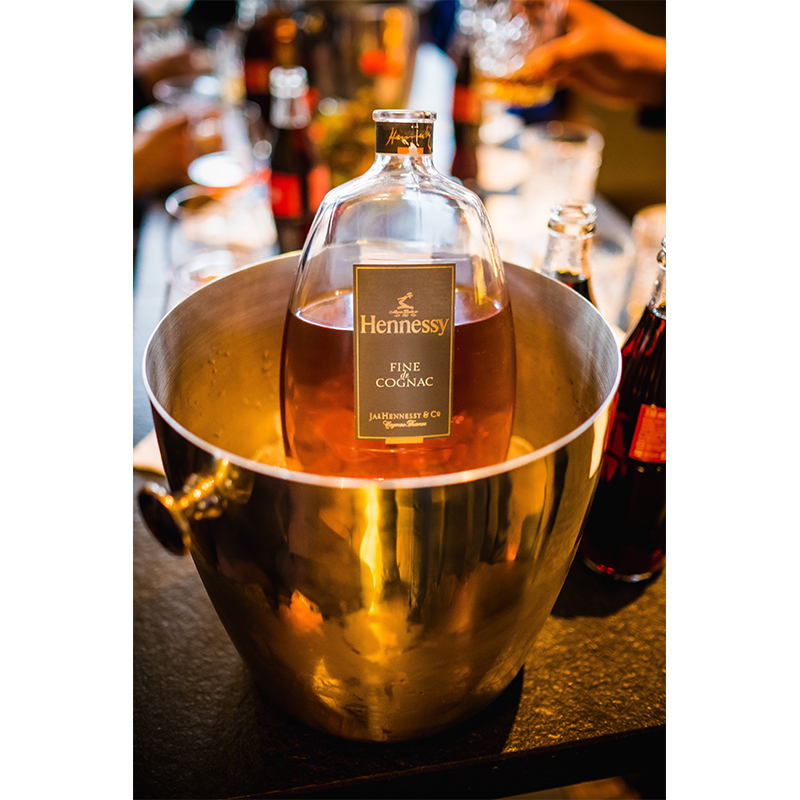
Among the best types of brandy in the world are Armagnac, Stravecchio, Metaxa, Brandy de Jerez and, of course, Cognac. There are hundreds of cognac manufacturers in the world, but four brands, called by some the 'Big Four', dominate the market: Hennessy, Martell, Rémy Martin and Courvoisier. These big four have a range of different styles, offering the perfect entry point into the world of cognac.
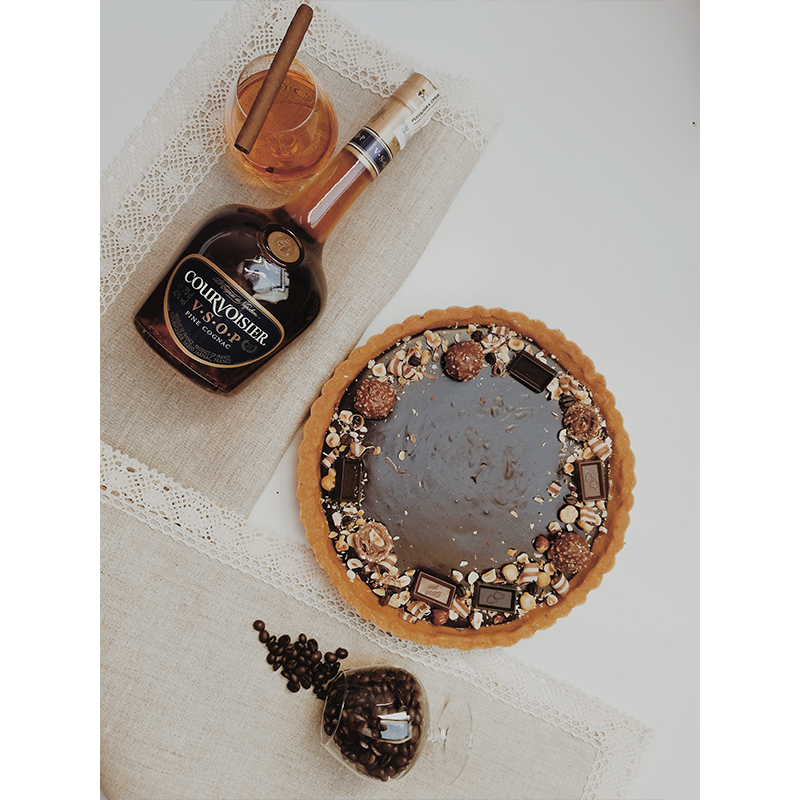
Consumed as a digestive or as a meditation liqueur, brandy is sometimes accompanied by a cigar or a piece of bitter chocolate. In some countries it is also used to correct coffee. It can also be an excellent ingredient in meat marinades, giving meat dishes a unique and intense flavor.
Related: An Artistic Walk in the Footsteps of Bacchus
Cognac, like brandy, goes very well with chocolate, preferably dark with a minimum percentage of 70% cocoa. Cognac is also accompanied by dry pastries, especially the ones with almonds and vanilla. Cheese can be paired up with this distillate, from the rich and creamy ones, to the more delicate Edam, up to the more intense Roquefort. There is a small, very simple principle: young cheese should be paired with a younger cognac, and more mature cheese with a more mature cognac.
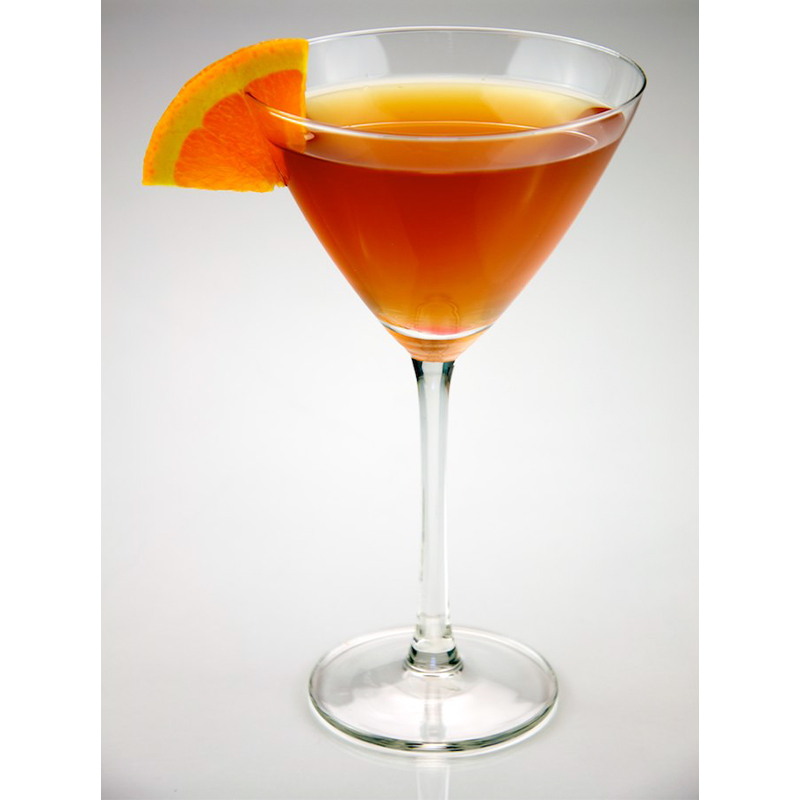
Brandy and cognac are also used to create cocktails, such as the French Connection, which mixes cognac and amaretto; the Sidecar, made with cognac, orange liqueur (Cointreau, Grand Marnier, curaçao, triple sec) and lemon juice; the Alexander, with brandy or cognac, chocolate liqueur and cream; and the East India, with brandy, pineapple syrup, Maraschino and Curaçao. Another one is the Champagne cocktail, in which the meditative brandy and champagne are mixed with a few drops of Angostura and sugar, with a maraschino cherry and an orange slice as a garnish.
Related: The Cocktails that Inspired History’s Creatives
There is even a home remedy that pairs cognac with milk, according to the ancient custom of taking strong alcohol as a medicine, particularly common during the Plague, when the liqueur was administered to the sick to relieve pain. Many will remember parents or grandparents being taken care of with hot milk and cognac (perhaps with the addition of a teaspoon of honey), in the case of a flu.