When the words art and deco are combined, what first comes to mind?
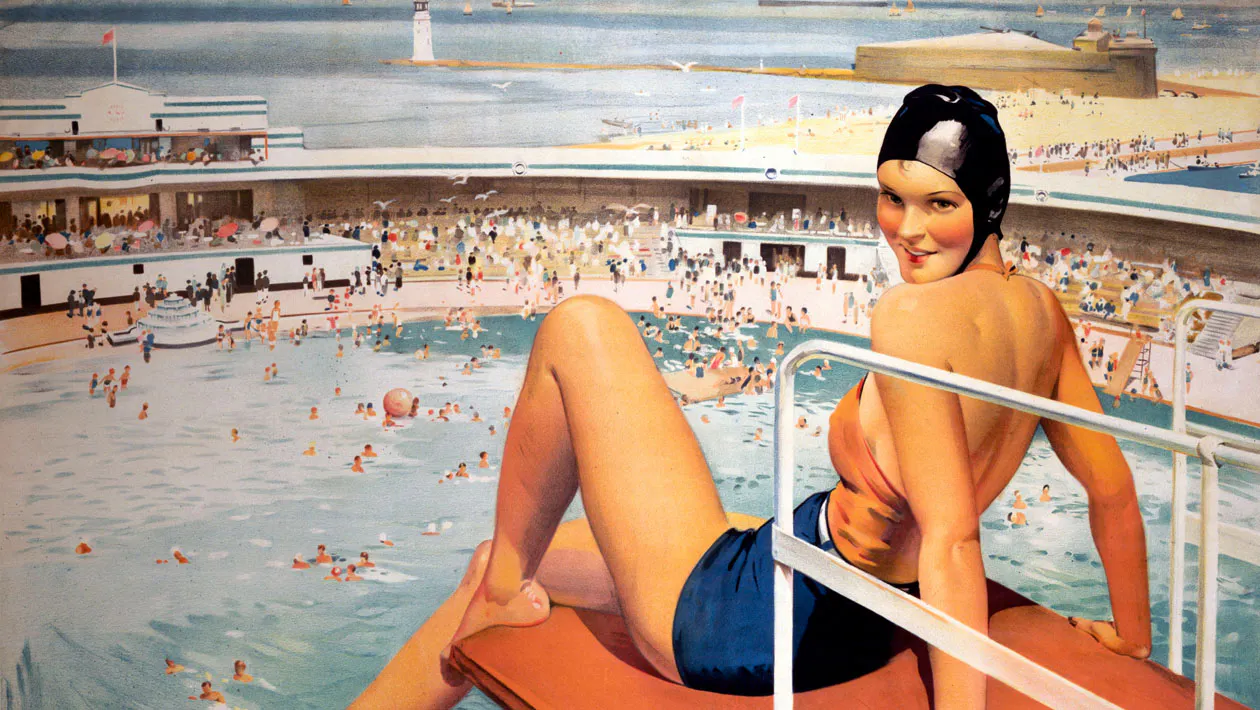
The uniform interior of a Wes Anderson film? The sweeping curve of brick and glass architecture? Travel posters for the South of France? Large, bold fonts that announce the entrance to a lido?
Art Deco: there’s certainly a sleek and fashionable echo to it. It’s modern, it’s stylish and it’s simple and clean. Symmetrical. Not a line out of place or splash of color too crude.
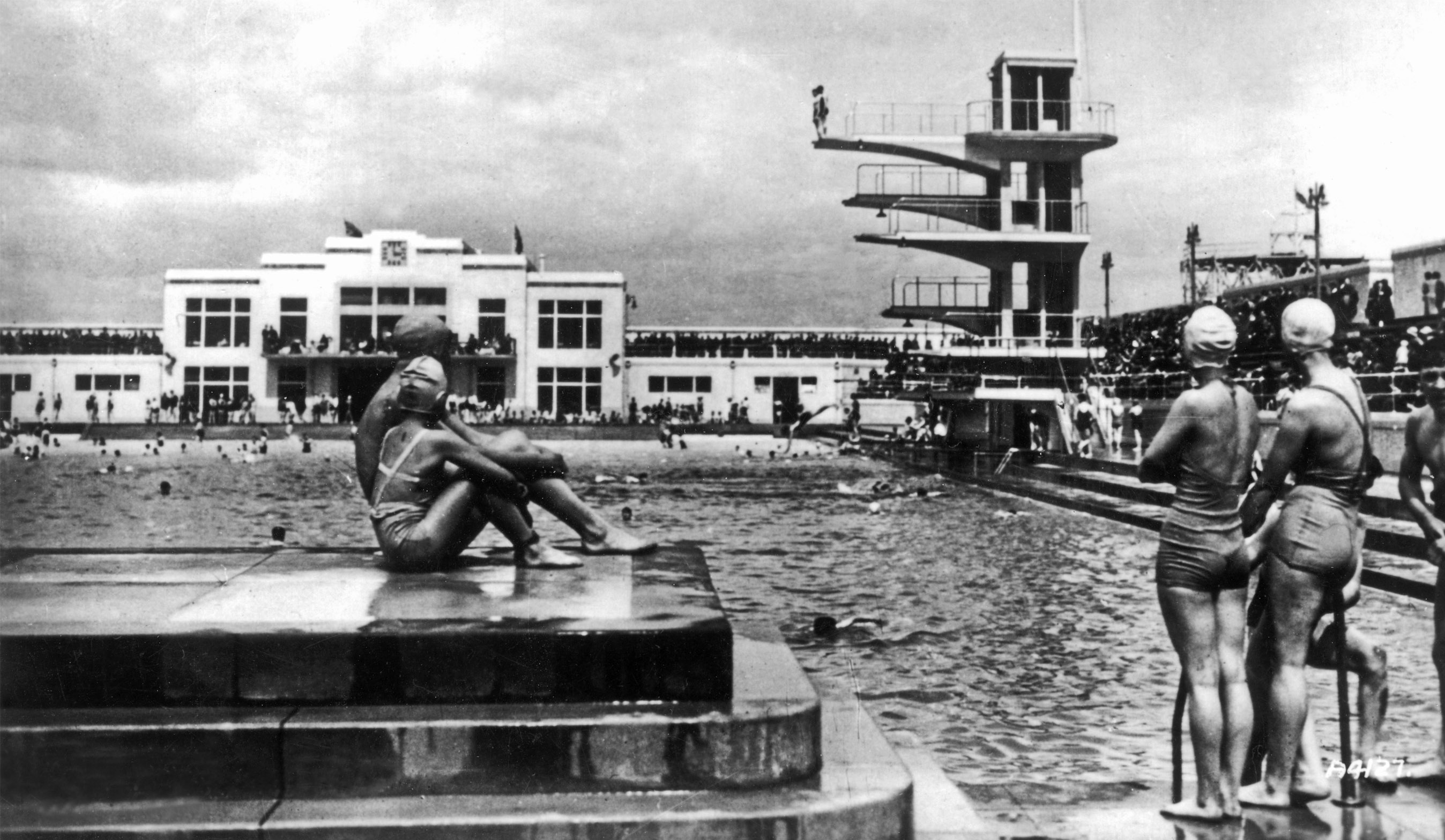
Art Deco emerged in France in the years before 1914 and then officially as a style at the Paris Exhibition of 1925. It proliferated out to the United Kingdom (and worldwide) from then on, and subsequently became enveloped in the collective British mindset of this period. The movement became representative of advancing technology and modernization and also health, pleasure and escapism.
See also: Top 8: The Art of the Kiss
Like how a fashion statement can be reflective of its time (grunge of the ‘90s, anyone?), so too is an artistic design style. Art Deco was indicative of the roaring 1920s and then the depression-riddled ‘30s. It is a reflection of the hope and modernization of these inter-war years.
After the global trend of mid-century design we are seeing more and more interest in Art Deco.
It’s no wonder there’s a sweeping wave in the interest in and demand for Art Deco and, to some extent, its revival. People want to be transported back to a time of aspiration and growth, and possibly even weekend leisure.
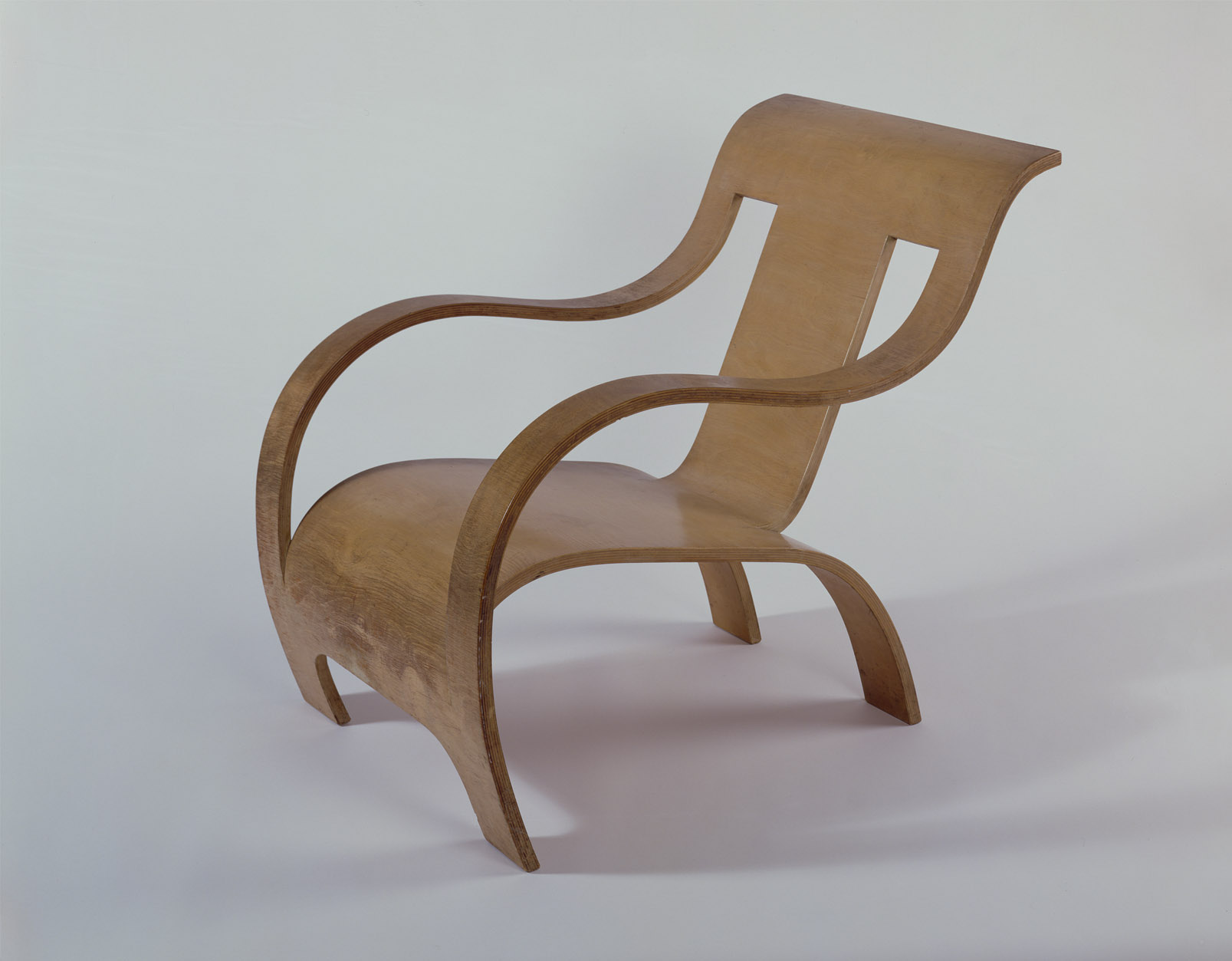
“After the global trend of mid-century design we are seeing more and more interest in Art Deco,” says Pontus Silfverstolpe, co-founder of Barnebys. “The number of searches for early 20th-century design is only increasing.”
“Despite generations of wear and tear, high-quality furniture manages to last the effort,” continues Silfverstolpe. “Art deco is the name of an era when exclusive materials and innovative design got into focus, and this is evident in so much of the high-quality furniture of the time.”
See also: The Mysterious Underground Baths of María de Padilla
The proof is in the statistics: over the past three years, within the design category on Barnebys UK, each year ‘Art Deco’ has consistently remained within the top 21 searched terms – out of hundreds of thousands of possibilities – and it lies only behind broad search terms, such as antiques, sofa, desk and furniture. Except for ‘mid-century’, ‘Art Deco’ is the most searched-for movement or style within a ‘design’ search on Barnebys UK.
Within 2019 searches for ‘art deco’, all categories proved popular: ‘furniture’ was the most-searched-for item, closely followed by ‘ring’, ‘Jeroen Markies’, ‘clock’ and ‘bronze figures’. Needless to say, Art Deco is an all-encompassing style and movement, which infiltrated and impacted all facets of design and architecture. And it is these various facets that are captured in Sainsbury Centre’s fascinating and bustling new exhibition, Art Deco by the Sea.
See also: Portrait Thought to be a French King is Actually British
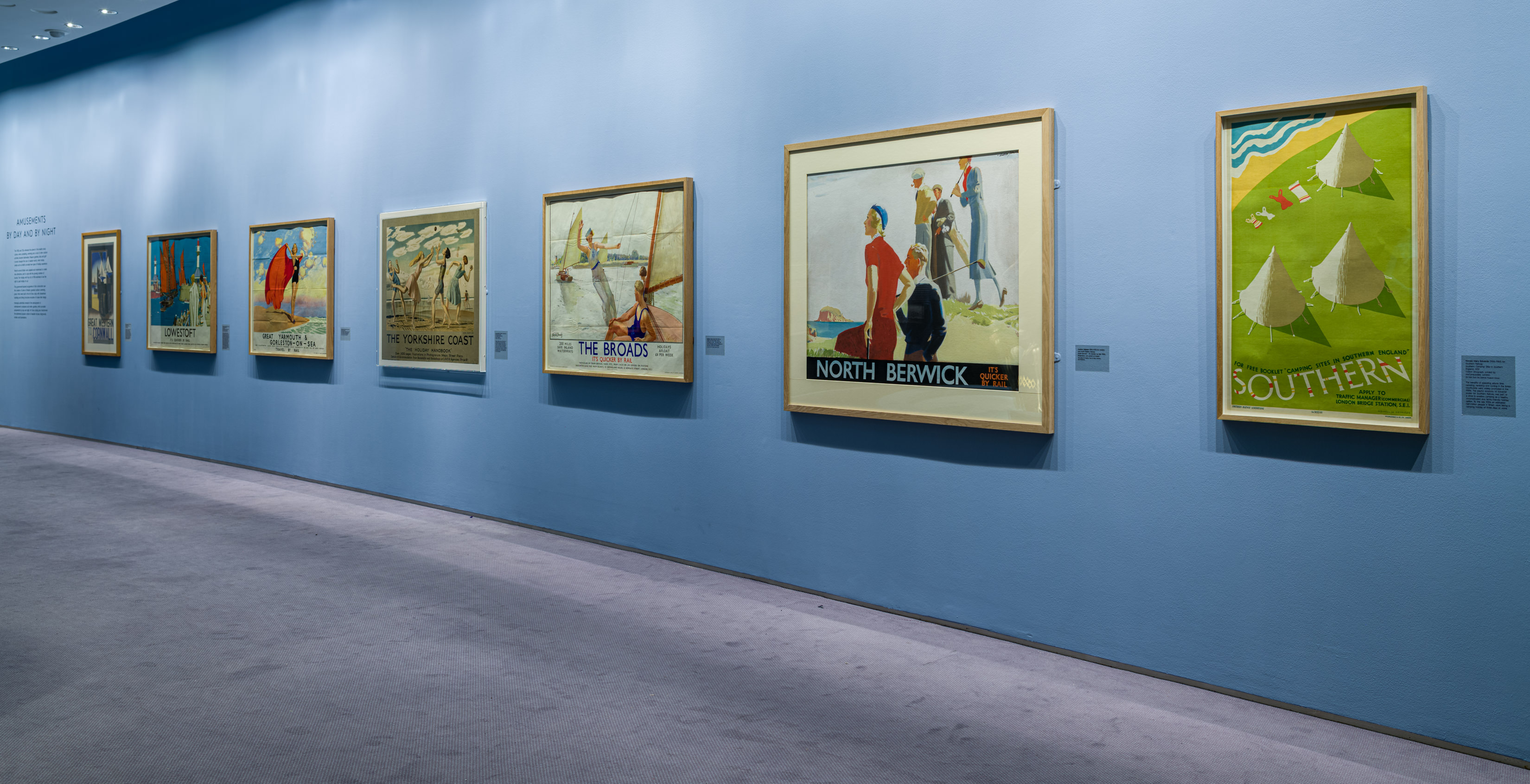
Open from February 9 till June 14, 2020, the Norwich show traverses a depiction of how Art Deco came to influence the British seaside. It is split thematically in structure, covering topics such as ‘How we got to the seaside’, ‘Designing the seaside’, ‘Seaside industries’ and ‘Amusement’.
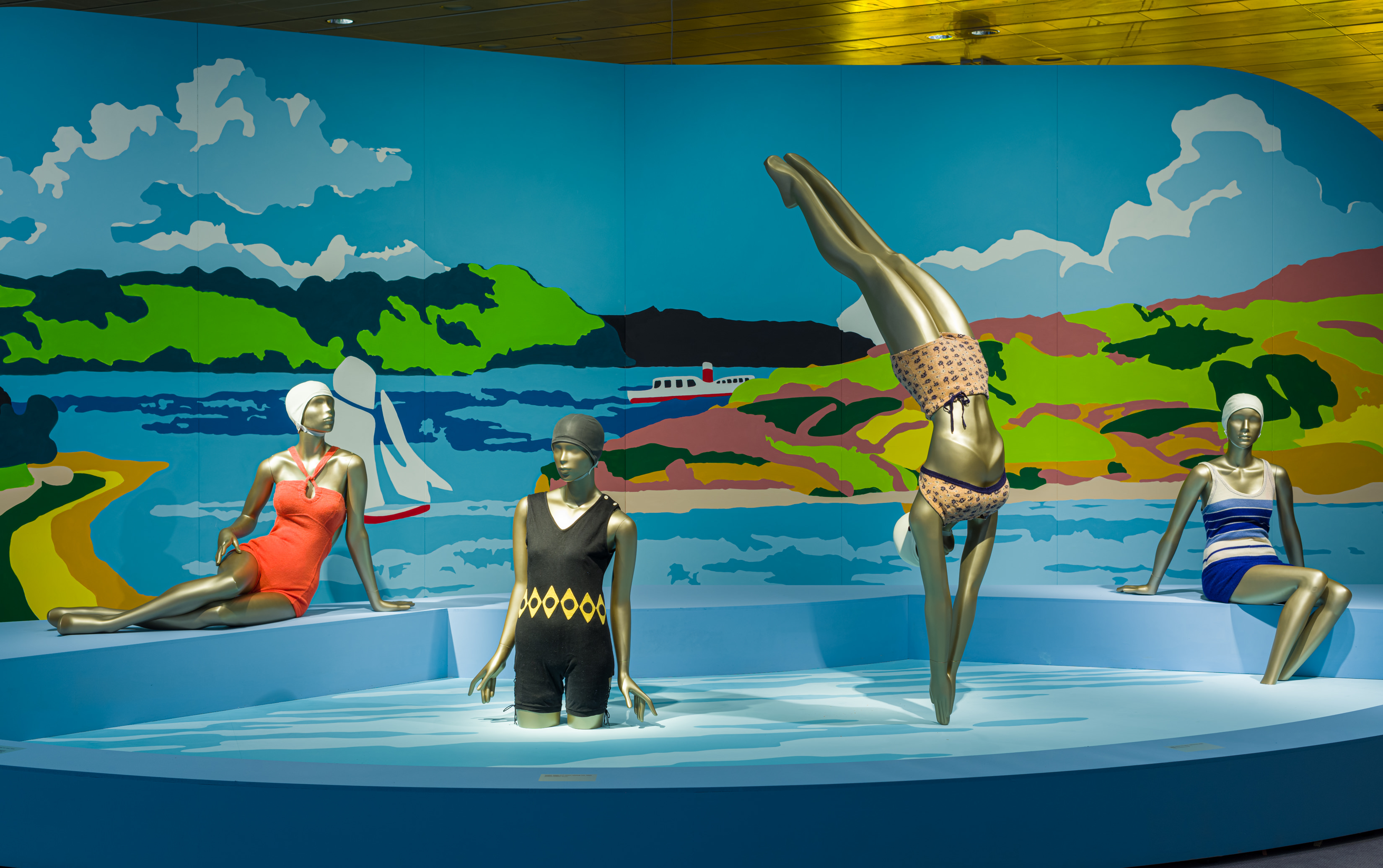
How did Art Deco come to infiltrate the seaside? The advent and implementation of high-speed rail resulted in an increasing number of Brits traveling to the sea, as both an escapism and a desire for a healthy lifestyle (the 1920s and ‘30s witnessed the advent of the healthy body culture, when sunbathing, swimming and other outdoor activities became fashionable). With this, train travel boomed: in the summer months of 1935 alone, the four main-line British rail companies sold more than 50 million half-day and evening tickets. Parallel to this, the increase in paid holidays (enshrined in law in the 1938 Holidays with Pay Act) and a greater disposable income gave individuals the means to take time to travel to the sea.
What followed was an overhaul and modernization of seaside towns: high quality architecture, accessible seafronts, redesigned and renovated promenades, and luxury cinemas and brand new swimming pools popped up. It was all about meeting a new demand – and a commercial potential.
The adopted style for these many seaside projects and developments took the form of Art Deco: a conservative modernism that represented both a modern flourish and a cosmopolitan style of the glamorous coasts and lifestyles of the South of France and Mediterranean. Art Deco is a unique and eclectic style that simultaneously vies for a return to hand-crafted tradition while also celebrating the mechanized modern world.

This is what Sainsbury Centre’s fascinating exhibition takes hold of. What’s unique to Art Deco by the Sea is that it touches on aspects of Art Deco that haven’t before been examined. With over 150 objects, the show explores all media, from clothing and swimming costumes to sporting games, furniture, advertising posters, artworks, photography, ceramics, design, textiles and plenty more, and the exhibition is, as curator Ghislaine Wood put it, “shockingly beautiful”.
Want to be transported to this time of quality and hope and change? Do like those in the ‘20s did and jump on a train: head to Norwich and take in Art Deco by the Sea. It’s an exhibition you won’t want to miss.