At almost 93, I had lost hope that this beloved Italian Renaissance painting belonging to my parents would ever resurface.
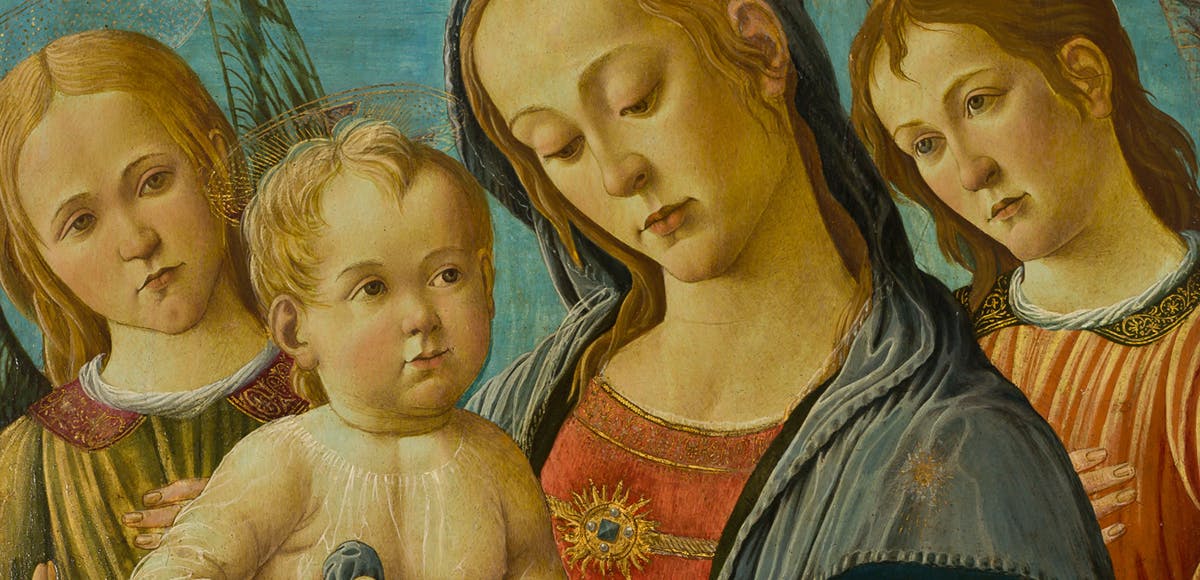
In 1987, the entrepreneur and collector Francesco Federico Cerruti bought a work by Jacopo del Sellaio from an antique dealer, who had acquired it at Christie's in London two years earlier. The painting, one of the most precious works by Jacopo di Arcangelo called del Sellaio, as well as an example of High Italian Renaissance painting, hid a troubled past, of which Cerruti was not aware.
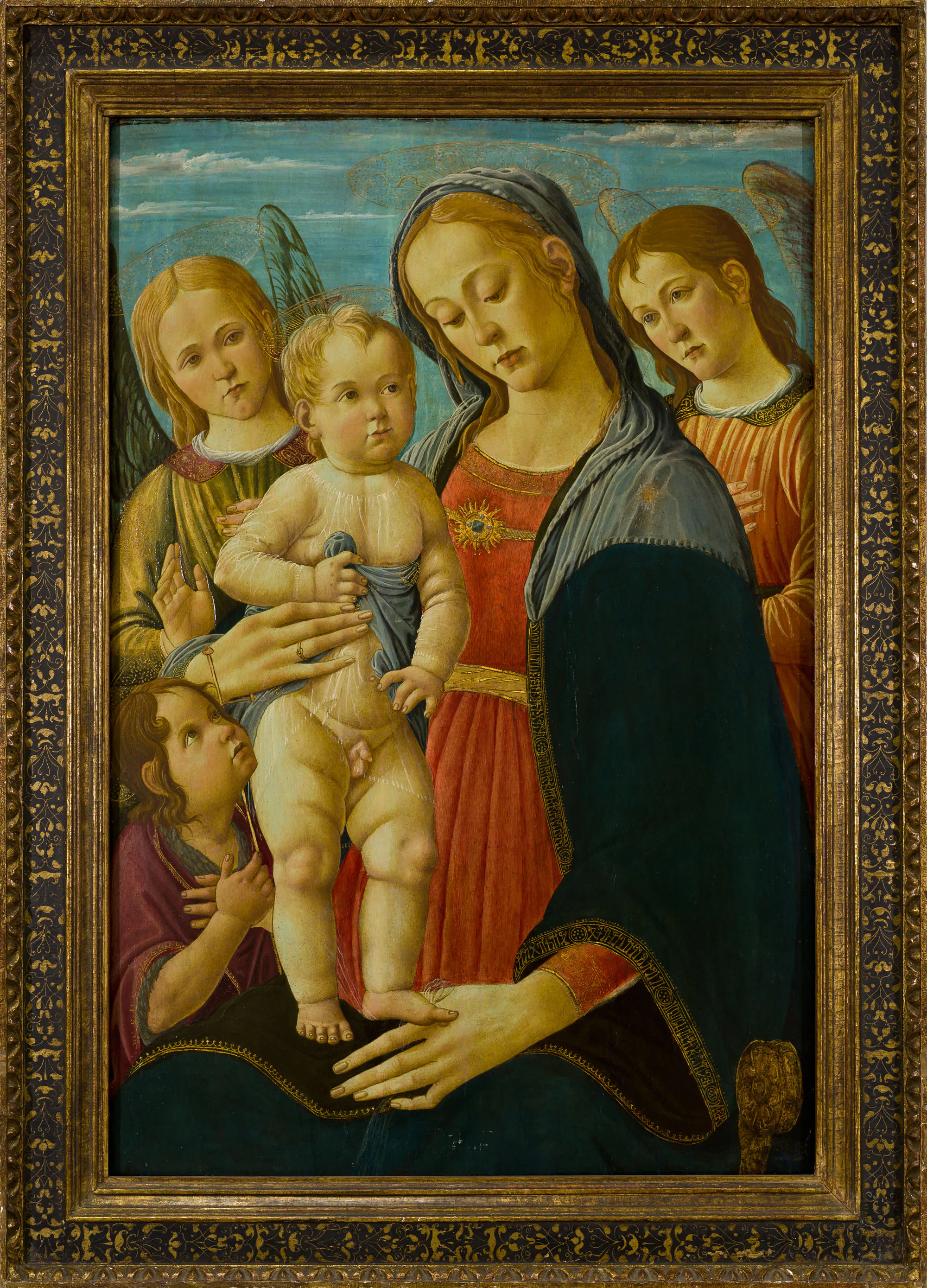
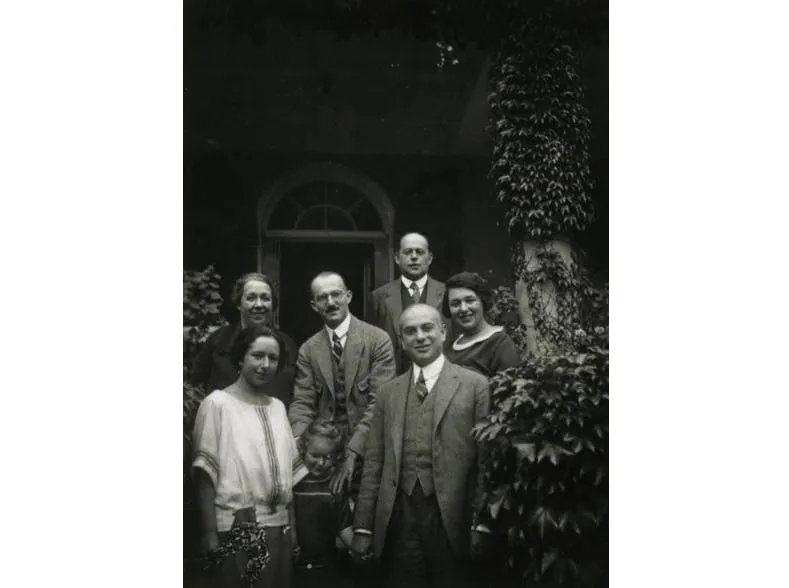
Half a century earlier, the painting "Madonna and Child, Saint John the Baptist and two angels," painted between 1480 and 1485, had been purchased by the businessman and collector Gustav Arens at the Galerie Sanct Lucas in Vienna in 1935. It was then sent for restoration to the Academy of Fine Arts Munich where it was attributed to the Sellaio by the art historian Emmerich Schaffran, who thus refuted the original attribution to Raffaellino del Garbo. Later that year, when Arens passed away, the painting was inherited by his eldest daughter Ann and her husband Friedrich Unger.
And from here begins the mystery.
Two years later, the entire collection of the Arens family was seized by the Nazi authorities and then returned under the payment of a ransom. As laws tightened, the family - Ann, Friedrich and their daughters Grete and Gitte - were forced to emigrate, first to France and later to the United States. It was impossible to clear customs with the works in their collection, which remained stalled in a warehouse in Paris. In February 1942, the German authorities requisitioned every item of property belonging to the Arens-Unger family, including the paintings in the collection.
Related: How The Medici Influenced Renaissance Florence
At the end of World War II, the family was allowed to recover part of the collection, but there was no longer any trace of the work by Jacopo del Sellaio. Years passed in which the Ungers tried to regain possession of the painting, which was particularly beloved by their daughter Grete. Then in 1974, the work appeared mysteriously on the market at the Galerie Fischer in Lucerne, Switzerland. Eleven years later it was found at auction at Christie's, where it was bought by the Italian antiquarian, who then sold it to Francesco Federico Cerruti.
Related: Cimabue: Late Medieval Genius
In 2016, following the death of Cerruti in July 2015, the agreements for the donation of his collection to the Castello di Rivoli Museum of Contemporary Art in Turin, Italy, began. The collaboration between the Foundation Cerruti and the renowned Piedmontese institution, revealed that the work was indeed the painting stolen by the Nazis from the Ungers, with the support of the Holocaust Claims Processing Office of the State of New York. The HCPO identified the current heirs of the family as Grete Unger Heinz, and the children of Gitta Unger Meier, Karren Reeds, Andrea Meier and Alan Meier.
Related: From Van Eyck to Botero: The Mystery of the Arnolfini Portrait
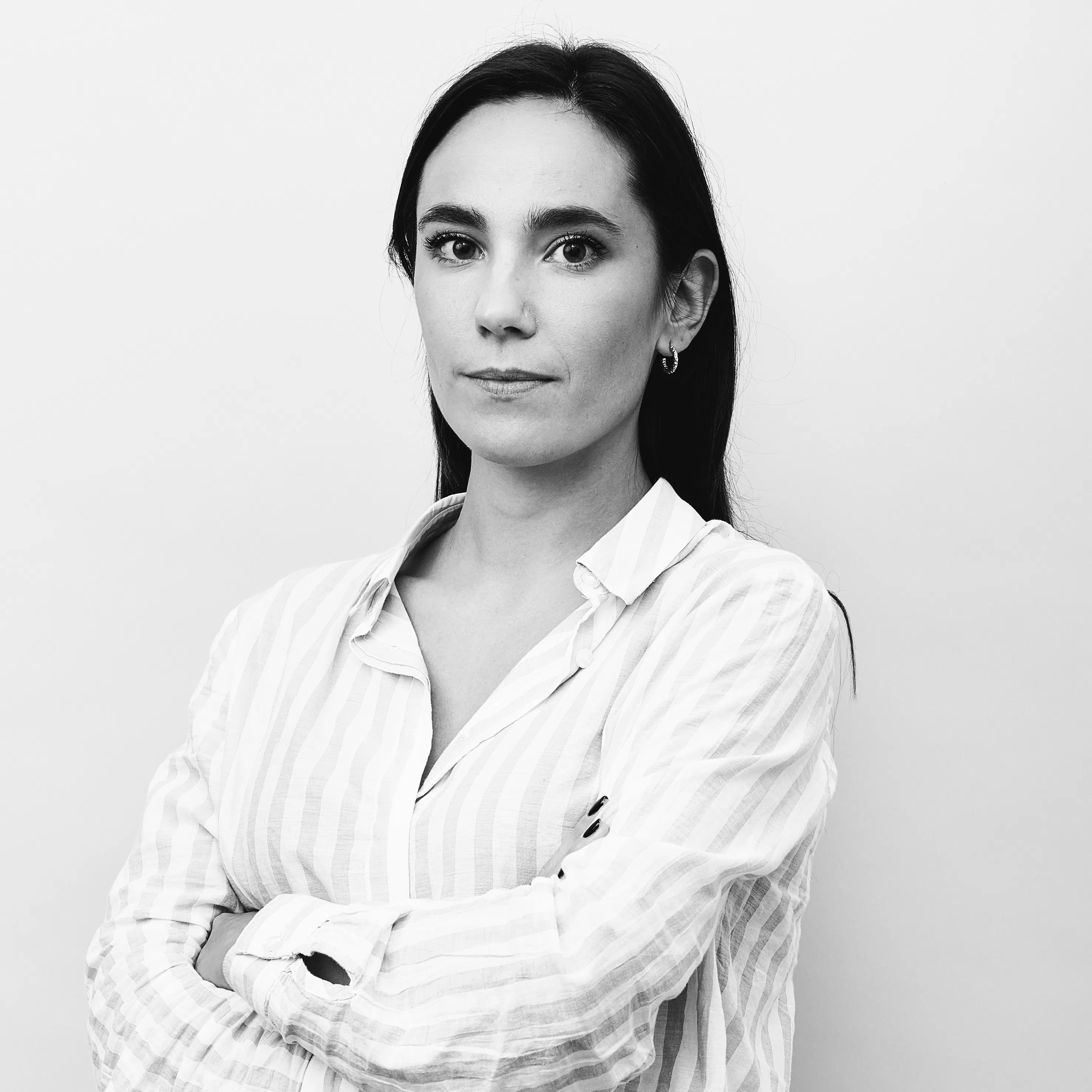
“At almost 93, I had lost hope that this beloved Italian Renaissance painting belonging to my parents would ever resurface," said Grete Unger Heinz. "I am pleased not only that the Cerruti Foundation has reached an equitable agreement with the Unger family heirs, including a full account of the painting’s troubled history, but also that I might yet see the work itself in the Castello di Rivoli Museum in my lifetime."
An agreement was therefore reached between the family and the Museum to keep the Cerruti collection intact, preserving the memory and the story of the work and the events that shook Europe during the 20th century. In addition to a financial compensation from the Cerruti Foundation to the family, the museum will tell the history of the work and have it on display to the public, where it is now.
Related: National Gallery of Art Returns A $10 Million Picasso Drawing
“I am extremely pleased that our Museum, together with the Cerruti Foundation and the heirs of Ann and Friedrich Unger, were able to successfully resolve a decades-long Holocaust restitution claim," said Carolyn Christov-Bakargiev, director of the Castello di Rivoli and the Cerruti Foundation. "This artwork by Jacopo del Sellaio, so loved by its original owners, and also by Mr. Francesco Federico Cerruti, who acquired it in 1987 with no knowledge of its troubled past, has finally found peace."
Discover all the news from the art world on Barnebys Magazine!