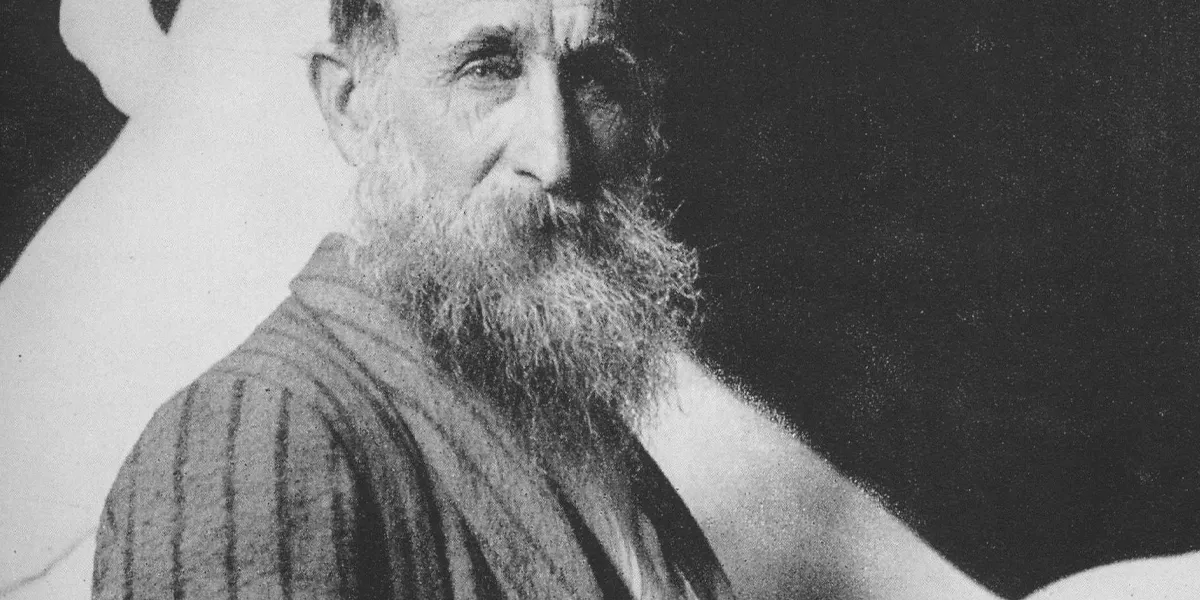
Were Maillol and Rodin bitter rivals? And who was Maillol's most important patron? Read on to find out.
1. He was devoted to his hometown
Aristide Maillol was born on December 8, 1861, the son of a vineyard owner and cloth merchant in Banyuls-sur-Mer, a small Catalan port town at the foot of the Pyrenees near the border with Spain. At the age of 20, he went to Paris to become an artist. However, he remained loyal to his birthplace and returned there every winter. In 1893, when he turned to textile art, he established a tapestry workshop in Banyuls and employed local women, including Clotilde Narcis, whom he married in 1896. She became the mother of his only son, Lucien. It was also in Banyuls-sur-Mer where Maillol passed away on 27 September 1944, at the age of 82, as a result of a car accident. He had been visiting his good friend Raoul Dufy in Vernet-les-Bains, about 100 kilometres away.
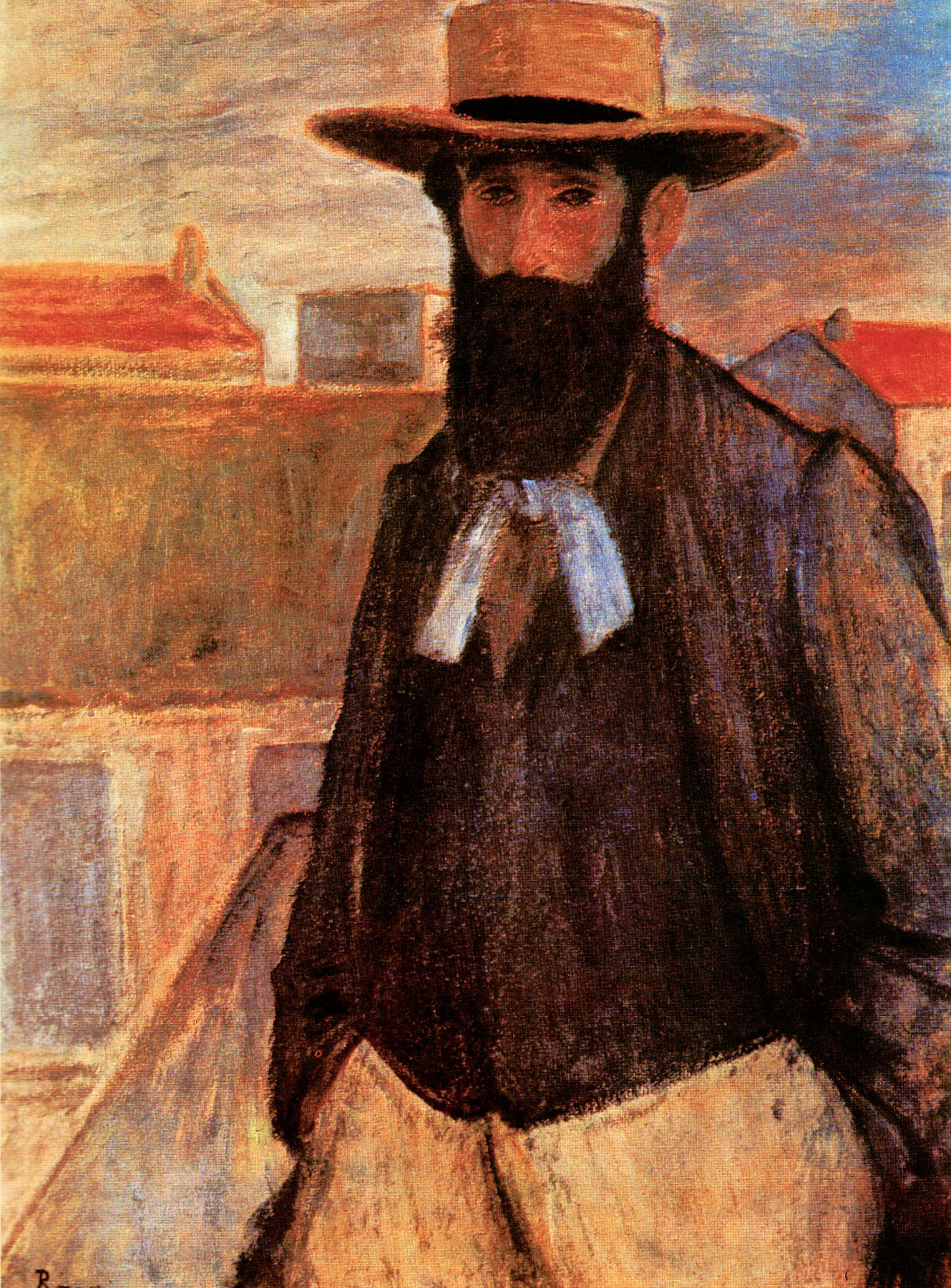
2. His most important patron was from Germany
After studying at the École des Beaux-Arts and initially trying his hand as a painter and textile artist, Maillol turned entirely to sculpture in the mid-1890s. His first solo exhibition was organized by the art dealer Ambroise Vollard in 1902. A major turning point in Maillol's career was the recognition he received from the German art historian and critic Julius Meier-Graefe. In 1904, Meier-Graefe dedicated a chapter to Maillol in his influential book Development of Modern Art, which greatly enhanced Maillol's fame and improved his dire financial situation.
See also: 8 Patrons of the Parisian Avant-garde
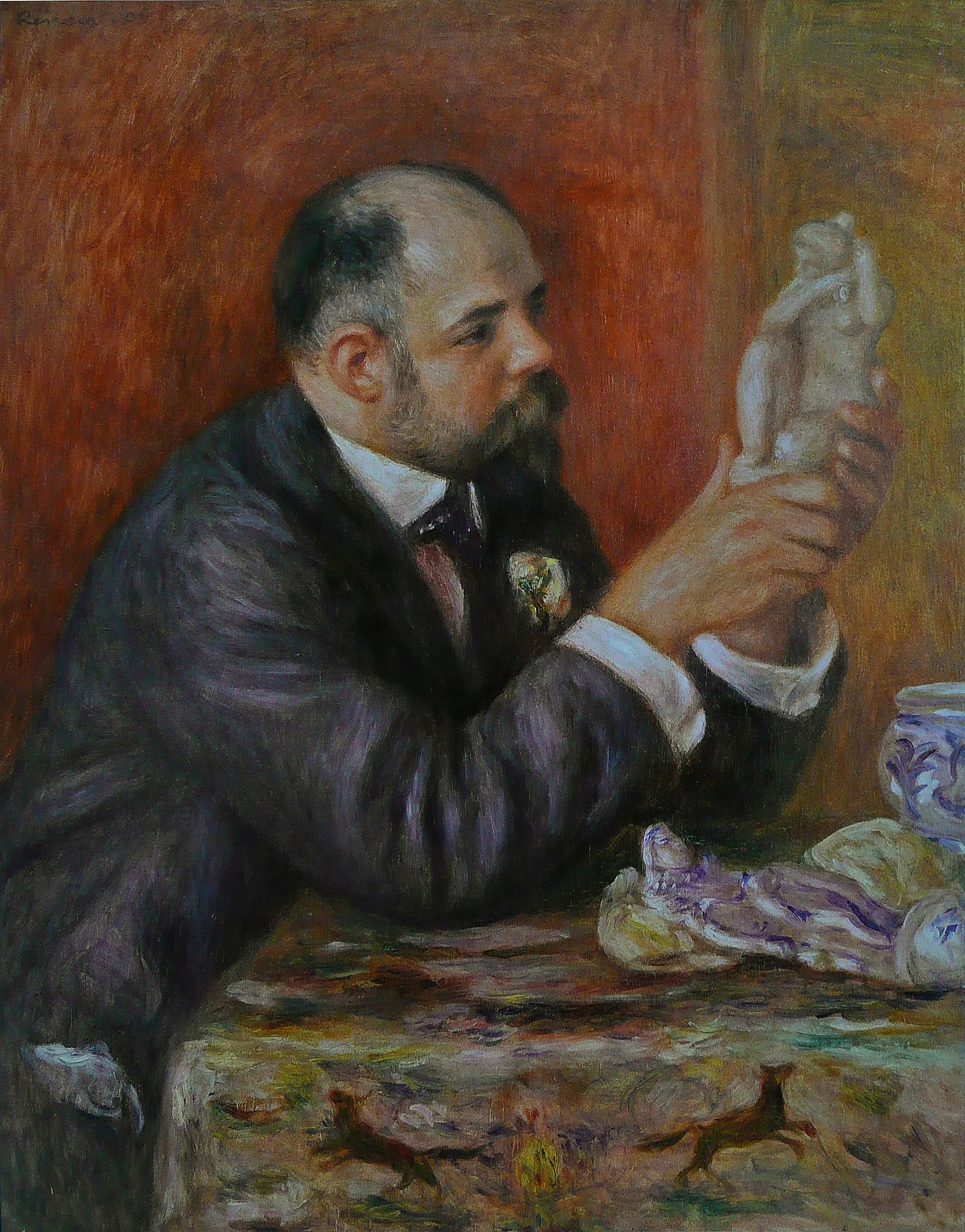
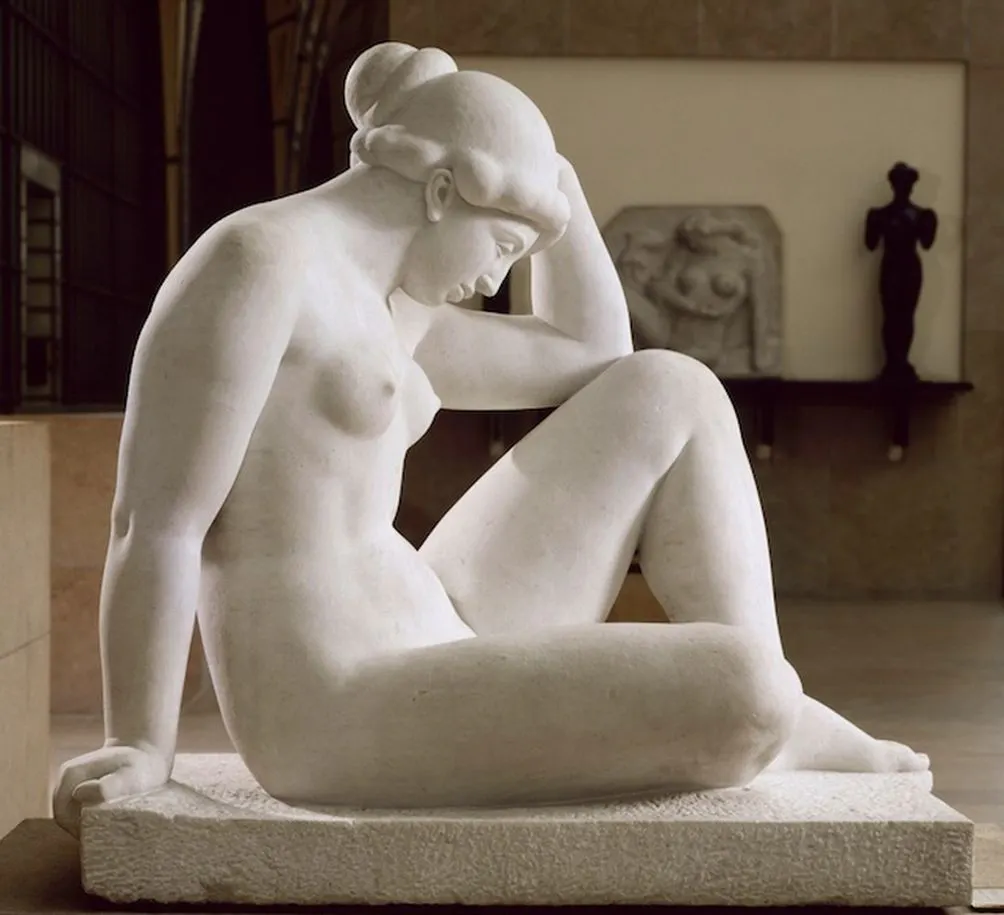
In 1904, Maillol met Harry Graf Kessler, a German art collector who would become his most important patron. Kessler visited Maillol in Marly-le-Roi, a rural town near Paris where the sculptor lived with his wife and child, and soon commissioned his first work. The result of this commission became one of Maillol's major works: La Méditerranée, inspired by the artist's region of origin.
Want more articles like this straight to your inbox? Subscribe to our free newsletter!
3. He had several muses
The harmonious forms Maillol perfected in La Méditerranée became a defining feature of his career, which focused predominantly on depicting the female body. His most important muse was initially his wife, Clotilde. As a poor artist, he did not have the financial means to pay for models. In the year they met, he expressed this to Count Kessler, comparing his situation to that of the already established Rodin, who had a variety of models available, while he had to make do with his wife.
See also: On and Off the Canvas: Art's Most Famous Muses
After World War I, the family maid, Thérèse, was his model – until he lost her to marriage. Later, he was also able to enlist his student Lucile Passavant for this role. In 1934, Maillol met the 15-year-old Dina Vierny, who initially posed for him for portrait busts, and later also as a nude model. Important works she modelled for include La Rivière and La Montagne.

4. He faced wartime suspicions of collaboration
Maillol faced allegations of collaboration during both World Wars. In World War I, his close ties with Count Kessler led to suspicions that he was a German spy. During World War II, his friendship with Arno Breker—who had become a favored sculptor of the Nazis—raised concerns about collaboration with the occupying forces. Breker, a former resident of 1920s Paris, had befriended many artists, including Maillol.
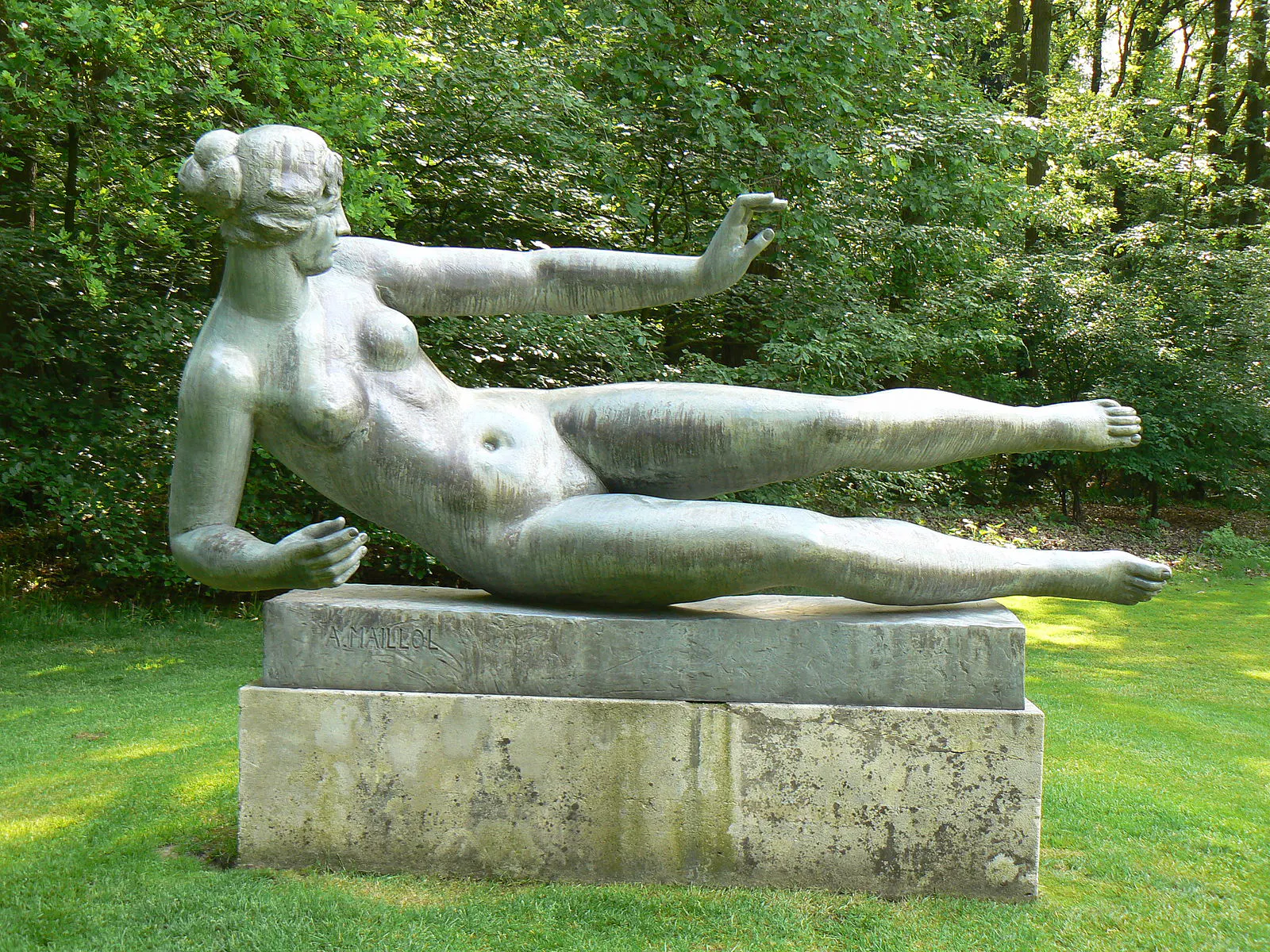
At the beginning of the war, Maillol had moved to Bayules-sur-Mer, where Dina Vierny followed him the following year. She became involved in the Résistance, helping refugees cross the border into Spain. Maillol had shown her the old paths through the Pyrenees, some of which had been used by smugglers among his ancestors. When Dina was arrested, Maillol turned to Breker, through whose contacts Dina was released. Later, Dina Vierny took care of Maillol's estate and also inherited from Lucien Maillol, who died childless in 1972. She founded the Fondation Dina Vierny, which operates the Maillol Museums in Paris and Banyules-sur-Mer.
See also: The 10 Most Expensive Sculptures Sold at Auction
5. He and Rodin respected each other
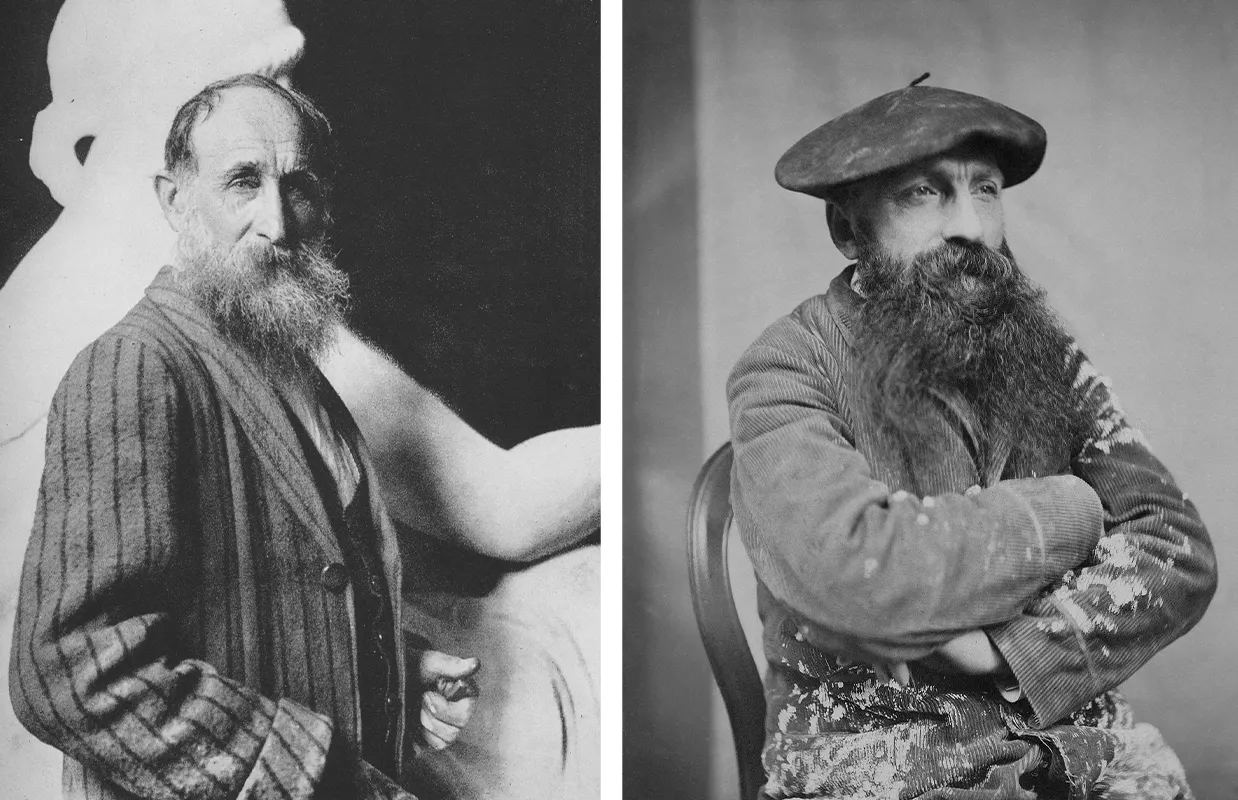
The two great French sculptors of the late 19th and early 20th centuries, Auguste Rodin and Aristide Maillol, are still often compared and portrayed as direct competitors, giving the impression that they were enemies. In reality, however, it was quite different. They recognised and understood the contrasting nature of their temperaments and artistic approaches, and likely for this very reason, they were able to praise and admire each other's work. Maillol strove for harmony in form, while Rodin was the master of expression.
See also: Auguste Rodin: 7 Facts to Know
At the start of his sculpting career, Maillol felt somewhat intimidated by Rodin, who was twenty years his senior. Yet, Rodin became one of the earliest supporters of his work and even predicted, “Maillol, when I am no longer here, you will replace me.” Rodin’s prediction proved accurate.