Here is how some of the greatest artists of the 20th century chose to be depicted when they stood in front of the camera lens.
Edward Pfizenmaier x Salvador Dalí
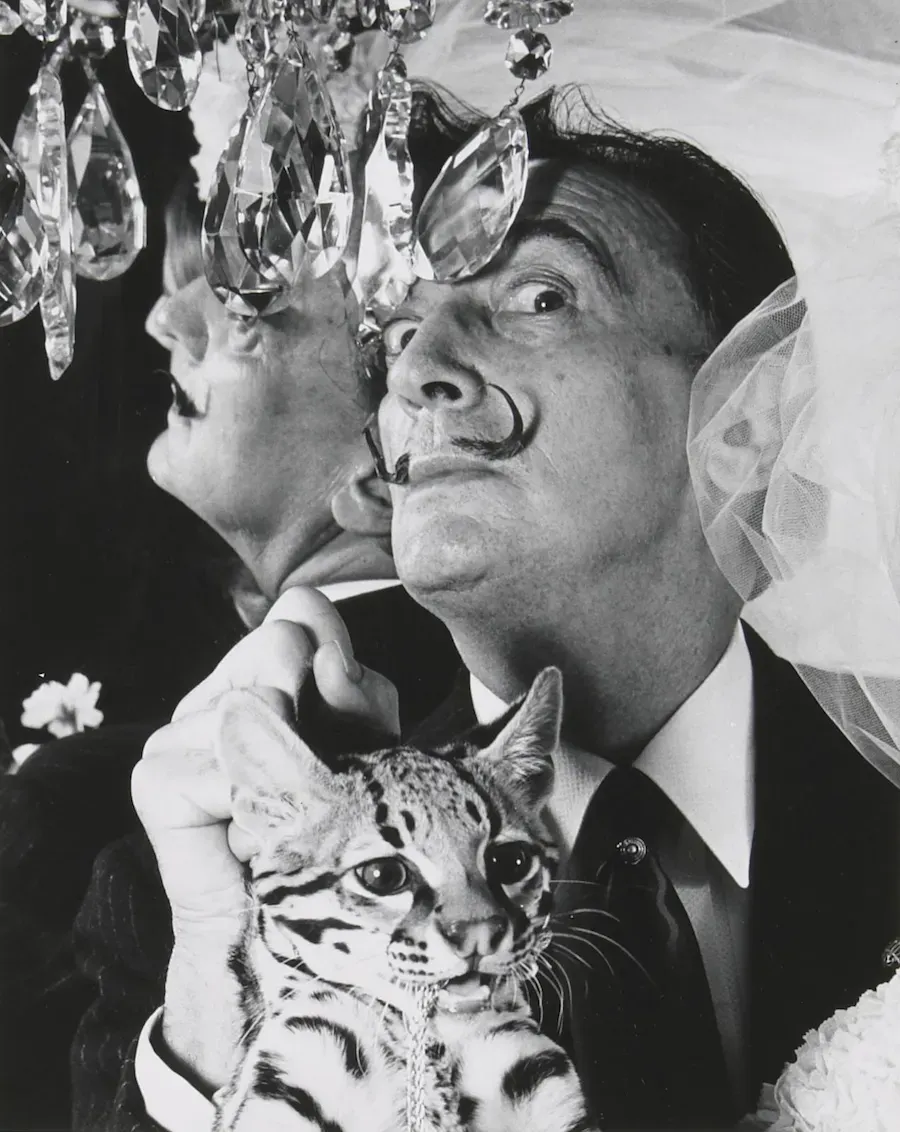
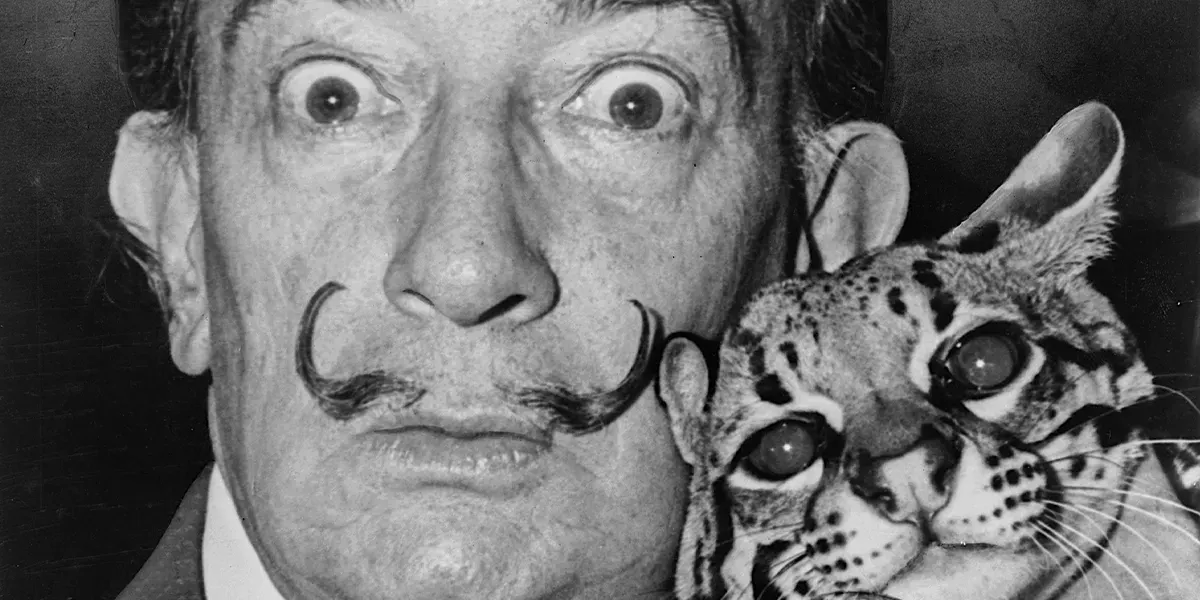
In 1964, photographer Edward Pfizenmaier had a series of pictures taken of the artist Salvador Dalí in the company of a Colombian ocelot named Babou at the St. Regis Hotel in New York. The nocturnal wild cat was once worshiped by the Moche people of ancient Peru, who often depicted them in their art. It is, in a way, unsurprising that the master of surrealism chose this feline as a pet, given its exotic appearance. According to the story, Dalí bought his ocelot in the 1960s and, like a family member, it was allowed to accompany the artist on all his travels, which included visits to Manhattan's finer restaurants and luxury cruises in France.
Related: Salvador Dalí: Art Crazy
Edward Pfizenmaier was born in 1926 in New York, where he still lives today. He began his career at Vogue Studios in the 1940s and 1950s where he worked with great photographers such as Horst P. Horst, Cecil Beaton and Irving Penn. Over the years, he has photographed many stars in the film and art world, including Andy Warhol and Marilyn Monroe.
Related: The Thriving Thirties: Cecil Beaton's Photography
André Villers x Pablo Picasso
Related: Picasso: The Universal Artist
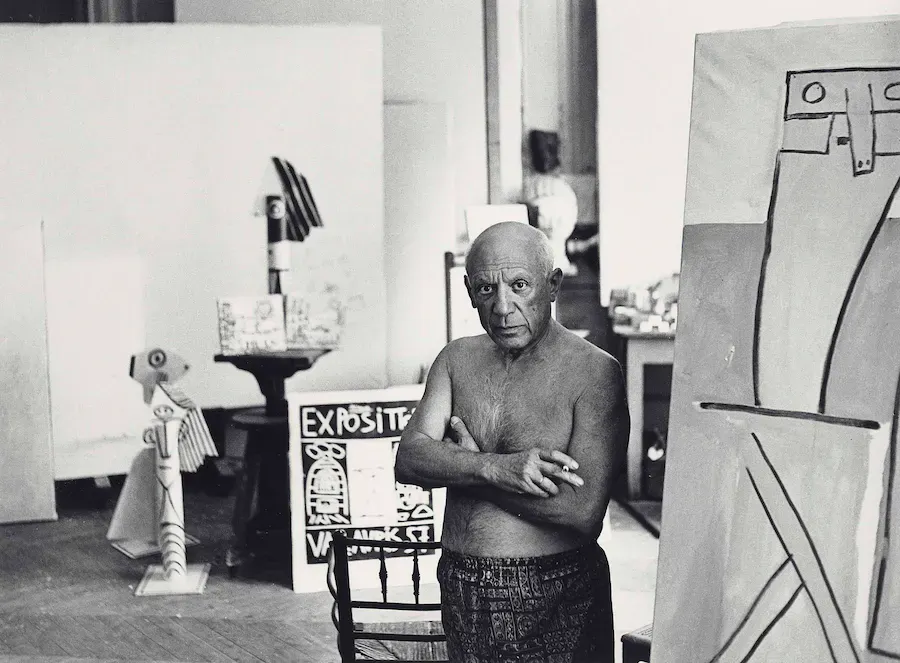
André Villers photographed artists such as Joan Miró, Marc Chagall and Salvador Dalí, but it is for his portraits of Pablo Picasso that he became most famous. Villers met Picasso in 1953 in Vallauris on the French Riviera and was struck by the fact that every home Picasso moved into quickly doubled as his studio. With the camera, he captured Picasso and his wife Jacqueline Roque's many parties with luminaries like Christian Dior and Man Ray, as well as portraits of Picasso alone, who, wearing outfits like cowboy hats and suits, was more than happy to dress up for the camera.
Want more articles straight to your inbox? Subscribe to our newsletter
Berenice Abbott x Edward Hopper
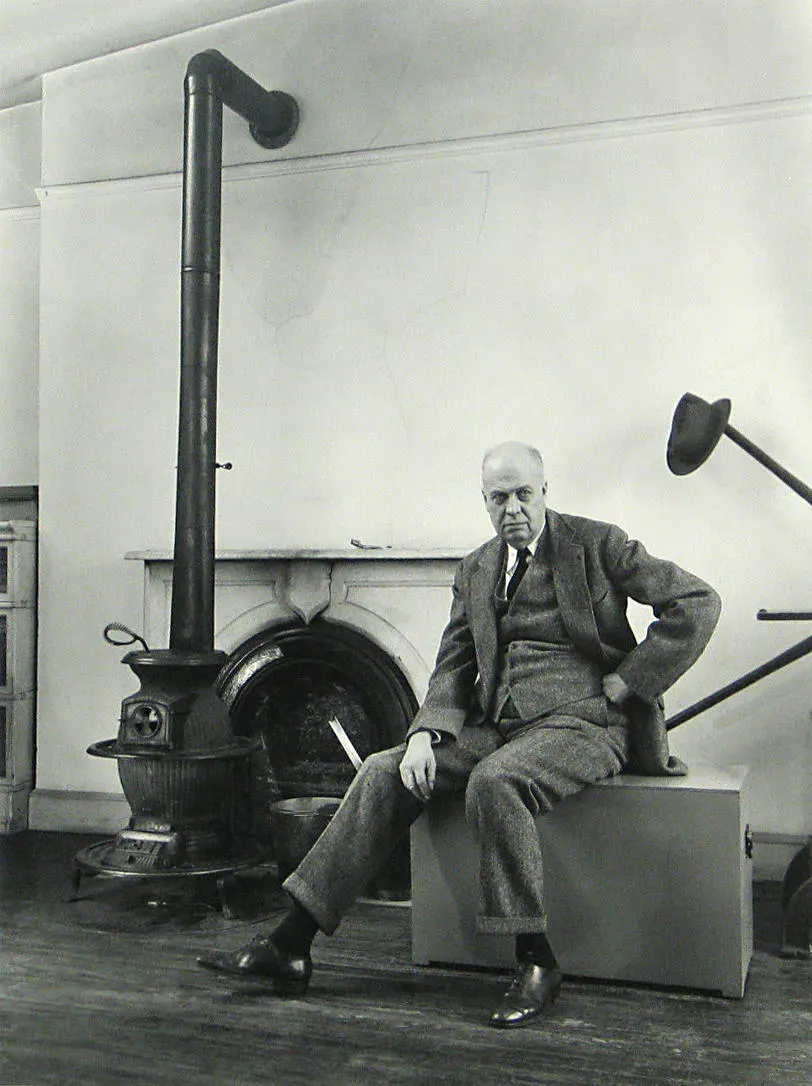
Born in 1898 in Springfield, Ohio, Berenice Abbott became best known for her photographs of cultural figures during the interwar period. During this period Abbott, like many other American artists, traveled to Europe and then mainly to Paris, where her portraits of Man Ray and André Kertész, posed in places such as the steps of the Théâtre des Champs-Élysées, were later shown in exhibitions in New York.
Related: 6 Iconic American Paintings
This photograph of Edward Hopper was taken in the late 1940s, the decade when he produced several of his most important works such as New York Movie (1939), Gas (1940), Girlie Show (1941), Nighthawks (1942), Hotel Lobby (1943) and Morning in a City (1944.) By the time this photograph was taken, Hopper's health had begun to fail and he said "I wish I could paint more. I'm getting tired of reading and going to the movies."
Abe Frajndlich x Gilbert + George
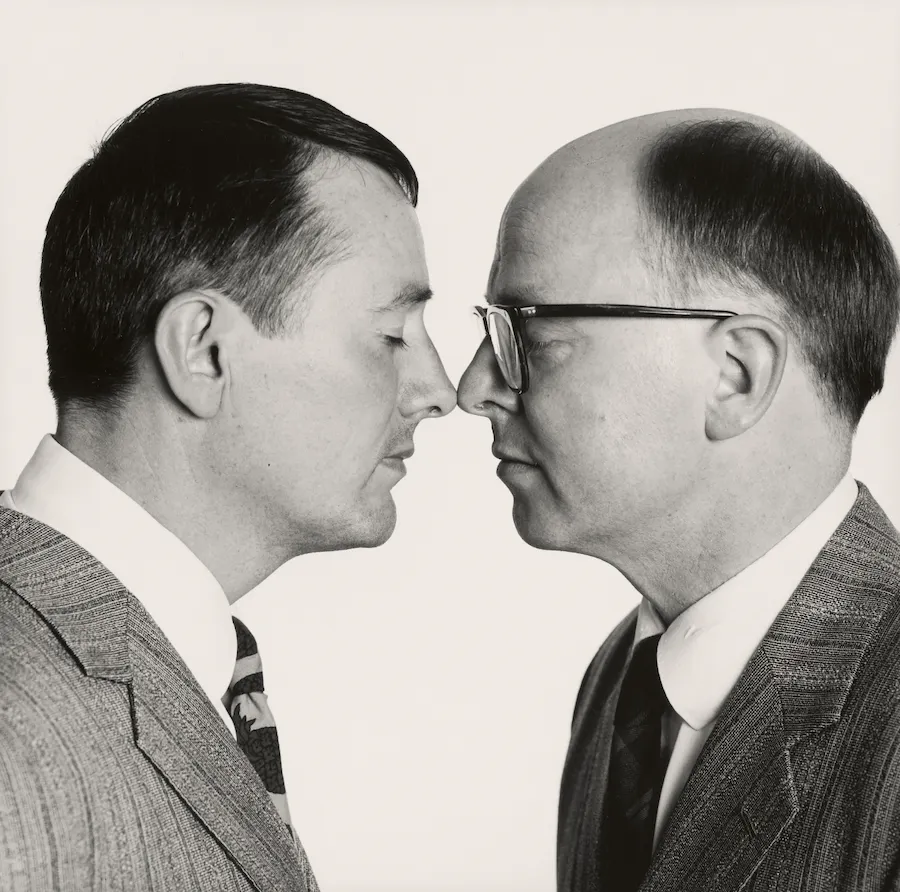
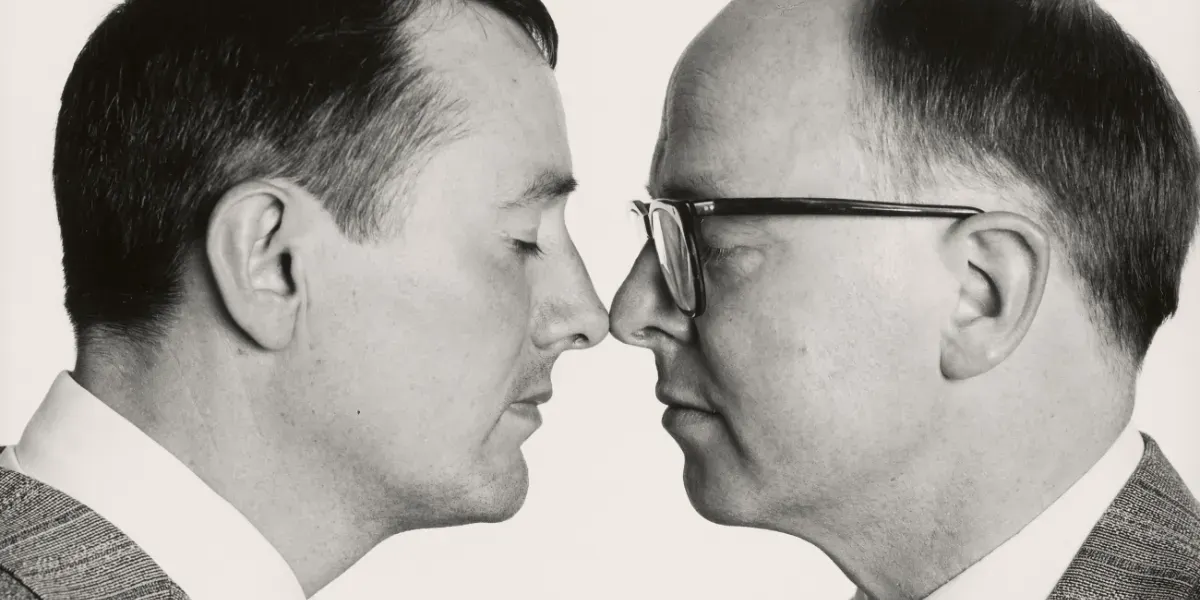
American photographer Abe Frajndlich lives and works in New York City, where he captured this image of the artist duo Gilbert + George. The photograph was taken in 1986, shortly after the artists were awarded the Turner Prize for their colorful photo collages. In the same year, there were many critics who thought that the Turner Prize had shifted its focus to more on the artist than on the art itself. Gilbert and George themselves did not seem particularly proud of their prize, saying "We don't like awards. We're beyond all that. It's not important to us."
Related: The 11 Most Expensive Photographers
Abe Frajndlich was born in 1946 in a refugee camp in Frankfurt-Zeilsheim, Germany, and often refers to himself as a stateless person. He has become known as a "photographer for photographers" as he often portrayed his contemporaries as well as other famous people.
Erika Kiffl x Joseph Beuys
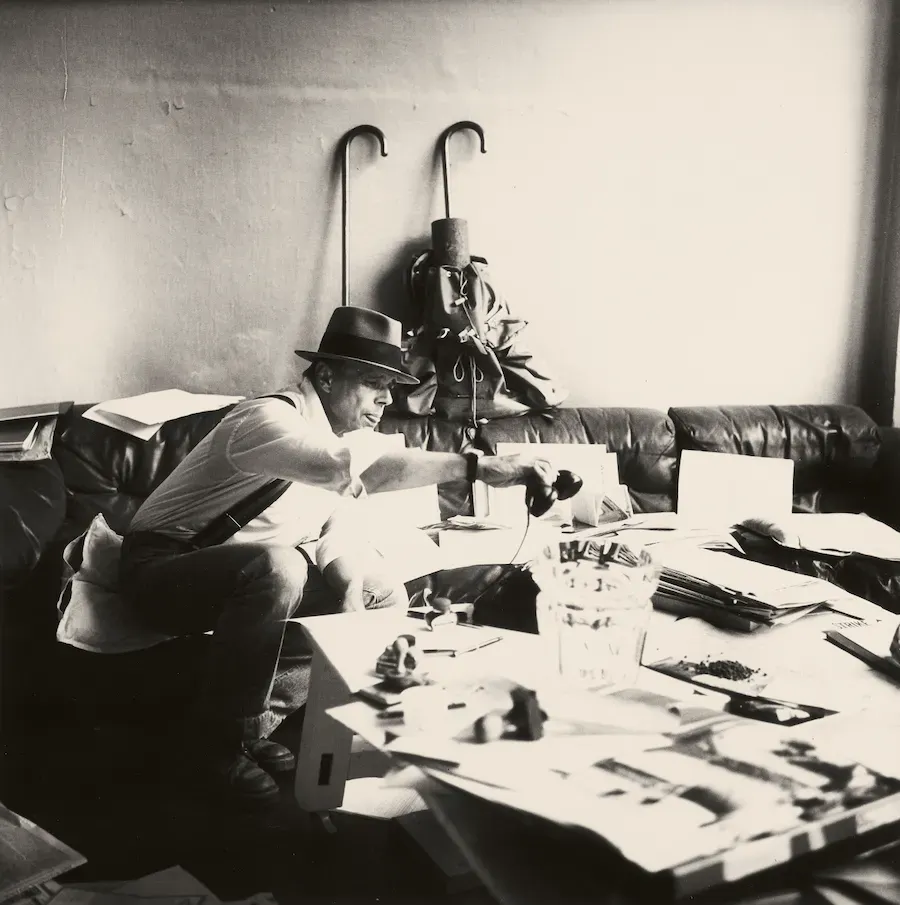
Erika Kiffl was born in 1939 in the Czech Republic and, like Frajndlich, was known for capturing her contemporary photographer colleagues. In this photograph, she has portrayed the German installation artist Joseph Beuys, who seems to be in the middle of his work.
Related: Joseph Beuys: 5 Facts to Know
The picture was taken a couple of years before Bueys staged his work I Like America and America Likes Me (performance, 1974), which led to the US opening its eyes to the German avant-garde artist. In May 1974, Beuys flew to New York where he was picked up by an ambulance that took him to the place where he was to hold his performance, a room in the René Block Gallery at 409 West Broadway. Wrapped in a torn blanket, Beuys spent three days in the gallery room together with a coyote. On the last day, Beuys embraced the coyote, which by then had become quite tolerant of him, before being picked up again by an ambulance that took him to the airport.