
Although same-sex relationships were illegal in Europe until well into the 20th century, there were many artists who defied both convention and law. For this Pride Month, Barnebys wants to highlight five queer artists who, through their works and lives, were pioneers of their art.
Rosa Bonheur (1822-1899)
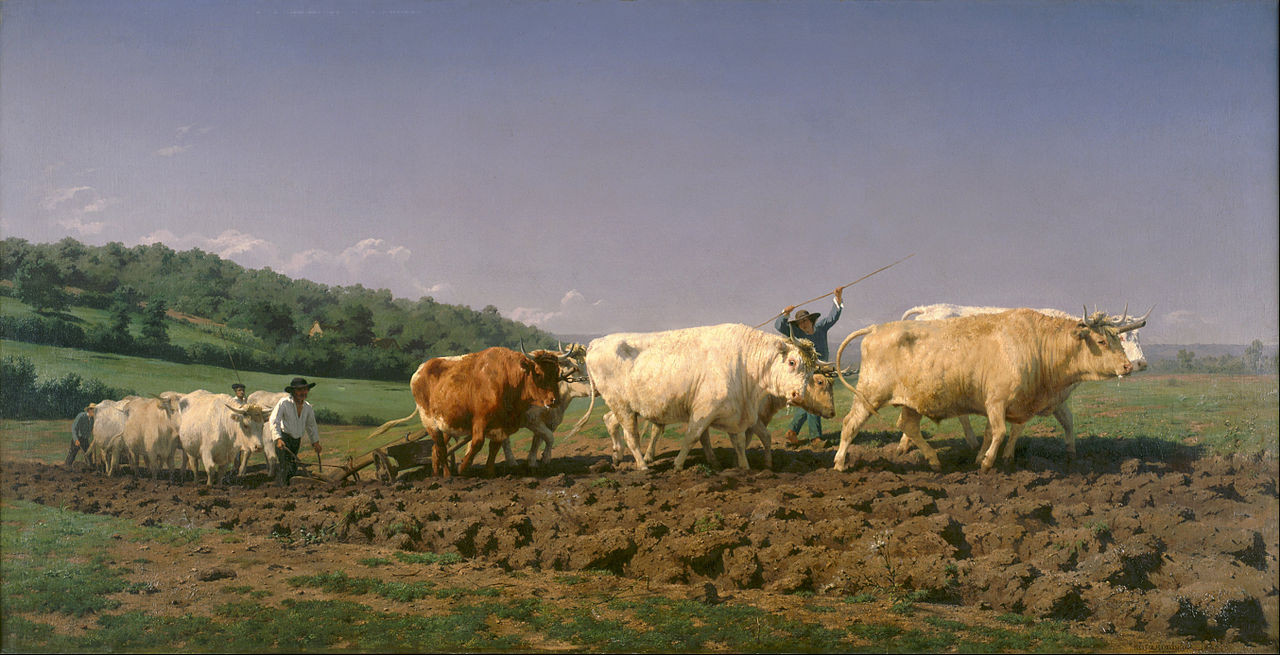
During her lifetime, the French artist Rosa Bonheur experienced great success, becoming known throughout Europe for her animal paintings. Today, however, she has fallen from popularity, her style being strictly academic and thus easily perceived as conservative. Already as a 14-year-old she began drawing from the great masterpieces that hung in the Louvre in Paris. She herself came from a family of artists, and was educated in painting by her father, who had his own academy. Since childhood, she reserved a special place in her heart for animals, especially horses. Riding was her great passion, and it was thanks to all the hours spent in the stable that she learnt to portray the horses' anatomy so faithfully. She exhibited at the prestigious Paris Salon for the first time in 1841, and had her big breakthrough a few years later with the painting Labourage Nivernais. The painting takes as its subject a farmer ploughing a field, though the most striking feature is the strong work of the oxen.
Related: Over the Rainbow
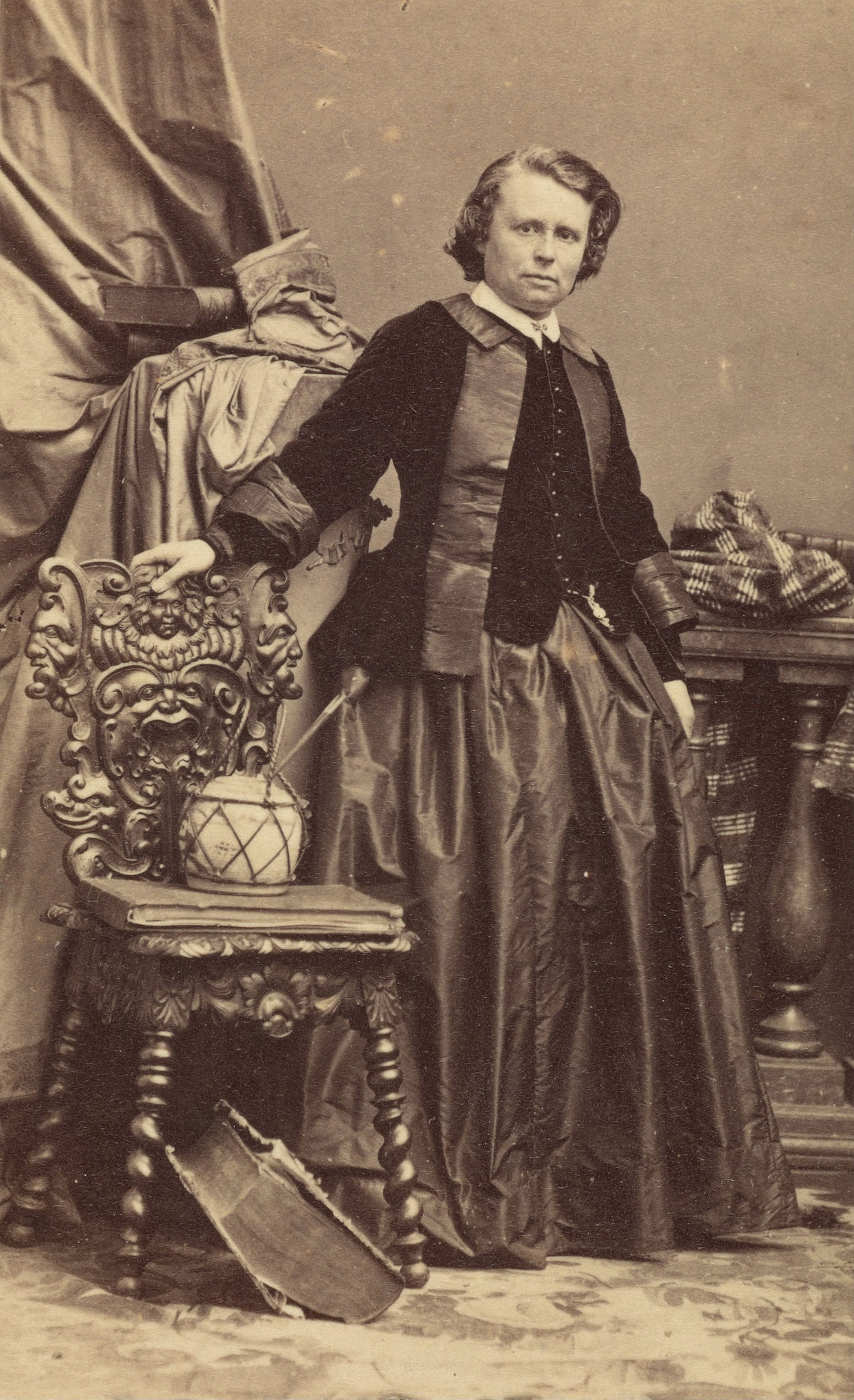
After this success, her career took off and her work was commissioned by important collectors in both England and the United States. Cornelius Vanderbilt bought, among other things, the work La Foire du Cheval (1853) for the then newly established Metropolitan Museum of Art in New York, where it still hangs. Bonheur also became the first woman to be awarded the French Legion of Honor, receiving the order from the Empress Eugénie in 1865. Thanks to her commercial success, she was able to buy a property in the country where she could live in peace with her partner Nathalie Micas. Despite it being illegal for women to wear trousers in France, Bonheur always wore men's clothing. After a trip to England, she fell in love with tweed and ties. She cut her hair short, smoked and was both witty and outspoken. In 1889, her life partner Micas passed away, and although Bonheur met a new woman after that, she could never recover from the loss of her first great love. Her work may have been traditional, but her lifestyle was far ahead of its time.
Sigrid Blomberg (1863-1941)
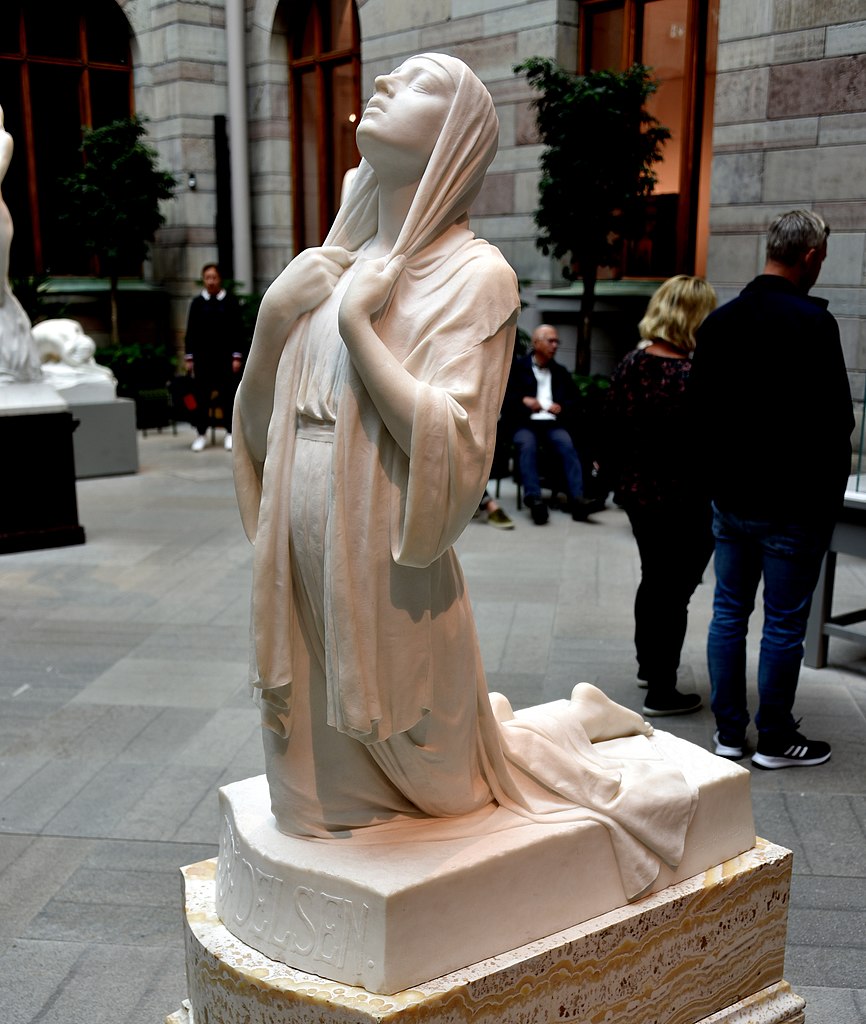
The sculptor Sigrid Blomberg grew up on the Skärshult estate in Småland, southern Sweden, together with her five siblings. Coming from an upper-class family, she received a good education at the Nisbethska girls' school in Kalmar. She showed early interest in wood carving and as a 25-year-old she moved to Stockholm to pursue this interest at the Technical School for female pupils. It was during this time that she got to try working with clay, which would end up being her preferred medium. After only one year, she finished her studies in wood carving and started at the Academy of Fine Arts instead, from where she graduated in 1898. During her time at the academy she received many awards, including the ducal medal for the work The Snake Charmer (1894) and in 1896 she was awarded the Ribbing scholarship.
Related: 10 Famous Sculptures in Art History
The turn of the century was a particularly exciting time to work as an artist. Thanks to innovations such as steam locomotives and electricity, travel was made easier, and Blomberg spent long periods in both Germany and Italy. The expressive sculptures from the early Renaissance came to make a particularly strong impression on her. She specialized in religious motifs, of which The Annunciation (1900) is an example that can be viewed at the National Museum today. Together with her lifelong partner, the historian and author Sigrid Leijonhufvud, Blomberg became active in the women's movement. The couple were both also active in the women's association Nya Idun, which fought for gender equality to be established at all ranks of society.
Ethel Sands (1873-1962)
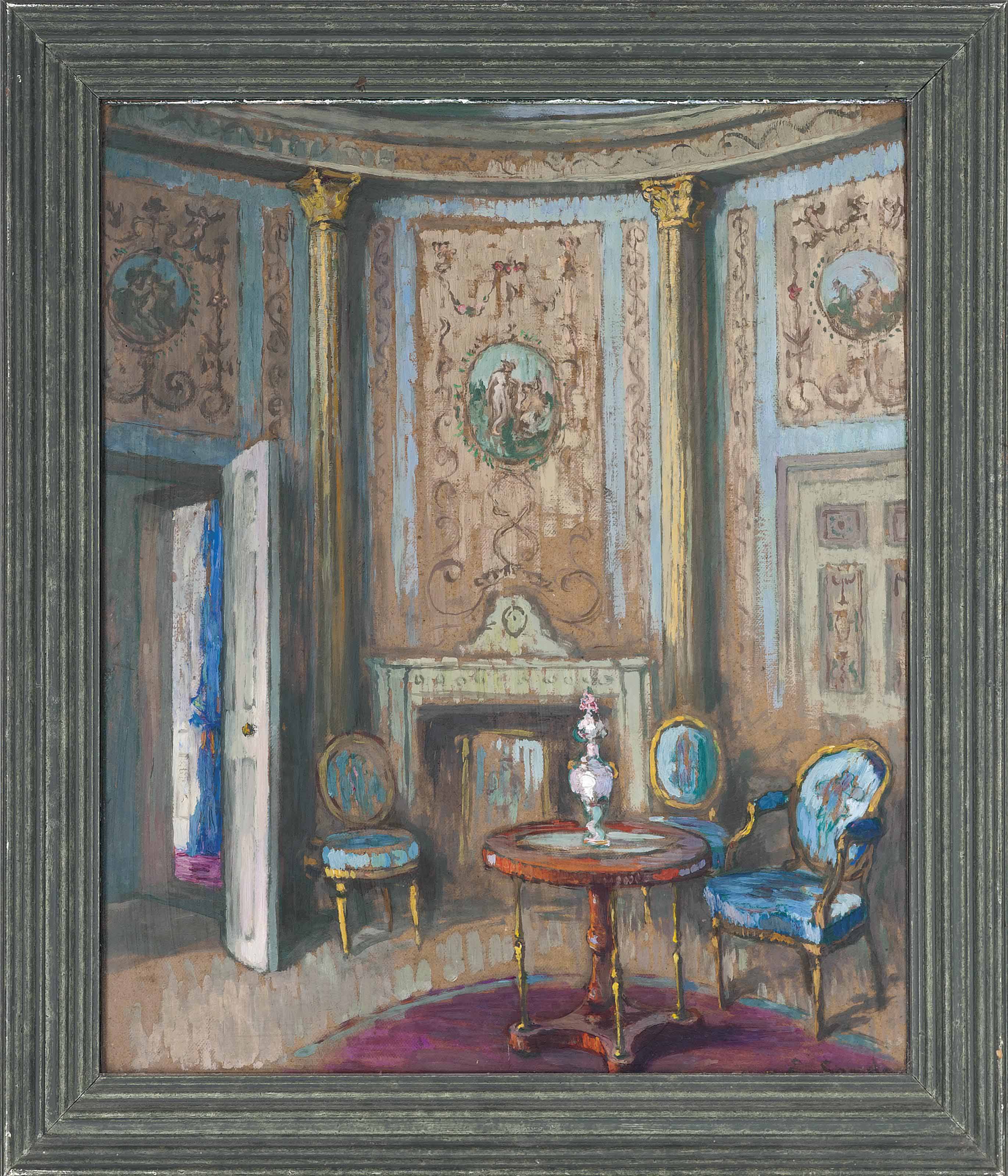
The artist and salon hostess Ethel Sands was born in 1873 in Newport, Rhode Island, but grew up in England. She came from a wealthy industrial family and her parents were part of international society. As a 21-year-old, she moved to Paris to study painting under the artist Eugène Carrière and fell in love with one of her fellow students - Anna Hope 'Nan' Hudson. The two became a couple and came to spend their whole lives together. For a long time, the relationship was described in art historical texts as friendly, which unfortunately is often the case with history's lesbian relationships. At the end of the century, both Sand's parents passed away and she thus gained access to a huge inheritance, meaning that she never had to get married. The money gave her both creative and social freedom.
Related: The Tales Behind Art History’s Most Important Muses
Sands was strongly influenced by her contemporary colleagues Walter Sickert and Édouard Vuillard, but had to fight to be taken seriously in the male-dominated art scene. Despite, or perhaps because of, her social status, she as a woman did not enjoy the same freedom of movement as her male colleagues, a condition that lead her to mainly paint interior scenes. Between 1898 and 1920, Sands and Nan lived on the Newington estate in Oxfordshire, where all the most respected cultural figures of the time lived. As a salon hostess, Sands was highly esteemed, and during that time she even became good friends with the author Virginia Woolf. Despite her privileges, Sands became very socially involved and worked as a nurse during both world wars. Nan passed away in 1957, and Sands survived her by only a few years. Sadly, not many works of hers remain, as the couple's London residence was bombed during the blitz, but the memory of their extraordinary life lives on.
Duncan Grant (1885-1978)
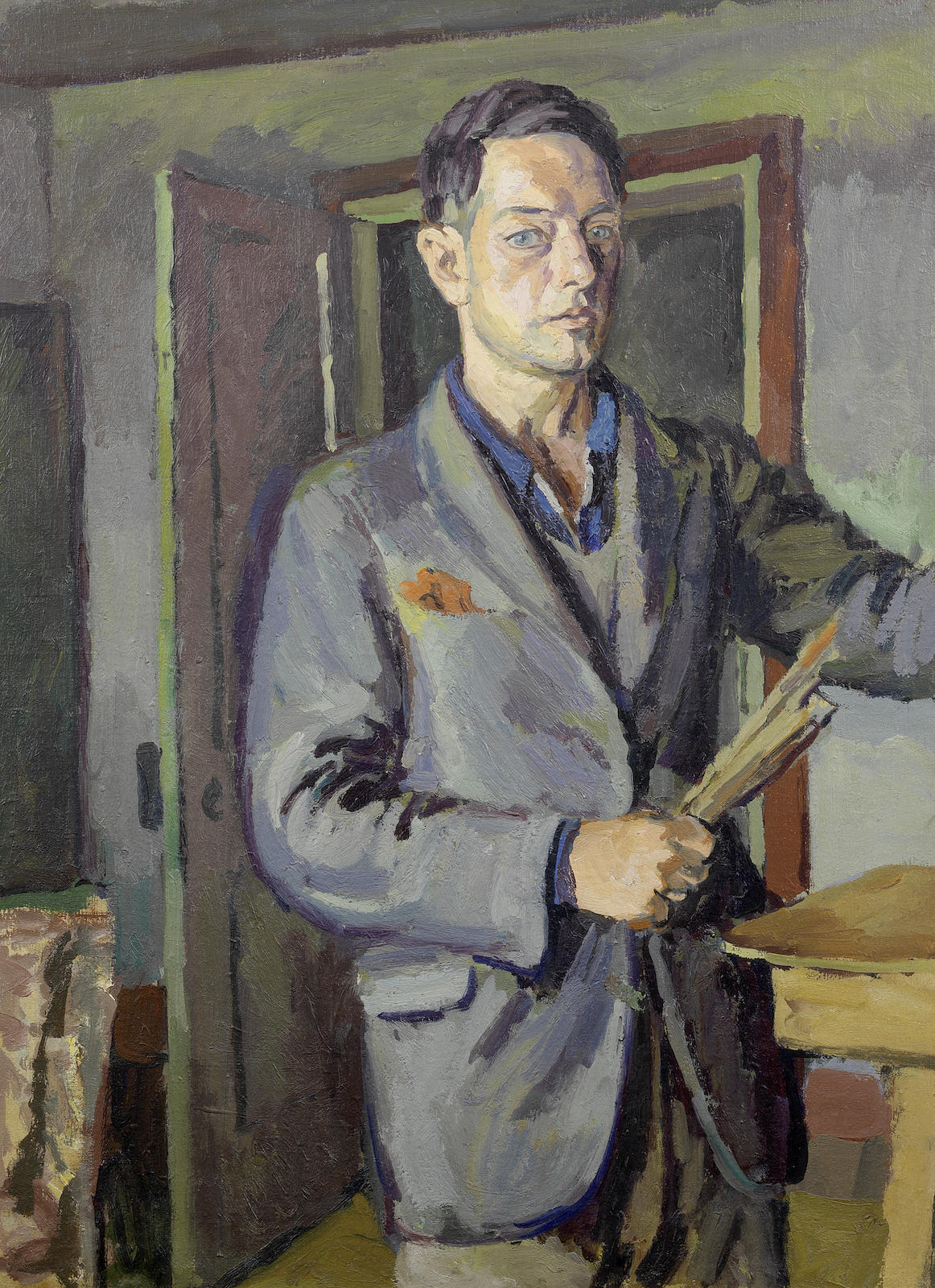
British artist Duncan Grant was one of the most prominent members of the Bloomsbury group, which was a group of artists, writers and intellectuals who all grew up during the strict Victorian era, but were looking for a new and freer way of life. Other prominent members were Virginia Woolf and her sister Vanessa Bell, as well as economist Maynard Keynes. It is often said of the Bloomsbury group that they 'painted in circles and loved in triangles' – a rather striking description. Aesthetically, intellectually and socially, they sought to free themselves from the narrow confinements of bourgeoisie. Although she was married, Duncan and Vanessa Bell became lovers and had a child together. However, the handsome and irresistibly charming Duncan could never remain faithful to her. He constantly had new romances, mostly only with men. Nonetheless, the two remained lifelong partners, and during the interwar period moved from London to a farm in Sussex called Charleston.
Related: Obsessive Love: Francis Bacon and Peter Lacy
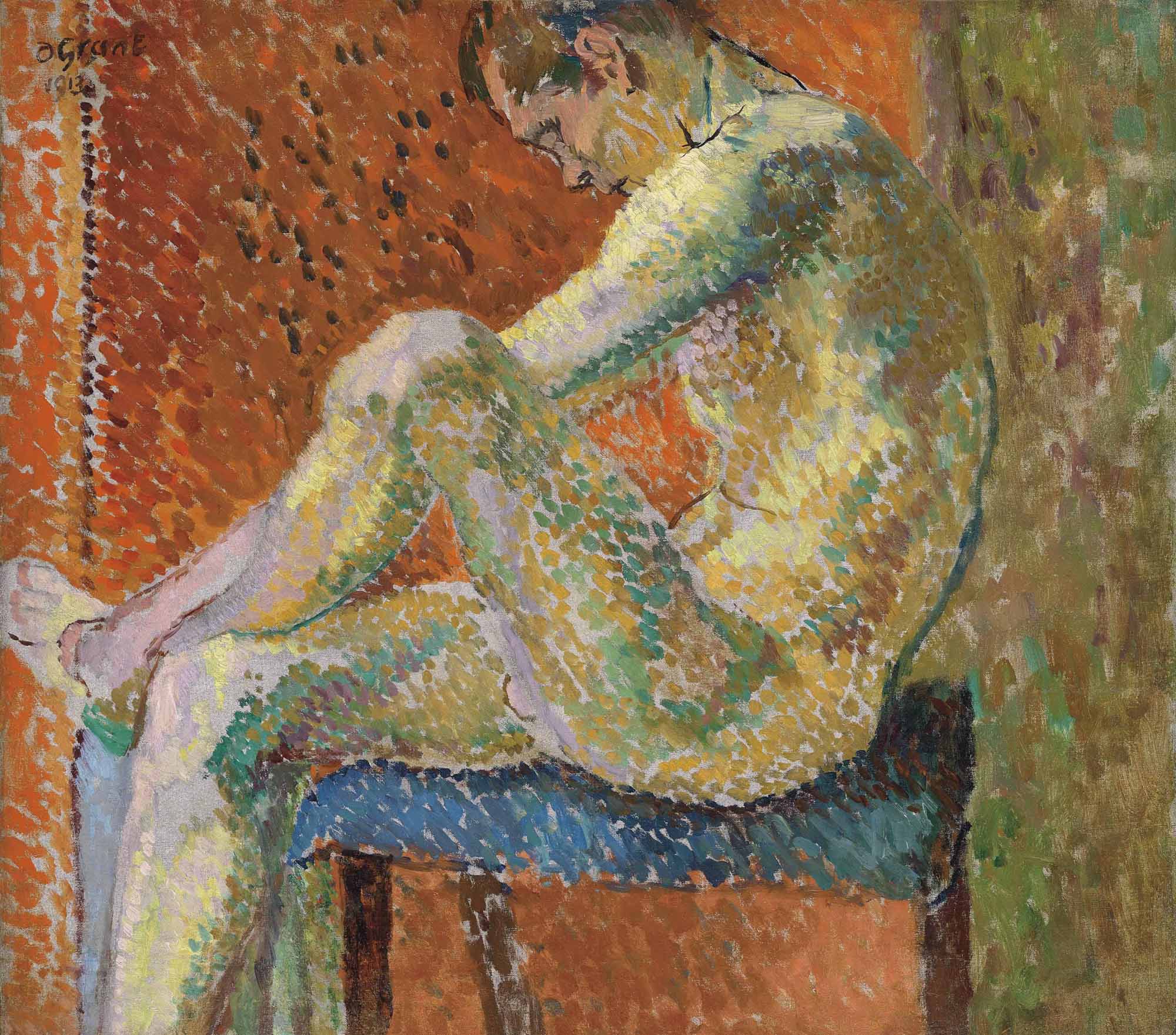
Together, Duncan and Vanessa refurbished the manor house and built a large studio. Since they were constantly short of money, they decorated the house with flea market finds and custom furniture and ceramics. The result was cozy and eclectic: everything from doors, lampshades and table tops was painted by them in beautiful patterns. Of course, their own works hung on the walls, with many portraits of friends and family. Grant was particularly inspired by the sensual male bodies of the Renaissance and produced countless nude studies. He often invited men from the neighborhood, such as the electrician or various workers, to pose for him. Sadly, Grant was born in 1885, the same year that Parliament passed the Labouchere Amendment, a law that made all forms of same-sex relationships illegal. However, having lived through almost an entire century, in 1967 he finally saw the decriminalization of homosexuality in Britain. At Charleston he found a sanctuary where he could live according to his own ideals, far away from the judgmental gaze of society.
Keith Vaughan (1912-1977)
Want to receive more articles straight to your inbox? Subscribe to our free newsletter
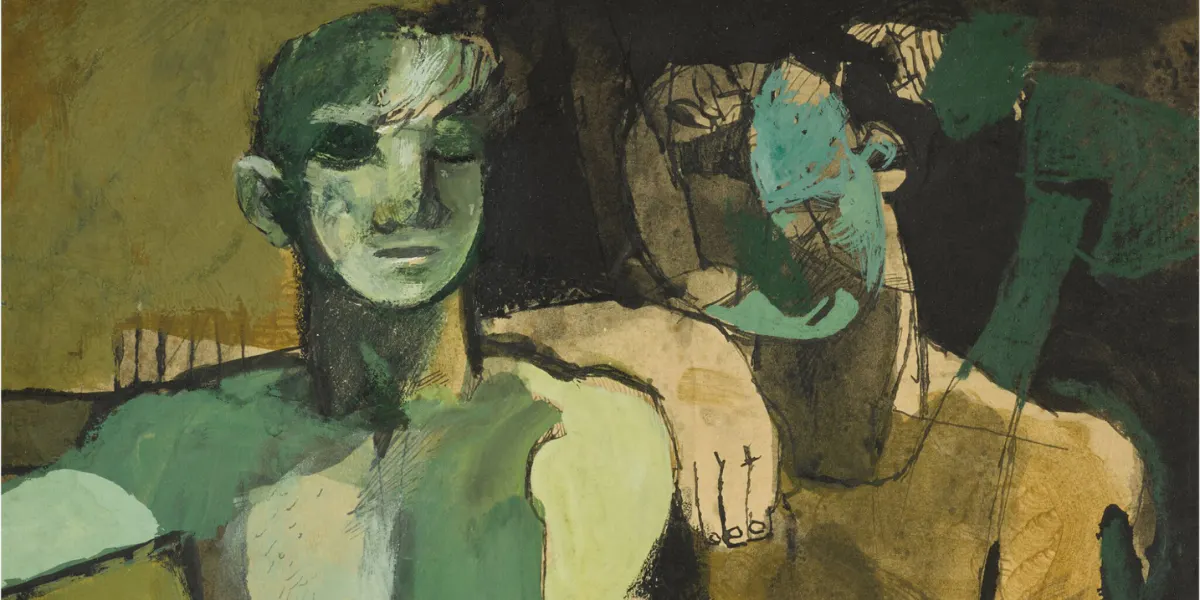
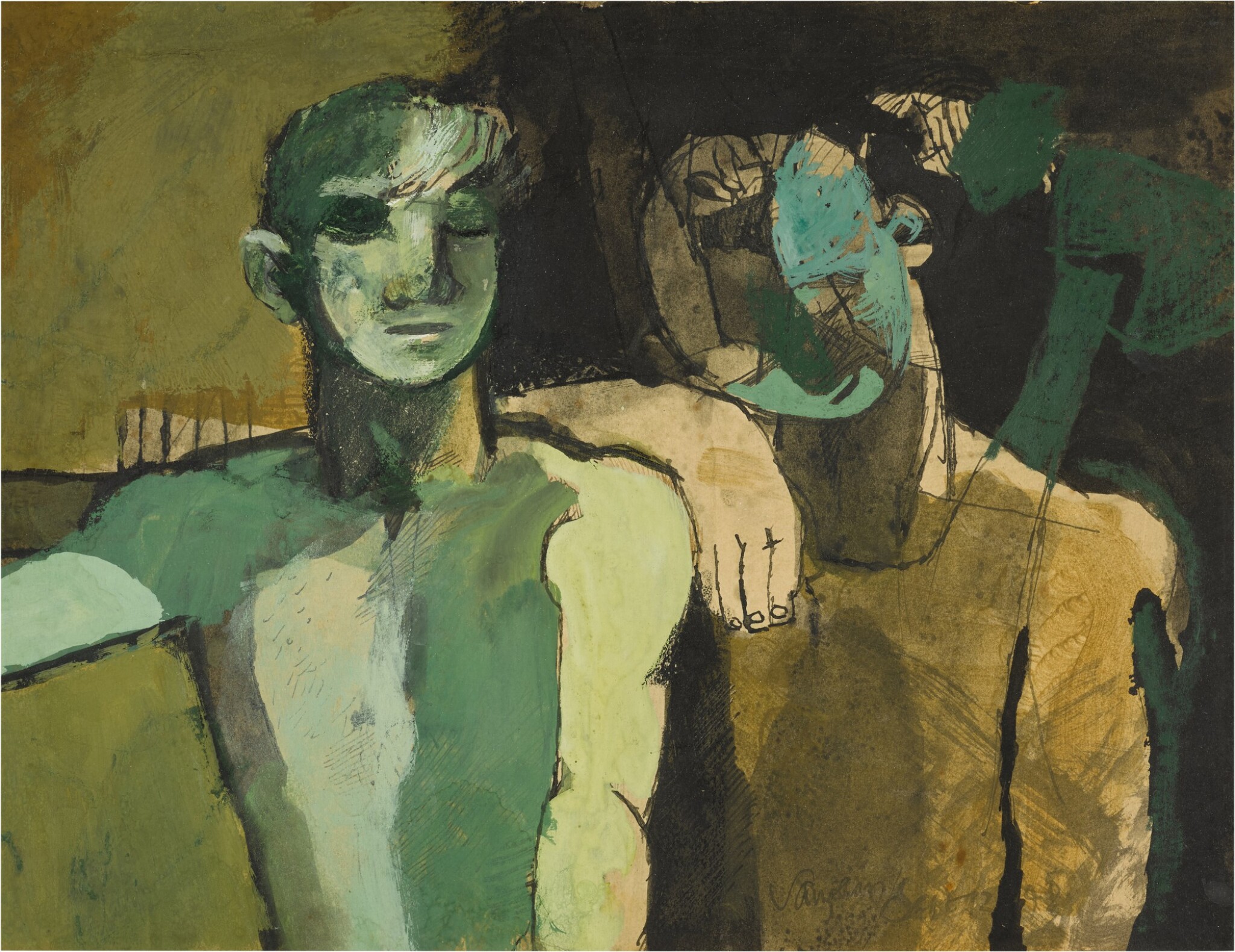
Today, the artist Keith Vaughan is considered one of the pioneers of British Modernism, but despite being well-respected as an artist during his lifetime, he was plagued by severe anxiety and shame due to his sexuality. During World War II, he exercised his right to refuse firearms and instead took a job as an ambulance driver. Before the war he had worked as an advertising cartoonist, but in the 1940s began to focus on his art. In his service in healthcare, he became friends with the artists John Minton and Graham Sutherland, both prominent figures of Neo-Romantic Art. Vaughan, however, rather quickly abandoned the group's suggestive imagery and poetic influences to devote himself entirely to depicting naked male bodies.
Related: Wolhelm von Gloeden and the Nude Men of Taormina
Throughout history, queer men have long by fascinated by Ancient Greece, when a certain form of sex between men was socially accepted. Like all boys who had been privately educated in England, Vaughan possessed great knowledge of classical literature and culture, and during the 1960s, he also traveled extensively to Greece in search of inspiration. By painting classical and mythical motifs, Vaughan found a socially accepted way to portray naked men. Greek mythology offered him the opportunity to articulate the 'love that does not dare to say its name.' He developed an almost abstract artistic language, with elegant geometric shapes, and often worked in shades of sea blue. After a period of serious illness, he chose to end his life in 1977. His diaries were published posthumously, and they now stand as not only an important art historical record, but also a tragic, yet important, insight into what it was like to live as a queer man in 20th-century England.
Read more articles in Barnebys Magazine
Article written by Victor Schagerlund