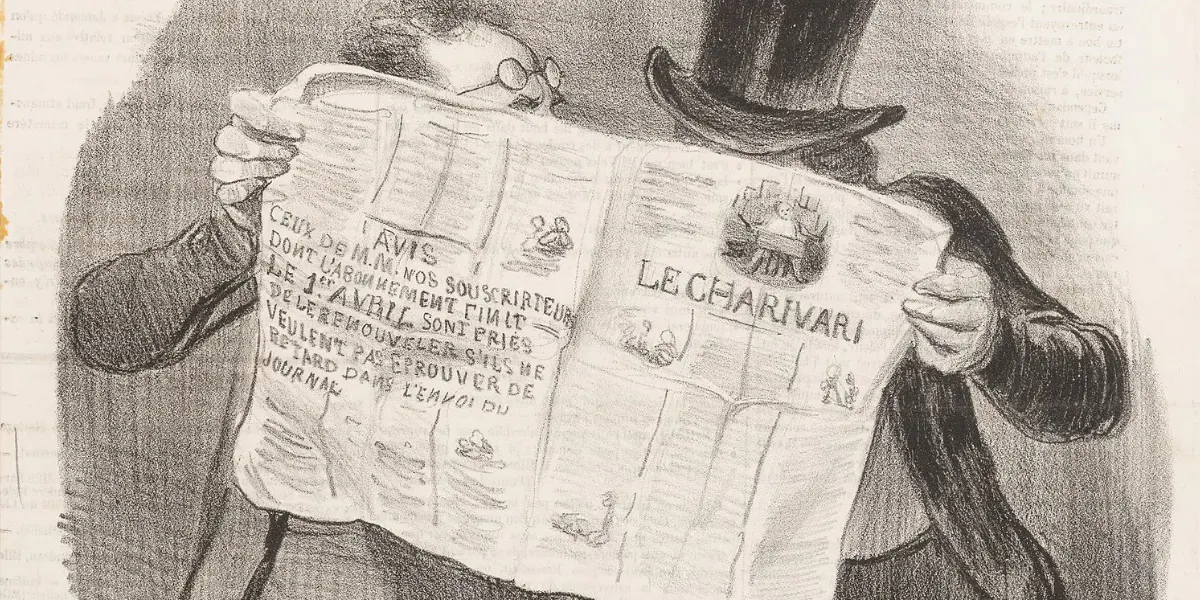
In France, caricatures and satirical drawings came into their own in the 19th century, in conjunction with the emergence of liberalism and the rise of the mass press. At this time, newspapers obtained the right to criticize politics and morals more easily, which two major publications took advantage of thanks to Charles Philipon: La Caricature and then Le Charivari.
In July 1830, King Charles X was overthrown and the Restoration gave way to the July Monarchy and with it the new king, Louis-Philippe. On November 4, 1830, Philipon began publishing La Caricature. Initially seen as a small newspaper that made fun of the vices of its time, from 1832 onwards it developed into a weapon of opposition to the monarchy. La Caricature is a testimony to the political struggle and recriminations that followed Louis Philippe's accession to the throne.
Related: The Royal History of the World's Most Expensive Clock
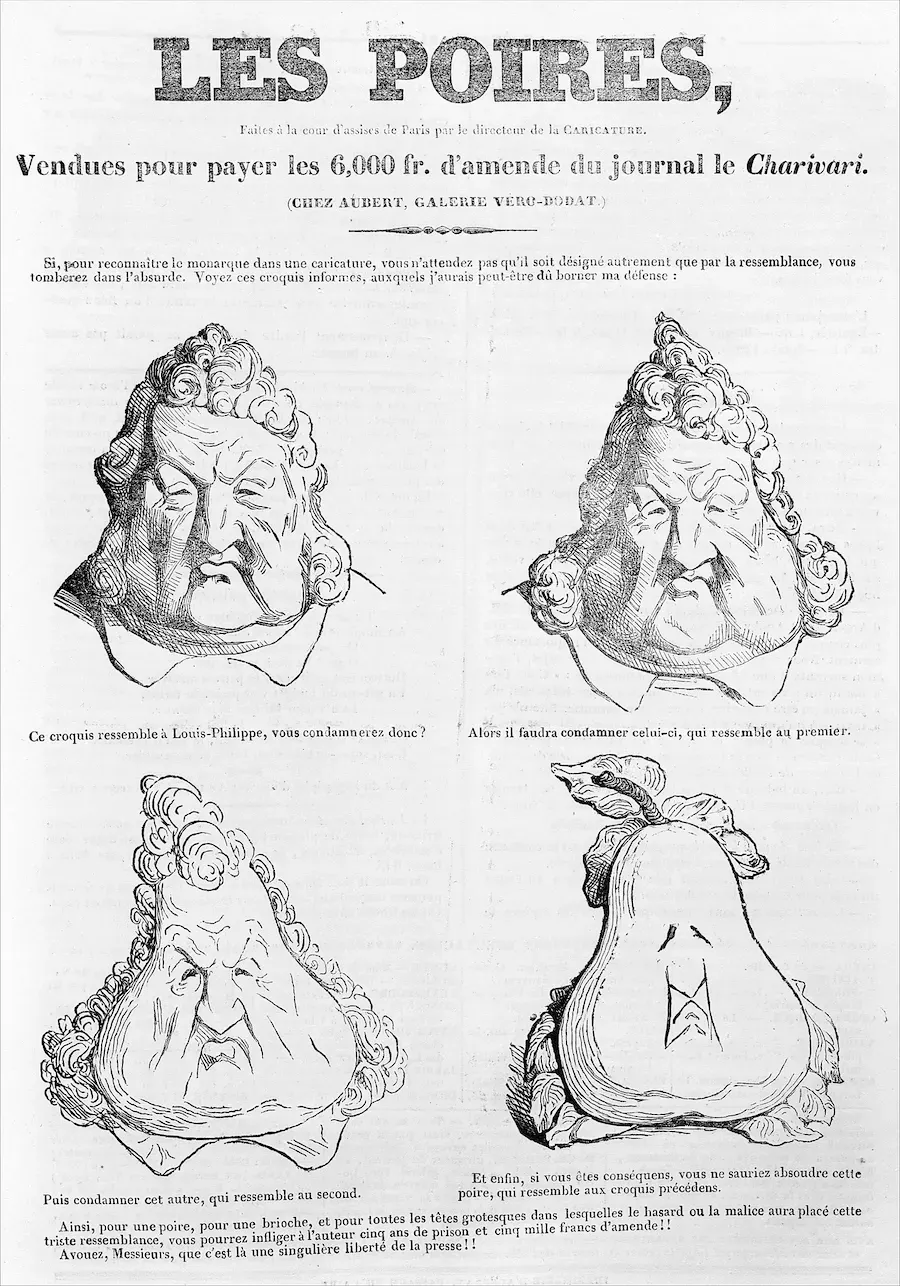
The caricature of Louis-Philippe as a pear, drawn by Charles Philipon in 1831, is certainly one of the newspaper's greatest successes. Philipon drew this pear during a press freedom trial, simply arguing that any resemblance to a real person was coincidental. In order to circumvent the prosecutions that La Caricature was facing, Philipon founded a second newspaper, Le Charivari, in 1832. Just like La Caricature, Le Charivari became a means of opposition against the regime and was often condemned by the courts.
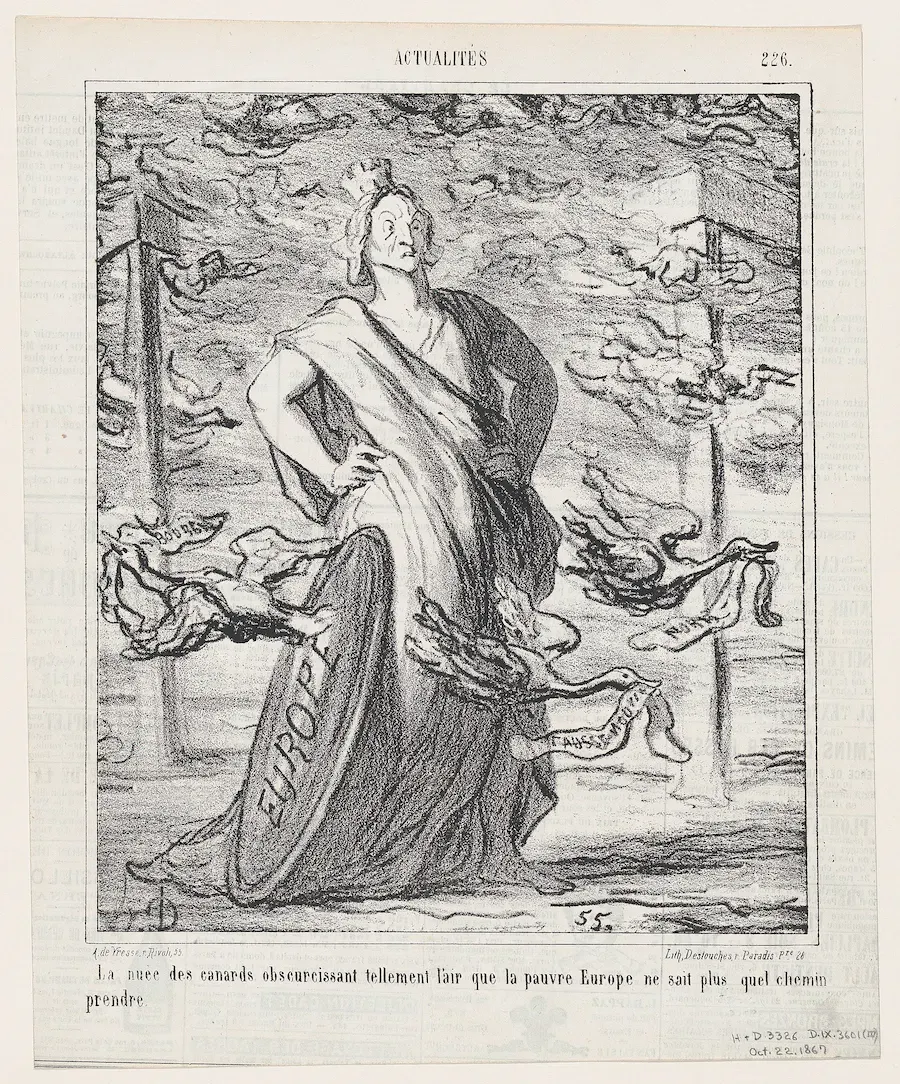
The laws of September 1835, following the strikes and riots of 1833 and 1834, reestablished censorship for drawings, engravings and lithographs and led to the disappearance of many newspapers, which forced illustrators to abandon political satire in favor of the caricature of morals. Although the "September laws" in 1835 marked the end of political caricature, Le Charivari remained no less active, but the editorial line was quickly changed, so as not to suffer the same fate as La Caricature.
Related: The 10 Most Scandalous Artworks
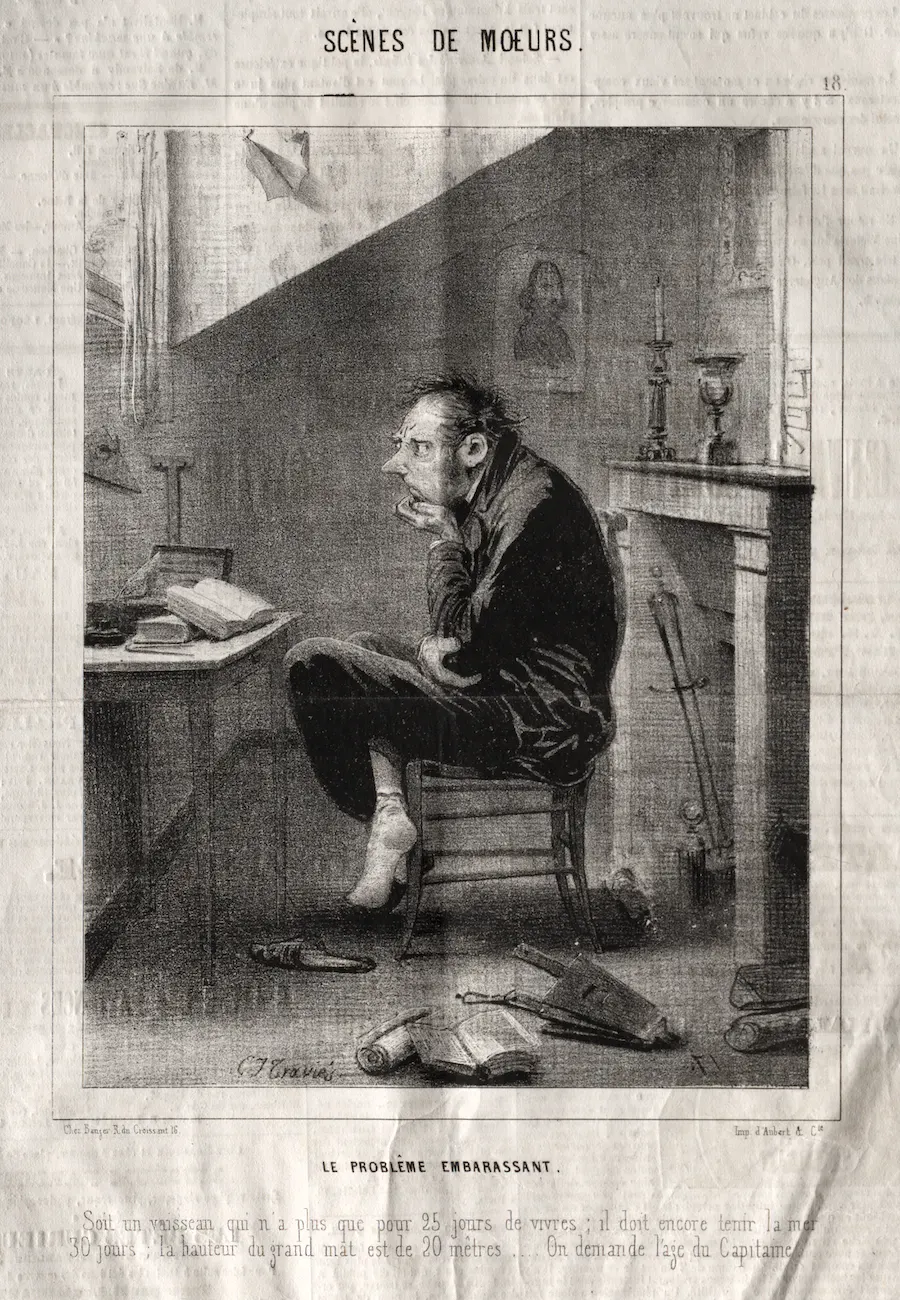
Some of the most important cartoonists of the time began their careers in the newspapers of Charles Philipon, most notably Honoré Daumier, who joined at the beginning of the July Monarchy, as well as Gavarni and Charles-Joseph Traviès de Villers, known simply as Traviès. Daumier created thousands of graphic works for La Caricature and Le Charivari, in which he exposed officials and the manners of the bourgeoisie. His first work in 1830, created for La Caricature, was a series of satirical drawings directed against government corruption and politicians' incompetence.
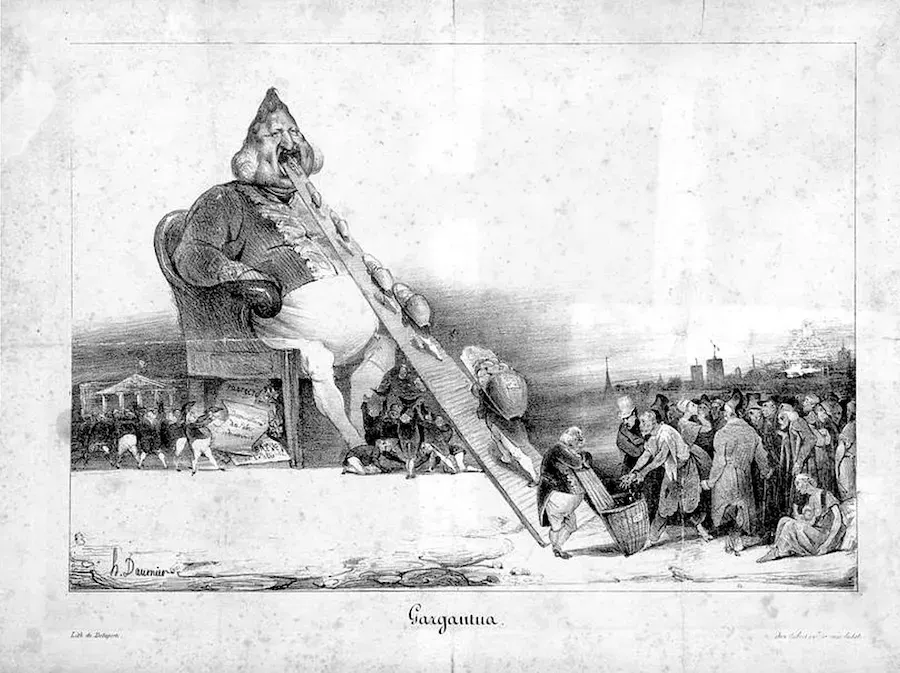
In 1832, Daumier was sentenced to six months in prison after portraying Louis-Philippe in the likeness of Gargantua, the giant from François Rabelais' 16th century novels. Nevertheless, he continued his work as a political cartoonist until 1835, a year marked by the introduction of the Press Censorship Act and the closure of La Caricature. Philipon then suggested that he work for Le Charivari. Honoré Daumier accepted and turned to moral caricature, criticizing the bourgeoisie.
Want to receive articles like this straight to your inbox? Subscribe to our newsletter!
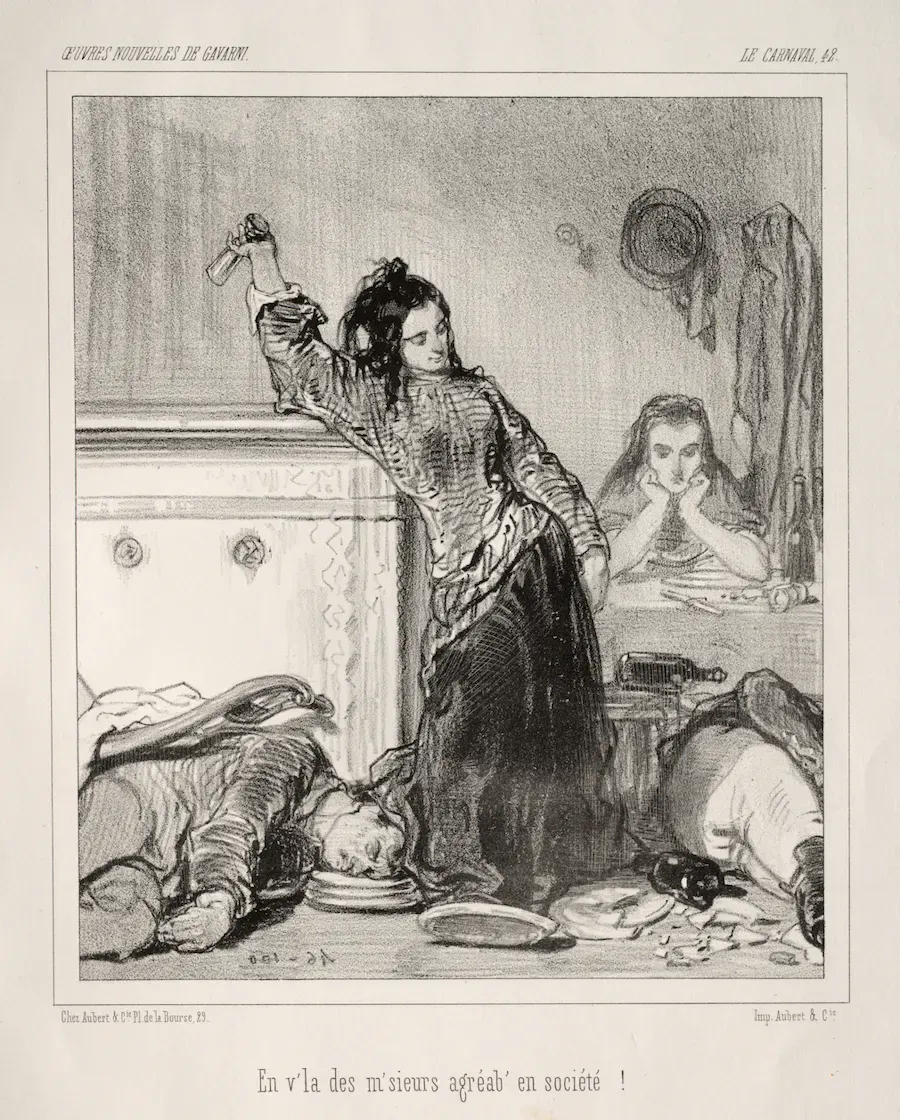
Gavarni also became a regular contributor to Le Charivari around 1835. A keen observer of Paris under Louis-Philippe and the Second Empire, his lithographs propelled him to fame. He also specialized in the illustration of the Paris Carnival festival, in which he humorously depicted loose morality and mishaps.
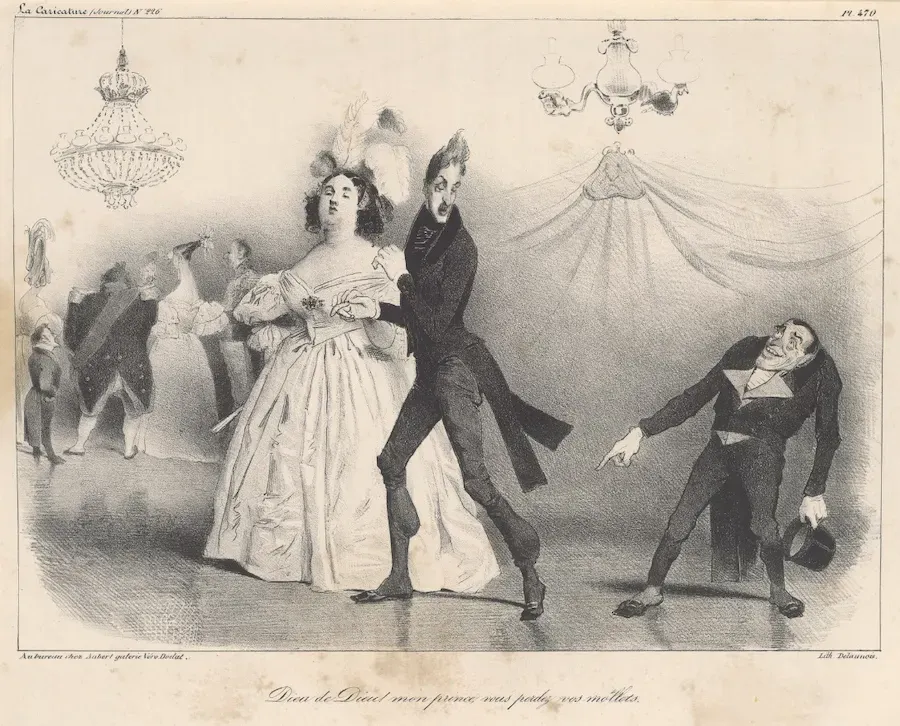
Traviès acquired his artistic fame through caricature and also collaborated with Charles Philipon on his two newspapers. In 1832 he created the character Mayeux (sometimes Mahieux), a hunchback symbolizing all the faults of the bourgeoisie under Louis-Philippe. This character was adopted by many caricaturists of the time, including Daumier, and also inspired characters of the Paris Carnival. After 1835, Traviès also turned to moral drawing and illustrated novels by Balzac.
Related: Art History's 8 Most Unforgettable Faces
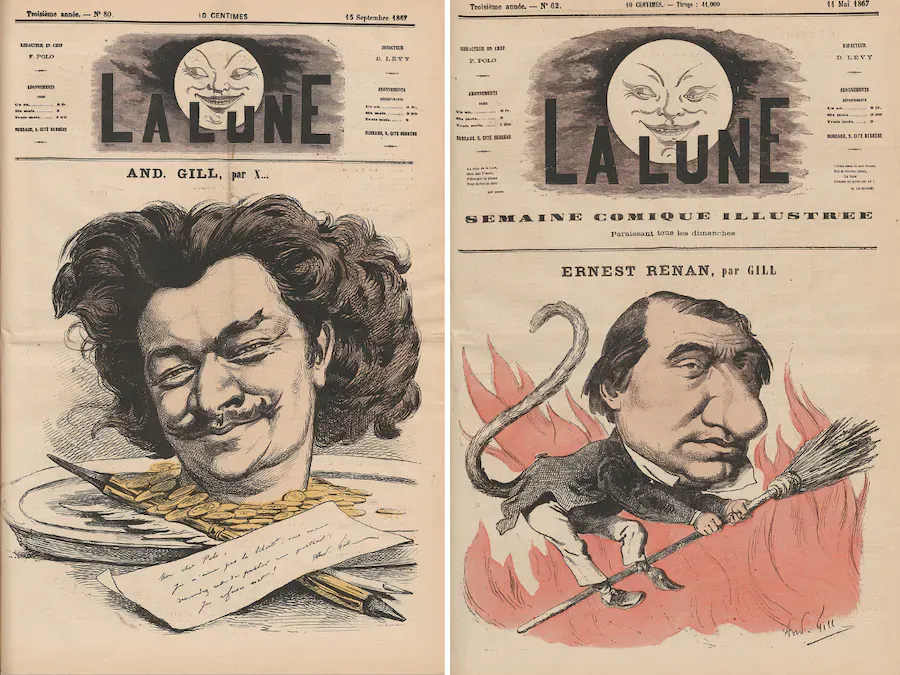
The second half of the 19th century was also rich in caricatures. Founded in 1865 by François Polo, the newspaper La Lune enjoyed great success and counted André Gill among its main collaborators. There he published exaggerated portraits that were characterized by an enormous head on a shrunken body, a technique adopted by most caricaturists. In 1867, the newspaper was condemned by censorship and closed, but was replaced by L'Éclipse. Beginning in May 1868, thanks to less severe laws on the press, new newspapers emerged, including several newspapers derived from La Lune under the direction of André Gill from 1876 to 1879.
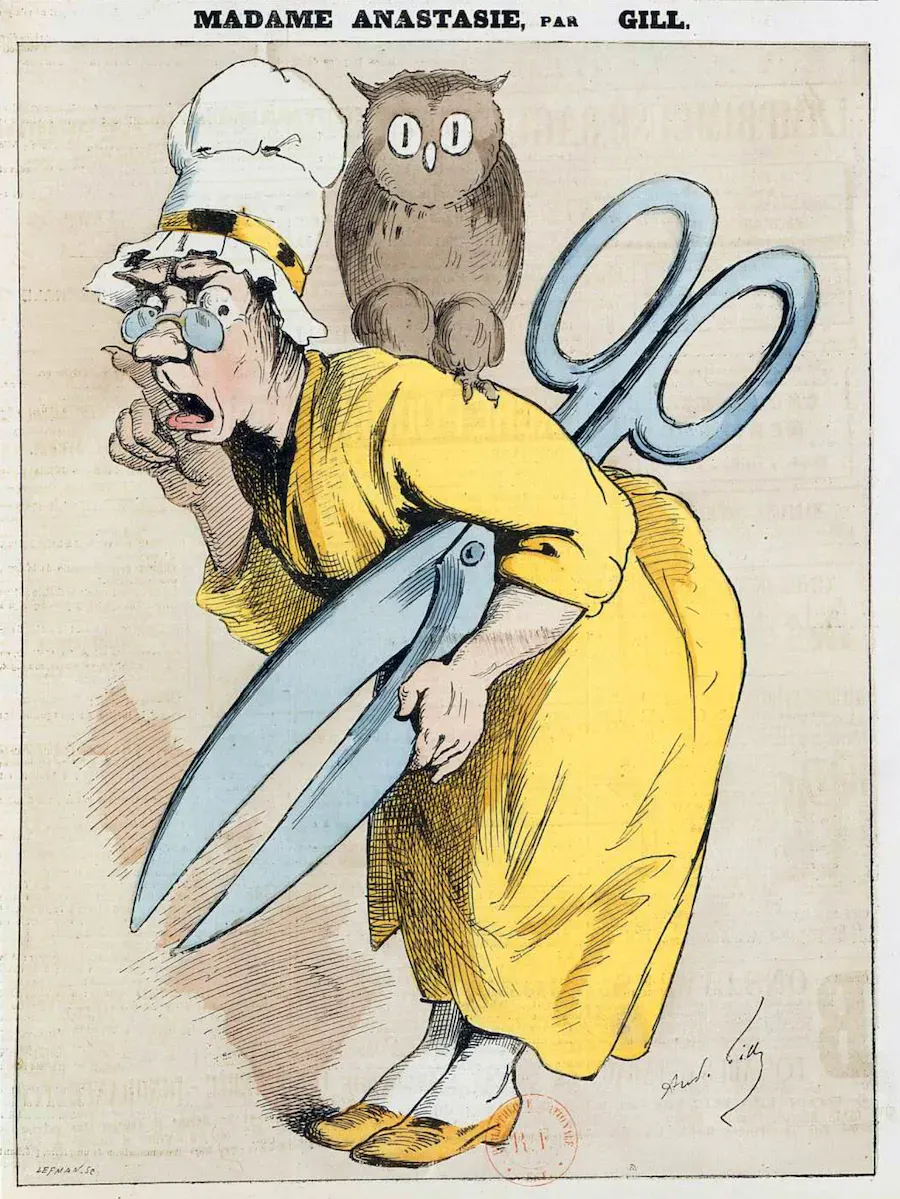
André Gill made his debut as a cartoonist in 1859, and his works were published in various newspapers, including Le Charivari. It was in L'Éclipse on July 19, 1874 that he published the drawing of "Madame Anastasie", which became the symbolic illustration of the censorship that he frequently faced.
These newspapers and cartoonists, who fought for freedom of the press, laid the essential foundations of the modern press in France. In 1915, Le Canard enchaîné ("The Chained Duck") was born and evolved into the type of satirical magazine we know today. Hara-Kiri was founded in 1960, banned in 1970, and resurfaced in 1972 under the name Charlie Hebdo. Cartoonists such as Charb, Tignous, Honoré, Cabu and Wolinski, who died in the attack on the weekly newspaper on January 7, 2015, worked for the magazine. The history of political cartoons proves that the fight for freedom of the press has endured for centuries, but has never been completely won.