As the largest museum of decorative arts and design in the world, the Victoria and Albert Museum in London is home to many fascinating, rare, and sometimes curious historical objects. One such object can be found in Room 41 of the museum's South Asia Gallery, where objects from India, Pakistan, and Bangladesh are displayed.
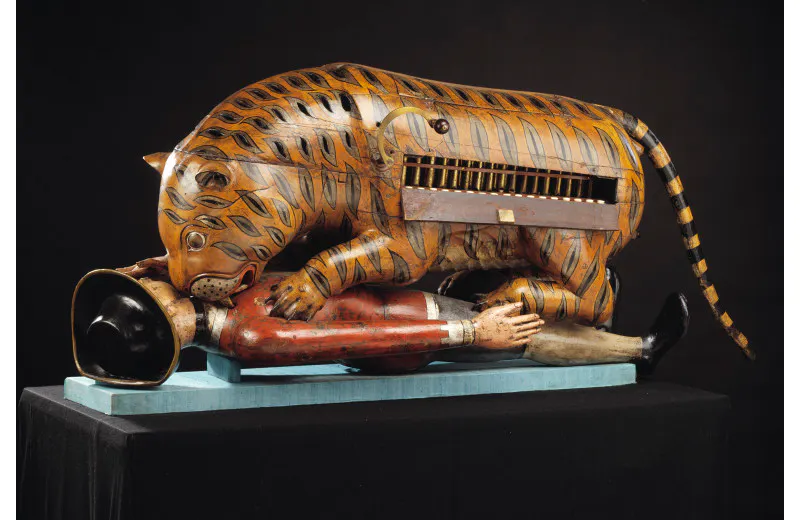
In one of the glass display cases, a sign reads 'Tippoo's Tiger', referring to a large wooden figure of a tiger attacking a man lying on the ground. The text explains that this figure is also a mechanical organ, as indicated by the holes in the tiger's painted stripes, along with a crank and organ pipes visible behind a flap. Although the maker is unknown, the piece is believed to have originated from Mysore.
Mysore was a kingdom that occupied a large part of southern India at the height of its expansion. Although it had been ruled by the maharajas of the Wodeyar dynasty since 1399, General Haidar Ali seized power in 1761. Haidar Ali was a staunch opponent of the British East India Company and its expansionist ambitions on the Indian subcontinent. Under his rule, the Mysore Wars began, during which Mysore—temporarily allied with France—fought against the British and their Indian allies.
See also: Is the Hope Diamond Really Cursed?
After his father Haidar Ali died in 1782, Tipu Sultan took control during the Second Mysore War. Unwavering and even more resolute, he continued to resist the British. However, from 1783 onwards, he had to fight without French support, as France and the United Kingdom had ended their conflict with the Treaty of Paris, which also brought an end to French assistance for the former British colonies in North America.
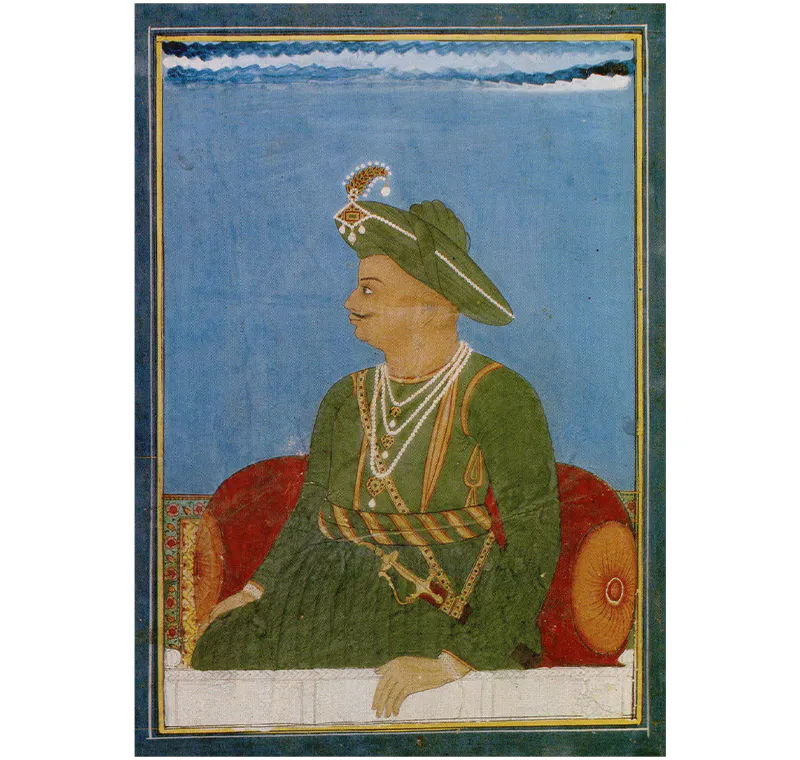
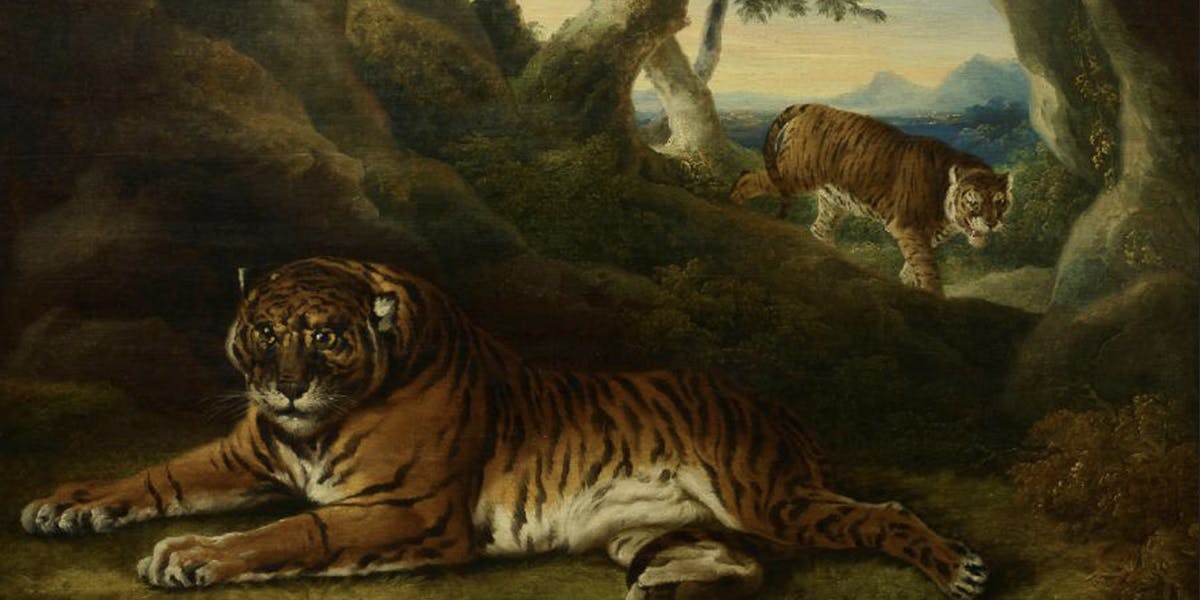
Tipu Sultan was a skilled and passionate military leader who relished the splendour of his court. Even today, he is remembered in India with admiration as the ‘Tiger of Mysore’. The tiger was Tipu's personal symbol, prominently displayed throughout his palaces, including on his throne and personal belongings.
See also: How the Affair of the Diamond Necklace Ruined Marie Antoinette
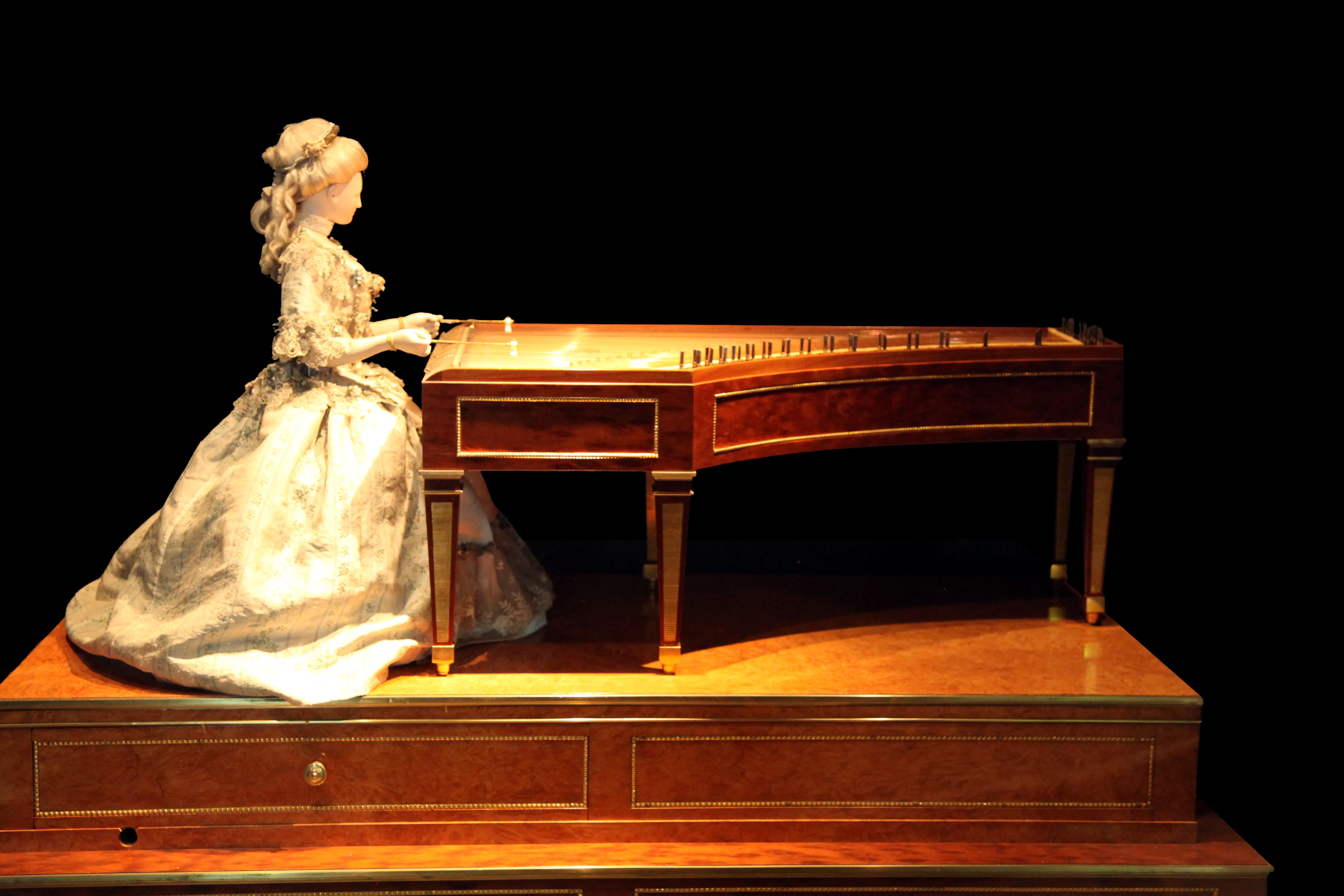
The most famous of Tipu Sultan's tigers was created around 1790 in Mysore, where, as in many Indian royal courts, there was a growing enthusiasm for (musical) automata. During this period, automata experienced a golden age in Europe, with the Mechanical Turk being one of the most famous examples, although it was later revealed to be a fraud. Marie Antoinette owned the automaton La Joueuse de Tympanon, which features an elegantly dressed lady playing a dulcimer and can perform eight compositions by Christoph Willibald Gluck, her favourite composer. This automaton is now housed in the Musée des Arts et Métiers in Paris. It is possible that French craftsmen and mechanics who visited the court of Tipu Sultan contributed to the creation of Tipu's Tiger.
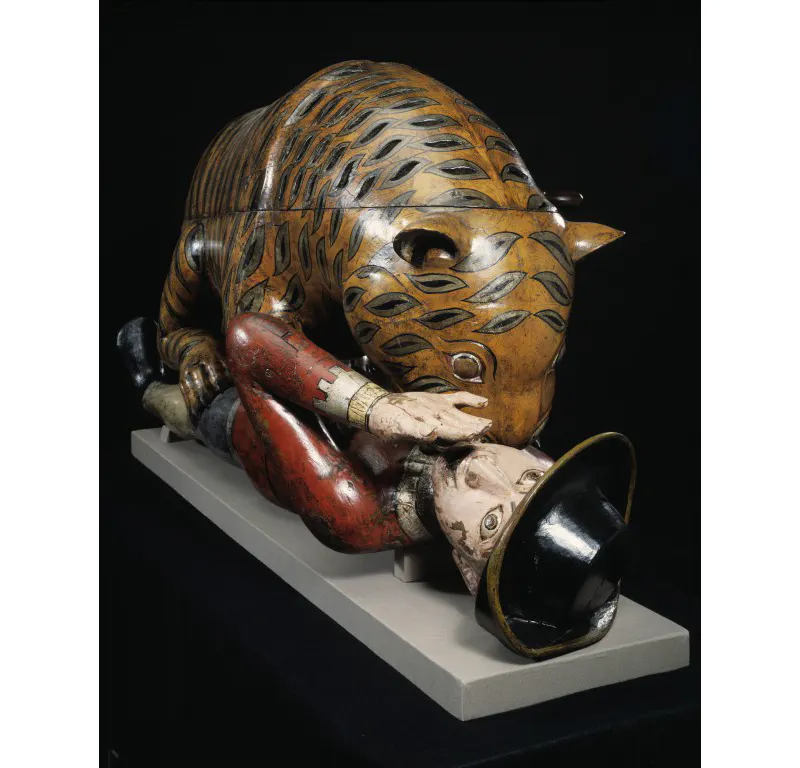
Tipu's Tiger has several features: A bellows causes the man lying on the floor to emit moaning sounds and raise his arm. Another bellows produces a roar from the tiger that mimics the growl of a predator. Inside the tiger’s body, there is an ivory keyboard connected to a pipe organ, allowing it to play melodies. Additionally, the upper section of the wooden tiger’s body is removable, which is a crucial feature for maintenance.
See also: How Greek Art Influenced Buddhist Representations
Maintenance was of the utmost importance because Tipu Sultan had a deep affection for his somewhat macabre automaton. The European-dressed tiger victim, adorned in a red skirt, clearly resembled a member of the British East India Company, symbolising Tipu's most formidable enemies.
One incident often associated with the design of the automaton occurred in December 1792 on an island in the Bay of Bengal. Hector Sutherland Munro, the 17-year-old eldest son of Sir Hector Munro, Commander-in-Chief of India, was attacked by a tiger while on his way to his post in India and died the following day. This was not the only tragic event involving Sir Hector's sons and wild animals in India; in 1804, another son, Alexander Munro, also aged 17, was killed in a shark attack off Bombay (now Mumbai). It remains unclear whether this tiger attack was directly connected to the creation of Tipu's Tiger.
See also: The Fascinating Political History Behind An Indian Ambassador's Portrait
In 1788, Tipu Sultan sent three envoys to the court of Versailles to request renewed support from King Louis XVI. However, France, having been financially strained by the recent war in America, was unable to make any promises.
The Third Mysore War began the following year, during which Tipu Sultan was forced to cede half of his kingdom to the British and temporarily surrender two of his sons as hostages until he fulfilled the required payments.
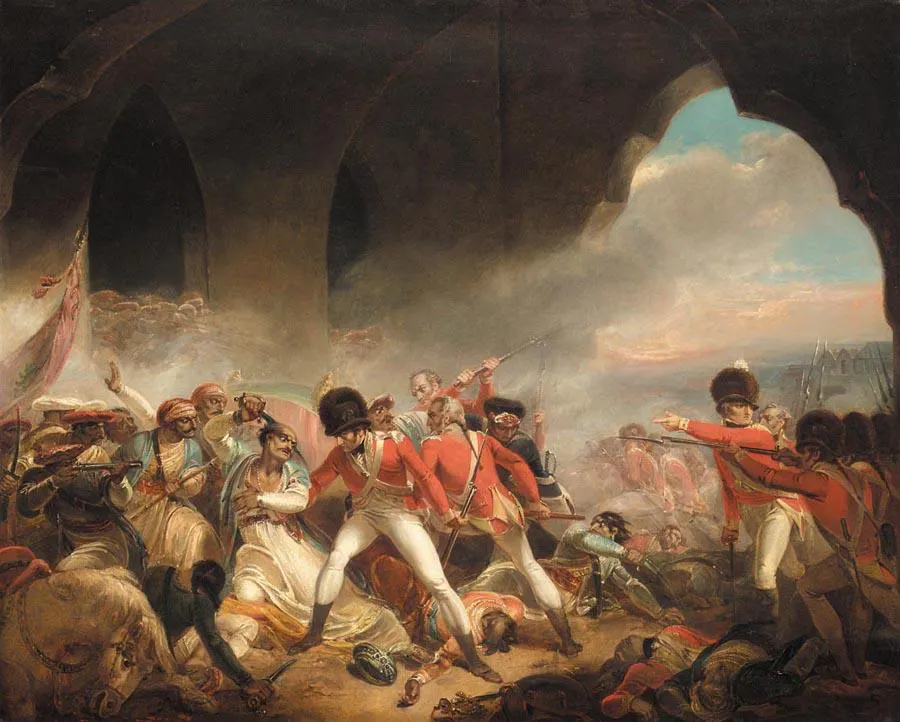
However, the change in government in France following the 1789 revolution brought a new potential ally for Tipu Sultan. General Napoleon Bonaparte, who had gained fame with his successful Italian campaign in 1797, turned his attention to Egypt the following year with the aim of disrupting Britain's trade with India and weakening the influence of the British East India Company. However, Napoleon's campaign in Egypt was unsuccessful, and a letter he had sent to Tipu Sultan was intercepted by the British. Determined to defeat the ruler of Mysore once and for all, the British launched the Fourth Mysore War in 1799. The conflict culminated in the siege and eventual capture of the capital, Seringapatam. Tipu Sultan, who had refused to flee with the defiant words, "Better to live one day as a tiger than a thousand days as a sheep," was killed during the battle.
See also: Tipu Sultan's Golden Sword Breaks a Record
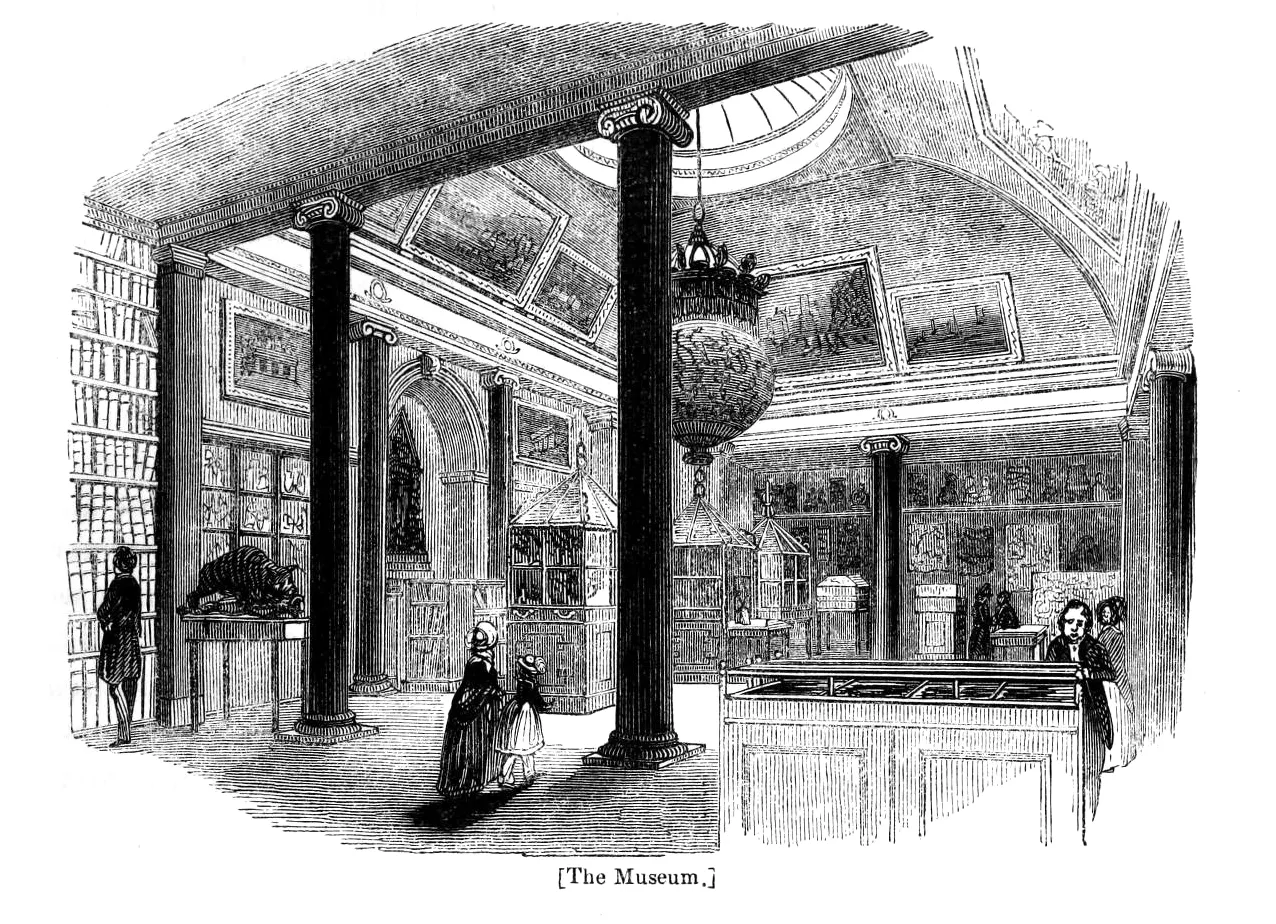
During the looting of the palace, soldiers discovered the extraordinary tiger organ in the music room. It was promptly shipped to London, where it was displayed at the newly established museum in East India House, the headquarters of the East India Company. The organ quickly became a public favourite. Later, it was transferred to the South Kensington Museum, which opened in 1852 and was renamed the Victoria and Albert Museum in 1899.
Want more articles like this straight to your inbox? Subscribe to our free newsletter!
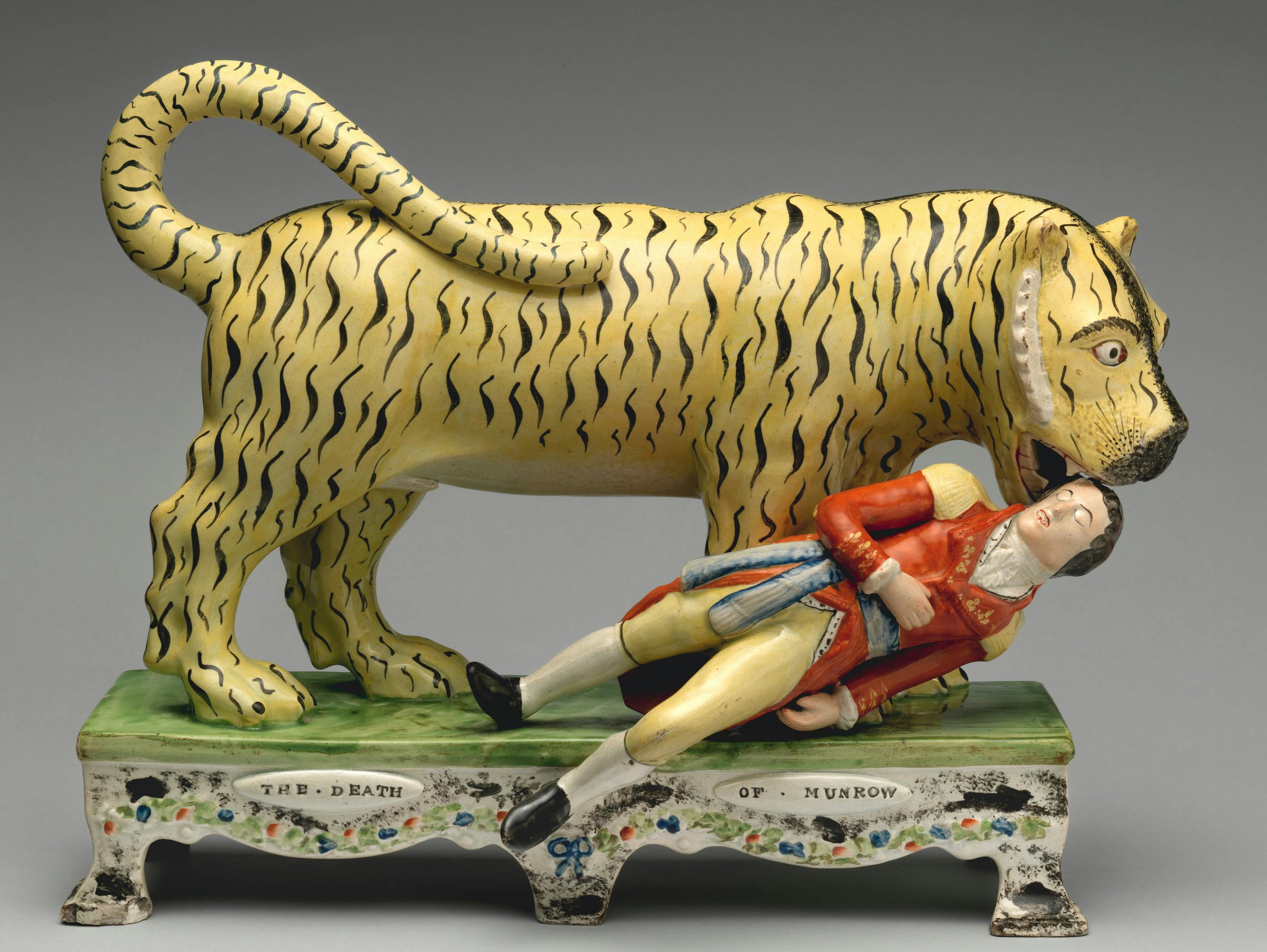
Despite—or perhaps because of—the macabre nature of the piece, Tipu's Tiger quickly gained fame in England. The fatal tiger attack that claimed the life of the young Hector Sutherland Munro in 1792 was also widely known. In Staffordshire, a region famed for its figurative ceramics, a ceramic figurine was created depicting a tiger attacking a young man. The base of this figurine bears the inscription ‘The Death of Munrow,’ clearly referencing Munro’s tragic end. While Tipu's Tiger likely inspired this design, the connection between Munro’s death and Tipu’s Tiger might have emerged through this figurine.
See also: The Story of the Staffordshire Dog Figurines
Tipu's Tiger is a truly fascinating object that, like many historical artefacts, blends history with mystery.