Vintage luggage is symbolic of a more luxurious age, a different world.
In the autumn of 1903, returning from a private visit to her widowed father in Denmark, Queen Alexandra's luggage was detained at the Belgian border by customs officials. Her specially designated 'luggage' train (which followed the Royal Train) contained 29 'large' trunks. By modern standards, this may seem excessive, but traveling with such a vast quantity of luggage was not so unusual amongst the rich and well-connected in the earliest years of the 20th century.
"Vintage luggage is symbolic of a more luxurious age, a different world," says Tim Bent, a leading dealer in antique and vintage Louis Vuitton, "and that's very much part of its appeal”. Tim's shop, Bentleys, in London's Lower Sloane Street, stocks a discerning range of antique and vintage luggage, including cabin, steamer and wardrobe trunks, vellum hat cases and fine suitcases in leather and crocodile, many of them crafted by leading French and English makers of the day: Vuitton, Goyard, Paul Romand, Au Départ, Finnigan's, Asprey and Drew & Sons of Piccadilly.
Related: How Coco Chanel Revolutionized the Handbag
Vintage luggage is popular with interior designers. "They add romance to a room," says Bent. Steamer trunks are often used as decorative pieces to add focus to the foot of a bed. Rare antique luggage is also avidly collected by sophisticated connoisseurs. The upper end of the antique luggage market is a serious business, with prices – for the scarcer pieces – running into the many thousands of pounds.
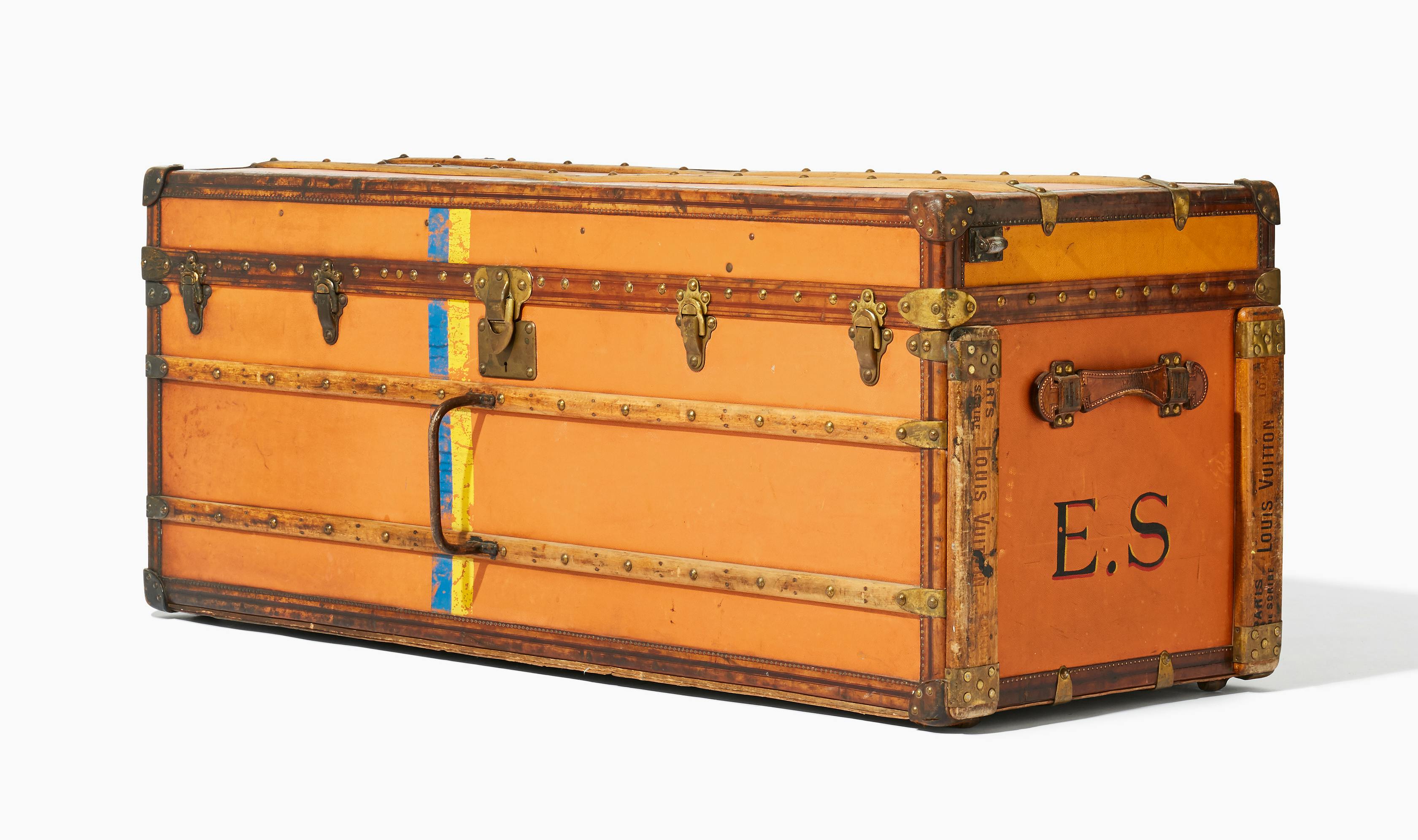
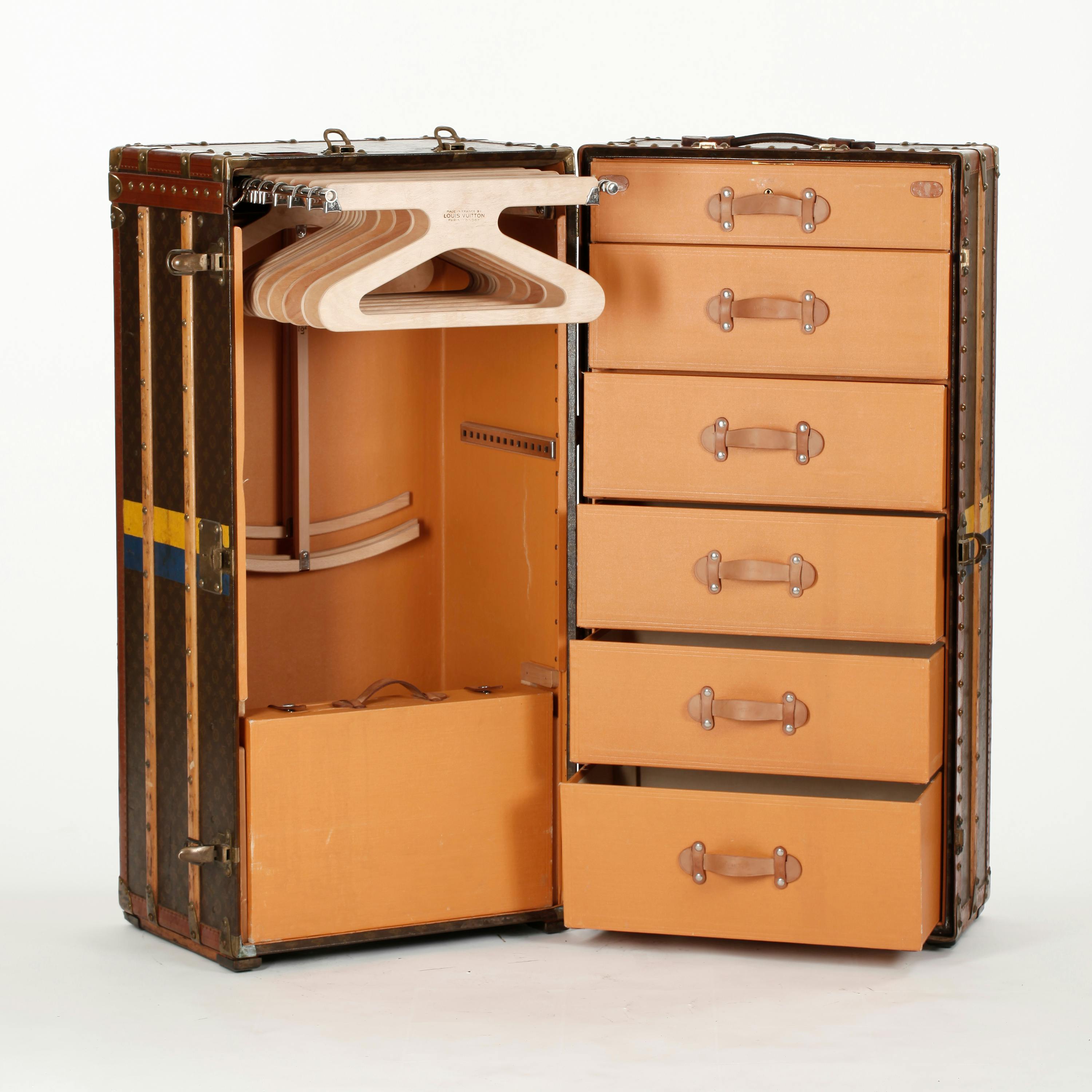
In terms of commercial creativity, of all the distinguished luggage manufacturers, it's the remarkable Louis Vuitton who stands head and shoulders above the rest. Vuitton was born to a humble background in Franche-Comté in 1821. At the tender age of thirteen, he traveled from his home village to Paris – by foot; a legendary journey that took two years to complete. By 1853, following his apprenticeship to the leading box-maker, Monsieur Marachel, Vuitton had become an official trunk-maker and personal packer to the Empress Eugenie, consort to Napoleon III of France and a leader of fashion.
Looking for more articles on collecting? Sign up to our newsletter here
The nineteenth century was an era of luggage innovation, and in 1858, Louis Vuitton introduced steamer trunks with a flat top. The new design meant that trunks could be stacked more efficiently on a voyage. Previously, trunks had been finished with rounded leather tops to allow rainwater to drain off. Inspired by Harriet Cave of London (H. J. Cave), the official supplier of trunks to the British Royal Family, Vuitton lined his trunks with a waterproof cotton canvas which was durable and practical yet exquisitely made.
Related: The Story of the Trunk, From a Suitcase to a Treasure Chest of Memories
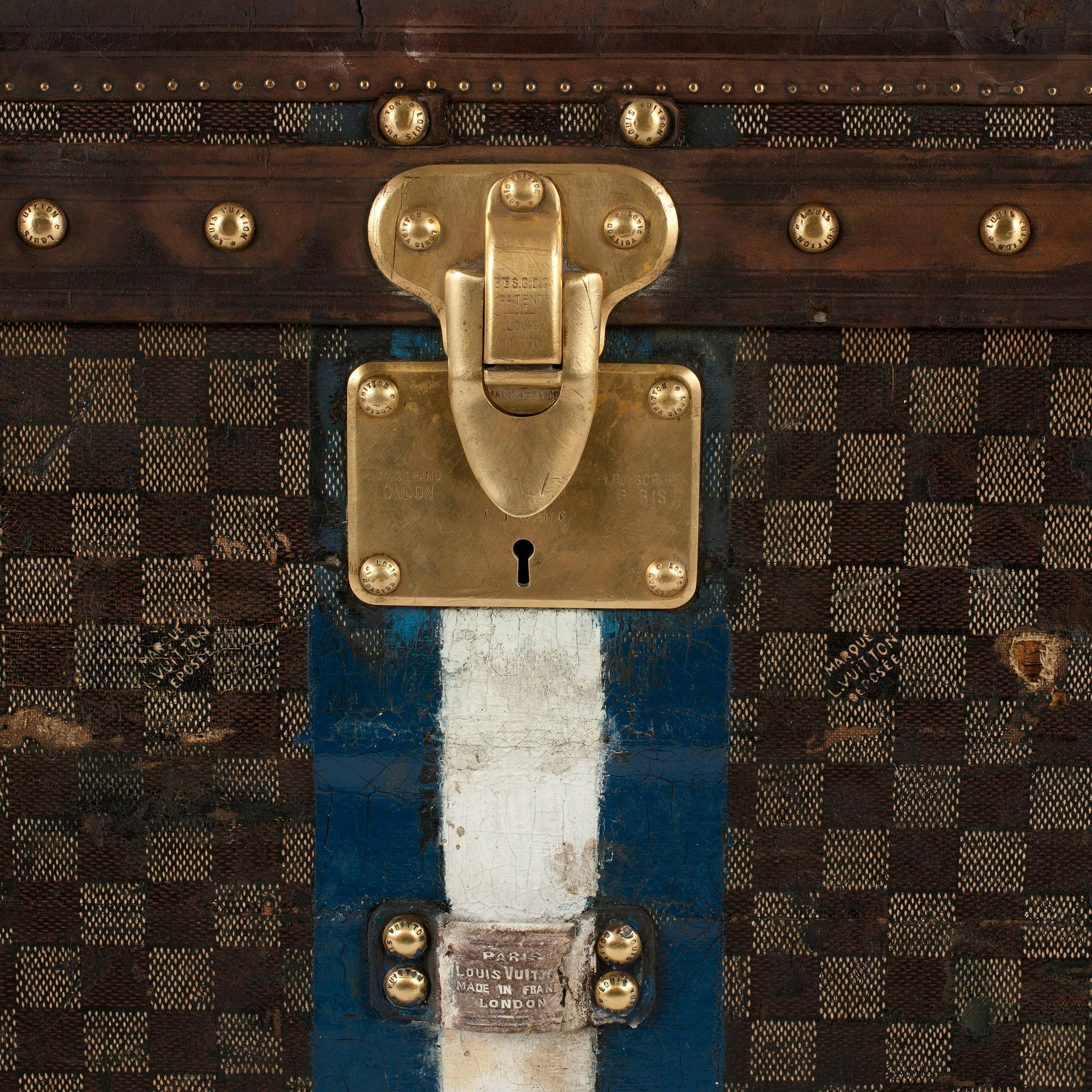
In 1872, Vuitton marketed a new line with a design of red stripes against a beige ground, followed in 1889 by the Damier canvas – today, the rarest of the Vuitton patterns in a discreet brown check, designed by his son, Georges. In many ways, Louis Vuitton was a marketing genius, one of the first retailers to create a recognizable 'brand', and the world of luxury goods has followed his lead ever since. Vuitton was especially good at selling a standard model to a new client and then persuading that client to return for a custom upgrade at a later date. A bespoke lining could be added, at cost, or, say, an additional brass mount on request. And then, in the 1890s, after many years of research, came the innovative 'unpickable' tumbler lock, with each buyer receiving an individually numbered key. In 1905, in a splendid example of commercial self-promotion, the Vuittons challenged the illusionist, Harry Houdini, to escape from a Louis Vuitton trunk, live on stage at The Alhambra in London. As The Sporting Times reported: "the little man, who slips every known kind of handcuff, found his way out of the box in twenty minutes."
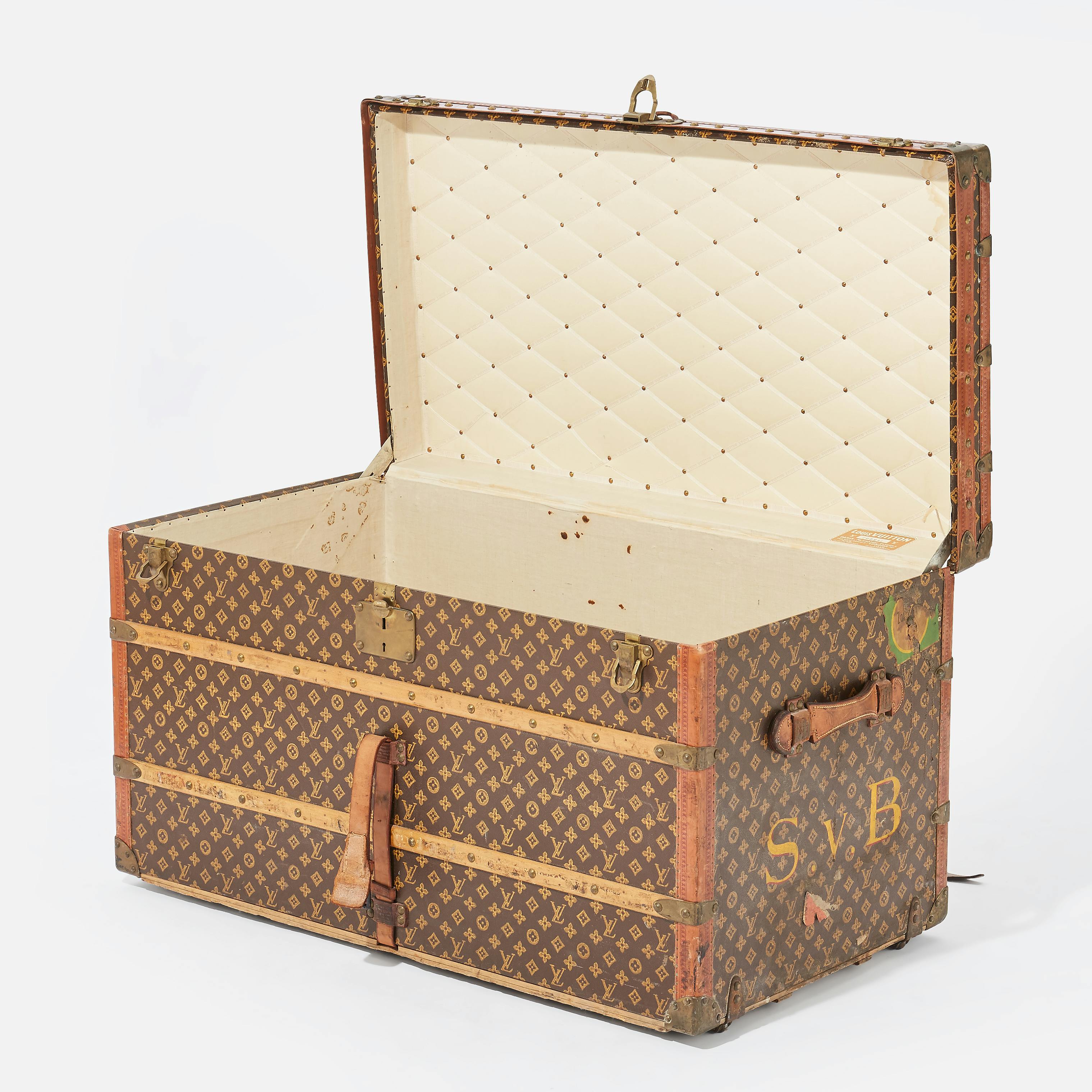
Copyists soon became a problem for the Vuittons, with increased competition from rival manufacturers producing imitation luggage. The famous LV monogram, emblazoned with a Japanese inspired floral motif and hand-painted directly onto the canvas, was invented by Georges Vuitton in 1896, specifically to thwart the counterfeiters. Today, it's one of the most recognizable brand logos in the world.
Related: The 8 Most Popular Fashion Brands
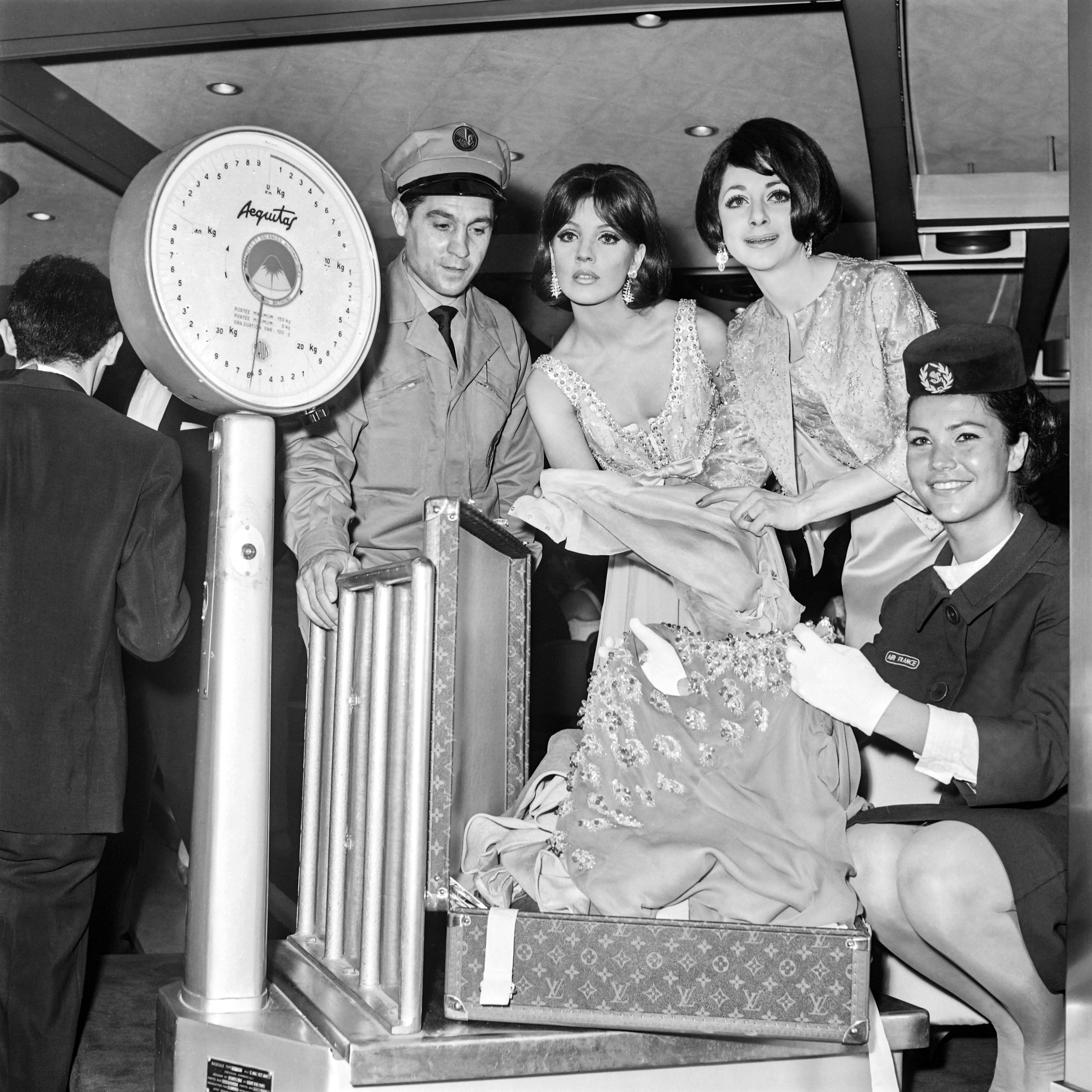
In 1954, Vuitton switched canvas production to cotton lined with polyvinylchloride (PVC). "I avoid Vuitton from the post-war era," says Simon Khachadourian at The Pullman Gallery, as "the finish doesn't allow a desirable patina to build up on the surface." Vuitton also produced tempting novelties inspired by their own range of luxury luggage. The Pullman Gallery has a rare miniature version of Vuitton's classic courier trunk. Covered in a hand-stenciled paper 'canvas' with the LV monogram, the interior is lined with marbled paper. A gentleman might use it to give flowers to his wife or girlfriend. Alternatively, the miniature papier-mâché trunk could be re-fitted as a jewelry box or cigarette case. Understandably, few survive in good condition and are genuinely rare, with gallery prices exceeding £20,000.
Related: 5 Iconic Handbags and the Women Who Made Them Famous
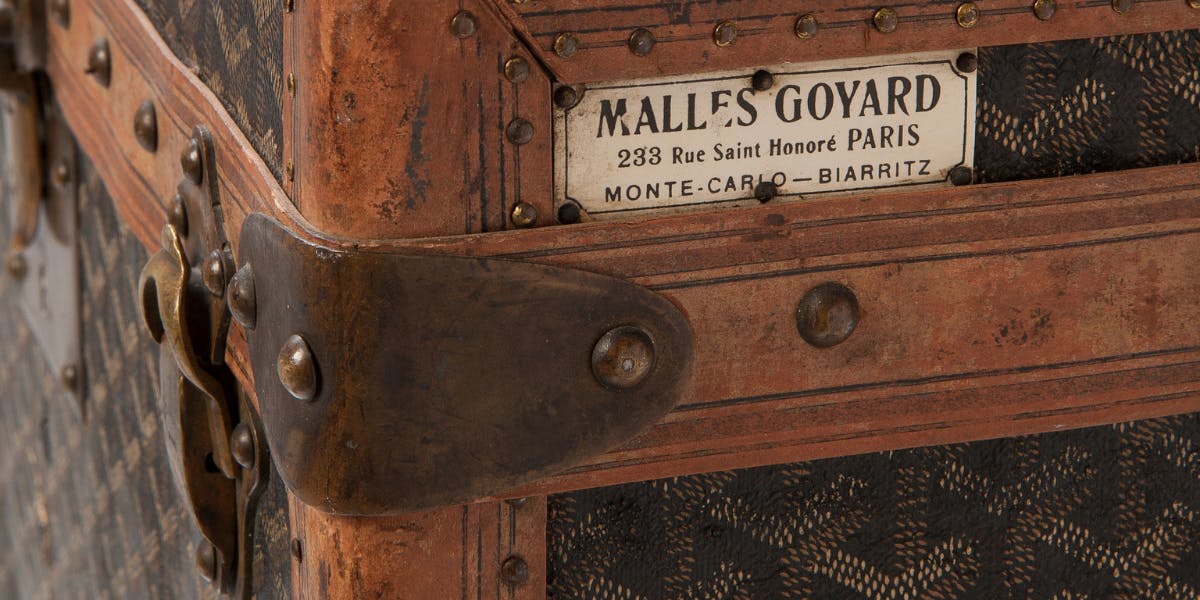
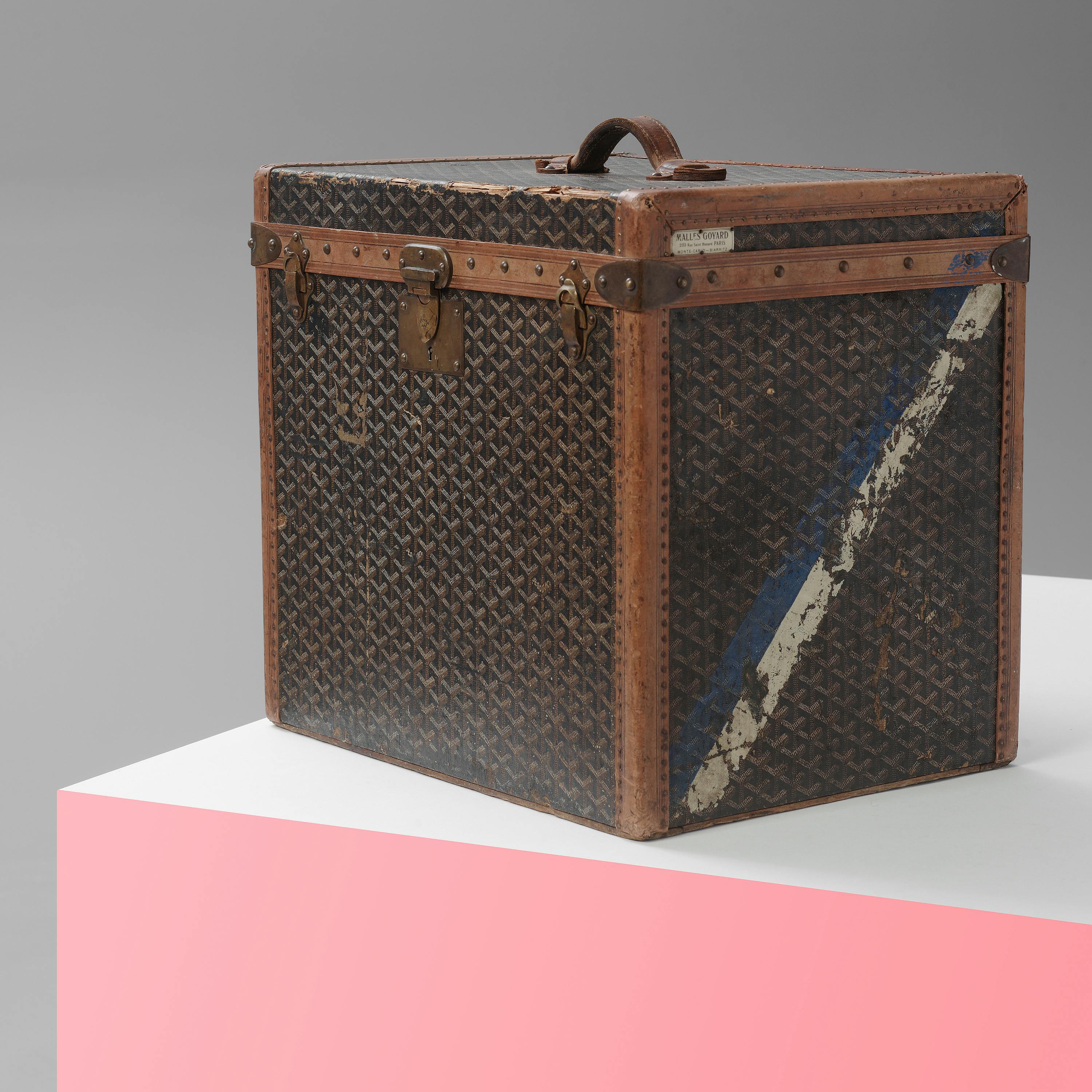
For collectors keen on the concept of discretion, the House of Goyard provides a more understated alternative to Louis Vuitton. Goyard was established in Paris in 1853, although the business can trace its roots back to the late 18th century. Previous aficionados of the brand include the Queens of Yugoslavia and Greece, Catherine Deneuve, Romy Schneider and the Maharaja of Kapurthala.
Related: Travel the World Through Art
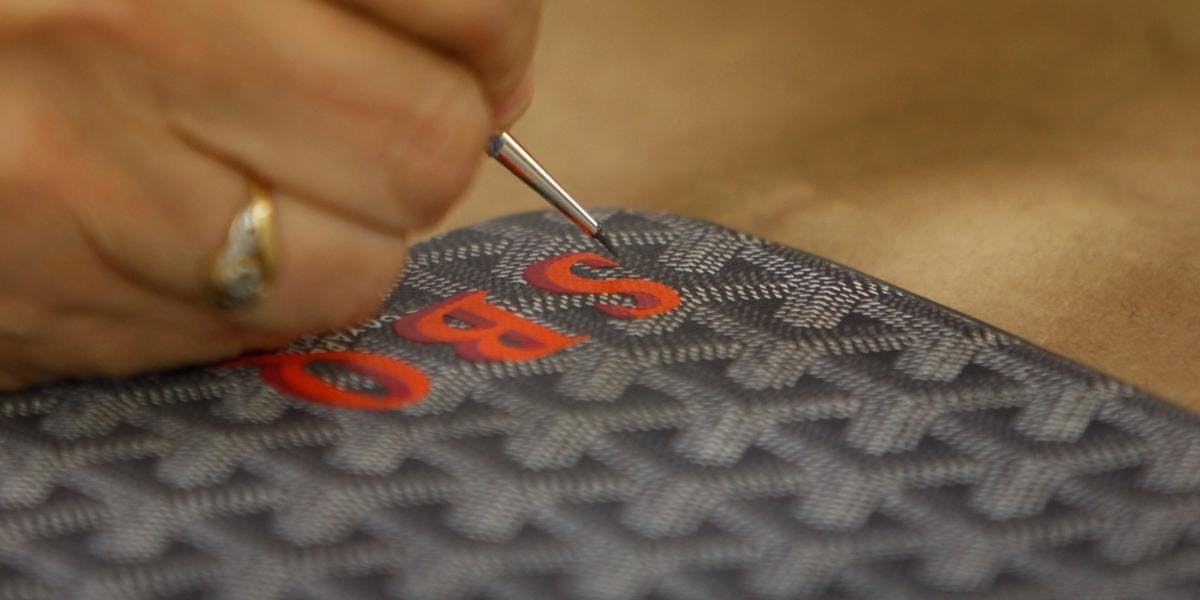
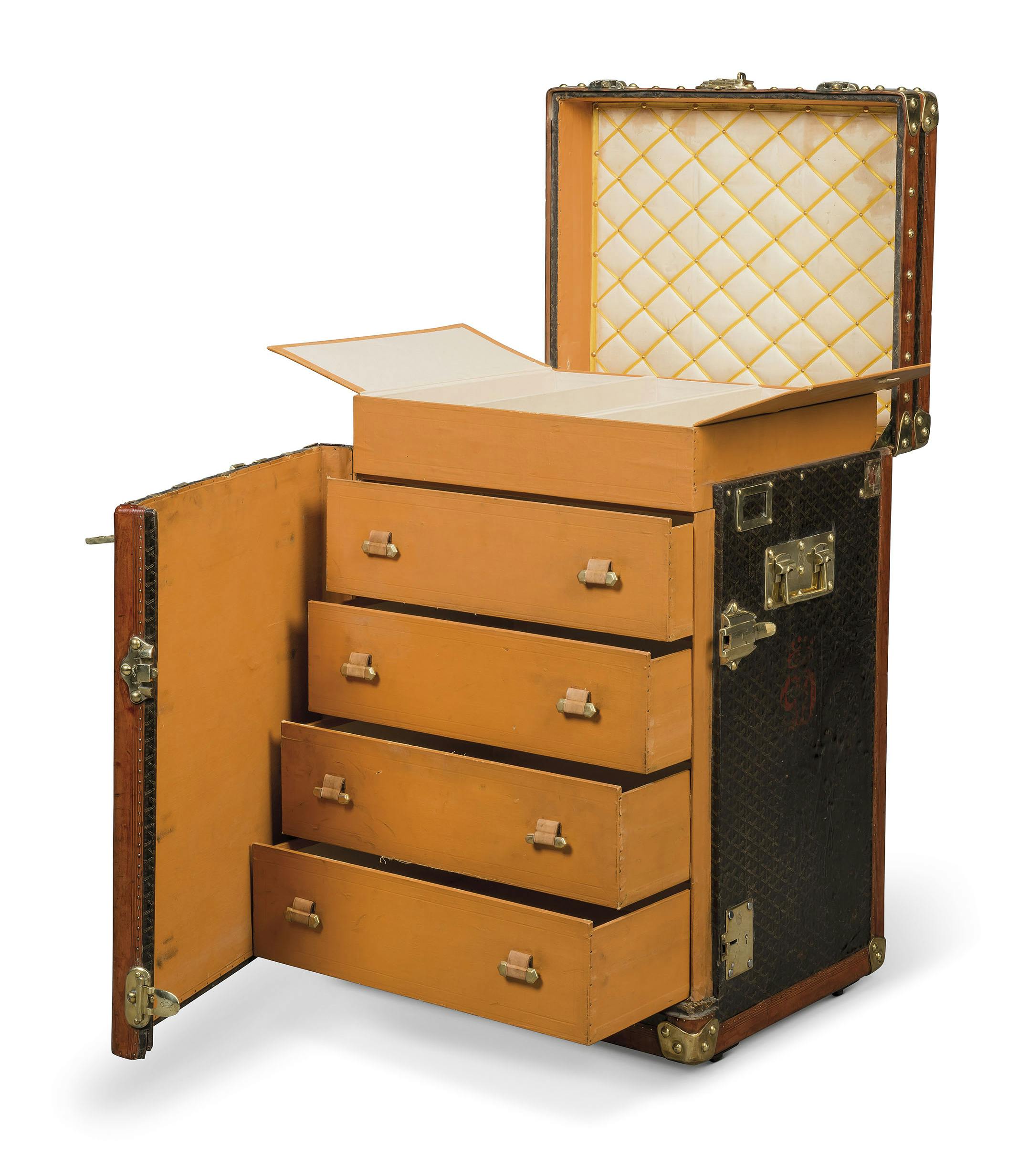
The 'Goyardine' – a chevron-patterned coated canvas made from hemp, linen and cotton – was first exhibited at the World Exhibition of 1900 and remains nearly impossible to counterfeit. Unlike Vuitton, Goyard is still known for a degree of secrecy about its operations, and the history of the Goyard chevron pattern remains, to some extent, a mystery. At Christie's, London, in 2019, a Goyardine canvas lingerie trunk from the 1920s fetched £12,500 against an estimate of £10,000-12,000. Bentleys has an 'exceptional' bespoke leather steamer trunk, by Goyard, circa 1910, with brass locks, catches and original quilted lining listed at £25,000. The quality and beauty of the patination are second to none.
A further distinguished trunk-maker, Moynat of Paris, became associated with the motor car; in the Edwardian period, this was very much the preserve of the rich. Their creative 'automobile luggage' included, in 1907, a practical yet stylish design for a case to hold a spare wheel and tyre. At the same time, Moynat's innovative 'Limousine' suitcases incorporated a specially-designed concave bottom, allowing a snug fit to the roof of a car.
Related: Chanel: French Fashion Par Excellence
"French luggage is both stylish and chic, which explains its popularity," enthuses Simon Khachadourian. However, "English luggage was constructed to the highest standard, and is often of the finest quality". Tim Bent agrees. This may be the reason why pre-war English luggage can be relatively undervalued compared to French luxury brands such as Vuitton, Goyard, Moynat and Aux Etas-Unis: "English luggage is more understated, with less obvious branding… It's the complete opposite of today's throw-away society," says Bent.
Related: The Golden Age of Travel and the History of Luggage Tags
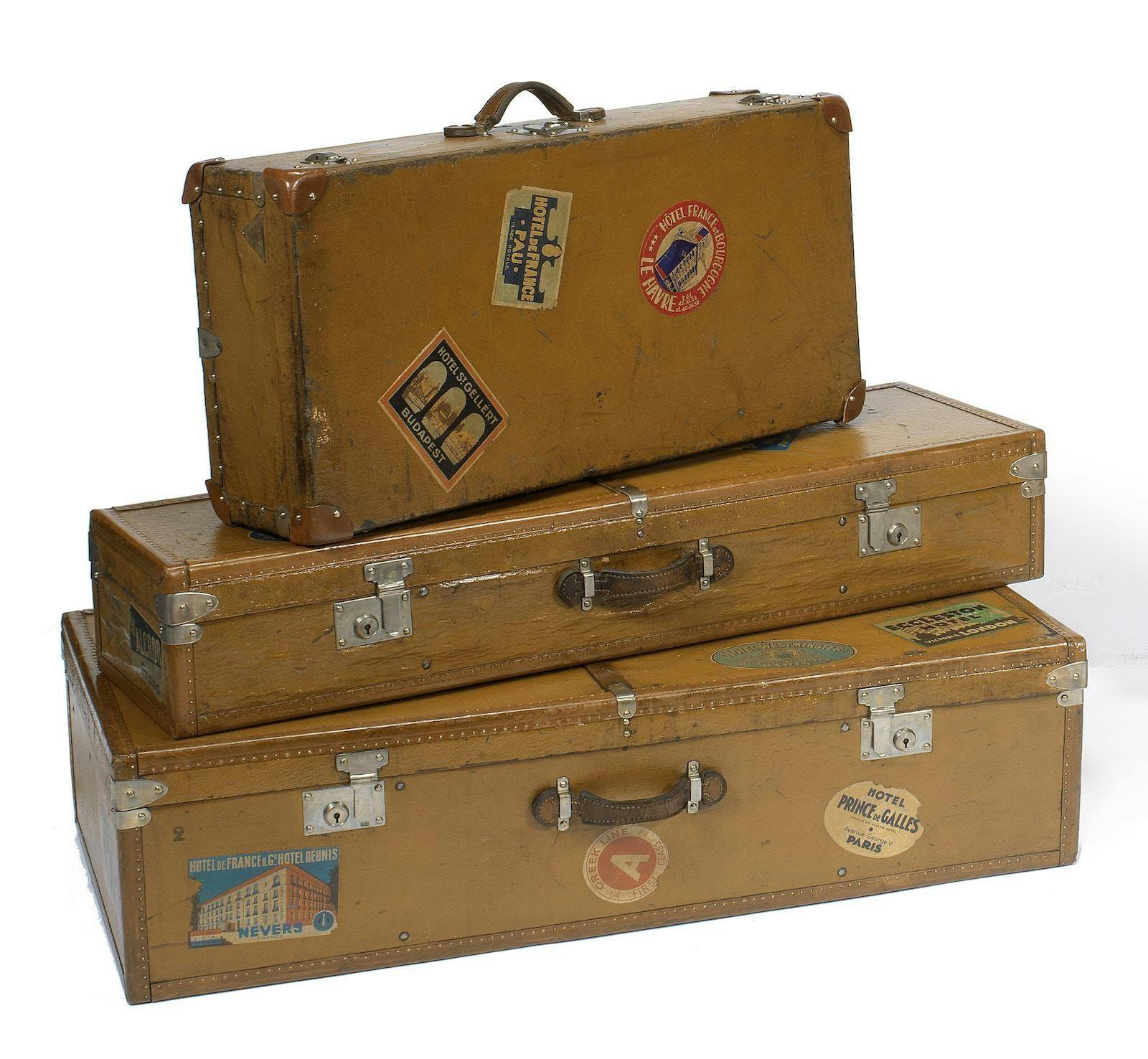
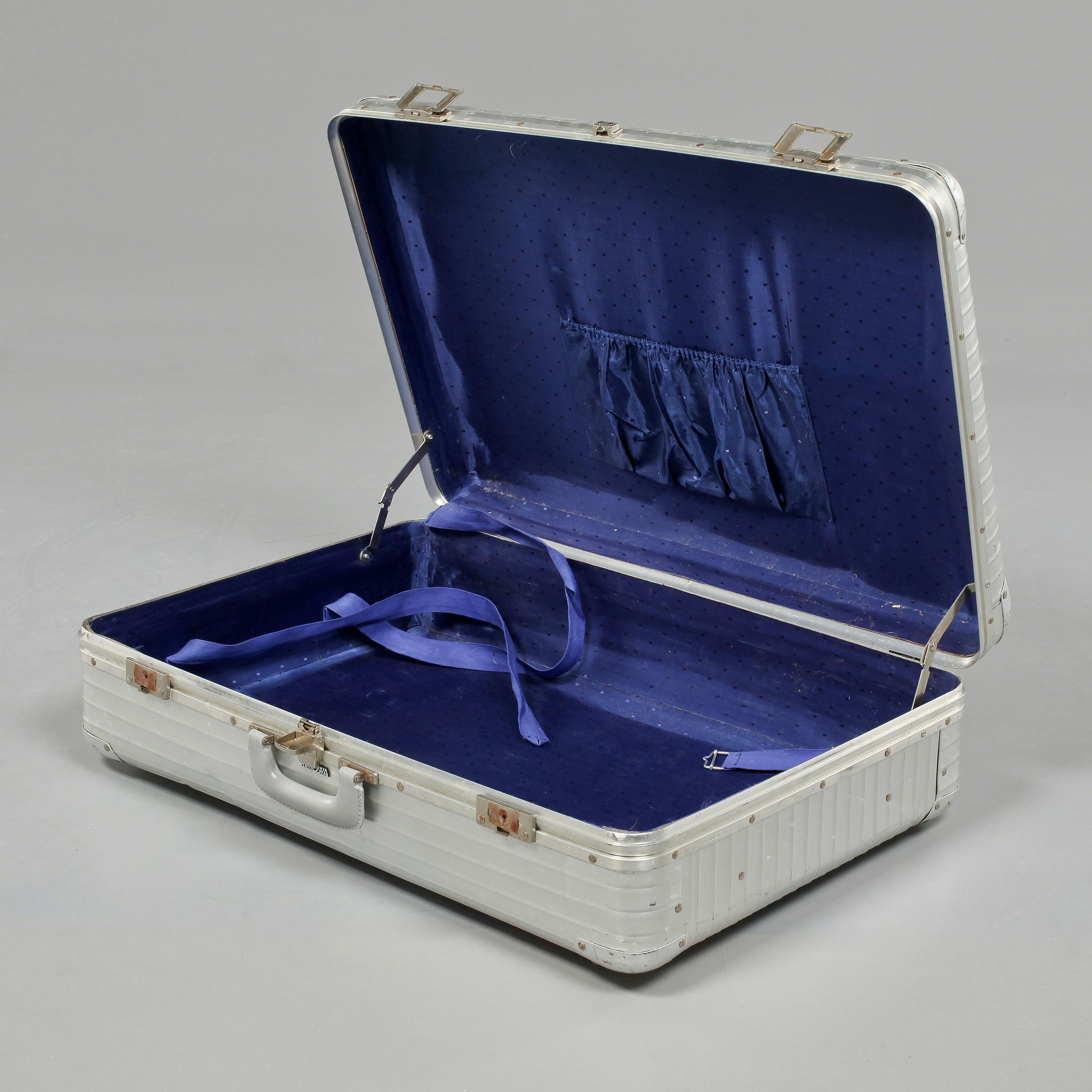
Old labels add to the romance – and can add to the value. A series of labels from a trip of several months might offer "a glimpse of a particular voyage… telling the story of a journey across Europe; from a time when travel was more enjoyable". But with the introduction of the jet airliner in the 1950s, the old-fashioned steamer and cabin trunks from the days of the great ocean liners became obsolete. Late-20th-century luggage was made for a different purpose: mass-produced, lighter in weight and tough enough to survive the unpressurised hold of an airplane. At the same time, modern luggage had to cope with the automated conveyor-belt systems of international airports. Post-war suitcases tend to be lighter in weight and 'hard-shelled' with rounded, streamlined edges. At the other end of the market, 1950s, ‘60s and ‘70s Samsonite luggage is very affordable, with the stylish Samsonite Vanity Case regularly selling for well below $100 online.
Related: Hermès: A World of Leather and Silk
As with any other antique, it's advisable for aspiring collectors of antique and vintage luggage to buy from a respected dealer or an auction house with a knowledgeable specialist. Originality and condition are important. That said, fakes are rare, if not completely unheard of. Bent and Khachadourian agree: "Vintage luggage is difficult and expensive to fake and rather obvious to spot. Unlike the problem with modern Louis Vuitton handbags." And "to replicate the quality of antique luggage today, one would need to go bespoke."
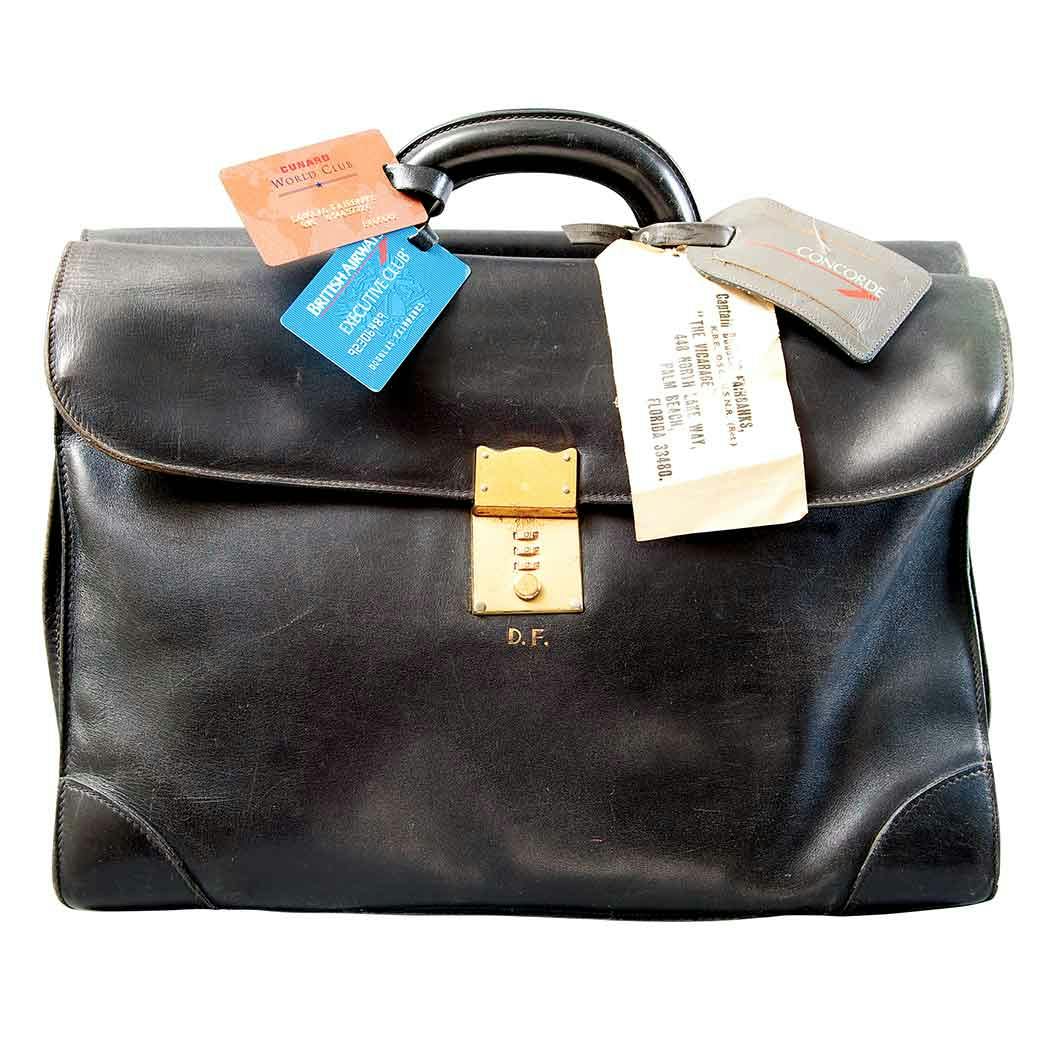
Provenance can add considerable value. In 1997, the famous ‘Private and Public Collections of TRH the Duke and Duchess of Windsor’ sale at Sotheby’s included the Duke's collection of Goyard suitcases, including a shirt case and shoe case; a 1950s attaché case of tan hide from Davies of London; and a Gladstone Bag from T. Anthony of New York. A Louis Vuitton Steamer Trunk from the collection of Douglas Fairbanks Jr. made $5,937 (including buyer's premium) at Doyle's New York in 2011, and a monogrammed Dunhill Double-Sided black leather briefcase, with a British Airways Concorde label still attached, fetched $687 (including buyer's premium) in the same sale. More recently, three of Yves St Laurent's Hermes 'Fleche D' Or' suitcases in crocodile leather made €29,000 against an estimate of €4,000 to €6,000.
Explore more articles on collecting with Barnebys Magazine
Article by Luke Honey.
Luke Honey is a former auction specialist (Phillips, Bloomsbury Auctions and Bonhams), turned writer, columnist and antiques dealer. He lives in London with his wife and book-munching whippet.