

In a world where fashion evolves at a rapid pace, choosing the right brands and spotting perfect purchases can be a real challenge, especially when it comes to luxury. To guide you through this complex and ever-changing world, we had the privilege of interviewing Mathieu Dorlé, fashion consultant at Rossini.
See also: 10 Reasons to Buy Vintage
Barnebys: How has the market for vintage fashion and accessories developed in recent years?
Mathieu Dorlé: It may be surprising, but it’s important to remember that fifteen years ago, almost none of today’s major second-hand fashion market players like Vestiaire Collective or Collector Square existed! Fashion auctions did exist but tended to sell only very high-end items, complete collections, or pieces from celebrities. In the past five years, this market has completely transformed into a thriving sector. For example, in 2023, there were 52 million second-hand fashion purchases in France, the global second-hand fashion market is worth $34 billion annually, and the fashion sector accounts for nearly 50% of the global second-hand market.
Related: The 8 Most Popular Fashion Brands
Which brands are worth investing in?
There are three types of brands to invest in:
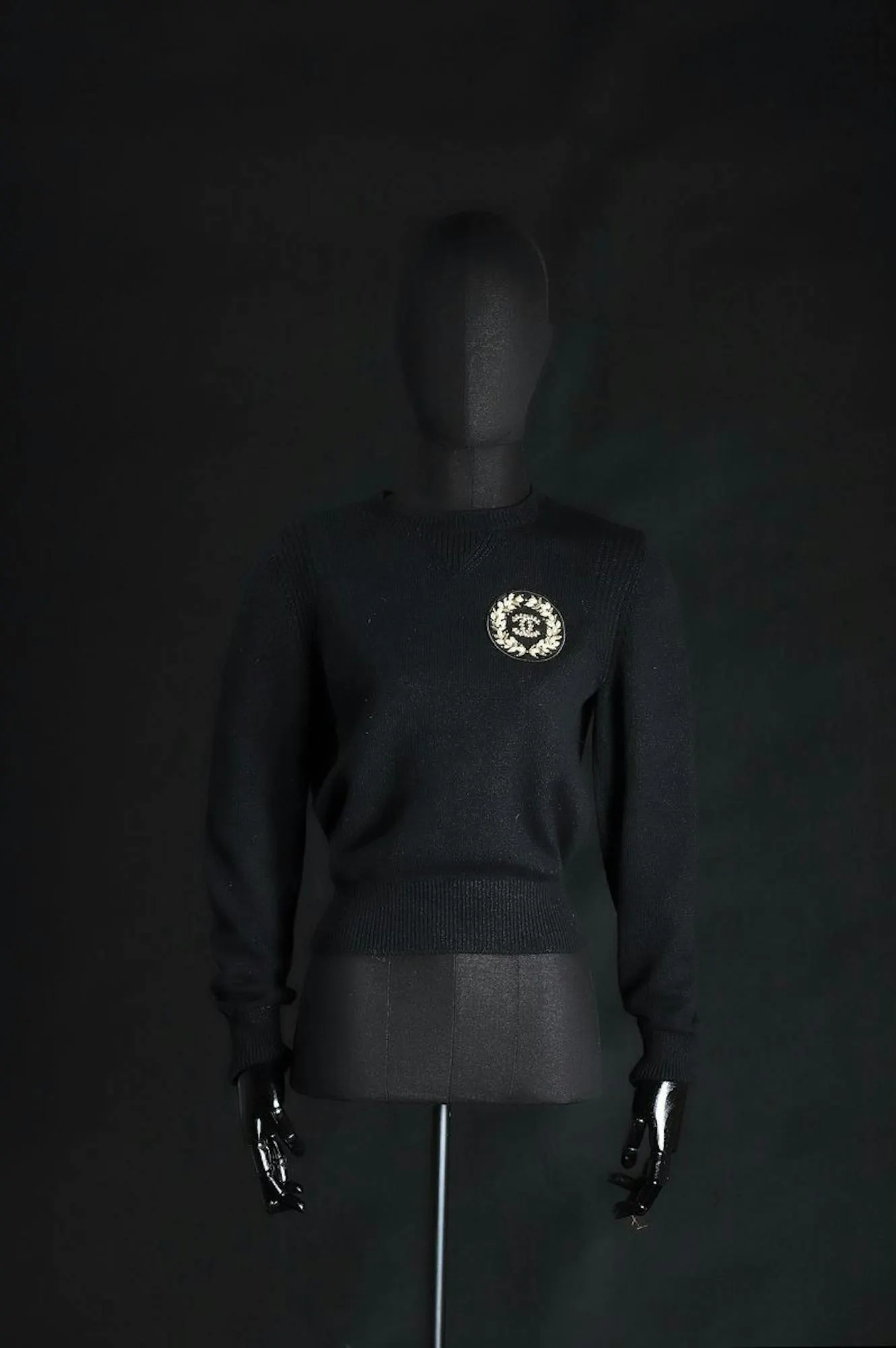
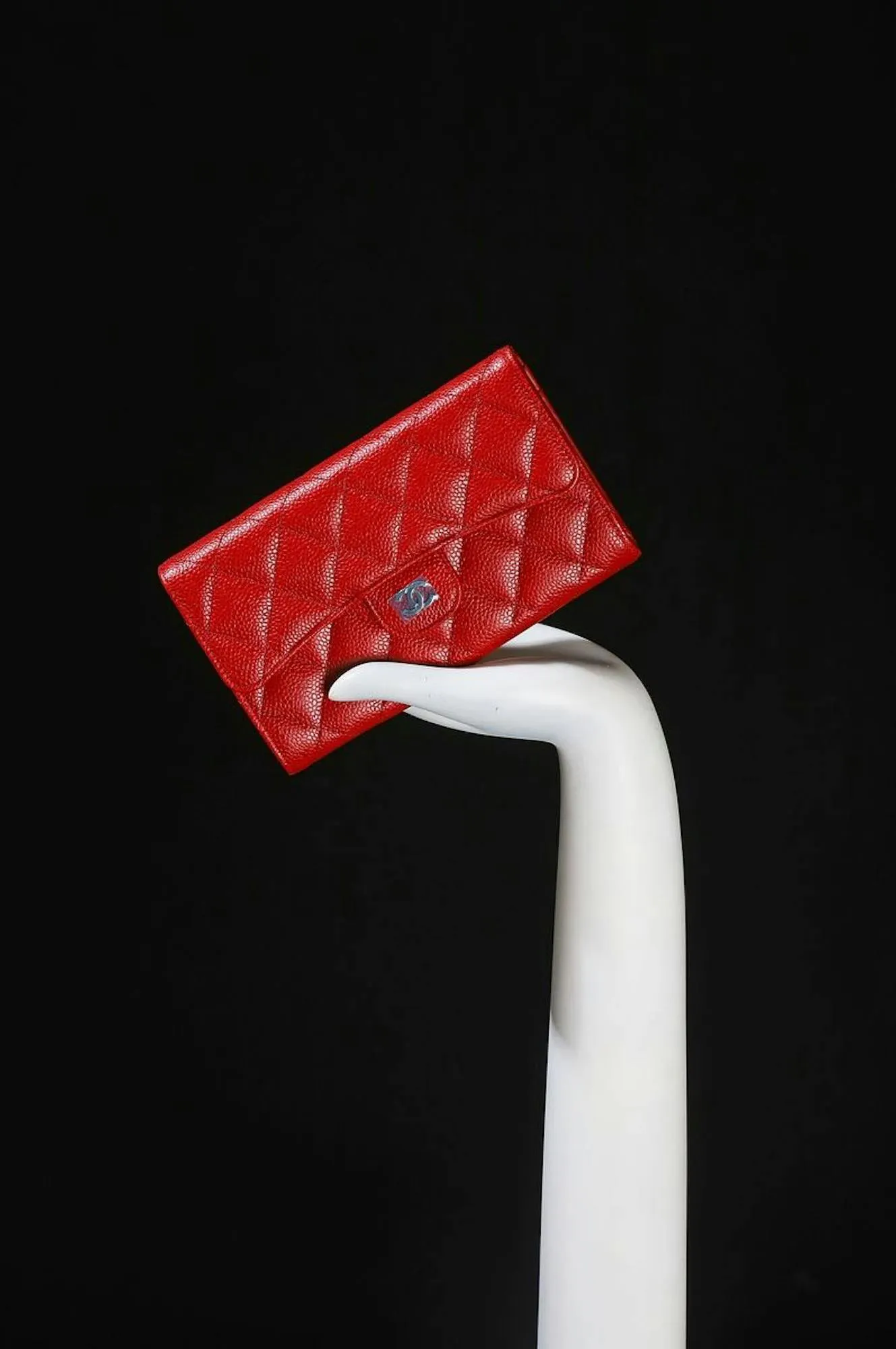
The most talked-about are those that increase in value over time, even when bought new in a boutique. For the time being, the list is very short, limited to five names and a number of pieces. These are, of course, Hermès, with its famous Birkin, Kelly and Constance bags and their respective variations, as well as some of the company's shoes and silk scarves. Then there's Chanel, with the Timeless, 2.55 and Wallet on Chain bags, a selection of shoes, and the must-have tweed jacket if it's got all the Chanel hallmarks. Louis Vuitton's luggage and certain bag models are also worth investing in, as are certain sneakers. And finally, at Dior, the trend seems to be for the Lady Dior bag, if it is in a specific color or animation. The only younger House to have an item with almost immediate value, even when new, is The Row brand, created by the Olsen twins in 2006, with their Margaux bag, which some connoisseurs are calling the new Birkin. If buying these pieces new directly from these Houses is already considered a good investment, it is clear that they are even more desirable on the second-hand market.
Related: Buying Luxury Watches: In Conversation with a CEO
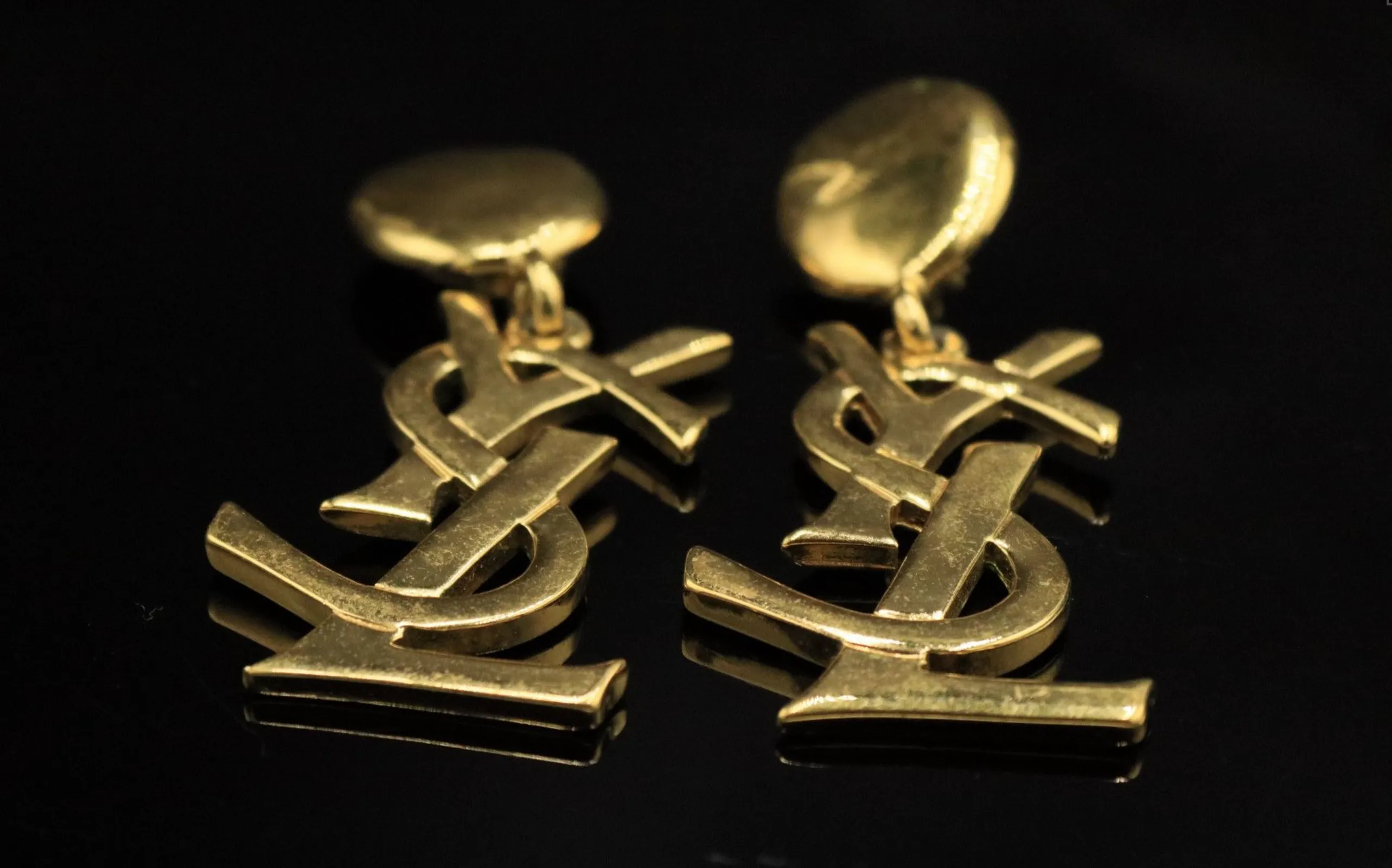
In addition to these, there are other high-profile luxury brands that maintain their value when bought second-hand. These include Prada, Gucci, Goyard, Moynat, Yves Saint Laurent, Céline, Bottega Veneta, Loewe, and Fendi.
Brands like Miu Miu, Chloé, Marc Jacobs, Dolce & Gabbana, Givenchy, and Kenzo are not included in this list, as they are good investments only for very specific pieces or have struggled to produce iconic items that retain substantial value over time.
Related: Yves Saint Laurent: Fashion’s Foremost Initials
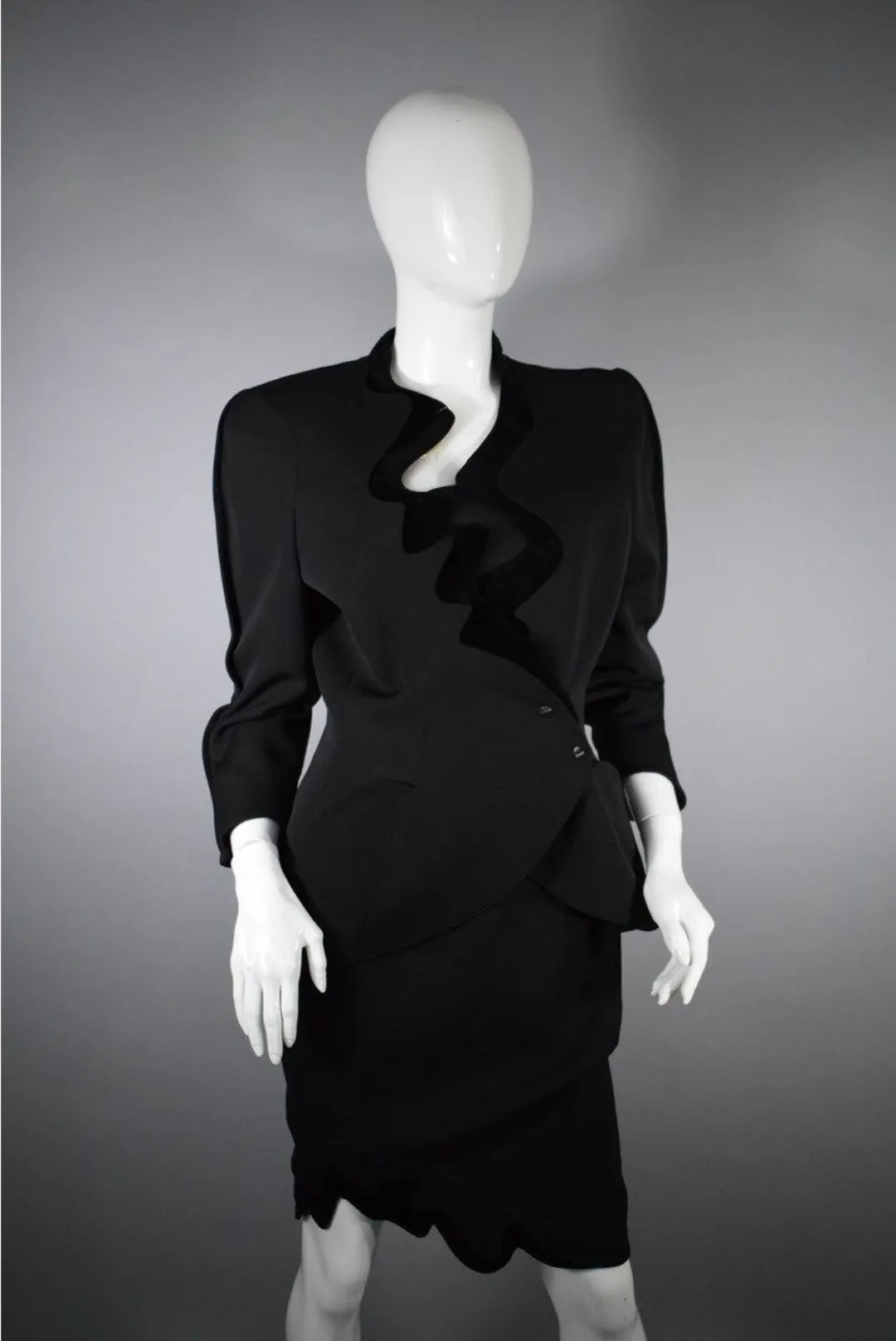
The third category of investment brands appeals to more discerning buyers. These include brands with a promising future like Jacquemus or The Row in its early days, or those experiencing renewed interest like Thierry Mugler, Jean Paul Gaultier, and Issey Miyake. This investment strategy requires some knowledge or luck. Personally, I regularly buy vintage pieces from Gianfranco Ferré and Marithé + François Girbaud.
Related: Issey Miyake: The Art of Sculptural Fashion
What advice would you give to someone looking to buy luxury vintage pieces?
This is the million-dollar question. First, before deciding on the type of investment, you need to identify what kind of investor you are.
There are traditional investors who buy to wear daily, or at least regularly. For investors who wear their purchases, there are guidelines to follow to avoid diminishing the value of their items over time. Naturally, one should opt for durable items like a bag or costume jewellery.
Here are some tips to follow:
- Avoid light colors for investment items, regardless of the type. Light colors are too fragile; any minor defect from use will be immediately visible and devalue the item. For example, with a bag, the resale potential is almost halved because informed buyers will not take the risk of acquiring it later.
- Avoid fragile materials. Besides color, the durability of the item is important. For example, if buying a classic Chanel Timeless bag, avoid lambskin and choose grained calfskin leather, which is much more durable and less sensitive to shocks, scratches, and rubbing.
Related: Designer Costume Jewellery: The Favourite Accessory
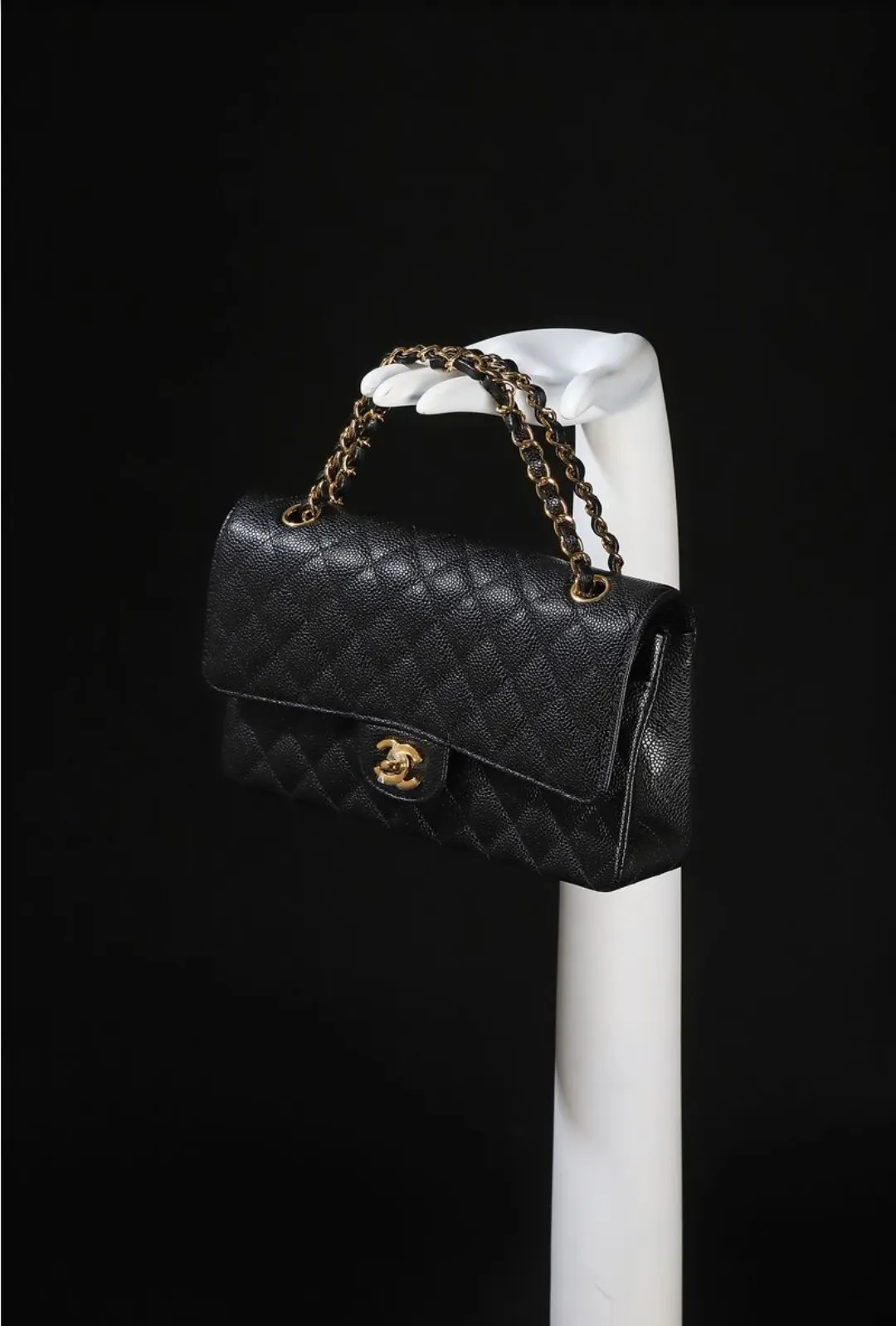
- Think timeless: In 2024, we are fortunate to live in a time where many styles from previous decades have already made a comeback at least once (such as the return of the 90s or 2000s trends). With these consecutive comebacks, it’s easy to distinguish what has returned, what hasn’t, and especially what has never gone away.
For example, Chanel costume jewellery has always been popular. Louis Vuitton luggage (note the distinction between luggage and handbags) has been popular for over 100 years as a fashion or luxury accessory. The three great classics of Hermès, the Kelly, Birkin, and Constance bags, testify to their legitimacy (although the Constance has seen a significant visibility boost over the past ten years, cementing its iconic status). The Lady Dior bag is well-positioned in terms of timelessness and is gaining popularity. At Gucci, the Bamboo and Jackie models have been around for over 70 years!
Related: How the Gucci Bag Got its Bamboo Handle
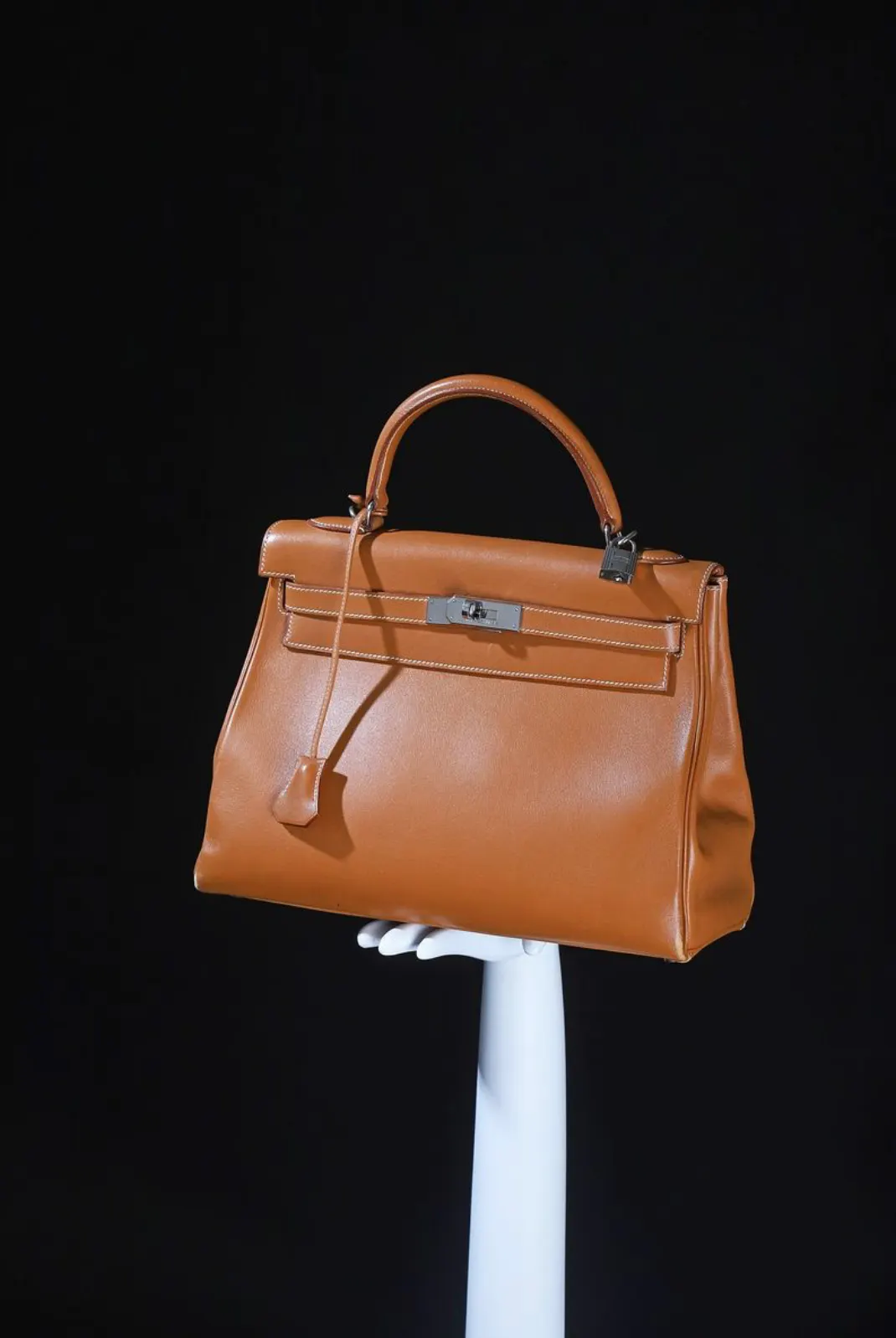
On the other hand, if you are an investor who likes to keep treasures locked away and only wear them for special occasions, you can consider all types of items, and the advice differs:
- Always aim for a standout or striking piece. Whether it’s a bag, clothing, or an accessory, the keywords are personality, brand codes, and rarity.
- Compare prices before purchasing. Is the desired item from a notable collection? Is it easily available online or for resale? Second-hand fashion items are like wine: there are good years (understand good collections) and less memorable, less prolific years. From one collection to another, a Roberto Cavalli dress can be worth $100 or $15,000 on the second-hand market, for example.
- Don’t rely on the original store price. It means nothing and doesn’t systematically reflect the second-hand market. Once, I was entrusted with auctioning an entire collection of Saint Laurent lambskin trousers, in new condition, from 2012 to 2015, never worn, with their tags. These trousers are currently sold in stores for about $4,000. We struggled to sell them for more than $250.
Once an item is acquired, even if it’s intended to be worn only on rare occasions, check the conditions and circumstances you’ll be in during the event, like the weather. I personally made the mistake of going on a rainy weekend with a Louis Vuitton Steamer bag in canvas and natural leather and regretted not checking the weather beforehand, as water stains on these leathers are irreversible.
Related: Louis Vuitton: The Man Behind the Monogram
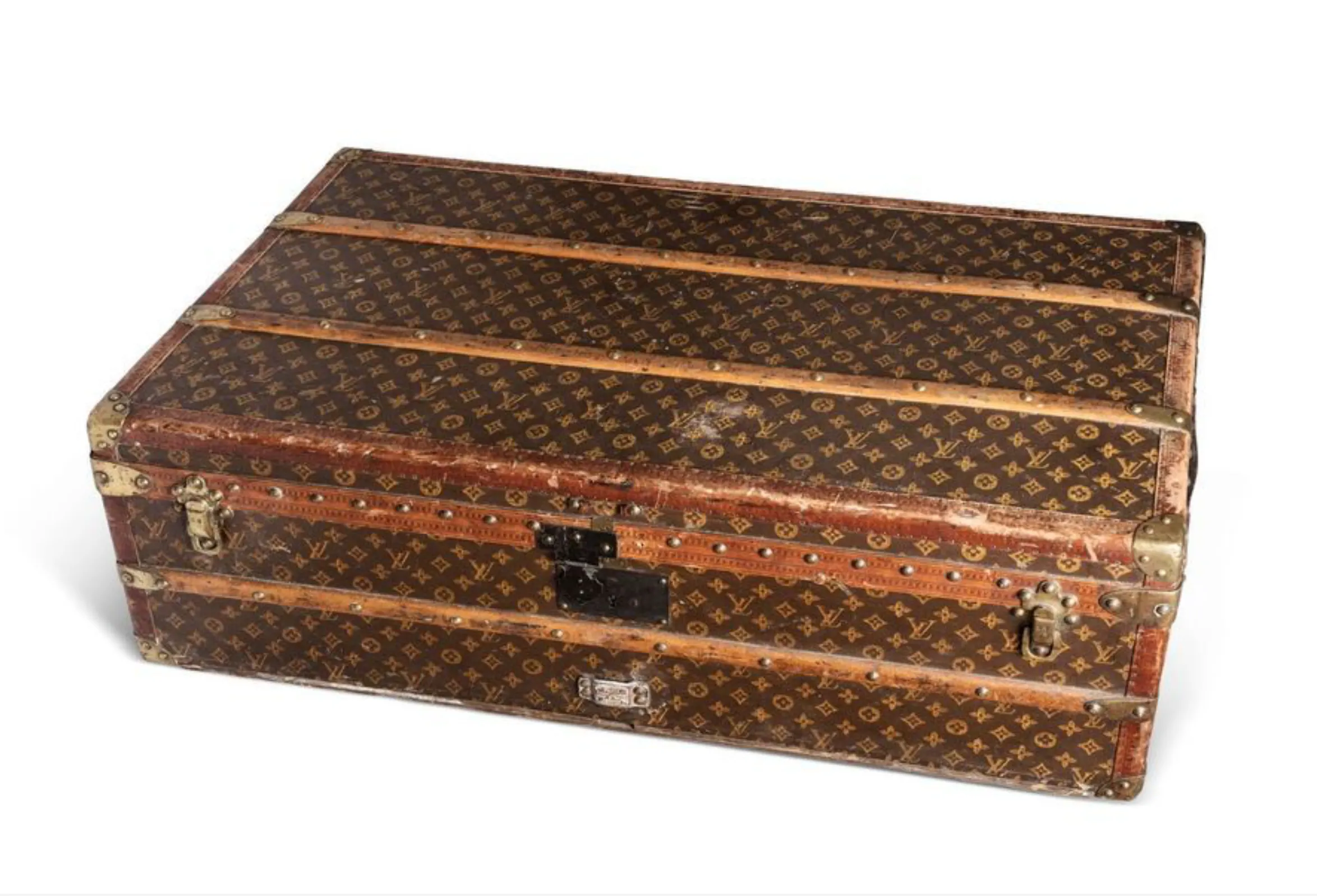
Finally, if you are a passionate investor who doesn’t plan to wear the pieces, and there are more of you than one might think, then anything goes. However, one golden rule applies: research and educate yourself as much as possible before each purchase. Look at auction results, read available press articles on the collection or the year of the piece’s creation, check current and future trends, and, above all, verify the condition with great care. With all these keys in hand, regardless of the type of investor you are, you can be sure to find the dream piece that will increase in value as it ages alongside you!
Want more articles like this straight to your inbox? Subscribe to our free newsletter!
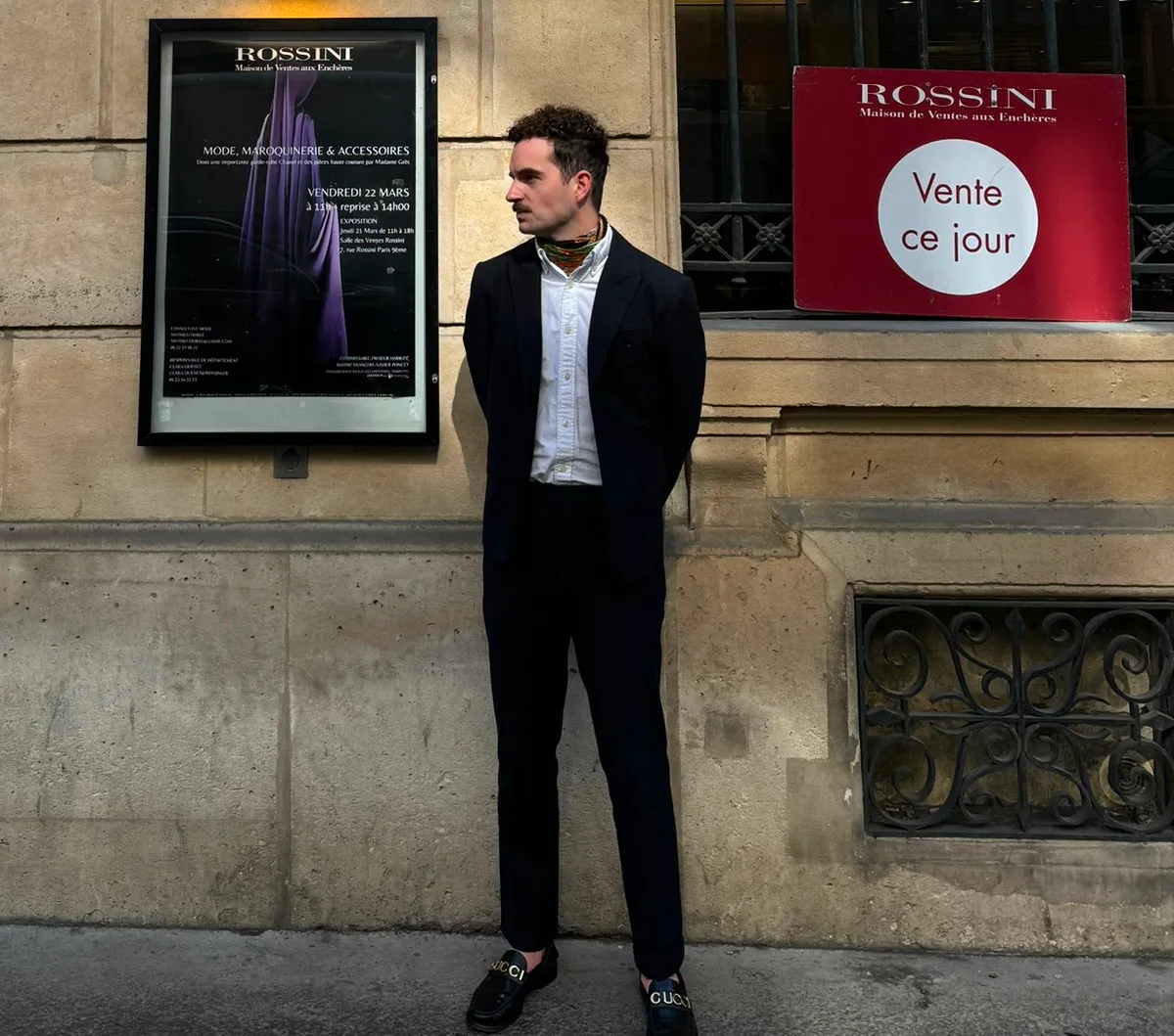
After a childhood spent between Fontainebleau and Paris, and a brief career in fashion press relations, Mathieu Dorlé turned to the second-hand fashion and luxury goods market in 2012. He started by collaborating with platforms like Collector Square, then continued with auction houses, where he has remained since 2015, developing a modern perspective on a rapidly growing market.
Today, Dorlé is a fashion consultant at the auction house Rossini, where he created the Fashion department.