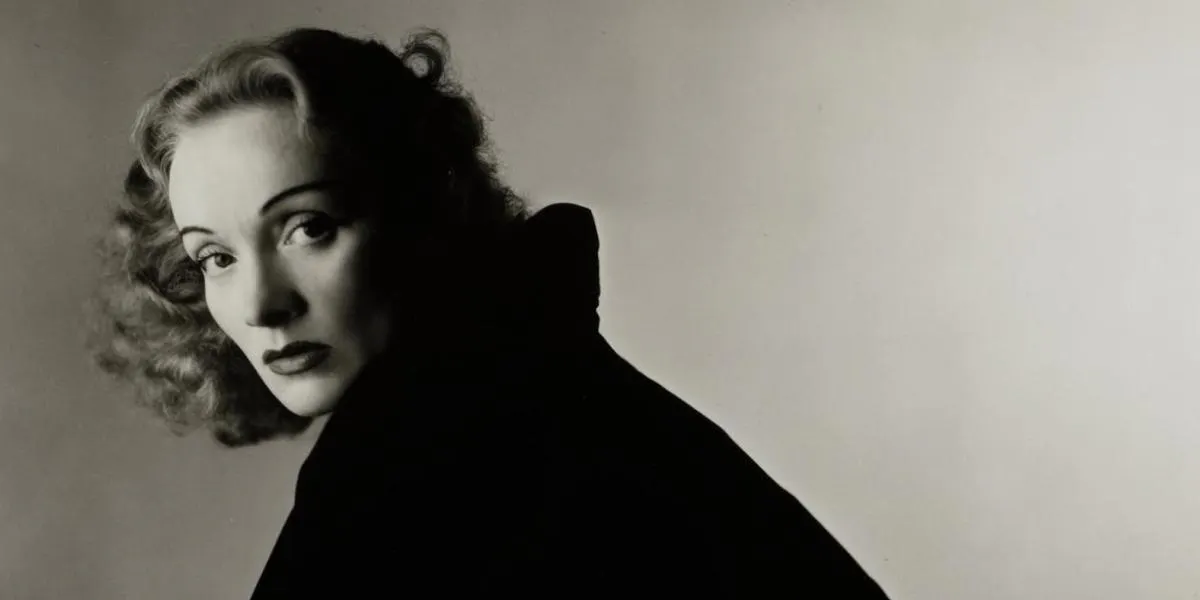
It is 1930, the film Morocco starring Marlene Dietrich and Gary Cooper is showing in cinemas and a cabaret scene begins. Dietrich appears not in a sultry, glamorous dress, but in a full tuxedo and top hat. The audience in the film are shocked and boo as Dietrich carries on her act – and it wouldn't be surprising if many in the cinemas were also shocked during the time. Yet, the sight of Dietrich in her tuxedo and top hat today is iconic, not just in film history but also in fashion history (and was later channeled by Madonna).
I am sincere in my preference for my men's clothes – I do not wear them to be sensational… I think I am much more alluring in these clothes.
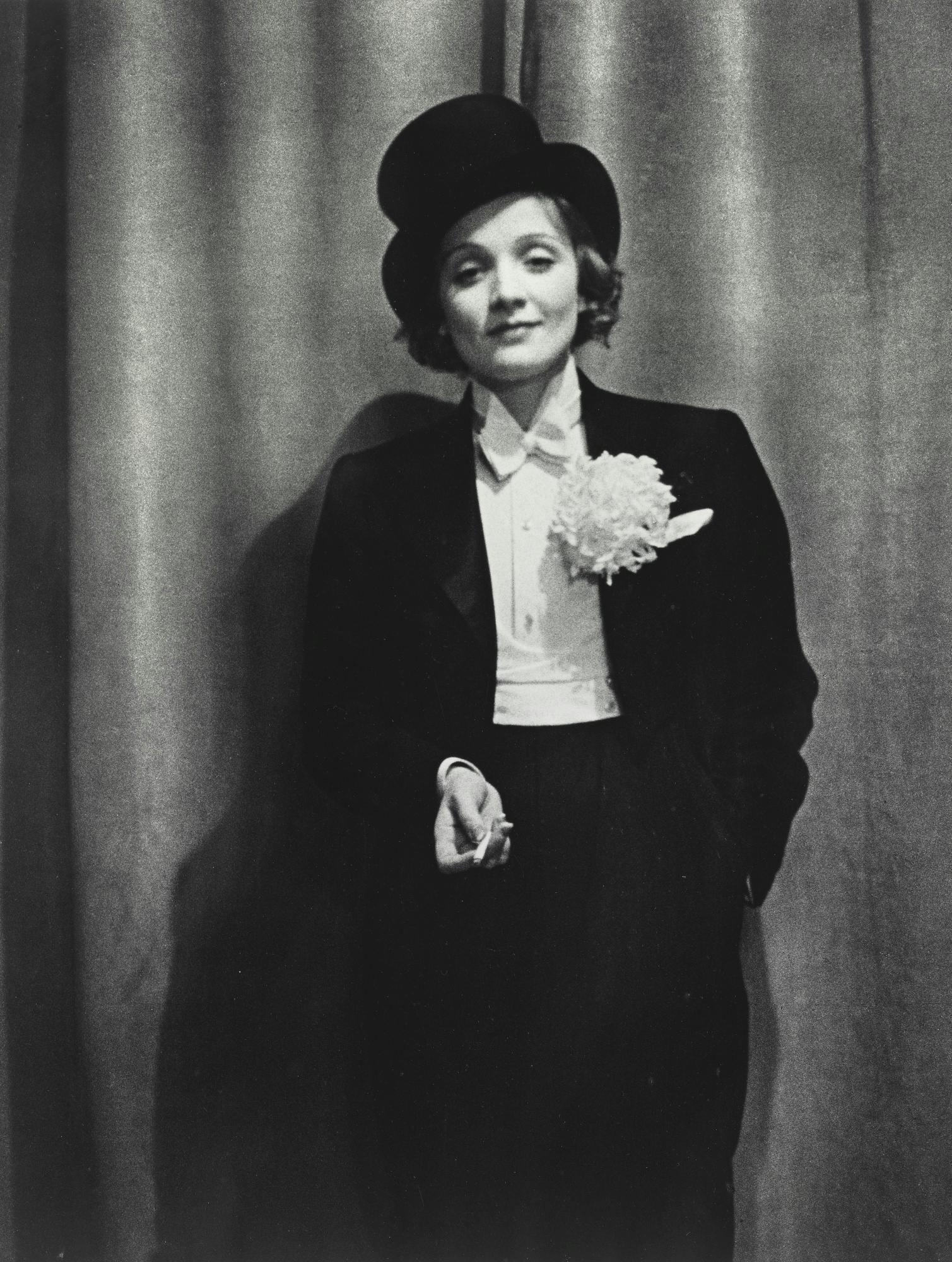
The 1930s is best remembered in fashion history as a time of feminine dresses, fur and sultry glamour where actresses are adorned with pearls and feathers on their silhouette-highlighting dresses. Marlene Dietrich also adored the glamour of the age, rarely seen without a fur coat or stole, yet she also stood strong in her desire to wear trousers and adopt the androgynous style.
Related: David Bowie: The Fashion Icon
After wearing the tuxedo in the film Morocco she then wore it in public in 1932 for the premiere of The Sign of the Cross, which caused amazement among the public when the photographs hit the newspapers the next day. Although Dietrich was certainly not the first female to wear trousers (Parisian women in particular had been wearing the style for years), she was the first Hollywood actress to wear them in public (and to a premiere!) and to really bring this androgynous style to the big screen and to the public eye.
Related: The First Ladies of Fashion
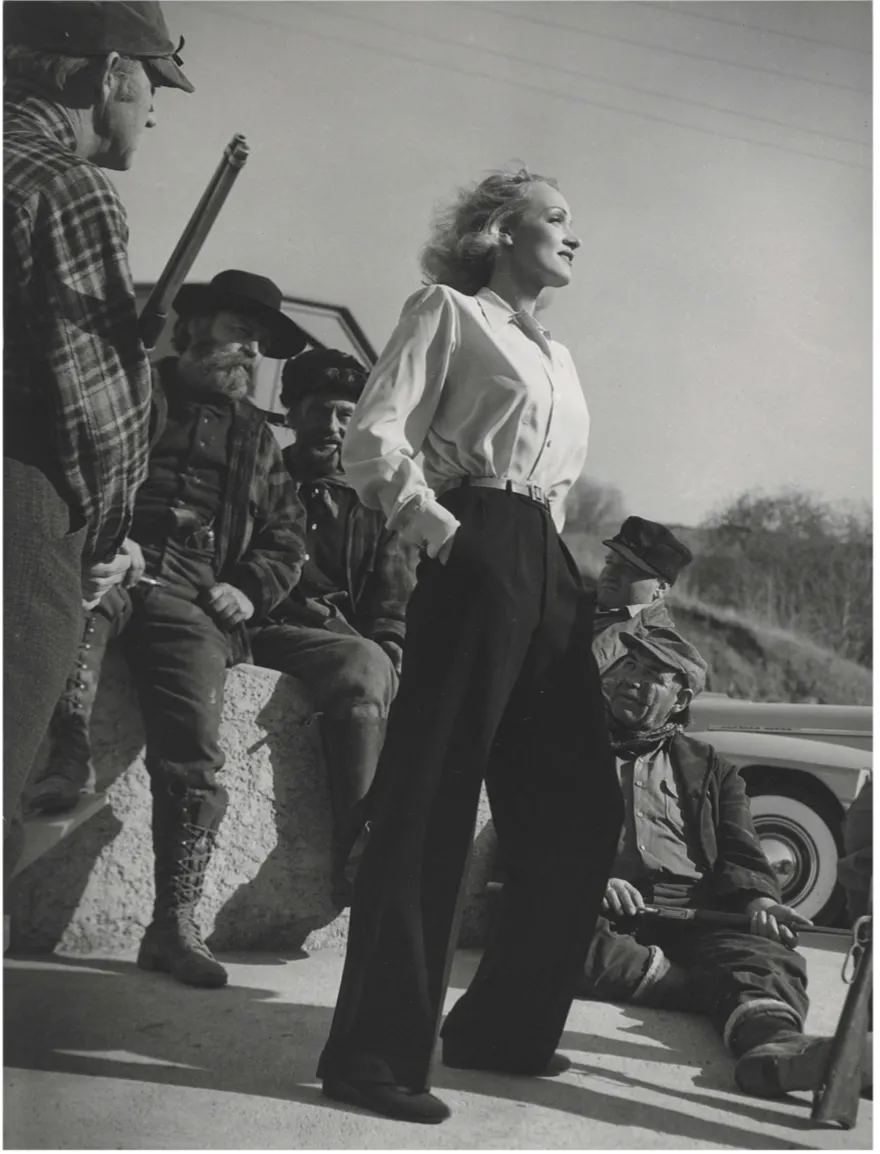
The outlandish, promiscuous yet alluring German actress and her love of the androgynous style paved the way for future Hollywood actresses to wear 'male' clothing comfortably and without judgment. Greta Gabo and later Audrey Hepburn and Marilyn Monroe were all famously photographed in trousers.