1. Her father died in the sinking of the Titanic
Peggy Guggenheim was born in 1898, the daughter of Benjamin Guggenheim and Florette Seligman. Her uncle was Solomon R. Guggenheim, a great art collector and owner of the eponymous museum in New York. In 1912 at the age of 14, Peggy lost her father. Mr Guggenheim, who was in Paris with his lover, decided to return to America. The ship on which he was supposed to travel had broken down, so he opted to cross the Atlantic on the Titanic. On April 15, he lost his life during the shipwreck, but he died a hero – he is even depicted in the Academy Award-winning film by James Cameron. Giving up his place in the lifeboat to women and children, he waited for the moment of his death in a tuxedo, smoking cigars and drinking cognac.
2. Peggy was the black sheep of the family
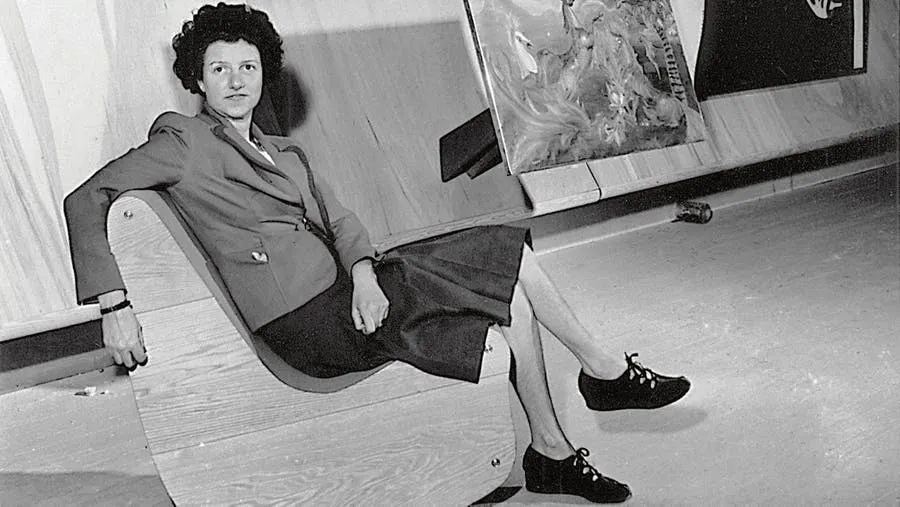
From her adolescence, Peggy expressed the need to be independent and free from the impositions of her family. With some of the $2.5 million she received after her father’s death (the equivalent of $30 million today), she embarked on a journey that took her from Niagara Falls to the Mexican border. She also expressed her rebellion through her appearance, apparently shaving off her eyebrows in high school to shock her classmates. A very bold and avant-garde gesture, and decades before it became a trend in certain subcultures.
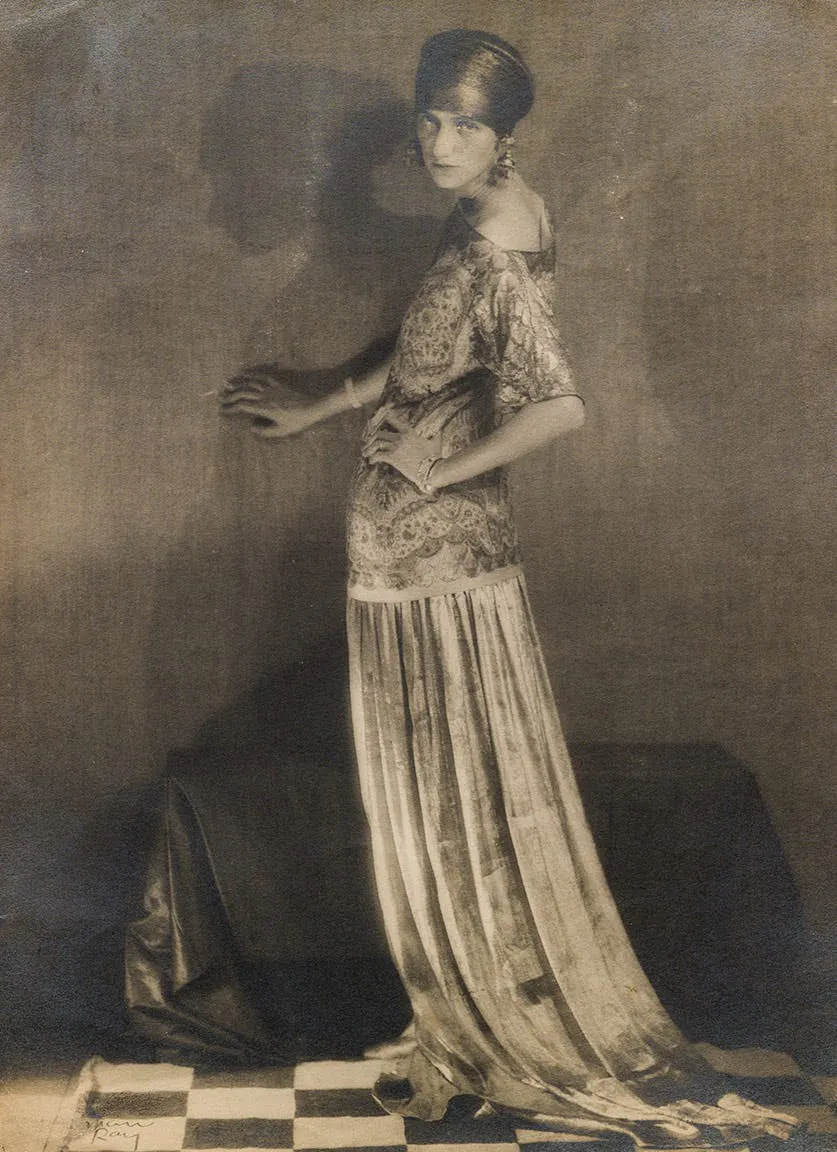
Peggy Guggenheim's life is studded with some family tragedies, starting from her father's premature loss.
3. Peggy had a very troubled family life
Peggy Guggenheim's life is studded with family tragedies, starting with her father's premature loss. He never had a good relationship with Peggy’s mother, probably because of his persistent philandering. Peggy started working at a New York bookstore in her early 20s, where she became introduced to the city’s intellectual circle. She soon married Laurence Vail, a penniless Dadaist, and they had two children together.
Through him, she began approaching the artists of the European avant-garde, such as Man Ray, Constantin Brâncuși, and Marcel Duchamp. The marriage dissolved, and Peggy moved to Europe with her children. In 1928 she met her great love, the writer John Holms, who tragically died six years later during a minor operation. Peggy then had many notorious affairs. In 1941 she married the artist Max Ernst, but they divorced only two years later. Tragedy in Peggy’s life wasn’t only confined to romantic relationships: one of her two sisters died in childbirth, and the other lost two children in an accident. Finally, Peggy's daughter Pegeen committed suicide at just 41 years.
4. Her first show was inspired by her daughter
Pegeen Vail Guggenheim was an artist, and it was her Peggy Guggenheim’s love for her art that inspired the first exhibition at the Guggenheim Jeune Gallery in London in 1938. Peggy Guggenheim's support of artists and ultimate contribution to post-war art were fundamental to the dissemination of new movements and trends. Among the various then-unknown artists she exhibited in London were Wassily Kandinsky, Yves Tanguy, Henry Moore, Alexander Calder, Jean Arp, Max Ernst, Pablo Picasso and Constantin Brâncuși. In 1939, Peggy bought a large number of works of art to create her dream museum, but the war made this temporarily impossible.
5. The Louvre judged her collection worthless
During WWII, Peggy Guggenheim was in Paris, where she continued to buy artworks for her future museum. However, with the advance of the German army towards Paris, she was forced to return to New York. She asked the Louvre for help, hoping that she could leave her artworks in their protection for the duration of the war. However, the museum declined, declaring that her collection was not worth saving. With the help of a few friends, she smuggled her entire collection to the United States, labelling and declaring them as "household objects".
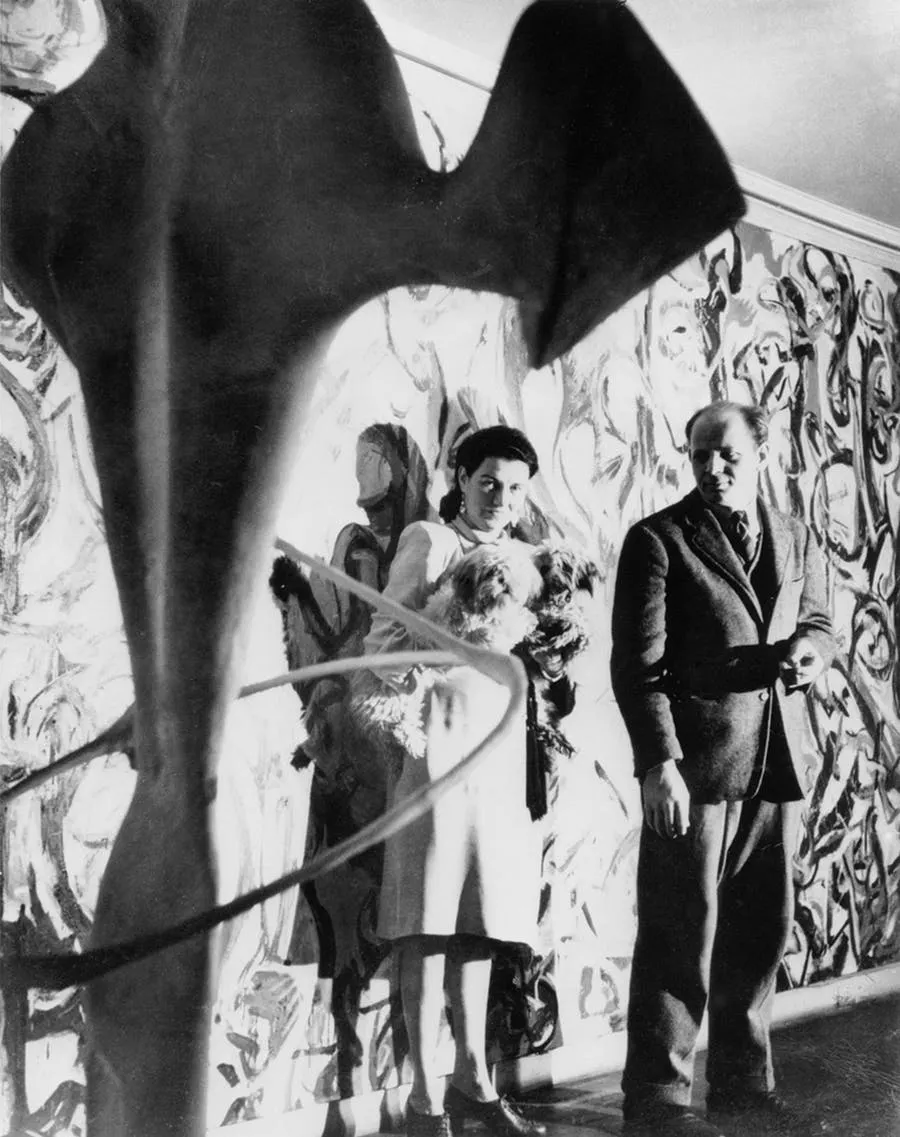
6. The choice of Venice for her museum was the Biennale
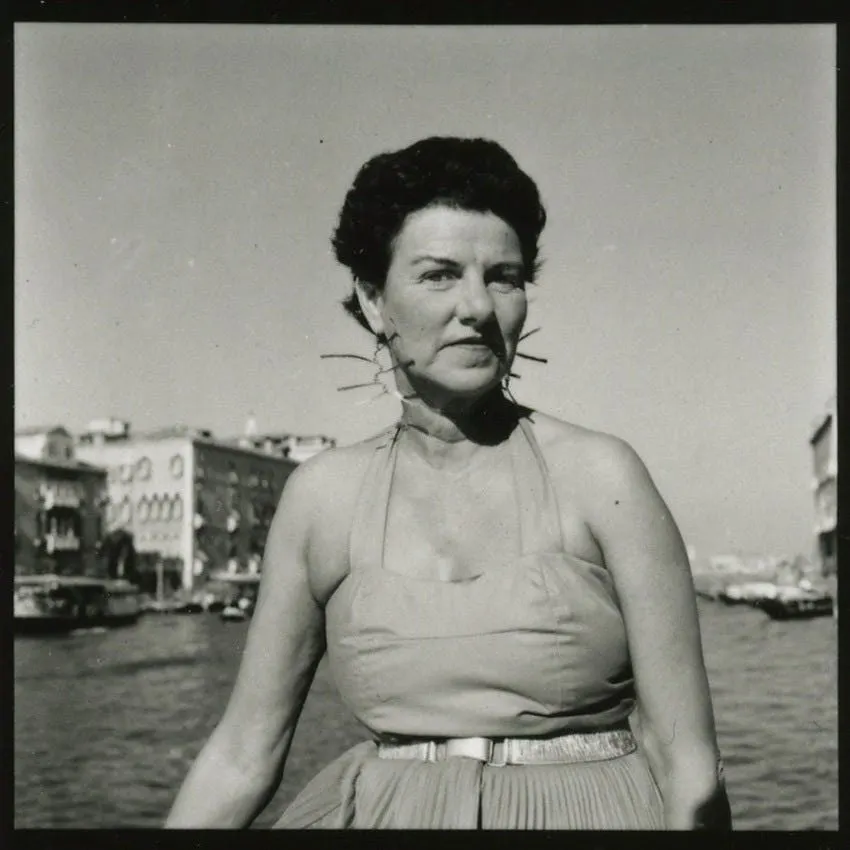
In 1942 Peggy Guggenheim opened the Art of This Century gallery in New York, and in 1948 she had her own pavilion at the Venice Biennale. Thanks to her, post-war American art arrived in Europe, and everyone could admire the works of Jackson Pollock, Arshile Gorky and Mark Rothko. Once the Biennale was over, she was still undecided about what to do with her collection, which had been temporarily imported for the event. The opportunity to buy the Palazzo Venier dei Leoni on the Grand Canal arose. She bought it and lived in it, and since 1949 it has been open to the public as the Peggy Guggenheim Collection.
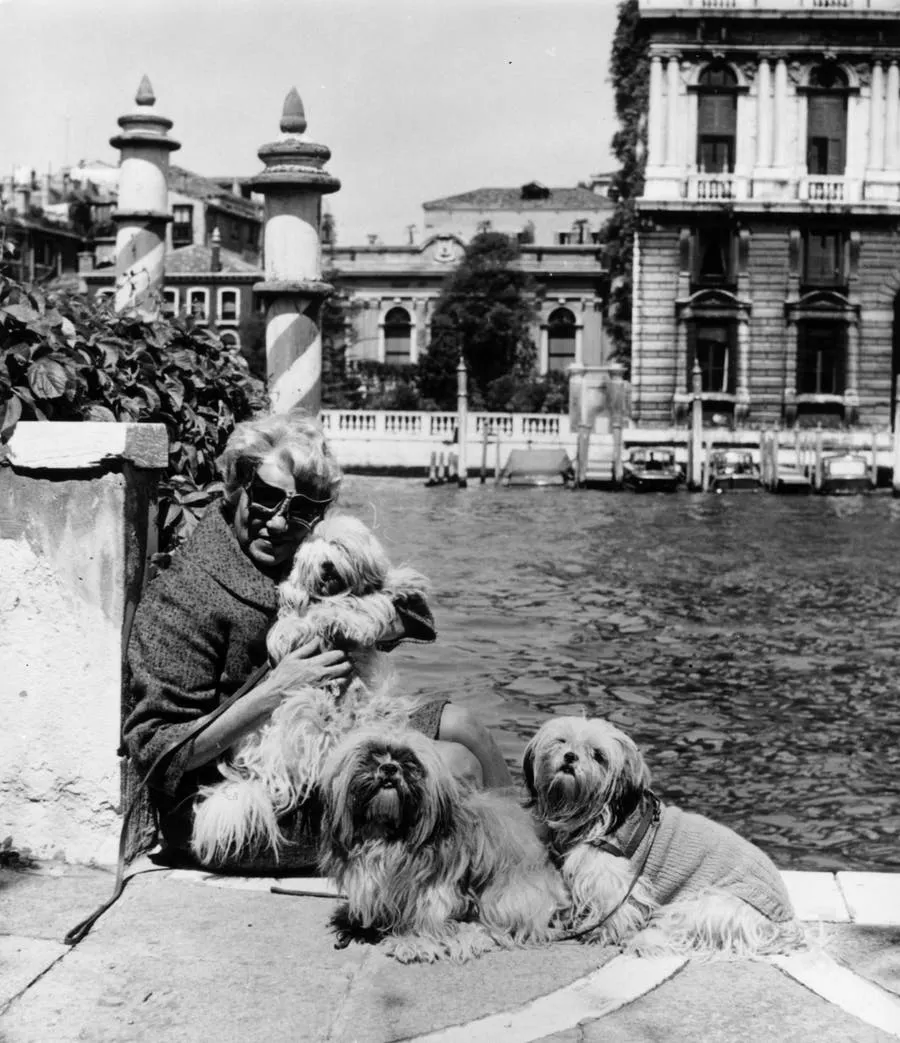
7. She loved dogs very much
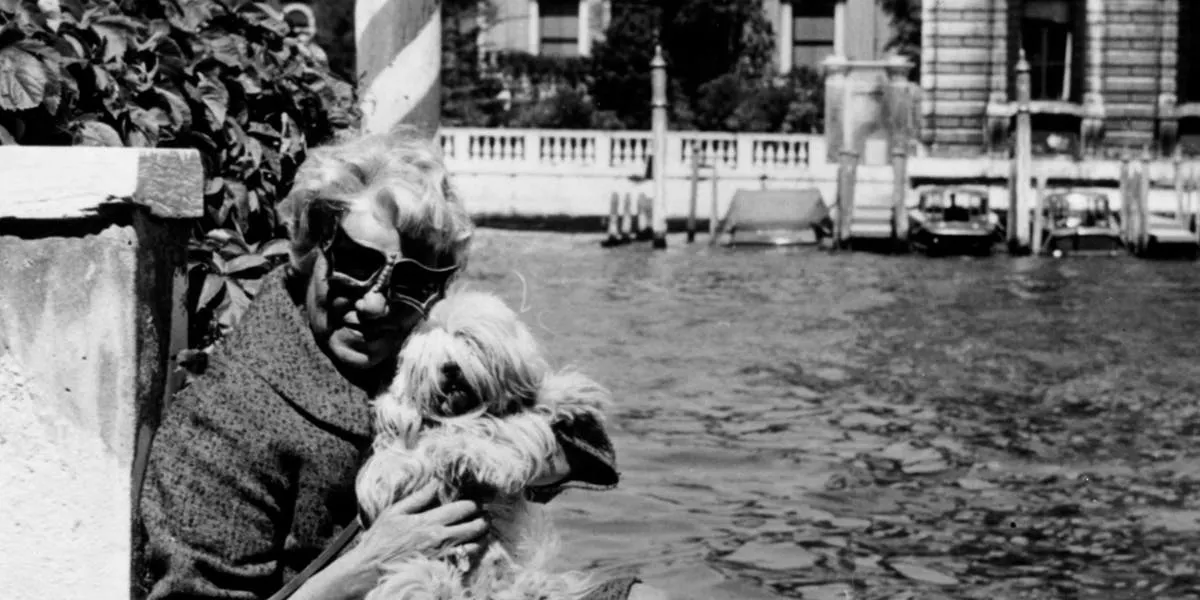
Her life was full of love: art, men, and... dogs! Peggy Guggenheim loved them and gave them special names: Cappuccino, Hong Kong, Gypsy, Emily, Butterfly, Baby, and more. Peggy Guggenheim died on December 23, 1979 at the age of 81 at the Camposampiero hospital in Venice where she was hospitalized for a broken foot. She is buried in the garden of her Palazzo Vernier, next to her beloved dogs.