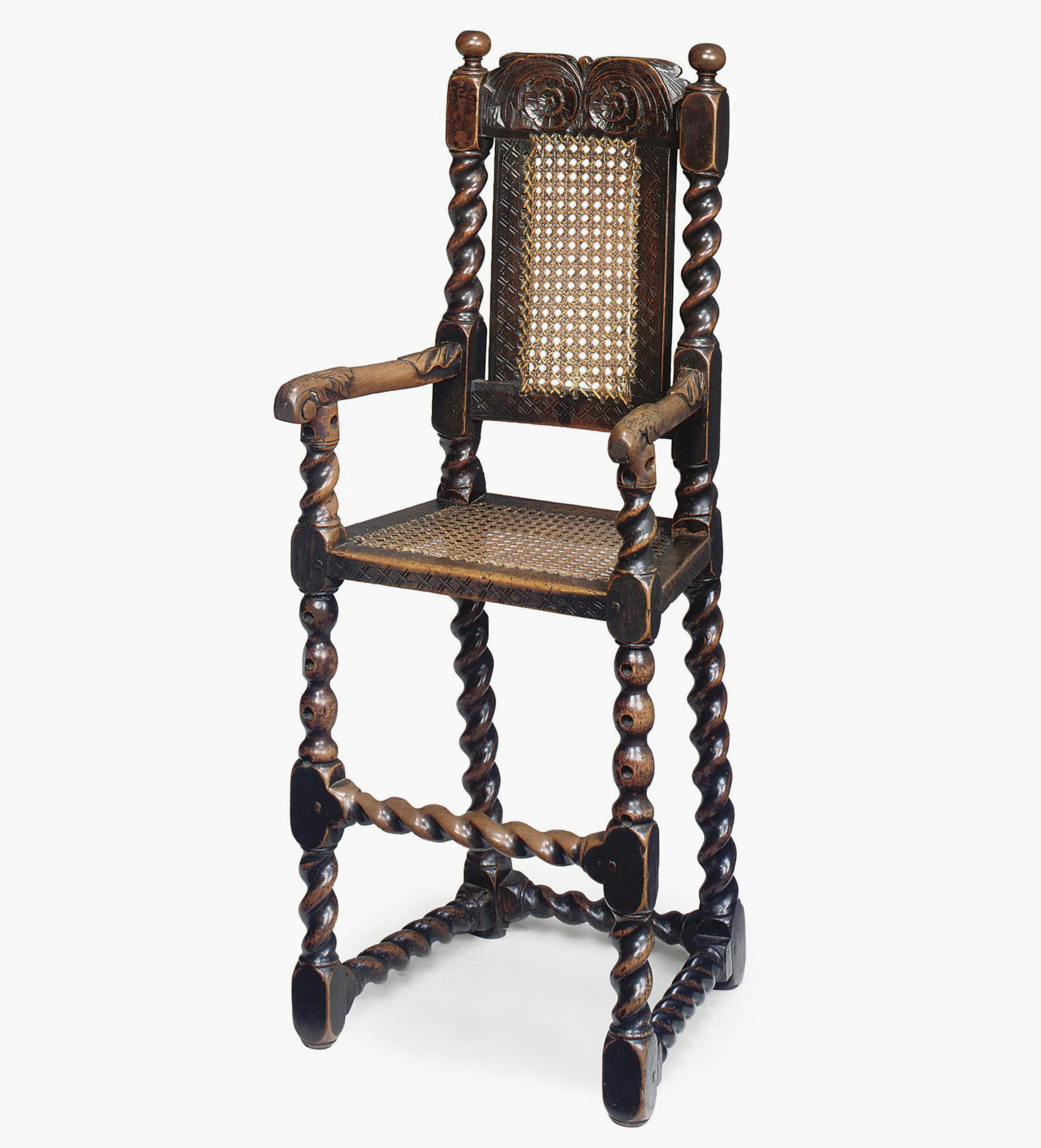
The tradition of making chairs specifically for children stretches back to the late 15th century, and it's thought that the first domestic nurseries may have appeared at this time. Until the late 19th century, children’s chairs were, in effect, miniature copy-cat versions of grown-up seating, following the stylistic conventions seen in the larger versions. That said, by the late 17th century, the high chair had become fashionable, and the earliest designs were based on a tiny armchair, raised on tall legs, enabling the infant to be spoon-fed by an adult.
Related: A Brief History of Furniture Design
The Metropolitan Museum of Art in New York has a beautiful English high chair in its collection, dating from the Restoration period, circa 1660 – a period of increasing domestic comfort and wealth. It's made from walnut and constructed with ornamental bobbin stretchers and barley-twist uprights and has a removable pole across the front to stop the child from falling out. Another English high chair from the same period fetched £2,700 at Mallams in 2011. Constructed from oak, it was a smaller version of a grown-up's armchair, with a caned back, albeit raised on turned ornamental legs and stretchers.
Related: The 10 Most Popular Furniture Designers
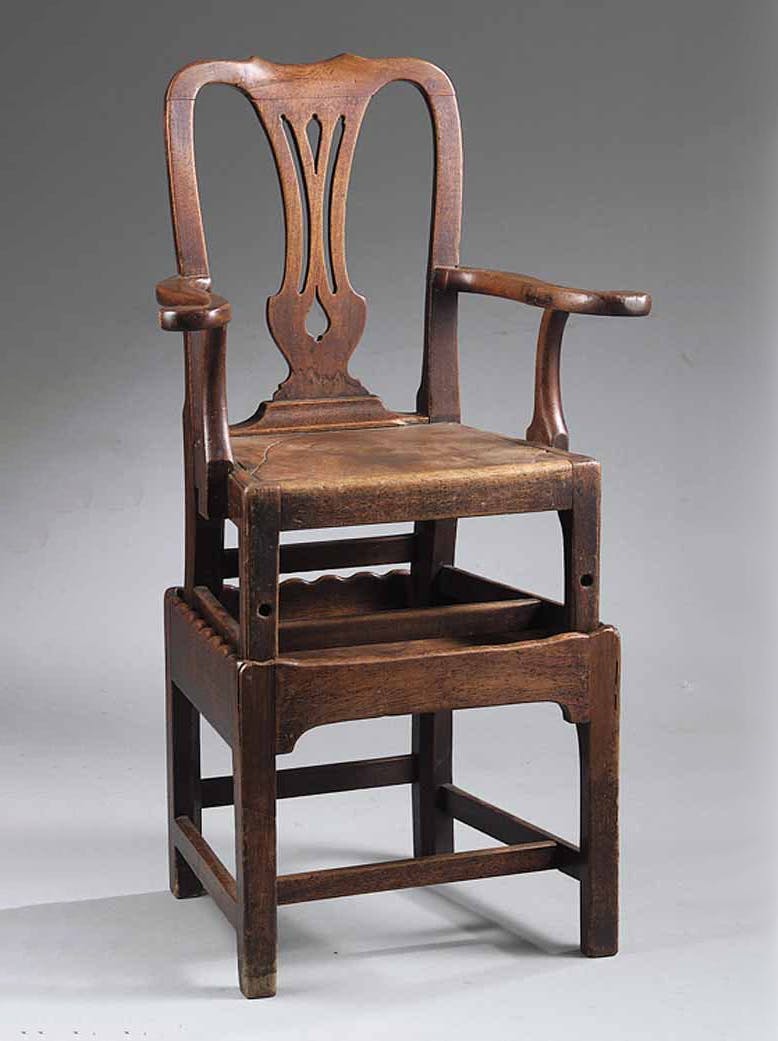
During the 18th century, 'convertible' high chairs were made by placing the chair directly over a table beneath, raised, in turn, on legs. The chair could be removed and used separately from the table. A mahogany high chair in the Hepplewhite style, dating from 1770-80, and formerly in the collection of Preston Hall, Stockton on Tees, has a table with a protruding heart-shaped extension for use as a footrest. Like the earlier 17th century chairs, it also has a turned ornamental pole fitted across the front to hold the child in place. Children's rocking chairs were also popular throughout the 18th and 19th centuries, and charming rustic examples, often in elm, can still be bought at auction for a few hundred pounds.
Related: 6 Giants of Mid-Century Modern Design
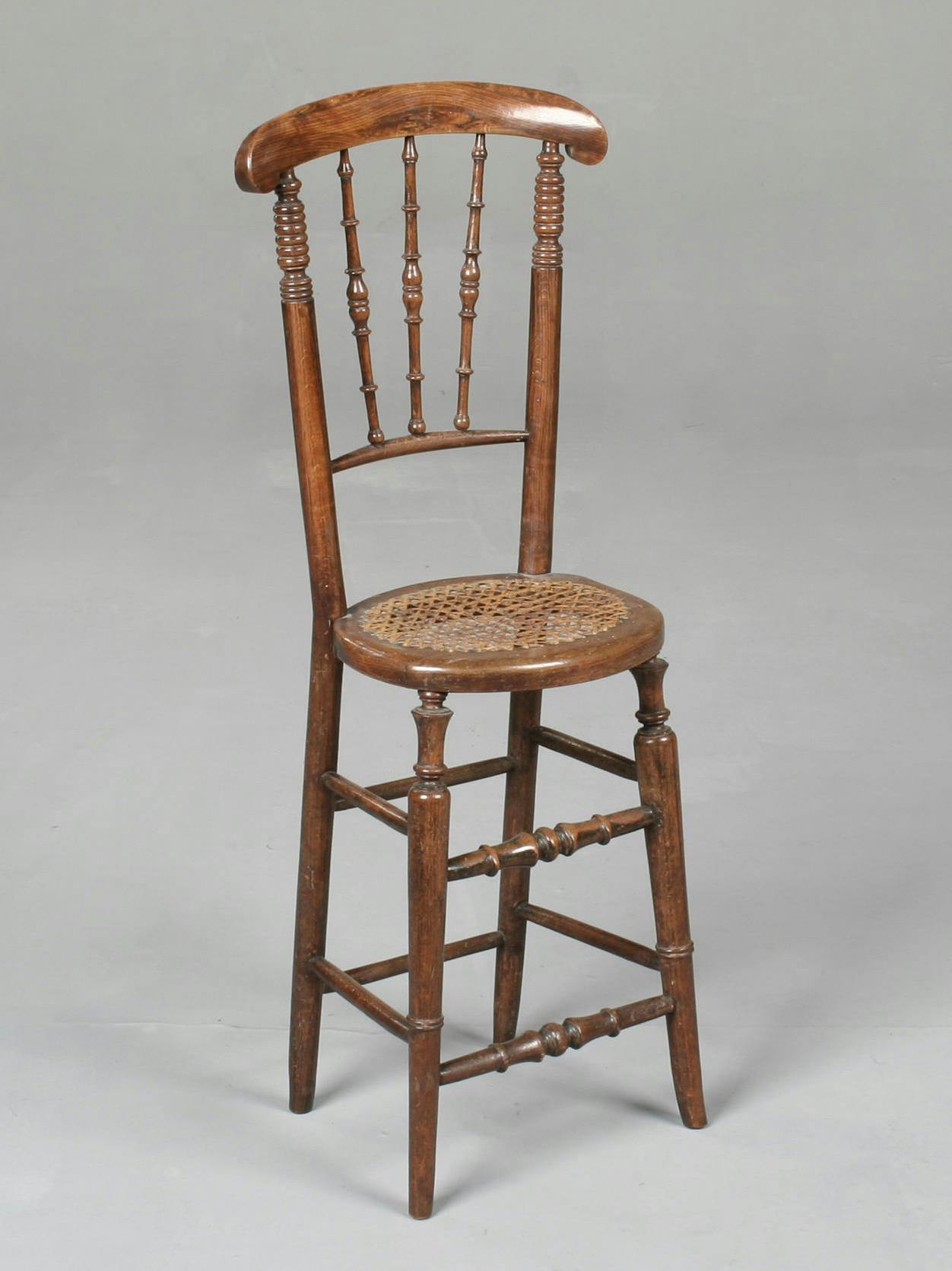
In contrast, the 'deportment' or 'correction' chair was used to punish naughty children and became a staple of the late Georgian or Victorian nursery corner. Chairs featured long straight backs and tiny oval seats – often caned – forcing the disobedient child to sit bolt upright for several hours. Both The Frederick Parker Chair Collection (at the London Metropolitan University) and the Victoria & Albert Museum of Childhood hold examples in their collections.
Related: The Chairs that Made Thonet
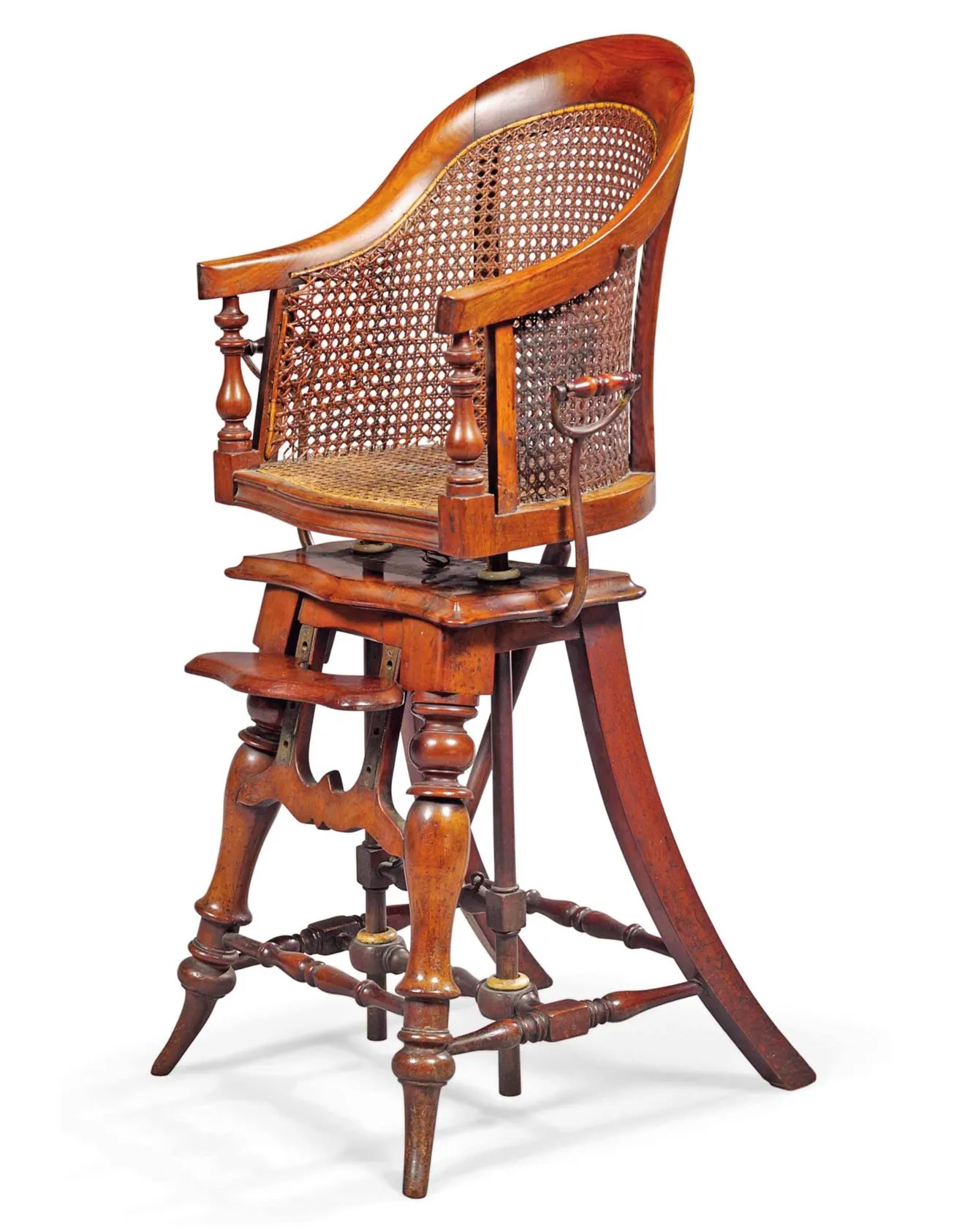
The Victorian period was an age of patented invention, and children's chairs were constructed with clever metamorphic additions, giving a chair an extra table (to the front) or the ability to adjust the height at will. It was even possible to convert some chairs to the Victorian equivalent of a children's stroller. Further developments in nineteenth-century European furniture design led to the Thonet bentwood chair: constructed from light wood, bent to shape under the pressure of hot steam. Thonet was the first company to mass-produce furniture specifically for children, with the first examples appearing for sale in the Thonet catalogue of 1866.
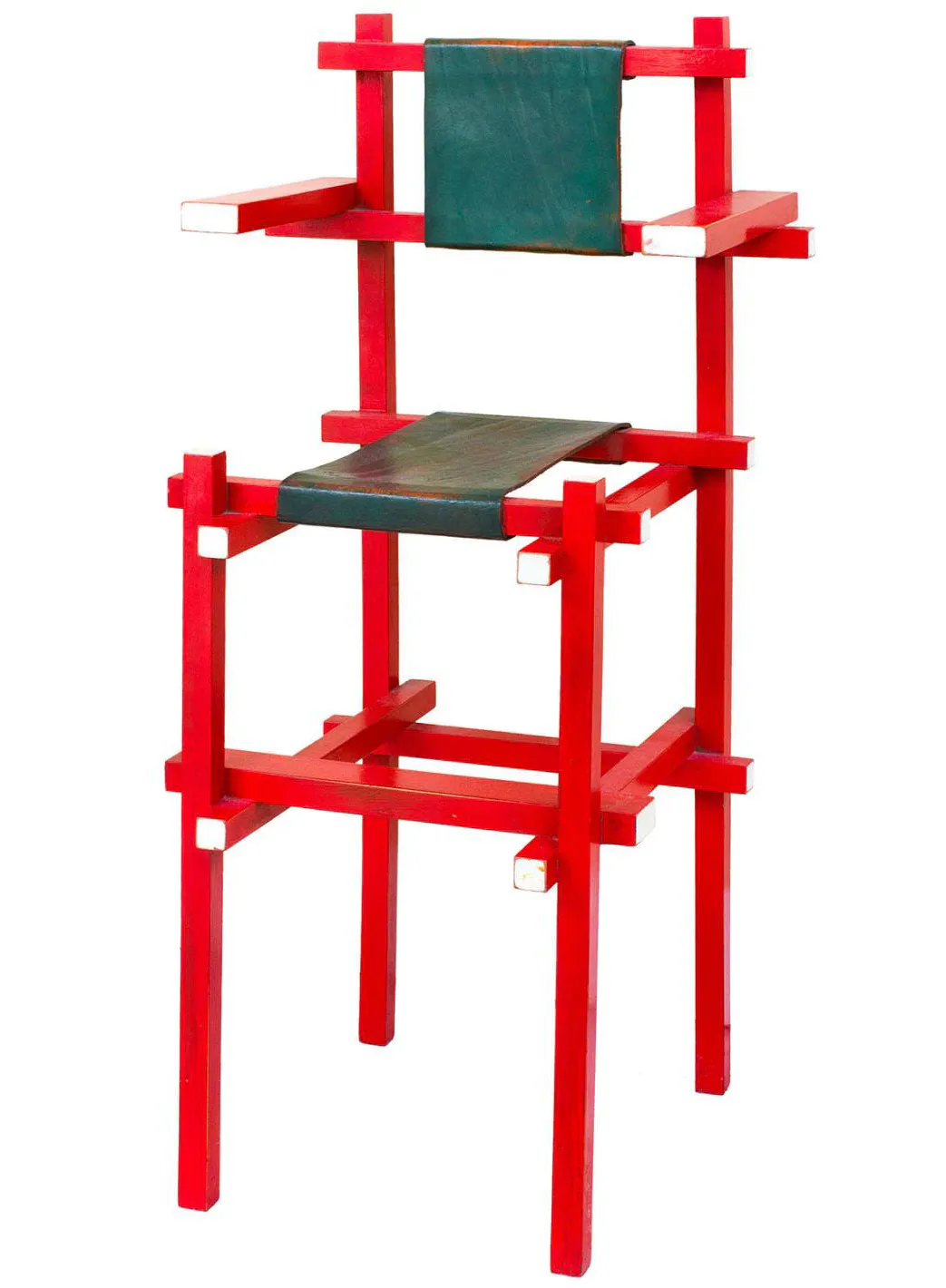
By the 20th century, there was a new emphasis on juvenile design, specifically for children in their own right. In 1919, Gerrit Thomas Rietveld (1888-1964) designed a stylish children’s high chair under the influence of the De Stijl movement. It features sharp, geometric shapes, both vertically and horizontally, reducing elements to an abstract of form and color. It might not be especially practical, but it is an indication of how the modernists took the concept of children's design seriously. The Carnegie Museum of Art has an example in polished wood and leather, and the Victoria & Albert Museum holds a further chair (painted bright red) in their collection
Want to know what your children’s furniture is worth? Value an item with Value My Stuff
More practical is Alvar Aalto's (1898-1976) children’s chair N65, designed in 1935 for the children's section of the City Library in Viipuri, Finland. The circular seat and rounded edges protect the child from harm; plywood, too, was considered a more hygienic wood, as Aalto said himself, "better for the human touch".
Want more articles on furniture design straight to your inbox? Sign up to our free newsletter
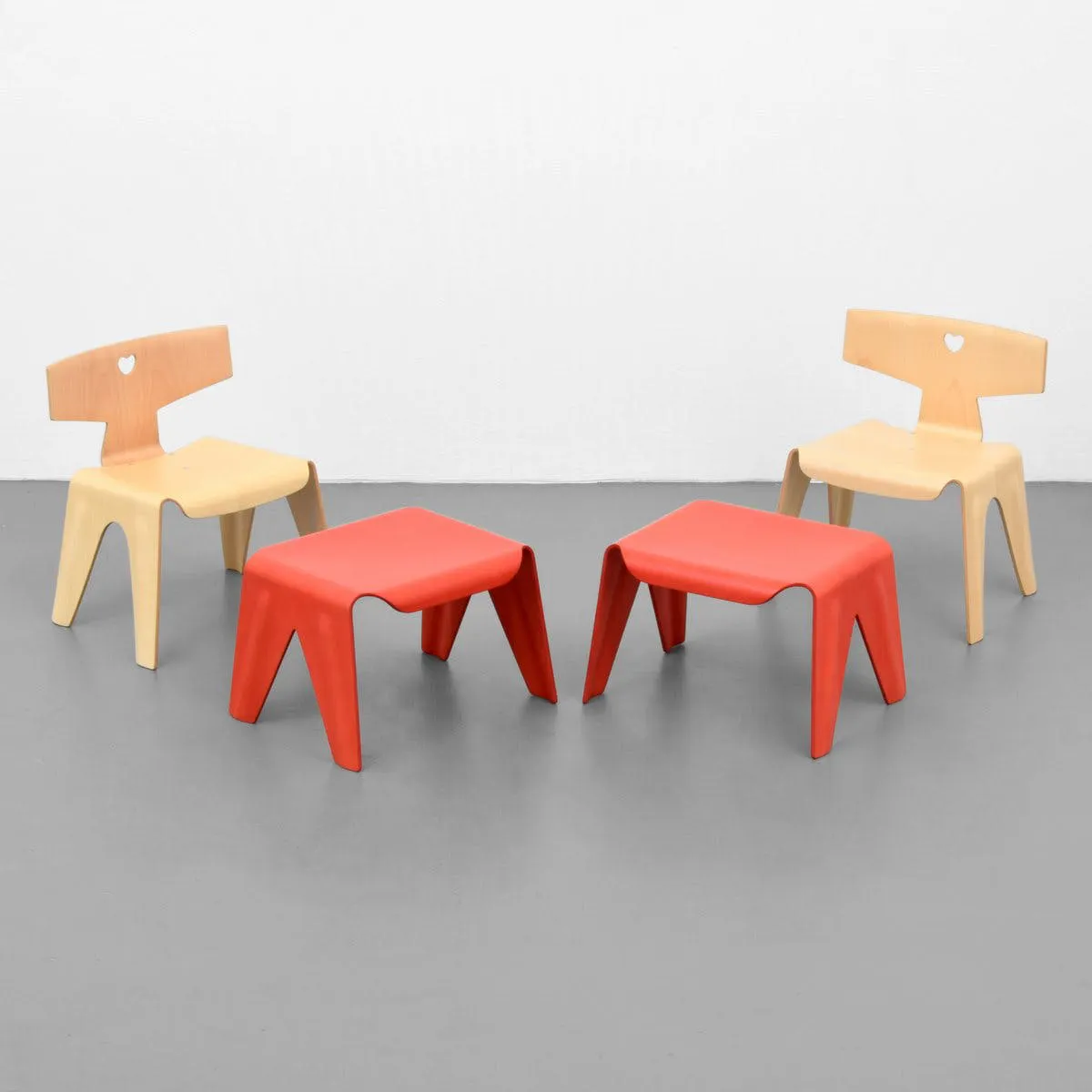
A decade later, Charles and Ray Eames (1907-1978 and 1912-1988, respectively) produced their version of a juvenile chair, one of their earliest designs in plywood. The chair was moulded from a single piece of wood and then dyed red (but also sold in primary colors of blue, yellow, magenta and black). Plywood is cheap, cheerful and ergonomic, and since it was light in weight, a creative child could easily pick up the chair and rearrange it or use it as an imaginative plaything. European folk culture inspired the heart-shaped cut-out motif on the back, very much the world of the Brothers Grimm or Hans Christian Anderson. A 1944 Eames child's chair in undyed moulded plywood (from the collection of Michael and Gabrielle Boyd) sold for $2,800 at Wright, Chicago, in 2018. Another chair, dating from 1944, aniline-dyed in red (with an Evans Products label) sold for $8,500 at the same auction house.
Related: Future Antiques That Could be Hiding in Our Homes
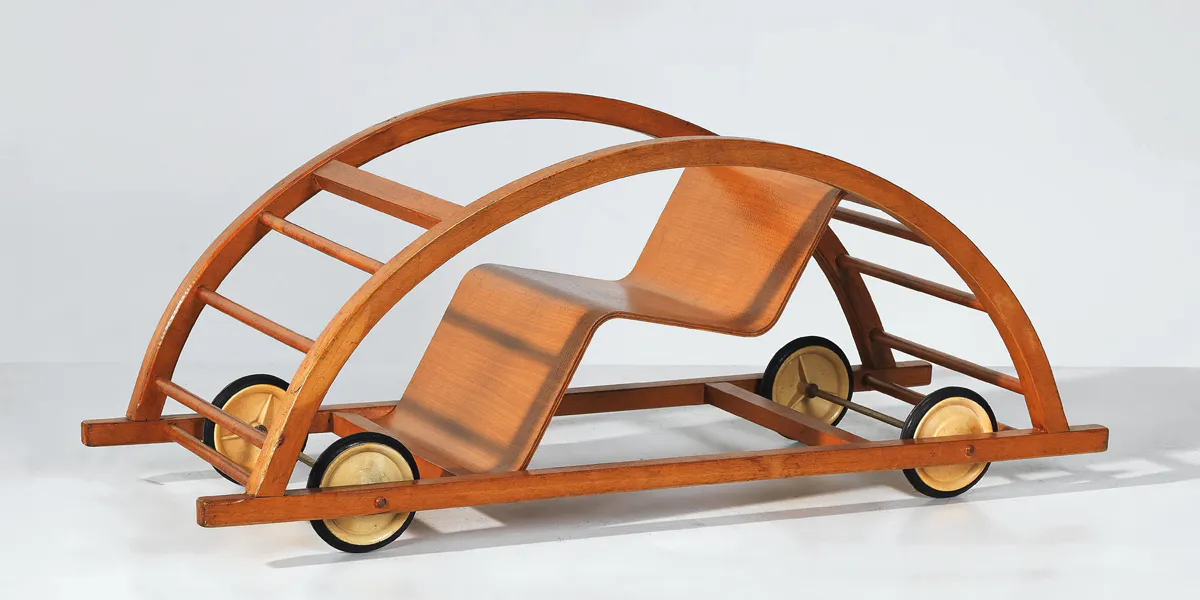
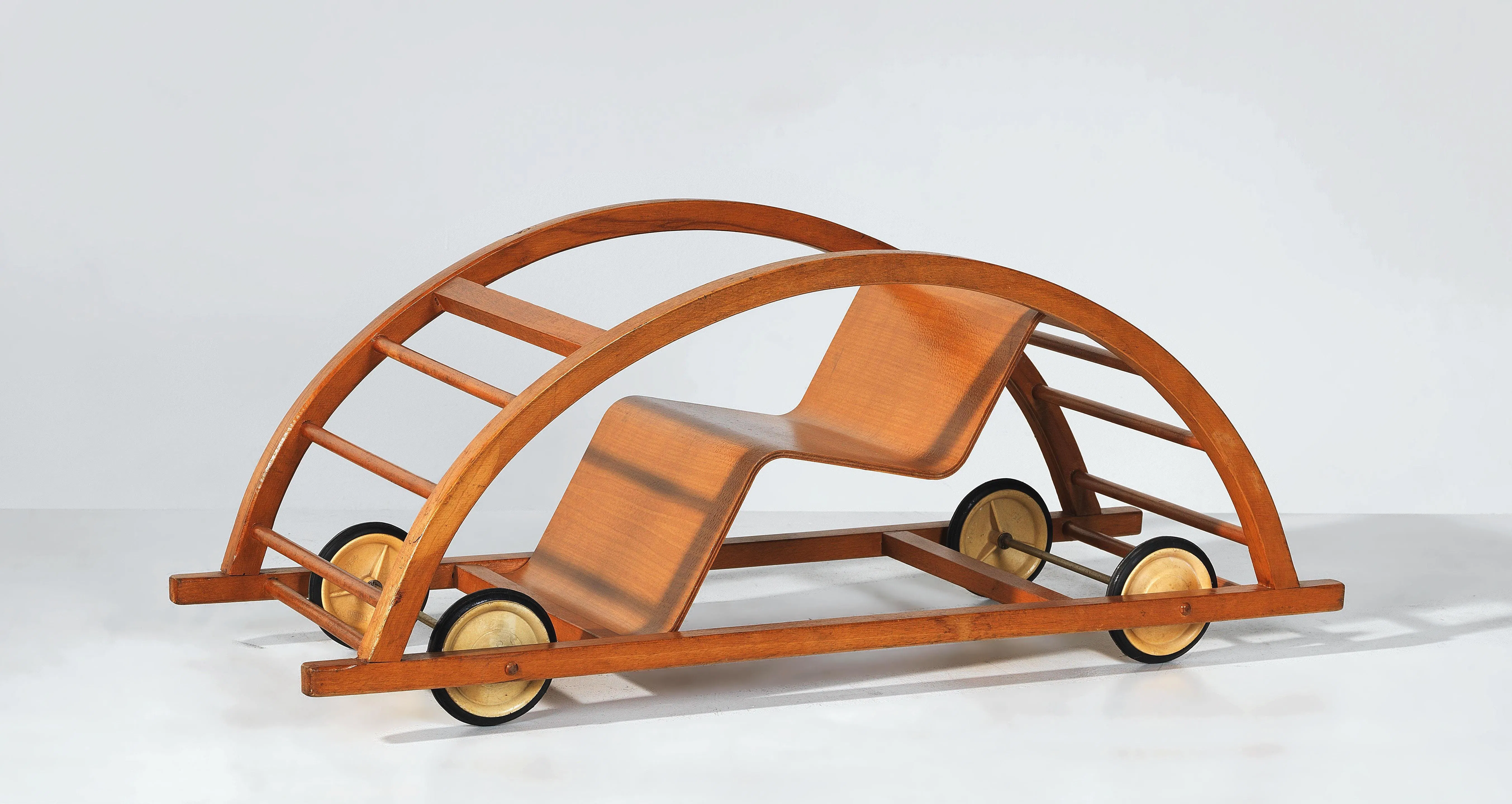
Along similar creative lines is Hans Brockhage (1925-2009) and Erwin Andra's (b. 1921) Rocking Car or 'Schaukelwagen' of 1950. A D-shaped frame surrounds a contour-moulded plywood seat. The 'chair' is mounted on four metal wheels, allowing the imaginative child to turn the contraption into a stream-lined racing car or upturned, a rocking chair, or lying on its side, a cage for zoo animals. Likewise, the Milanese-designed Junior (or Chica) chair of 1972 (manufactured by BBB Bonacina) took this principle one step further by abandoning preconceived adult ideas of how a child should play and giving children complete control over their imaginations. The Chica chair is made from bright red, yellow, blue and white plastic, with swiveled backs slotting into the seat. The chair could be dismantled and reconstructed, at will, to form walls, play-dens or screens – as and how the child thought fit.
Related: IKEA's Most Expensive Designs
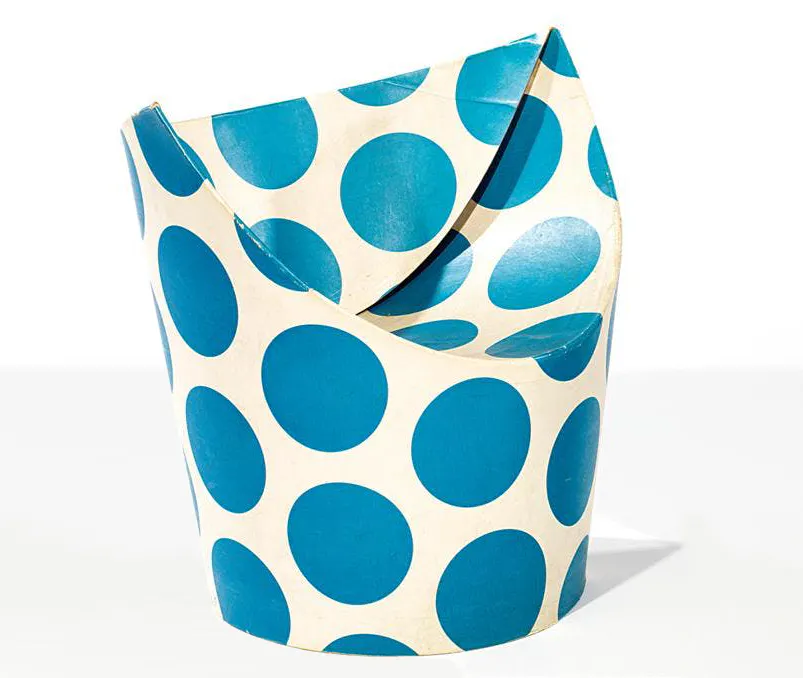
On the other hand, Peter Murdoch's (b. 1940) 'Chair Thing' focused on production costs and was mass-produced by Perspective Designs Ltd from a single piece of printed cardboard. Approximately 76,000 chairs were sold over six months in 1967, selling for less than £1 each. Despite the quantities produced, the fragile nature of the fiberboard and the disposable nature of 'Pop' furniture means that few have survived, commanding dealer's prices over and above $2,000 for rare examples.
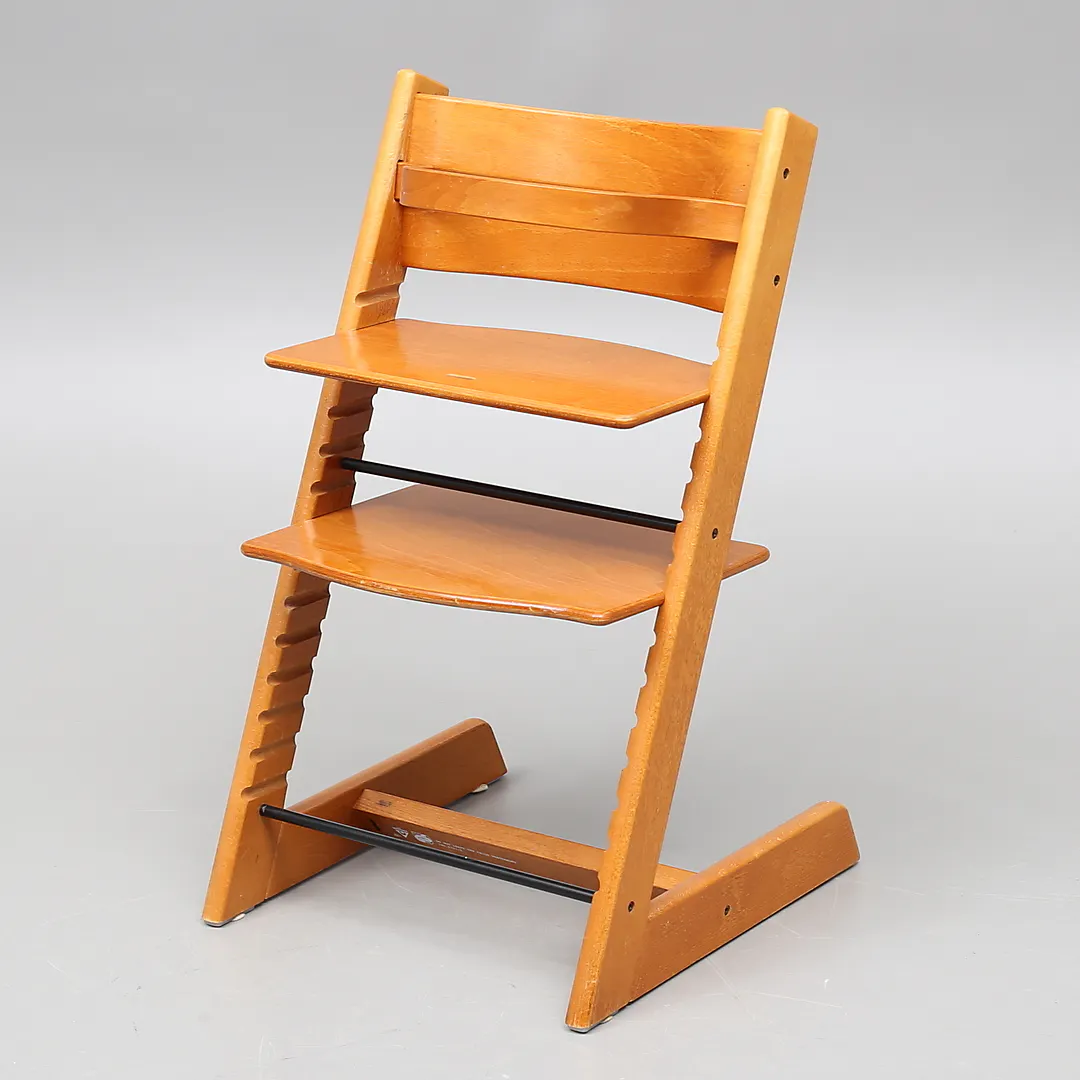
Another highly practical and revolutionary design is the Tripp Trapp chair, designed by Peter Opsvik (b. 1939) in 1972 and still manufactured in a wide range of colors. This ingenious high chair straddles the divide between baby and adult furniture, allowing the child to sit upright at table. An adjustable seat and footplate enable the chair to 'grow' with the child over time. For a fully grown adult, the lower stretcher rod and original seat can also be removed, with the footrest becoming a seat. Kristian Vedel (1923-2003) used a similar idea for his child's chair of 1958, in which plywood is bent to form a half-circle. A simple, flat wooden seat then fits into five separate horizontal slots and can be raised or lowered at will.
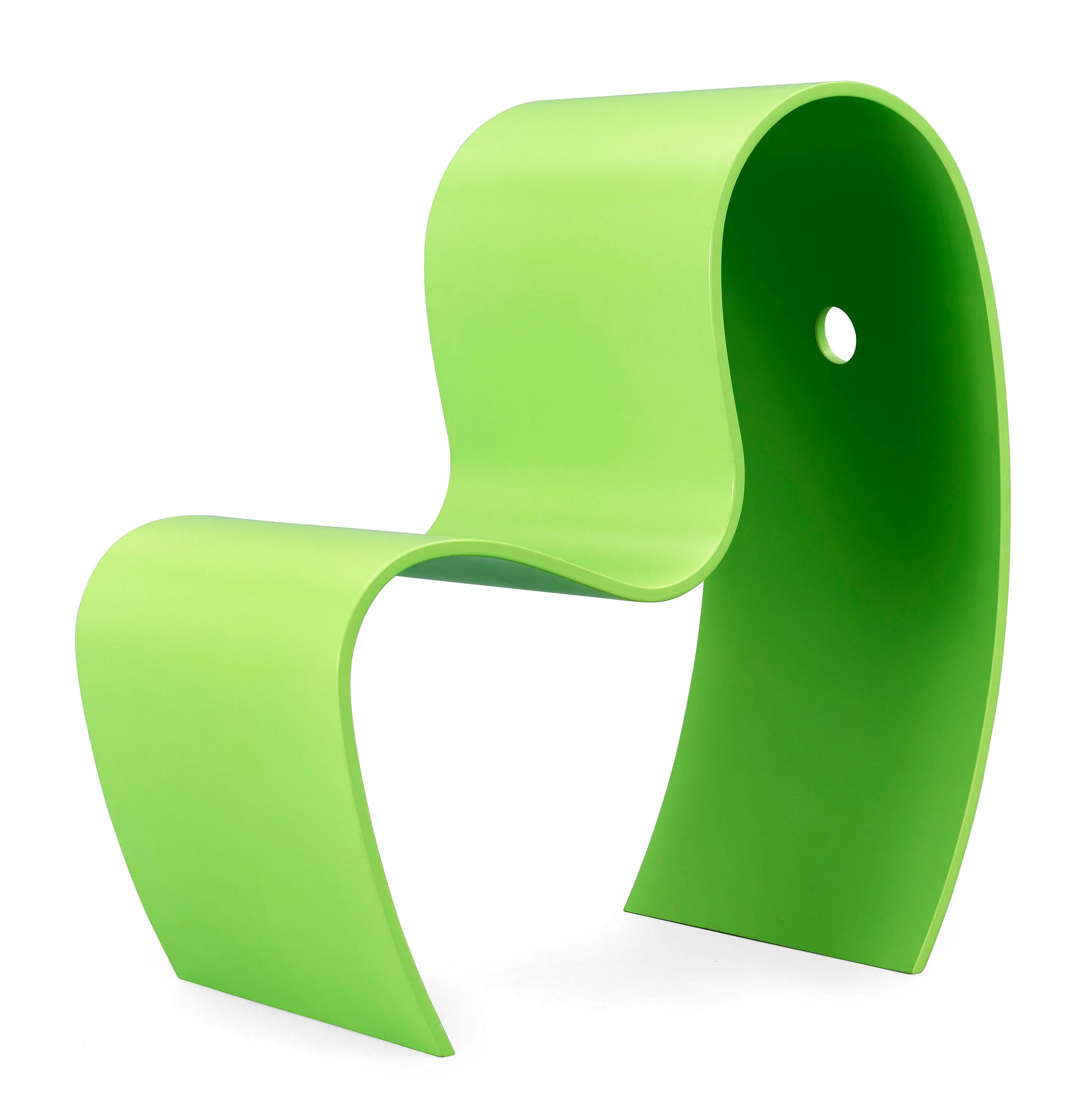
Following the ergonomic forms of the previous chairs is the ‘Lilla m’, designed in 1990 by Caroline Schlyter (b. 1961) and first manufactured by iForsnas Form AB in 1995. Constructed from a single piece of laminated birchwood painted in bright primary colors (including 'fire engine red'), it is, despite the organic and almost amoebic, shape of the chair, a return to the earlier designers' obsession with moulded, laminated woods – a process which began with Thonet in the 19th century. Lilla m chairs are now highly collectable; expect to pay a dealer's price in the region of £900 for a chair in top condition.
Uncover more history on collectibles with Barnebys Magazine
Article by Luke Honey
Luke Honey is a former auction specialist (Phillips, Bloomsbury Auctions and Bonhams), turned writer, columnist and antiques dealer. He lives in London with his wife and book-munching whippet.