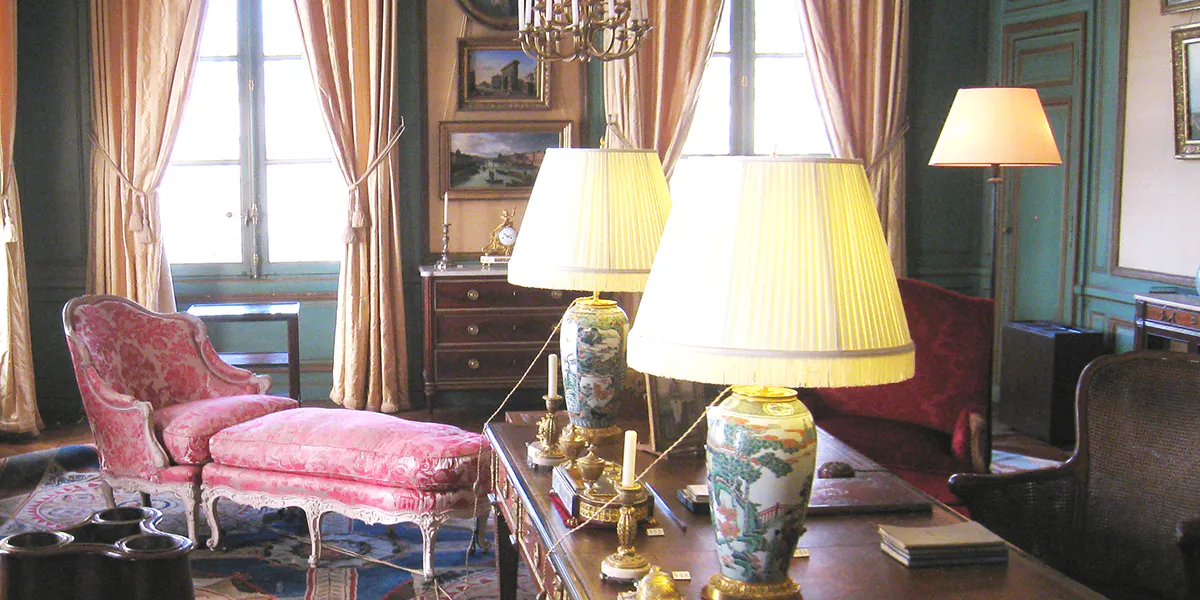
Following the opulence of the Baroque era, French nobility found comfort in the 18th century. Rather than showcasing themselves in the grand halls of the Palace of Versailles, they gathered in the stylish and sophisticated salons of Paris. Even in their boudoirs or bedrooms, fashionable ladies entertained their closest friends.
See also: Rococo: The Art of Shells & Idylls
Besides providing refreshments, a hostess's top priority was to ensure her guests had a seat. The 18th century was particularly inventive in this regard, offering a wide range of seating options: sofas, armchairs, chairs with and without armrests, stools, and various daybeds. Among these was the so-called 'Broken Duchess'.
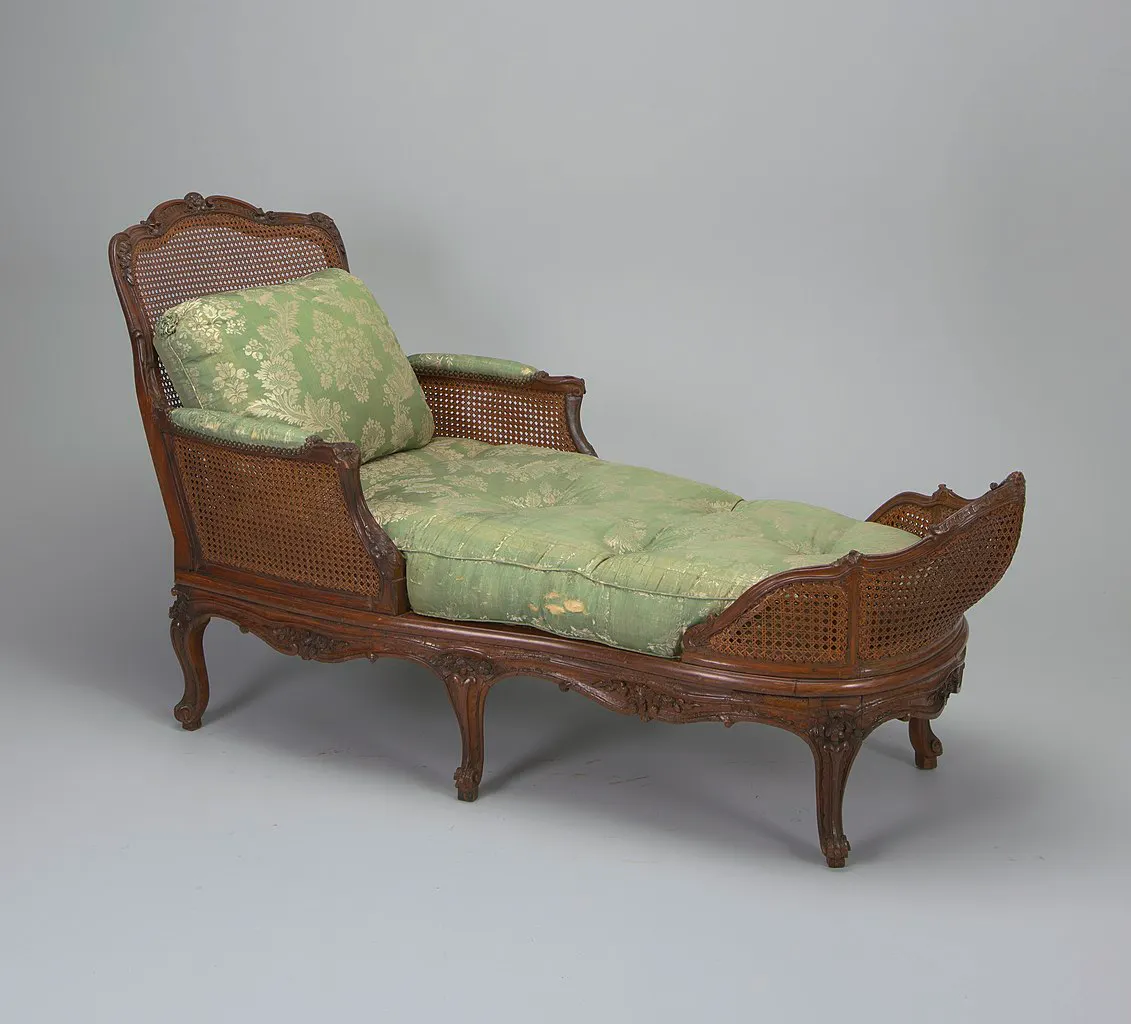
Daybeds, as their name implies, were designed for resting. They allowed one to elevate their feet for a while without going straight to bed – essentially a bed for the day. The oldest version is the chaise longue, which dates back to the 16th century. The French term means 'long chair,' indicating that it was a chair or armchair with a footstool or ottoman attached, creating a new piece of furniture.
See also: François Boucher and the 18th-century Pin-Up
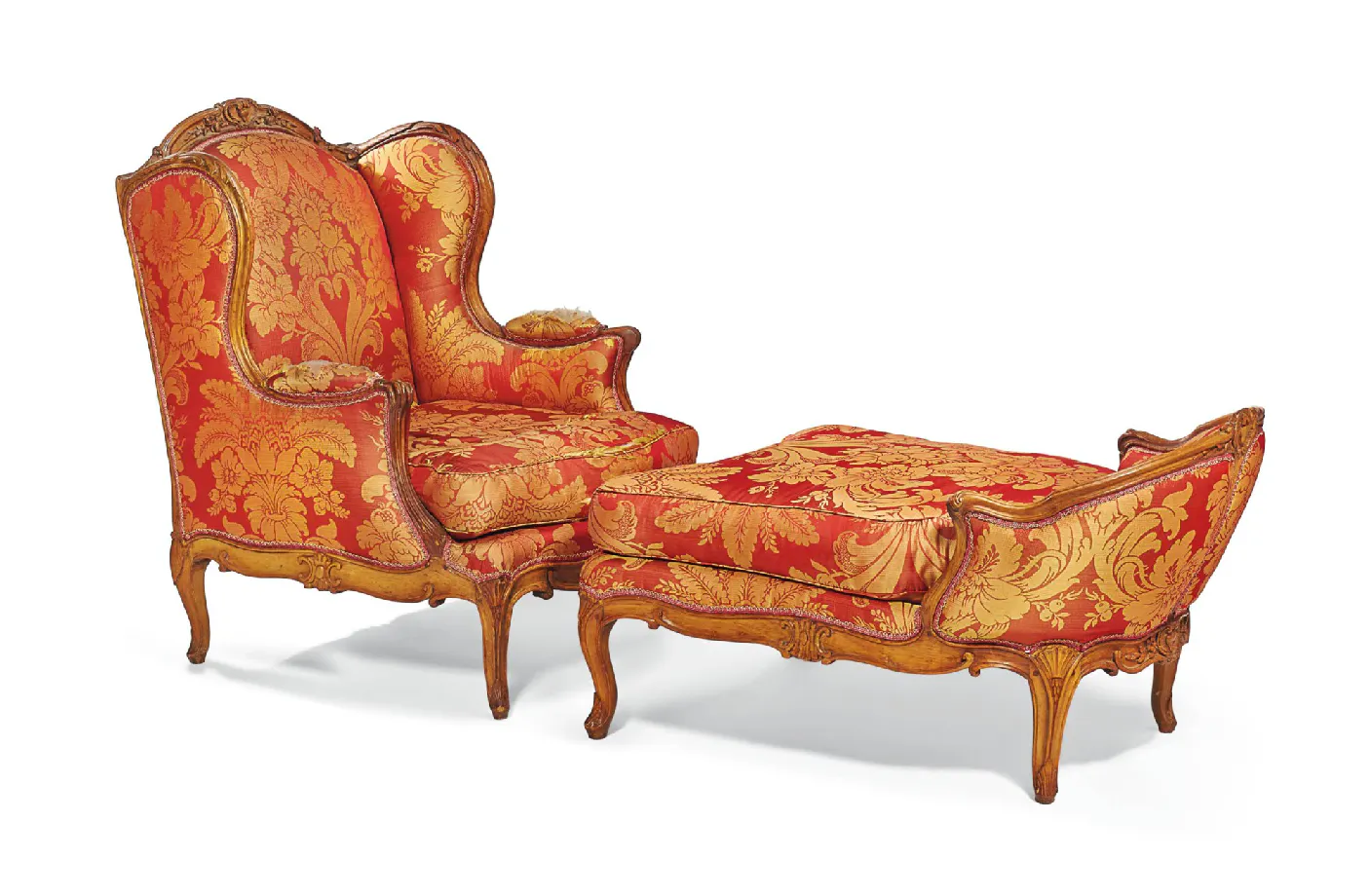
This new piece was well-received, and throughout the 18th century, various adaptations were introduced. One such variation was the 'duchesse', a type of chaise longue with a lower backrest at one end. The innovation didn’t stop there; it continued with the duchesse brisée, or 'Broken Duchess,' a variant that effectively reversed the concept of the chaise longue by dividing it into two parts (an armchair and an extended footrest) or even three parts (an armchair, a stool, and a footrest), thus offering a range of different uses.
See also: A Brief History of Furniture Design
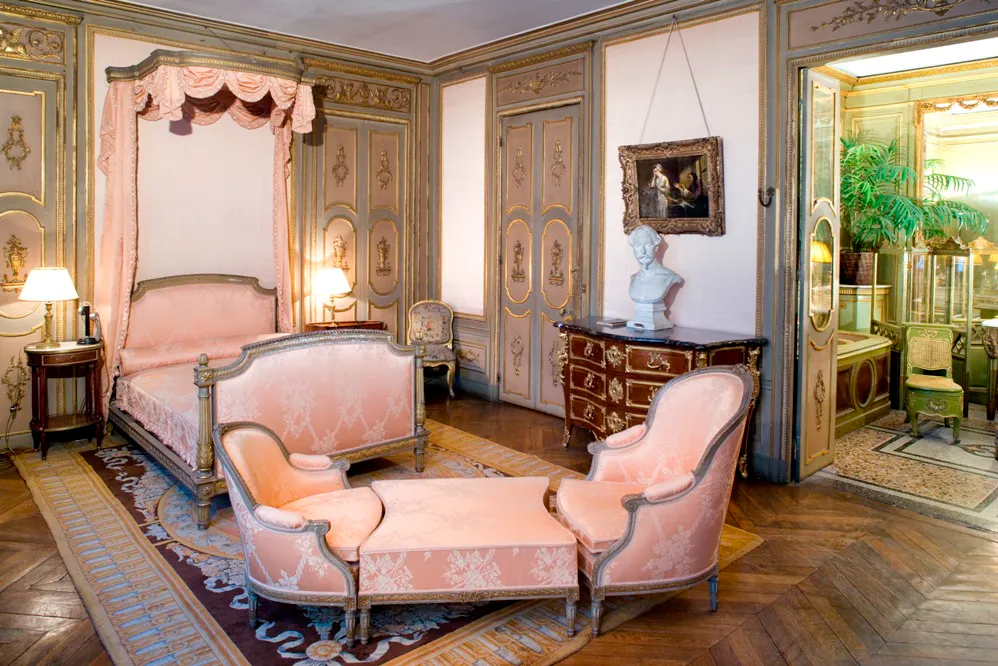
The reason for naming this piece of furniture the 'duchesse' remains unclear. It is possible that a duchess was the first to order such an item, but the identity of the noble lady responsible for its introduction has not been recorded.