The Dutch Golden Age lasted approximately a hundred years from 1588-1674, putting the Netherlands on the map both economically and culturally. As a shipping superpower, the little country became an international nexus for developments in the fine arts, science, finance and more.
Related: Baroque Silver Furniture: A Symbol of Power
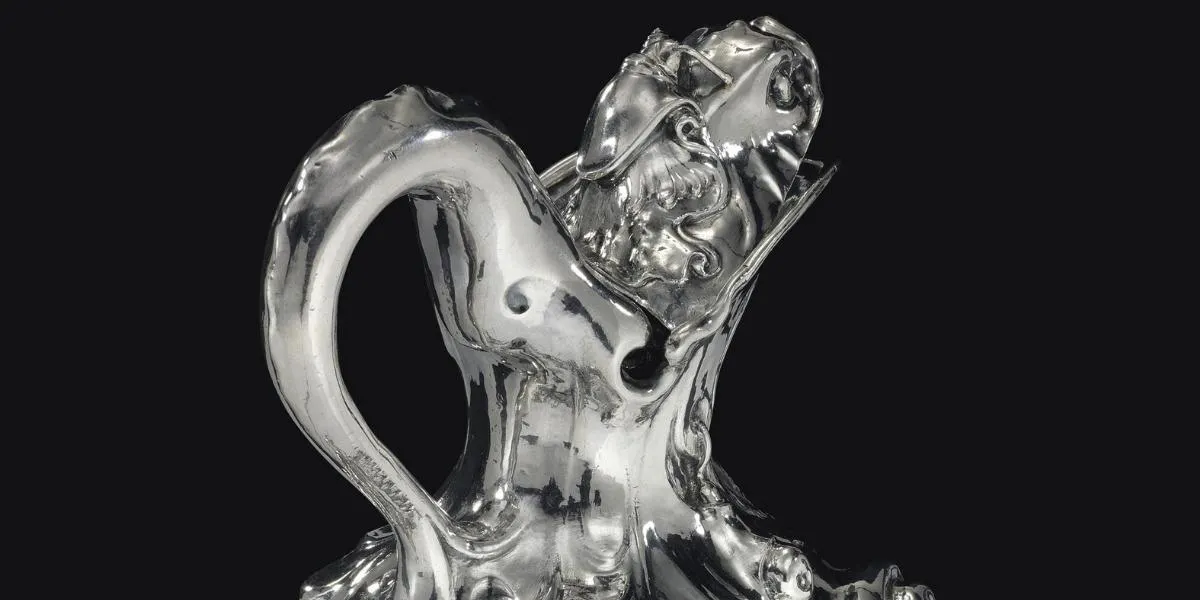
One of these artistic developments was the auricular style, a style of ornamental decoration particularly used with silver. Named for the curvaceous elements of the inside of the ear, the auricular style is often considered a bridge between the crowded scenes of Mannerism and the lavish intricacy of the Baroque. Auricular pieces portrayed scenes of abstracted and stylized people and animals with highly detailed swirls, arabesques, and free-flowing shapes. Vases, jugs, painting frames, trays, dishes, cups and more were crafted from a single pure silver sheet, and then using hammers and chisels, the extravagant designs were formed.
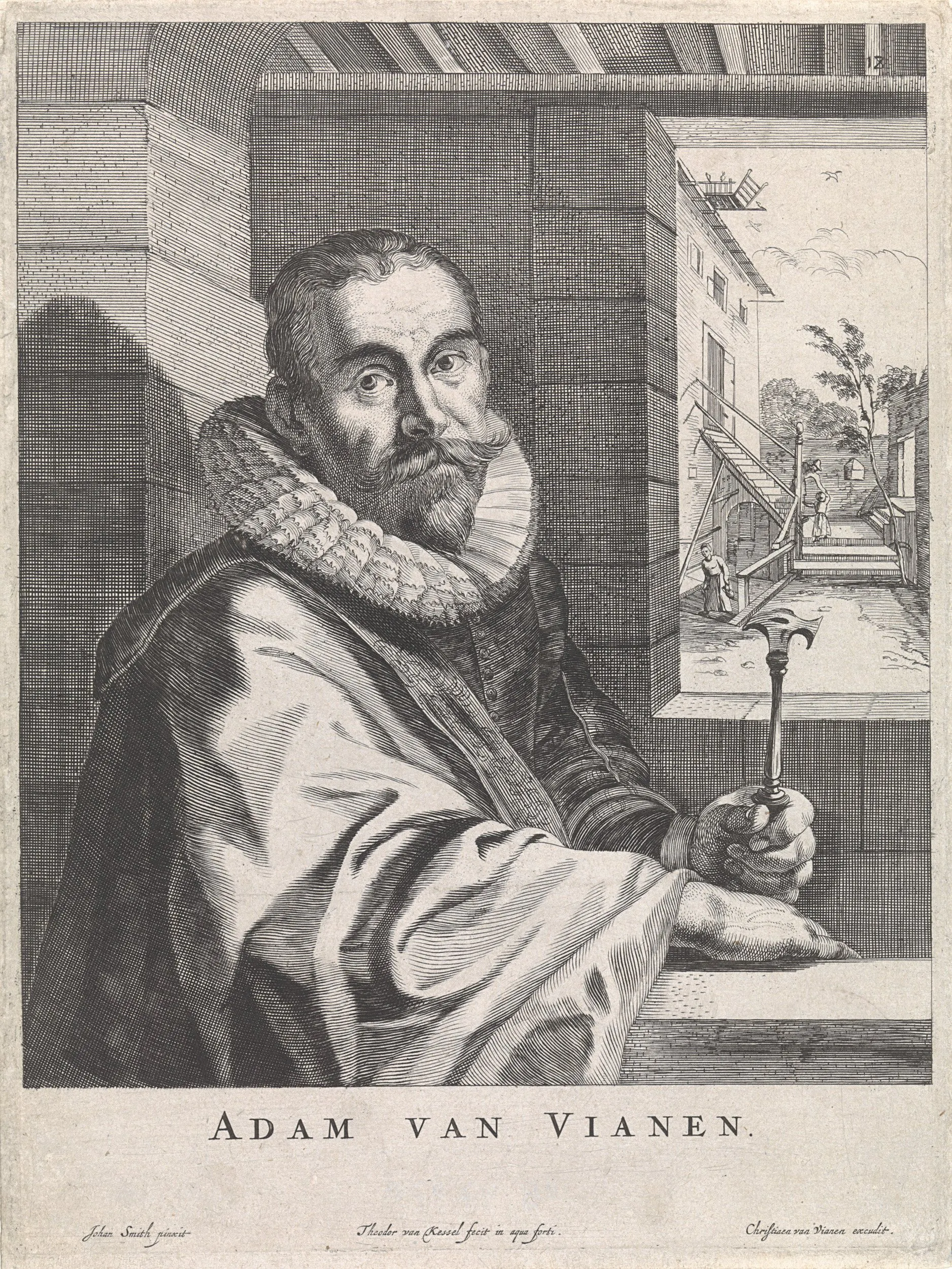
The invention of the auricular style, which came to characterize Dutch Golden Age silversmithing, is attributed to its most famous proponents Adam (1568-1627) and Paul Van Vianen (1570-1614). The two brothers were born in the Dutch city of Utrecht and trained with local silversmiths, joining the local union in 1590.
Related: Tulipomania: The World's First Stock Exchange Bubble
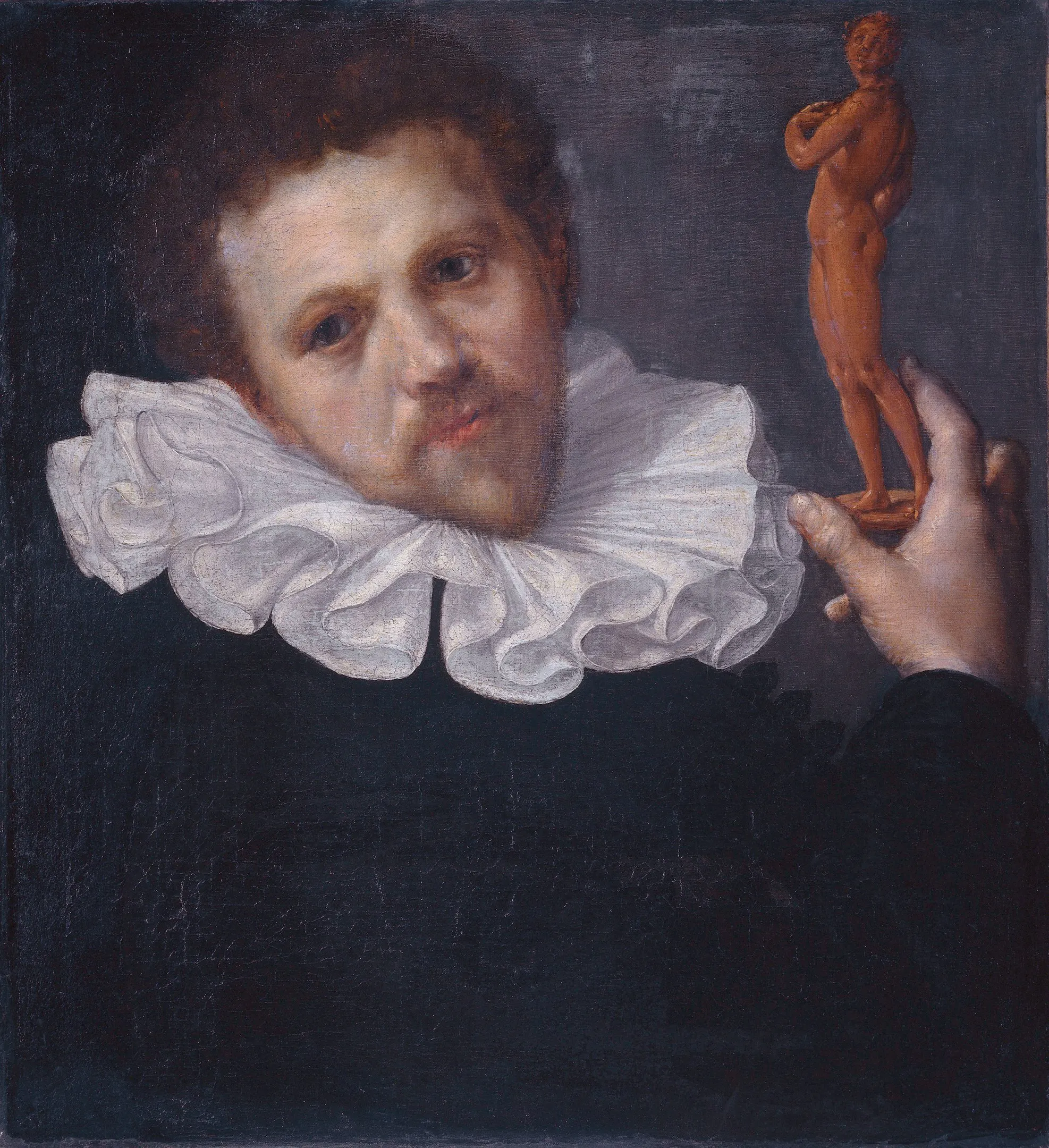
While Paul traveled throughout Europe during his life working for the Holy Roman Emperor, Adam stayed in Utrecht, rarely leaving his hometown.

The most famous exemplar of the auricular style is Adam's Memorial Ewer Cup from 1614, which was a commission from the Amsterdam goldsmith's guild to commemorate the life of his brother Paul who died that year in Prague. The ewer (otherwise known as a pitcher), measured nearly 10 inches high and was first made in silver and then later gilded. It reflects the whimsy of the auricular style that the brothers pioneered, with a crouching monkey supporting the pitcher as the base and a sitting woman with her hair flowing forward as the handle. The body of the ewer is decorated with swirling arabesques in relief that are characteristic of the auricular style.
Want articles like this straight to your inbox? Subscribe to our free newsletter here!

Related: 6 Iconic Dutch Paintings
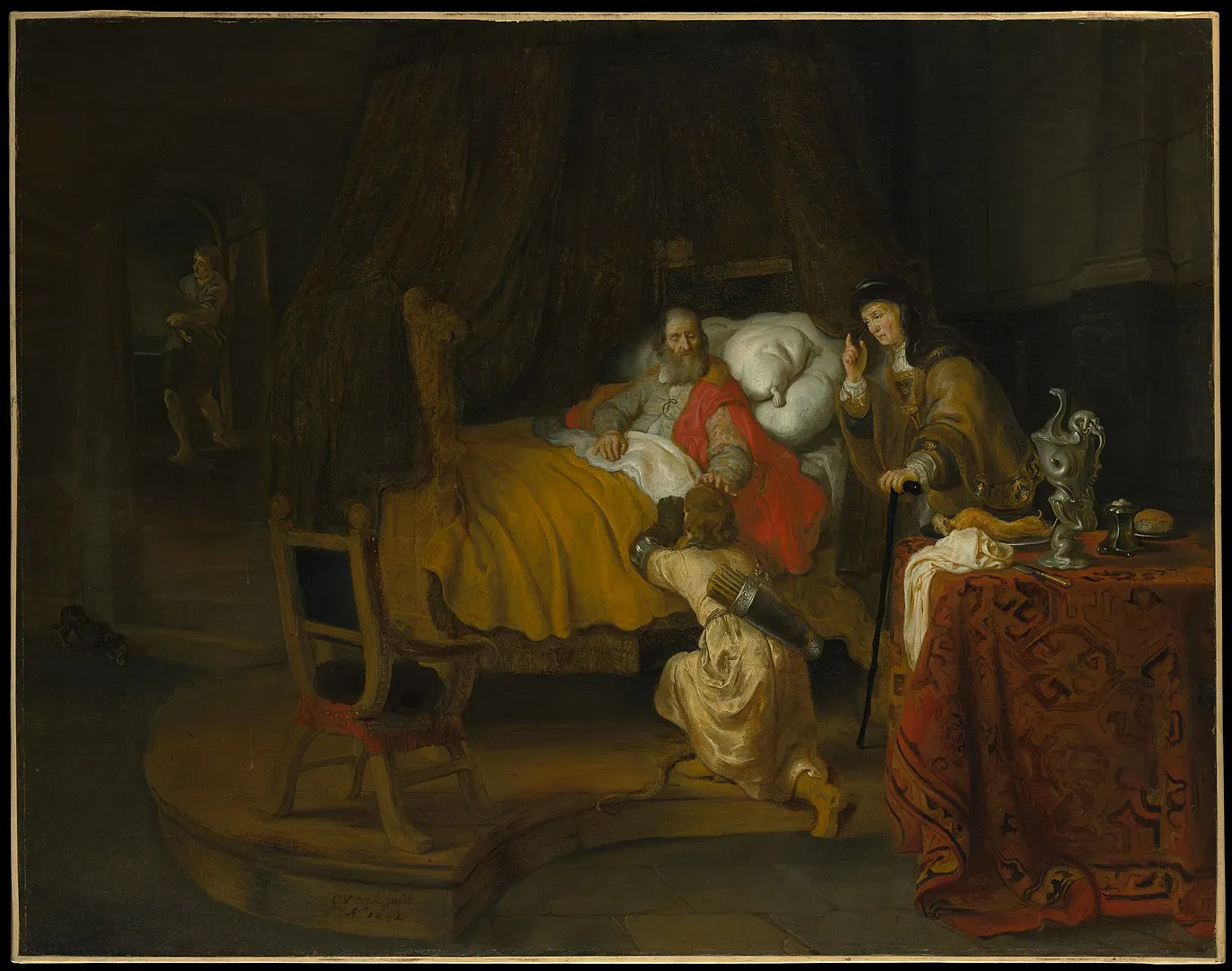
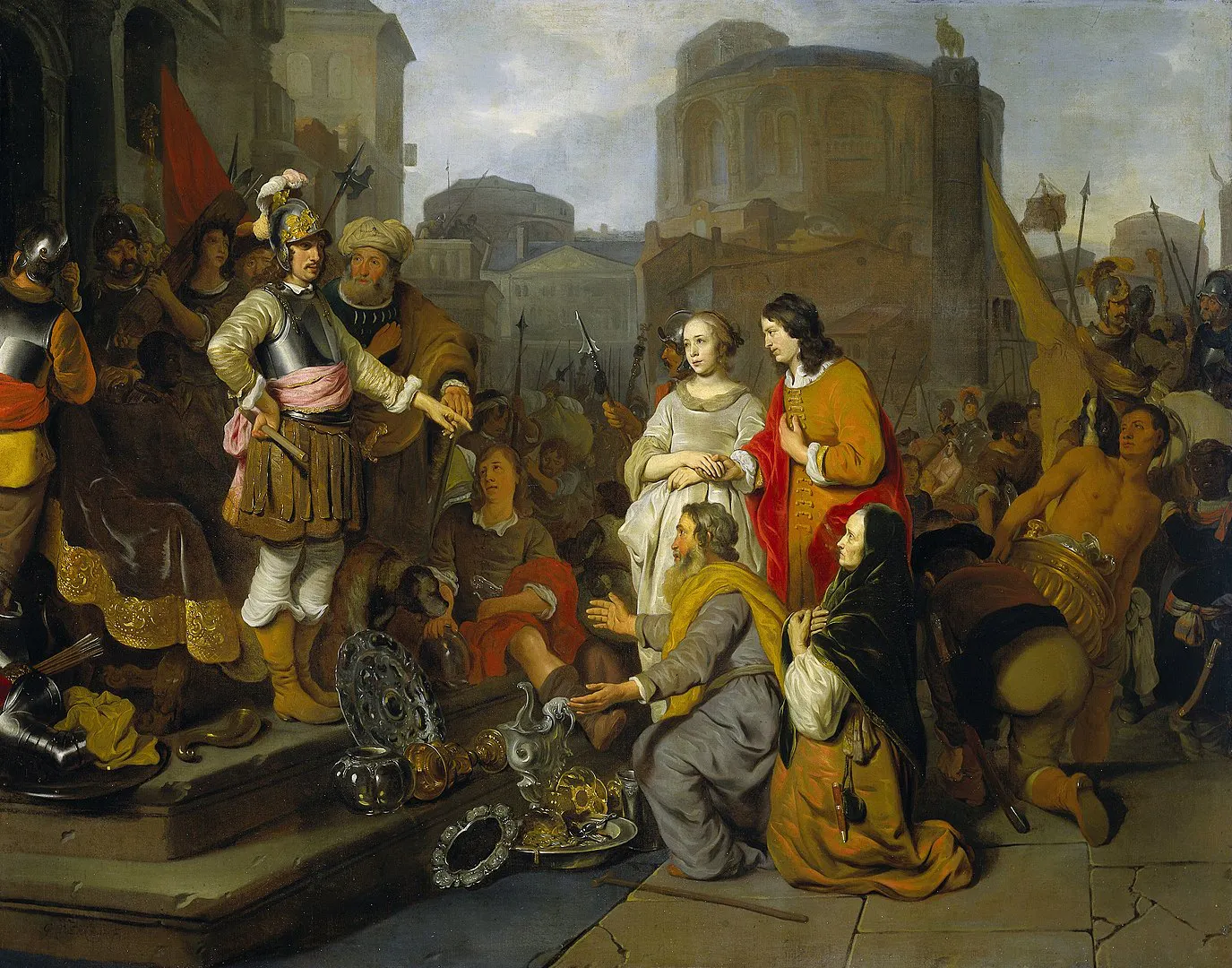
The Memorial Cup was displayed prominently at the Amsterdam guild and became famous as it was included in many 17th-century Dutch Golden Age paintings. Many of these paintings are found in the prestigious collections of the Rijksmuseum, the Metropolitan Museum of Art, the Mauritshuis, and the Royal Palace of Amsterdam.
France occupied the Netherlands in 1795, and all the guilds and their collections were removed. In 1821, the ewer appeared in Scotland in a private collection and then came up for auction in 1976, where it was purchased by the Rijksmuseum for 700,000 guilders, a record sum for silver in the Netherlands at the time. It has been in the Amsterdam museum's collection ever since.
As James Trilling wrote in his book The Language of Ornament (World of Art), the Memorial Ewer Cup "is one of the very few ornamental works that deserve recognition as art-historical turning points. Van Vianen's breakthrough was the introduction of inchoate or indeterminate form, which paved the way for both Rococo and modernist ornament."
Related: A Brief History of Furniture Design

The second most famous work of the auricular style is Paul van Vianen's Diana and Actaeon basin, a bowl that depicts the mythological scene of the hunter Actaeon, who accidentally encounters Diana, the goddess of the hunt, bathing nude. In embarrassment, she turns him into a deer, and he is promptly hunted by his hounds. The remarkable bowl has also been in the collection of the Rijksmuseum since 1947.

The van Vianen legacy was carried on by Adam's son Christiaen Van Vianen (1598-1671) who was trained by his father in the auricular style and set up a 200-person workshop in London in 1630. His work is also found in important collections, with his Dolphin Basin at the Victoria & Albert Museum and a standing cup at Waddesdon Manor.

In 2018, the Van Vianen name came back into the spotlight when a ewer designed by Adam Van Vianen came up for auction at Christie's. The silver piece is referred to as the Marcus Curtius ewer, depicting the myth of a soldier named Marcus Curtius from Livy's History of Rome. He threw himself into a fiery chasm in the Roman Forum to save the Roman Republic. This was the last auricular style ewer in private hands when it came up for auction, as it had been in the same Belgian noble family since the 19th century. Related: Georg Jensen: A Humble Dreamer Who Enchanted the World
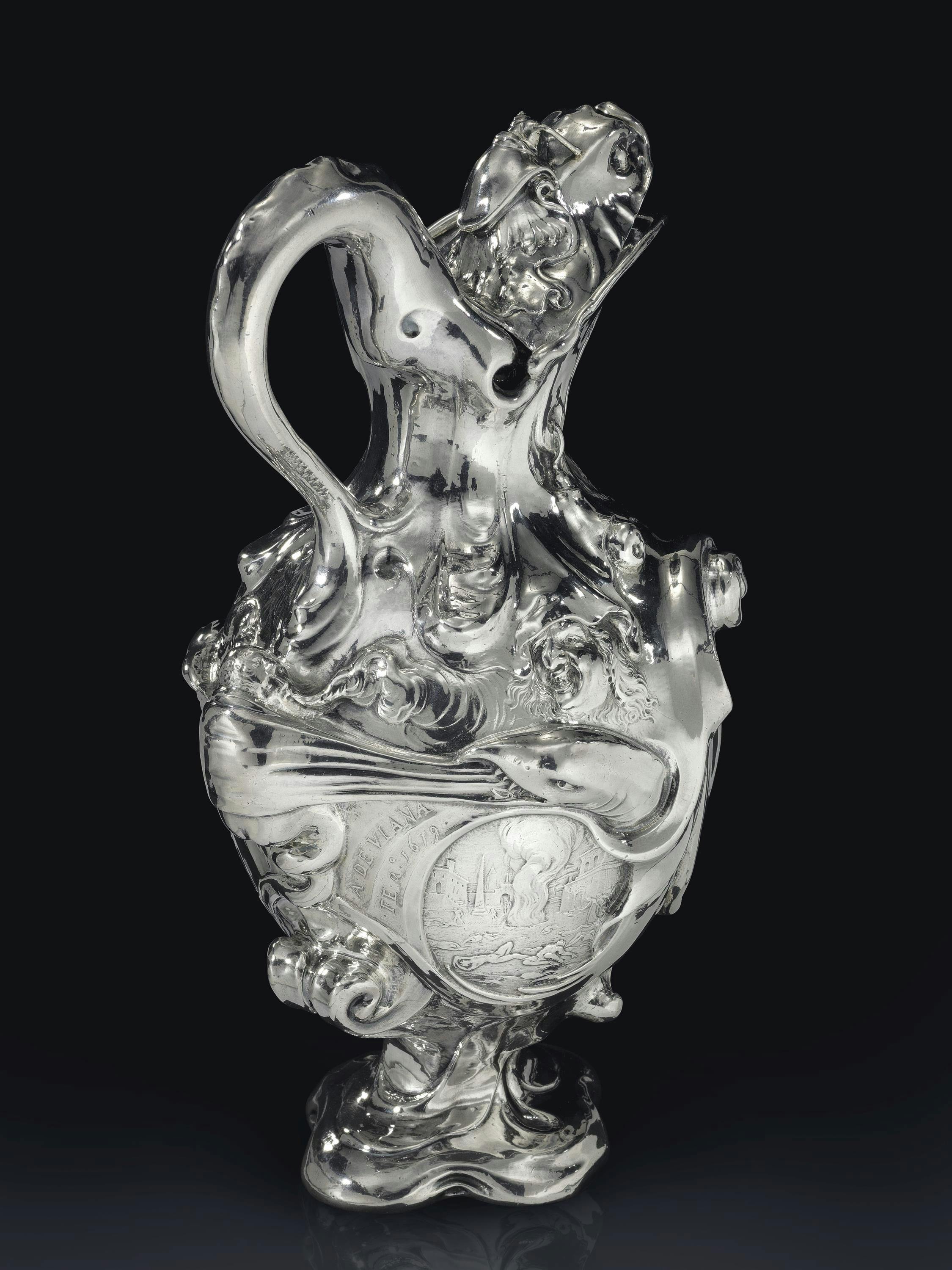
Offered at auction with an estimate upon request, it sold for $5.3 million on April 19, 2018, setting a new record for Dutch silver. A true masterpiece, the work was crafted from a single piece of metal, showing Van Vianen's incredible skill.
"Work by the van Vianen family of silversmiths has never ceased to be celebrated," said Harry Williams-Bulkeley, Christie’s European head of silver. "It’s like an incredible piece of jewelry, something to be marveled at."
The ewer set a new record for the silversmith artist, whose silver salt had sold at Sotheby's for $1.3 million a few months prior.
What's your silver worth? Get it appraised by ValueMyStuff here!
The auricular style, and in particular the Van Vianens' designs, were transformative in the evolution of ornamentation, achieving a high level of craftsmanship with true creativity and historical reference. All of their works are considered museum quality, with very few in private hands. In fact, none have come to auction since 2018. However, the Van Vianens' works can be admired in museums such as the Rijksmuseum (which has the largest collection,) the Met, the Hermitage and the Victoria & Albert.