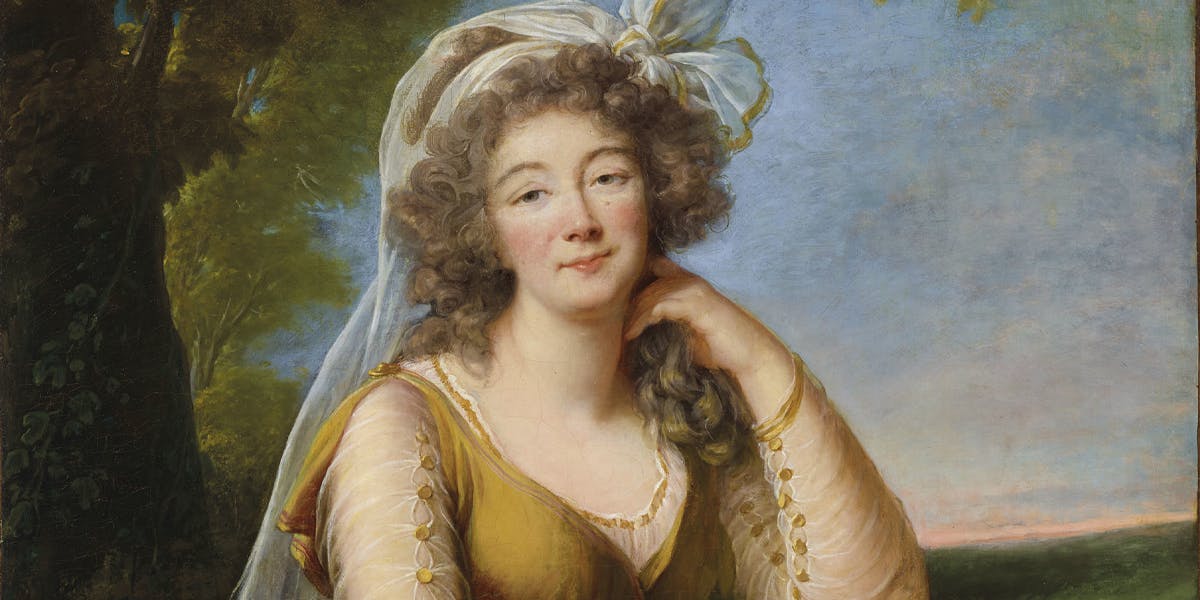
Marie-Jeanne Becu, better known as Madame du Barry, was the last mistress of King Louis XV, and a fascinating figure in her own right. Throughout Madame du Barry's life, art and luxury always played a big role. Here are five interesting facts about the the royal mistress:
1. From rags to riches
Although Jeanne Becu was born as the illegitimate daughter of a seamstress in 1743, she quickly rose to prominence in elite circles as a courtesan because of her beauty.
Related: François Boucher and the 18th-century Pin-Up
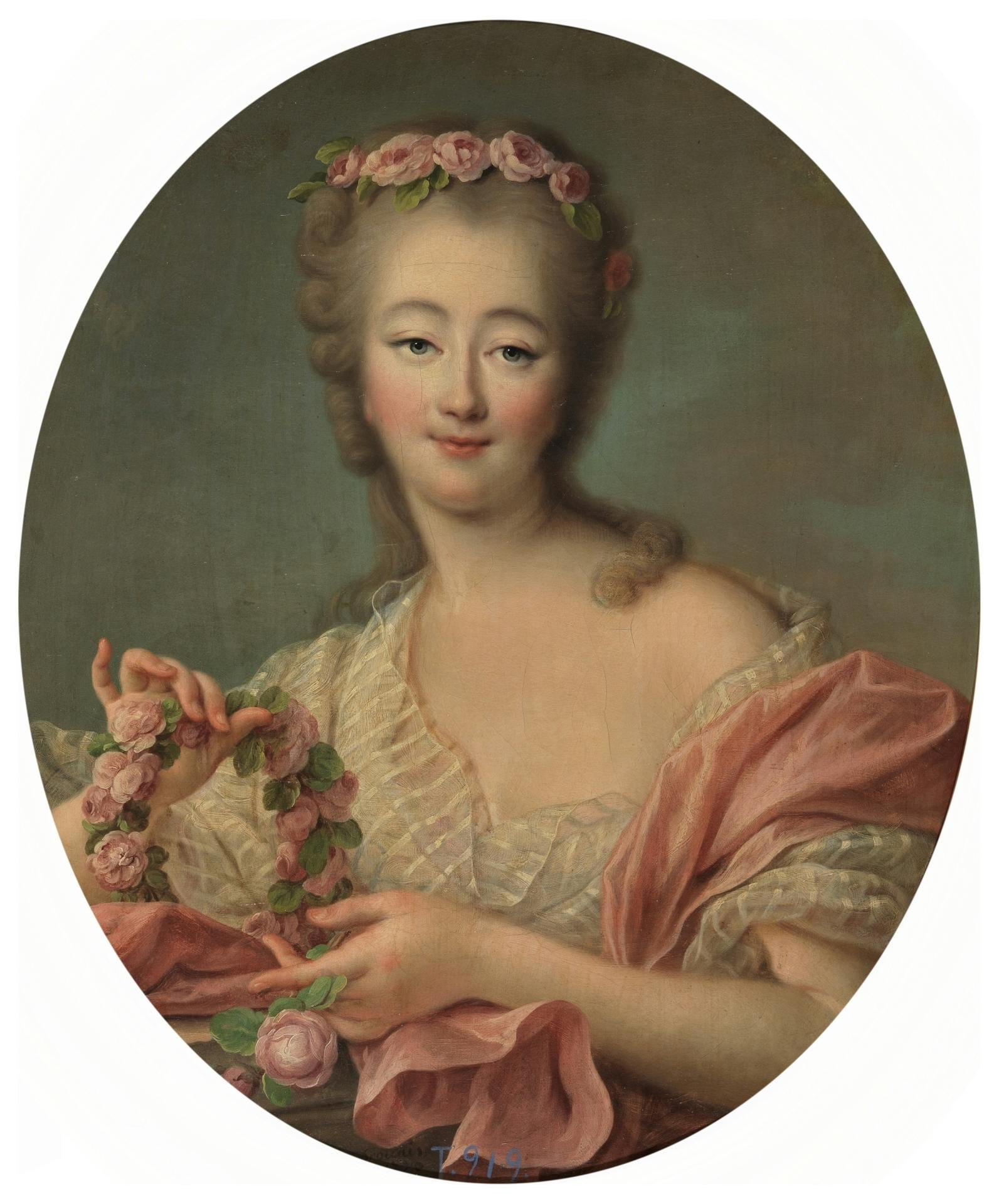
In 1769, the 25-year-old Jeanne was quickly married to Count du Berry because a title was required to become the official mistress of Louis XV. That same year, she moved into her apartments in Versailles, which were secretly connected to the king's personal apartments. In her powerful position at the court of Versailles, not only was she regularly able to enjoy lavish gifts, but she also appeared as a patron of the arts, commissioning elaborate furniture, décor and paintings.
2. A castle of her own
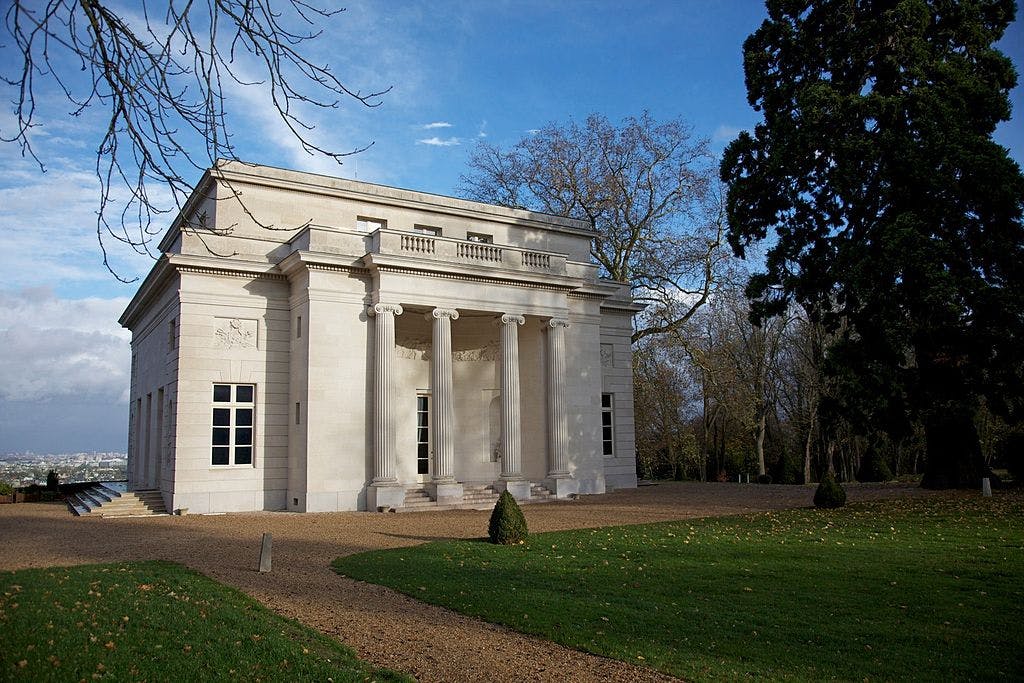
After Louis gave her a castle in Louveciennes, Madame du Barry had it expanded and decorated. Of particular importance was the Pavillon de Musique, which was constructed in 1771 by architect Claude Nicolas Ledoux, and is now considered the prototype of French classicism par excellence.
Another important artist commissioned to redecorate the castle was Jean-Honoré Fragonard. For the pavilion, he was asked to create a series of murals. As a result, he delivered the four-part series The Progress of Love, a charming Rococo ensemble.
Related: A Lost Fragonard Painting Sold for $9 Million
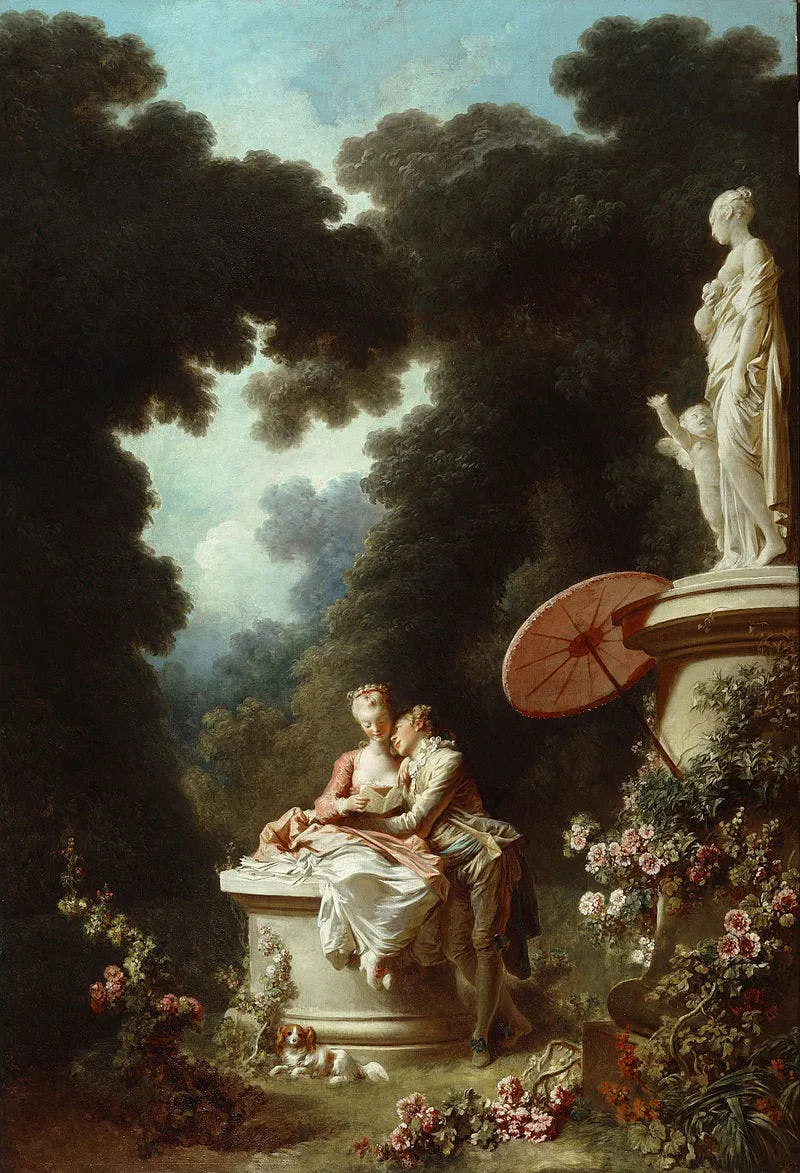
The paintings were hung up at first, but were later rejected because the royal mistress thought them too frivolous. With a heavy heart, Fragonard took the works back and hung them up in his cousin's house in his native town of Grasse. Later they were purchased by J.P. Morgan, and today they are displayed inside the Frick Collection in New York.
3. An infamous diamond necklace
One of the most notorious criminal cases of the 18th century is the diamond necklace affair of 1785-86, which cost Marie Antoinette her reputation.
Related: Crown Jewels: 5 Times Royal Jewelry Made Auction Headlines
In 1772, Louis XV ordered an extravagant diamond necklace for Madame du Barry, but he died two years later before the piece was completed or paid for (it would have cost the equivalent of about $14 million today.)
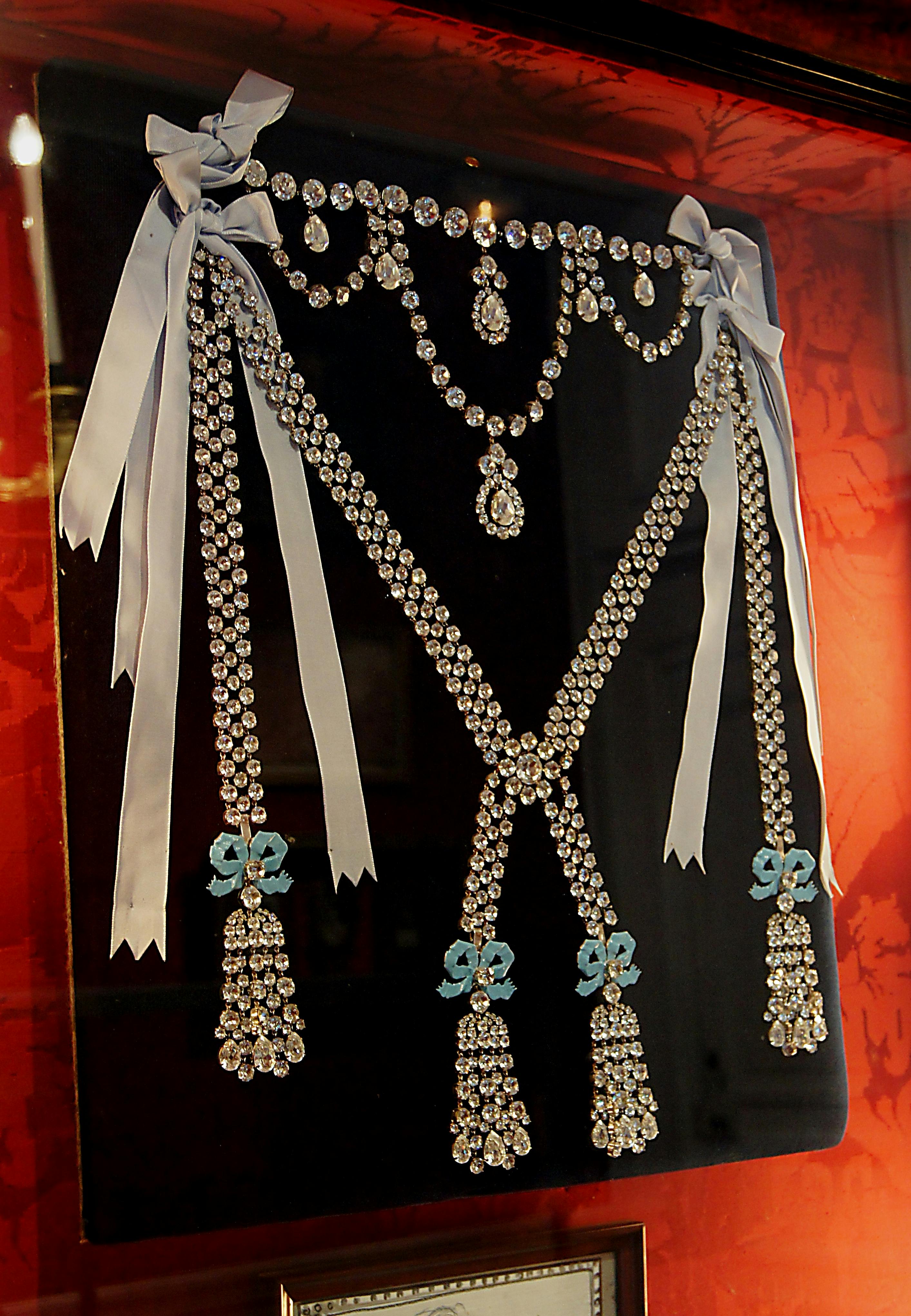
A scheming parvenu named Jeanne de Valois-Saint-Remy convinced a gullible Cardinal that Marie Antoinette wanted the famous necklace but couldn't purchase it because of rumblings of the French Revolution. He paid for the necklace in installments and Jeanne then sold the diamonds on the black market. Forged letters by Jeanne testified to Marie Antoinette's desire for the necklace, when in fact she had turned down the necklace twice when her husband Louis XVI had offered it to her.
Related: The Royal History of the World's Most Expensive Clock
Although Marie Antoinette was innocent in the incident, her history of lavish expenditure led to much speculation among the French, leading to the downfall of the Bourbon monarchy and the 1789 Revolution.
4. The original Madame Tussaud's wax figure
The oldest wax figure exhibited at Madame Tussaud's in London bears the name Sleeping Beauty and dates back to the mid-1760s. Supposedly, the future royal mistress, who at that time lived as a courtesan in Paris, was the model.
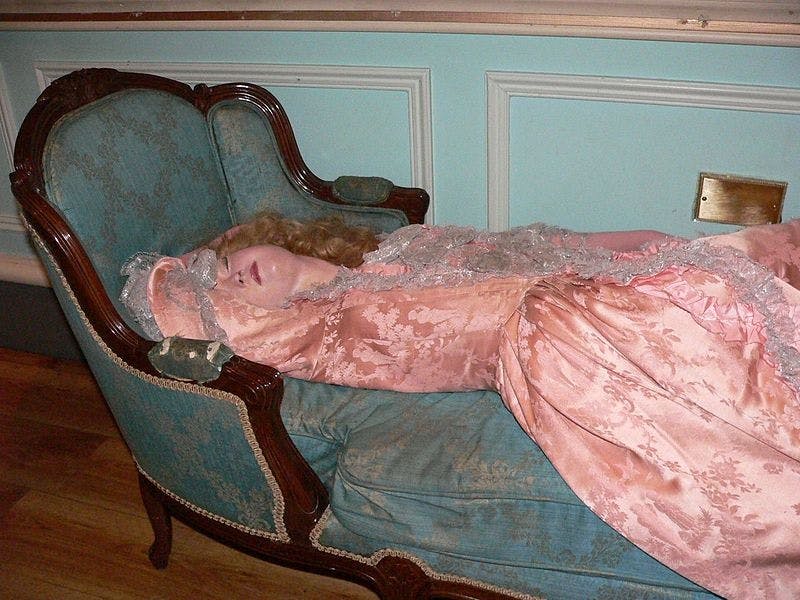
Madame Tussaud herself, then called Marie Grosholtz, was said to have been the creator of the figure. However, it is more likely that the Sleeping Beauty was created by Marie's teacher Philippe Curtius, who she began working under at the age of six.
5. Her last privately held portrait
Beginning in the late 1770s, Elisabeth Vigée Le Brun was the most sought after and fashionable portrait painter in France. Marie Antoinette was famously portrayed by her many times, as well as members of French and European nobility.
Related: The Art of Fashion: Fashion in Art
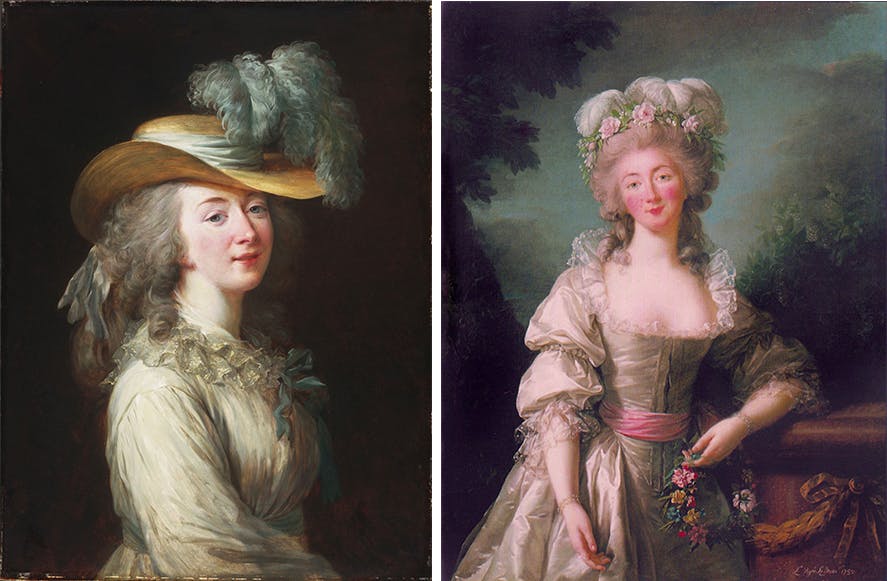
She painted three portraits of Madame du Barry. The first, now in the collection of the Philadelphia Museum of Art, was painted in 1781 and depicts Jeanne in a similar style as a work of Marie Antoinette in a simple white dress with a straw hat. The second portrait, exhibited at the National Gallery of Art in Washington, DC, dates to a year later and in it, she wears a floral wreath in her hair and a more formal gown.
The final portrait was painted in 1789, the same year Vigée Le Brun finished her large-scale work of the Indian ambassador Mohammed Dervish Khan. This was the painting auctioned on January 30, 2019 at Sotheby's in New York with a $7.18 million price tag, setting a new record for the artist. In 1789, Louis XV had been dead for 15 years, and Madame du Barry was living a secluded life, surrounded by the luxuries supplied by her former lover in a castle in Louveciennes, near Paris. The new man in her life, Duke Hercule de Cossé-Brissac, presumably commissioned the portrait. Related: On Rocky Paths: Female Artists from the Renaissance and Enlightenment
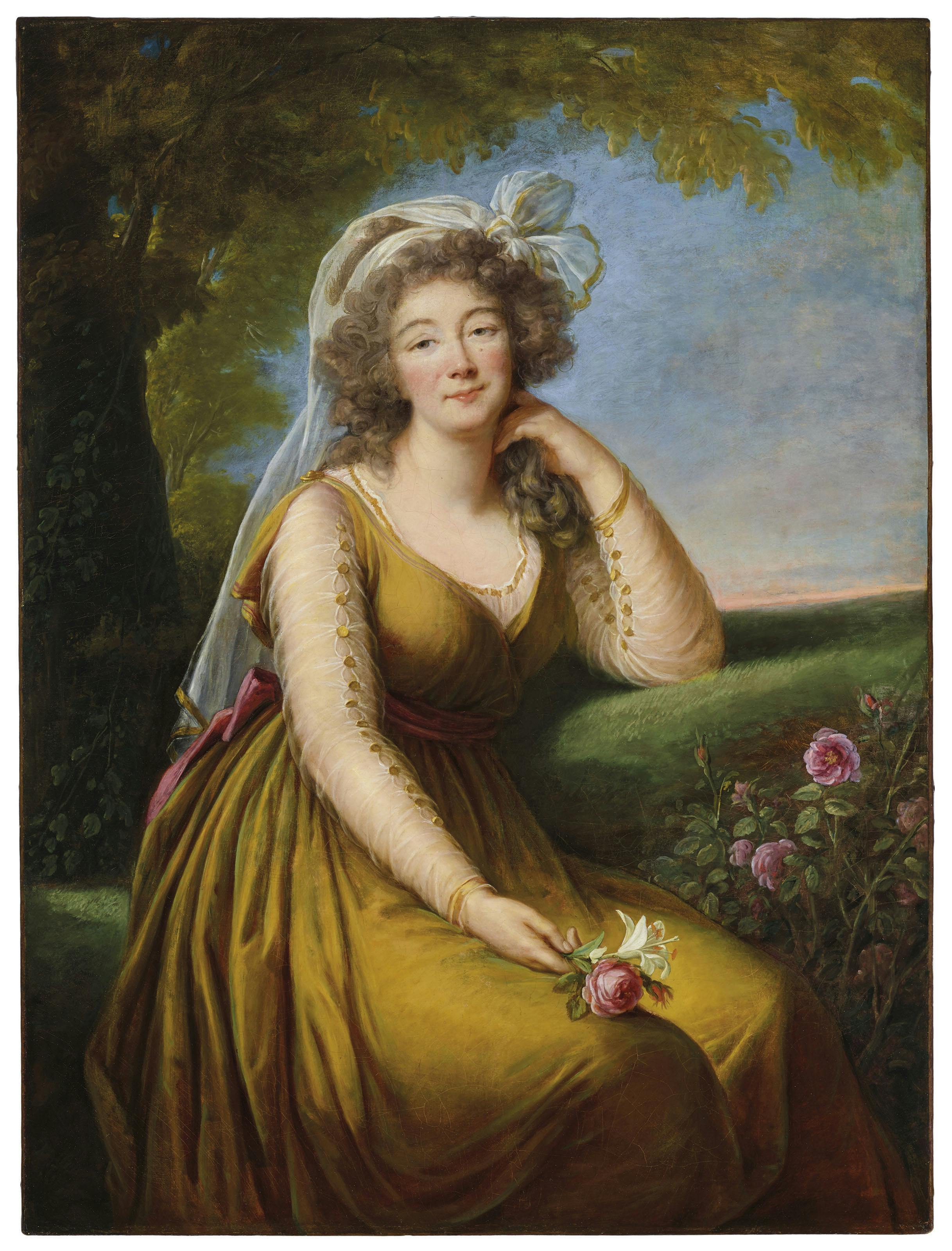
After Madame du Barry was beheaded during the French Revolution, the portrait changed hands among the French aristocracy and was most recently part of the Rothschild family collection. It sold for $975,000 at Christie's in May 2019.
Find more articles on Barnebys Magazine
This is an updated version of an article originally published on April 4, 2019.