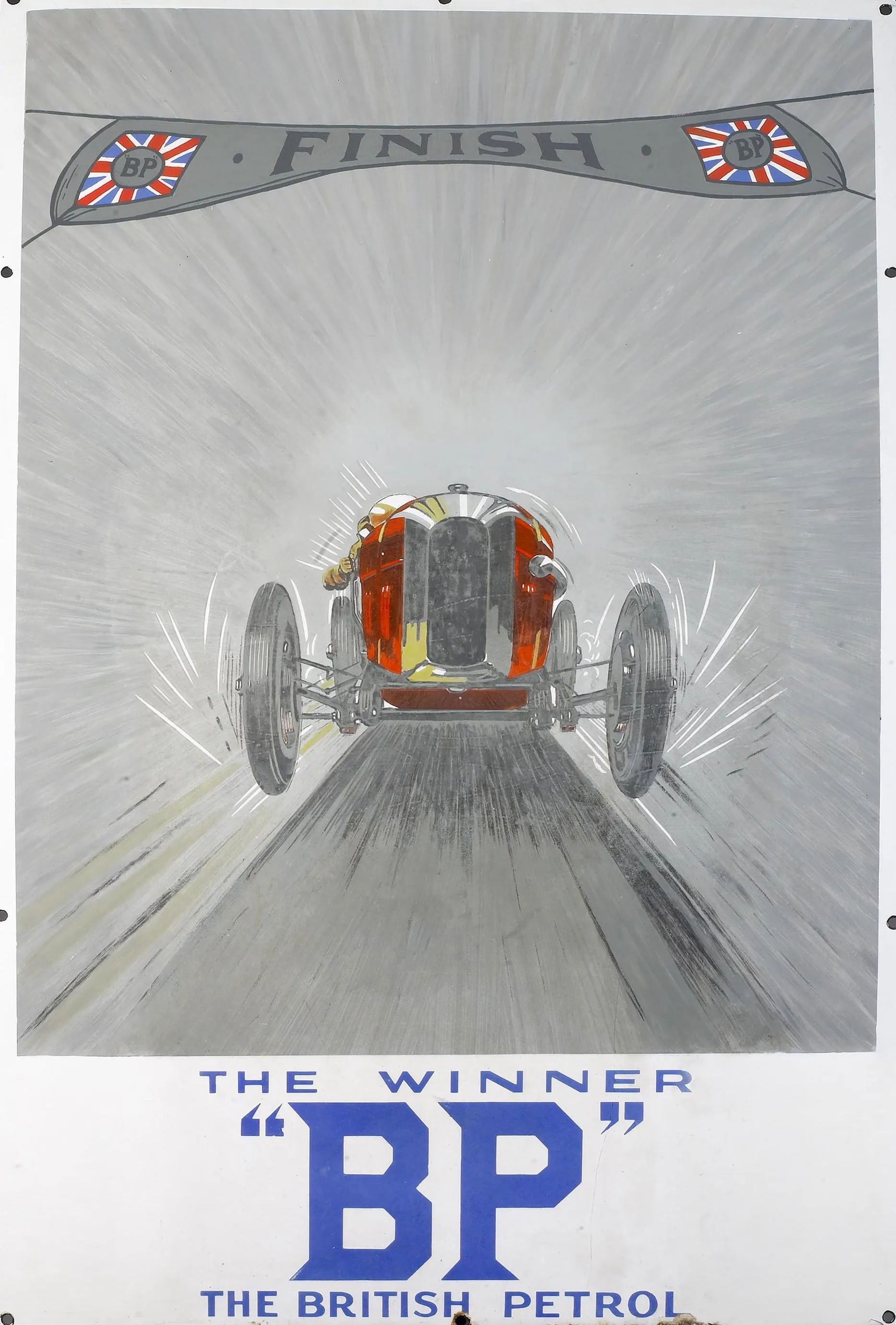
In 2005, a simple but striking enamel advertising sign sold for a staggering £28,000 at the Canterbury Auction Rooms in Kent: an international record. For those in the know, the BP Winner Sign is one of the 'holy grails' of enamel sign collectibles: it features the image of a speeding racing car and, during the 1920s, would have been displayed on the wall of a garage to promote British Petroleum. We live in an age of media. Unsurprisingly, advertising from past times – signage, posters and ephemera – attracts obsessive collectors. Prices are on the rise.
Before the nineteenth century, the majority of people were illiterate. Consequently, advertising tended to represent, visually, a trade or craft often objects placed outside a shop: the barber's red and white striped pole and the tobacconist's carved wooden American Indian figure are typical examples. But during the late 19th century, with improvements in education and rising literacy rates, written signage became increasingly common.
Related: Illustrating Fashion in 1920s Paris: The Work of Georges Barbier
In 1889, Benjamin Baugh established the Patent Enamel Company in Selly Oak, Birmingham, England, the first factory devoted to the manufacture of enameled iron signs. The West Midlands already had a history of enamel production: by the eighteenth century, the town of Bilston, near Wolverhampton, was known for its beautifully enameled snuff boxes, candlesticks and decorative trinkets, and Baugh had already patented his new technique in 1859. Vitreous enamel (also known as 'porcelain enamel') is made by fusing powdered glass onto rolled iron. Enamel is durable and weather-resistant: a considerable advantage for the industrial and polluted urban environment: corner shops, the brick walls of garages and workshops and fairgrounds. Manufacturers intended their signs to last.
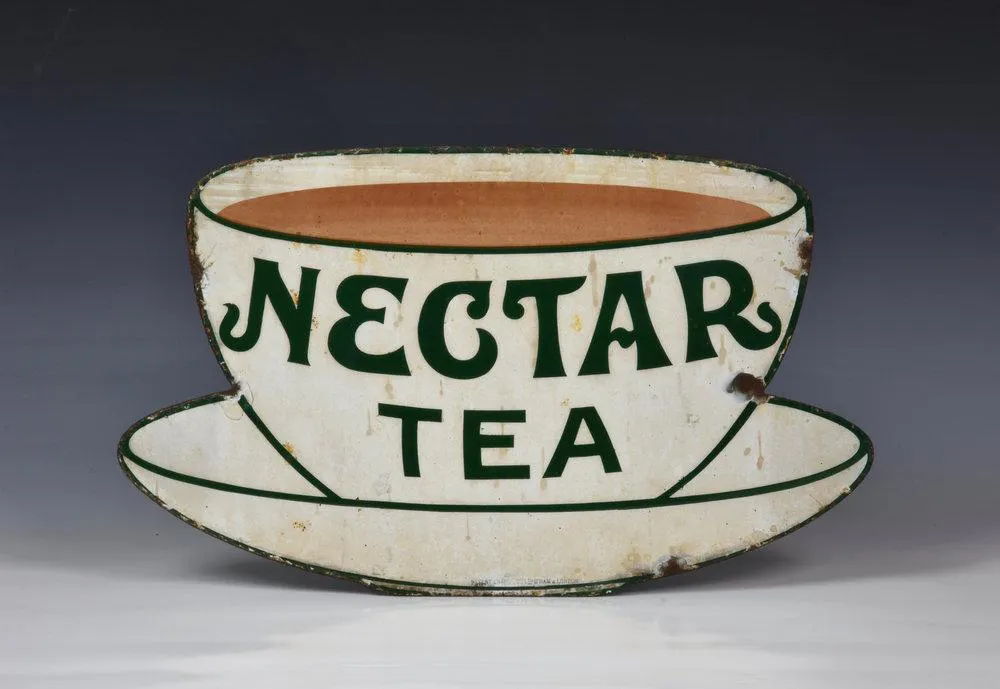
Soon, other local factories followed Baugh's lead. These included The Chromographic Enamel Company, Imperial Enamel of Birmingham, Stocal Enamels of Burton, J. A. Jordan & Sons of Bilston, and the Falkirk Iron Company.
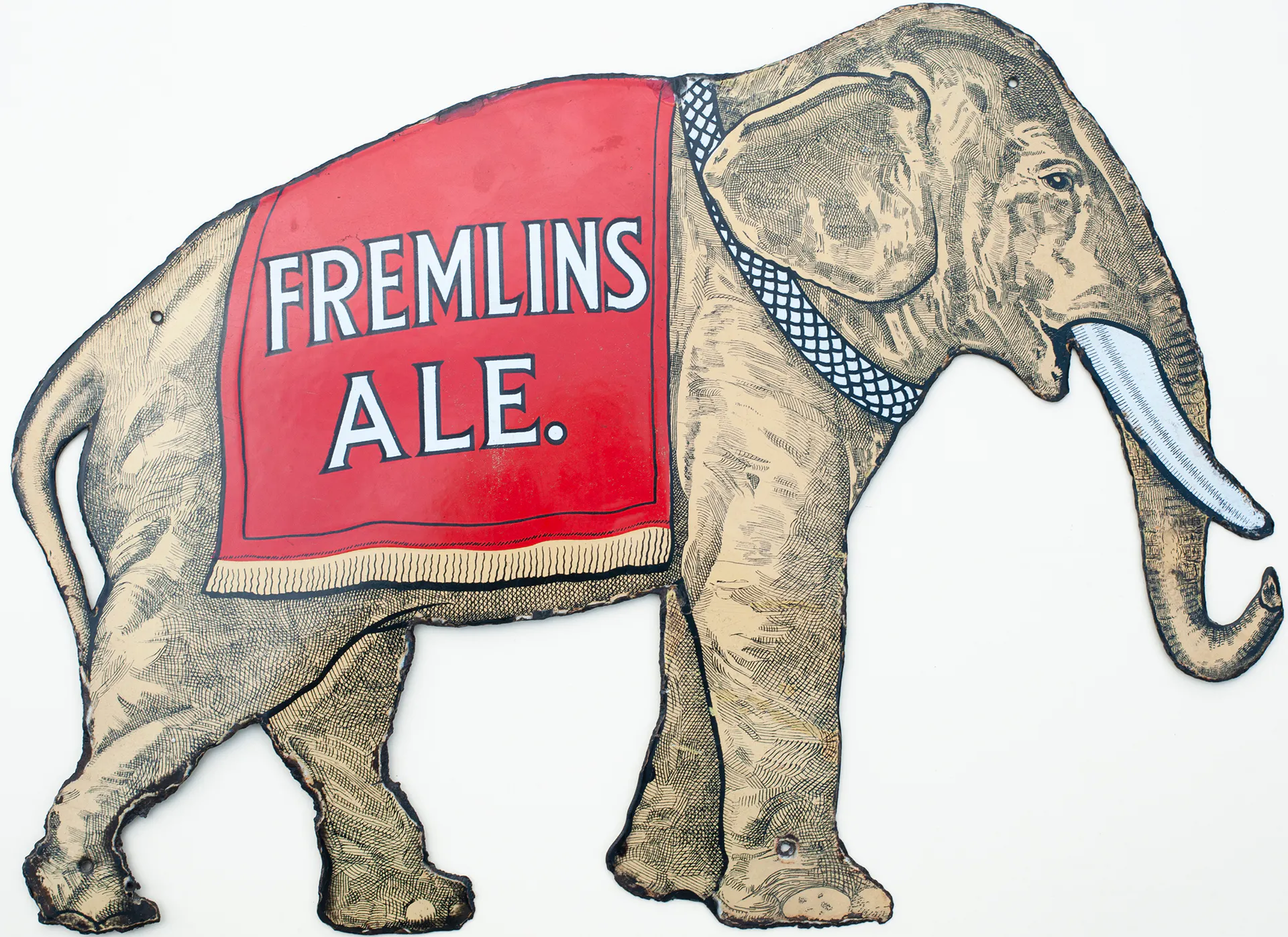
In the current market, interior designers appreciate antique and vintage advertising signs for their fashionable industrial look. There's also a thriving trade in signs advertising food and drink, often bought by publicans and restaurateurs. In 2021, a delightful enamel sign for Fremlin's Ales, with a decorative circus elephant, sold for £2,500 at G. W. Railwayana auctions. Until fairly recently, it was still possible to see the odd enamel sign on Britain's streets, although soaring prices at auction have made them attractive targets for thieves.
Related: 10 Most Expensive Classic Cars Ever Sold at Auction
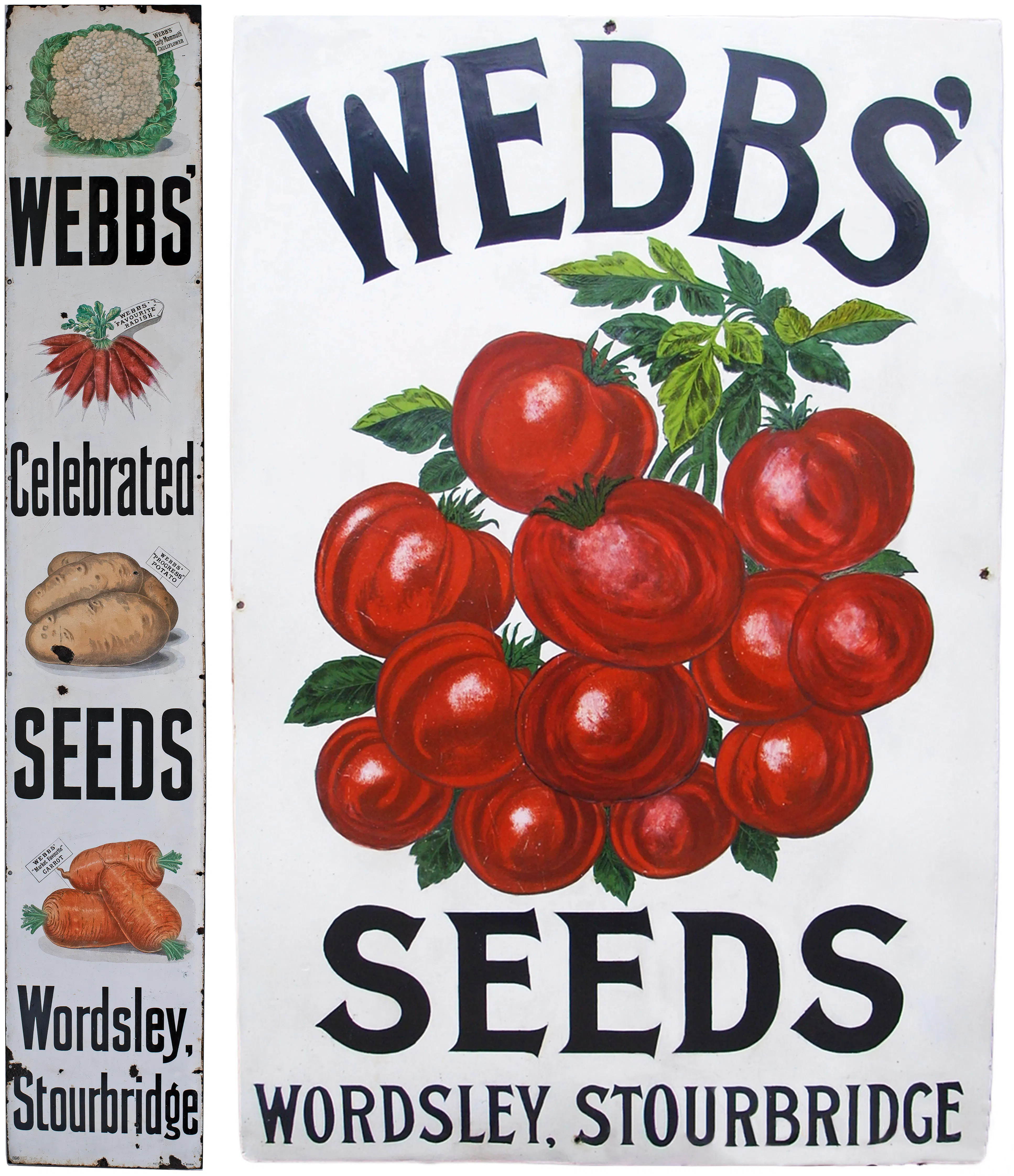
There's a nostalgic allure. Another 'holy grail' is the Webb's of Stourbridge's seed panel. A rare example, oblong in shape (and in lovely condition), decorated with cauliflower, radishes, potato and carrot, sold for £12,700, again at G. W. Railwayana auctions. But often, the subject matter overlaps with another collecting area, affecting prices: motoring signs have an obvious appeal to the moneyed classic car enthusiast. Rarity and condition drive value. It's all about the visuals. And some of the more fanatical collectors might, say, recreate a 1920s garage, an Edwardian chemist, or a 1950s sweet shop.
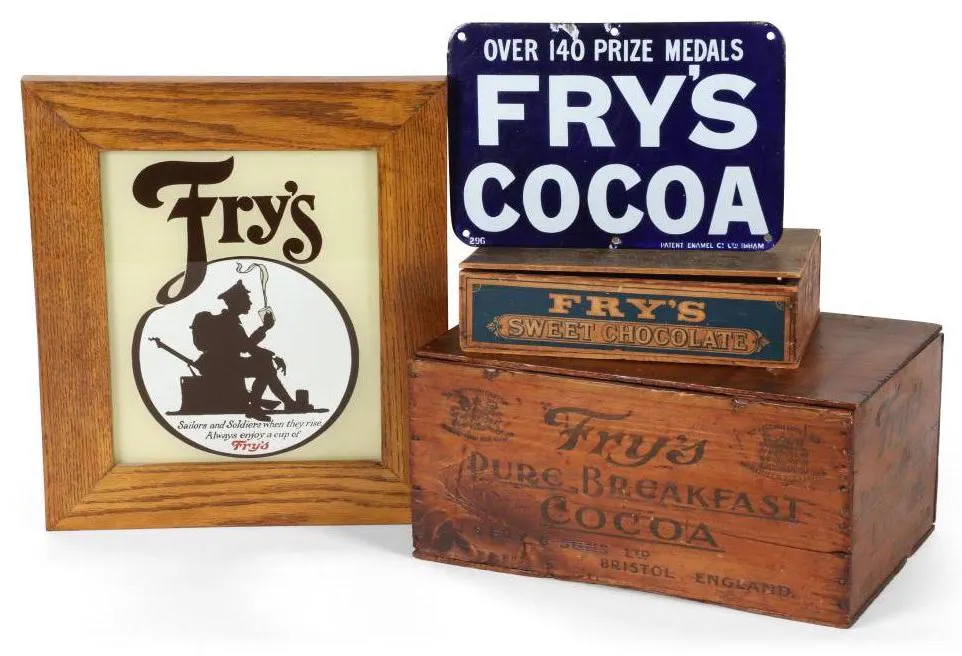
That said, collectors on a budget can buy the more commonplace – if still appealing – signage for prices in the region of £200-300. Subjects typically include soap, tobacco, chocolate and matches.
But where there's demand, there's skulduggery. Fakes abound, especially on online auction sites. "It's difficult to fake genuine age," says Stephanie Connell, auctioneer, valuer and presenter of BBC's Bargain Hunt – a reassuring piece of advice to newbie collectors. Reproduction enamel signs are computer-generated, lacking the baked layers of genuine vitreous enamel. Fake signs are often deliberately chipped along the edges but lack the tell-tale signs of genuine rust.
Related: Need to Know: Tips for Buying at Auction
Reproductions can also have new-looking rivets. Authentic signs have uneven fading and wear – especially to the lettering, created with thinner paint. Before the 1950s, manufacturers enameled their signs on steel rather than aluminium, so a genuine sign should attract a magnet. And as with a painting, the back is often a give-away, sometimes telling you more than the front.
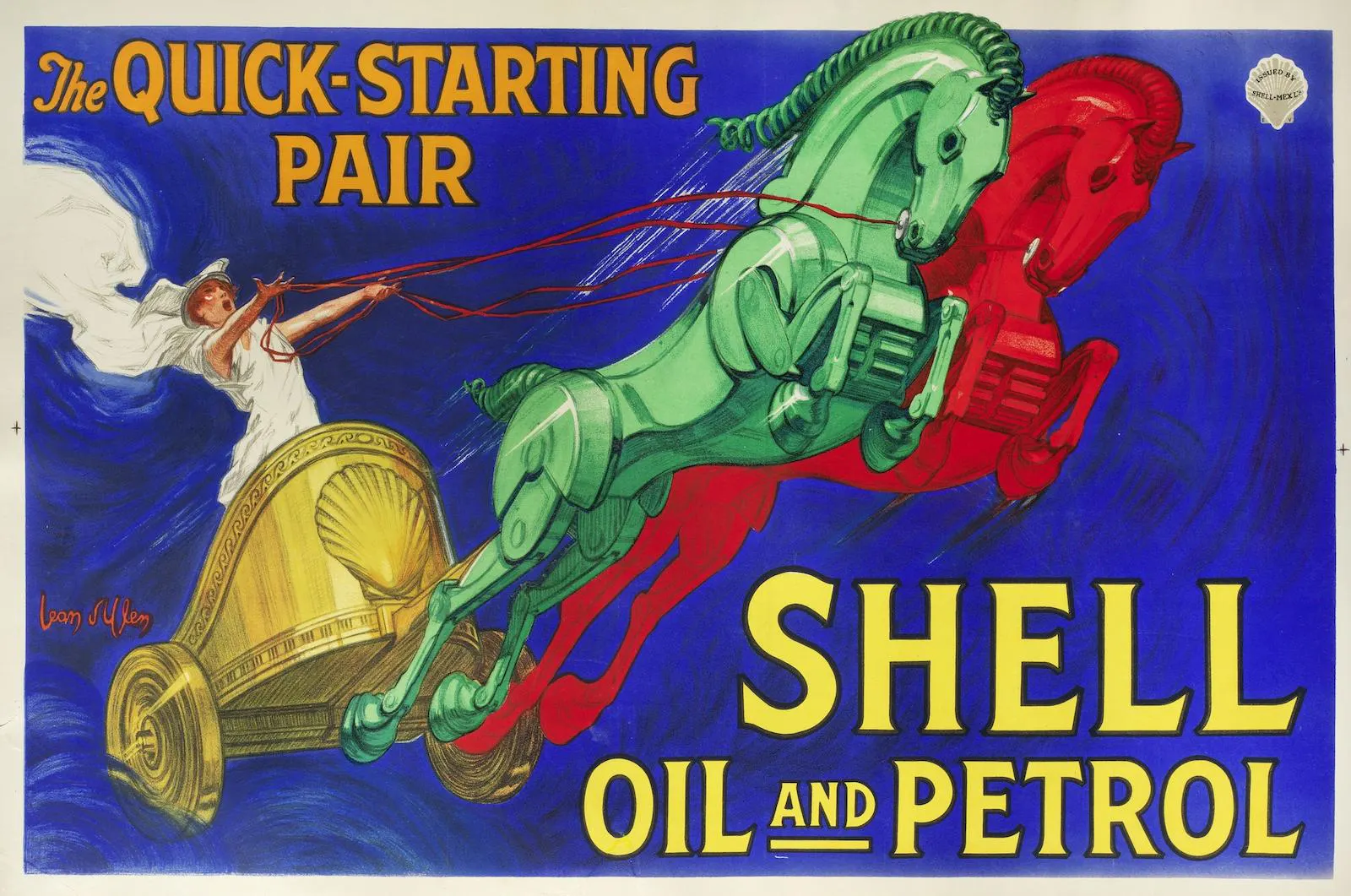
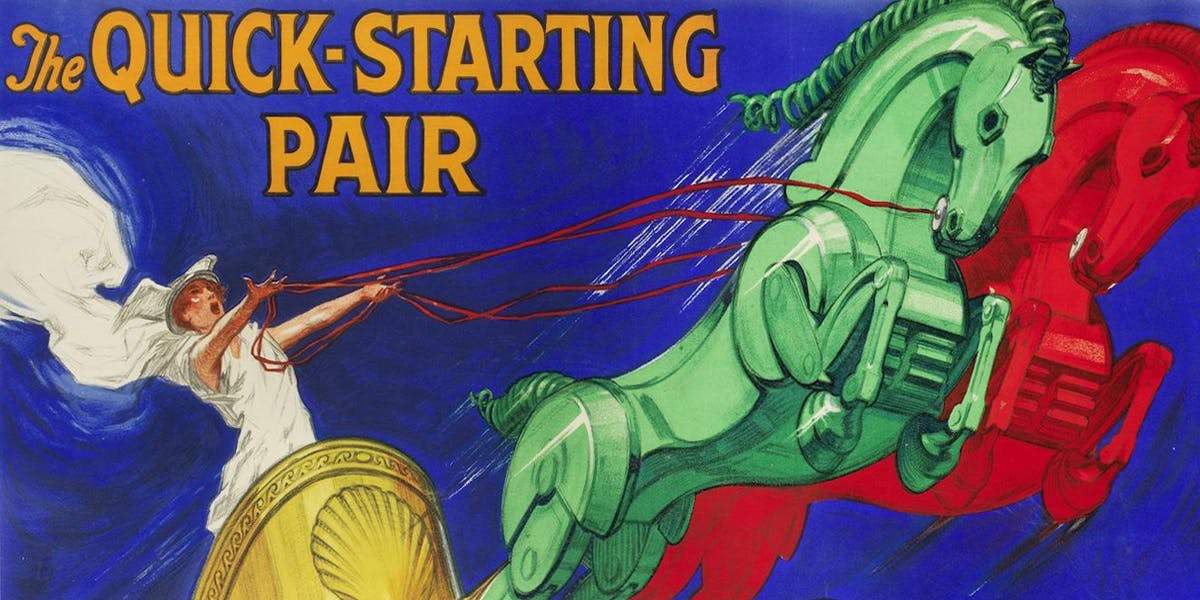
By the 1920s, enamel signs proliferated in the streets of Britain. The growth of motoring meant a faster pace of life – advertising intended for a fleeting glance from a car, taxi or bus. Inevitably, there was a backlash. Sensitive to public opinion, the Shell Oil Company tackled this ingeniously, concentrating instead on a series of posters attached to the sides and backs of lorries delivering fuel to garages and roadside petrol pumps.
Related: This is the Most Expensive Concert Poster in Auction History
These Shell posters are eminently collectible. Jack Beddington, the enterprising director of publicity for Shell-Mex BP, commissioned a series of lithographic advertising posters by up-and-coming and leading artists of the day, including Ben Nicholson, Graham Sutherland, Rex Whistler and Richard Guyatt. Frank Dobson's notable poster of 1933 shows the Cerne Abbas Giant, cut into Dorset chalk, and Cathleen Mann's poster (from the same year) features the eighteenth-century Gothick Mausoleum at West Wycombe in Buckinghamshire.
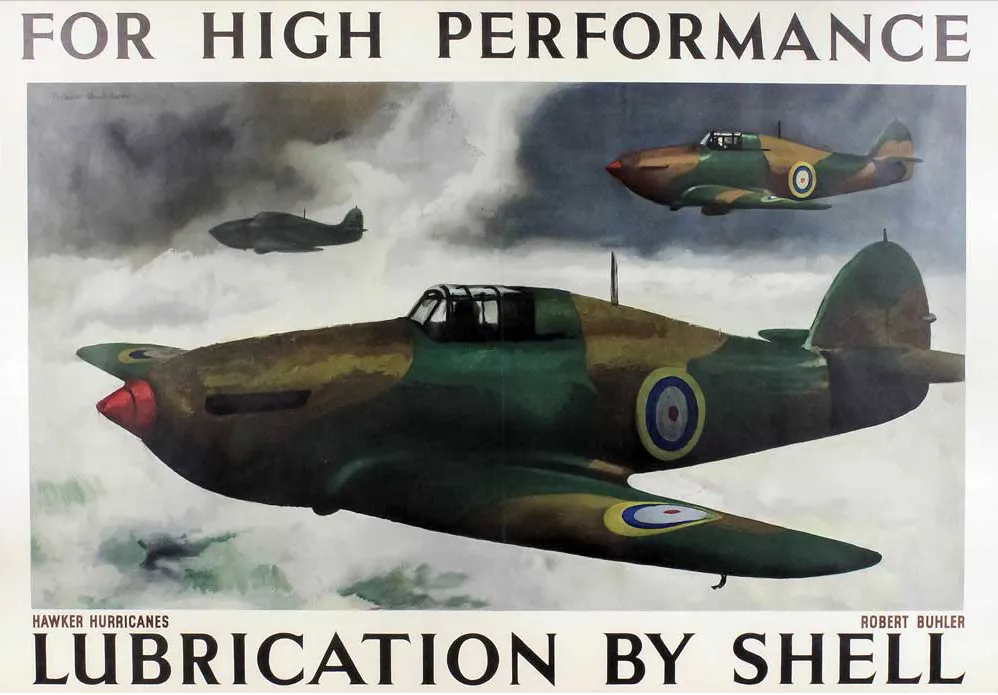
Prices vary depending on the strength of the image. Richard Guyatt's evocative poster of a racing driver fetched £1,400 at Lyon & Turnbull in April 2021, and Richard Buhler's wartime poster of a Hawker Hurricane fighter plane brought £900 at Canterbury Auction Galleries in 2019. Paul Nash's poster of the Rye Marshes, from 1932, was reprinted in 1969, and this later version can still be bought relatively cheaply at auction – in the region of £200 or so, for an example in good condition. On the other hand, an original Nash poster from 1932 (with some losses and foxing) secured $1,430 at Swann Galleries in New York.
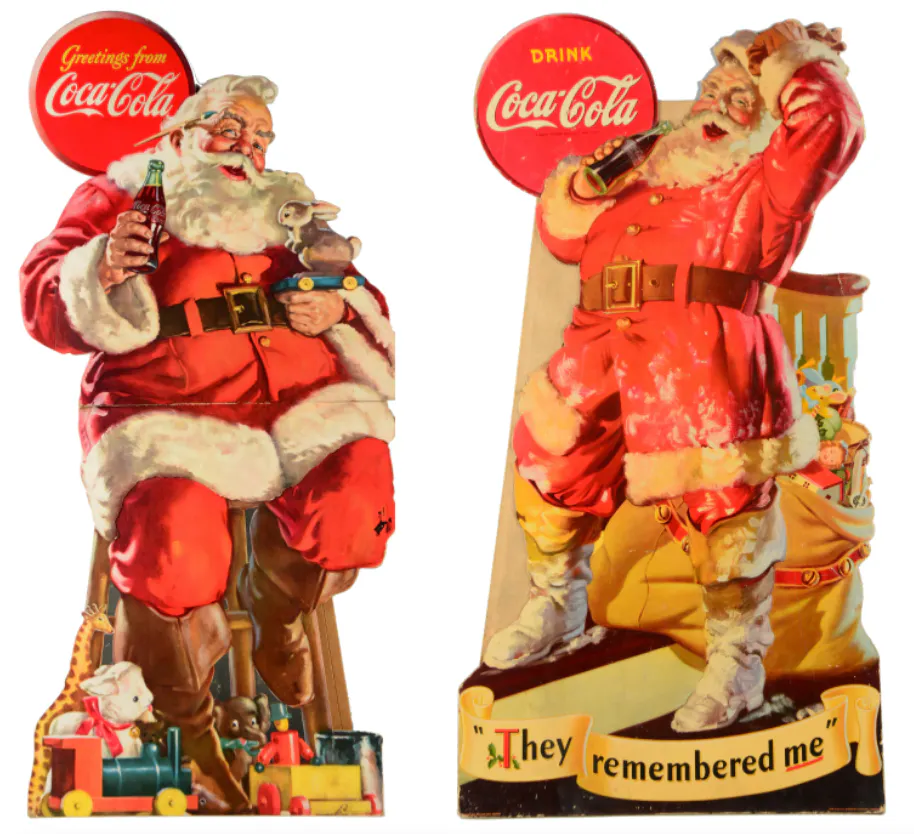
Shell's posters not only promoted the sales of petrol but championed the benefits motoring could bring to ordinary town-dwellers: weekend excursions to the countryside and the tearooms and antique shops of quaint market towns. In the United States, the Coca-Cola Company of Atlanta were similar masters of self-promotion, an early adopter of brand merchandising, lending their name to a series of items, including thermometers, calendars, mirrors and clocks. Coca-Cola was also responsible for the famous Christmas advertising campaign – launched in 1931 and revived recently, featuring Santa Claus in his red tunic and white beard.
Related: The Appeal of Antique and Vintage Board Games
But as with the signs associated with the golden age of motoring, this type of advertising tends to overlap with other collecting areas. A rare Silver King golf-ball caddy figure from 1910 sold for £4,400 at Mullock's specialist auctioneers – the price, undoubtedly, a reflection of its appeal to golf obsessives as much as advertising aficionados. The Silvertown Company was an alternative name for the India Rubber, Gutta Percha and Telegraph Works Co., manufacturers of golf balls and distributors of Silver King advertising figurines to British golfing professionals.
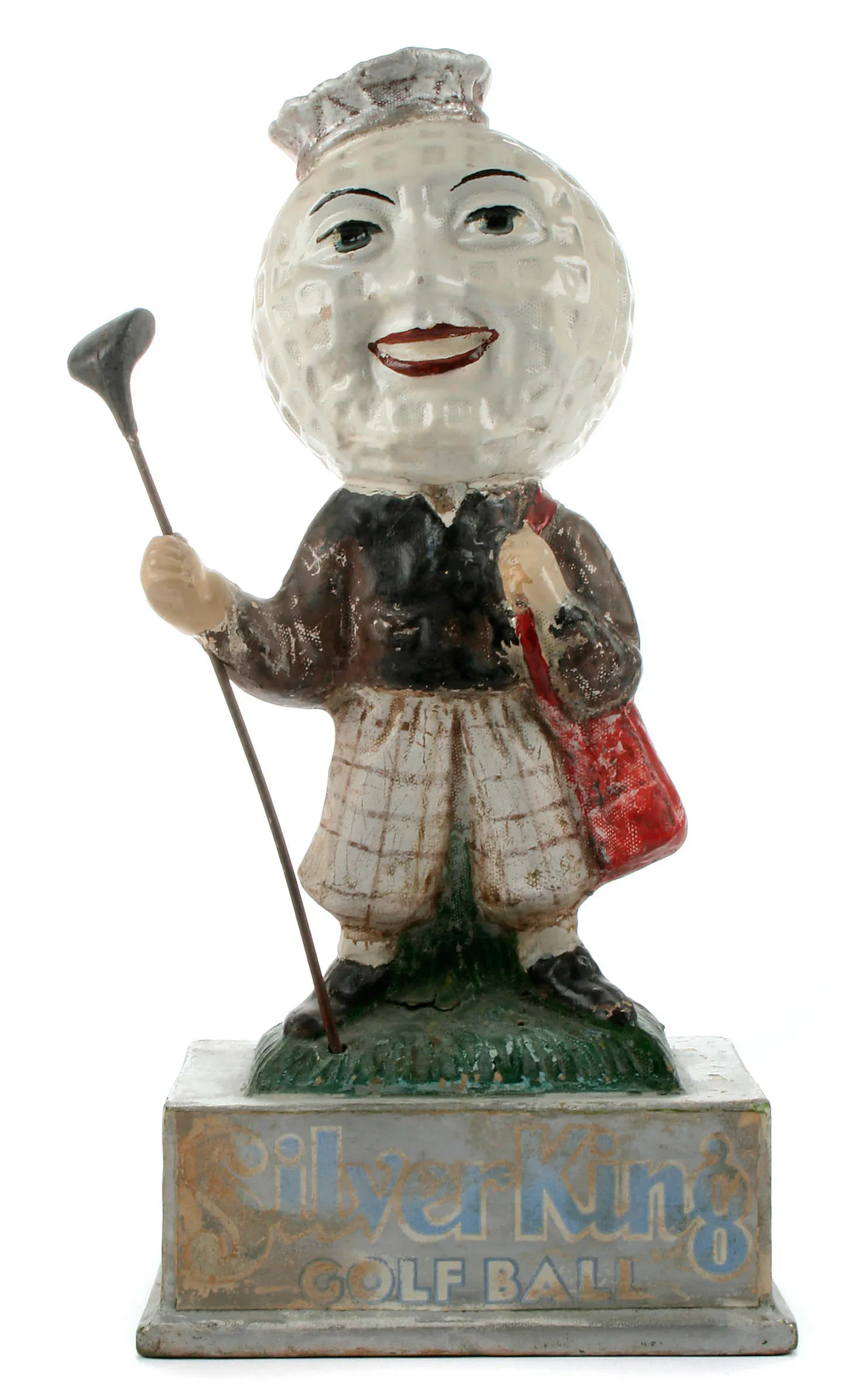
Another Silver King golf man figure from the 1920s sold at Bonhams for £6,000 in 2009. In the same way, Zeppelin enthusiasts might appreciate the 1930s Goodyear Blimp – a large-scale painted balsa wood model of the Goodyear Airship, originally displayed in the window of garages and workshops as a promotional tool for Goodyear tyres.
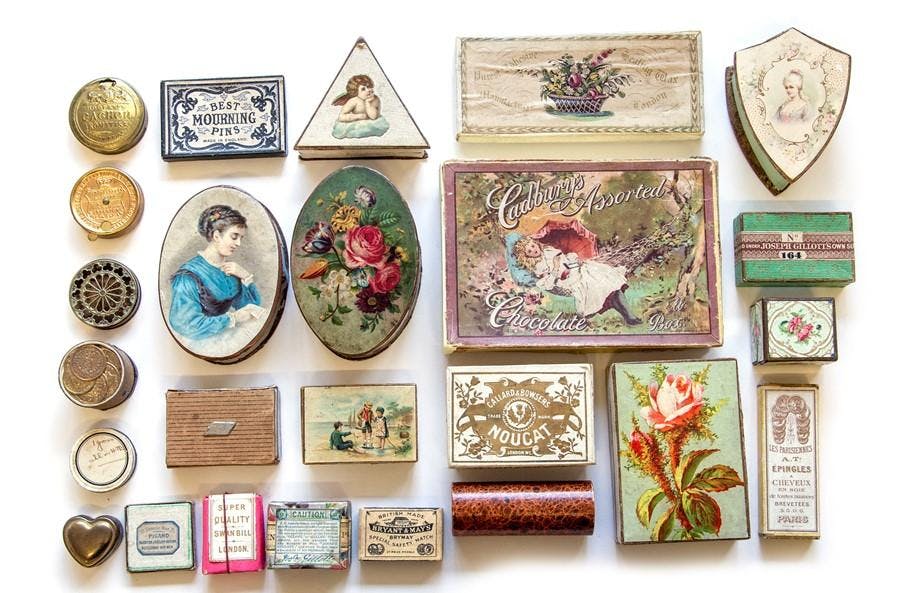
Package design is another fascinating – and affordable – collectable area. Leaf through a yellowing copy of an Edwardian Daily Mirror, and it's surprising to see advertisements for brands still popular today: Bovril, Cadbury's, Oxo, Pear's Soap, Mansion Polish, Bird's Custard, and H. P. Sauce. "Genuine old packaging is rare," says Stephanie Connell, "It was never meant to be kept or treasured. So many beautiful designs have been thrown away". The London antiques dealer, the late Stephen Long, was an obsessive hoarder, rescuing old tins, boxes and packages from the bottom of discarded cardboard boxes used for transporting antiques.
Want more articles like this delivered straight to your inbox? Subscribe to our free newsletter
Although rare, antique packaging is surprisingly inexpensive. Collectable items turn up at house clearances and in-house sales. In 2019, Hanson's auctioneers sold a delightful collection of Victorian packaging (Estimate £50-60), including a Prince Albert Cachou tin, a Bell & Co. matchbox, a Scented Gems tin by Piesse & Lubin and a Cadbury's Assorted Chocolate Box depicting a girl in a white summer dress lounging on a hammock. Cadbury’s advertising agency used the same theme for a television commercial in the late 1970s.
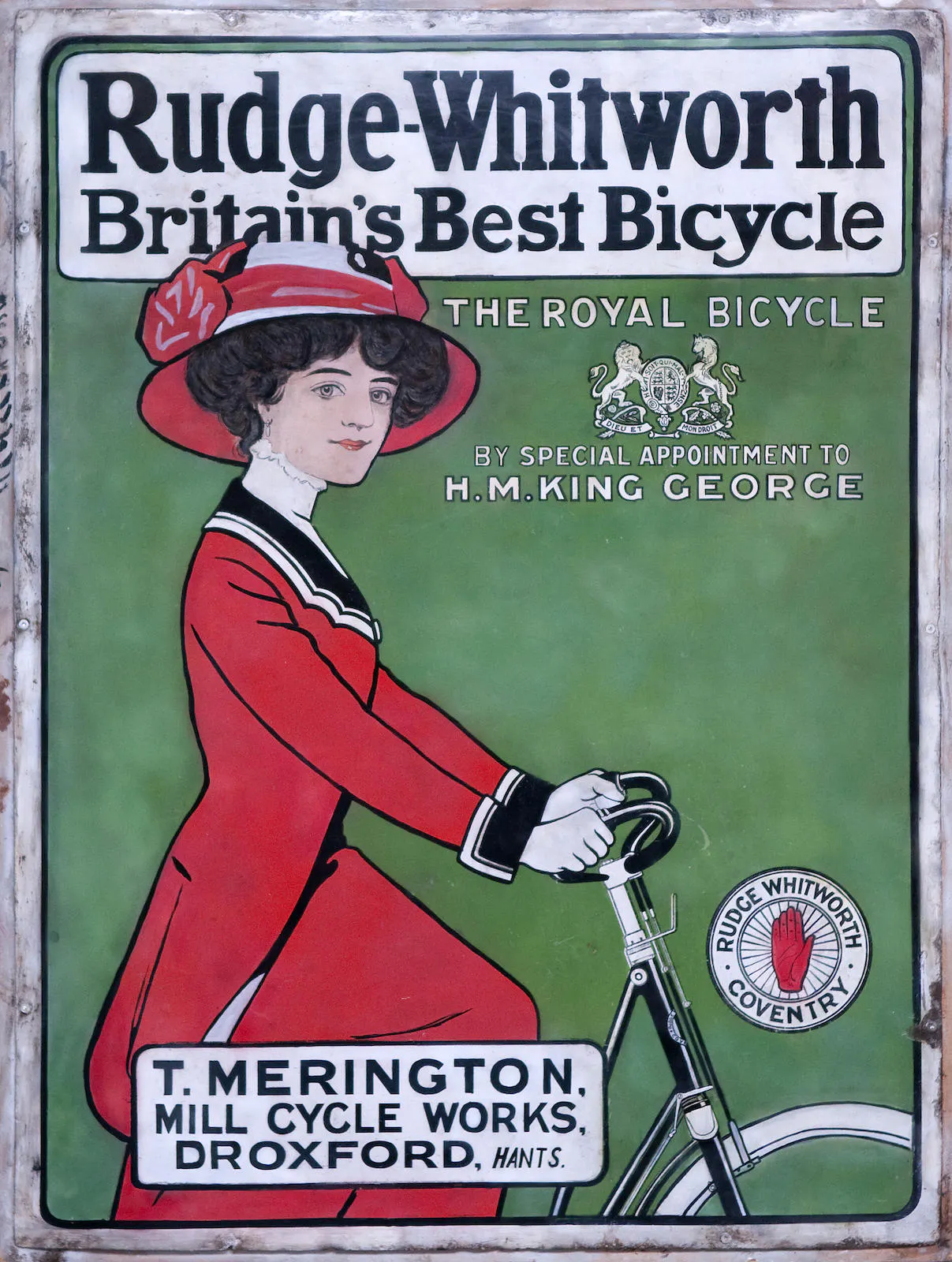
Collectors of antique packaging will be familiar with The Museum of Brands in London's Notting Hill – a sacred temple to the history of antique and vintage advertising. The brainchild of Robert Opie, a consumer historian and self-described 'supermarket archaeologist', the museum holds 12,000 exhibits spanning 150 years of consumer society. Robert Opie's first purchase was an intact pack of Munchies, acquired from a vending machine in Inverness. The permanent exhibition – The Time Tunnel – traces the history of consumerism from the Victorian period, placing much-loved brands in a historical context – transformed by the invention of the railway, the motor car and the aeroplane; cinema, radio and television.
In our throwaway society, the museum plays a vital role, saving packaging which otherwise might be thrown away for ever. Graphic design reflects the world we live in; it's who we are. To know the past is to understand the present.