In 1884, Greek silversmith Sotirios Boulgaris, born in 1857 in Paramythia, the largest silversmithing center in the Balkans, opened a shop on Via Sistina 85 in Rome. Quickly, the Bulgari brand established a reputation for excellent craftsmanship, drawing in tourists for its silver creations, which at the time were known for combining Byzantine and Islamic influences with floral motifs.
Related: The 9 Most Popular Jewelry Brands
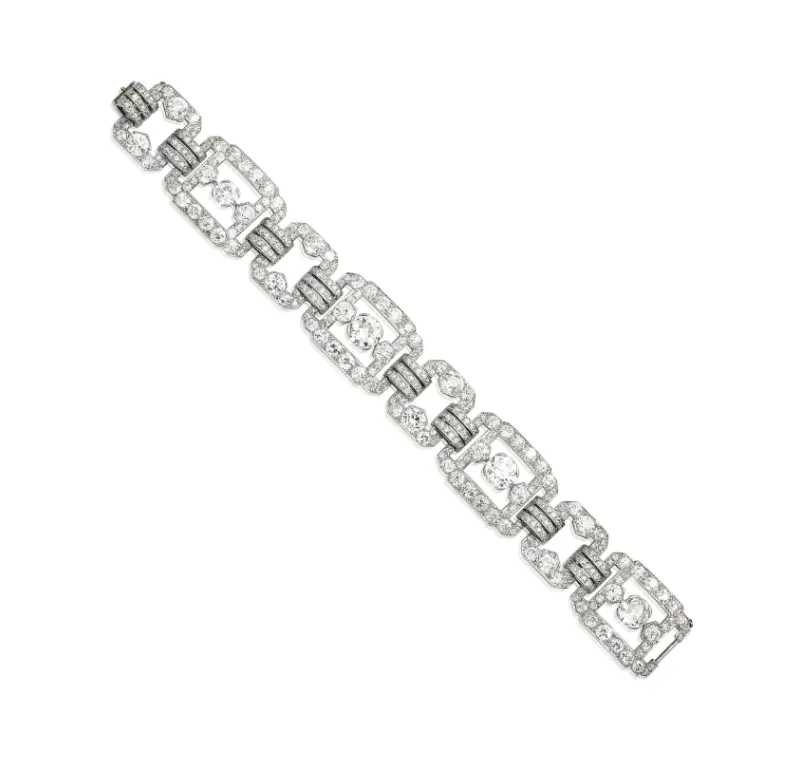
In 1905, new shops were opened on Via dei Condotti in Rome (the company's flagship to this day) as well as in other tourist destinations. When Sotirio's sons Constantino and Giorgio joined the business, the family brand decided to focus on high jewelry. At the time, Parisian jewelry, with its platinum Art Deco settings and diamonds, was at the centre of high jewelry design, and its trends would influence Sotirios' designs for decades. Convertible pieces were also very popular, and Bulgari's Trombino, a trumpet-shaped ring, became a major design.
Related: Buccellati: The Prince of Goldsmiths
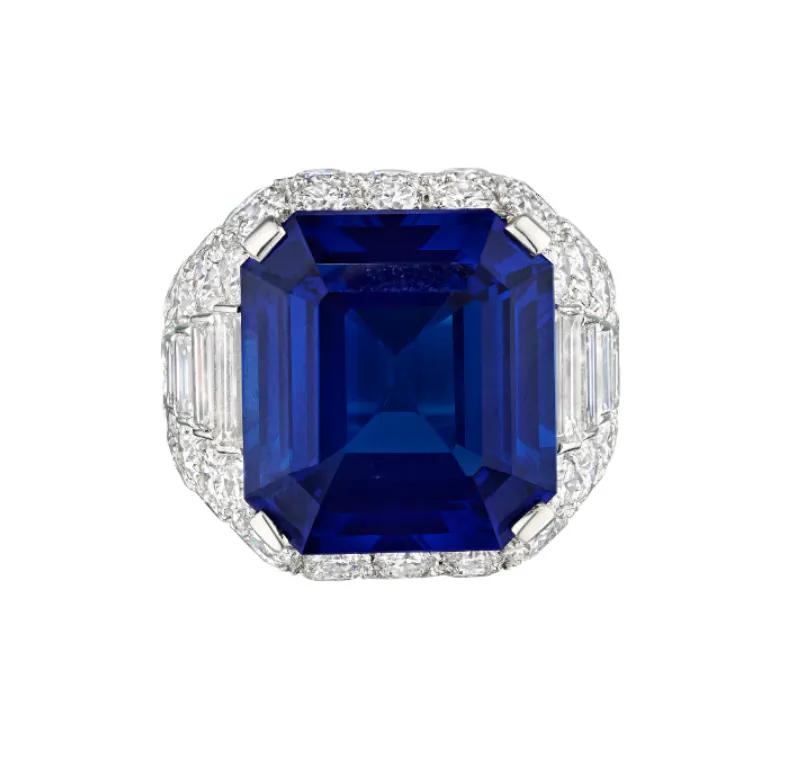
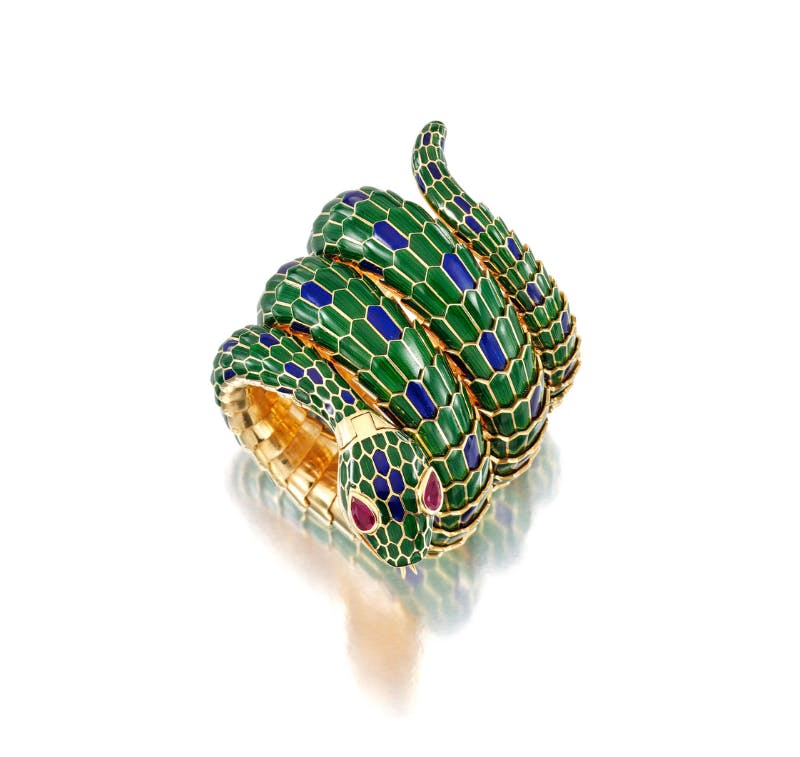
Sotirios died in 1932, and his two sons took ownership of the business, bringing the company to new artistic directions. From the 1940s onwards, Bulgari started to embrace its own style, and the famous Serpenti, one of the brand's most recognizable designs to this day, debuted to great success.
Related: How Cartier Got Its Spots
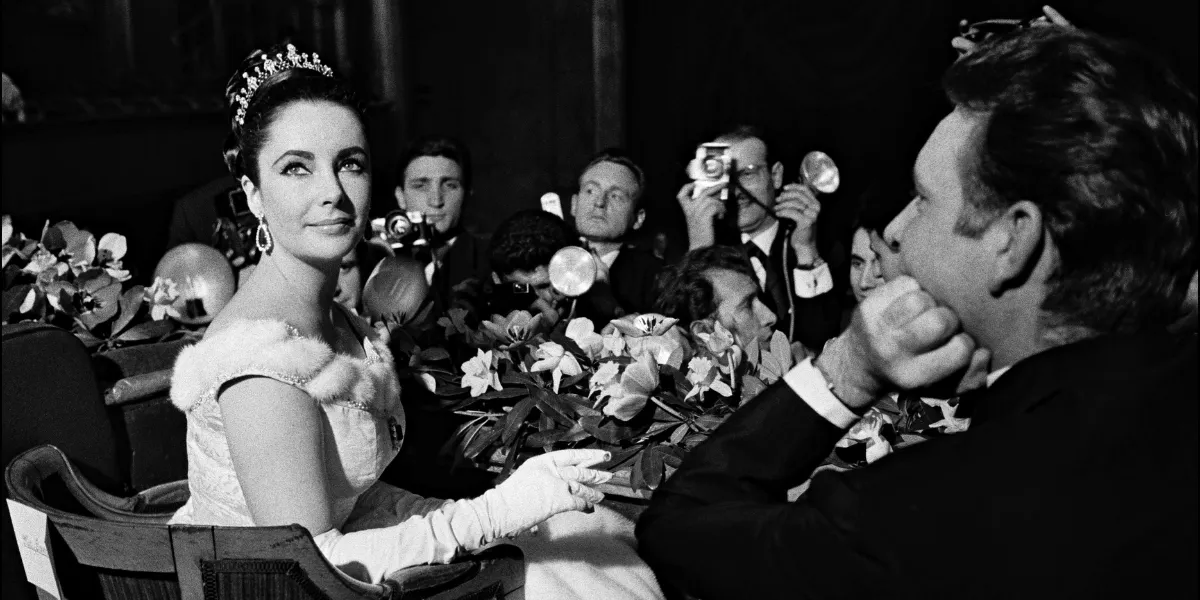
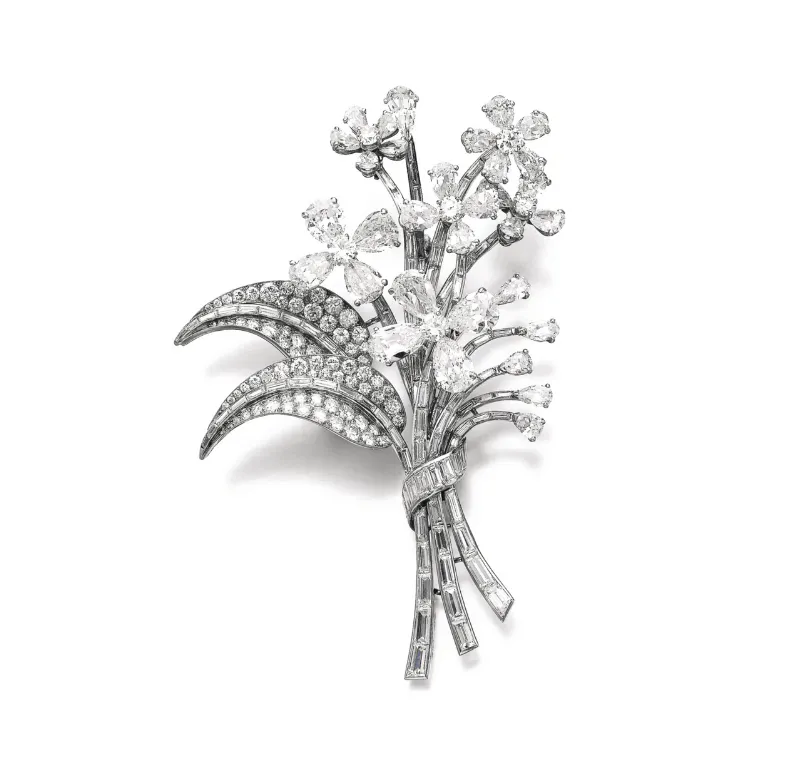
In the 1950s, Bulgari introduced colorful precious stones in daring combinations, and cabochon cuts, meant to recall Roman cupolas, became a hallmark of the brand. The first floral brooches, called 'en tremblant', were also launched. The era marked the flourishing of the Dolce Vita lifestyle, and Italian and international stars such as Elizabeth Taylor, Ingrid Bergman, and Gina Lollobrigida flocked to Rome and Via dei Condotti in particular, becoming some of Bulgari's best-known clients.
Related: 3 Iconic Women and the Jewelry They Made Famous
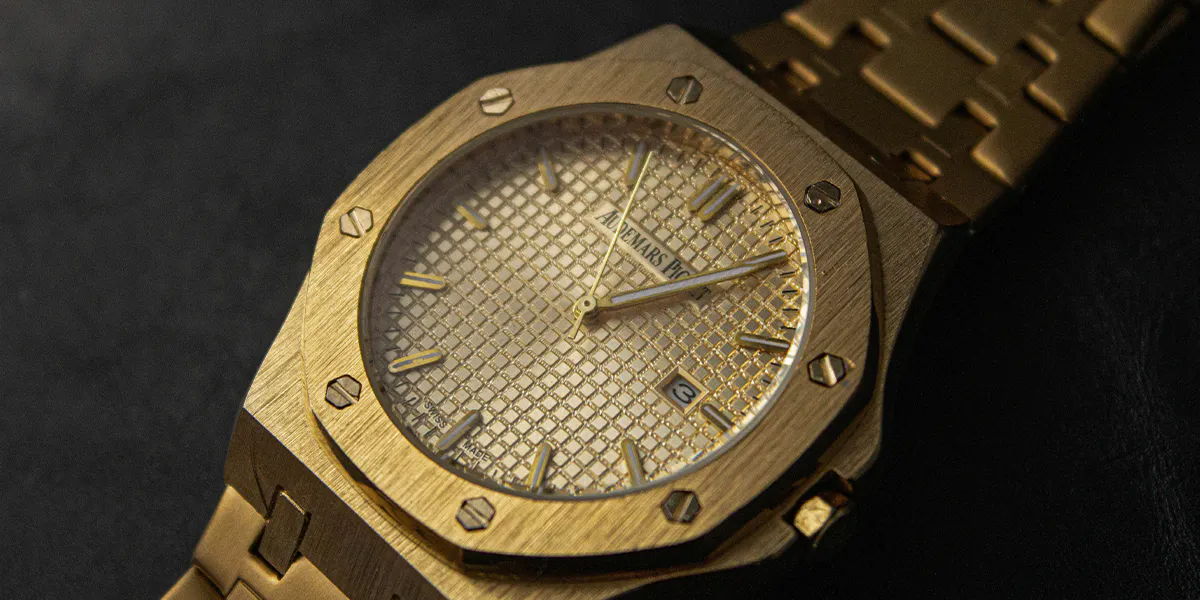
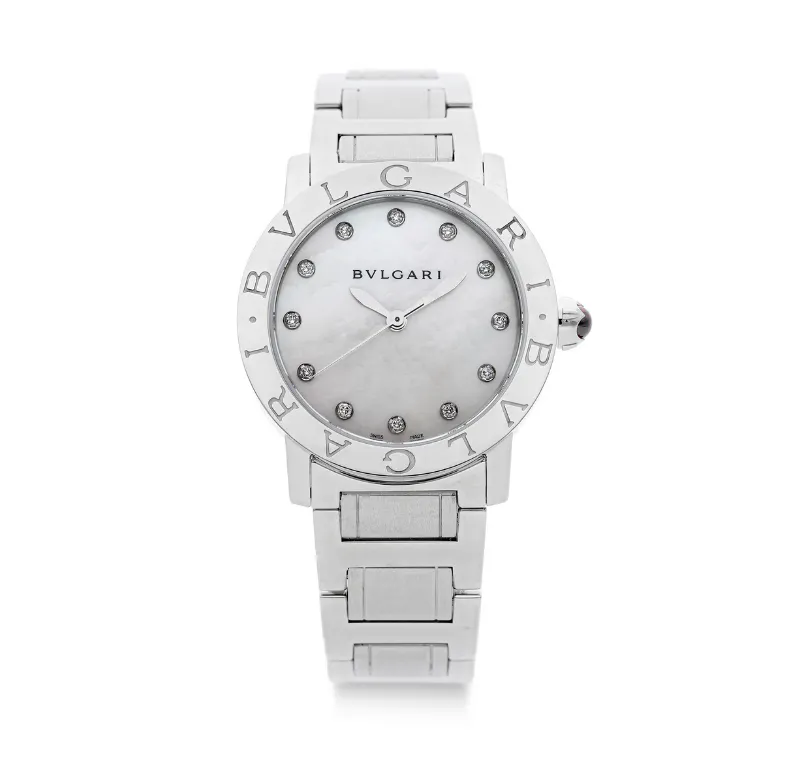
In the 1970s, after the death of Giorgio, the new generation of Bulgaris decided to expand into Europe and the United States, infusing the brand with new creativity. Inspirations ranged from the East to Pop Art and a number of new motifs were debuted. In 1977, the brand entered the world of horlogerie with the launch of the BVLGARI BVLGARI watch, which quickly became a house classic.
Related: The Surprising Inspiration Behind the Cartier Love Bracelet
The 1980s saw the beginning of prêt-à-porter jewelry and the introduction of versatile, modular pieces that could be worn day to night. From the 1990s to the 21st century, Bulgari has continued to expand into new markets and products (including fragrances, fashion accessories and even hotels) raising the brand to even greater success.
Want more articles like this delivered straight to your inbox? Subscribe to our free newsletter!
Related: Gemstones: 5 Interesting Facts
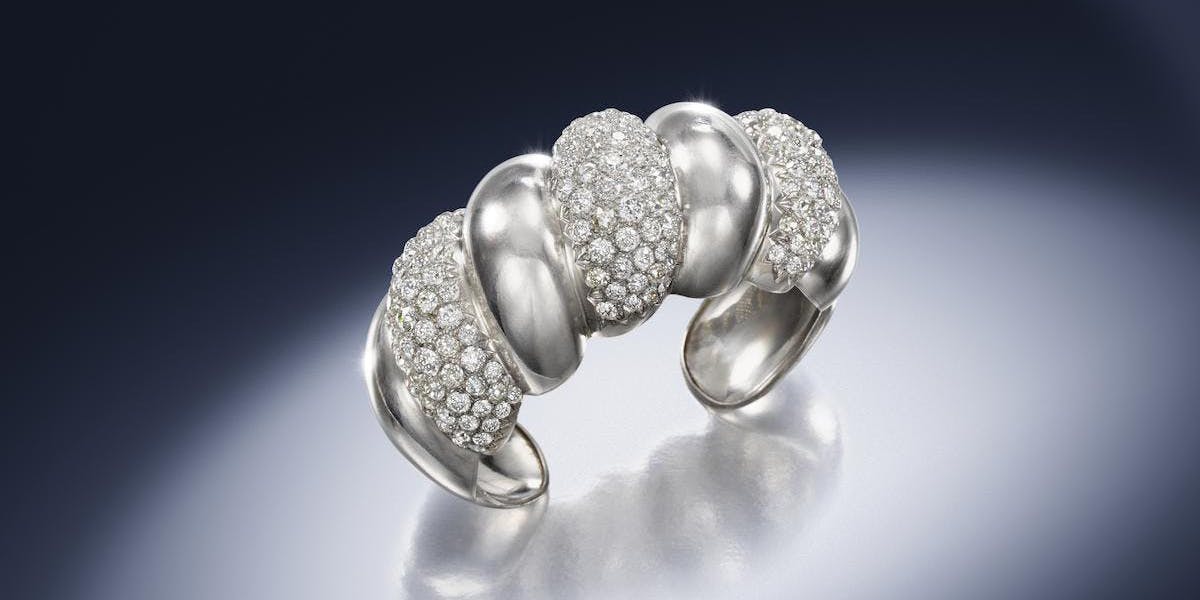
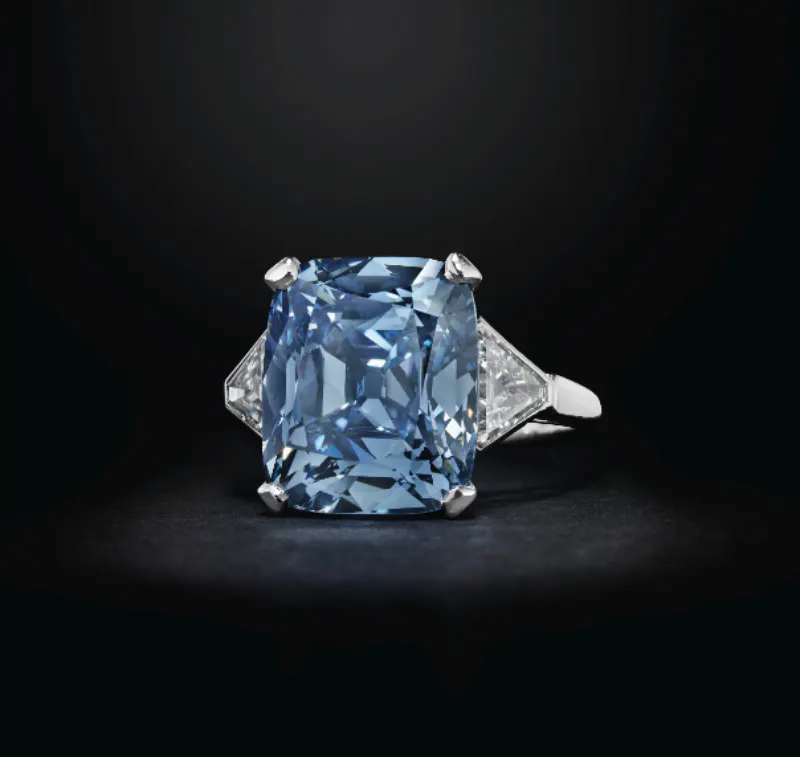
Bulgari’s designs do not shy away from being bold and its strong, architectural lines attract celebrities and collectors all over the world. The most desired pieces of jewelry by Bulgari have sold in excess of $18 million at Christie's, with several pieces having sold for $1 million and above at major international auction houses.