In April 1987 in Geneva, Switzerland, Sotheby's auctioned off the jewelry collection of Wallis Simpson, Duchess of Windsor, who had passed away the previous year and for whom British King Edward VIII had relinquished the British throne in 1936. The Duchess’ jewelry collection was legendary, and as a consequence the auction attracted the attention of the world. With a result totaling $50 million, Sotheby's also achieved the highest price to date for a single person's jewelry collection.
Related: Crown Jewels: 5 Times Royal Jewelry Made Auction Headlines
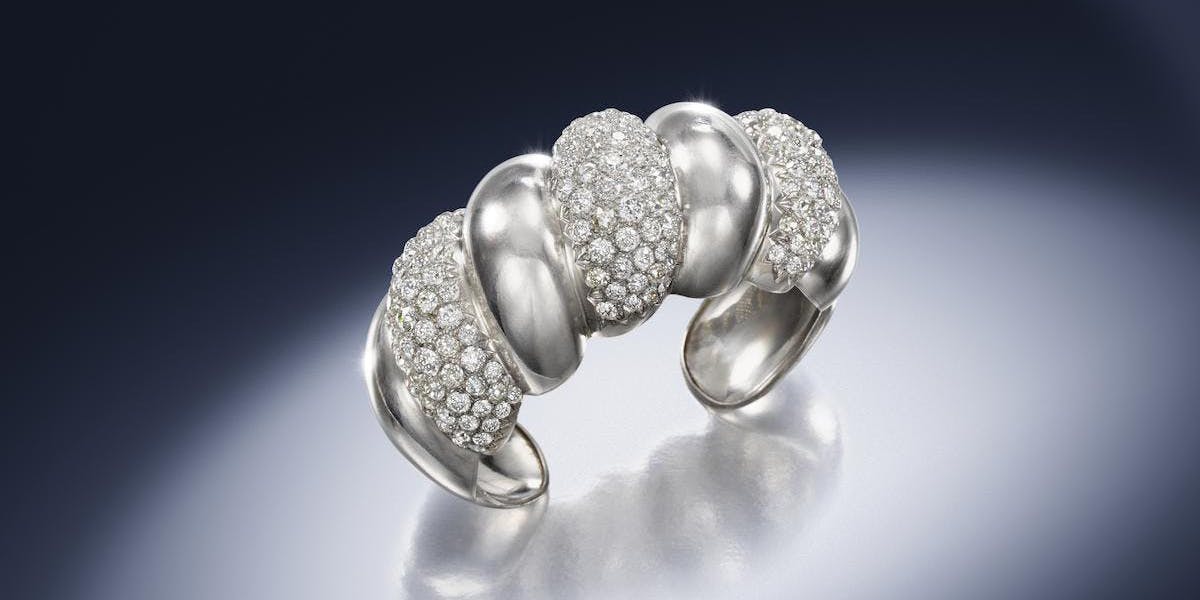
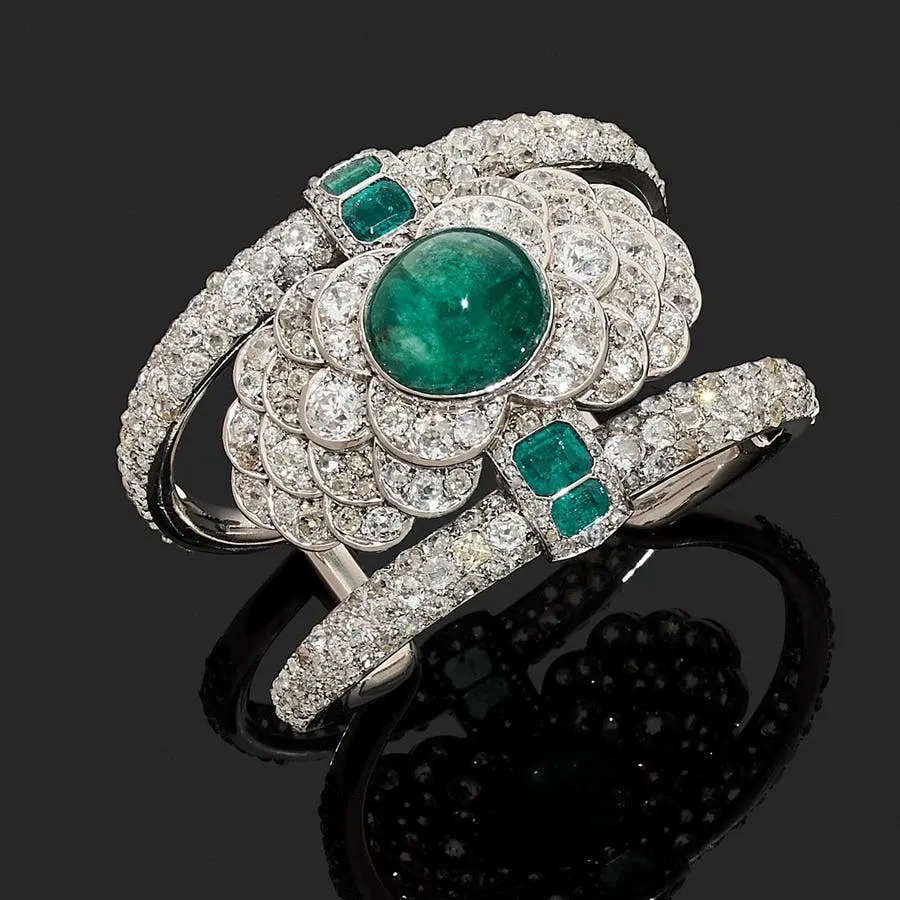
The 250-lot catalog featured 16 pieces by French jewelry designer Suzanne Belperron, although only five of these were correctly attributed at the time of the auction. Despite this, this spectacular auction session was the prelude to a renewed interest in Belperron jewelry, which, until then, had been somewhat forgotten.
Related: Barnebys’ Guide to Diamonds
Suzanne Belperron was born on September 26, 1900 under the name Madeleine Suzanne Vuillerme in a small town in eastern France. Handicrafts, especially the cutting of diamonds and other precious stones, were highly respected there and had a long tradition. Very early on, Belperron showed signs of innate creativity and was sent by her parents to the Academy of Fine Arts in Besançon, where she was able to nurture her talent as a designer.
My style is my signature.
After graduation, Belperron, then 18, went to Paris and quickly found a job at the Boivin jewelry store. The widow of the founder of the company, Jeanne Boivin, then the head of the company, recognized the talent of the young designer and was quick to exhibit her creations in the window. The jewels Belperron designed attracted a lot of attention as they stood out from the usual creations created according to the codes of the Art Deco style.
Related: World Record for Art Deco Necklace by Jean Fouquet
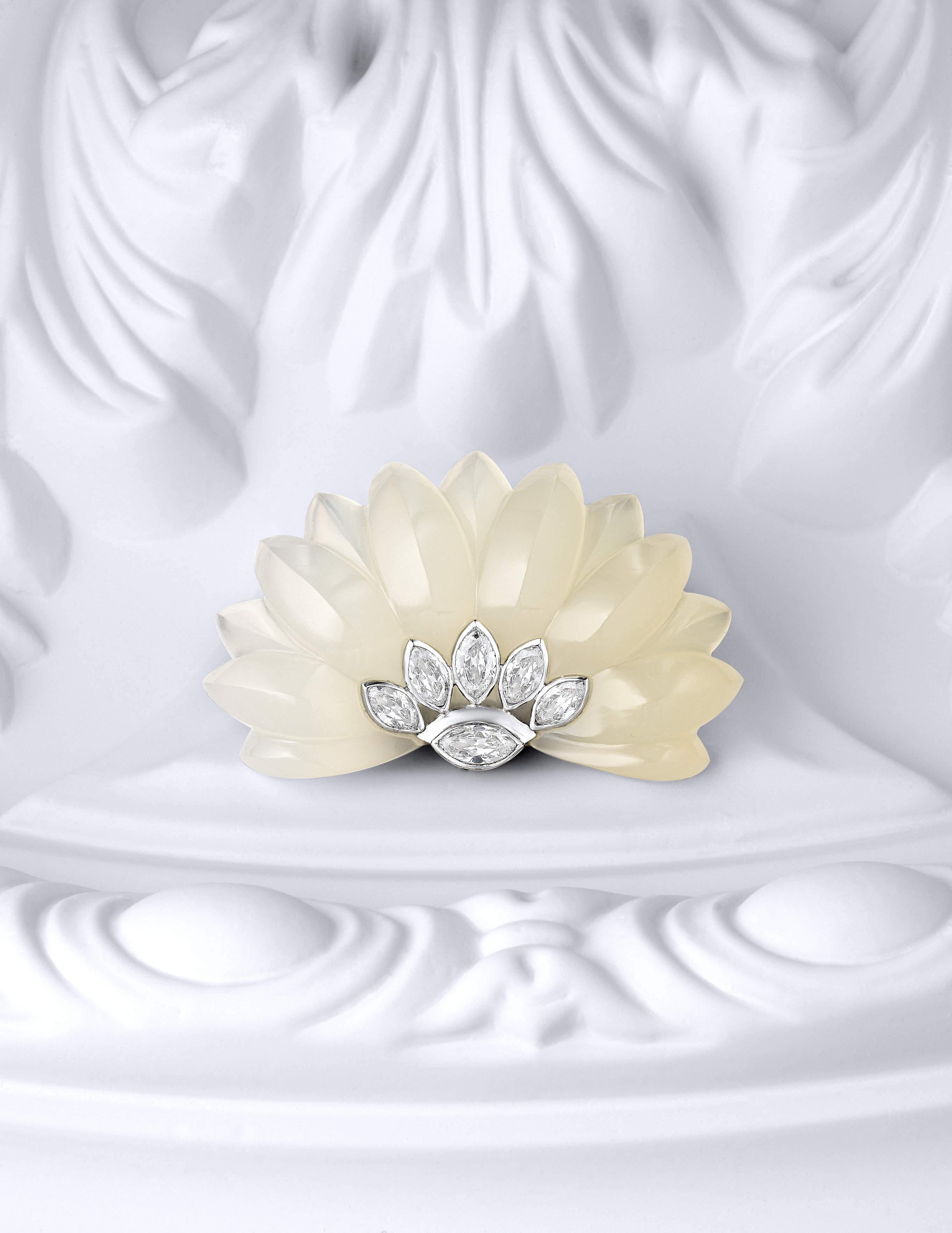
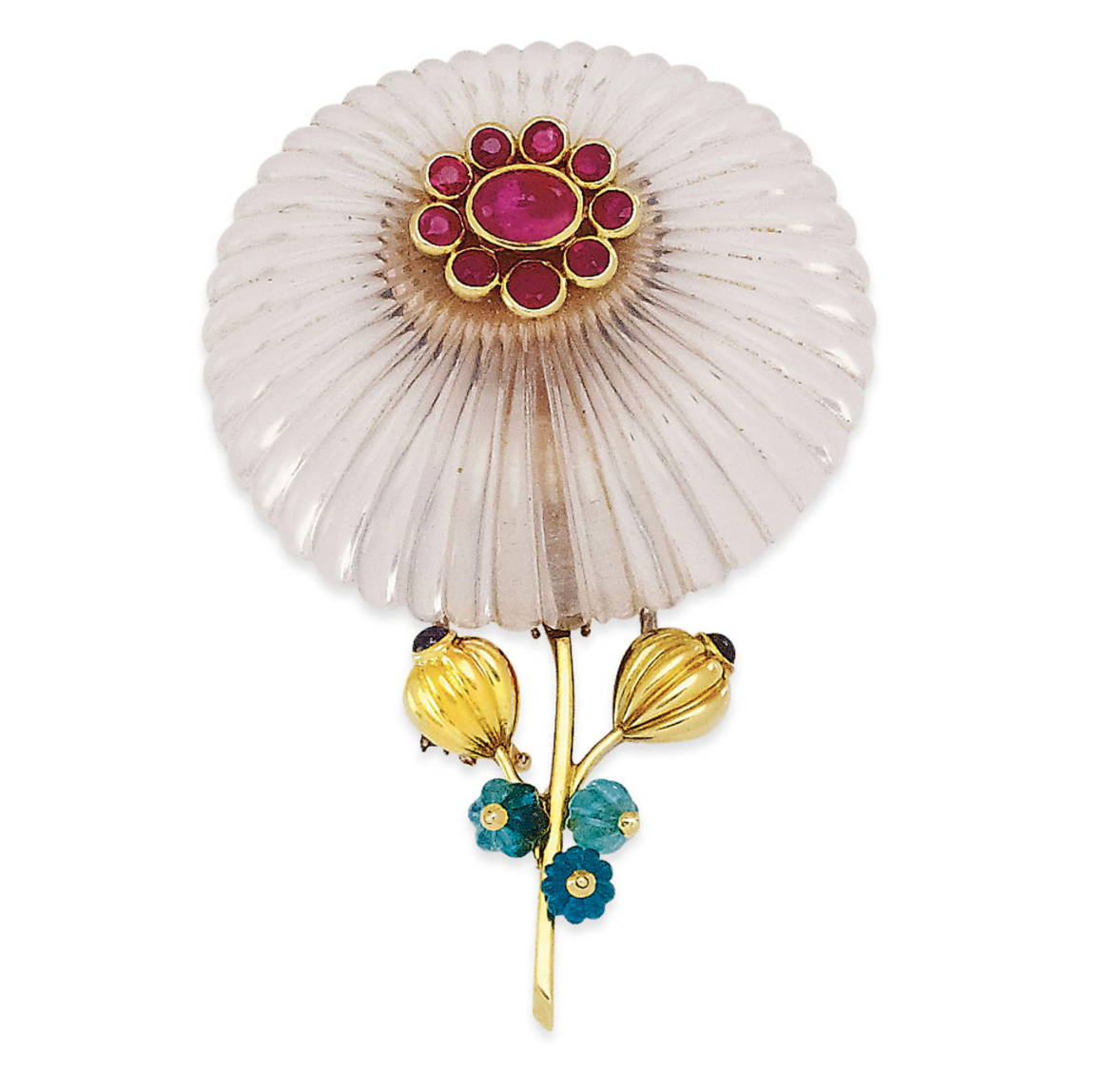
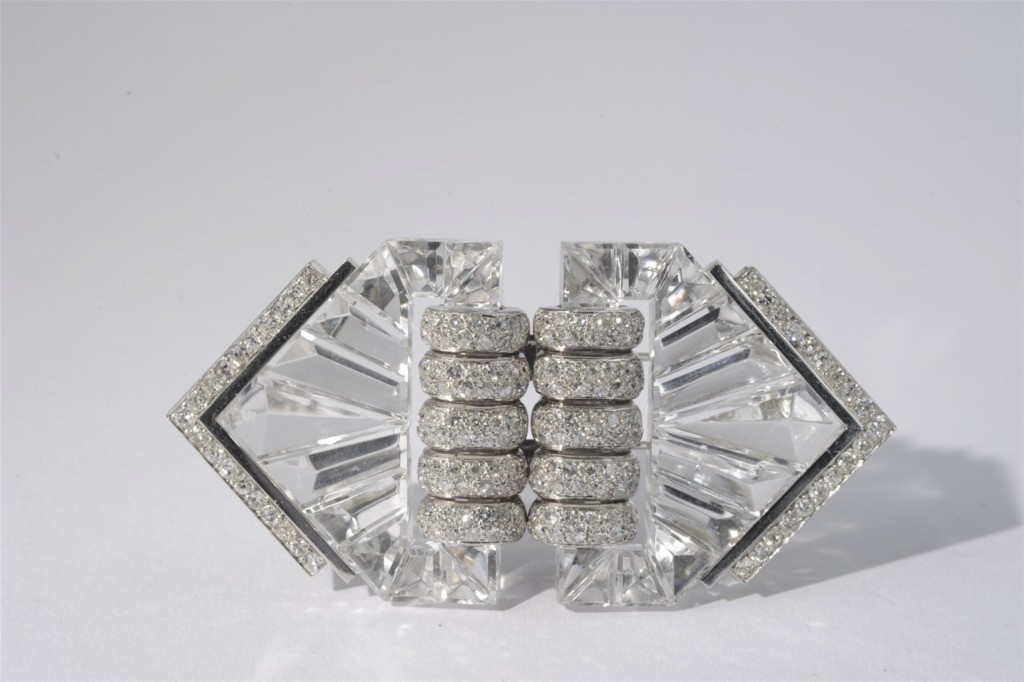
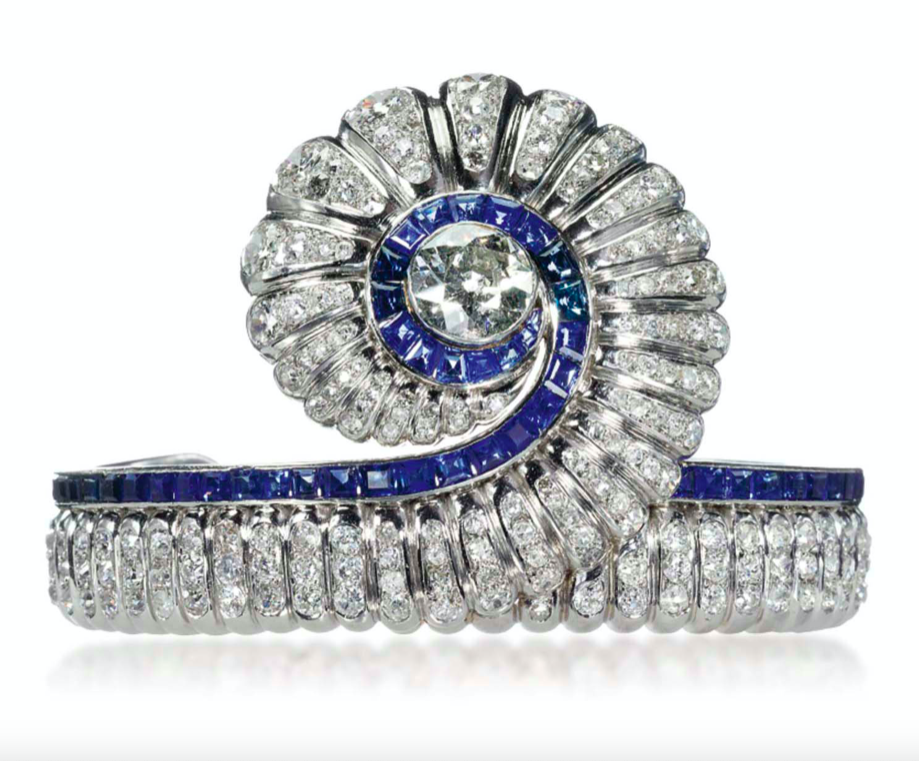
Belperron took inspiration from the shapes of nature and let curves and volumes evolve naturally, rather than abstracting them into geometric shapes. She also incorporated stylistic elements from outside of France – from China, Japan, India and Africa – and used materials such as chalcedony, quartz and carnelian, which had been somewhat neglected.
Related: Sotirios Boulgaris: The Man Behind Bulgari
The year 1924 proved to be a fruitful one for Belperron, both professionally and personally. At only 23, she was appointed co-director of Maison Boivin and in July, she married engineer Jean Belperron with whom she moved to the bohemian district of Montmartre.
Related: How Coco Chanel Revolutionized the Handbag
In 1932, Belperron left Boivin and joined forces with the gem and pearl merchant Bernard Herz. A chic clientele soon frequented the boutique on rue de Châteaudun as Belperron had made a name for herself in the world of Parisian fashion, to such an extent that her jewelry was constantly featured in major magazines to decorate the creations of great couturiers such as Elsa Schiaparelli or Coco Chanel.
During World War II and the occupation, the Belperron-Herz company was in turmoil. Bernard Herz, of Jewish origin, was questioned several times and narrowly escaped the Gestapo, thanks to Belperron. In order to ensure the company’s sustainability and after Herz's first arrest, Belperron took the reins of the house and registered the company as Suzanne Belperron SARL in the commercial register. On November 2, 1942, the two partners were arrested (Belperron at her office and Herz at his home). The designer was released by providing official documents, while her partner was taken to a concentration camp, where he passed away in 1943. In his last letter sent from the Drancy camp, Herz confided in Suzanne his company, his will and the interests of his children.
Related: The 9 Most Popular Jewelry Brands
After the war, Jean Herz (son of Bernard), a prisoner of war, was released and created a new company with Belperron to honour his father's last wish. Sometime later, glamour returned to the Belperron-Herz house, which managed to further consolidate its reputation internationally. Clients included the Rothschilds and the Persian royal family, as well as singer Joséphine Baker, writer Colette, many Hollywood stars and the Duchess of Windsor.
Related: Ilias Lalaounis: The Man Who Started the 1960s Jewelry Revolution
Belperron felt that it was not necessary to sign her creations: “My style is my signature,” she said. This decision, audacious at the time, nevertheless makes it difficult to attribute her works today, and contributed to the forgetting of her name after her death on March 27, 1983.
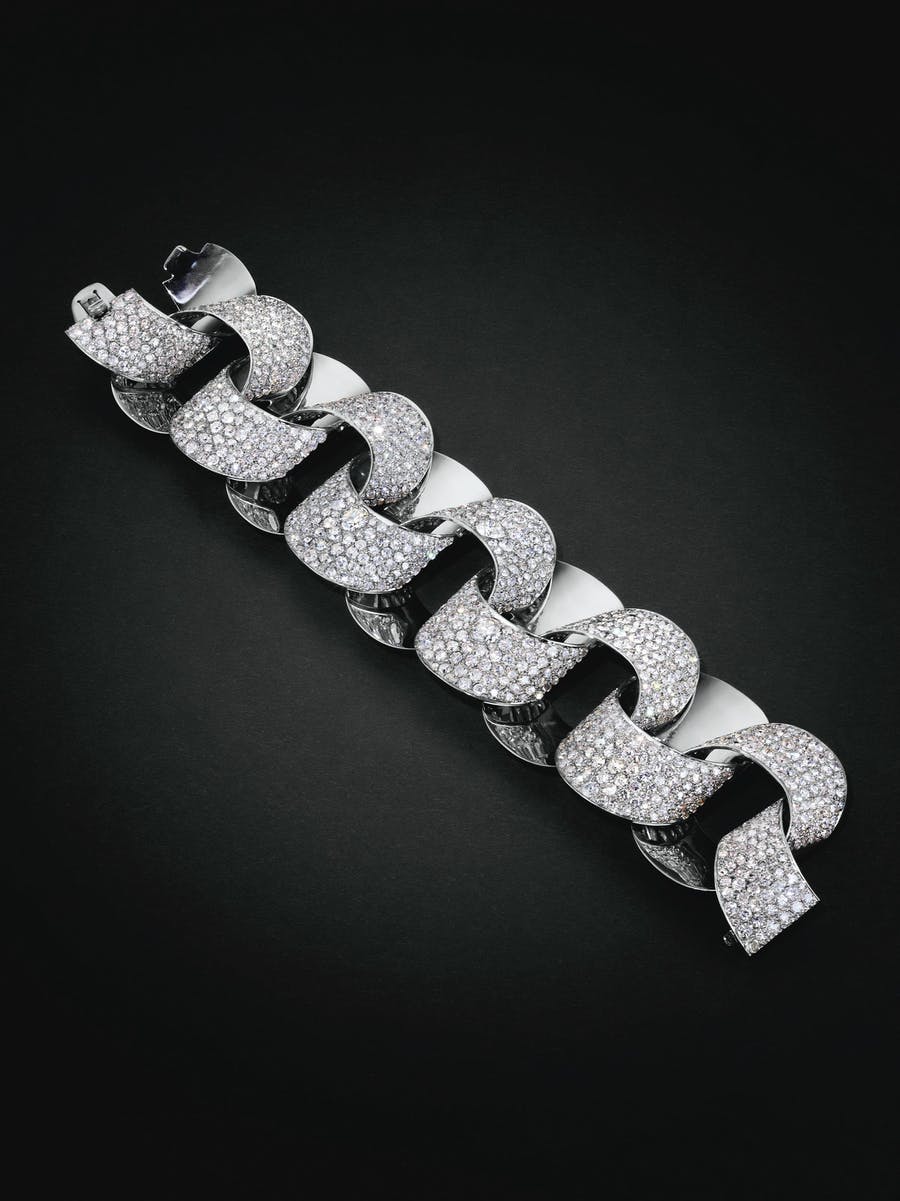
The discovery of Suzanne Belperron's archives in 2007, which contained sketches and order books from 1937 to 1974, the year that she left the company, allowed her work to be brought to light and to give back the place that she deserves in the world of jewelry. Today, Belperron's jewelry fetches six-figure auction prices, with a record set at $852,000 in 2018 at Christie's, for a 1948 ‘Tube’ bracelet.
Belperron jewelry testifies that the ingenuity of a creator can indeed be recognized in a style, beyond the inlay of a signature.
Find more articles in Barnebys Magazine
This is an updated version of the article originally published on October 12, 2021