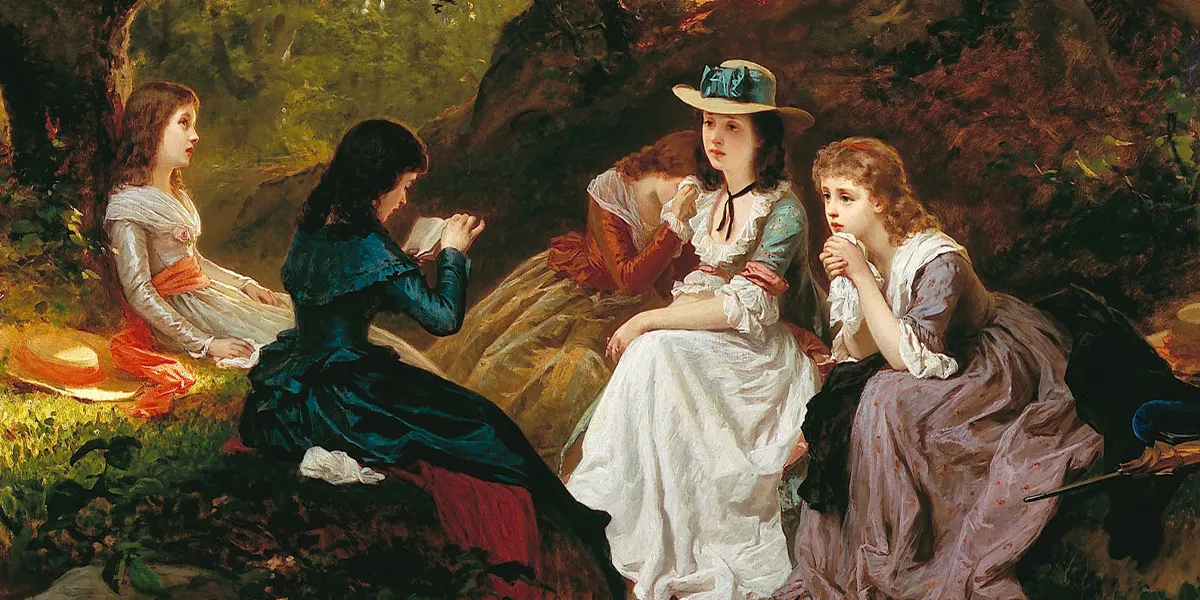
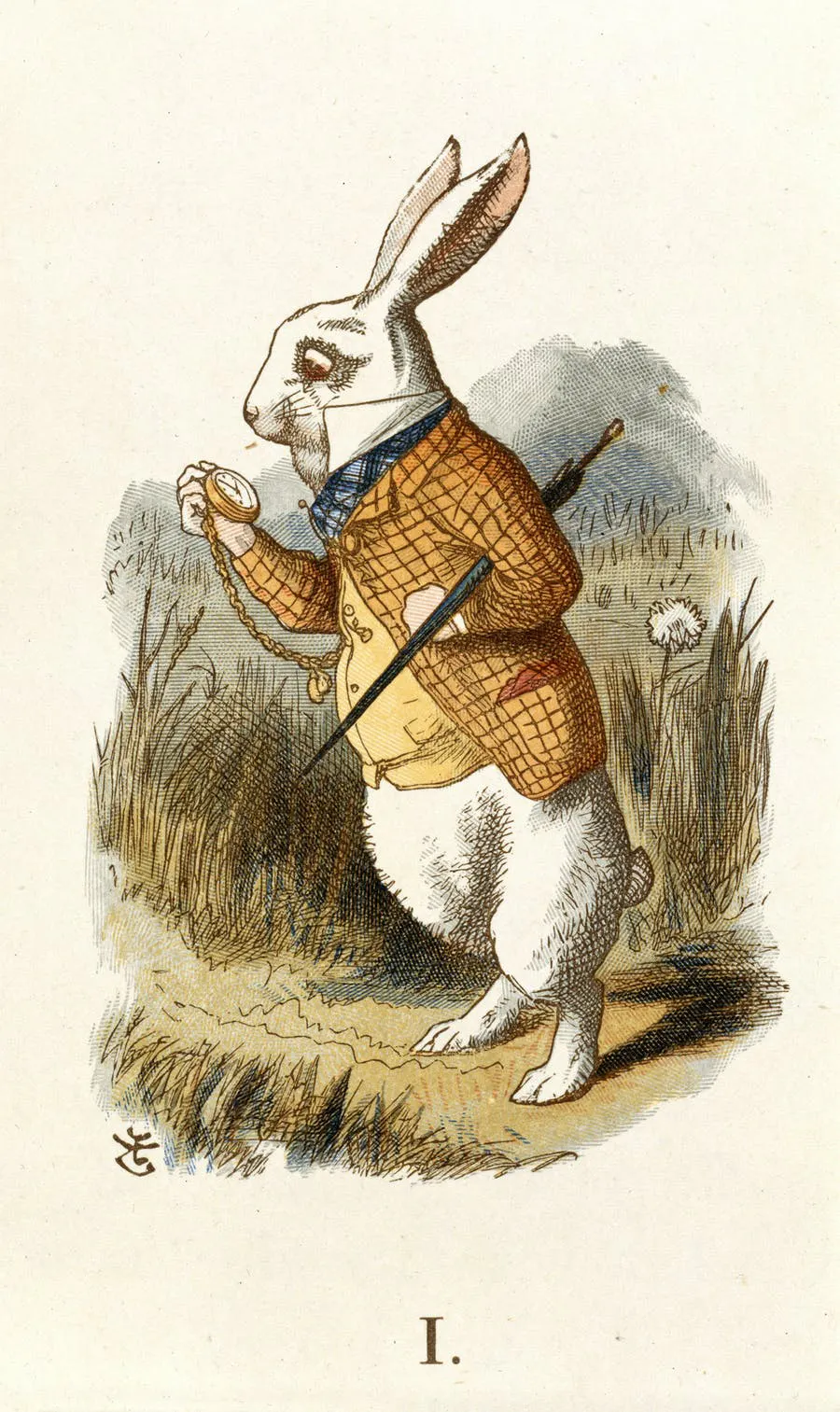
But when the Rabbit actually took a watch out of its waistcoat-pocket, and looked at it, and then hurried on, Alice started to her feet, for it flashed across her mind that she had never before seen a rabbit with either a waistcoat-pocket, or a watch to take out of it…
Who could forget in Lewis Carroll’s novel Alice's Adventures in Wonderland the White Rabbit, obsessed with the passing of time and always looking at his pocket watch? Carroll's book certainly isn't the only one in which this accessory appears, often present in Victorian literature and beyond.
Pocket watches have always had a particular charm and, after a long decline, are now making a comeback, even among the very young. They were the most common type of watch – as well as an integral part of men’s fashion – from their inception until after the First World War, when wristwatches grew in popularity. In fact, for soldiers at the front, during the Great War, wristwatches were much more practical than pocket watches as they were without the chain, which could be a hindrance, and left the hands free.
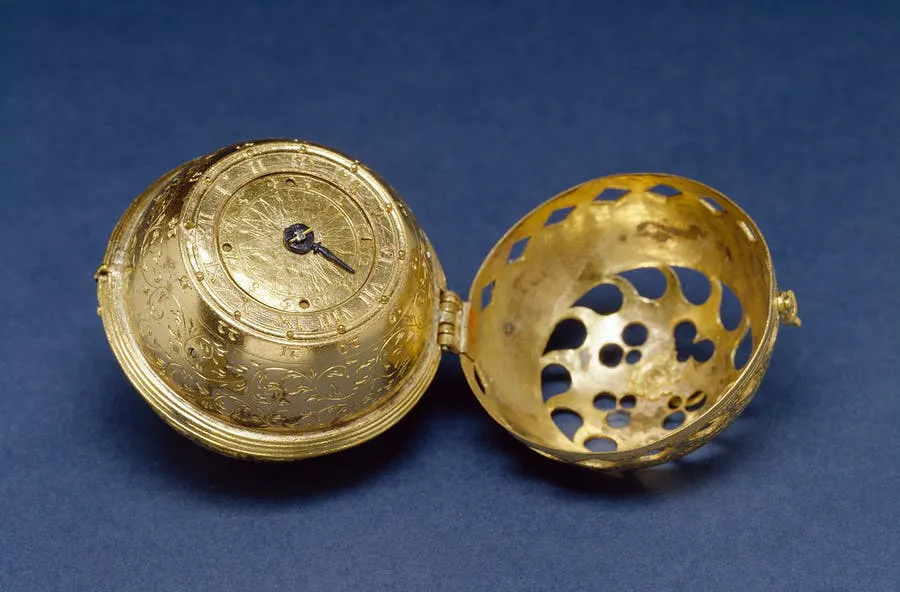
According to some sources, pocket watches were first produced in the early 1500s in Nuremberg, Germany by Peter Henlein. The earliest wearable watches were heavy, drum-shaped brass cylinders several centimeters in diameter. In size, they were somewhere between a table clock and a wristwatch today. Since they were heavy and square, they were generally worn around the neck on a chain, like a necklace. The first watches had only the hour hand, as the inaccuracy of the mechanism would have made the minute hand useless, which appeared only at the end of the seventeenth century.
Related: A Growing Movement: The Rise of Vintage Watches
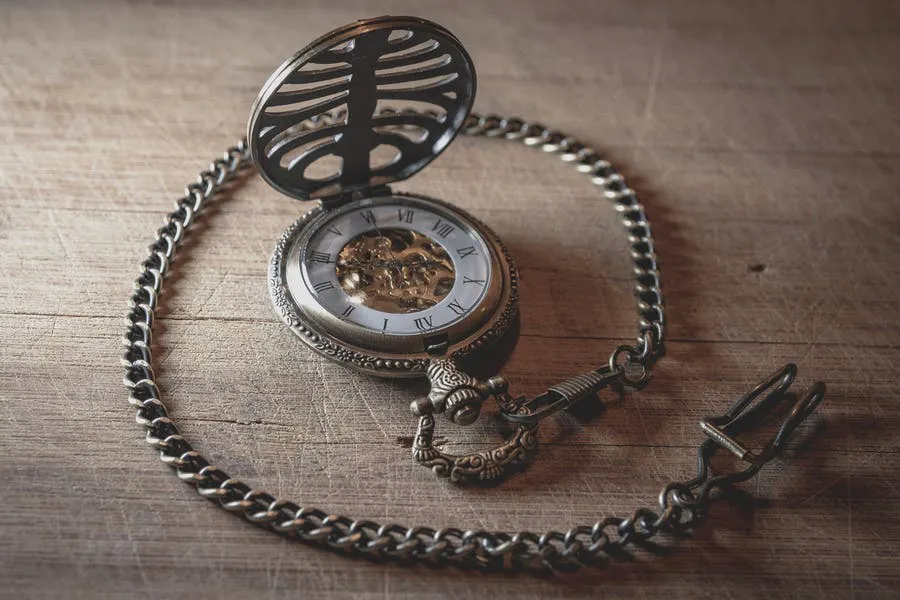
In 1675, Charles II of England introduced the use of waistcoats and, to adapt to these pockets, the shape of the watches evolved into that typical of modern pocket watches, flatter and more rounded. In the seventeenth century, men therefore began to wear watches attached to pockets instead of around the neck as a pendant, while for women the watch remained a pendant until the 20th century.
Related: Inner Beauty: The World of Watch Complications
Until the second half of the 18th century, pocket watches were luxury items. Towards the end of the century, however, they became more common and fairly inexpensive models for sailors were made, embellished with maritime scenes. Towards the end of the 18th century the so-called ‘anchor escapement’ was put into limited production, a movement system that represented a huge advance over the ‘verge escapement’ (or crown gear) that the mechanical escapement used initially, which didn’t allow great standards of accuracy. The anchor escapement allowed for more precise, lighter, cheaper and more durable gears.
In 1857, the American Watch Company of Waltham, Massachusetts introduced the Waltham Model 57, a pocket watch that used interchangeable parts, reducing manufacturing and repair costs. Many more pocket watches began to be produced and also became cheaper. In the latter half of the 1800s, the rise of industrial capitalism and the development of railways constituted a push for the regulation of time and led to the widespread use of pocket watches. In the same period, mass production and miniaturization allowed the creation of compact and precise watches, with an increasingly rich range of models available.
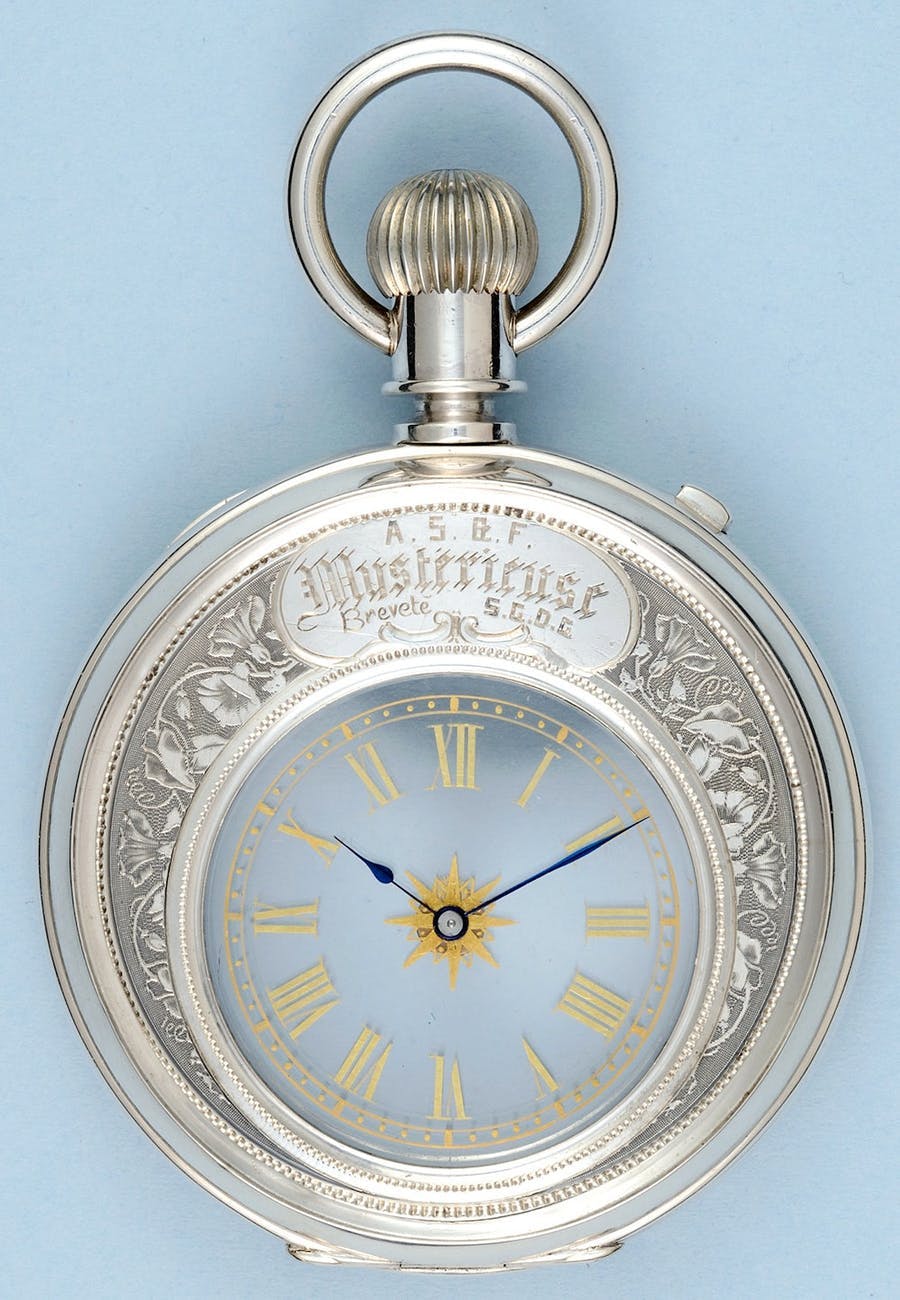
In the late 1800s, the Montre mystérieuse or ‘Mystery watch’ became famous , a clock in which movement was transmitted to the hands via an invisible gear, such as a transparent crystal wheel. It was invented by Hugues Rime, marketed by the French company Armand Schwob et Frères and produced in Switzerland in 1889.
Related: Who Wore the First Wristwatch?
In the early 1900s, the Cylindre remontoir was popular among women, a pocket watch invented in 1842 by Adrien Philippe. Pocket watches had a wide distribution until the 1940s, after which wristwatches began to spread more.
Related: Worth Millions: Behind the Appeal of Celebrity Memorabilia
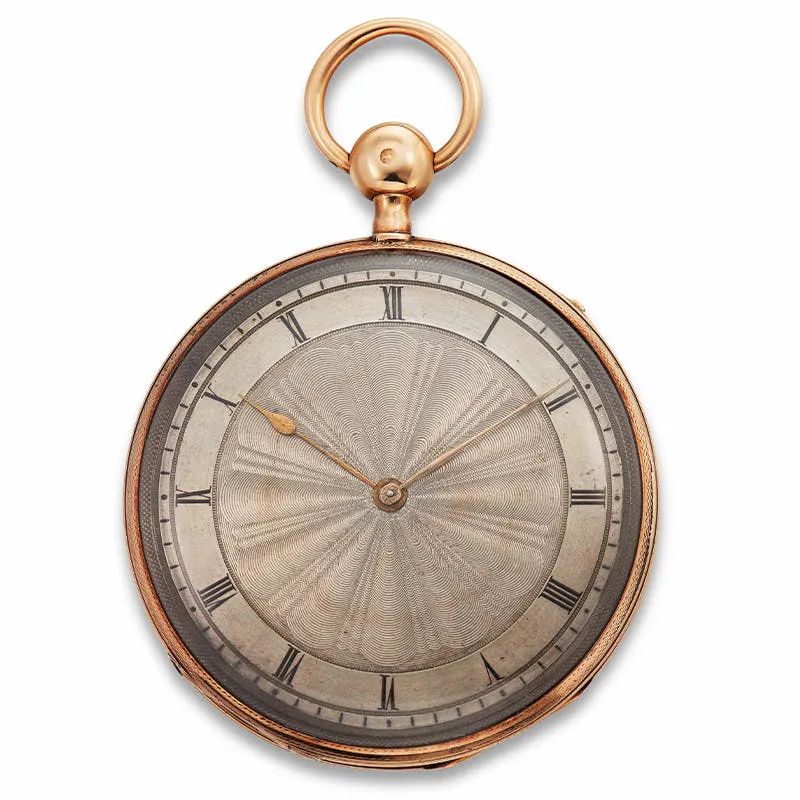
After a significant decline – due to the use of this new type of watches and, later, to the advent of mobile phones (often also used to check the time) – today, there seems to be a revival of pocket watches, dictated in particular by the love for nostalgia and vintage. These types of accessories have also been the protagonist of interesting auctions, as in the case of the pocket watch that belonged to Mahatma Gandhi, which sold for £12,000 in November 2020. Another example is Edgar Allan Poe's pocket watch, put up at auction at Christie's in 2019. This was a French pocket watch engraved in 18-karat gold, with a metal guilloché dial. It was offered in New York for a price between $80,000-120,000 and then sold for $250,000.
Want more articles on tips, trends and collecting straight to your inbox? Sign up to our free newsletter here
In addition to buying old and second-hand watches, today's shoppers also love to buy new pocket watches with a modern twist.
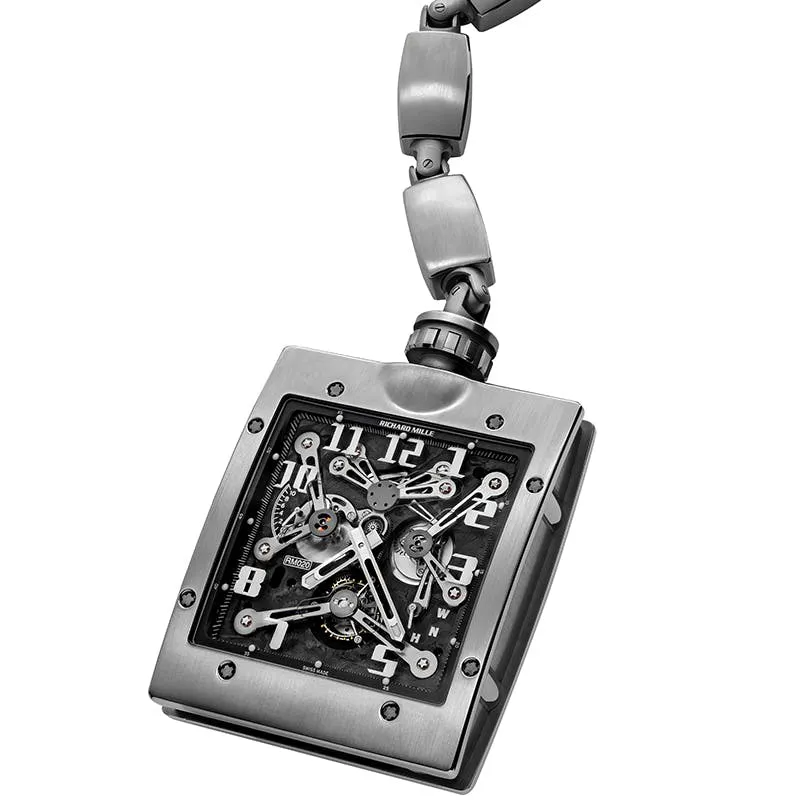
“The gesture of taking the watch from the pocket and looking at the time is very elegant for a man, but if I was going to create a pocket watch, I wanted it to be very modern. I didn't want to do old-fashioned,” said Richard Mille, co-founder of the eponymous watch company, established in Switzerland in 2001. The pocket watch of their creation, RM 020, with a manually-wound tourbillon, has a square shape and a decidedly modern look, which radically changes the concept underlying the archetype of this type of watch. The rhomboid shape of the chain links is a cultured reference to the Column of Infinity by the brilliant 20th-century sculptor Constantin Brancusi.
Related: Rolex: A Brand Shrouded in Mystery
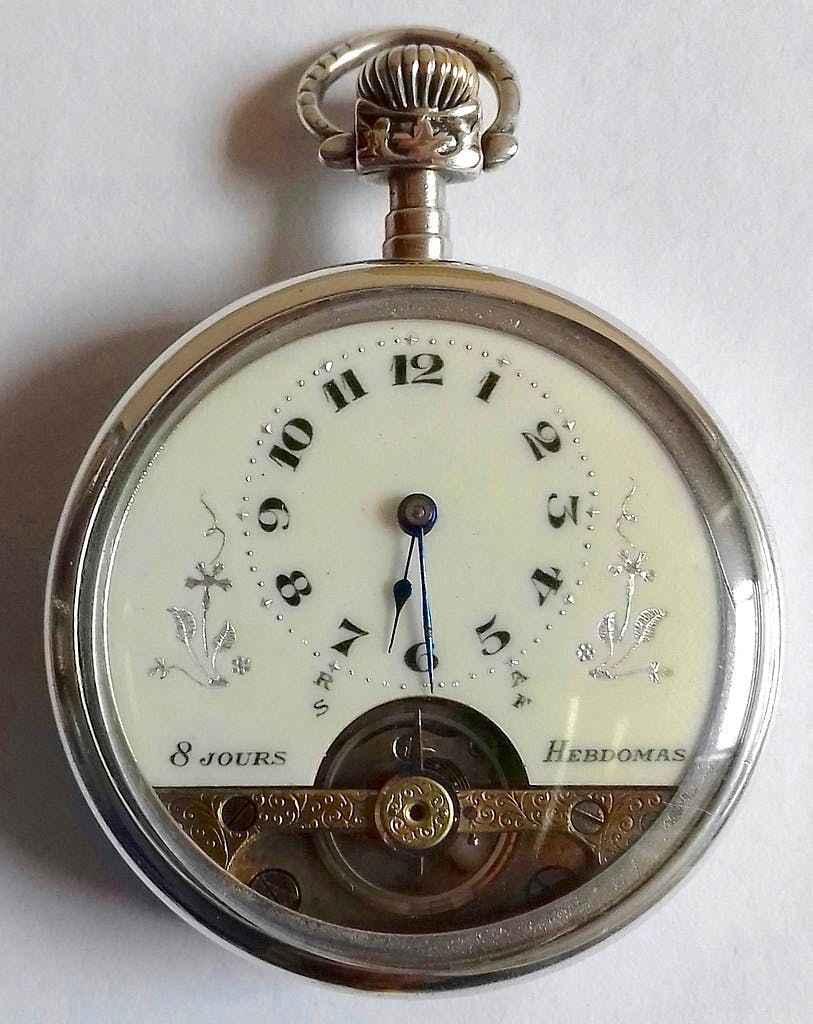
An example of the ‘evergreen’ nature of pocket watches is the Hebdomas 8-jours, of which the first model was made to a design by Irenée Aubry in Switzerland, registered in November 1888 and modified in January 1889. These watches boast a high quality due to the care and professionalism with which they were built and checked one by one. Its production was interrupted for many years to be then reintroduced in 1968, further proof of the beautiful ‘rebirth’ experienced by pocket watches. Even today, this model is appreciated by passionate collectors, especially those who love its distinctive style and its nostalgic appearance, since – although modern technologies have made some improvements – little has changed over the years compared to the concept and the original designs.
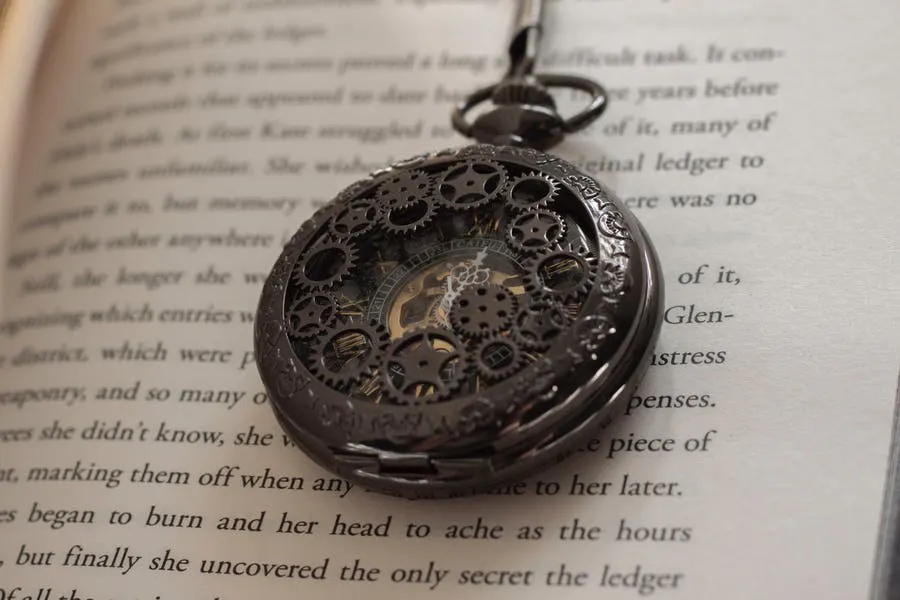
Today, there are also pocket watches with fluorescent inserts on the market, in silicone, super-colored and decorated with the most varied images. An important element that makes a pocket watch unique is personalization, especially when it comes to giving one as a gift. Personalizing it by engraving a special phrase, dedication, significant date, or simply the owner's initials on the case, makes it an accessory that is not only useful and original, but also different from all the others.
Related: Top 10 Most Wanted Watch Brands
The pocket watch has also regained popularity thanks to the steampunk trend, which has a particular reverence for the Victorian style, an era in which pocket watches were very popular.
In some countries, on reaching retirement, the employee is given a pocket watch with a gold case, not only as a symbol of resistance over time and commitment, but also of the free time that the employee is now able to regain.
It is often thought that a watch must necessarily be expensive or rare to arouse interest in collectors. In reality, the essential thing is that it has a history behind it: a story to be told and handed down through time. New wristwatches, smartphones and smartwatches rarely have an interesting history behind them, while antique and vintage watches, especially pocket watches, boast a highly respected lineage. They are often passed down from generation to generation and, thanks to craftsmanship and the care with which they were made, in many cases they are still functional despite the years and adversities they have faced.
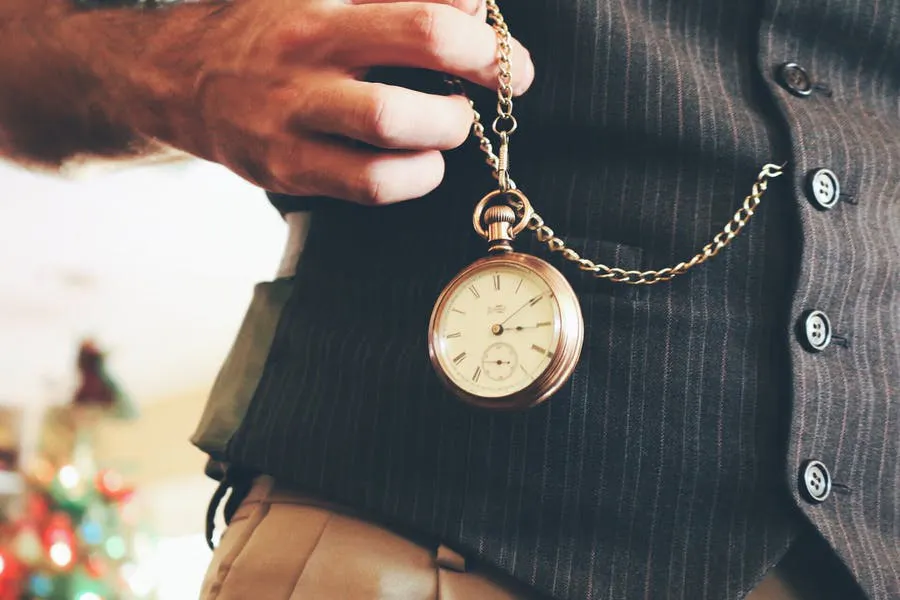
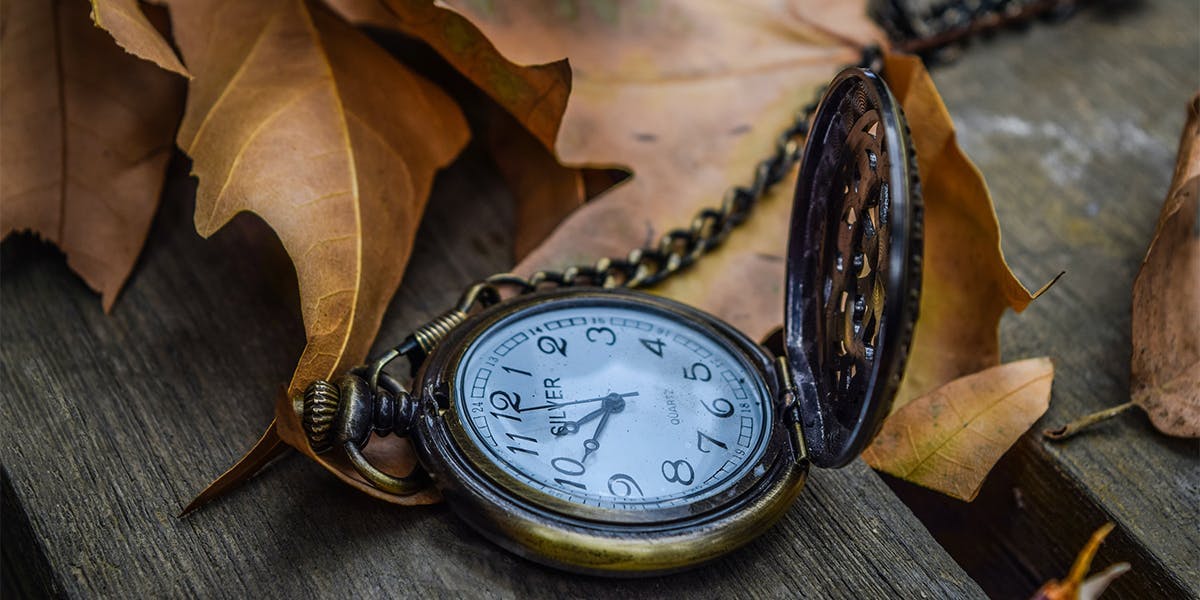
The ‘simple complexity’ and refined elegance that distinguish pocket watches make them accessories with a unique charm. Equipped with a chain, at the end of which there may be a ring or a clasp, they are commonly kept in the pocket of the vest, in the pocket of the trousers or of the shirt, fixed to a lapel or a belt loop. The face of pocket watches is usually protected by a lid and can be decorated, enameled or finished. The case can be enriched with inserts of different types and decorated in the most varied ways.
Related: The 10 Most Expensive Watches Ever Auctioned
As for the choice of the right model, since these are unusual accessories that easily attract attention, it would be good to avoid styles that are too flashy, which could be seen as tacky. It all also depends on personal tastes, however, and on one's clothing. To best match a pocket watch, in the case of elegant clothing, the advice is to opt for a gold or gold-plated watch, while in the case of casual clothing, a silver or steel watch would be preferable. Of course, the most important thing is to feel comfortable with what you are wearing and, above all, to do it with the utmost naturalness and ease.
Related: 10 Reasons to Buy Vintage
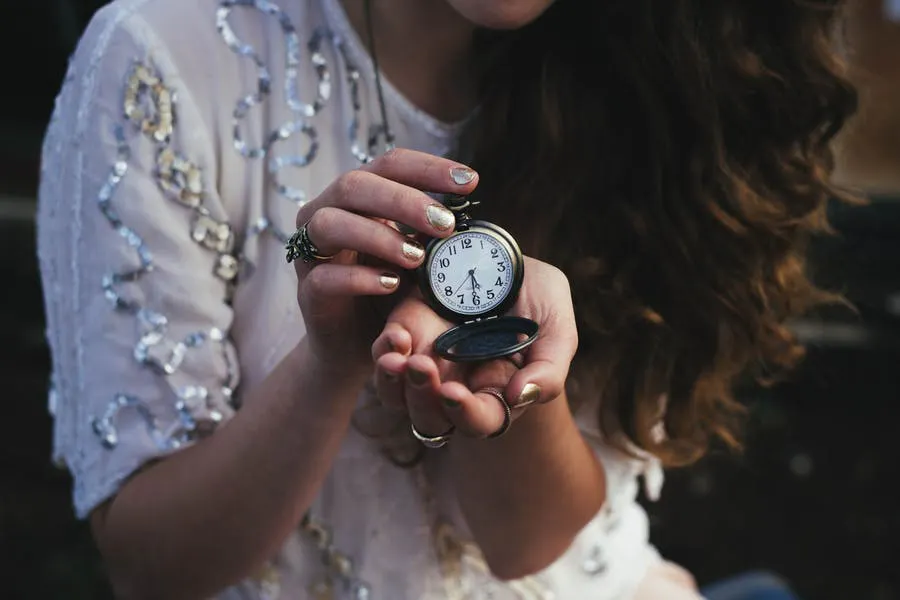
While in the past pocket watches were mainly used by men, lately they are also popular with women, who can wear them around the neck, like a pendant, put them in the bag, or wear them in the pocket of a jacket or coat. These watches can also become real jewels, embellished by the insert of precious stones of various kinds. The revival of this type of accessories therefore provides that they are a unisex object, worn indifferently by exponents of both sexes. Certainly versatile, the pocket watch can even be worn as a trendy bracelet, serving as a jewel and a watch at the same time.

Related: How to Value Your Objects in a Click of a Button
A very important component of the pocket watch is the chain, useful not only for affixing it to clothing and to avoid losing it or dropping it, but also to complete the ‘look’. Often it is the chain that attracts the most attention, so the choice must be well thought out, made on the basis of various factors, including color, material and style, with measures similar to those of the watch. There are different types of pocket watch chains, the most common and classic is the so-called Albert T-Bar, with the characteristic T-bar, which is inserted inside a slot. It is named after King Albert, husband of Queen Victoria, who made it a must-have in menswear.
Have a pocket watch you want valued? Check out Value My Stuff
If you want to wear the pocket watch as a pendant, you can also remove the supplied chain and replace it with a steel necklace chain or a leather cord.
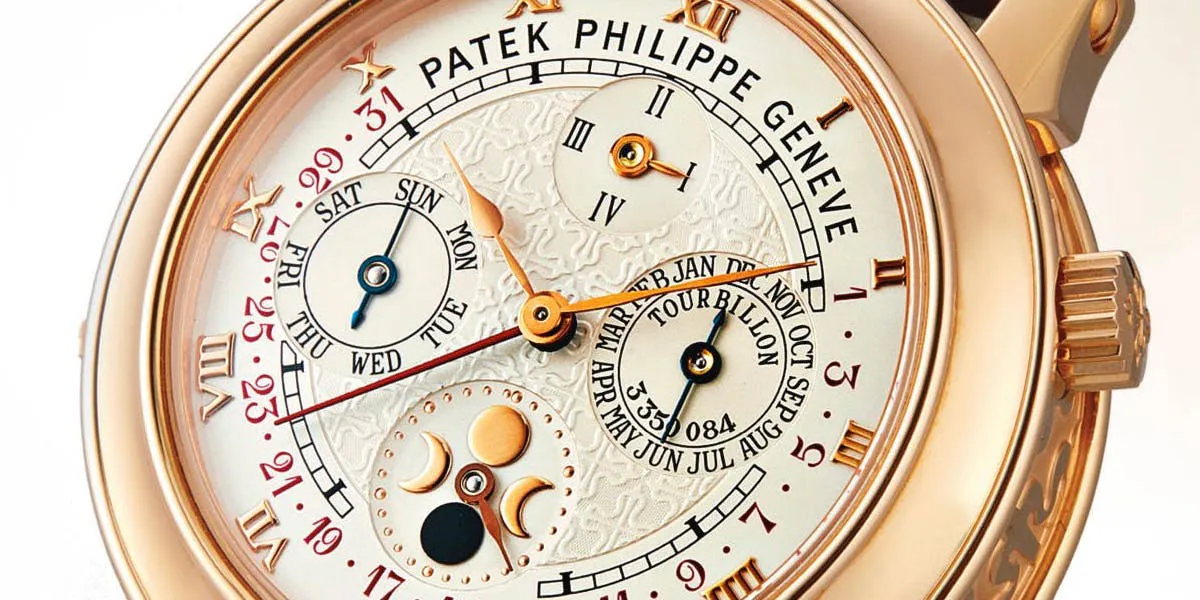
Another important feature of the pocket watch is the wide range of options available: Roman numerals or Arabic numerals, with visible or hidden mechanism, in double or triple case or uncovered, with date, with moon phases, and so on. The alternatives are potentially endless.
An additional choice in terms of operation is quartz or mechanical. Mechanical pocket watches are decidedly more vintage and therefore have a unique charm, while quartz ones are more precise, also less influenced by atmospheric elements such as humidity and temperature.
There are many brands to choose from: Perseo, Tissot, Mondaine, Royal London, Omega... The more complicated models feature big names like Breguet, Vacheron Constantin and Patek Philippe, and tend to have quite high prices. Today's most complicated pocket watch, the Vacheron Constantin Reference 57260, features 57 complications. Introduced in 2015, it took the lead from the Patek Philippe Caliber 89 (which instead features 33 complications), which was created in 1989 as a commemorative pocket watch to celebrate the company's 150th anniversary.
Going back to Alice in Wonderland and our White Rabbit, one of the most quoted phrases is:
Alice: “How long is it forever?”
White Rabbit: “Sometimes, just one second.”
It only takes a second to appreciate the beauty of a pocket watch and fall madly in love with it. And it is a love destined to last forever. Whether they are antique and vintage, modern and colorful, pocket watches are truly precious timepieces, they are an accessory to show off and can turn out to be an original and meaningful gift, which will withstand the passage of time.