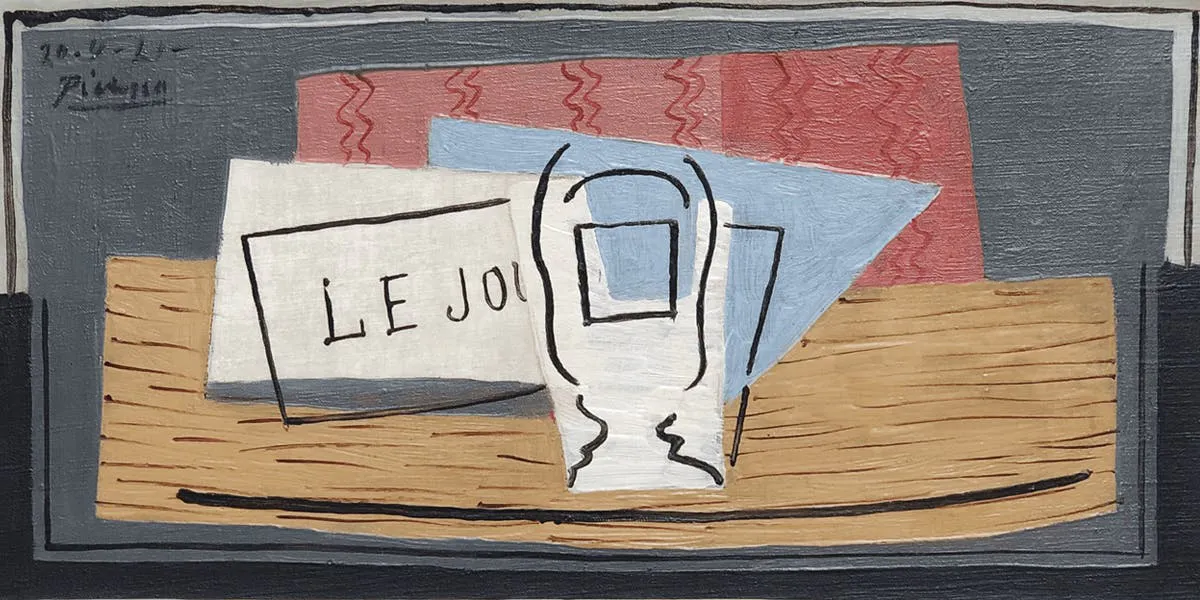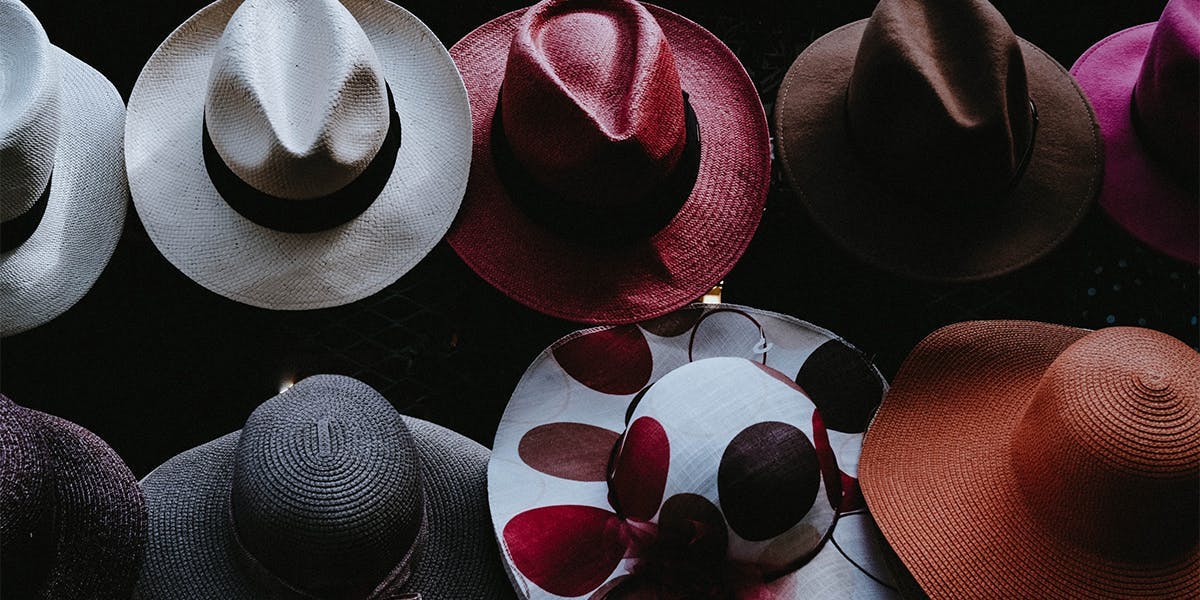
The history of the hat is very ancient, so much so that the first representation of a human being with a covered head dates back to about 15,000 years ago, as evidenced by graffiti found in a cave in France. In ancient times, headgear was a defense tool against dangers, such as falling stones.
With the birth of the first religions, the headdress also assumed a spiritual meaning and a double function: firstly, it served to protect the head, considered the seat of the soul; secondly, the headdress attracted the attention of the divine. The funerary mask of Pharaoh Tutankhamun is an excellent example of what the headdress represented for the ancient Egyptians. The Pharaoh wears the nemes, a cloth bonnet topped with the royal insignia of the cobra and the vulture, indicating the wearer's divine nature. The crowns of the Egyptian pharaohs were headdresses symbolizing honor and sacredness, as the pharaohs were the sons of the Sun God Ra and represented him on Earth.
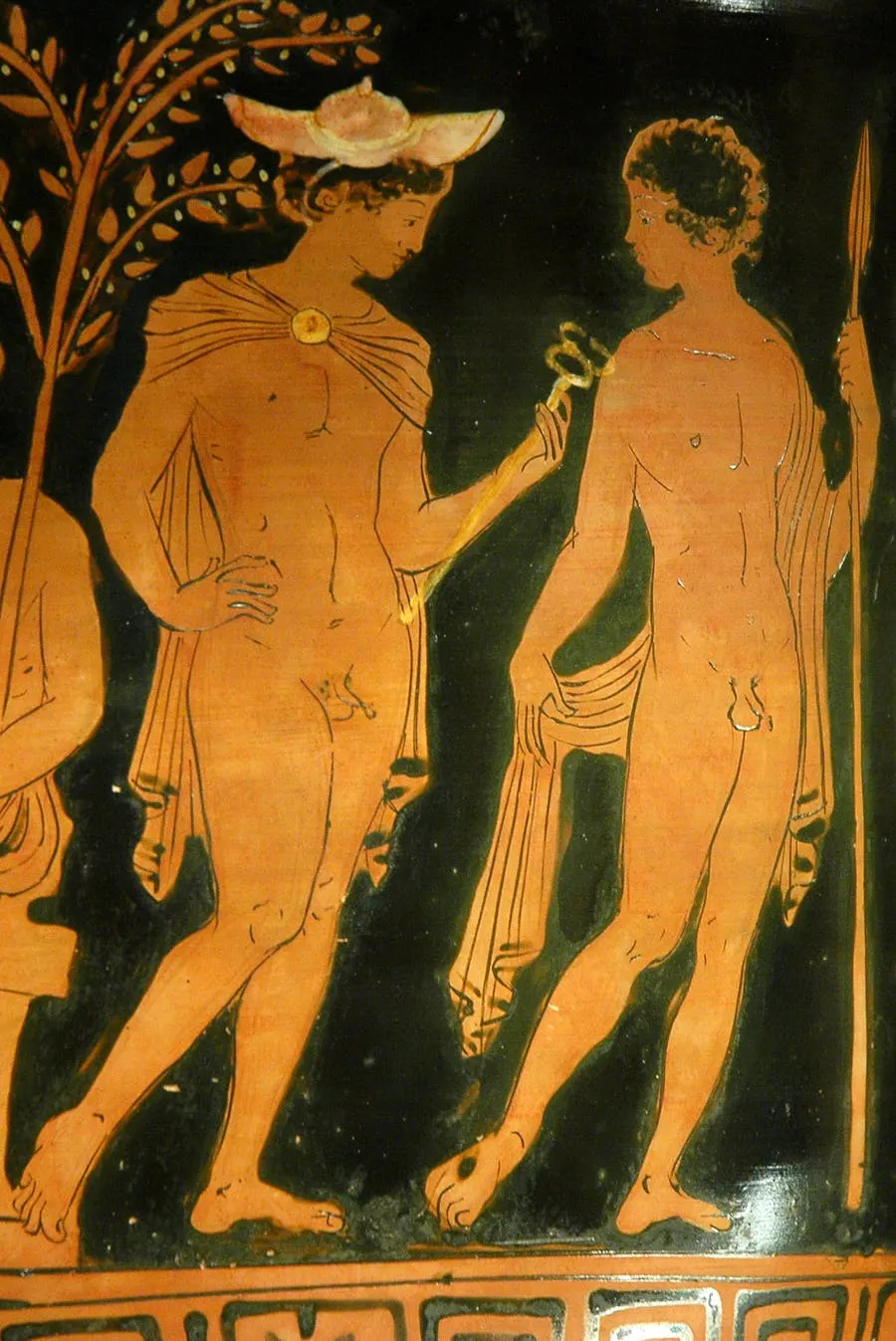
In Ancient Greece, however, the so-called πῖλος or "pileus" was made of felt, which indicated belonging to the lower social classes and was worn by workers, fishermen and sailors. The pileus was a conical hat, but there was also a low and wide version, called petasos, which could be made of felt or leather. It was a sort of ancestor of the brimmed hat and allowed shelter from the sun, therefore it was used by peasants who worked the fields and travelers. There are also depictions of Hermes (or Mercury), the Messenger of the Gods, wearing this headdress.
The pileus was later introduced also in Ancient Rome, where it was considered a symbol freedom, as it was placed on the heads of slaves when they became free.
Get more articles straight to your inbox - subscribe to our newsletter here!
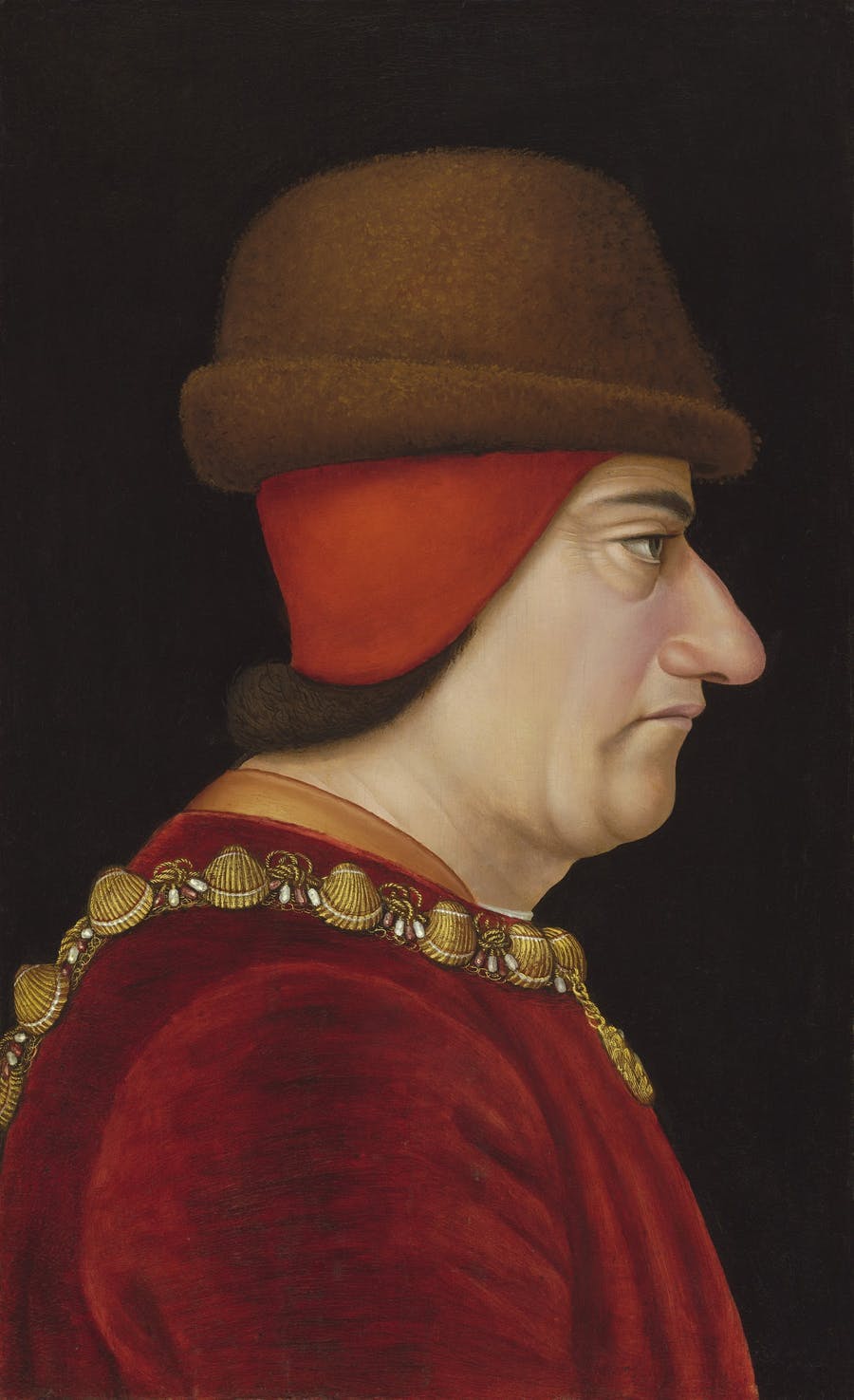
In the Middle Ages, the hat also had the task of identifying social classes. The rich and nobility used refined shapes and precious fabrics such as velvet to cover their heads. Women could embellish their hats with flowers or colored ribbons. In the 13th century, the first hat shops were born and the Venetian and French hat-makers became famous. In the mid-1400s, upper-class Nordic women wore "hennin," an elongated cone with a veil coming down from the tip, similar to that seen in fairy tales. In the same period, the fashion of the hat spread more, thanks to the French kings Louis XI and Charles VIII, who often wore a headdress. However, the real boom came in 1500, when hats of various types and materials began to be produced, enriched with feathers, veils or precious stones. The Renaissance definitively raised the status of the hat with the use of more refined materials and shapes.
The hat soon became an object to be decorated and enriched, showing off one's power. Towards the end of 1600, Louis XIV, the Sun King, who loved ostentation, had a 35-carat diamond mounted on his headdress. Louis XIV also expanded the use of the tricorn, a cocked hat, previously used only by soldiers and sailors, so much so that in 1700 many possessed this type, including women.
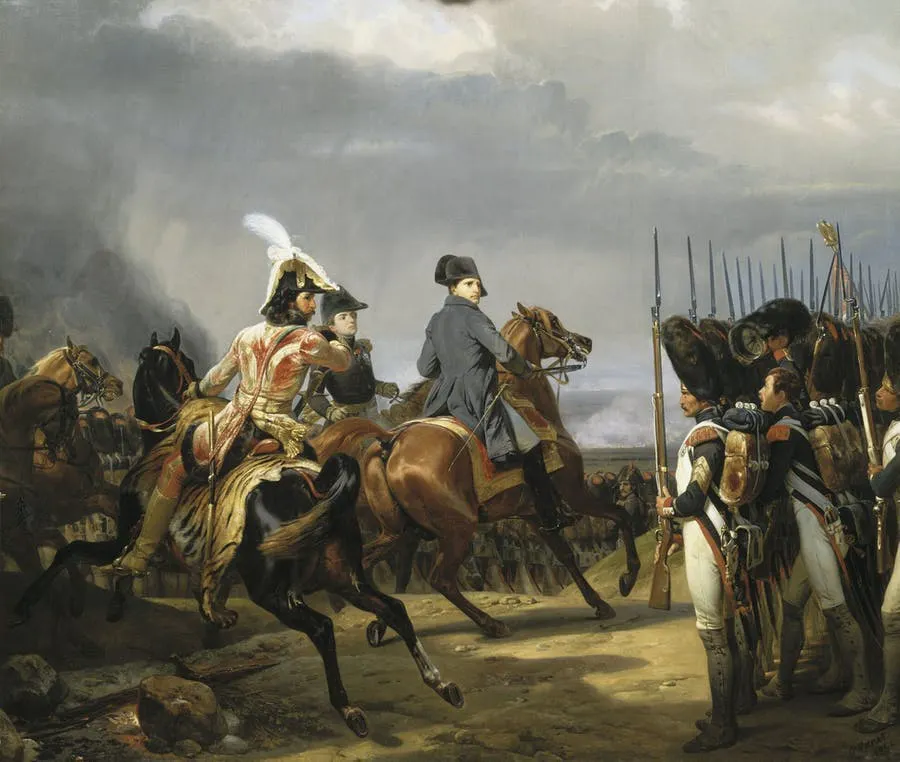
During the French Revolution the soldiers switched to the bicorne, which was made particularly famous by Napoleon Bonaparte, also by virtue of the fact that he wore it differently from other generals, sideways, so that he could be easily distinguished on the battlefield. It is worth mentioning that the revolutionaries used to wear the Phrygian cap (a conical cap with a rounded tip), which became a symbol of freedom, also worn by Marianne, a female icon of the French Revolution.
Related: Why is Napoleon So Popular at Auction?
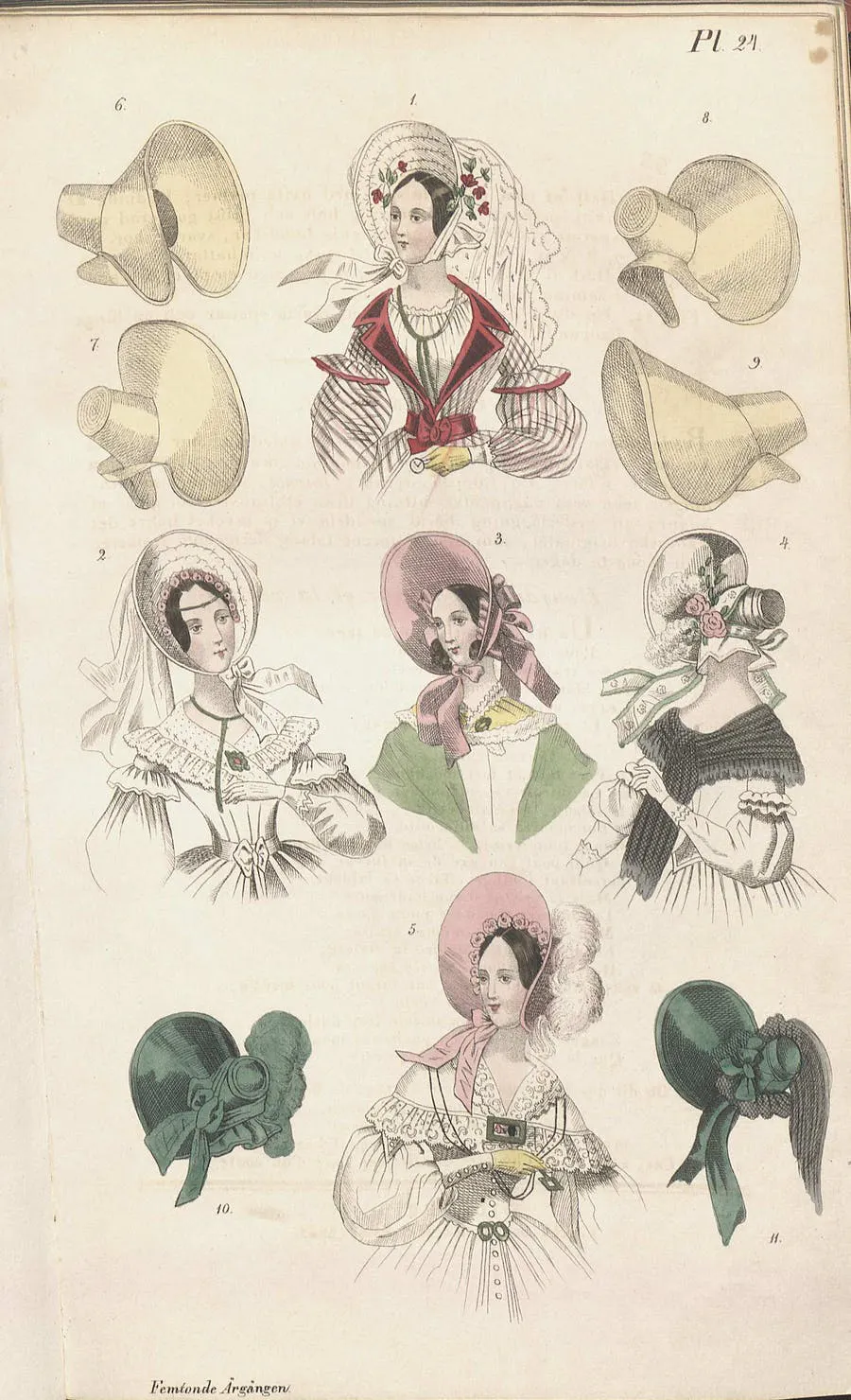
The golden century of the hat was, however, the 19th century, a period that saw the advent of sober models such as bonnets for women, tied under the chin with simple ribbons, and the so-called picture hat or Gainsborough hat (named for Thomas Gainsborough, who painted famous portraits of women wearing these), an elaborate women's hat in which the wide brim framed the face as if to create a "picture". These hats incorporated details such as feathers and various trimmings and some models are said to have even included entire stuffed birds.
Related: Not Just for Royals: A History of the Tiara
The 19th century also represented the apogee for the famous top hat, made iconic by President Abraham Lincoln. Top hats were of great importance to him and had multiple uses: with his impressive height, Lincoln outstripped many of his colleagues and loved to accentuate his stature with his beloved top hat, which he also needed to protect himself from weather. He sometimes even put important documents under his top hat. Lincoln later had a black silk mourning sash added to his in memory of his beloved son Willie, who died at age 11 from typhoid fever.
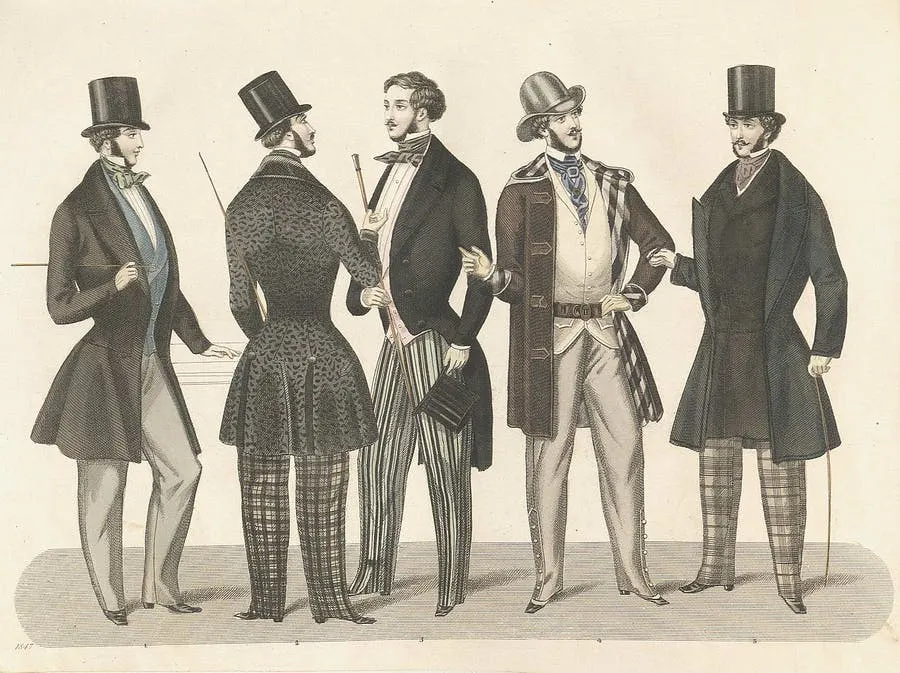
As you can imagine, the top hat took up a lot of space and was bulky especially on long journeys; for this reason in 1823, the gibus (or opera hat) was born, so called from the name of its inventor, the Frenchman Antoine Gibus. This hat contained very thin steel springs that allowed it to be compressed vertically and flattened, to allow the wearer to put it under the arm or store it in small spaces. The hat could then be easily put back into shape, with the stress of the brim. The gibus was also nicknamed "chapeau claque" (which means click hat in French) due to the noise produced by the click of the springs.

In recent times, Steampunk culture, a fusion of Victorian style and technological elements, has given new luster to the top hat, often worn by both men and women, with the addition of googles, clock gears and other ornaments.
By 1900, hardly anyone left the house without a hat. The models began to multiply and many of the hats that we still use today were born.
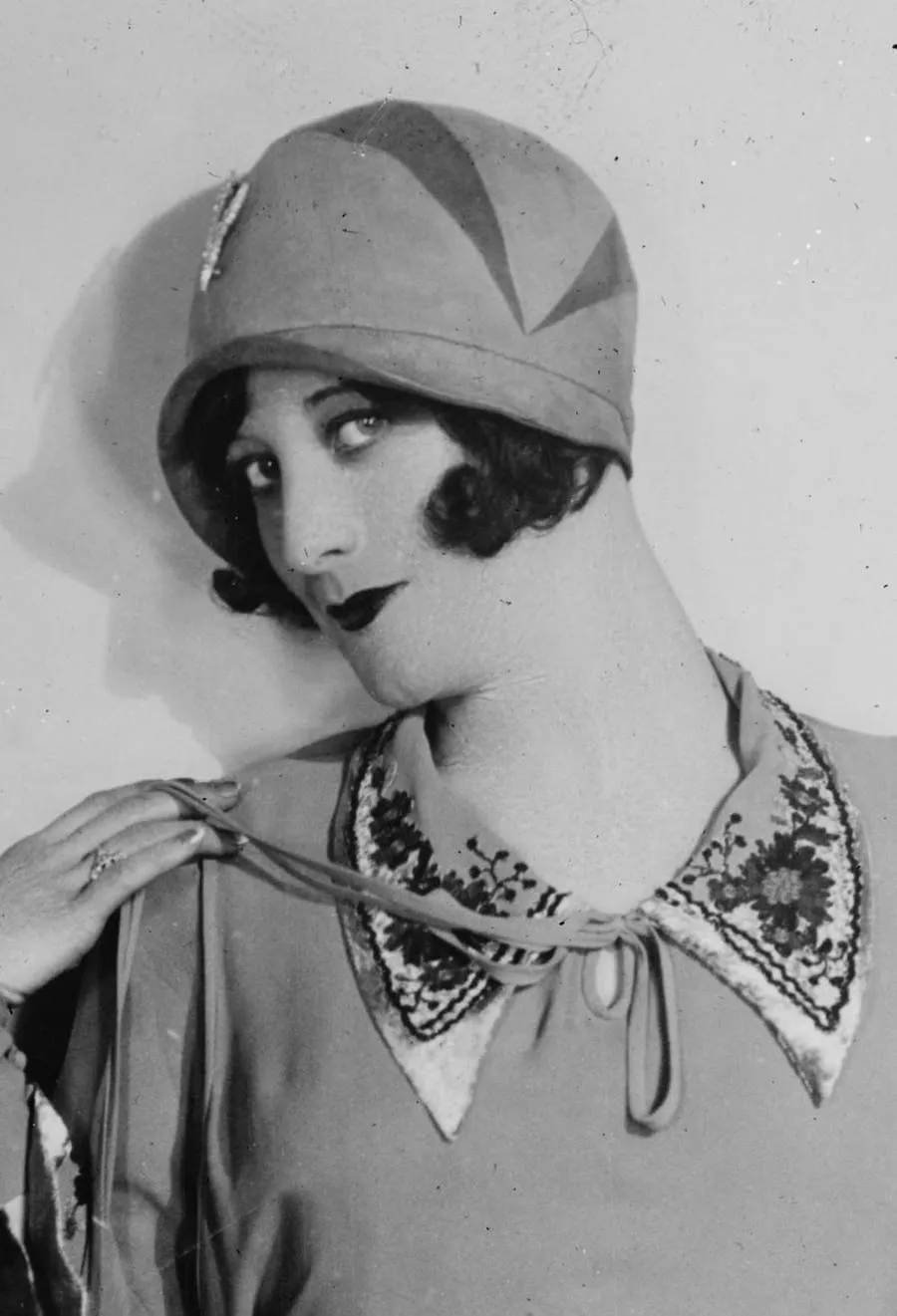
From the pompous fashion of the previous century, we moved on to simple and minimalist lines. It was the turn of the cloche hat , invented in Paris in 1908 in the atelier of a famous milliner, Caroline Reboux. The cloche (from the French word "bell" due to its shape) soon became an iconic object, especially among noblewomen and celebrities. Cloche hats became particularly popular during the 1920s and '30s with the introduction of the "Eton Crop" hairstyle, a very short and smooth cut. The cloche was very popular among flappers (so much so that it is often also referred to as flappers hat), a new generation of young girls who aimed to free themselves from the constraints imposed by society.
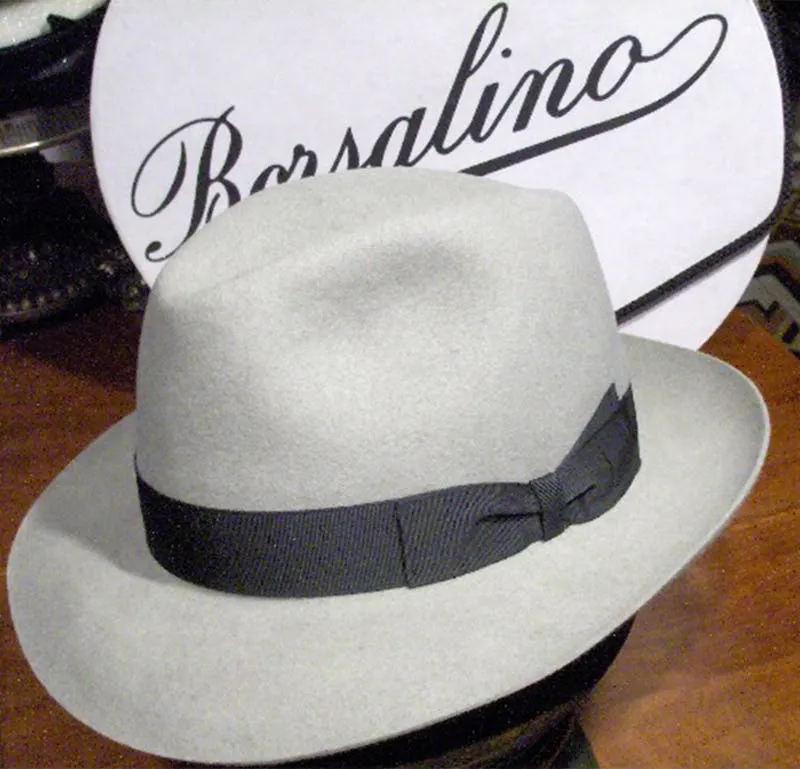
The 20th century was a very important century especially for Italy, as the production of hats constituted an important slice of the economy. "Made in Italy" hats became a symbol of elegance and prestige and began to frame famous faces, especially thanks to Borsalino, an ancient and prestigious Italian company founded in 1857 that specialized in the production of luxury hats. Borsalino has always had a special relationship with the film industry: one of the hats of their creation that entered the collective imagination is the fedora worn by Humphrey Bogart in the 1942 film Casablanca. Borsalino also soon conquered the British market, in particular in London, where bowler hats with the Borsalino brand began to circulate.
Related: The Fascinating Market for Celebrity Hair
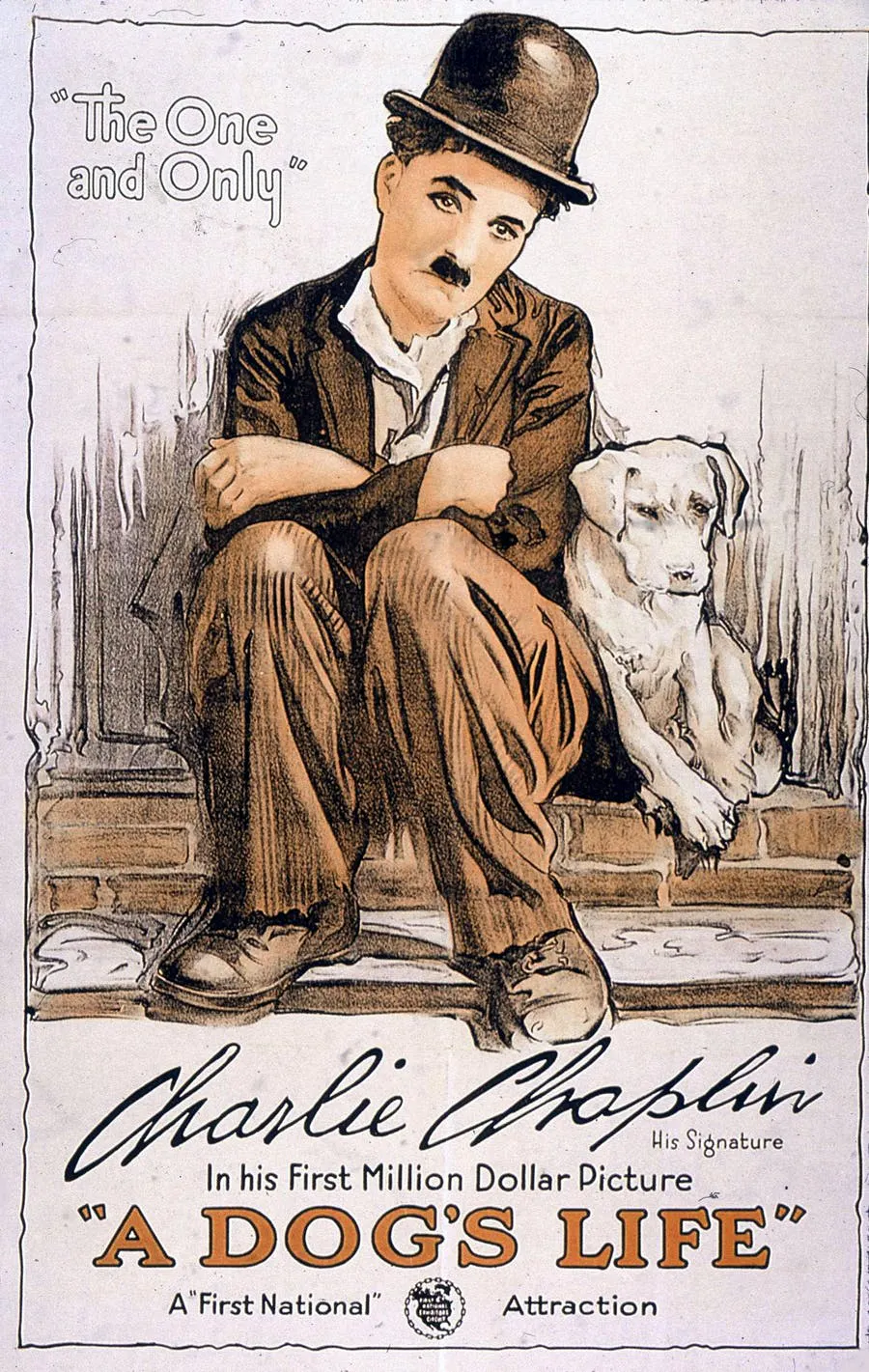
The bowler hat, so dear to the painter René Magritte, who immortalized it in the painting Man in a Bowler Hat (1964), was created in London in 1860 by Thomas William Bowler and made famous in the early 1900s by actor Charlie Chaplin. His adorable bowler hat was somewhat of his character's trademark, along with the tight jacket, baggy pants and cane. Unlike the elegant Victorian top hat, this headpiece was for the average man. Related: René Magritte: Bowler Hats with Belgitude
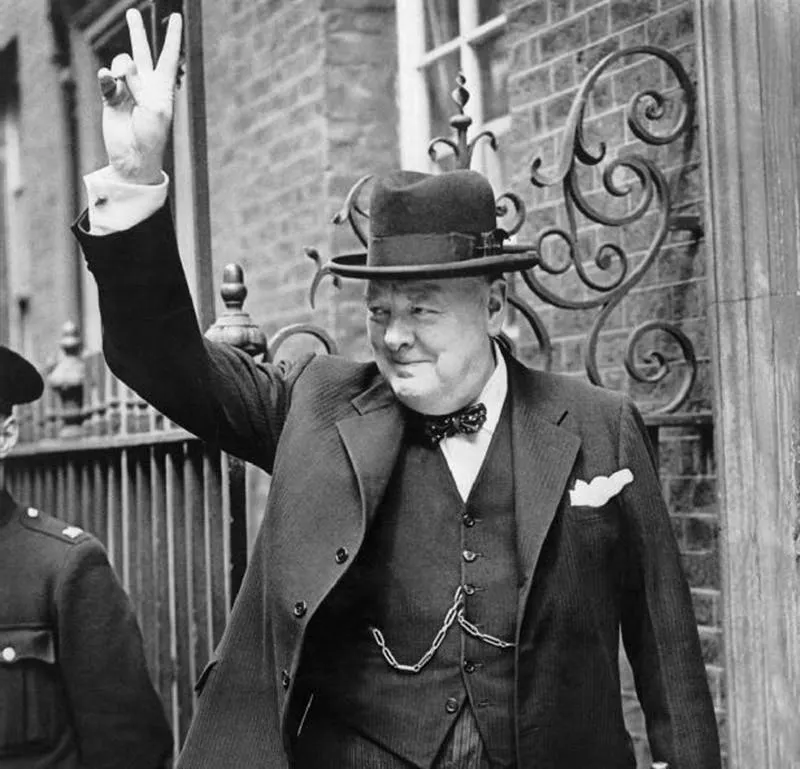
As a true Englishman, Sir Winston Churchill also loved the bowler hat, but he especially popularized another type of hat, called the "Homburg", a semi-rigid felt hat with a central hollow and wide brim with a raised hem. The former British minister wore this type of hat on important occasions (such as a meeting with President Roosevelt at the Casablanca Conference in 1943), but also in various situations of daily life, when he devoted himself to gardening, painting or house work.
Related: Worth Millions: Behind the Appeal of Celebrity Memorabilia
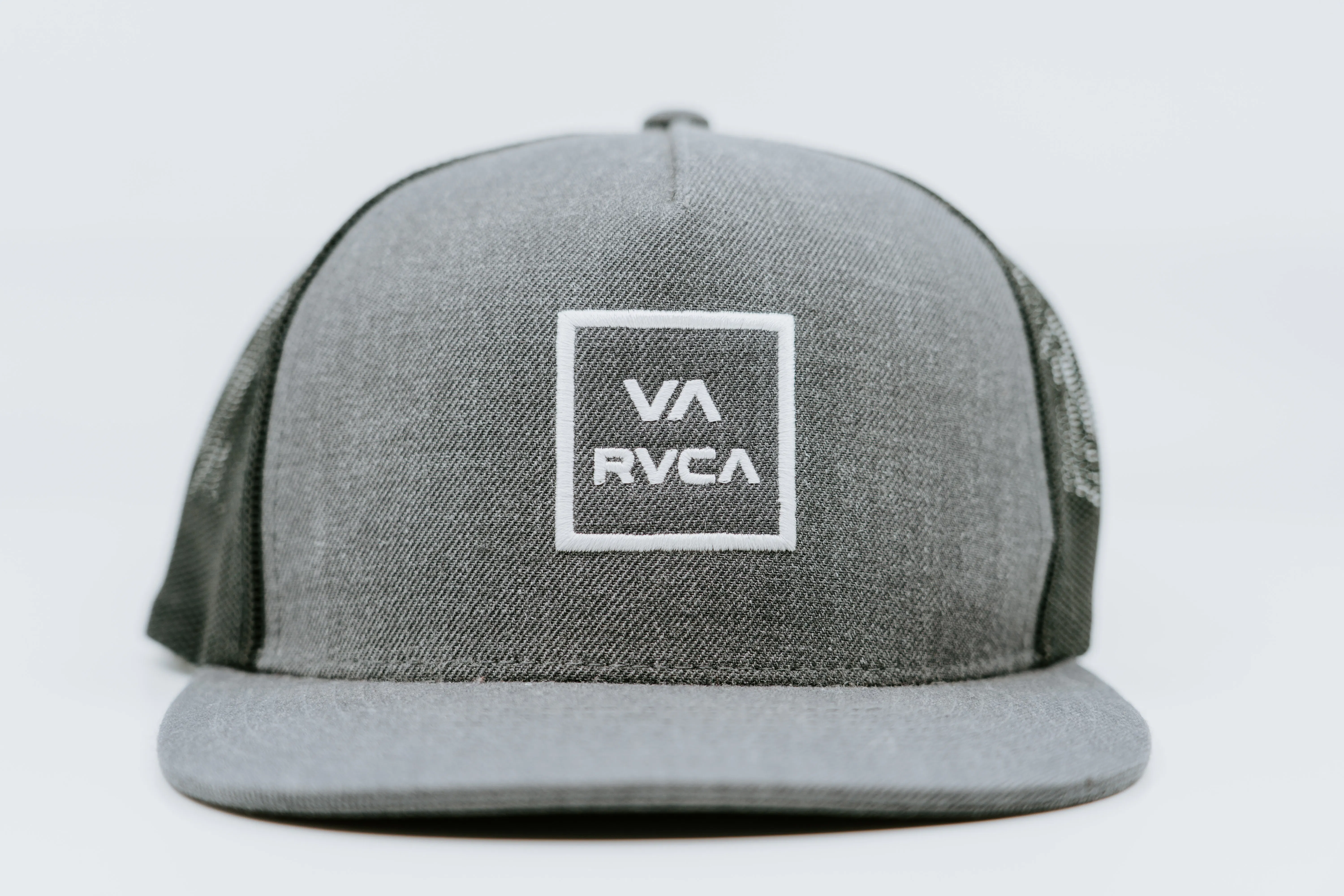
After the end of the Second World War, people began to leave the house even without a hat, but the fame of this accessory certainly did not decline. Fashions changed and unisex hats began to take hold. A striking case is that of the baseball cap, a soft cap with a curved or flat visor, used not only by the players of the sport of the same name, but also by some armed forces as part of the uniform. The baseball cap was popularized by hip hop fashion (often referred to as a "snapback") and, later, it became one of the favorite accessories of the young due to its comfort and low cost, even if the prices nowadays can vary, reaching quite high figures for those produced by major fashion brands.
Related: The 8 Most Popular Fashion Brands
The hat has come a long way since it was used simply as head protection. After becoming a fashionable object and even a status symbol, recently this accessory has also entered the auction market forcefully. Hats once worn by celebrities and historical figures are often very popular on the secondhand market. In 2011, the green beret worn by John Wayne in Green Berets sold for $180,000 and a cowboy hat from the film The Great Jake fetched $120,000. The following year, a Charlie Chaplin bowler hat sold for $57,600. Various auctions have also been organized for Michael Jackson's hats. This year the bicorne worn by Napoleon Bonaparte during the battle of Jena was sold at Sotheby's for €1.2 million ($1.4 million) and an auction organized by Bonhams in London made the headlines in which a bicorne containing some traces of his DNA was offered (it sold for £200,250 ( 266,551)). The wide-brimmed indy hat - known as "The Poet" - worn by Harrison Ford in the Indiana Jones saga also enjoyed great success at auction recently.
Related: The Very British Story Behind Indiana Jones' Hat
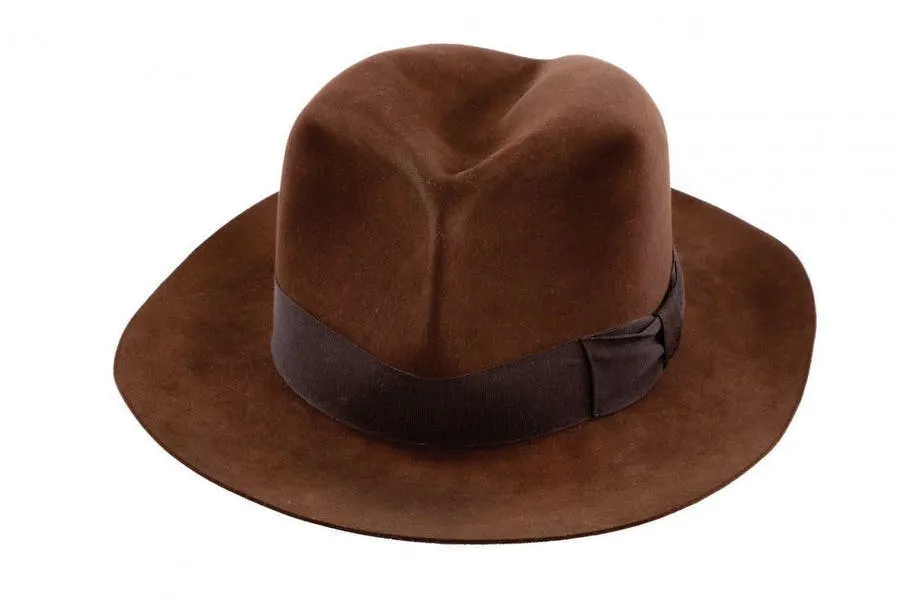
The history of the hat is long, fascinating and full of surprises; we do not know what it will hold for us in the future, but it will most likely continue to be a successful accessory among collectors for a long time to come.
![Left: Vincenzo Camuccini, ‘La morte di Cesare’ [detail], 1804-05, oil on canvas, Galleria Nazionale d'Arte Moderna, Rome. Photo via Wikimedia Commons. Right: Q. Servilius Caepio (M. Junius) Brutus AV Aureus (Vorderseite). Photo: © Roma Numismatics Limited](https://images.prismic.io/barnebys/b977923a-a54f-4686-8416-7c3744c04722_Cover+new.jpg?auto=compress,format)