Born in Paris in 1896, Paul Jacoulet was three years old when his parents moved to Japan for his father, who was hired as a French teacher at the Ecole des Hautes Etudes Commerciales in Tokyo. Educated in Japanese schools, Paul Jacoulet learned the language and adopted the customs, but his fragile health (due to his premature birth) forced him to remain bedridden often.
Related: 5 Artists from Sickness to Success
From the age of 11, he showed an interest in drawing, but his ambition to become an artist would not come until much later. After the death of his father in 1921, his mother left Asia for eight years and later moved to join her new husband in Korea, then a Japanese colony. Paul Jacoulet stayed in Japan and in 1929 decided to follow his friend Yujirô Iwasaki on a trip to discover Micronesia. It was following this first stay, which made a very strong impression on him, that he decided to become an artist.
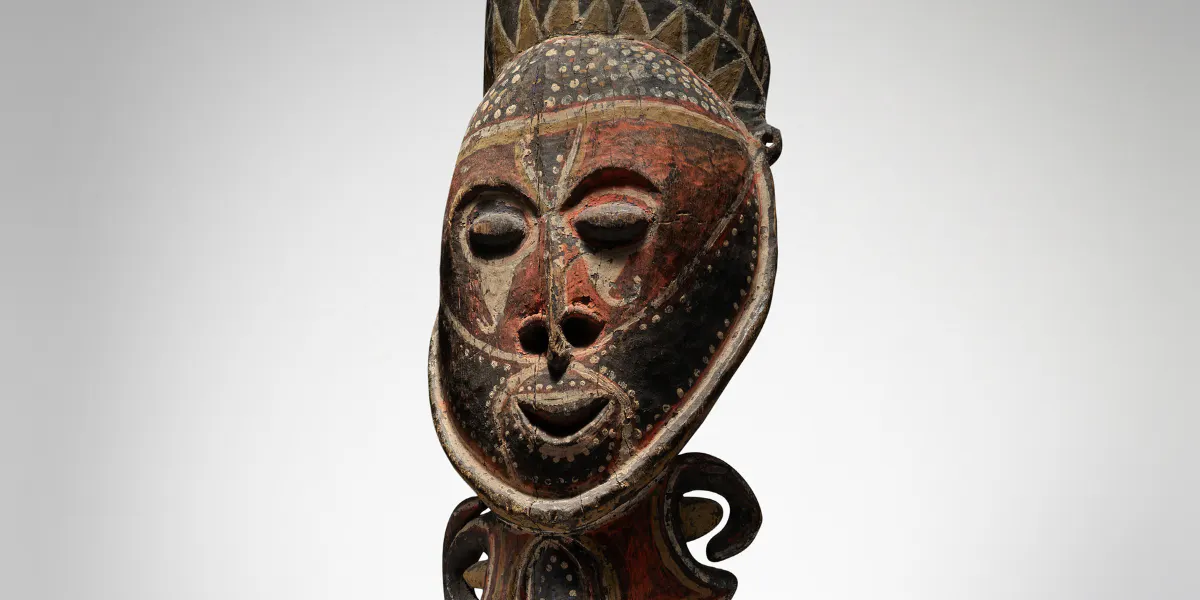
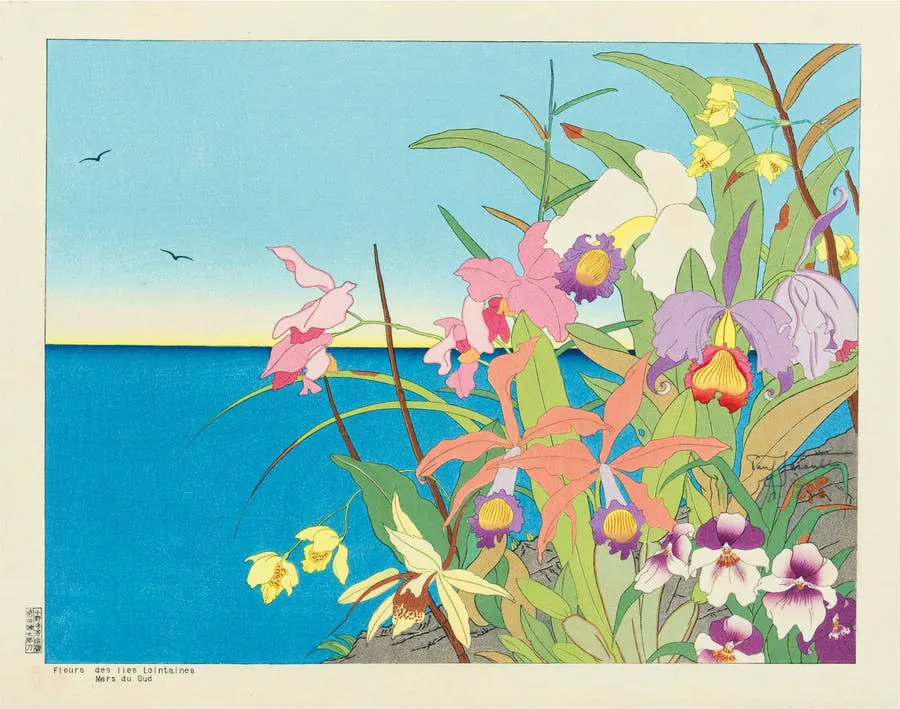
The many watercolors and sketches he made on his trip made him aware of the vulnerability of certain inhabitants of Micronesia, and the many trips that followed to the Mariana Islands and the Caroline Islands inspired him to put charming scenes of life on paper.
Related: Ukiyo-e: The Art of Japan
In the 1930s, Paul Jacoulet truly initiated himself into the tradition of ukiyo-e, a term that translates to "pictures of the floating world." He combined the 17th century style with techniques he developed himself. He opened his workshop in 1933, where several master engravers and printers came to lend him a hand to produce ukiyo-e prints according to the traditional rules of the art. His first series brought him a certain fame on the Japanese island, and made him one of the very few Western artists to master the art of wood engraving. He is recognized by the Japanese as a true master of printmaking. The influence of Paul Gauguin is perceptible in several of his works, especially in the works of Micronesia.
During the Second World War, Jacoulet moved to Karuizawa, in the prefecture of Nagano, and stopped painting, for lack of customers and materials. He resumed in 1946, encouraged by American members of the occupying troops, and became an art professor at the Tokyo Army College at the request of one of his greatest collectors, General Douglas MacArthur.
Related: Yayoi Kusama: The Queen of Cool
General McArthur's second wife was particularly devoted to sharing his talent. She showed his work at the general's headquarters in Tokyo and later at the Waldorf Astoria hotel in New York. Thanks to his new job and the interest shown in him by the MacArthurs, Paul Jacoulet gained popularity in America. In 1946, he benefited from three exhibitions on two American bases in Japan, in 1946. Nevertheless, towards the end of his life, his relations with the United States became complicated: Jacoulet was prohibited from entering American territory for his homosexuality, which he displayed openly and which was often reflected in his works, as well as his gender fluidity.
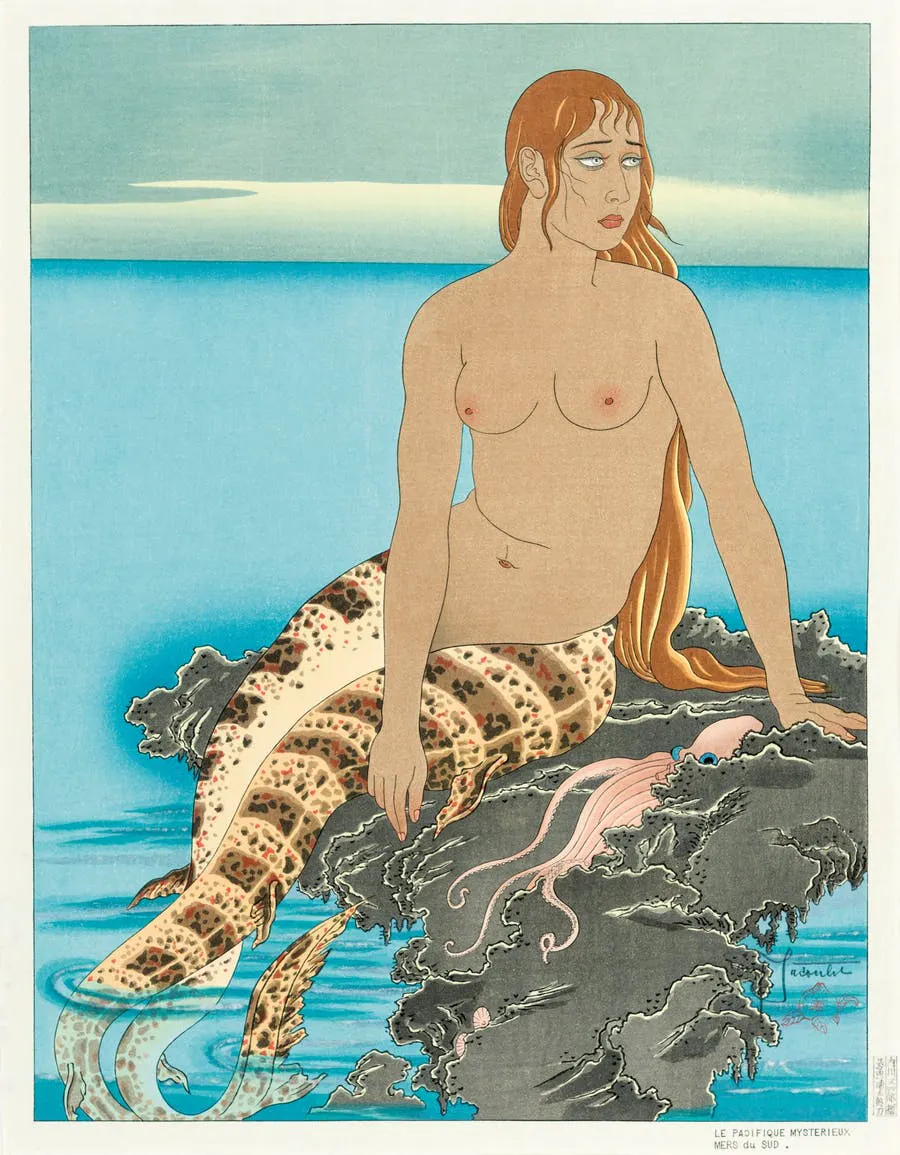
His health deteriorated in the 1950s, but did not prevent a long journey through Australia, Hong Kong, Singapore, Tahiti and the West Indies. Upon his return, he planned a major project of 20 prints on endangered populations in Asia and the Pacific.
To receive our latest articles straight in your inbox, sign up for our newsletter.
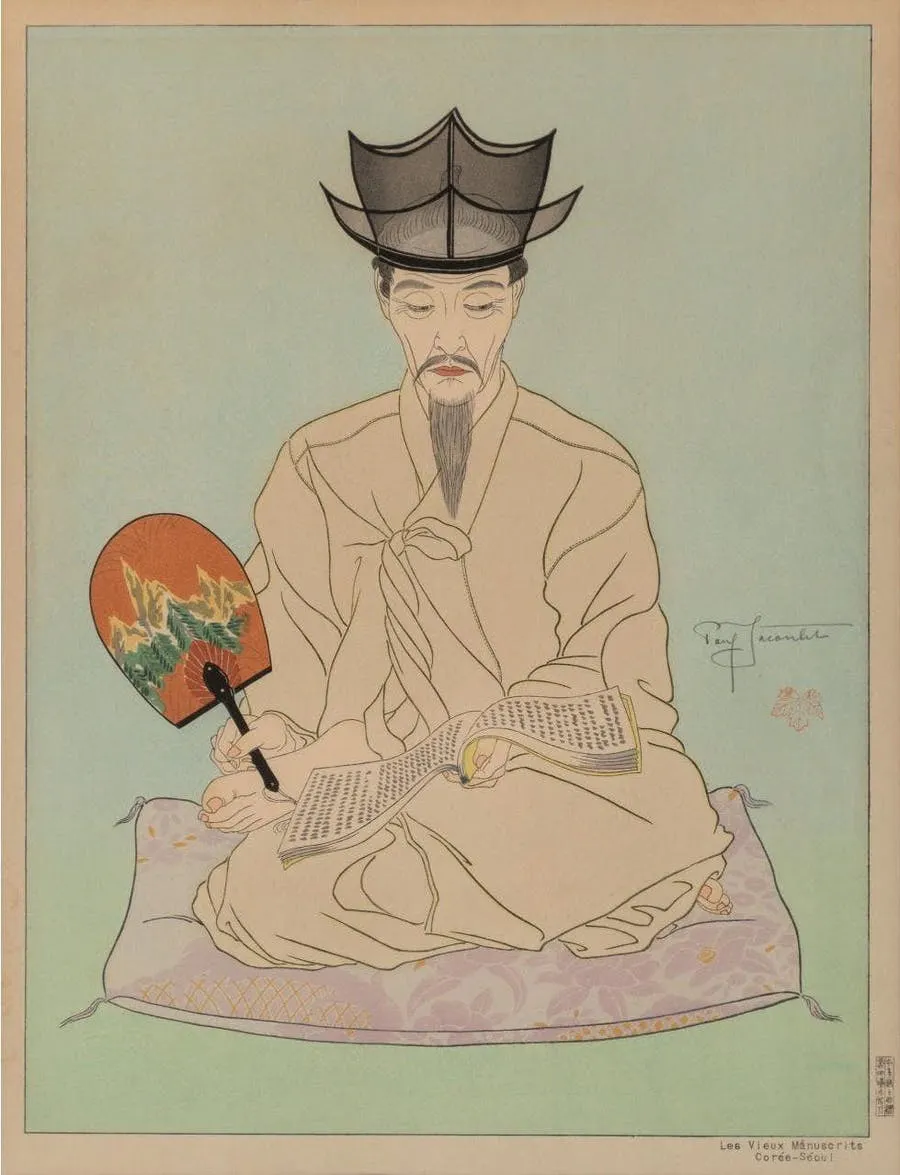
He died in March 1960 from complications related to his diabetes, leaving behind 166 prints in ōban format (sized approximately 37 x 25 cm, most frequently used in ukiyo-e along with the chūban format), and a number of smaller works that were postcard-sized.
Related: Kintsugi: The Beauty of ‘Golden Scars’
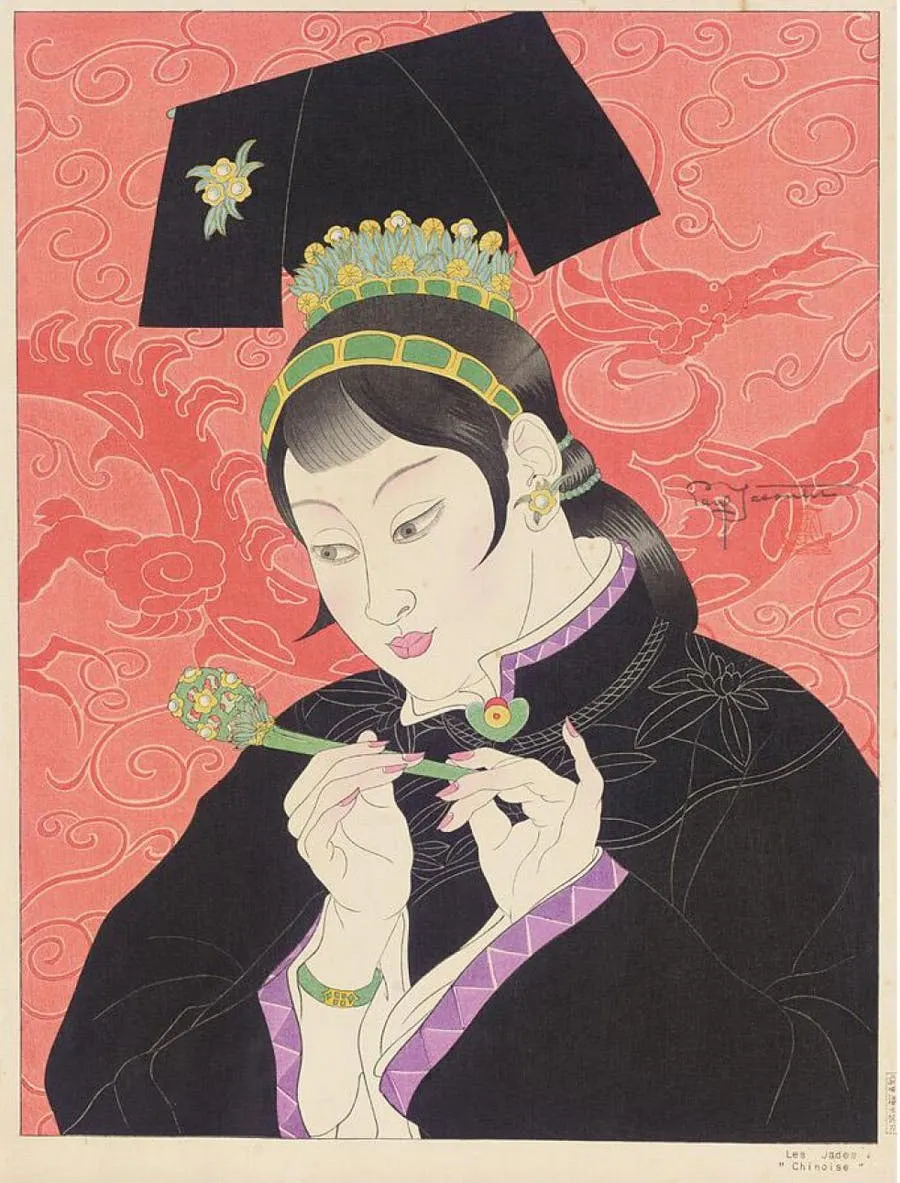
Known for selecting the best materials and employing top engravers, Paul Jacoulet produced prints that featured working people from many countries in Asia and Oceania.
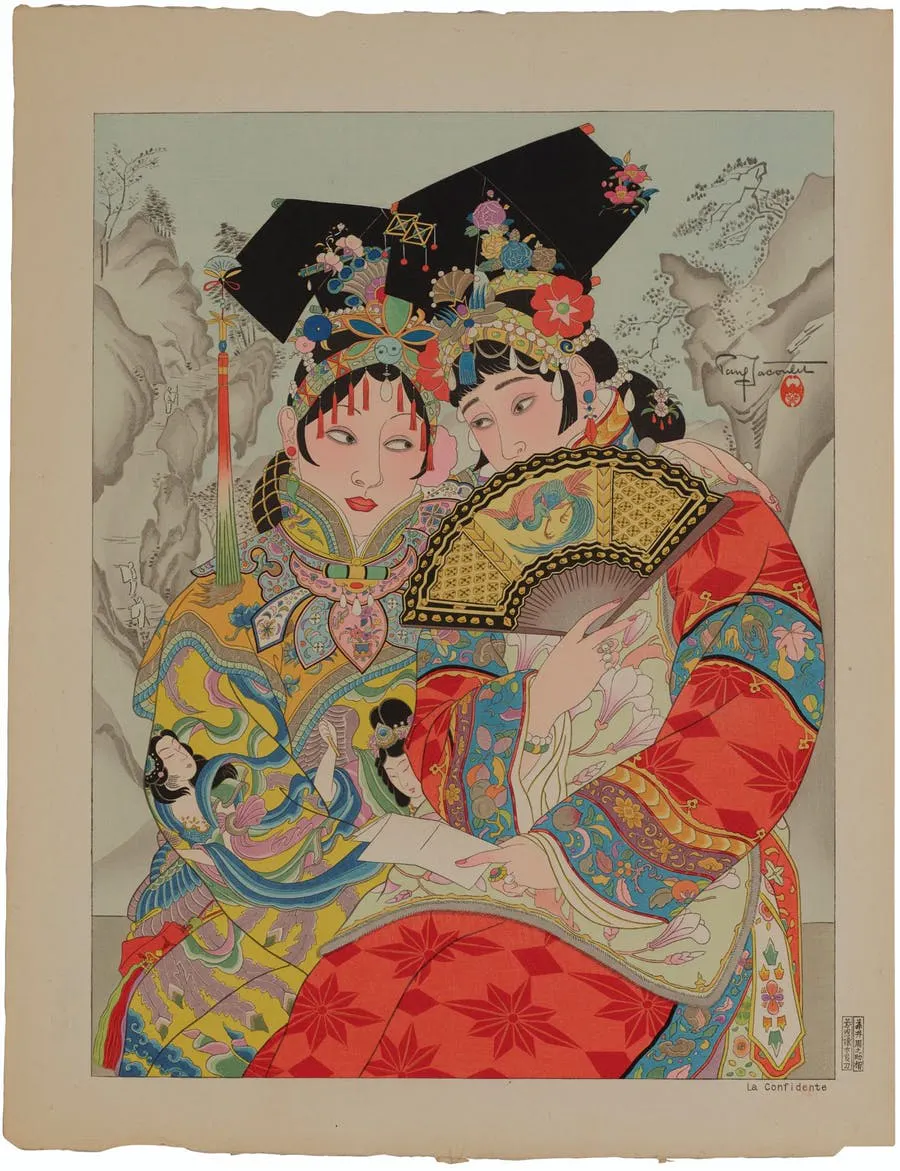
Calligrapher, linguist and butterfly collector, Paul Jacoulet was wonderfully unconventional. At the meeting of East and West, he depicted with precision the outfits, the hairstyles and tattoos of the populations which the artist met on his travels.
Related: A World Record for Hokusai's Great Wave
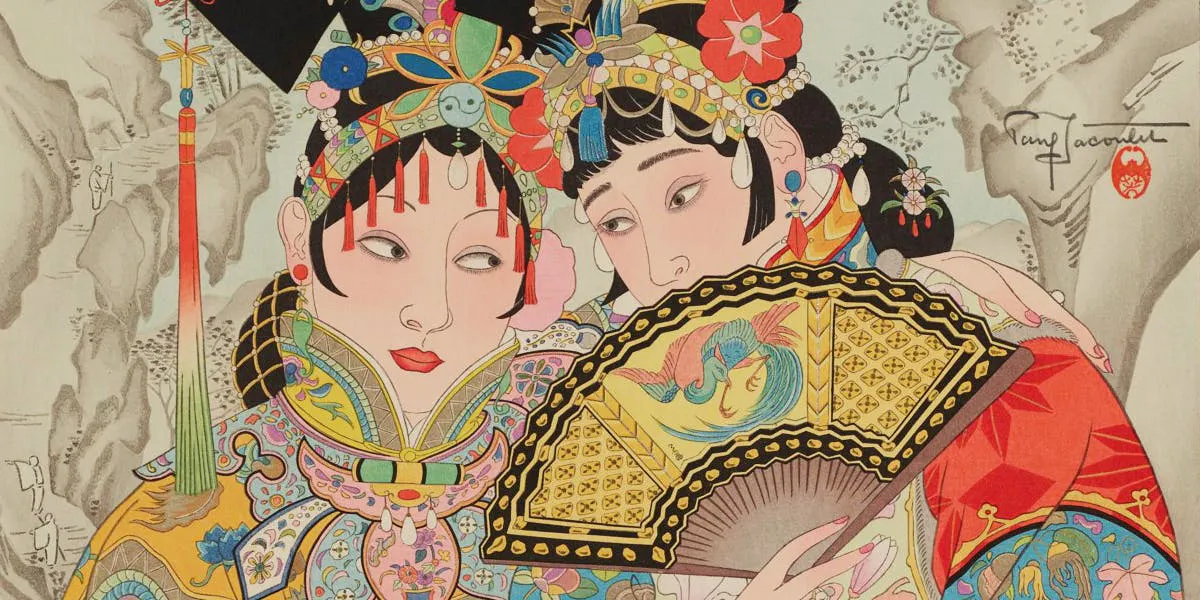
All the works made by Jacoulet before the Second World War are incredibly rare. They were mostly taken out of Japan by foreign collectors or destroyed during the war. Today, his prints fetch several thousand dollars on the auction market, his current record being set in 2022 at $36,250 for a complete set of his five-part series Dames Chinoises et Mandchoues.
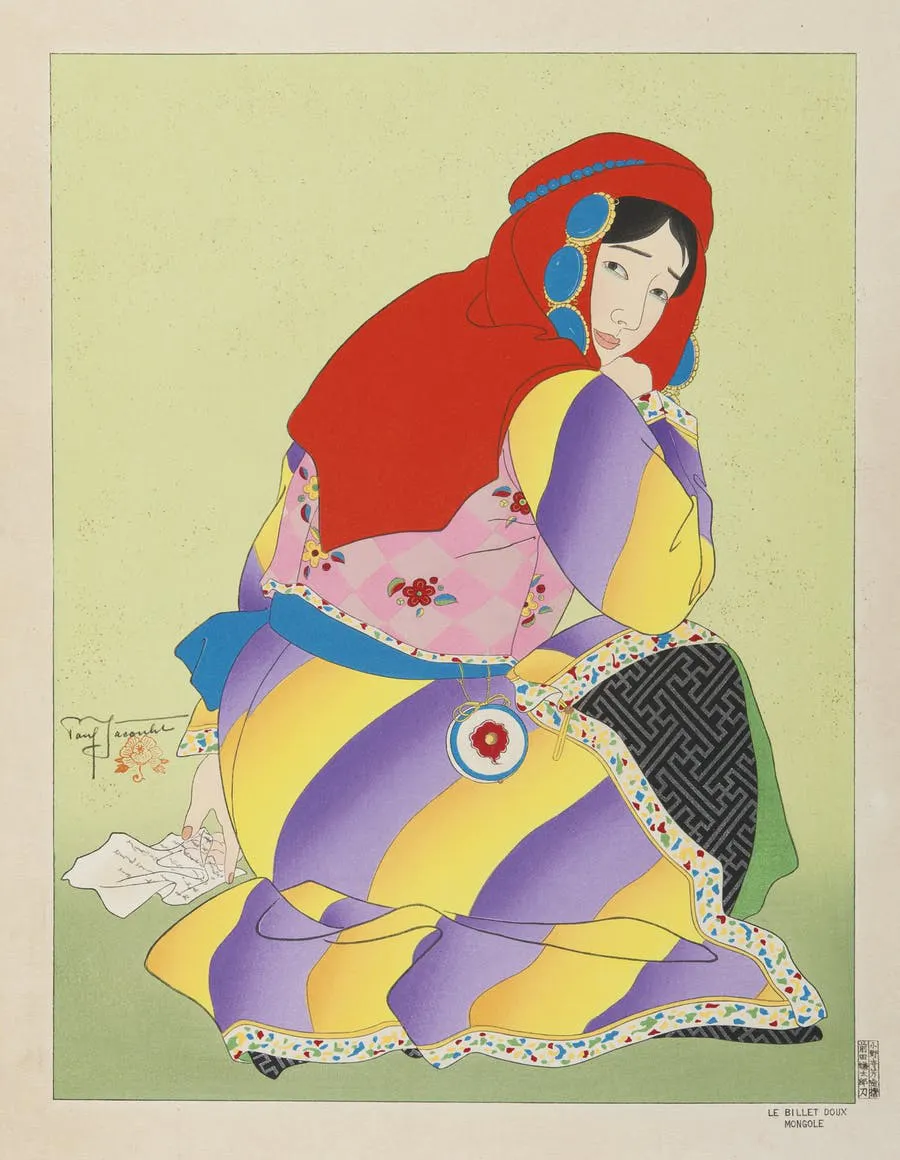
Paul Jacoulet remained unknown for a long time in France, despite it being his country of origin. It was only in 2011 that an exhibition was devoted to him at the National Library of France, followed in 2013 by another at the Musée du quai Branly.