Oceanic art encompasses all the visual arts of the indigenous peoples from the Pacific Islands and Australia, including the regions of Micronesia, Melanesia, and Polynesia. Locations include places as far apart as Hawaii, the Easter Islands, New Zealand, Haiti, Tonga, and Australia. Oceanic art spans hundreds of thousands of years, from prehistoric cultures and the descendants of the first waves of human migrations to the 16th and 17th centuries, when European civilizations colonized many of the indigenous populations and greatly affected their flourishing and culture. The sheer scale of Oceania, which cannot be overstated, comprises about 20,000 Pacific islands and 1,800 cultures and languages, making its art complex to categorize. Here's where to start:
When did Oceanic art take place?
Roughly speaking, Oceanic art falls into two major categories, according to the two groups that spread throughout Oceania. The Australoid people in New Guinea and Australia were the first to populate the islands of Oceania, giving birth to the Melanesians and Aborigines around 40,000 to 60,000 years ago. The Austronesian peoples from Southeast Asia were the next to migrate, 30,000 years after. These early populations lacked a writing system and predominantly made works out of perishable materials, intended for everyday use, hence why few artifacts have survived our times. The groups from these two cultures came to interact through trade relations.
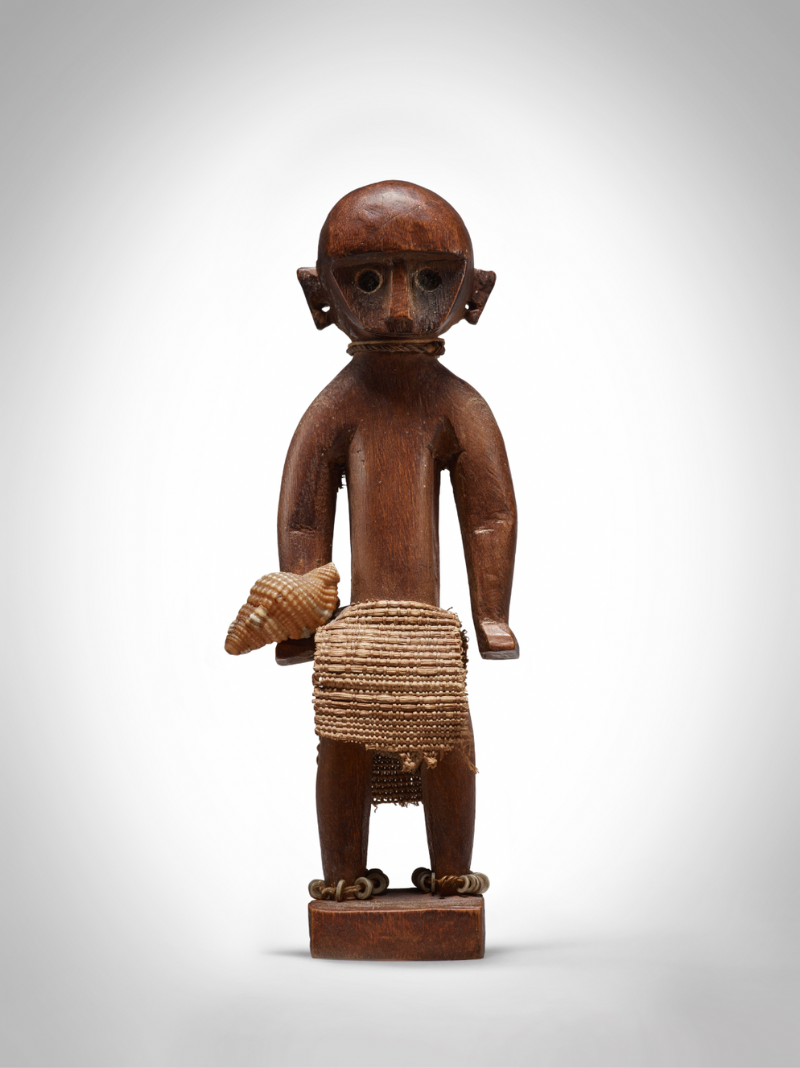
Related: Travel the World Through Art
Eventually, the Lapita Culture, which came about around 1500 BC, further expanded across the more remote islands. At around the same time, art began circulating in New Guinea, including the earliest known examples of sculpture. From about 1000 BC, the Lapita people began to venture further out and settle in the Pacific islands, though little is known of that period besides trade relations. Until 1000 AD, records continue to be scarce, but as far as visual culture, New Guinea sculpture and Australian rock art are well documented, and we know that from about 1100 AD, the people of Easter Island would begin to construct around 900 moai, the famous megalithic human figures that populate the island. By 1500 AD, the first European colonizers began to reach Oceania, and though some artistic traditions were continued, the regions would start to diverge and become more closed-off.
What are the characteristics of Oceanic art?
Although the visual arts of Oceania vary greatly throughout cultures and regions, the overarching themes are usually concerned with ritual, religion, the supernatural, and fertility. Its most popular artifacts are works that were originally crafted for ceremonial use and spiritual purposes. The oldest artifacts are that of the Australian Aboriginals and consists of rock art and petroglyphs that record the masters of the Dream Time, the Australians’ mystical religious view of time.
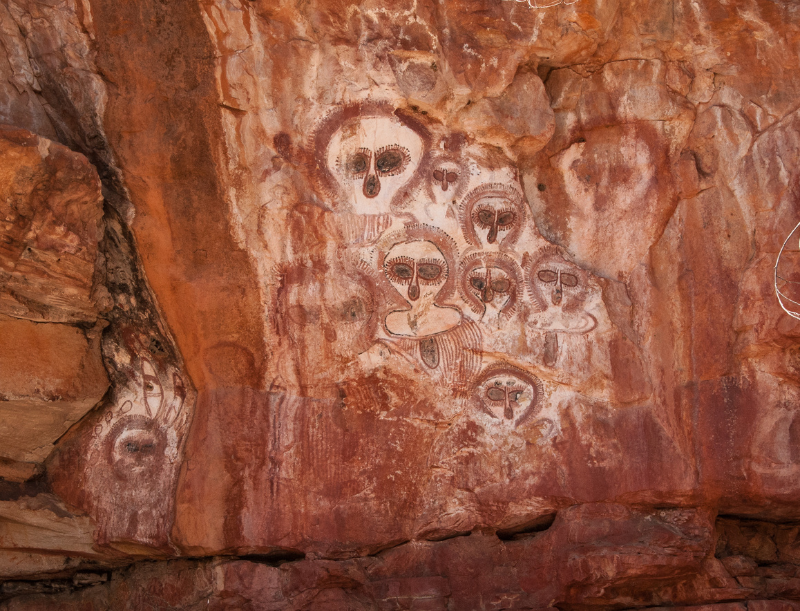
Until the arrival of the Europeans, the majority of Oceanic cultures relied on neolithic technologies, with the only exception found in New Guinea, where certain populations managed to import small quantities of metals and created works by forging, a technique that was kept virtually as a cult secret. The greatest proportion of Oceanic art is thus made from hard and soft wood, sometimes embellished with carvings, beads, feathers, shells, and ivory. The basic tool used remained the stone blade, although at times shells, obsidian, bamboo, and boar tusks or shark teeth were used to work the wood. Clay was the rare alternative to wood, employed for sculptures and small musical instruments. Clay vessels were mainly the labour of female artisans, though it was up to the male population to decorate the pots. Painting was used to animate sculptures with religious symbols, and in Australia, rock painting was the most common. Weaving was rare and most practiced in the small islands of Polynesia.
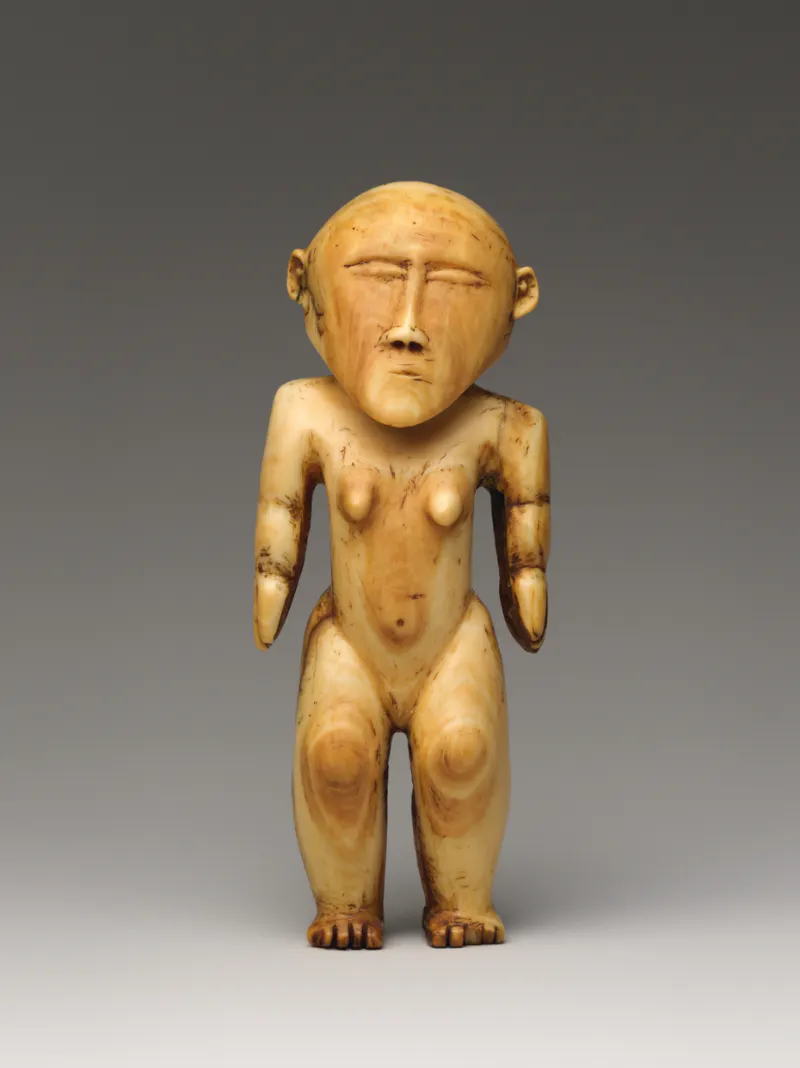
The use of various media by the Oceanic people has been described as 'consummately opportunistic': they regarded anything that lay in the natural world as a medium through which to make art, from turtle shells to birds’ beaks, plums, animals’ teeth and so on. And spanning almost a third of the world’s surface, nature’s resources were plentiful. An interesting medium was also the human body: scarification and tattooing were known practices of Oceanic cultures, especially in New Guinea.
The Art of Aboriginal Australia
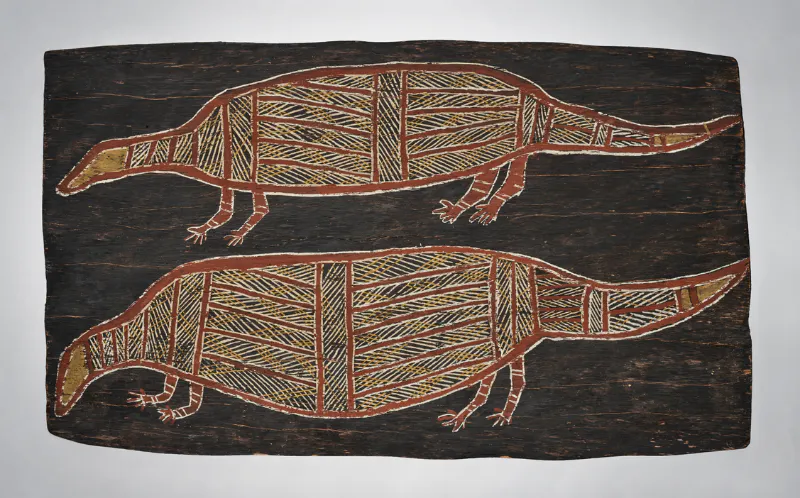
Oceania’s earliest art is made by Australian Aboriginals and consists of rock art and petroglyphs that record myths about religion and nature. Australian Aboriginals also painted on panels and boomerangs with highly decorated geometric patterns and in dot painting, a style that is still carried to this day by indigenous cultures.
Related: The 5 Most Famous Civilizations of Pre-Columbian Art
The Art of Micronesia
Micronesia comprises the second-wave settlers of Oceania and includes the people from the islands north of Melanesia, with an artistic tradition partly inherited by early Austronesian cultures from the Philippines and the Lapita culture. Micronesia’s most prominent work is the megalithic floating city of Nan Madol, a complex of artificial islands and canals built in a lagoon over the course of 400 years, from 1200 to 1600, until the arrival of European explorers and its decline in 1800. Famous artifacts from the region include wood carvings of stylized bowls, canoe ornaments, ceremonial vessels and sculpted figures by male artisans, as well as textiles, jewelry, and accessories by female artisans.
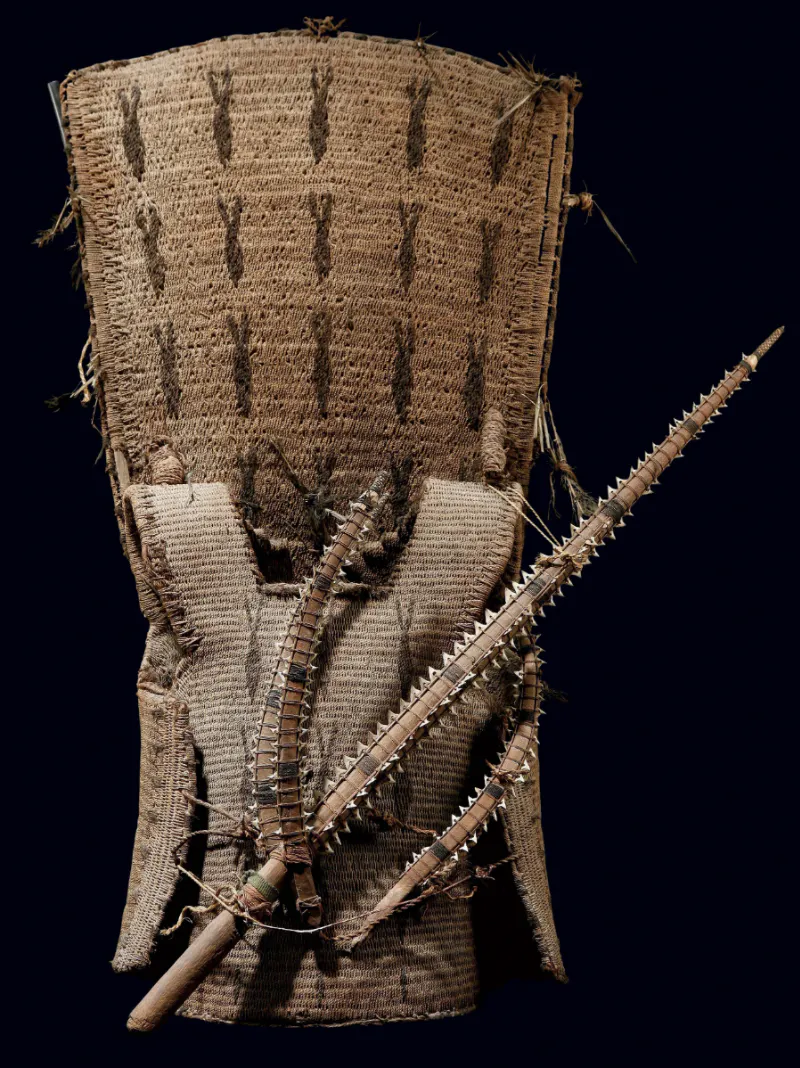
Micronesian art is known for its use of minimal mediums worked with refined craftsmanship – simple and functional, yet of high quality.
The Art of Polynesia
Like Micronesia, Polynesian art traces its origin in the Lapita culture, covering 1000 islands including New Zealand, Easter Island, the Cook Islands, Marquesa Islands, Fiji, Tonga and Hawaii. It is probably the most famous type of Oceanic art and the most sought-after at auction.
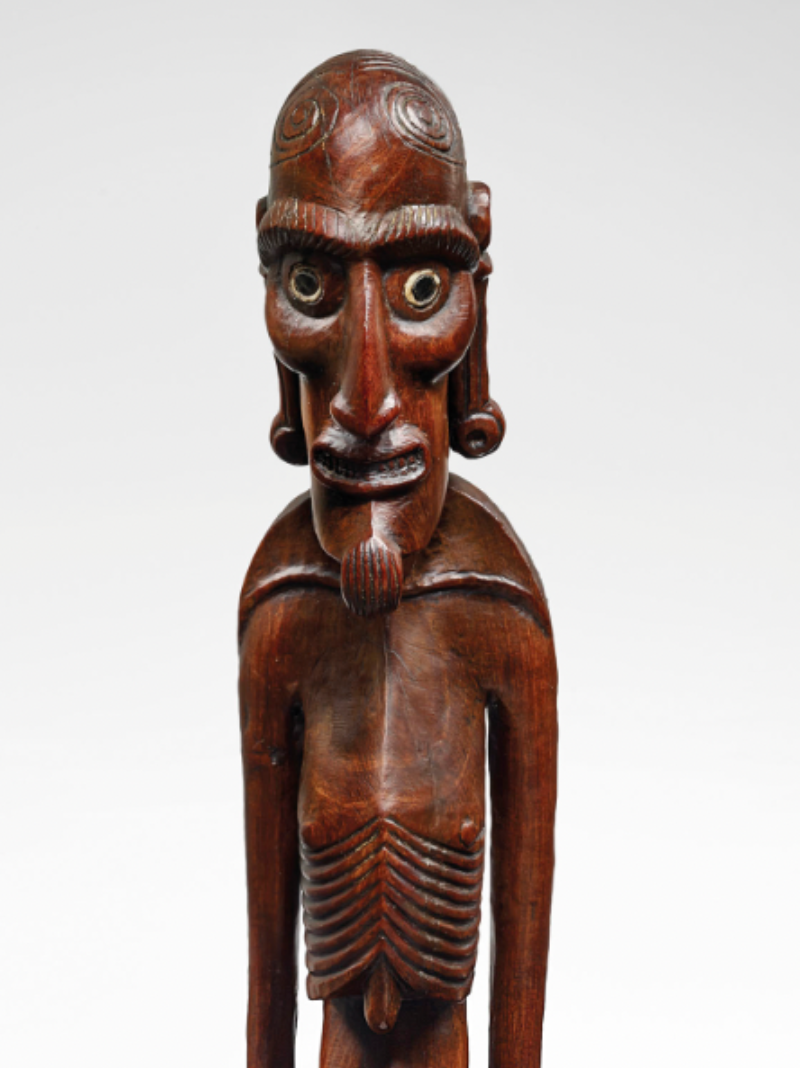
From Easter Island, the Moai statues – megalithic giant stone heads placed on small bodies representing the deified dead – are the most famous example of art and sculpture in Polynesia, a region whose peoples were particularly inspired by the supernatural and the belief in spirits. Smaller Moai wooden sculptures from Easter Island carved for ancestors are also popular, though scarce. Other sought-after objects are Maori ornaments from New Zealand, which include wood carvings, bowls, statues, clubs, marine objects such as paddles and canoe prows, and other ceremonial tools. Extremely rare but widely researched are the Nukuoro figures produced by the Nukuoro Atoll people, a Polynesian enclave from Micronesia.
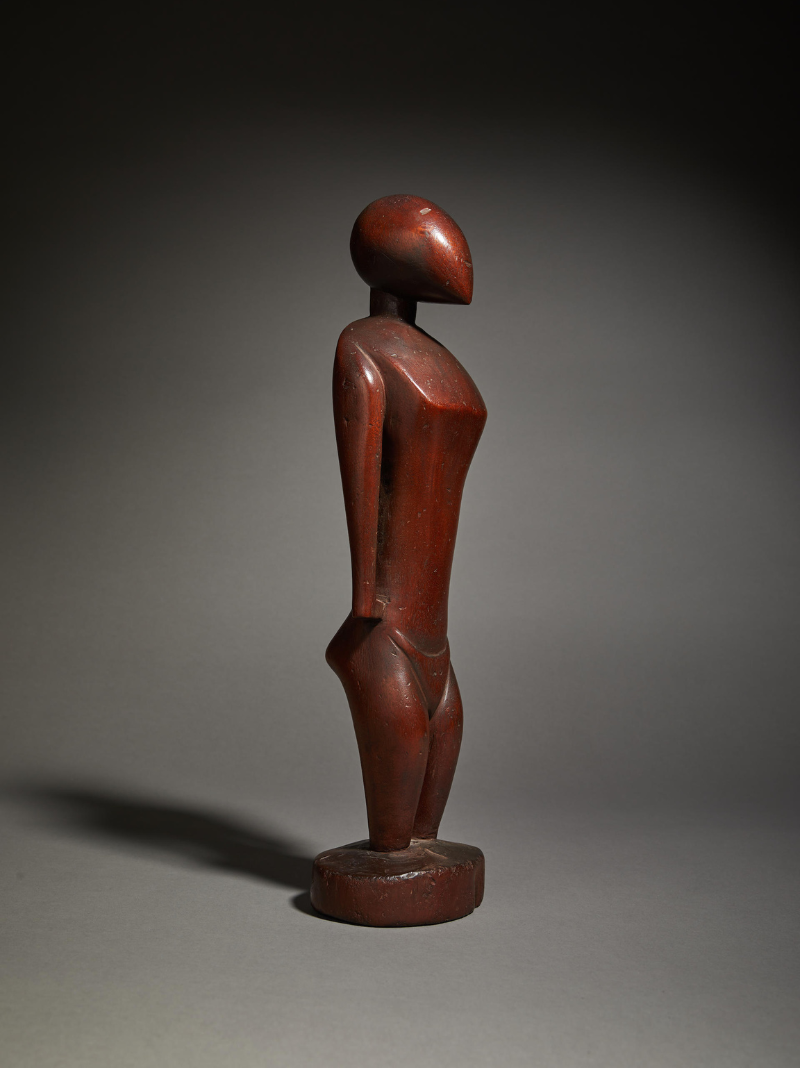
Polynesian art suffered greatly from the arrival of Christian colonizers and missionary work, especially when it came to sculpture, which was traditionally endowed with supernatural powers and thought to incarnate spirits – a belief and tradition that Christianity suppressed. By the 19th century, depopulation of the region due to slave raiding and Western diseases led to the steady decline of Polynesia’s artistic output. Work mainly continued through secular art, such as with tapa textiles and kava bowl carving. However, most of Polynesian art was destroyed, making it the rarest of Oceanic art. Most of what has survived resides in public collections, and what comes on the market always commands high premiums.
The Art of Melanesia
Melanesian art, comprising New Guinea and the surrounding islands populated by first-wave settlers, is perhaps Oceania's most ornate and sensational art. Typical styles include sculptures with exaggerated forms, often representing sexual themes. Cannibalism is another commonly explored theme, as well as hunting and ancestral lineage. Body art including tattoos is marked by intricate geometric compositions.
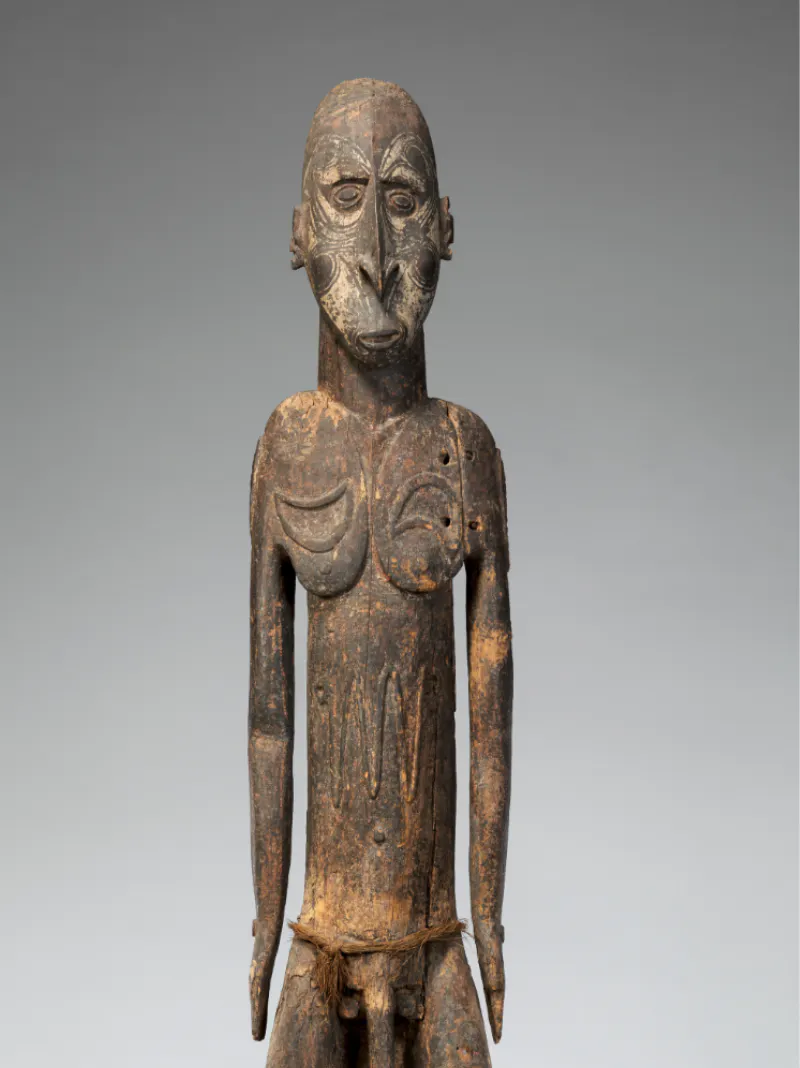
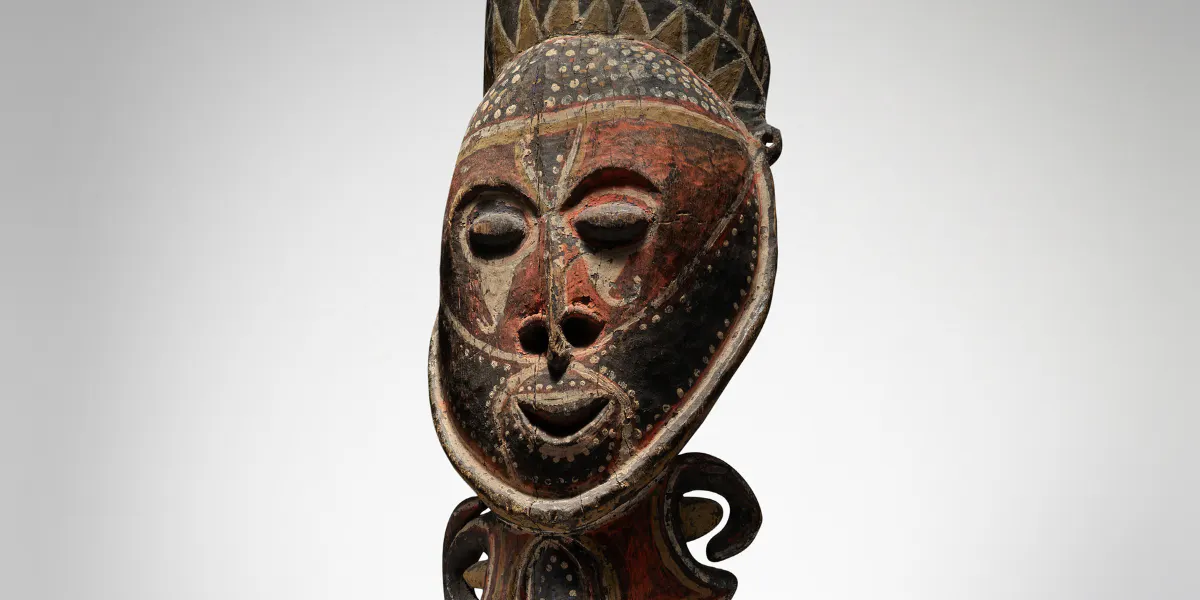
Melanesian art revolves around spiritual rituals and has an almost hallucinogenic quality. Some of its most famous artifacts are elaborate masks, particularly those from the 19th century coming from the region around the Sepik River in New Guinea, as well as New Ireland’s ‘malangan’: highly decorated wooden ornaments and figures prepared for ceremonies and funerals.
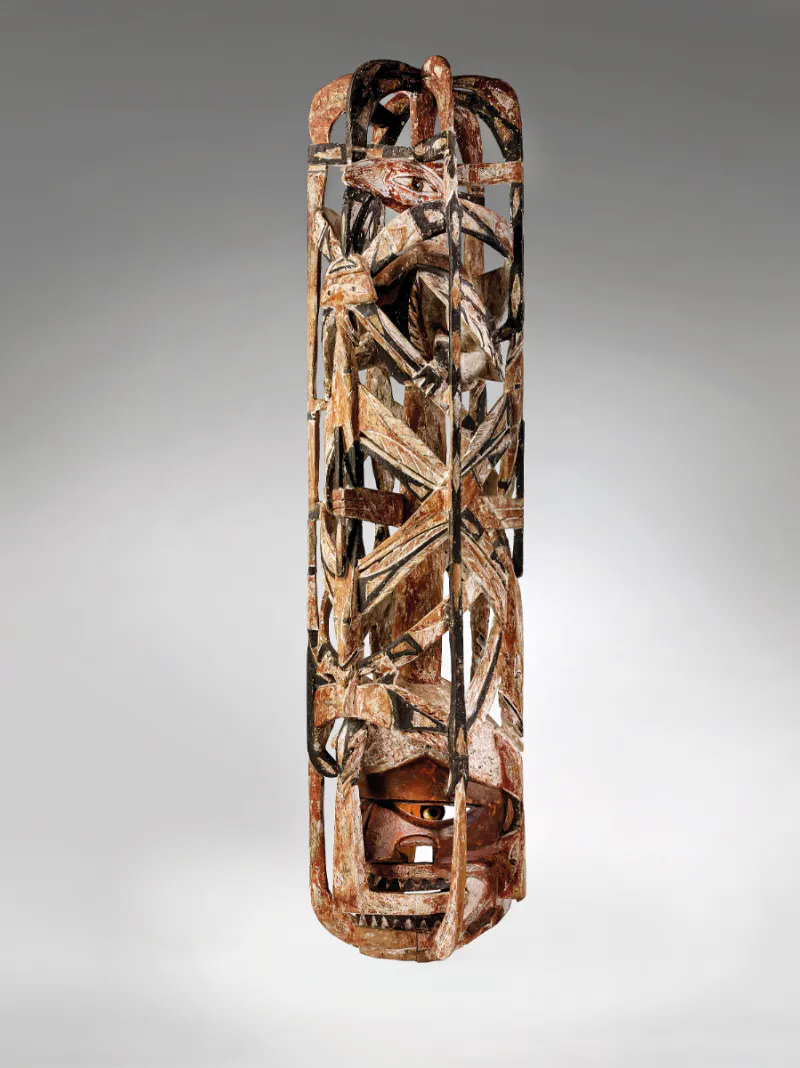
After 1600, like much of the rest of Oceania, Melanesian culture increasingly came into contact with European explorers, and by the 19th century, the influence of the West began to weigh heavily on its artistic traditions. Because of its often arresting appearance, Melanesian art has inspired many 20th-century Surrealist artists, including Max Ernst and Wilfredo Lam, as well as poets such as André Breton, who wrote in Océanie (1948) that “Oceanic art has inspired our desire like no other [...]. From the start, the course of surrealism is inseparable from the power of seduction, of fascination, that Oceanic objects have exercised on us."
Collecting Oceanic Art
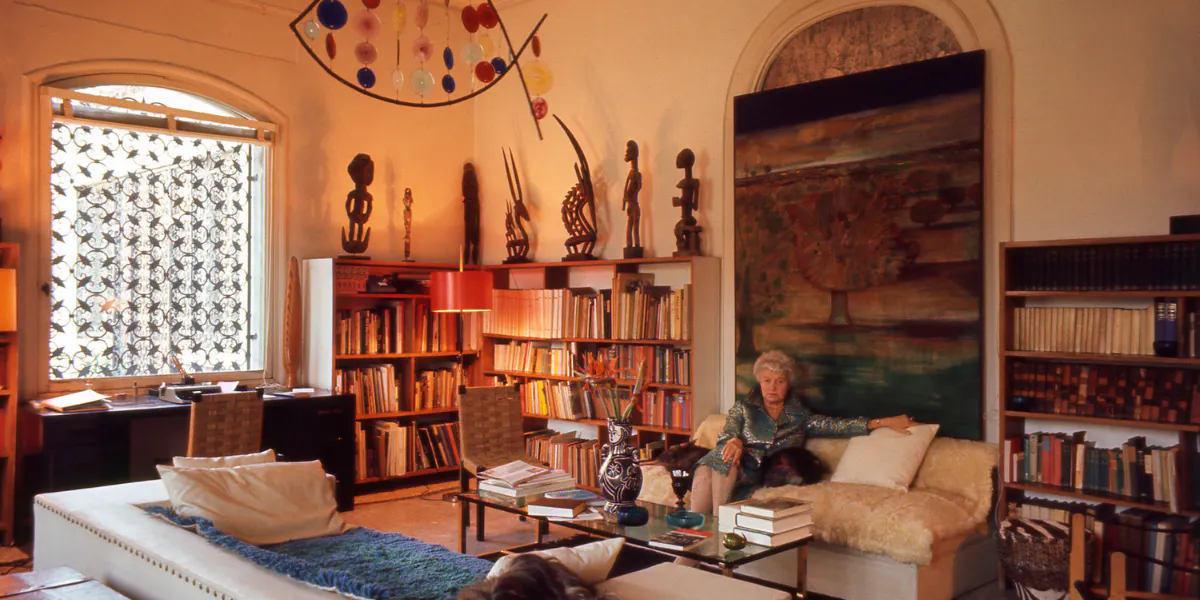
Oceanic art is relatively scarce to the market and has remained under the radar for many years, though new and increased interest from both public institutions and private collectors has granted it a kind of revival. Oceanic art first started to be collected in the early 19th century by explorers and colonizers who exported it to Europe, with artifacts collectively exhibited as ‘curiosities’ in museums. In the 20th century, avant-garde artists and dealers across Europe, including figures such as Matisse and Picasso, started collecting ethnographic objects from various regions of the earth, and their influence on them was known as Primitivism.
Want more articles like this delivered straight to your inbox? Subscribe to our free newsletter!
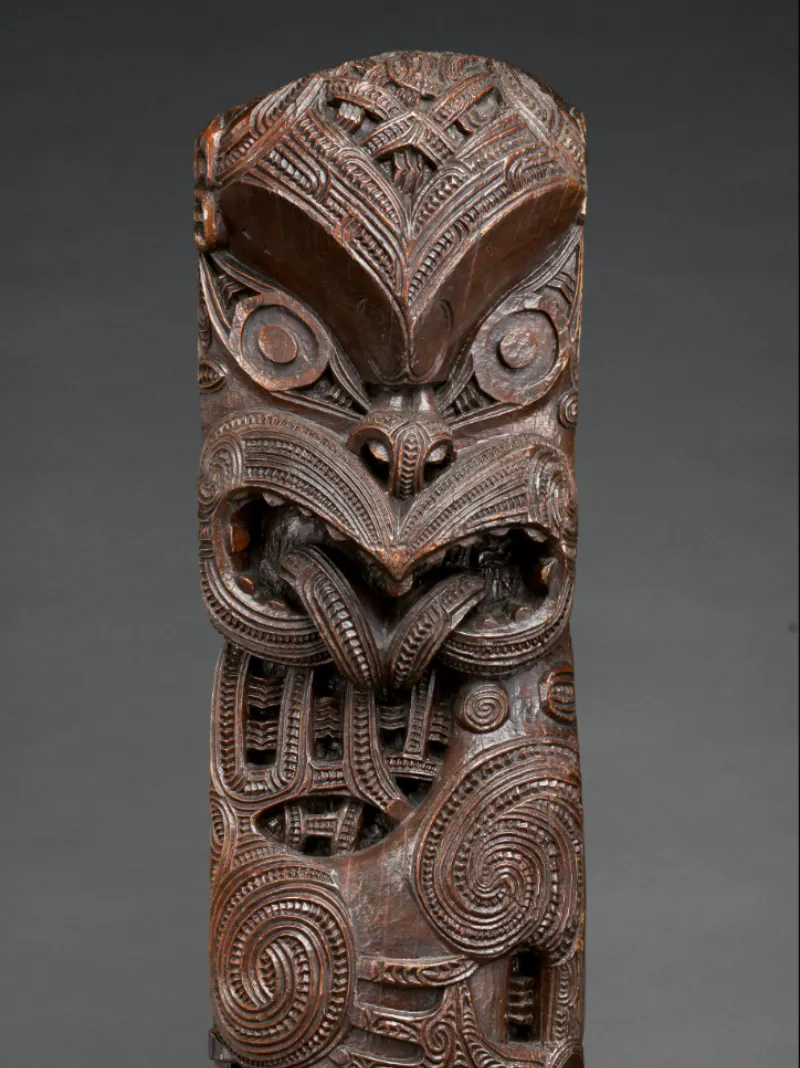
As with many artifacts imported to the West, it is essential to check provenance and documentation, as well as import bans on certain materials (such coral, ivory and tortoiseshell). As Oceanic artists are largely unknown, the value of the artifacts is mainly influenced by their origins, condition, and rarity.
Collectors and admirers of Oceanic art can explore the artifacts of many public collections across the world, including the British Museum in London, the University of Cambridge Museum of Archaeology and Anthropology, The MET in New York, The Museum of New Zealand Te Papa Tongarewa, and the Musée du Quai Branly Jacques Chirac in Paris – to name just a few.