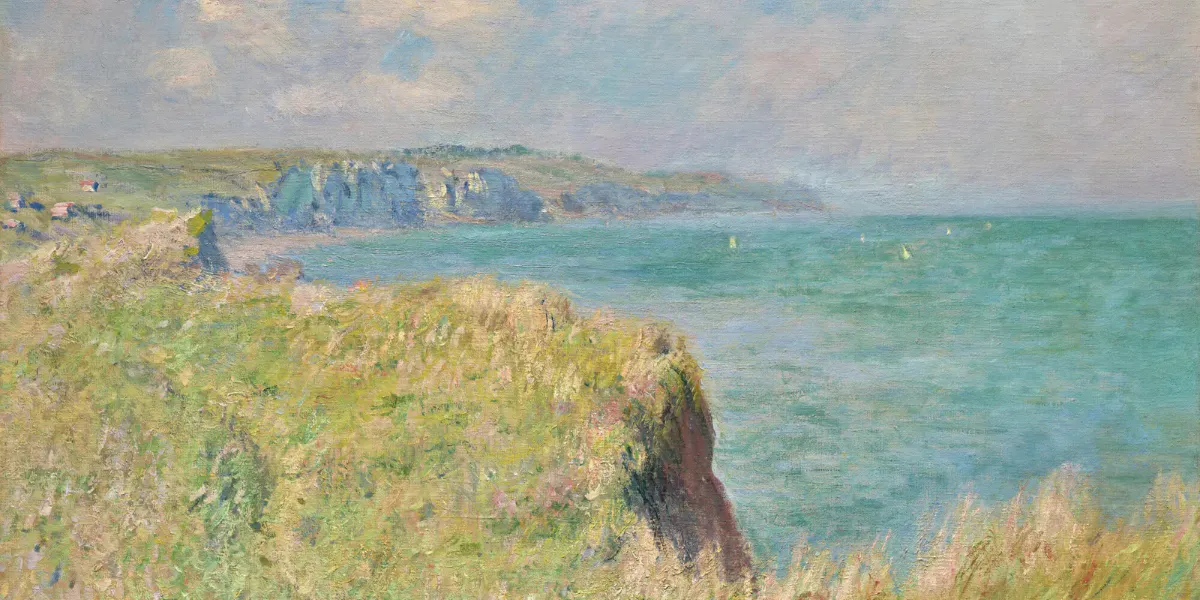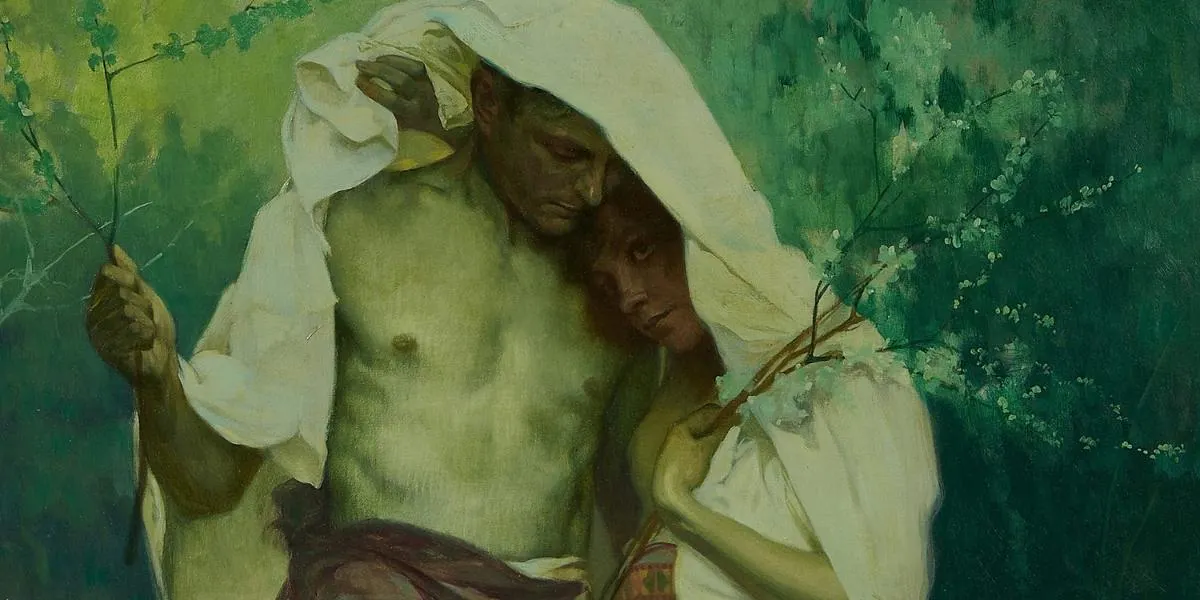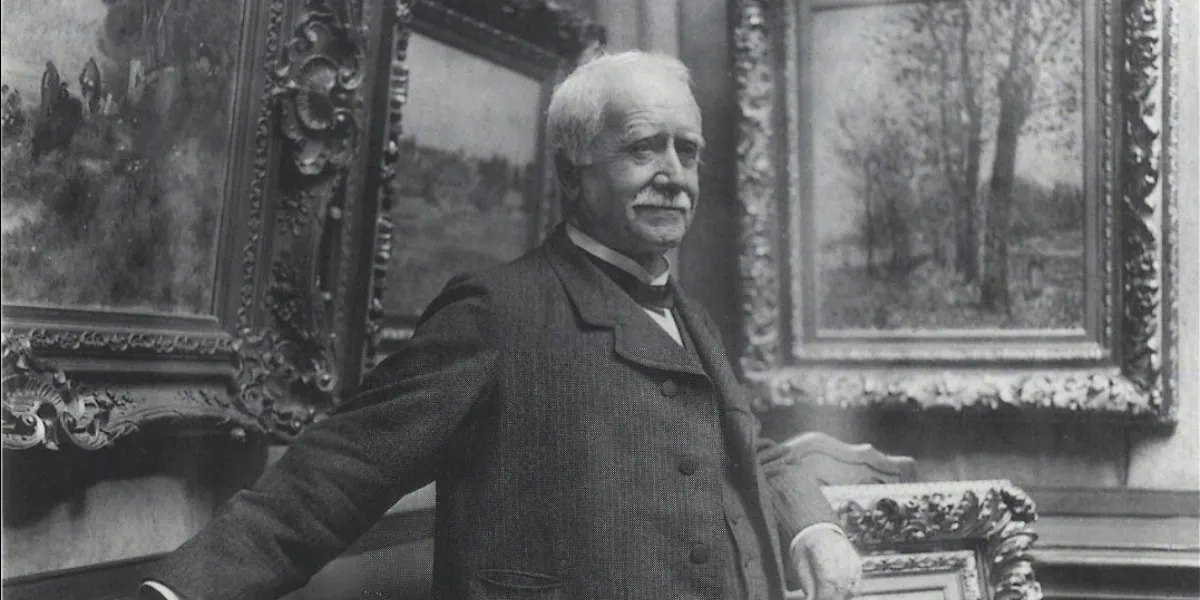
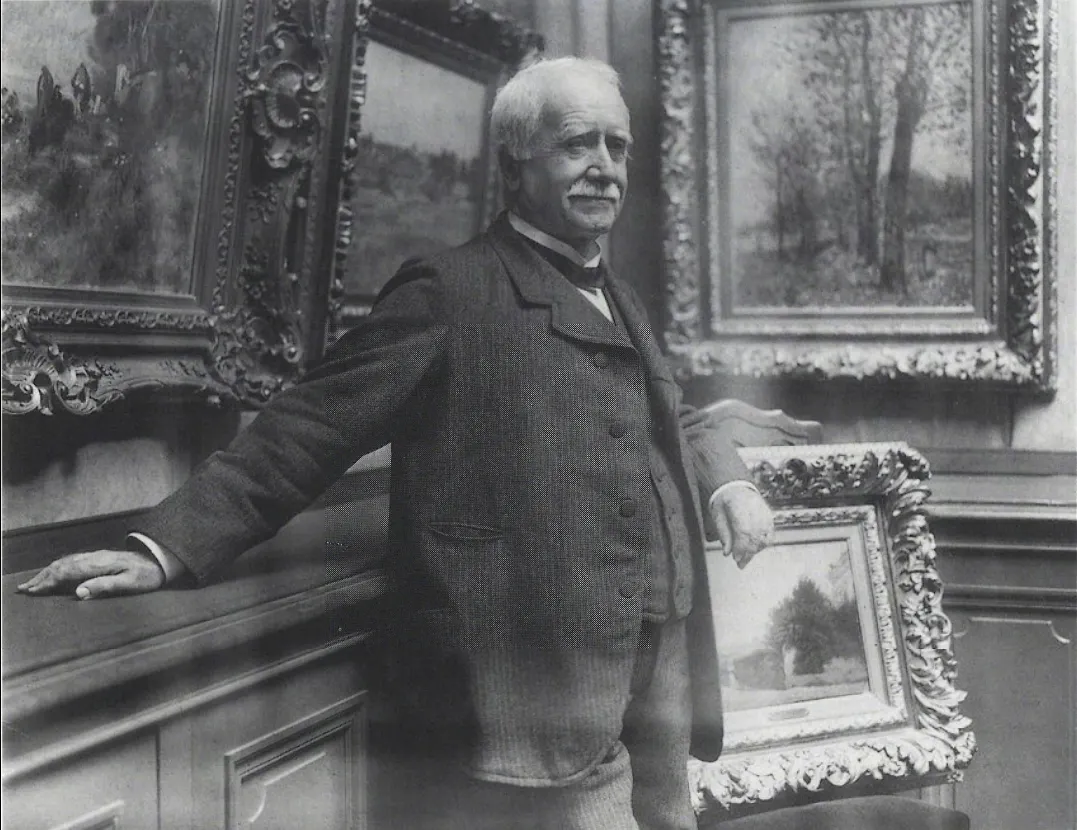
Paul Durand-Ruel is arguably the first gallerist and dealer in the history of modern art. He is always associated with that group of artists now so famous and appreciated by a large audience: the Impressionists. At the time, however, the group was often greeted with reticence and strong criticism.
Related: 8 Patrons of the Parisian Avant-garde
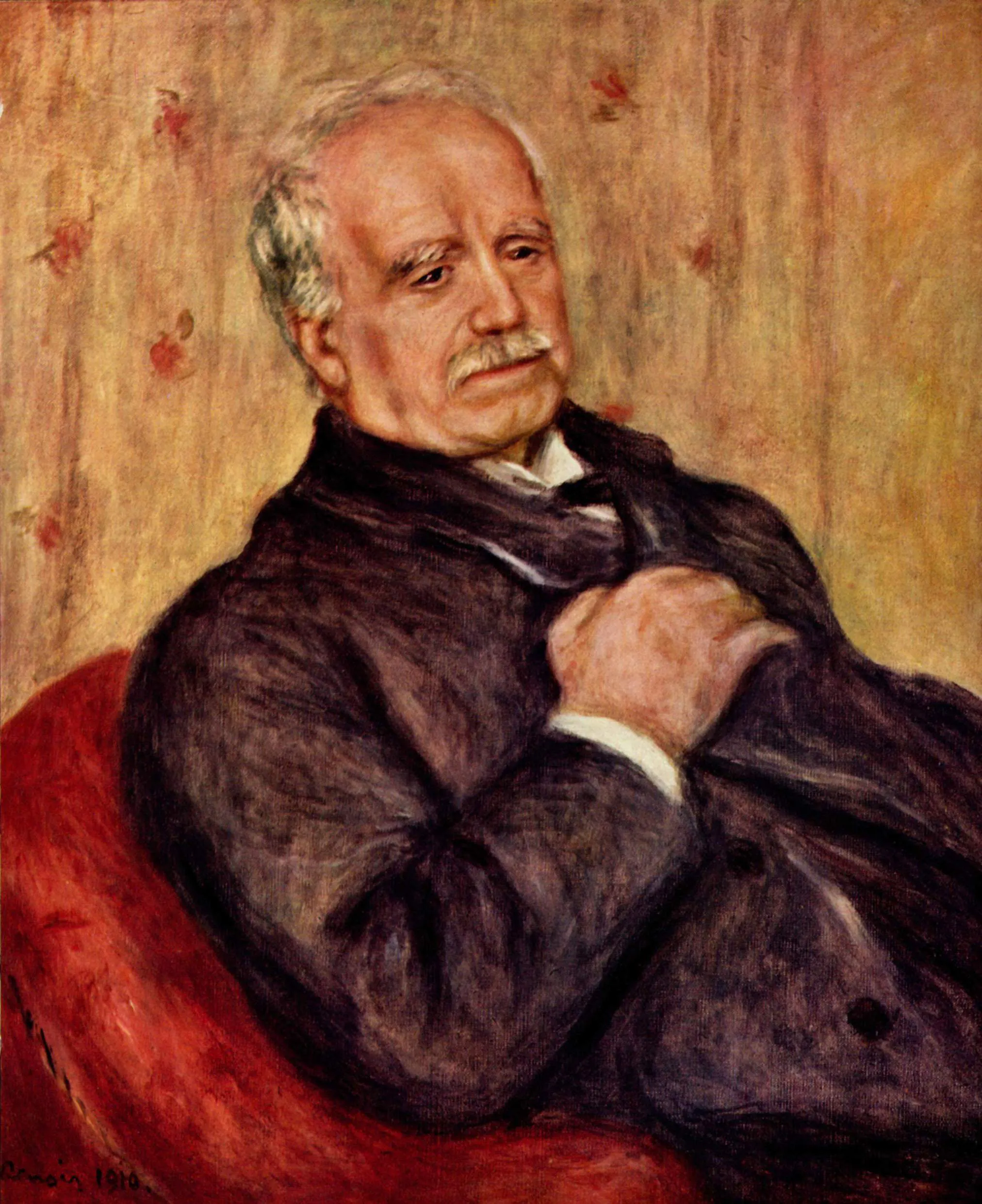
But Durand-Ruel was never discouraged, and with great passion, commitment and esteem towards his artists, he contributed to the birth and evolution of Impressionism. As Monet recalled in 1924, about two years after Ruel's death: "Without Durand, we would have starved to death, all of us Impressionists."
Paul Durand-Ruel and Impressionism are one.
It was 1871 when Monet first met the art dealer. The following year, Durand-Ruel would buy 23 works from him for 35,000 francs. Between 1891 and 1922, Ruel bought 12,000 Impressionist works, including 1,500 Renoir, 1,000 Monet, 800 Pissarro, 400 Degas, 200 Manet, and many works by Sisley, Cézanne and others.
Related: Claude Monet: The Father of Impressionism
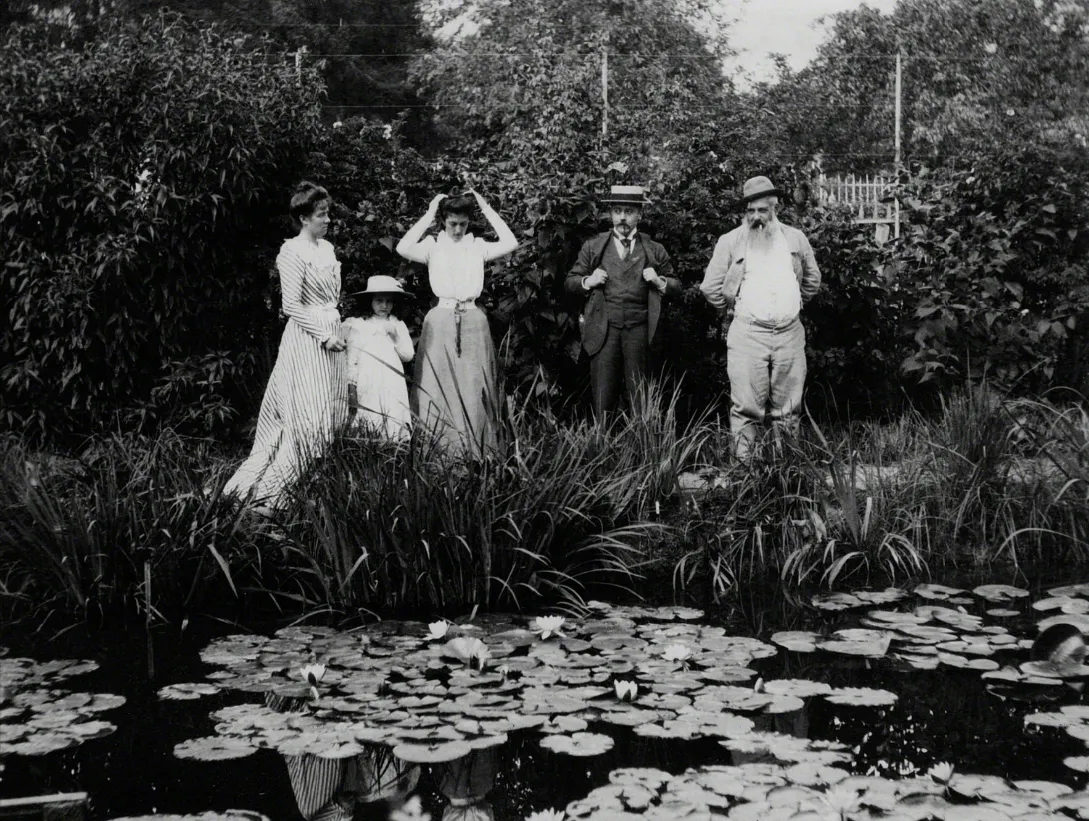
Born in Paris in 1831, Durand-Ruel began his career as a gallery owner thanks to his family, who owned a print shop where drawings of contemporary artists were often exhibited. The place soon became a point of reference for artists and collectors. With the outbreak of the Franco-Prussian conflict in 1870, Paul fled to London and opened a gallery in New Bond Street, which gave eclectic artists the opportunity to represent the joie de vivre of the leisure classes in the most sumptuous way possible. Here he came into contact with the works of Monet, Renoir, Manet, Degas, Pissarro and Sisley.
Related: Impressionism: Between Shadow and Light
He organized numerous exhibitions in the London gallery to little success. In 1886, now bankrupt, he arrived in New York City with 43 cases of works by his artists. He sold them all in a few weeks and when he opened a new gallery on Fifth Avenue the following year, he was already a legendary figure among American collectors.
Without Durand, we would have starved, all of us Impressionists
In 1905, he organized a large exhibition dedicated to the Impressionists at Grafton Galleries in London with as many as 315 paintings. To date it is still considered the most important exhibition ever created for the Impressionist movement.
Want more articles like this straight to your inbox? Subscribe to Barnebys free newsletter!
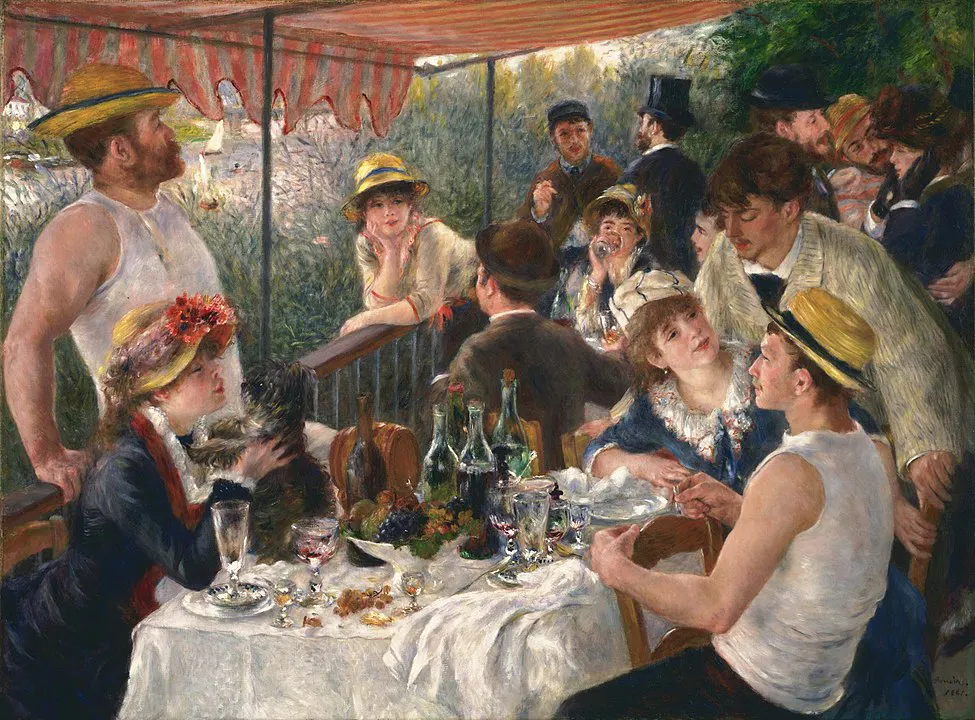
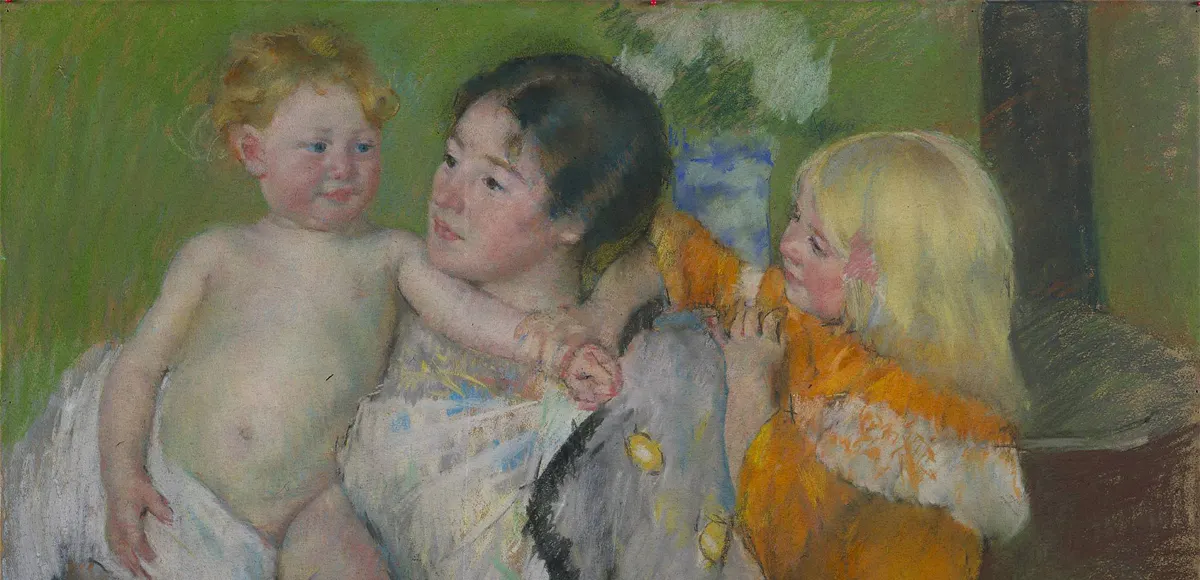
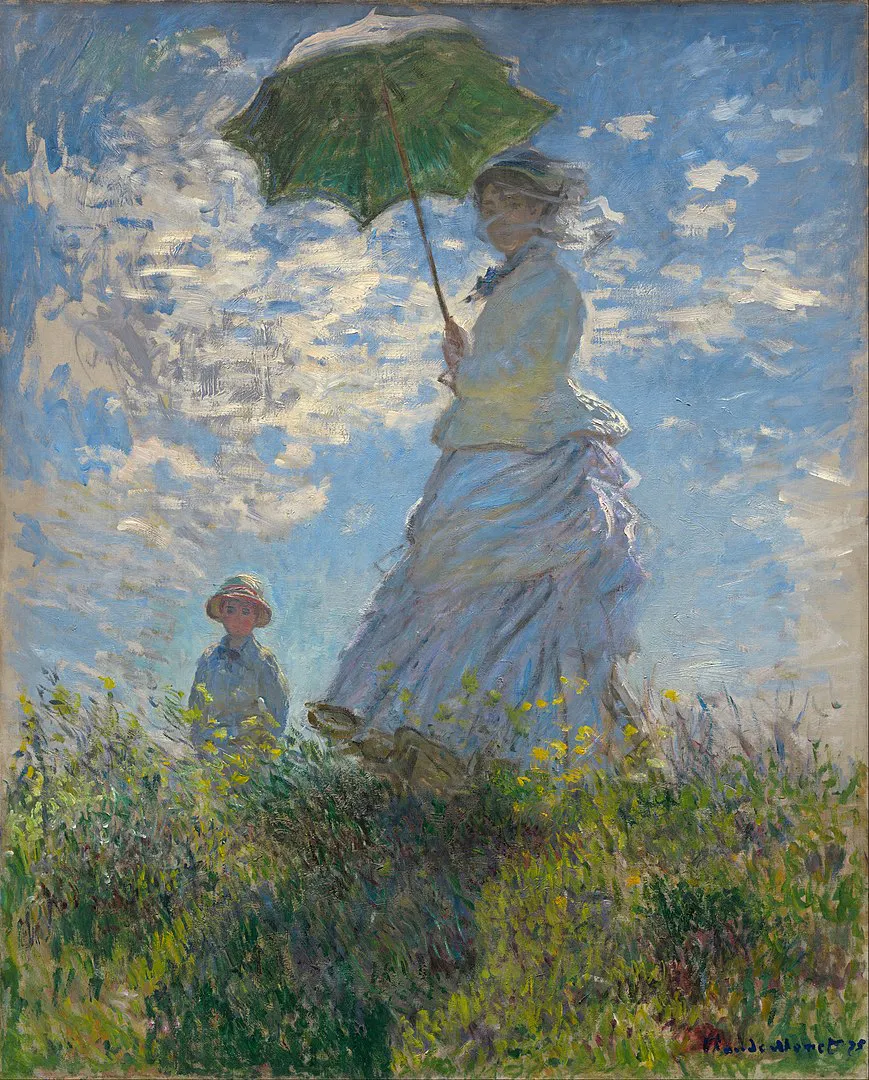
Durand-Ruel sold some of the greatest masterpieces known today: Renoir's Luncheon of the Boating Party, Mary Cassatt's The Child's Bath, Monet's Woman with a Parasol, and Degas' The Ballet Class, offering what are today the biggest names in art history.
Related: Pierre-Auguste Renoir: Joie de Vivre on the Canvas
Related: The Art of Plein Air Painting
It wasn't until later in life that Durand-Ruel, and the Impressionist movement, saw true success. As he said in 1919, when he was 88, “At last the Impressionist masters triumphed. My madness had been wisdom. To think that, had I passed away at sixty, I would have died debt-ridden and bankrupt, surrounded by a wealth of underrated treasures.” His dedication to the Impressionists, and his steadfast promotion of their work despite criticism and the threat of bankruptcy, have made him the movement's most important figure who was not an artist. He died on February 5, 1922, but his legacy over the past century has forever changed the art market. He applied principles from the financial world to his art dealership to promote his artists and raise prices for their work, many of which have helped shaped the art market of today.
Find more articles on Barnebys Magazine
This is an updated version of the article originally published on June 17, 2020