When Paul Durand-Ruel made an offer to an Impressionist painter, the latter usually couldn't refuse. This was because it was almost always Durand-Ruel who actually made an offer to purchase a work in this controversial 19th-century style. However, the art dealer never exploited his position as the "godfather of Impressionism"—quite the contrary. "Without Durand, we would all have starved, we Impressionists. We owe him everything," Claude Monet once said .
See also: Claude Monet: The Father of Impressionism
Paul Durand-Ruel truly believed in the success of Impressionism. To enable the painters to work without financial worries, he repeatedly bought their works and sometimes provided them with a regular income, even though it threatened to bankrupt him. Initially, he found few buyers who wanted paintings by artists like Monet, Renoir, Pissarro, or Sisley. Durand-Ruel, however, refused to give up and instead pursued an international strategy. In addition to his gallery in Paris, he operated branches in Brussels, London, and New York, and it was in the Big Apple that, in 1886, a sliver of light finally illuminated the formerly dark horizon.
See also: Impressionism: Between Shadow and Light
Paul-Durand-Ruel, well-connected in art and collector circles, sold many works that are now world-famous and among the most celebrated exhibits in the most prestigious museums. A prime example is Renoir's "Luncheon of the Boating Party" from 1880/81, which was acquired in 1923 by the American collector Duncan Phillips and has since been one of the stars of the Phillips Collection in Washington, D.C. This significant purchase, for the then-unbelievable sum of $125,000 (approximately $2.4 million today), took place a year after the death of the prominent art dealer and was handled by his son, Joseph Durand-Ruel, who continued his father's work together with his brother, Georges.
See also: Paul Durand-Ruel: Promoter of Impressionism
Paul Durand-Ruel himself sold over 10,000 paintings between 1891 and 1922, and many more were traded by his descendants. However, some remained in his family's possession. Now, the family will part with 62 masterpieces with the help of Christie's Paris. The auction, titled "Durand-Ruel, Generations of Vision," will take place on October 22, 2026, in the French capital during Paris Art Week and will comprise the majority of the collection. Additional lots will be auctioned the following day as part of the "Art Moderne" sale. None of the works have previously been offered on the auction market.
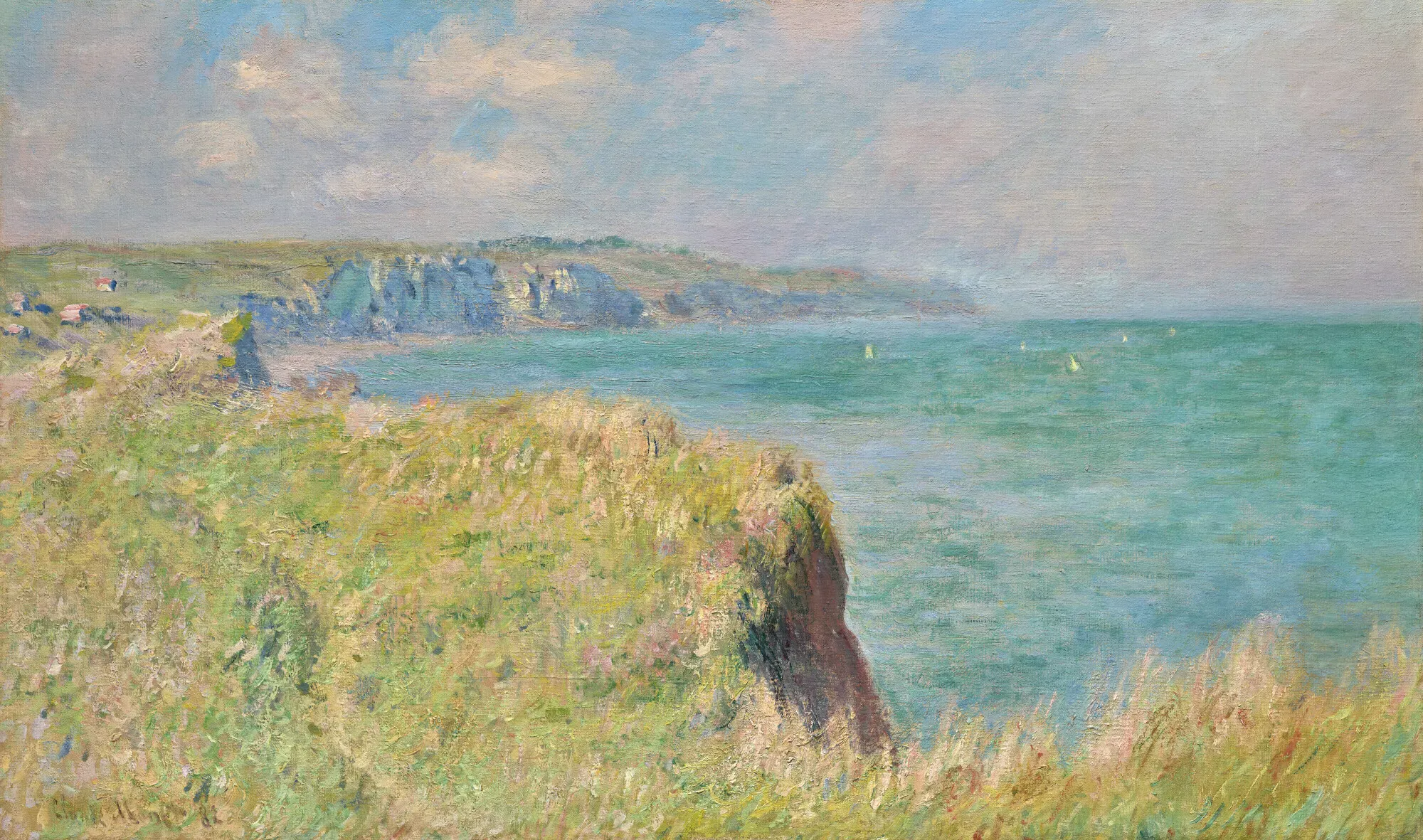
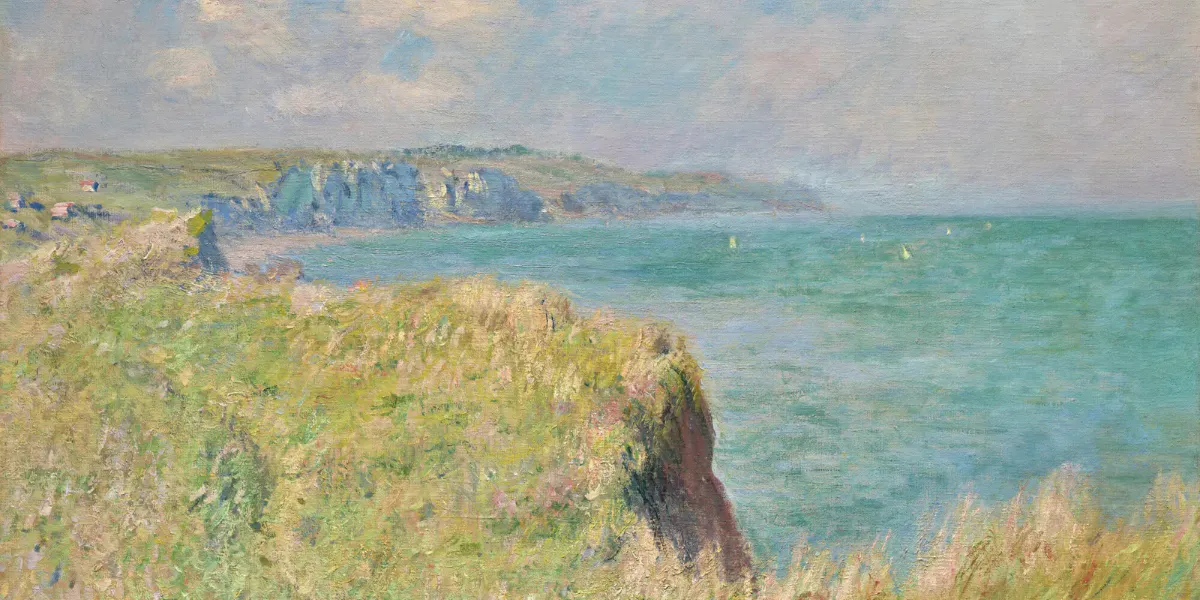
The highlight of this fascinating offering is Claude Monet's Bord des falaises à Pourville, painted in 1882 on the Normandy coast. Monet was in a low mood at the time. However, Durand-Ruel's tireless encouragement and support led to Monet creating almost 200 works during this and a subsequent stay in Pourville, including the present masterpiece, which is valued at €11-15 million.
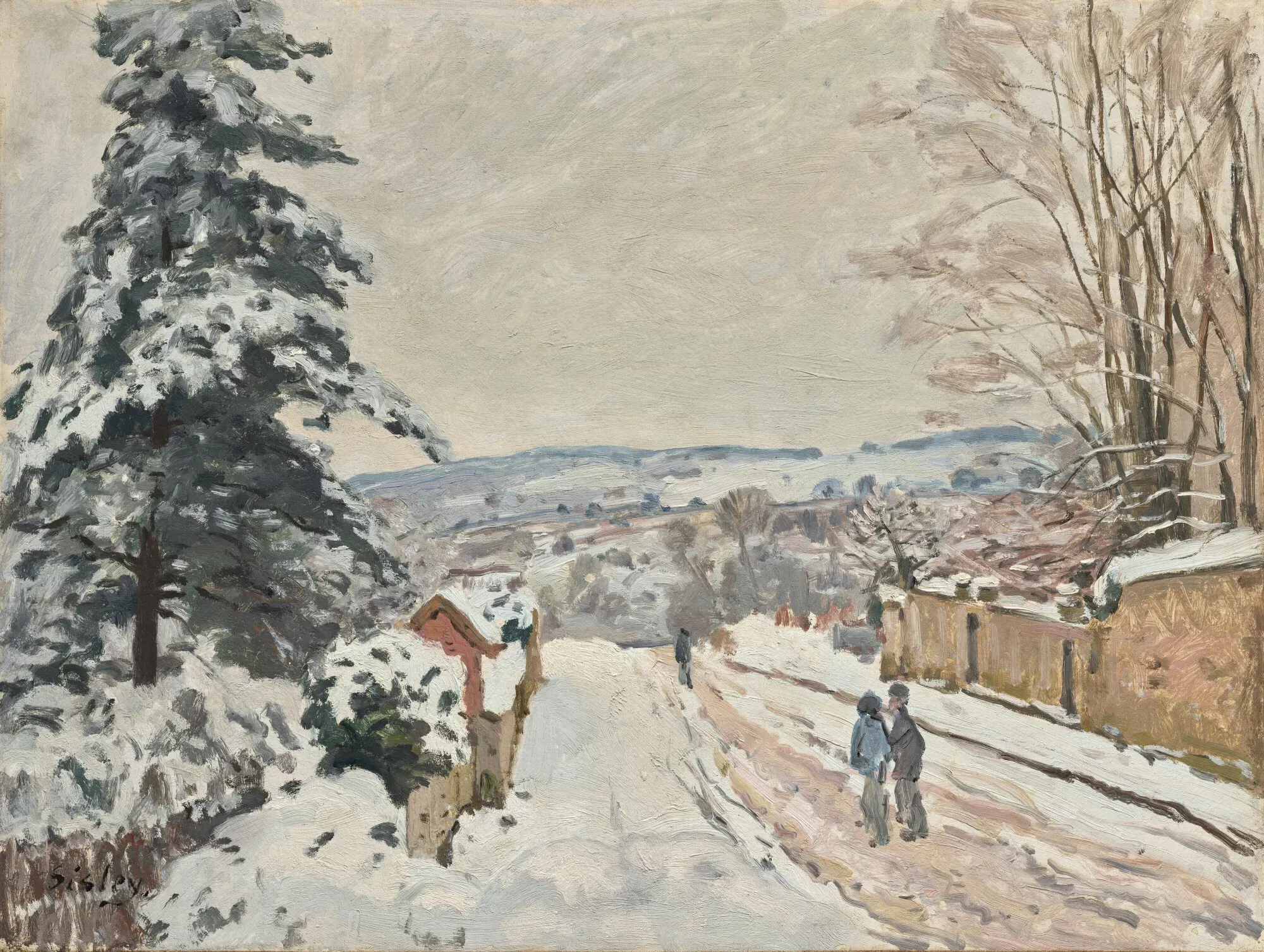
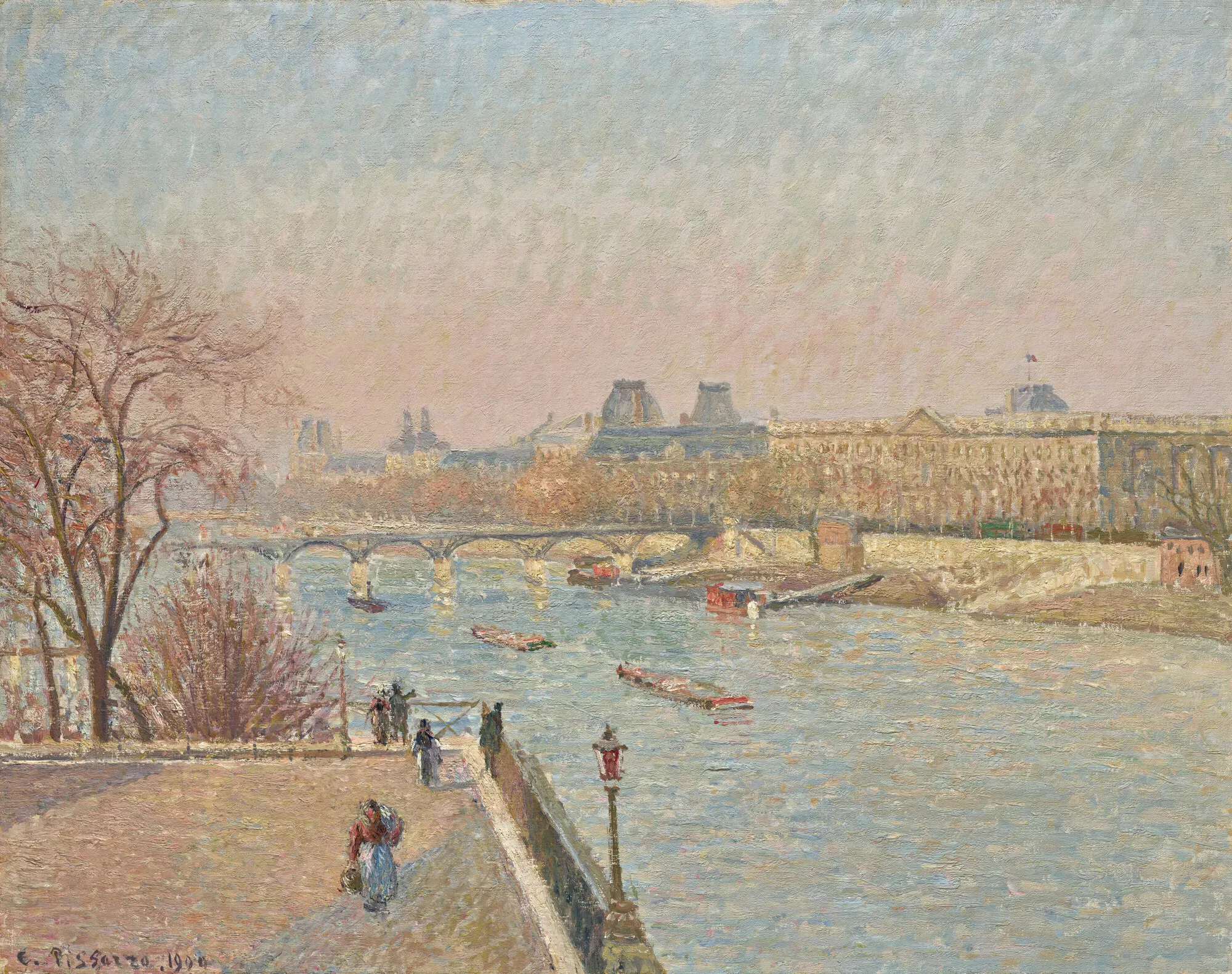
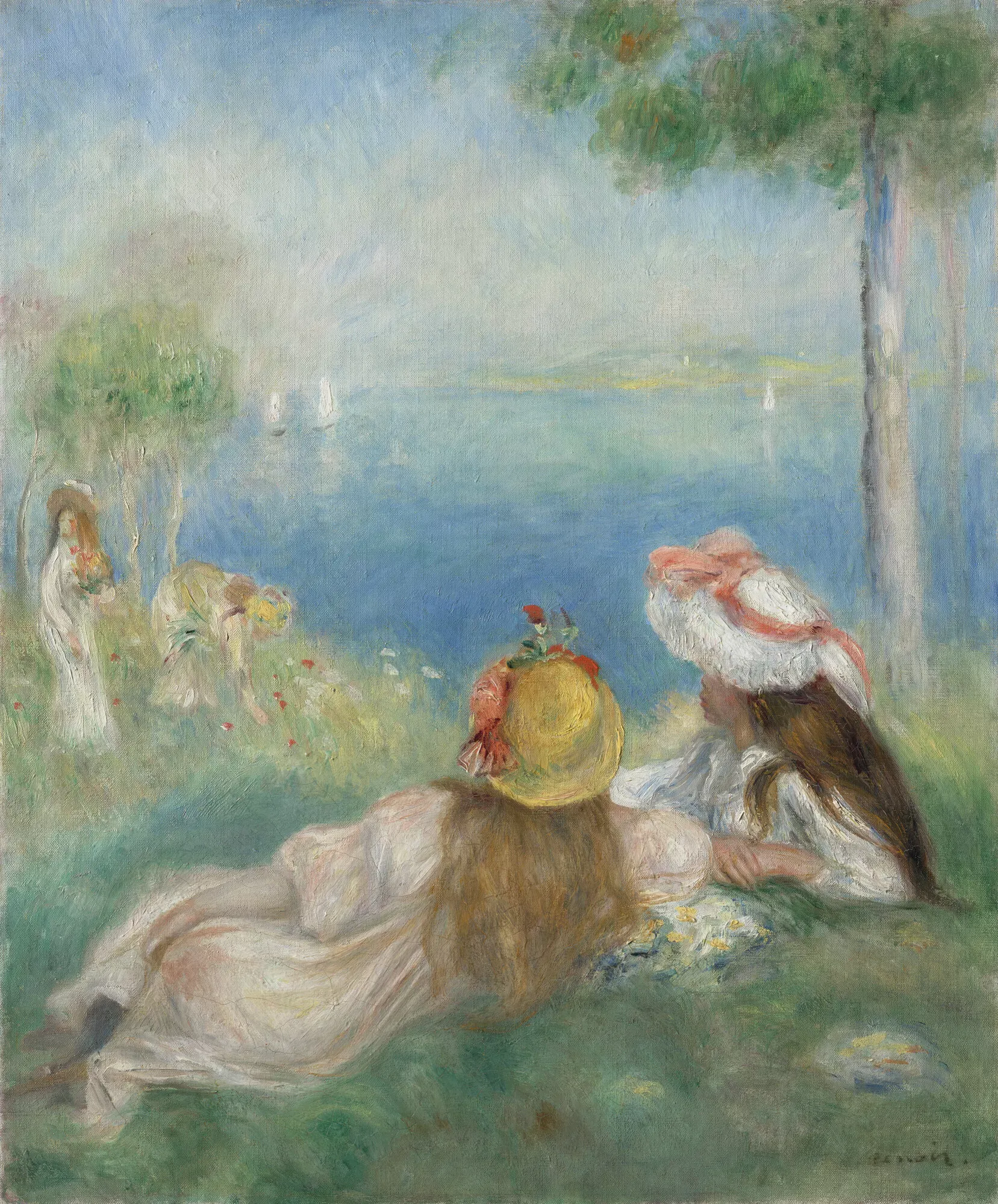
Other highlights include Alfred Sisley's La route du Cœur-Volant en hiver, Louveciennes from around 1872 (€2.5-3.5 million), Camille Pissarro's Le Louvre, soleil d'hiver, matin from 1900 (€2-3 million) and Pierre-Auguste Renoir's Jeunes filles au bord de la mer, which is estimated at €4-6 million.
The total estimated value of the Durand-Ruel collection is between €30-43 million. All 62 works will be on display at Christie's Paris prior to the auctions from October 16-22, 2026.
Discover more news from the auction market in Barnebys Magazine!