With nearly 200 paintings, Telearte will host its largest painting auction on November 3 and 4 in Rome. The two sessions will feature mostly antique paintings of great quality and with several big names, such as French painter Nicolas Bertin and Flemish artist Gerrit Adriaenszoon Berckheyde. Here are six lots that are especially not to be missed:
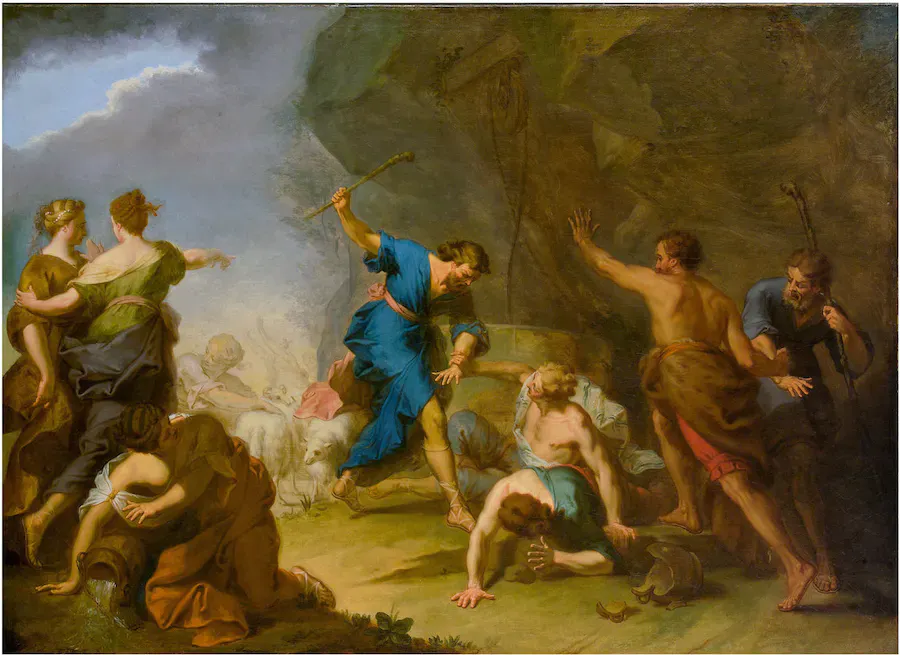
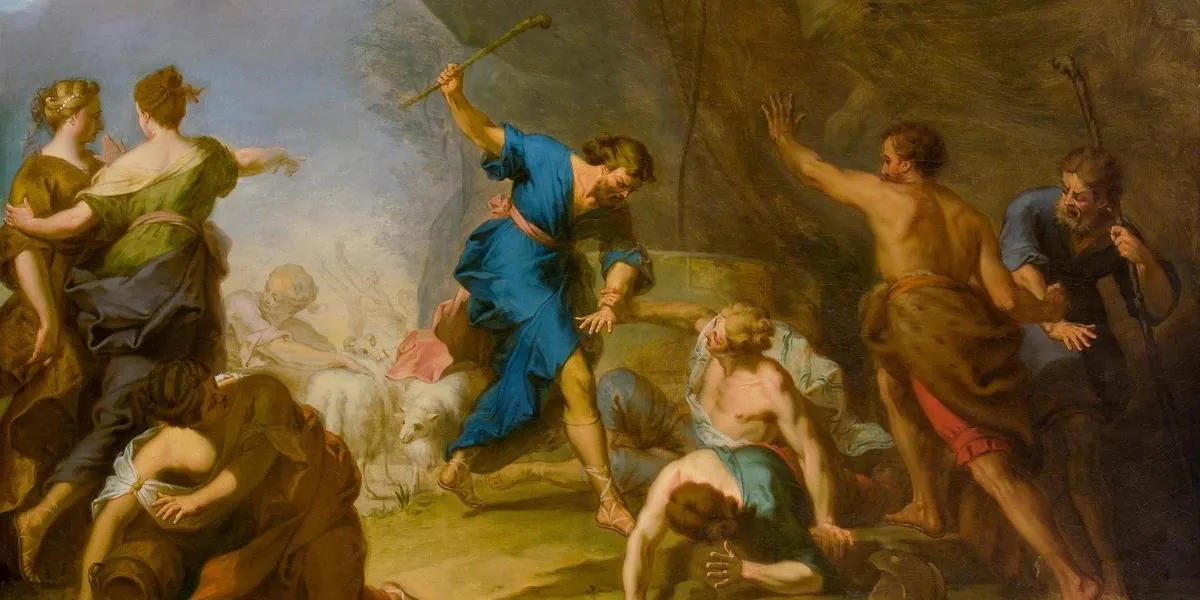
After an initial apprenticeship in France, Nicolas Bertin won the Prix de Rome in 1685. In Italy he studied in particular the works of Raphael, the Carraccis and Correggio. A professor of the French Academy since 1715 and co-director since 1733, he would never abandon the stylistic imprint of the French education, in particular that of one of his masters, Bon Boullogne. In this canvas he depicts Moses defending the daughters of Jetro from the shepherds who attack them. Bertin painted this subject in at least two other versions, one is kept at the Museée de Hotel Sandelin in Saint-Omer and one at the Musée Lambinet in Versailles.
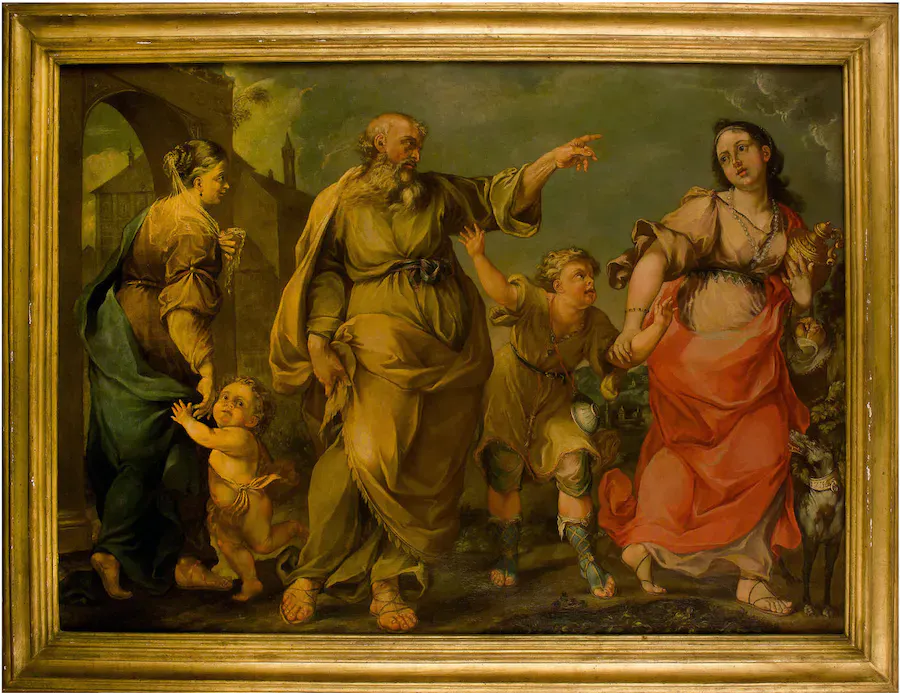
French art historian Didier Bodart attributed this canvas to the Flemish painter Victor-Honoré Janssens in 1987. Known mainly as a painter of mythological and historical subjects, Janssens traveled throughout Italy, Austria, and England and was inspired by the artworks he saw. From 1719 to 1722, he was appointed court painter to Emperor Charles VI of Austria in Vienna. The sacred subject of this work, dated 1736, titled Abraham repudiates the servant Hagar was also portrayed in the artist's 'The apparition of the Virgin to San Bruno' and the 'Lavinia at the altar' of the Musées royaux des Beaux-Arts de Belgique. The painting is accompanied by an expert opinion by Didier Bodart.
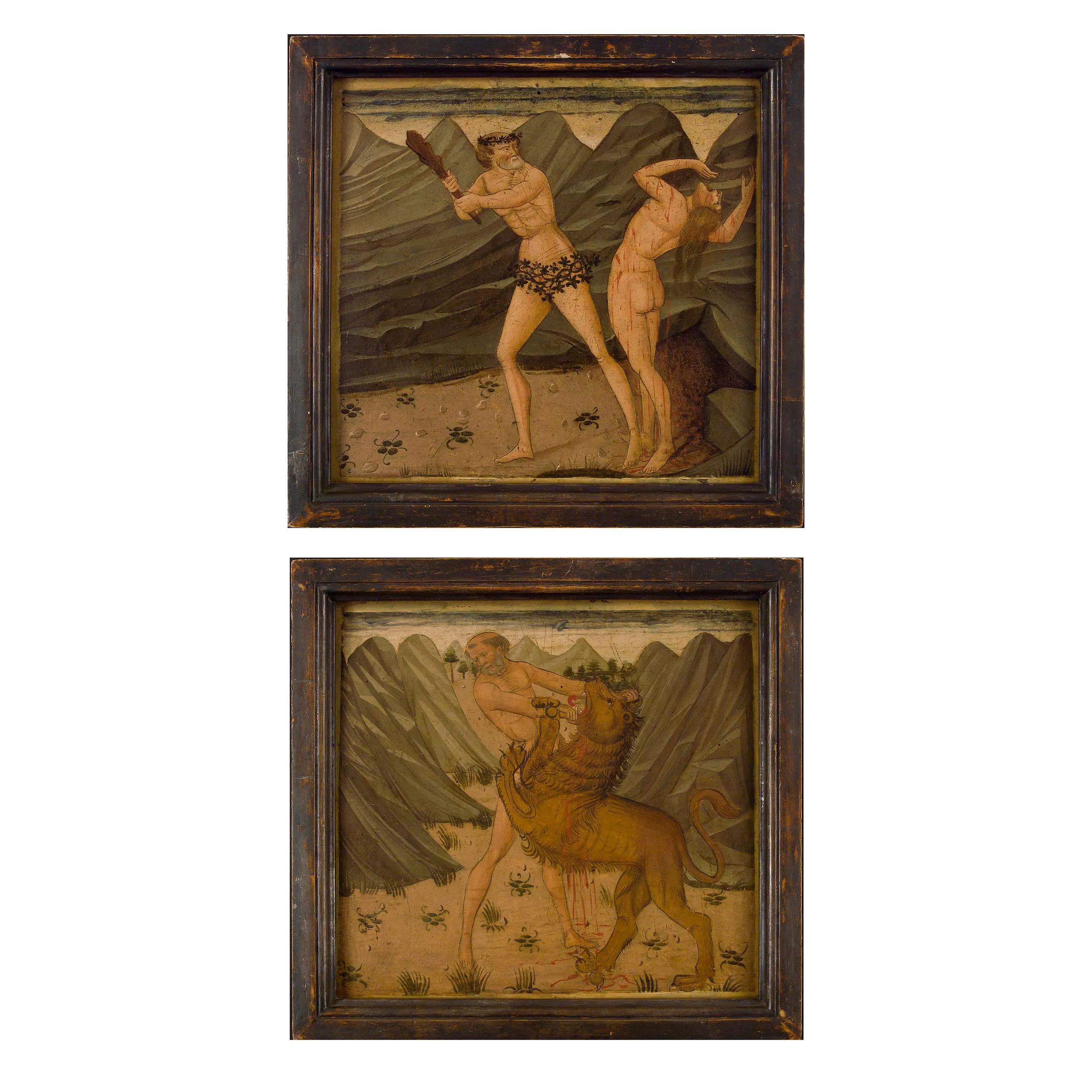
It is to the scholar Daniela Parenti that we owe the latest studies on this precious pair of tempera on wood works, depicting two intense struggles of the Roman hero Hercules, one of him fighting with a woman and one with a lion. These are attributed to the Master of 1441. This particular format has been traced back to the 15th-century tradition of 'painted by cassone' (painting on marriage chests), which often had Hercules as the subject.
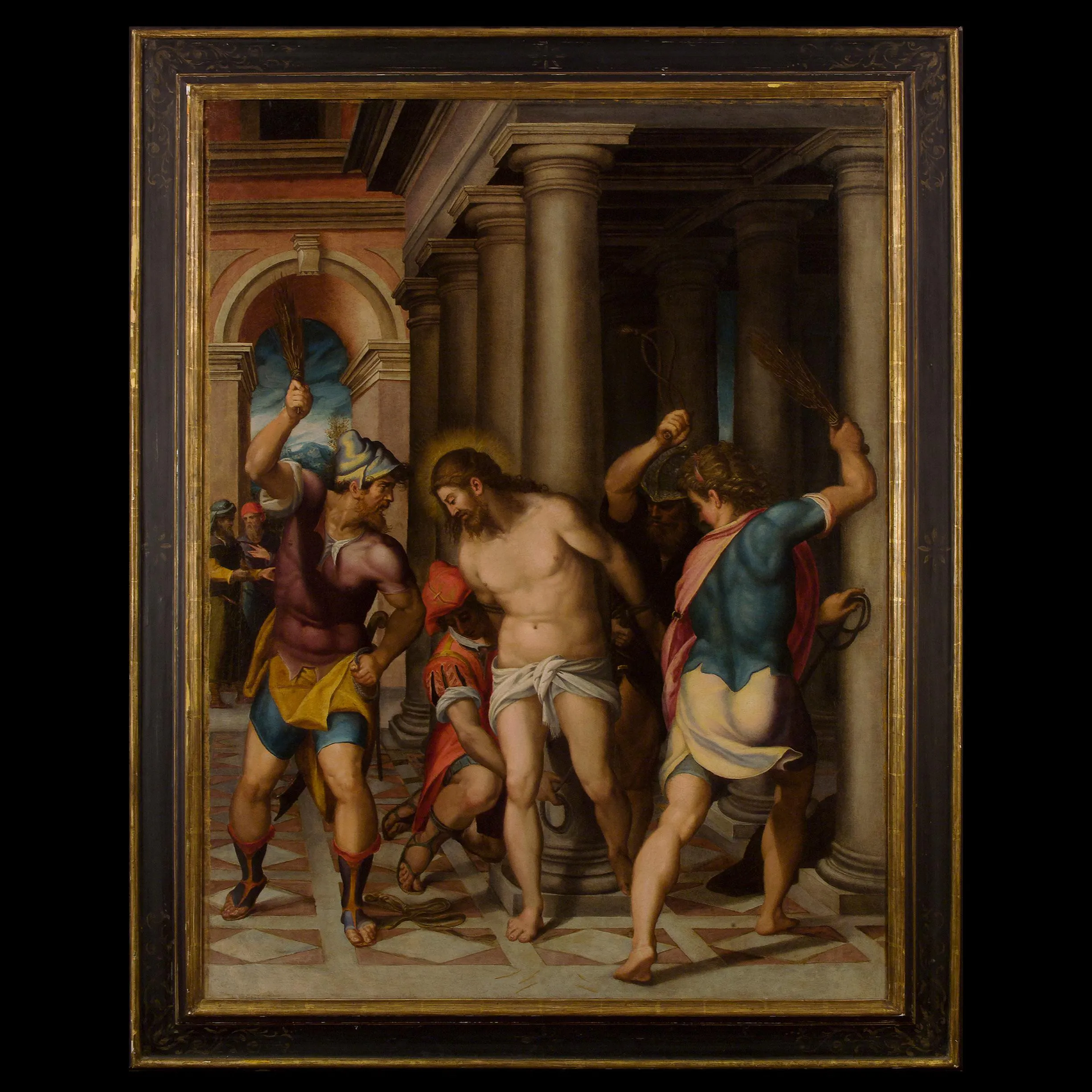
The historian and art critic Andrea Emiliani attributes this excellent painting, recently restored, to the work of Bolognese artist Orazio Samacchini. The composition of the painting is made up of several elements: it is centered on Tuscan drawing, as per the artist's training, balanced with the ideals of Renaissance classicism of the 16th century. The influence of the Flagellation by Sebastiano del Piombo of the Borgherini Chapel in San Pietro is quite evident. The composition is also directly deduced from the drawing preserved at the Albertina in Vienna attributed by Diane De Grazia to Samacchini, after an initial attribution to the Flemish Denys Calvaert. The work is equipped with an appraisal by Prof. Andrea Emiliani.
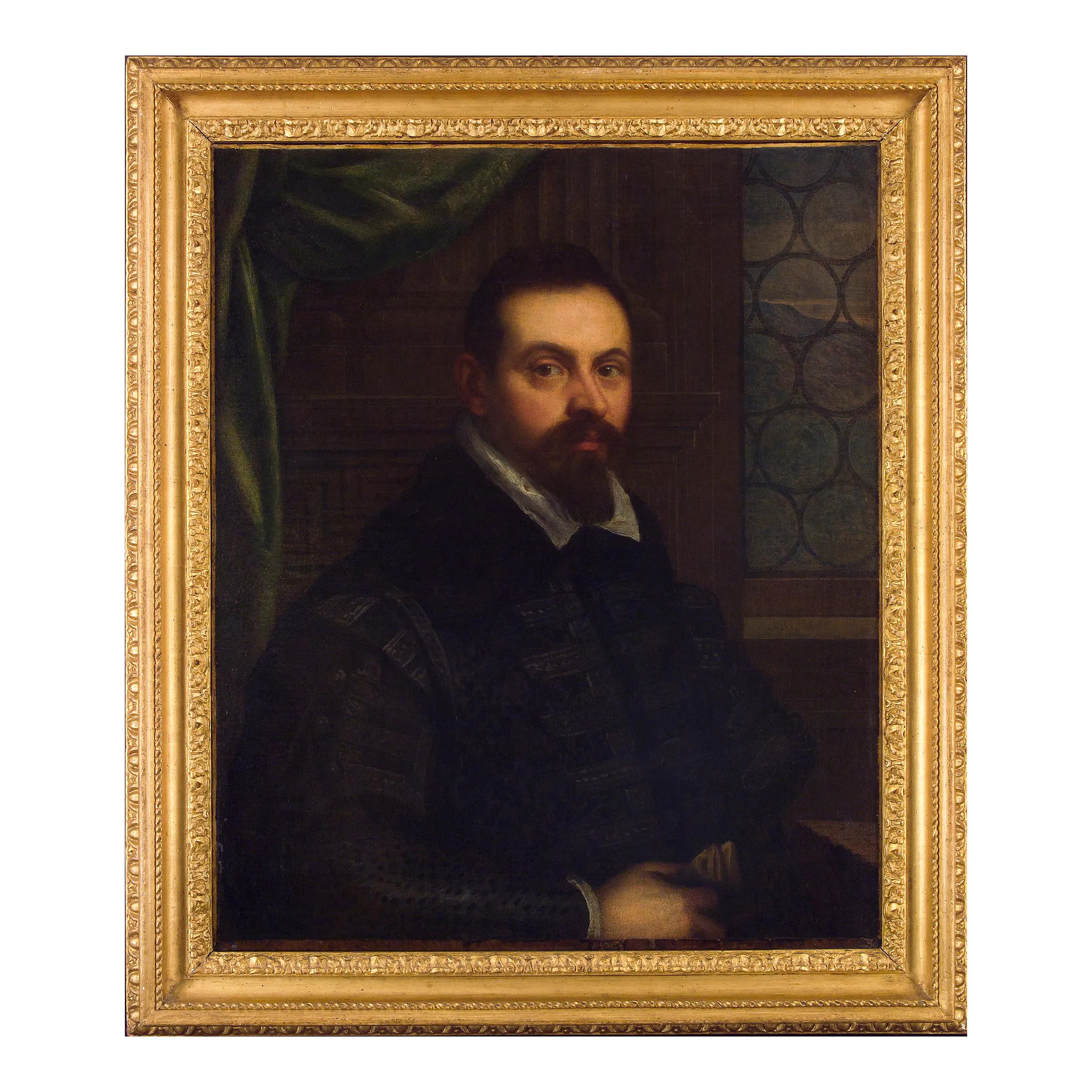
Here is a self portrait of Jacopo Negretti, known as Palma the Younger because of his great-uncle, also an artist who was known as Old Palma. After the death of Tintoretto, Palma the Younger became the leading Venetian artist in the 17th century and perpetuated the style of Tintoretto, Veronese and Titian, who he worked with. He had many prestigious commissions in Venice, such as for the Doge's Palace.
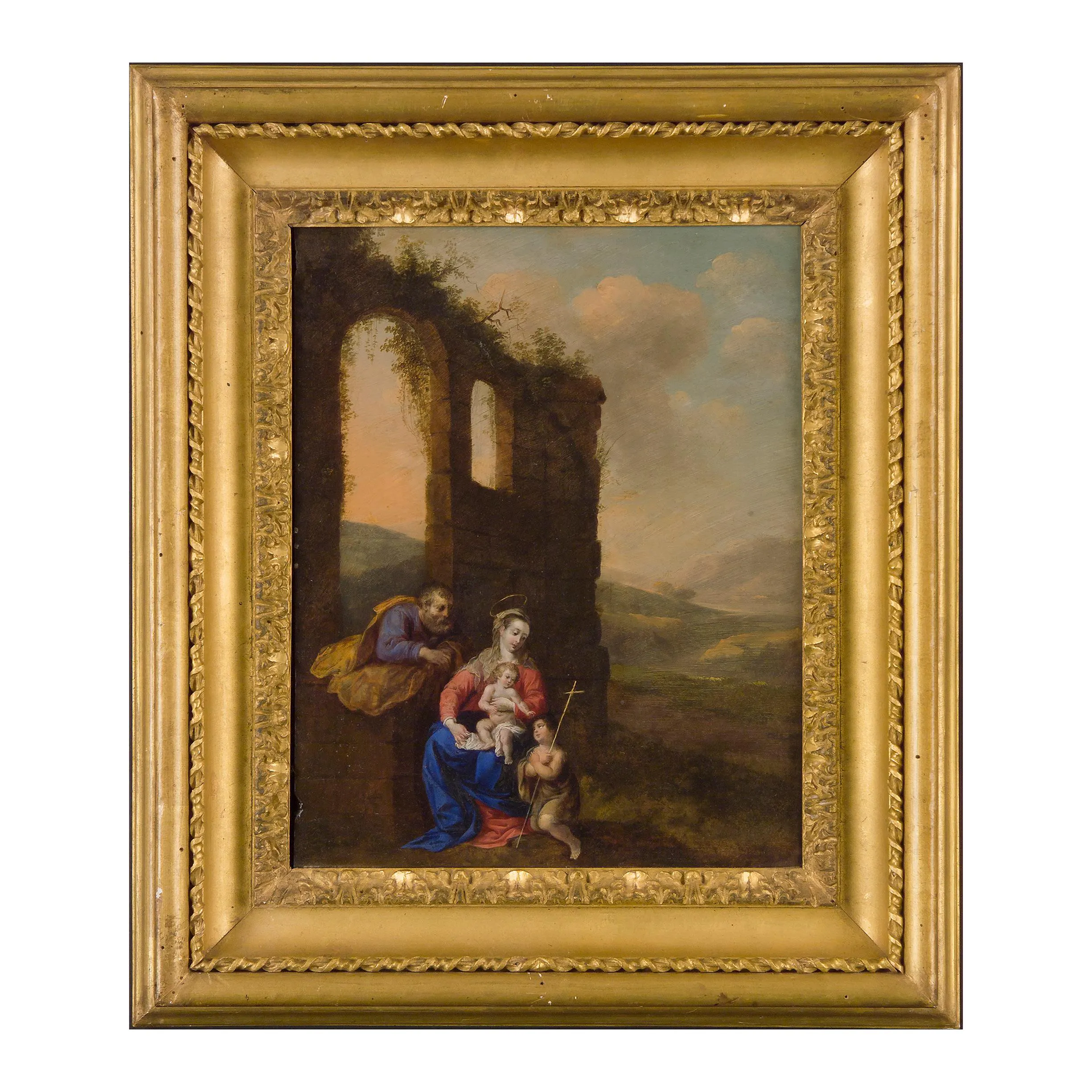
This exceptional painting attributed to Gerrit Adriaenszoon Berckheyde is made in oil on slate. This technique which, due to the slate's poor ability to absorb oil colors, makes the colors very vivid and bright. The Dutch Golden Age painter was best known for his broad views of Amsterdam and Haarlem, and seldom produced genre subjects and even more rarely religious subjects, as in this case. However, the precedent in the treatment of this specific landscape can be traced back to his 'Falconry' work now preserved at the Pushkin Museum in Moscow.