First Lady Jackie Kennedy once remarked, "Pearls are always appropriate." She was known for her strand of faux pearls, once purchased for $35, that sold for $211,500 at auction in 1996. Pearl jewelry has long been revered as a classic, elegant and sophisticated addition to any ensemble, but why are these lustrous orbs found inside shells so valuable?
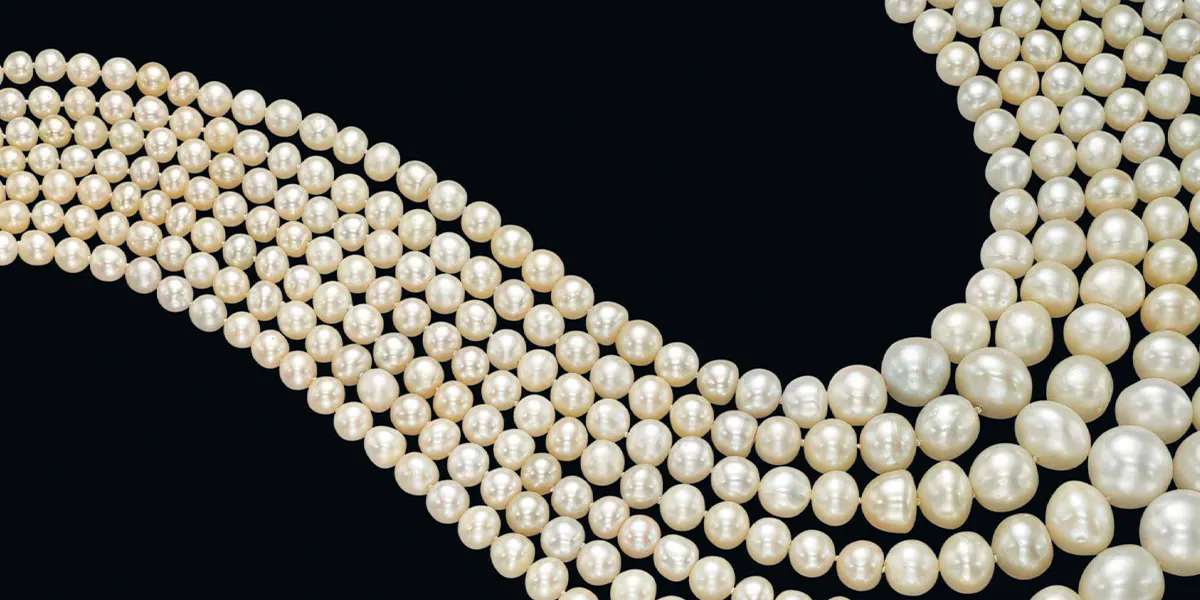
Natural pearls have long been considered extremely rare jewels, as they are very difficult to find in the wild. When a small grain of sand gets inside an oyster (in saltwater) and mussel (in freshwater), over time it rubs against the interior of the shell creating a pearl. The larger the size and the more perfectly round a pearl is, the more valuable it is. For centuries, pearl diving, a dangerous enterprise, was done along the coast of Japan, the Persian Gulf, the Caribbean, and elsewhere to collect oyster and mussel shells, though only about 1 in 10,000 shells contained pearls. Today, many pearls are farmed or cultured, making the rarest pearls on the market those found naturally.
Related: Gemstones: 5 Interesting Facts
Here, we explore the intertwined history behind two of the most famous (and natural) pearls: La Peregrina and La Pelegrina. Both terms mean "pilgrim" in Spanish, a traveler who journeys for religious reasons, and both of these "pilgrim" pearls surprisingly have a very similar origin according to the history we can trace. They were both allegedly found off the coast of islands in the Gulf of Panama by African slaves in the 16th century. Both pear-shaped, La Pelegrina weighs 133.16 grains, while La Peregrina is far larger, weighing 223.8 grains. The two pearls were sent to Spain after their discovery in Panama, as Panama was a Spanish colony from 1513 until 1821.
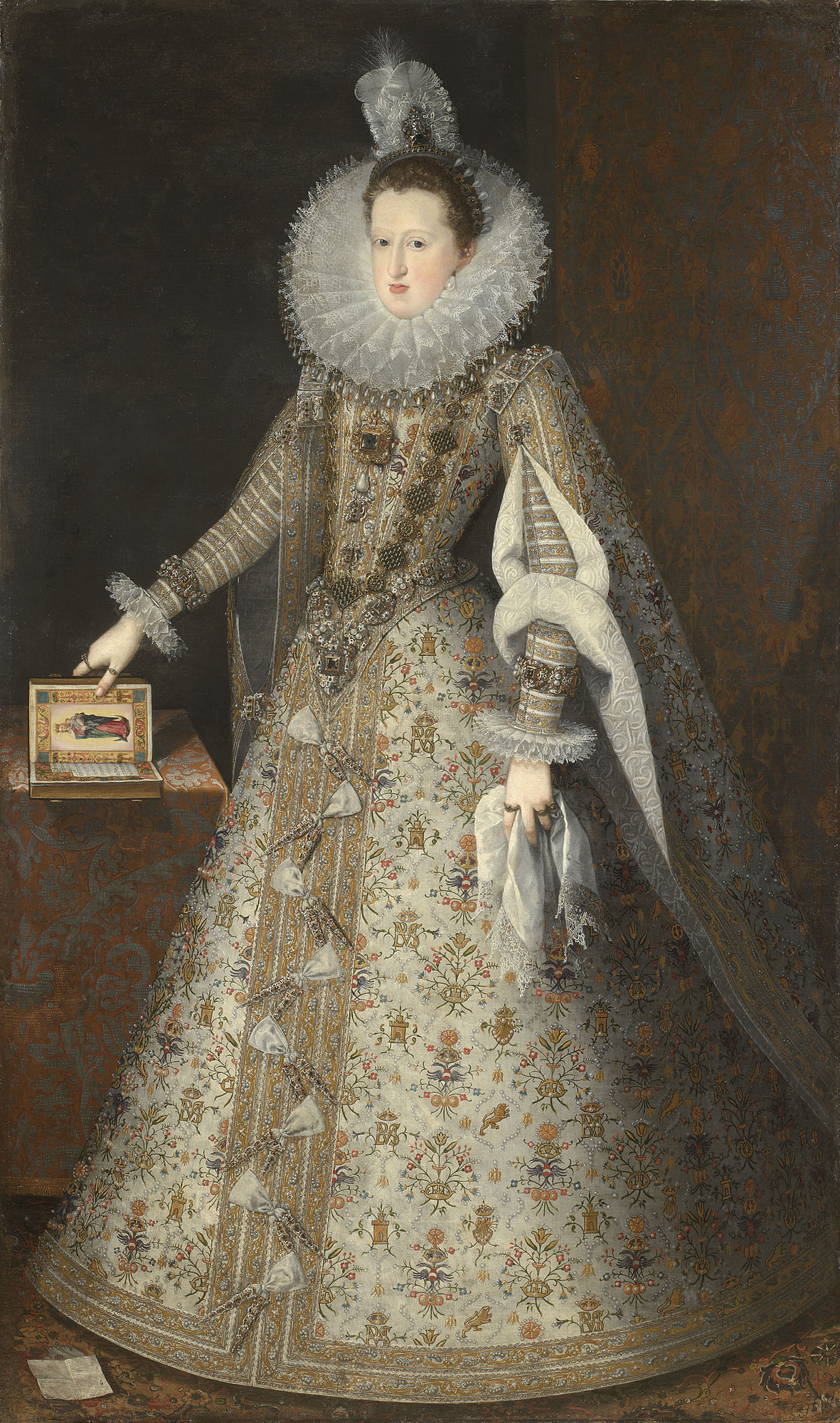
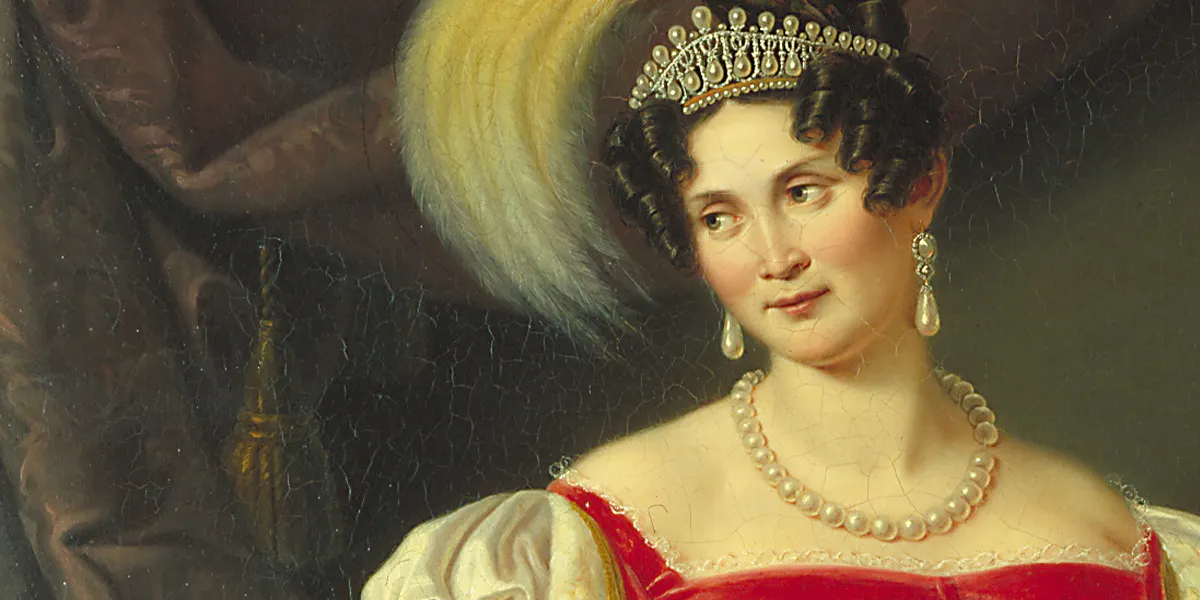
The larger La Peregrina was gifted from Don Pedro de Temez, the administrator of Panama, to King Philip II of Spain, and became an important Spanish Crown Jewel. The precious pearl was worn by Spanish queens such as Margaret of Austria, Mariana of Austria and Elisabeth of France. Court artists such as Diego Velazquez, Peter Paul Rubens and Juan Pantoja de La Cruz all depicted Spanish queens wearing the famous pearl.
Related: Diego Velázquez: The Portraitist of the Spanish Court
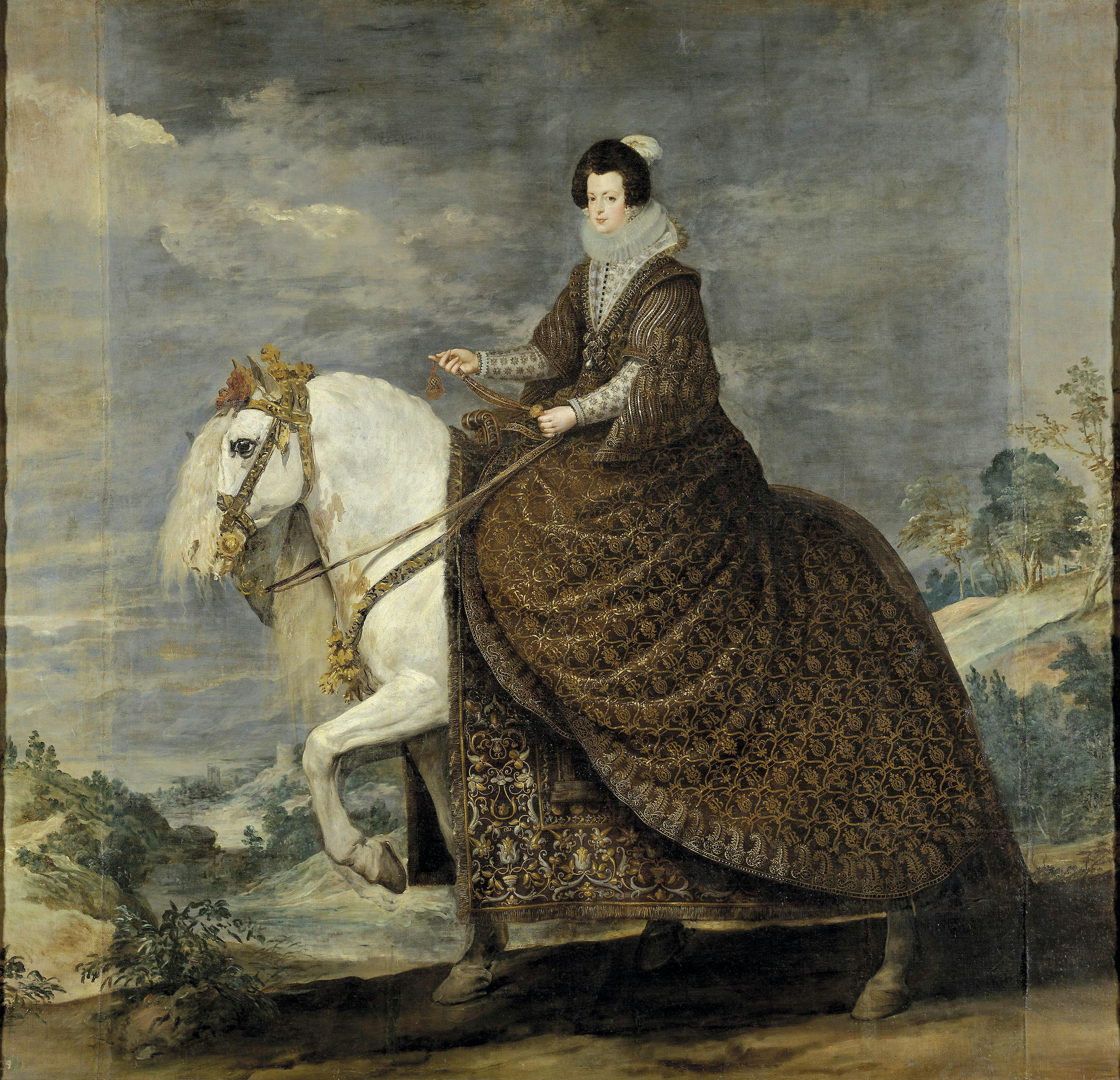
The smaller pearl, La Pelegrina, also was in the collection of the Spanish kings, and in 1660 was presented to Maria Theresa of Spain by her father, King Philip IV (who was married to Elisabeth of Austria, a wearer of La Peregrina). It was a wedding present upon Maria Theresa's wedding to King Louis XIV of France and was taken with the new Queen of France to Paris. It is nebulous, however, what happened to the pearl after Maria Theresa's death, though it was presumably part of the French Crown Jewels. During the French Revolution in 1792, the Crown Jewels were stolen from by the Royal Treasury.
Related: Crown Jewels: 5 Times Royal Jewelry Made Auction Headlines
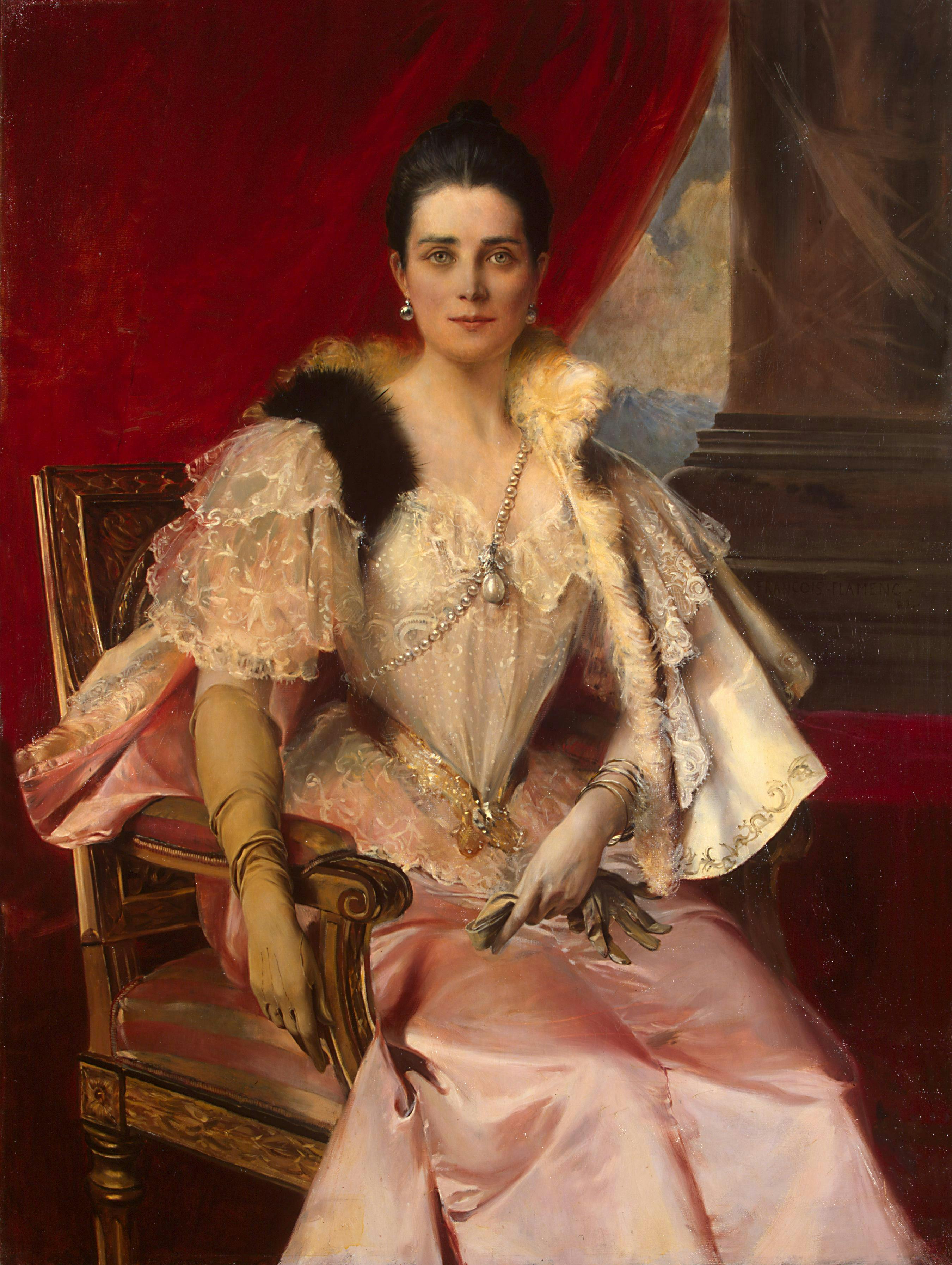
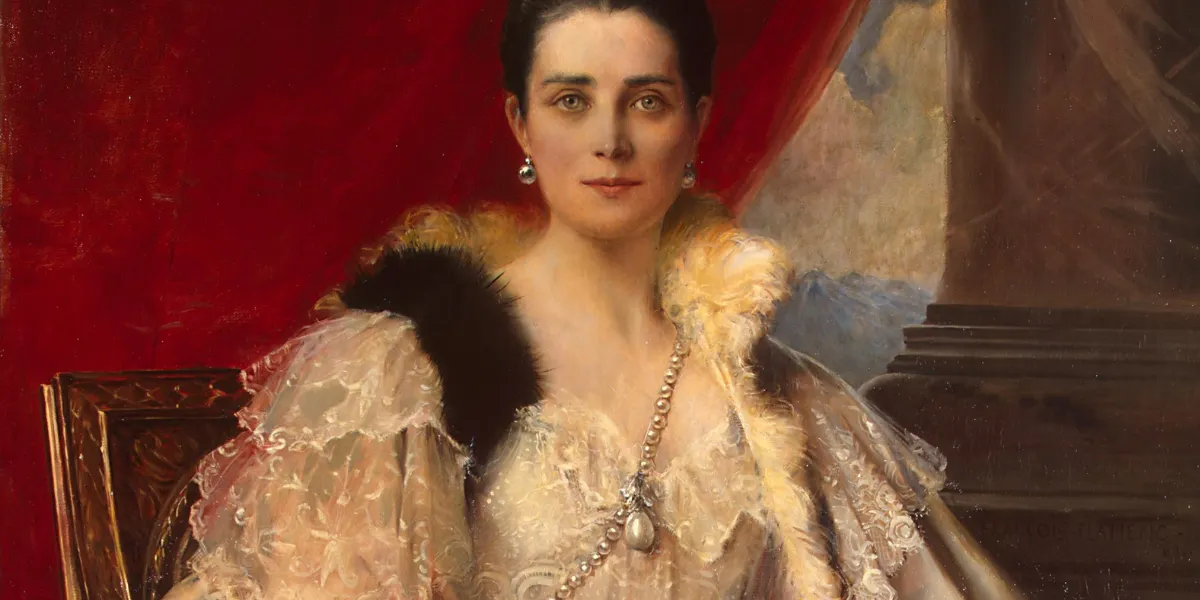
The next time La Pelegrina appeared on record was in the 1820s in St. Petersburg, where it was sold to the aristocratic House of Yusupov. The extremely wealthy family also owned other fantastic jewels, such as Marie Antoinette's pearl earrings and the Polar Star Diamond (sold to them by Joseph Bonaparte, Napoleon's brother). Zinaida Yusupov, who was painted wearing the pearl, left the Pelegrina to her son, Felix Yusupov, who was involved in the plot to assassinate Gregori Rasputin in 1916. He was forced to leave Russia during the subsequent Revolution and overthrow of the Imperial Romanov family in 1917.
Want more articles like this straight to your inbox? Subscribe to our free newsletter!
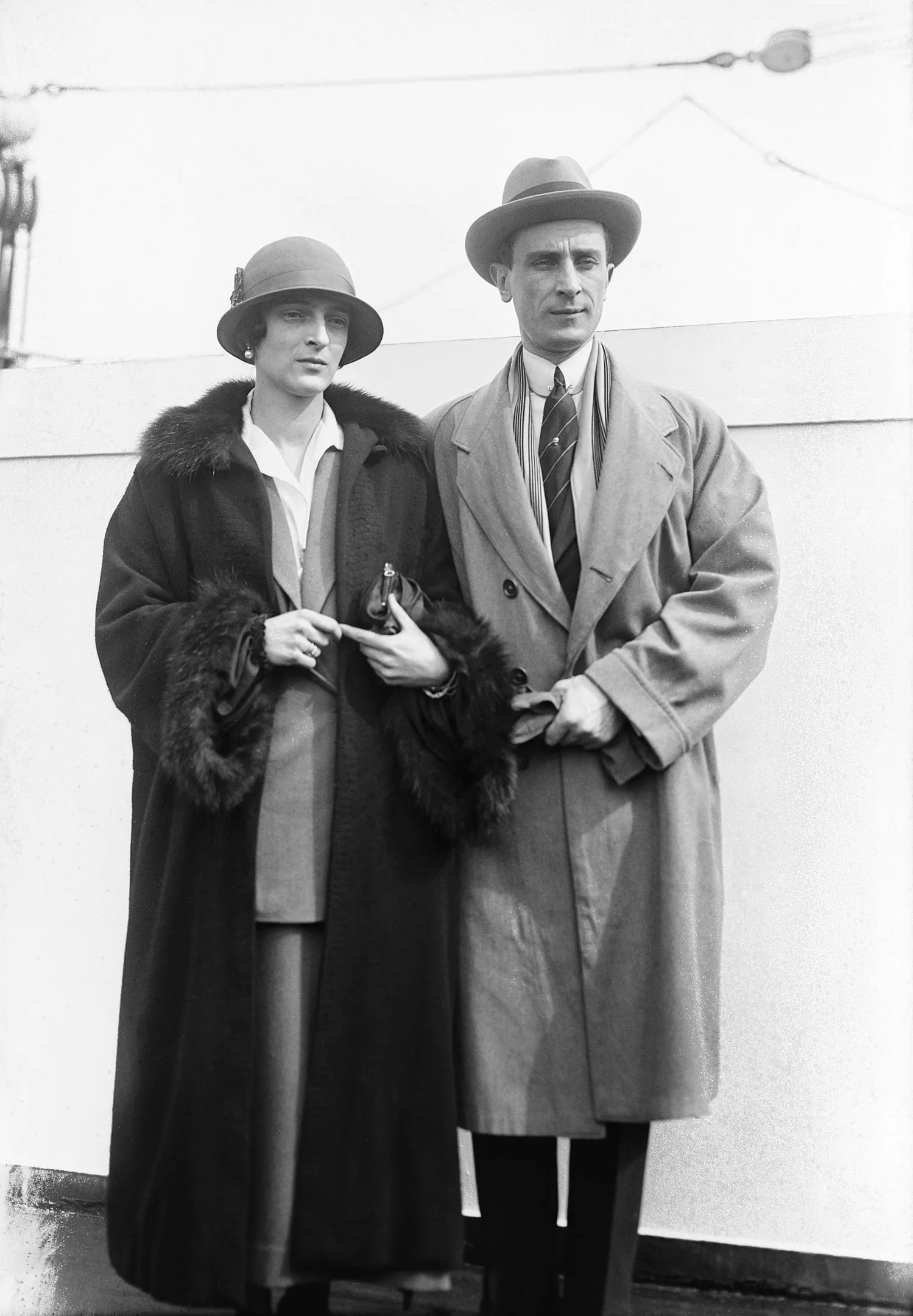
Felix, and his wife, Princess Irina Alexandrovna, a niece of Tsar Nicholas II who was executed in 1918, lived mainly in Paris from 1930 onwards. They brought many of the glittering Yusupov jewels with them and lived off the sale of them. However, La Pelegrina was Felix's favorite, and he didn't sell it until 1953 to a Geneva jeweler.
Related: Brooches: A Passion That Clings
Revolution also plays a factor in the history of the larger La Peregrina pearl. Napoleon Bonaparte, who rose to power during the French Revolution and became the first leader of the French Republic and later the Emperor of the French, installed his brother, Joseph, as King of Spain in 1808. However, during the Napoleonic wars in 1813, Joseph was ousted from his post as king. He left the country with some of the Spanish Crown Jewels in hand, including La Peregrina, which he eventually willed to his nephew, Napoleon III.
Napoleon III was the last monarch of France, serving as Emperor until 1870, when he was defeated by Prussia. He was forced into exile and died in England in 1873. While in England, he sold La Peregrina to James Hamilton, 1st Duke of Abercorn, as a gift for his wife Louisa. In February 1969, the precious pearl was sold at auction in New York to Hollywood royalty, Elizabeth Taylor and Richard Burton. Burton spent $37,000 for the pearl, equivalent to about $300,000 today.
Related: Is The Hope Diamond Really Cursed?
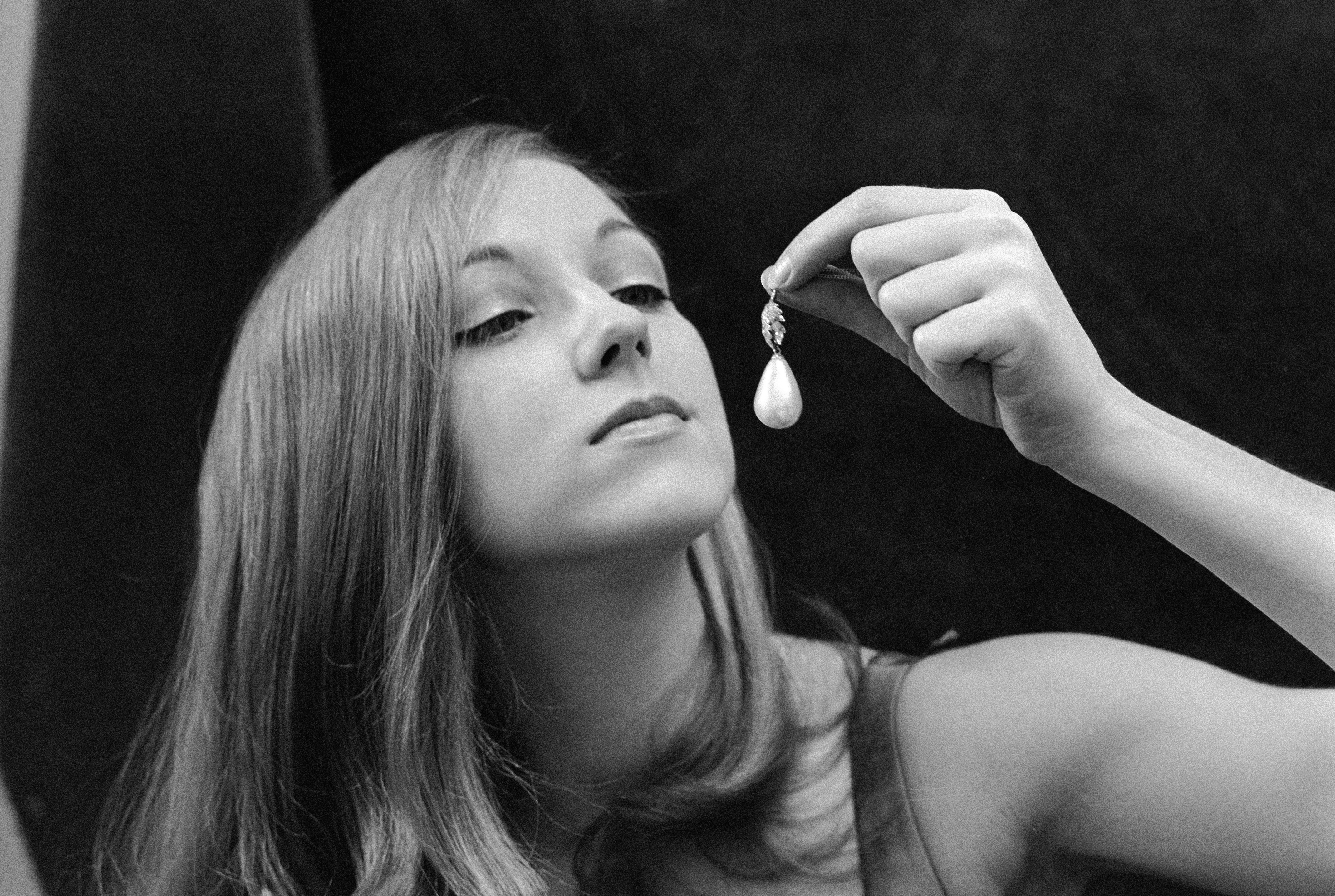
I just casually opened the puppy's mouth and inside his mouth was the most perfect pearl in the world.
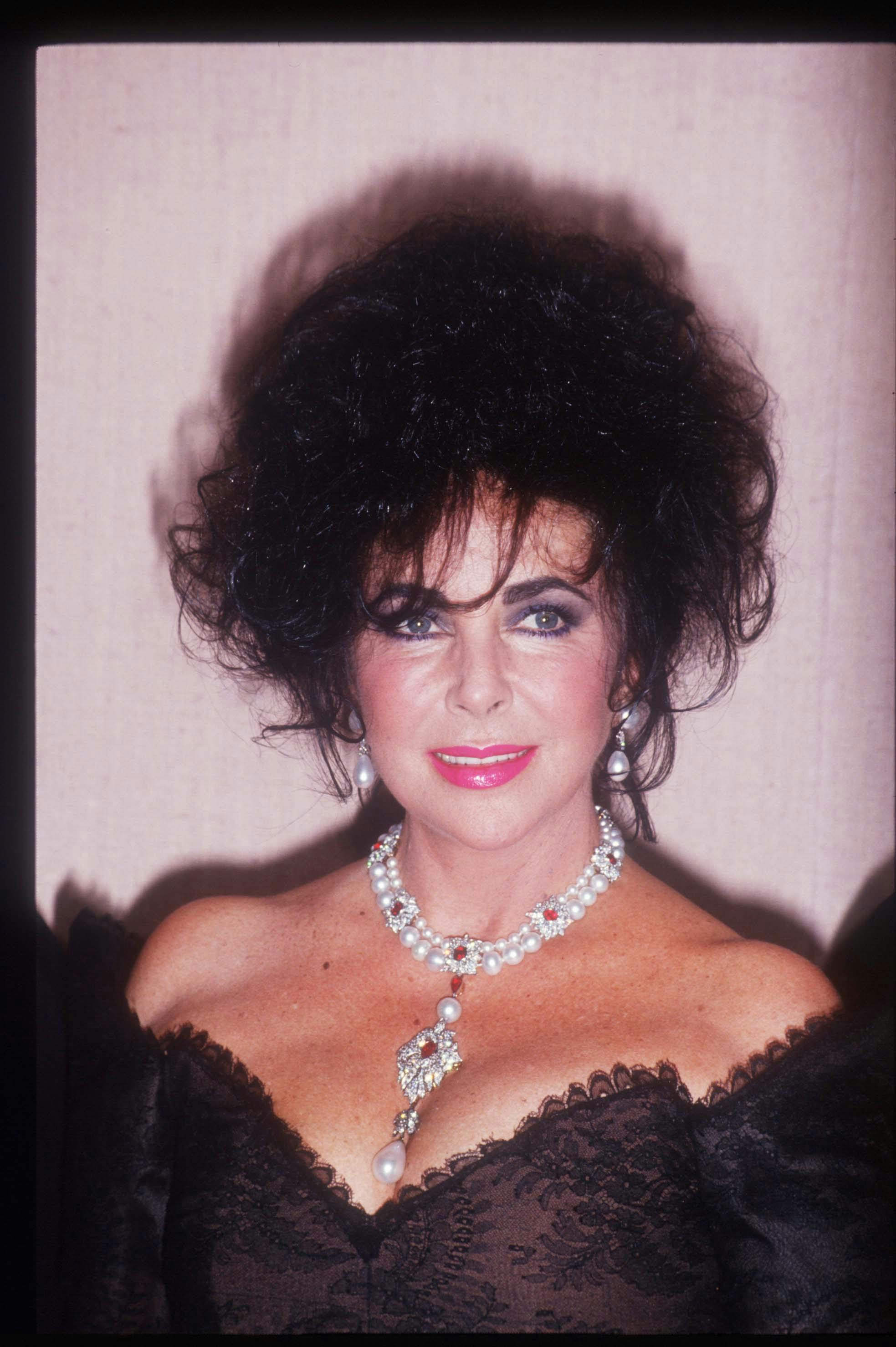
The pearl nearly vanished a few months later when Elizabeth Taylor was in a suite in a Las Vegas hotel room and noticed the pearl was missing from around her neck. She was in distress until she noticed her puppy chewing on something. She wrote in her book Elizabeth Taylor: My Love Affair with Jewelry (2002), "I just casually opened the puppy's mouth and inside his mouth was the most perfect pearl in the world. It was—thank God—not scratched." Known for her renowned jewelry collection, Elizabeth Taylor had the incredible pearl reset into a diamond and ruby necklace by Cartier in 1972.
Related: Cartier: A Love Affair
Related: 3 Iconic Women and the Jewelry They Made Famous
La Peregrina pearl remained in Elizabeth Taylor's prized jewelry collection for the rest of her life. After her death, it was sold at Christie's as part of her estate in December 2011 for $10.5 million (over $11 million with fees) and is now in private hands. Its little sister, La Pelegrina, was sold at auction in 1987 at Christie's Geneva for $463,800 and is also still privately owned.
While pearls of this rarity, size, and history certainly command millions of dollars, there are still plenty of incredible pearl pieces at auction that will make the wearer feel just as royal as the prestigious owners of these two "pilgrims"!