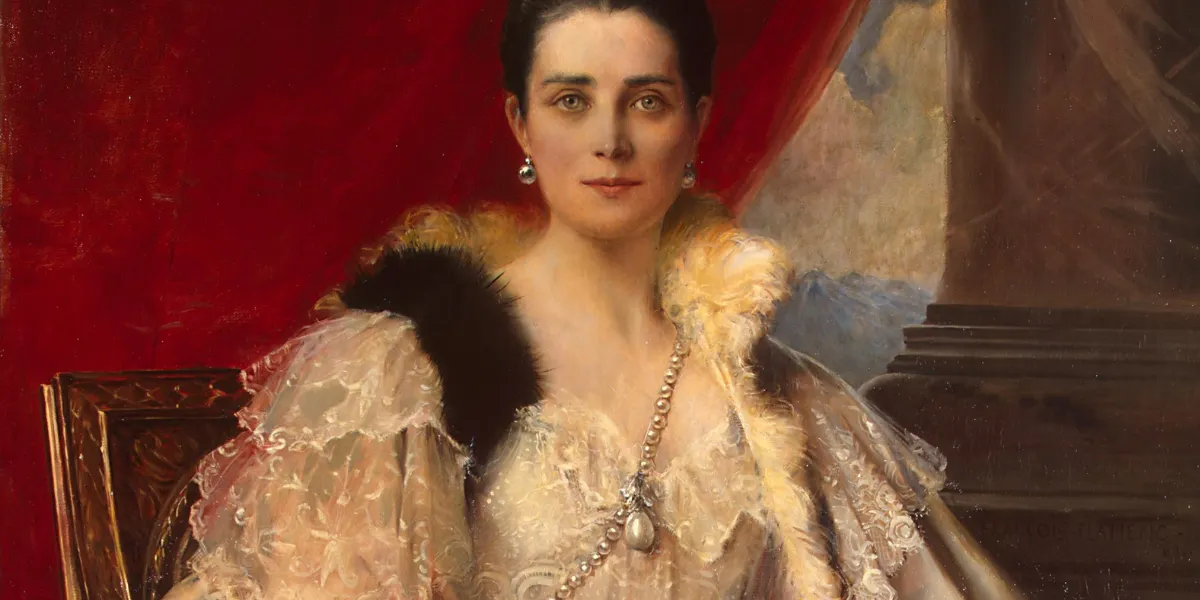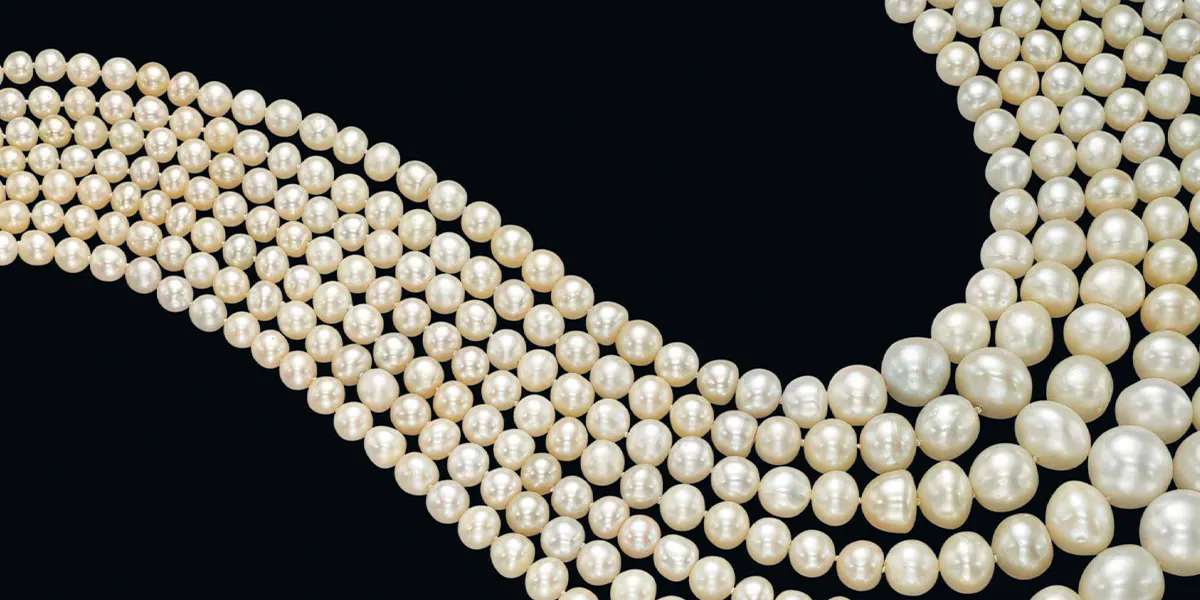
Pearls are among the earliest forms of jewelry, most likely discovered by chance when people gathering food opened shells and found these pale, shining objects inside. Across Europe and China they became symbols of status and were described as "tears of the gods". Rulers wore them, and Cleopatra was said to have shown her power over Rome by dissolving a large pearl in wine and drinking it. In the Middle Ages the Church adopted the pearl as a sign of the Virgin Mary's purity, which meant it appeared less often in secular settings. This changed after the discovery of America, which brought access to large deposits of both freshwater and saltwater pearls.
See also: La Peregrina and La Pelegrina: The World's Most Famous Pearls

By the eighteenth century it was understood that pearls formed within the molluscs themselves rather than through mythical forces, but their appeal did not diminish, and pearl jewelry remained a favorite of those who could afford such rare and costly pieces.
See also: 3 Iconic Women and the Jewelry They Made Famous
Their rarity also meant that pearls were copied early on, often with glass. In 1893 Kokichi Mikimoto in Japan succeeded in producing the first cultured pearls, which are distinct from fakes. Later, in the 1920s, Coco Chanel made long imitation pearl necklaces fashionable. In the 1960s Jackie Kennedy was often seen in her three strand necklace, which was also made of imitation pearls.
What types of pearls are there?
Natural pearls are now extremely rare. Pollution is one of the main reasons they are seldom found, and any that do come to light tend to be chance finds. Buyers looking for natural pearls should focus on antique jewelry at auctions. Most antique natural pearls were collected in the Persian Gulf or the Red Sea, so they are often known as Oriental pearls. Freshwater pearls from rivers in the Northern Hemisphere can also be found, although the freshwater pearl mussel is now endangered and protected in Europe.
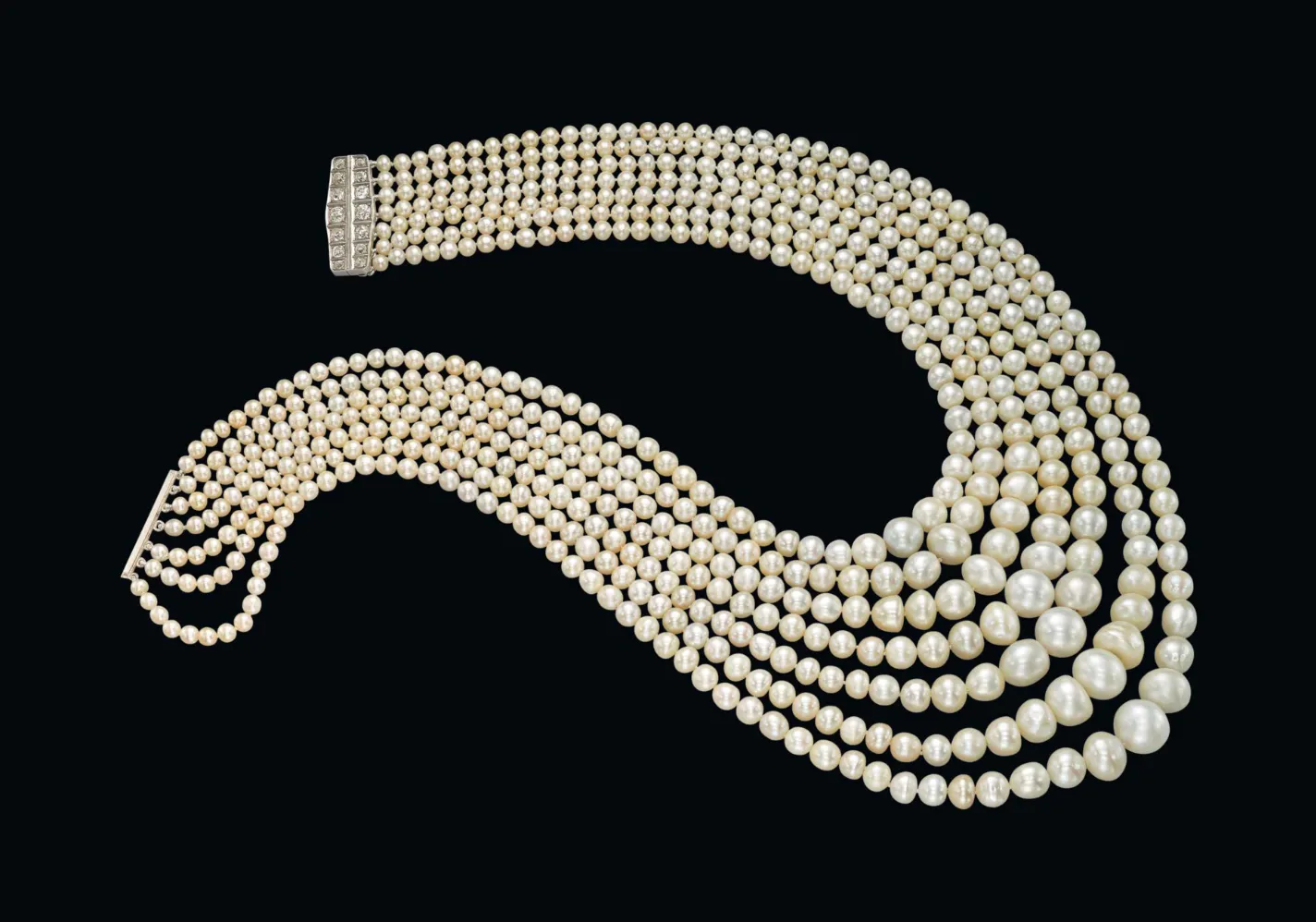
Other marine animals can produce pearls too. Abalone, or sea ear, forms long or cone shaped pearls in dark shades of blue, green and violet. The melon snail can produce large orange pearls and the conch produces pink conch pearls. Pearls from sea snails are rare.
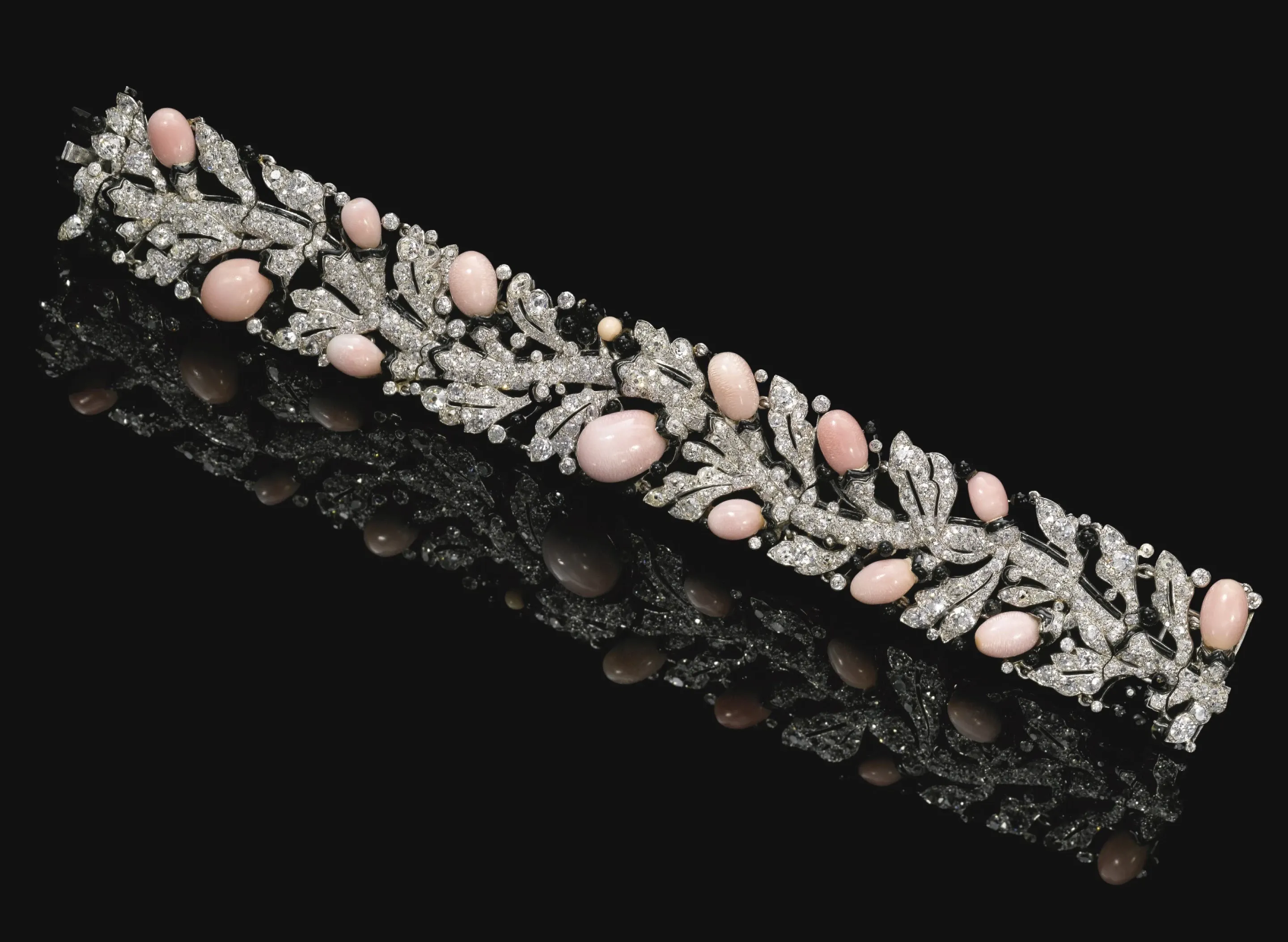
Pearl cultivation in sea snails is not carried out on any significant scale. Cultivation in mussels, however, has been established for more than a century. Almost all pearls sold today are cultured. Once the mussel has been prepared, the pearl forms in much the same way as a natural pearl. Both freshwater and saltwater cultured pearls exist.
Most freshwater cultured pearls now come from China, where production began in the 1960s. Japan had led the market before that, particularly with pearls from Lake Biwa.
See also: Gemstones: 5 Interesting Facts
Among saltwater cultured pearls, Akoya pearls are the best known. They are usually white or cream, though other colors can be achieved through treatment. They come mainly from Japan and China, and also from Tahiti and Vietnam.
Tahitian pearls became known in Europe around 1845, largely because of Empress Eugénie. Today they are mostly cultured and valued for their naturally dark colors, grown in French Polynesia. In the region formed by Indonesia, the Philippines and Australia, South Sea pearls in white, silver and gold tones are cultivated. These, like Tahitian pearls, are among the largest cultured pearls.
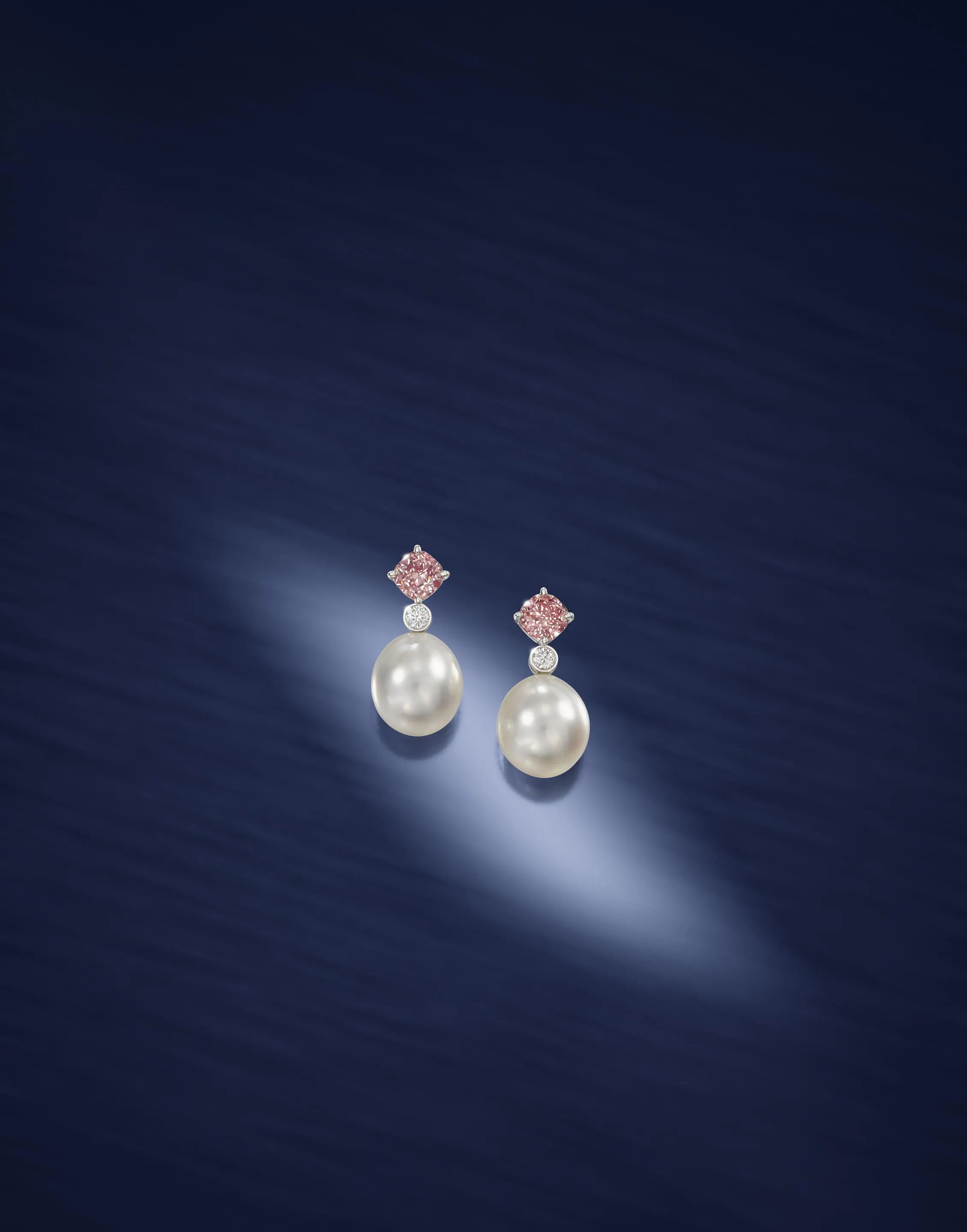
Mabé pearls are another type of saltwater pearl. They grow attached to the inside of the shell and have a half round shape. Keshi pearls, which come from some cultured mussels, mostly Akoya, are a byproduct. The term comes from Japanese and means poppy seed, referring to their size. Very small pearls in general are also known as seed pearls, a term used for tiny antique examples.
Pearls have been copied for centuries, usually with a glass core coated with a substance designed to imitate the natural sheen. Any type of pearl can be replicated, and even among imitations there are differences.
See also: Designer Costume Jewelry: The Favorite Accessory
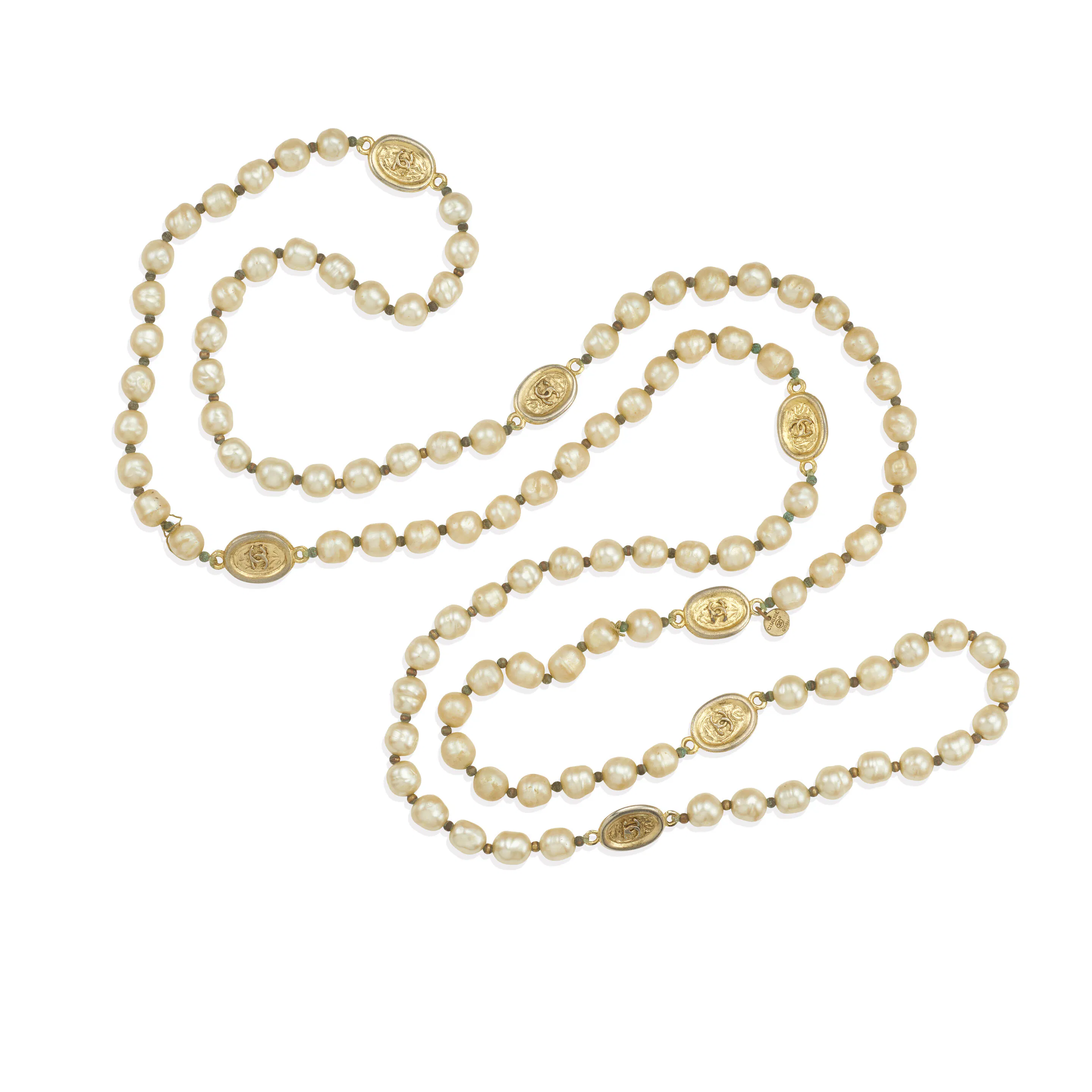
Majorica pearls, also called Mallorca pearls, are high quality imitations. Instead of glass they have a hardened sand core that is coated several times with materials containing nacre or designed to resemble it, such as powdered fish scales. The company was founded by Eduard Heusch, a manufacturer from Aachen.
How can you tell real pearls from fake ones?
There are a few simple checks that help distinguish real pearls from imitations. Natural and cultured pearls are rarely perfectly round and usually have a slightly textured surface that gives them their soft, glowing sheen. Imitations tend to be perfectly round, smooth and shiny in a way that sits on the surface. Real pearls feel cool at first and warm slowly. Weight can also vary, as real pearls are usually heavier.
See also: Crown Jewels: 5 Times Royal Jewelry Made Auction Headlines
For complete certainty, an expert assessment is needed. Reputable auction houses employ jewelry specialists who examine each piece before it is offered for sale and determine its value. If you can, visit the viewing before the auction so you can examine the pearls in person.

Quality of pearls
As with gemstones, size affects value. Weight may be given in carats, grains (1 grain = 0.06479891 g), or the Japanese unit momme (1 momme = 3.75 g). In the case of larger quantities, such as multi strand necklaces, weight may also be listed in grams or kilograms.
Although pearls naturally have some surface texture, more noticeable irregularities are considered faults and reduce value. A consistent lustre, the characteristic reflective sheen, is desirable. Color also matters and is influenced by the type of oyster and the growing conditions. Treatments such as bleaching or irradiation can alter color. These must be disclosed and can reduce value, even when done to achieve a shade that is in demand.
Want more articles like this straight to your inbox? Subscribe to our free newsletter!
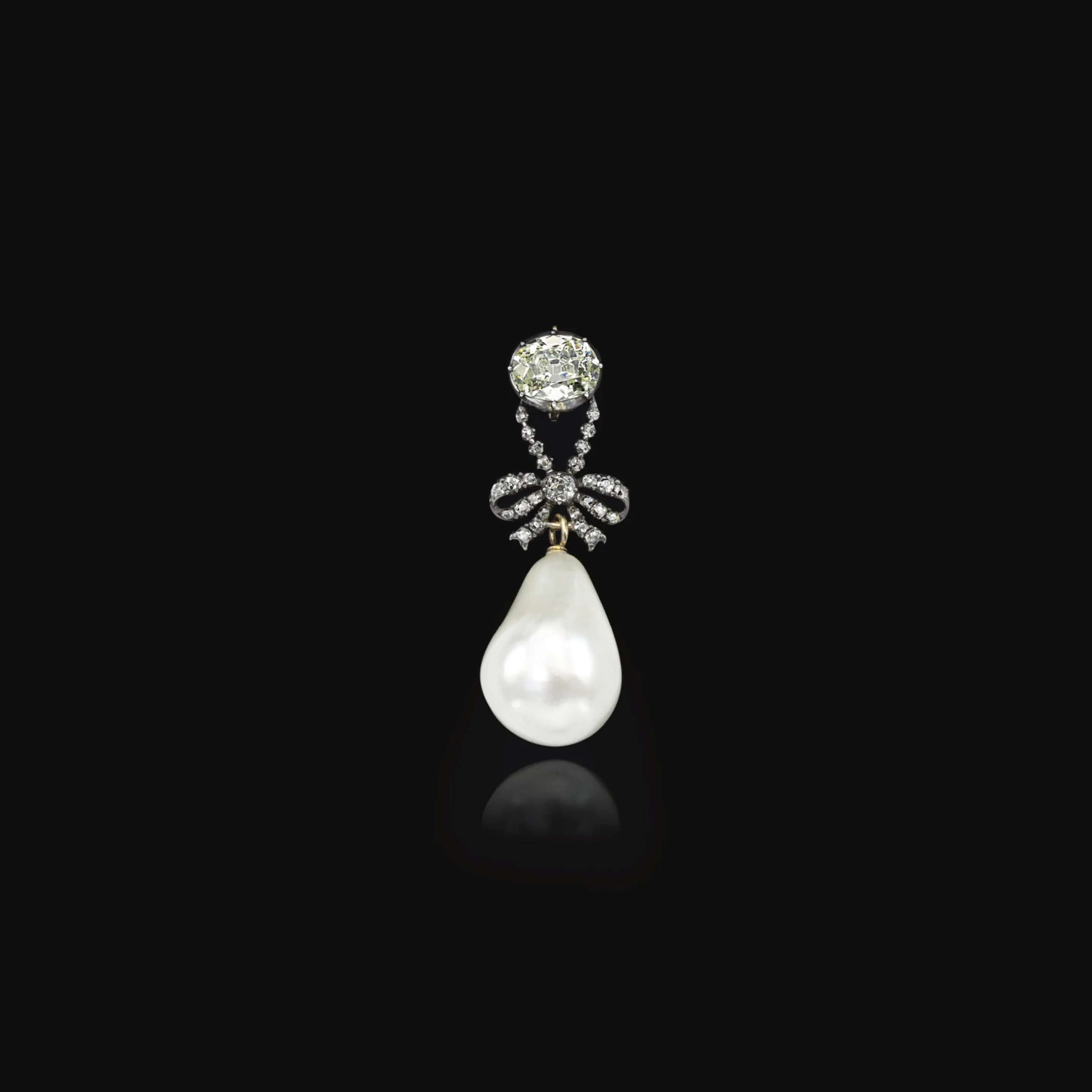
Trends and personal taste also shape preferences for pearl shapes. Some prefer perfectly round pearls, others like teardrop forms and others prefer the irregular shapes known as baroque pearls. The name comes from the Portuguese word barroco and has been used for such pearls for centuries. Baroque pearls are usually freshwater pearls.
What to do with the pearls?
Natural pearls are usually found in antique jewelry. Although pieces from periods such as the Belle Époque are currently popular again, not every historical style suits modern tastes. You need to judge whether it is worth transforming a pearl into a contemporary design.
See also: Barnebys' Guide to Buying an Engagement Ring at Auction
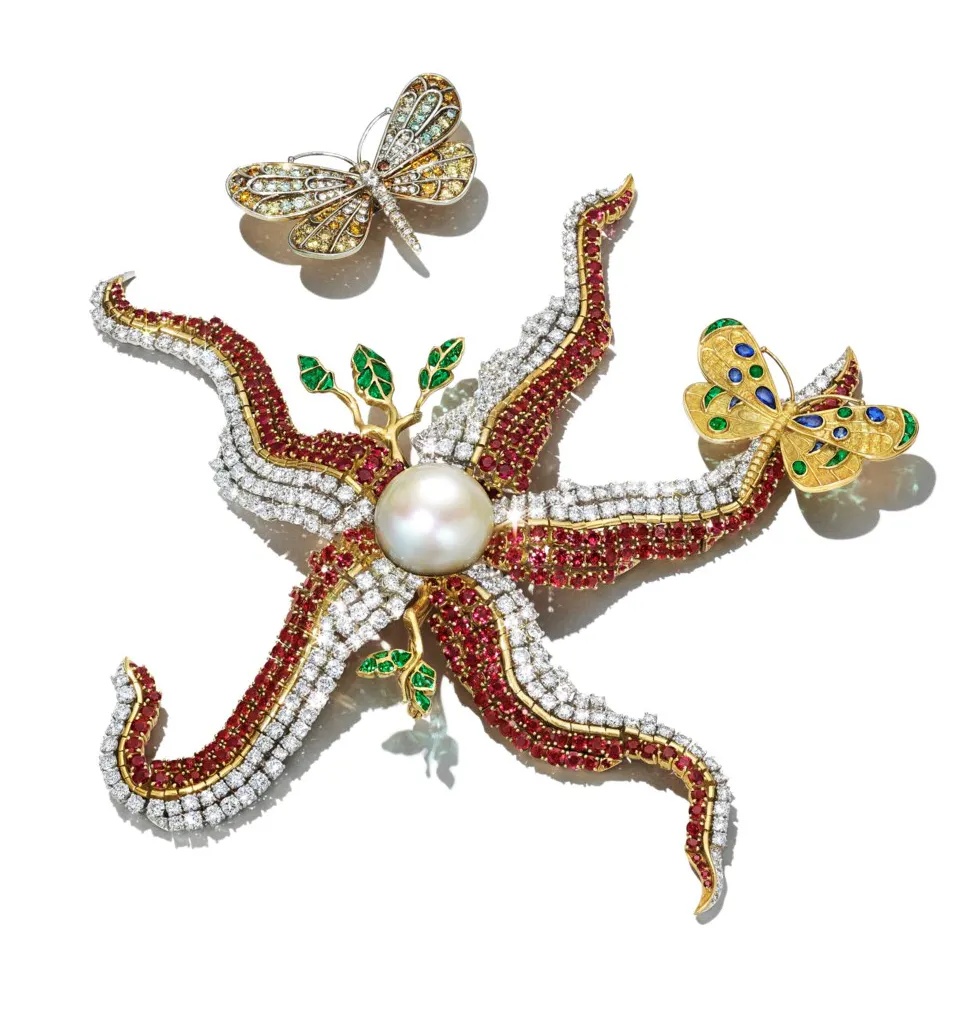
Antique jewelry often features excellent metalwork, and altering it can be a shame, especially if the piece has a notable history. You should also consider whether reshaping the jewelry is worthwhile financially. Pearls were often set with colored gemstones or diamonds, which contribute to value. You need to consider whether these stones can be reused and whether they are of a quality that would allow them to be sold if you do not wish to keep them. The cost of the work also matters.
Because natural pearls are so rare today, buying high quality antique pieces at auction can be a sound investment and a link to long established traditions.
Wondering about the value of your pearl jewelry? Start an online valuation with ValueMyStuff!
Whether you are drawn to antique jewelry with natural pearls, modern designs with cultured pearls or fashion pieces made with imitations in the style of Chanel, pearls remain timeless, versatile and consistently worth considering at auction.