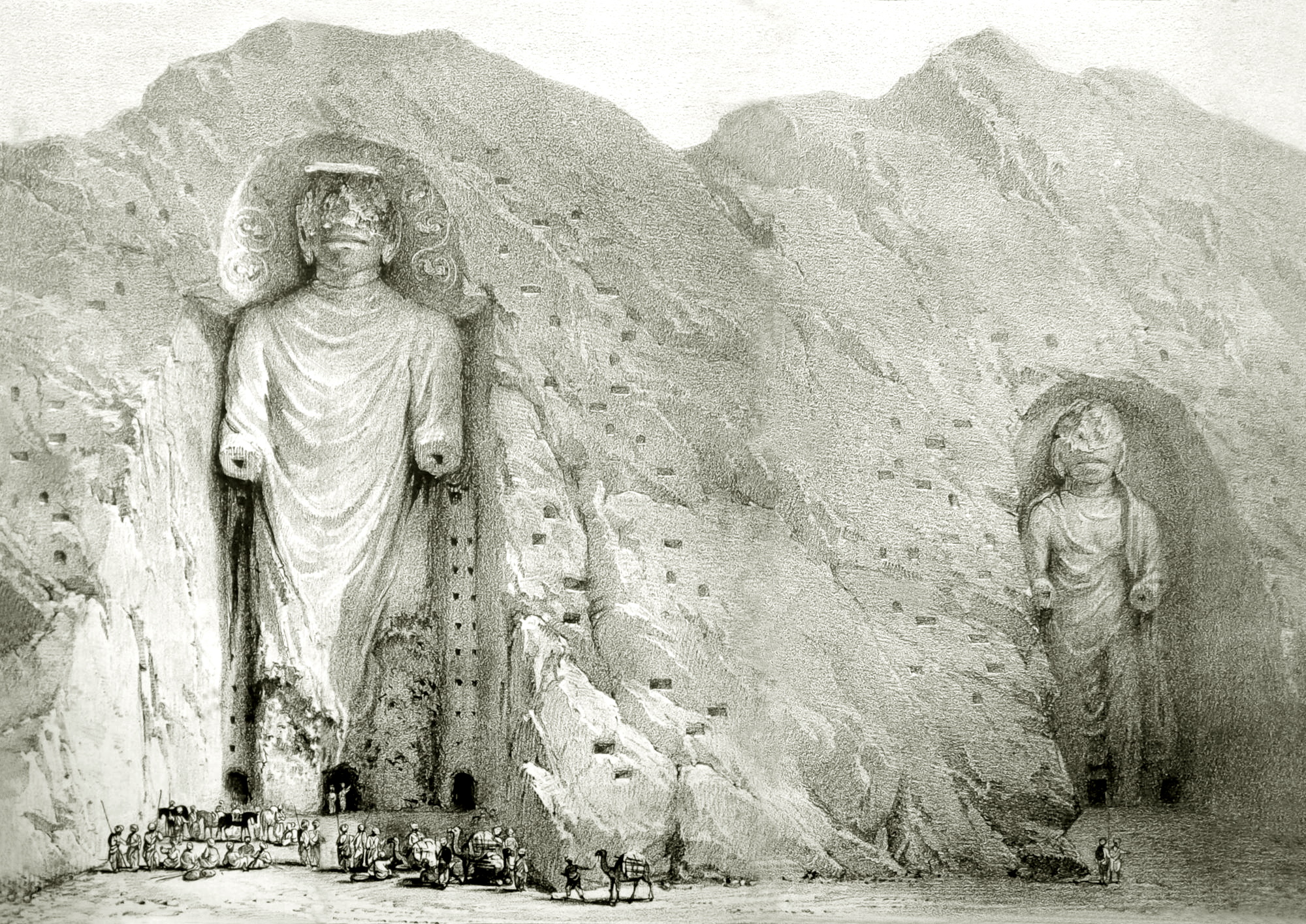
In the early 1830s, Scottish explorer Alexander Burnes (1805-1841) journeyed through the Bamiyan Valley in Afghanistan, where he encountered two massive Buddha statues intricately carved into the nearby rock formations. Burnes had previously encountered references to these statues in the writings of a 14th-century Mongolian scholar, but he could not make much of them. In his view, they could not truly compare to the artistic achievements of ancient Europe.
Burnes arrived in India as an officer in the East India Company's army during the initial stages of the 'Great Game', which involved both the British Empire and the Russian Empire vying for influence in Central Asia. It ultimately led to the outbreak of the First Anglo-Afghan War, which concluded in 1842 with the devastating loss of the British army during their retreat from Kabul to India via the Chaiber Pass. Notably, Alexander Burnes, who had become unpopular with the local population, had already been lynched in Kabul, in an incident that reportedly involved several aggrieved husbands seeking retribution.
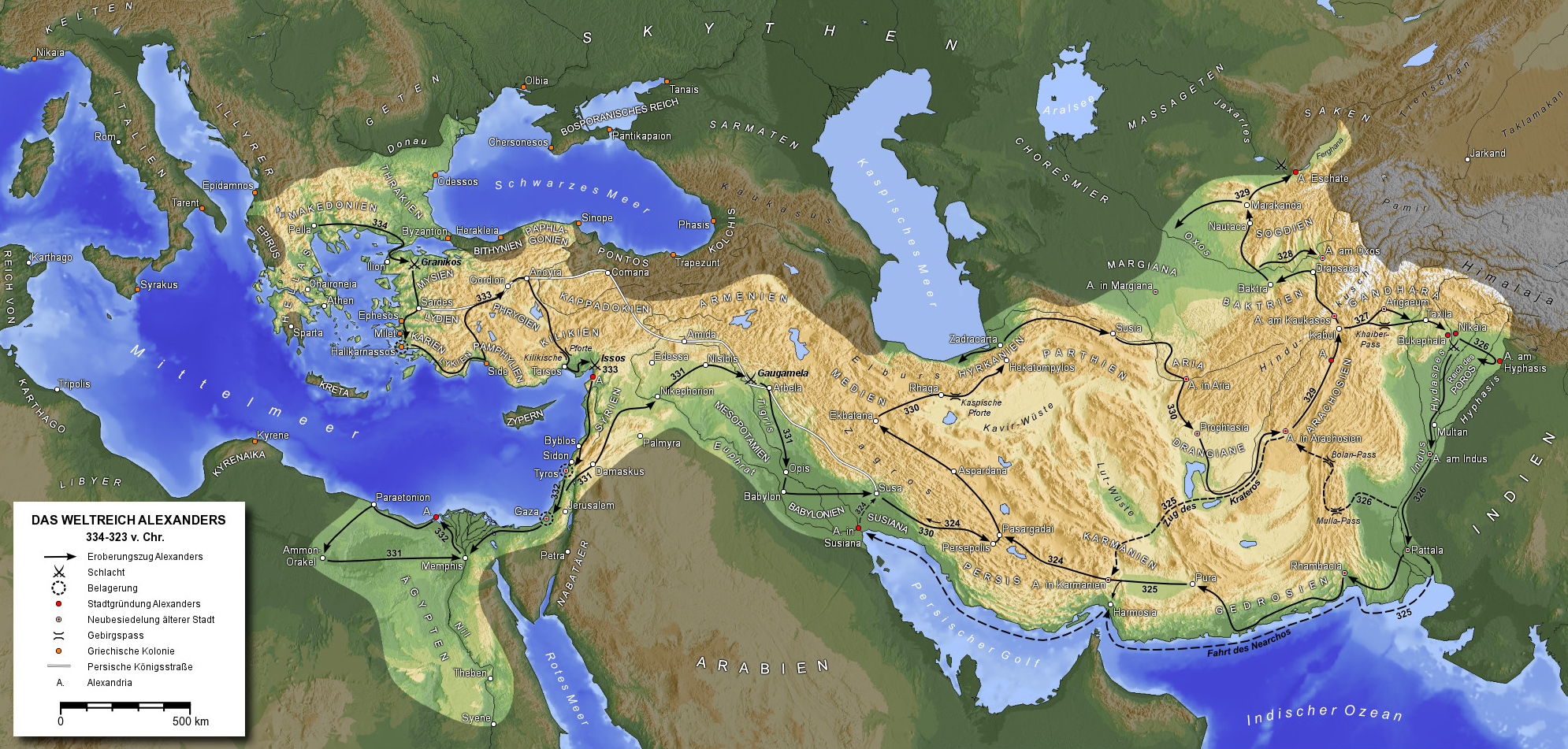
The British army was not the first European force to reach the Hindu Kush region. As far back as 326-329 BC, another prominent figure, Alexander the Great (356-323 BC), conquered the area when it was part of the Persian Empire. Following Alexander's demise, his generals and their descendants, known as the Diadochi, divided his vast conquests among themselves. The most extensive of the Diadochi empires was that of the Seleucids, spanning from Asia Minor to Bactria in modern-day Afghanistan, encompassing the Bamiyan Valley west of Kabul. Additionally, the Gandhara region, situated south of the Hindu Kush along the Indus River in modern-day Pakistan, felt the influence of the Greek-Macedonian Seleucids, who brought their art and culture to the area.
Related: 12 Historical Globes and Maps to Know
However, Greek influence was not the sole factor shaping Gandhara in the late 4th century BC. Shortly after Alexander's campaign, Chandragupta Maurya (350-295 BC) rose to power in the northwestern region of the Indian subcontinent. According to Plutarch, Chandragupta Maurya and Alexander the Great may have even encountered each other. Regardless, the Mauryan Empire's founder engaged in battles with the Seleucids and gained control of Gandhara in 305 BC.
Related: Tipu Sultan's Golden Sword Breaks a Record
Around 268 BC, when Chandragupta Maurya's grandson Ashoka (304-232 BC) ascended to power, the Mauryan Empire had extended its dominion over nearly the entire subcontinent. Ashoka conducted numerous bloody campaigns to expand his empire eastward. It is recounted that the immense suffering wrought by these wars deeply affected him, prompting his conversion to Buddhism. Buddhism, with its primary center in the northern part of Ashoka's realm, particularly in the city of Kushinagar, where Siddhartha Gautama, the religion's founder, is believed to have passed away in 483 BC. This association with Kushinagar is why it is recognized as one of the four major pilgrimage sites in Buddhism today. Following his conversion, Ashoka pursued peaceful coexistence with neighboring regions and dispatched Buddhist emissaries in all directions, including as far west as Greece and Egypt.
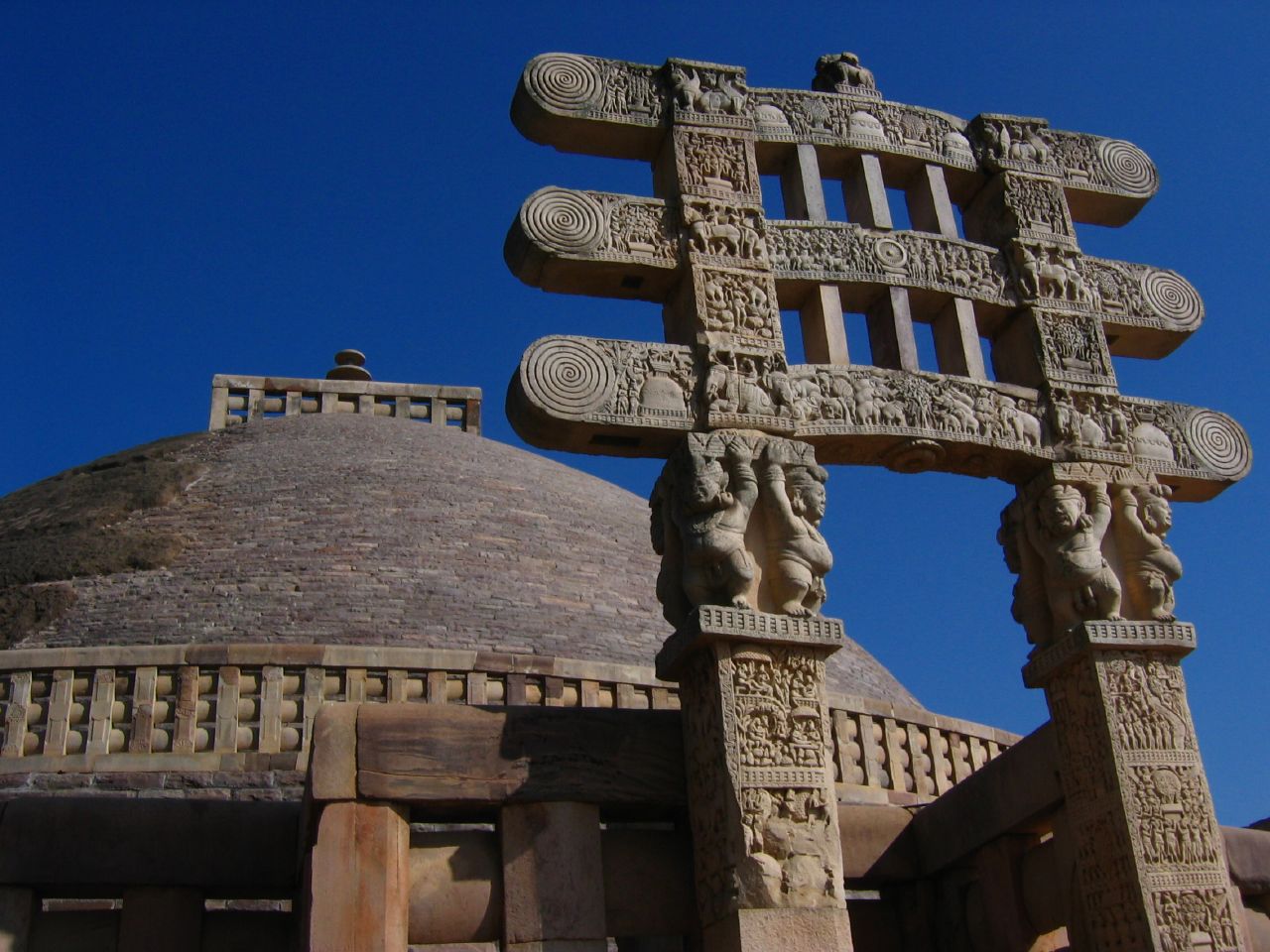
In its early days, Buddhist art eschewed figurative depictions of the Buddha. Instead, it favored symbols like the lotus blossom or the Buddha's footprint. These were often combined with other symbols, including the wheel of teaching, the Bodhi tree, or the lion. Dome-shaped stupas were erected to represent the cosmos and nirvana. It is said that the first ten stupas were built over relics of the Buddha.
Related: The Fascinating Political History Behind An Indian Ambassador's Portrait
From the 1st century at the latest, Buddha started to be represented figuratively. This development stemmed from two regions, although there is debate over which was the initial one. One centre was the city of Mathura, located to the south of present-day Delhi, where the figurative representation drew from Hindu traditions. The other centre was Gandhara, where the influence of Hellenistic and Roman art became apparent, giving rise to the Greco-Buddhist style.
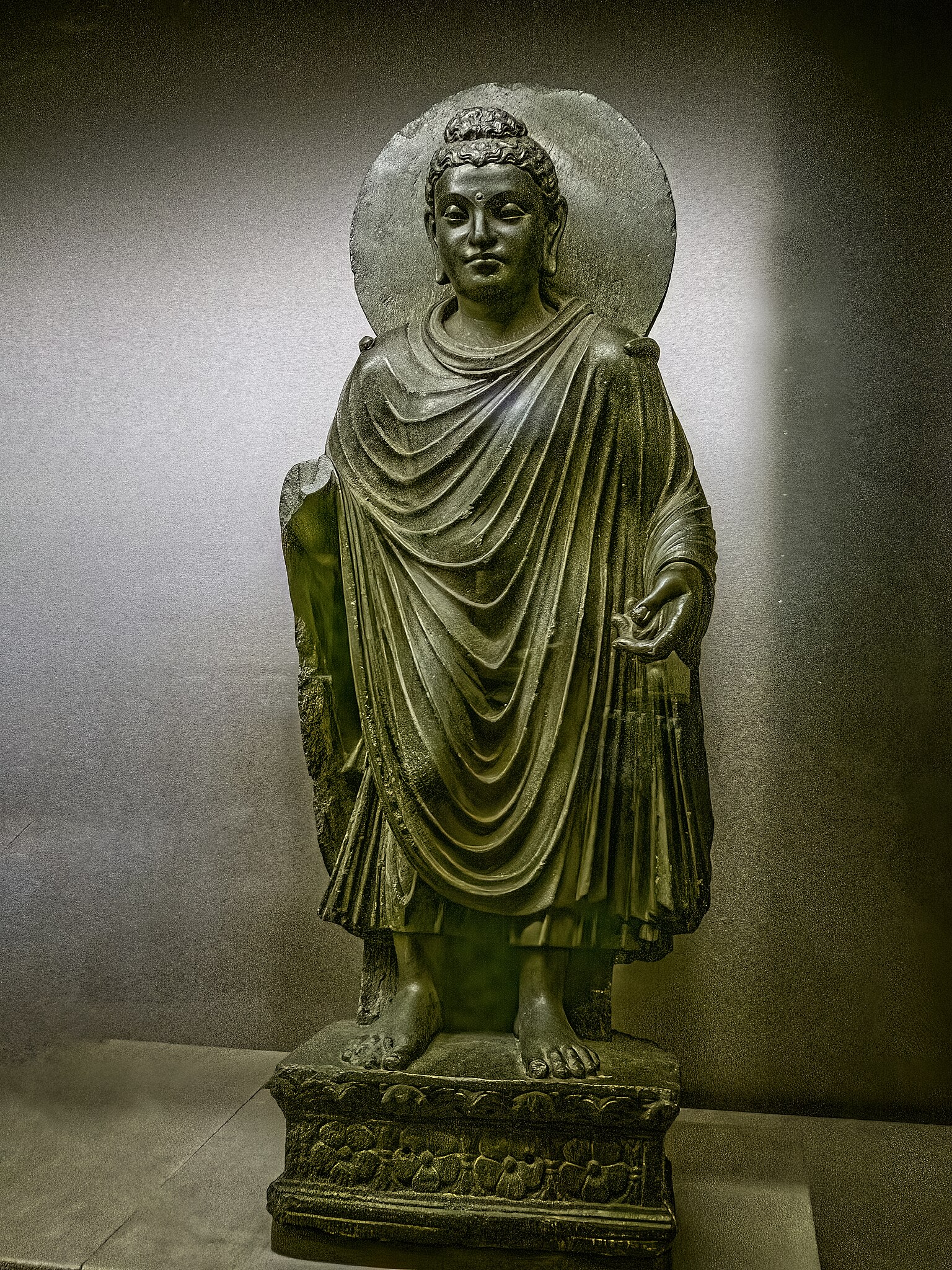
At the time when figurative representation started to evolve, new rulers had assumed control in Gandhara and Bactria, both of which had become part of the Kushan Empire. The Kushans originated from the region that is present-day western China, situated north of the Himalayas and the Taklamakan desert—an area to which Ashoka had also dispatched Buddhist emissaries. Evidently, these efforts were successful, as the Kushans, while not officially adopting Buddhism, made substantial efforts to advance this faith in their newly acquired territories.
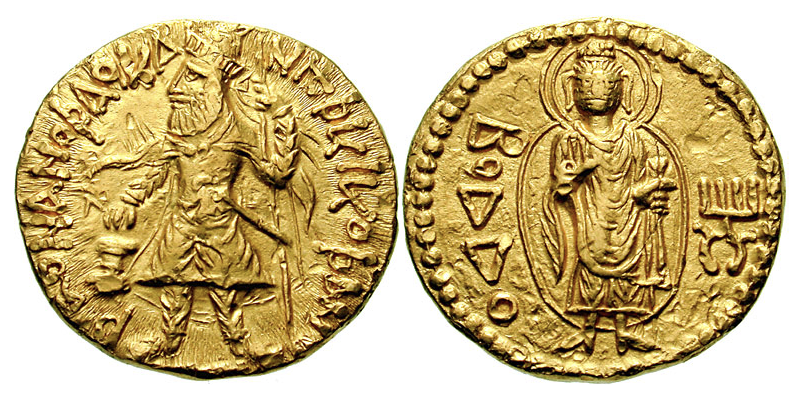
The Kushans assimilated many aspects from the Indo-Greek population of Bactria, including the Greek alphabet and a coinage system. The comparatively peaceful rule of the Kushans facilitated trade along the Silk Road, enabling Roman women to indulge in the luxury of wearing silk from China.
Related: Money Talks: Ancient Roman Coins
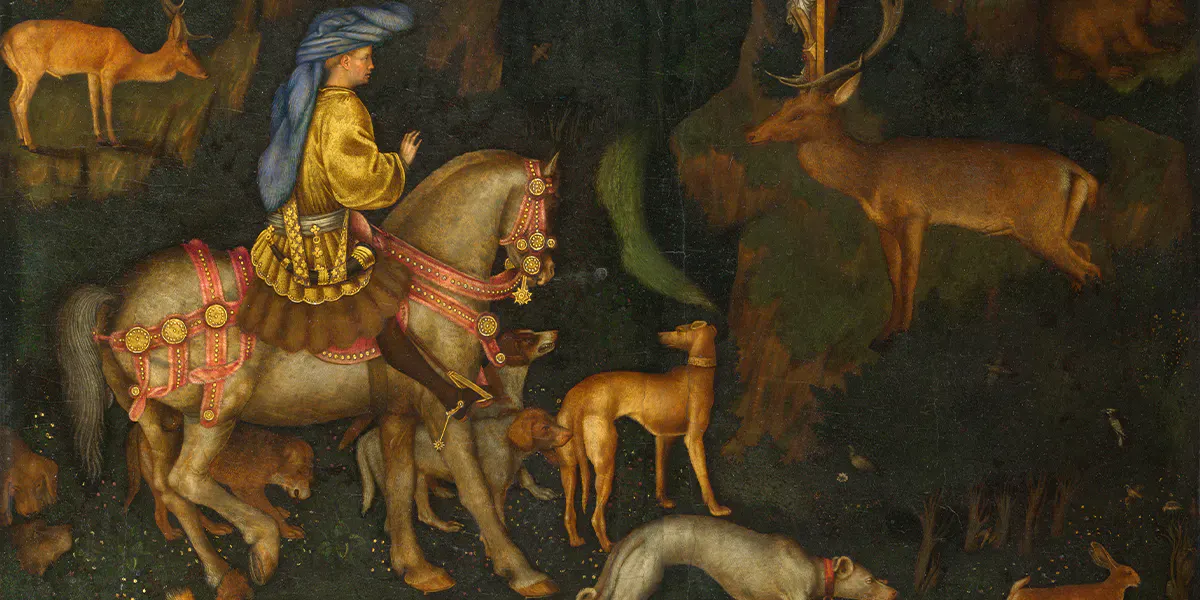
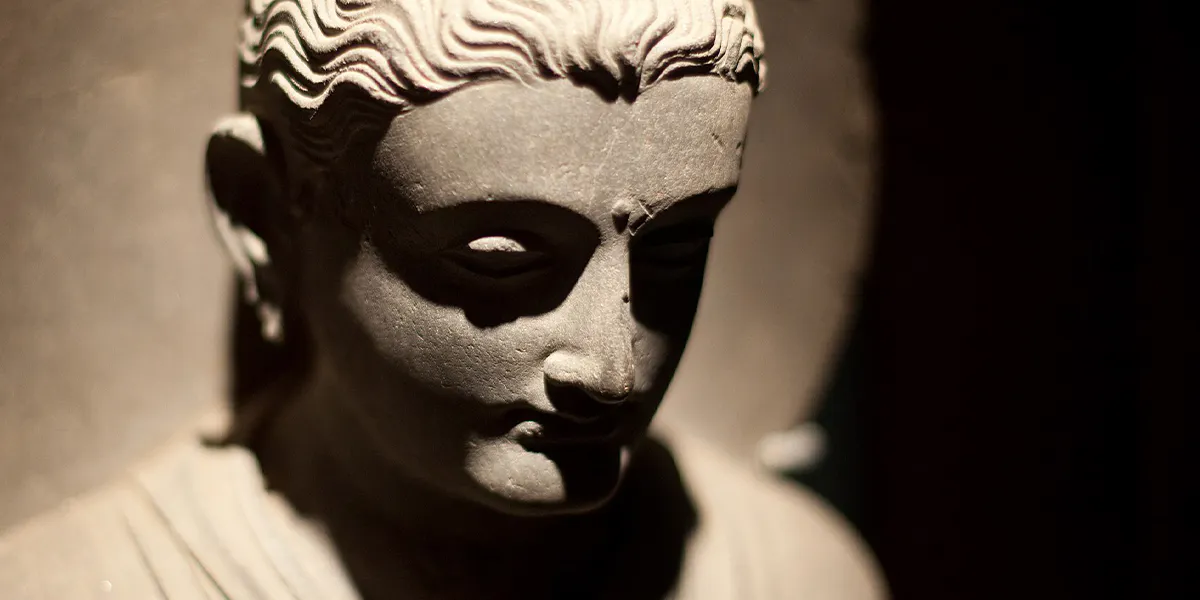
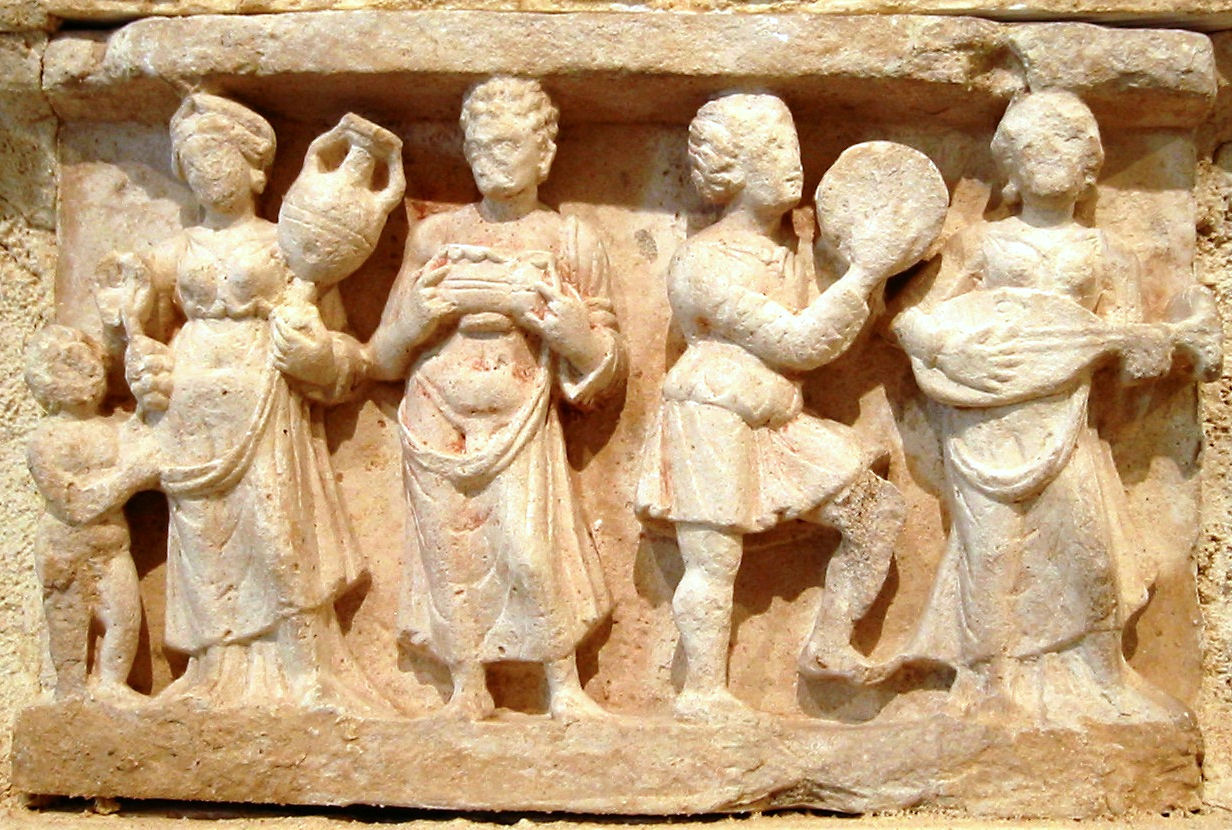
Neverthless, something significant also made its way back: Hellenistic-Roman art. Prior to this, art and architecture in the Gandhara region, where Brahmanism held sway until the advent of Buddhism, had been primarily influenced by Indian art. Human representations in this region featured supple and sensuous bodies without distinctive individuality. However, in Gandhara, figures reminiscent of Roman toga and draped statues—sometimes even adopting a contrapposto stance—were introduced. Elements such as Corinthian capitals, reliefs fashioned after Roman models, and depictions of Dionysian scenes were also incorporated. Overall, the human representations in Gandhara were marked by individuality, along with a compositional precision akin to the statues of Hellenism.
This is notably apparent in the portrayal of Buddha. The Enlightened One was adorned in a style reminiscent of a Greek himation or Roman toga, featuring flowing Mediterranean hair and a lifelike, serene facial countenance. Nevertheless, the presence of a moustache in early depictions of Buddha, a fashion that was absent in ancient Rome and Greece, attests to the fact that this was not solely a manifestation of Roman-Hellenistic art.
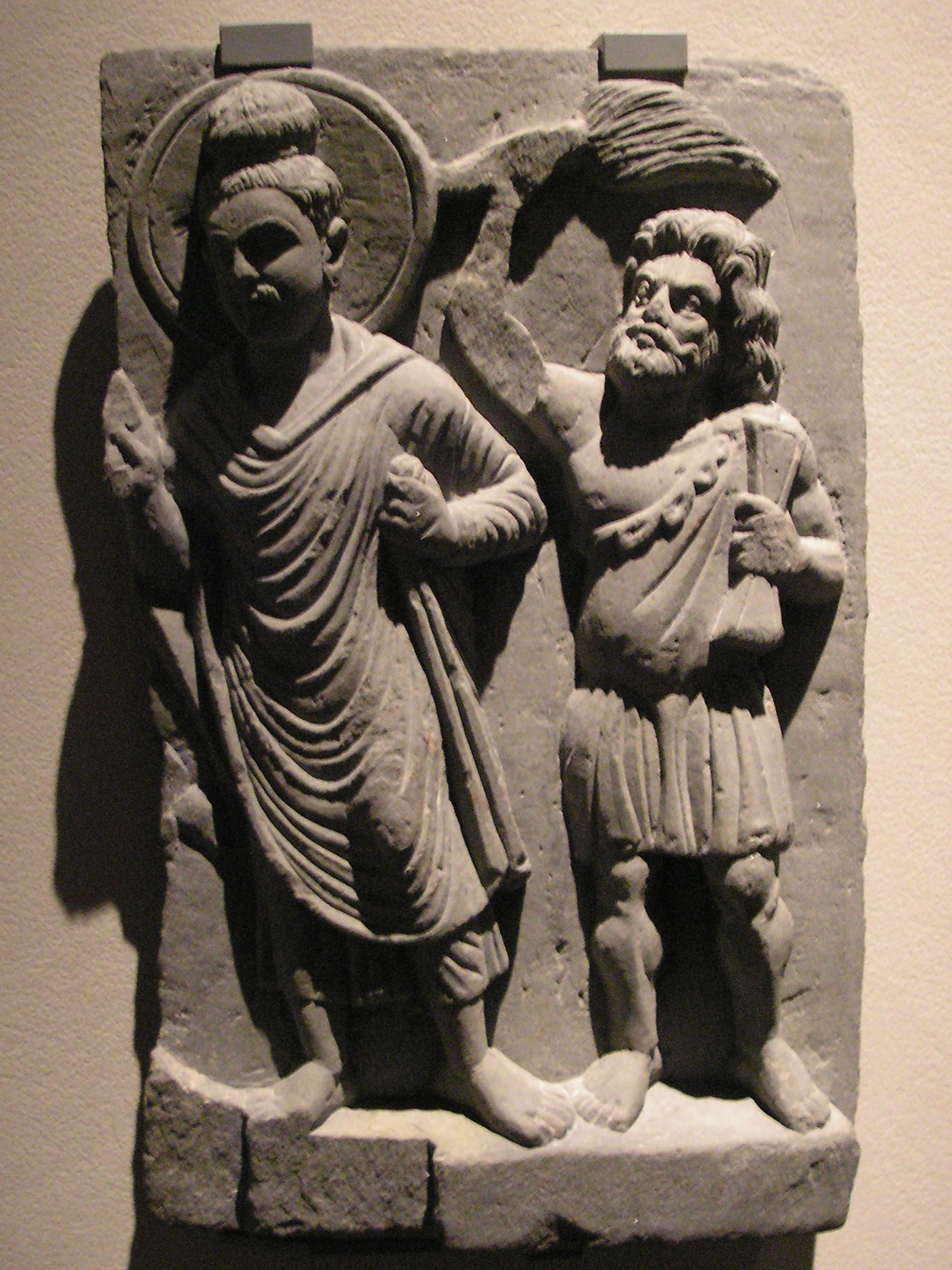
The selection of the Hellenistic style for the new depictions of Buddha might be attributed to the fortuitous timing of their arrival in Gandhara. The region, owing to its position along ancient trade routes, had historically been densely inhabited and prosperous, making it an ideal location for drawing new believers. Creating a distinct set of images made perfect sense for such an endeavor, and the art imported from the West was well-suited for this purpose, even if the original significance of the images was eventually lost or intentionally altered over time.
Want more articles like this straight to your inbox? Subscribe to our free newsletter!
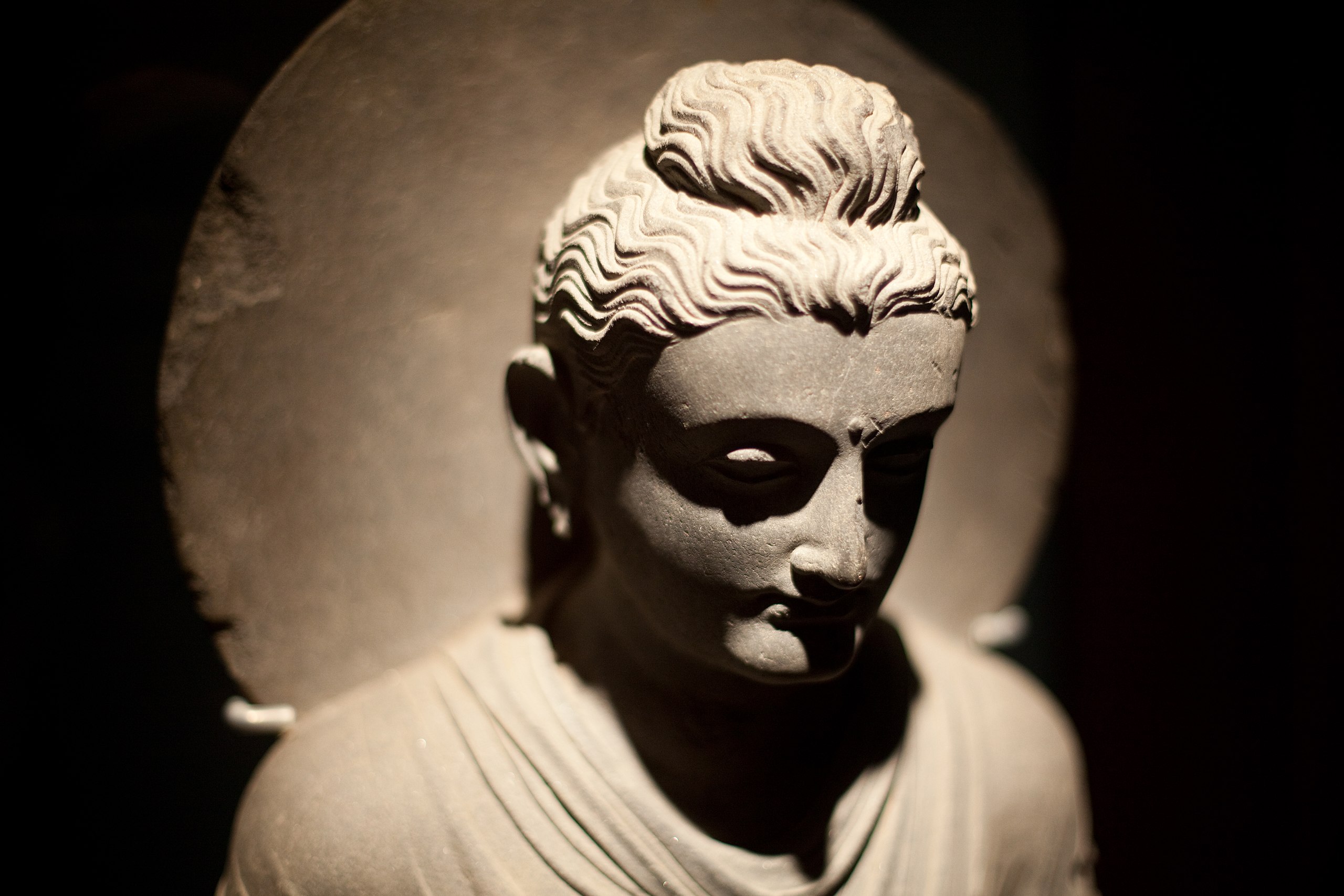
The Graeco-Buddhist Gandhara style extended to the Bamiyan Valley, where the colossal Buddha statues were carved out from the rock, approximately around 600 AD, as can be deduced from the travel accounts of Chinese pilgrims. Behind these statues, there existed several hundred caves that functioned as places of residence and prayer for Buddhist monks.
The heyday of the Gandhara style came to a close in the 5th century, and two centuries later, the beginning of Islamization in Central Asia heralded the decline of Buddhism in substantial portions of the region. As Islam does not permit human representations, the statues in the Bamiyan Valley were repeatedly targeted for attacks; signs of such attacks were already evident during the time of Alexander Burns. Ultimately, in 2001, they were demolished in explosions orchestrated by the Taliban.
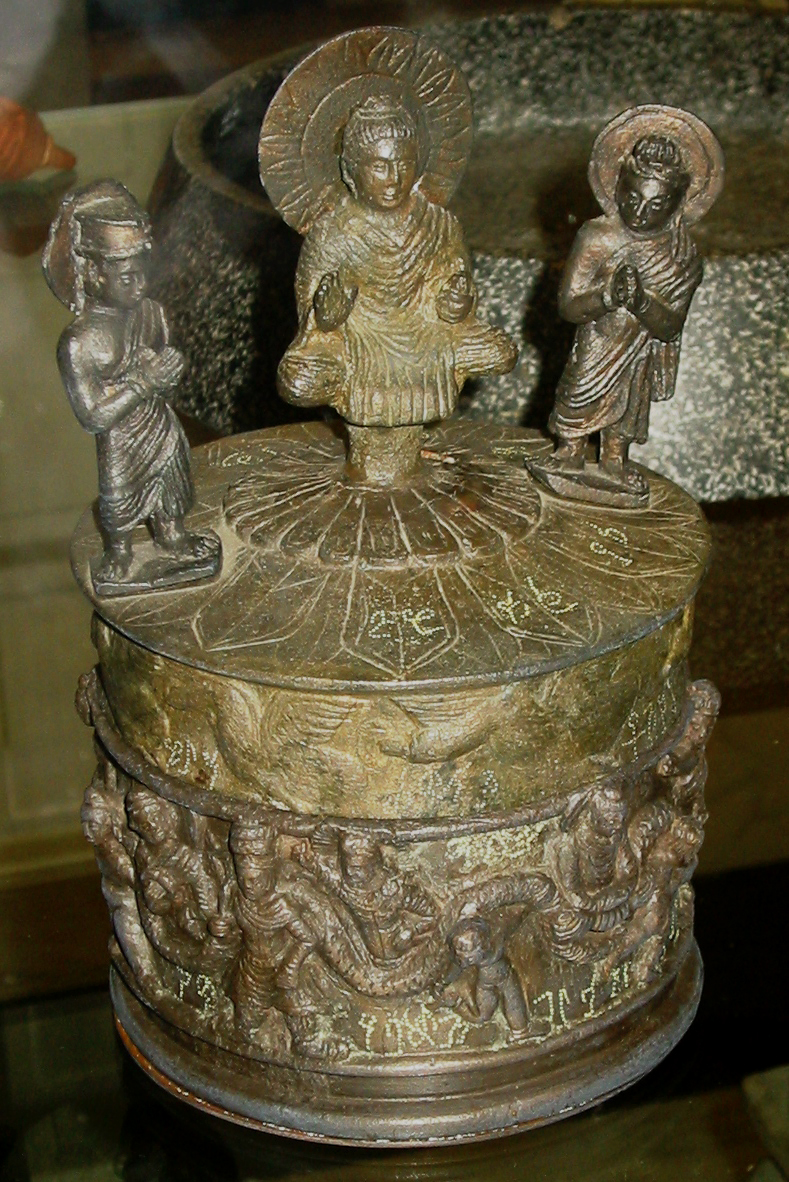
Nonetheless, many works of art have endured the passage of time and can now be admired in museums, such as the Peshawar Museum in Pakistan and the Museum of Asian Art in Berlin. Early collectors of artworks from the Bactria/Gandhara region were drawn to them, perhaps due to the uncanny familiarity stemming from their Hellenistic lineage. For contemporary enthusiasts seeking to collect Greco-Buddhist art, it is vital to ensure that they acquire items solely from reputable dealers and auction houses with documented provenance, thus preventing the trade in stolen art.
The mutual influence of Hellenism and Buddhism spread in both directions along the Silk Road, including on a philosophical level. The initial style of depicting the Buddha, shaped by Greek influence, also made its way to Japan and Korea through China.