An avocado plantation was supposed to be created in the 1,400-acre La Torre-La Janera area in 2018. However, archaeological investigations unearthed something far more exciting: an enormous megalithic complex that could rival the site previously known as the 'Stonehenge of Spain': the Guadalperal dolmen in the Valdecañas reservoir (currently visible again thanks to droughts in the region). The site has been rumored to be the largest of its kind in the whole of Europe.
Related: 10 Famous Sculptures in Art History
Since 2021, the site has been studied in depth by a team from the Universities of Huelva and Alcalá, led by researcher José Antonio Linares and professors Juan Carlos Vera Rodríguez and Primitiva Bueno Ramírez, as part of an extensive project. With the help of surveys, new technologies, analysis of samples and, of course, excavations, more than 500 megaliths have been identified so far, found alone or in groups. The construction of the site took place from the 5th to the 2nd millennium BC (Neolithic to early Bronze Age), although later use is likely.
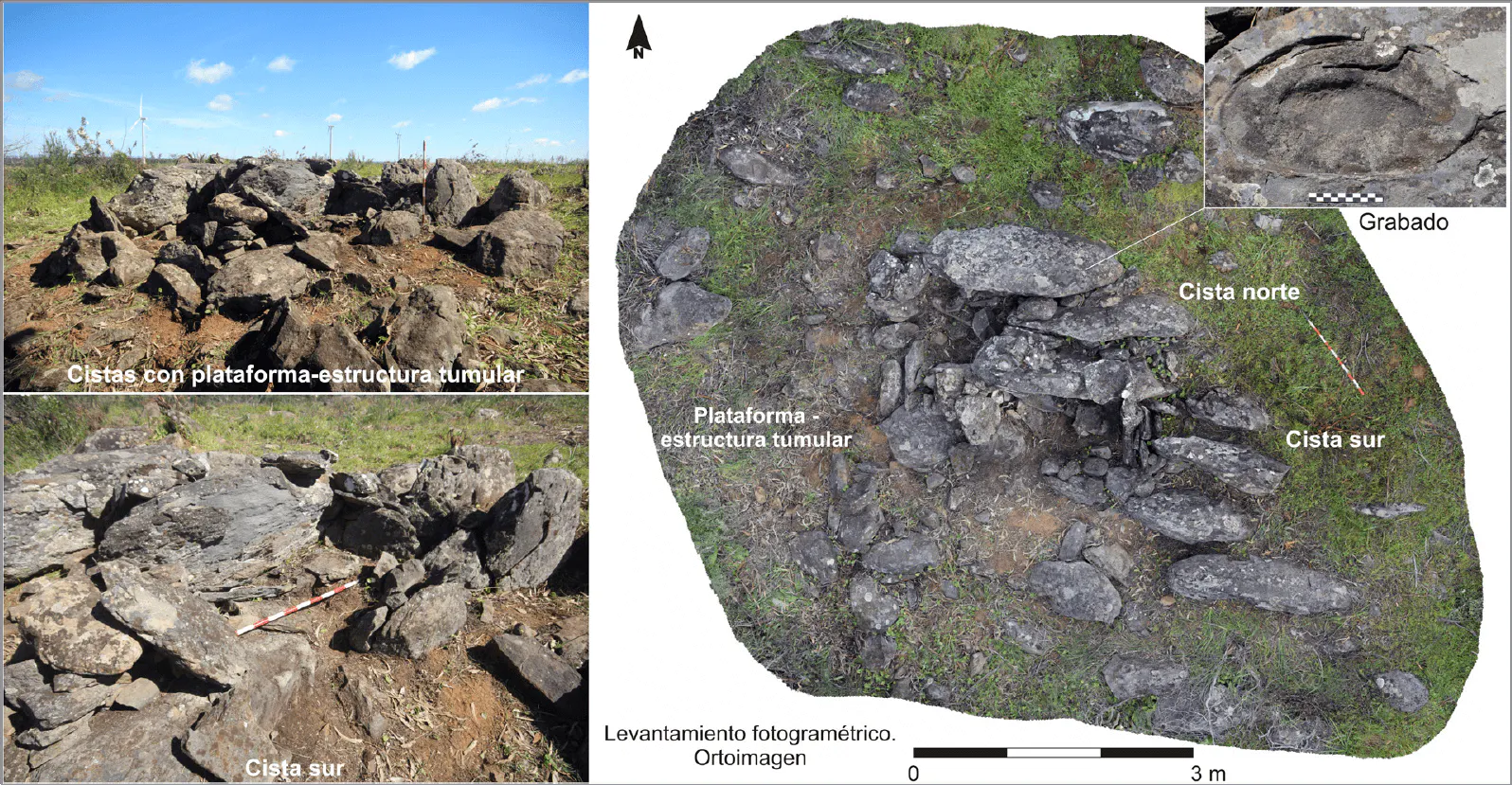
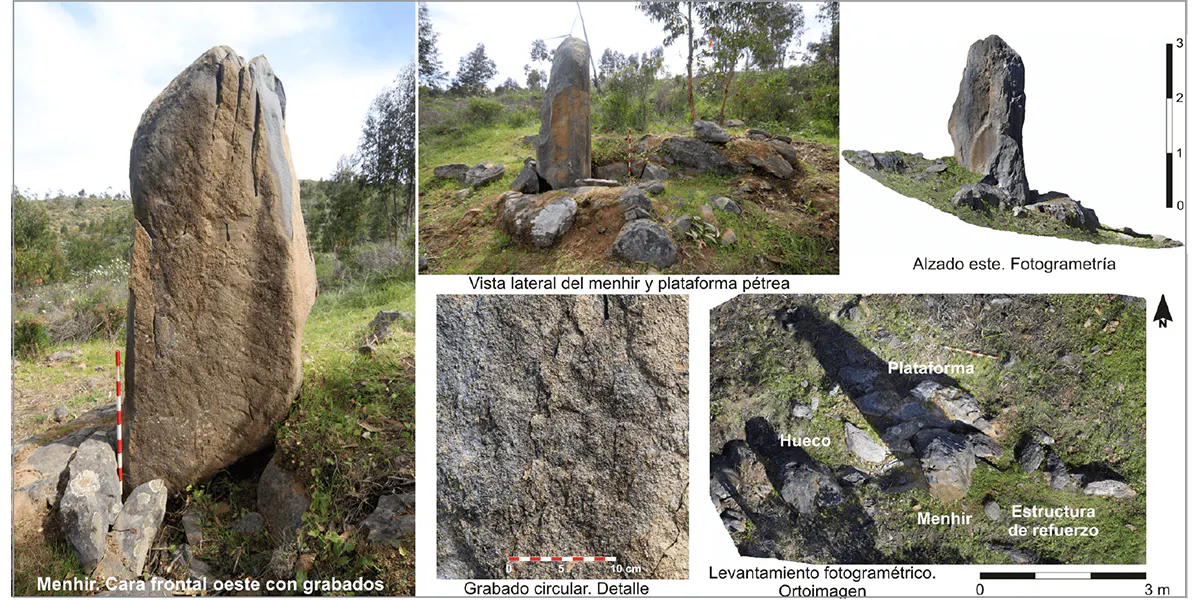
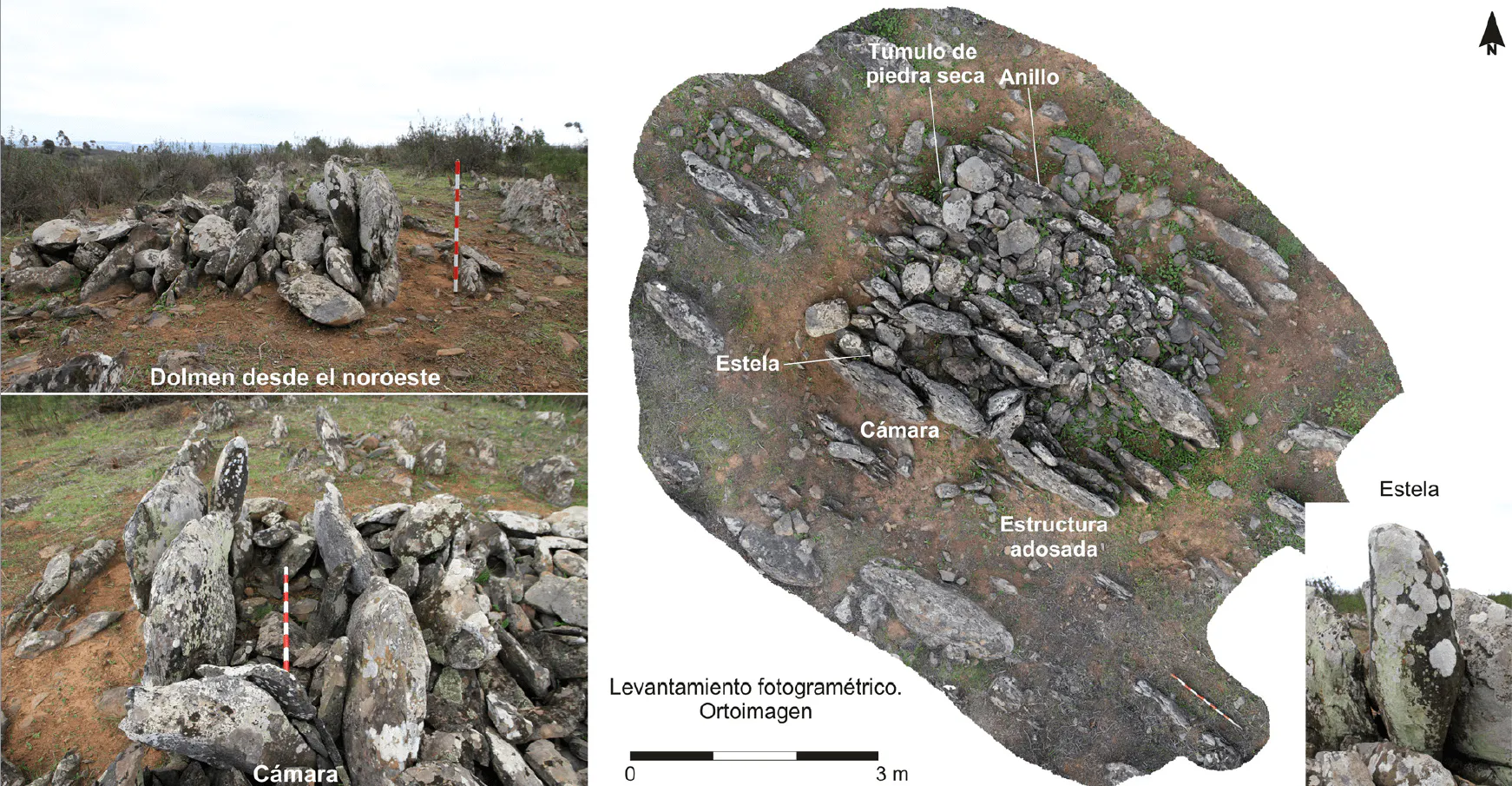
It is not only the size but also the variety of megaliths that has impressed archaeologists. The complex is believed to be "the greatest number of menhirs in one place on the entire peninsula". There are also dolmens and stone chests used as burial places, as well as enclosures and cisterns. The exploration of the La Torre-La Janera site will continue until 2026.
Related: The 10 Most Famous Works of Art and Where to Find Them
The megalithic culture was a phenomenon that was widespread in large parts of Europe in the Neolithic (New Stone Age) and was found among a wide variety of peoples. Starting from Brittany, the megalithic culture spread, peaking around 3000 BC. BC, mainly by sea, reaching the British Isles, the western part of the Spanish Peninsula and North Africa as well as southern Scandinavia, the Levant and even the eastern shore of the Black Sea.