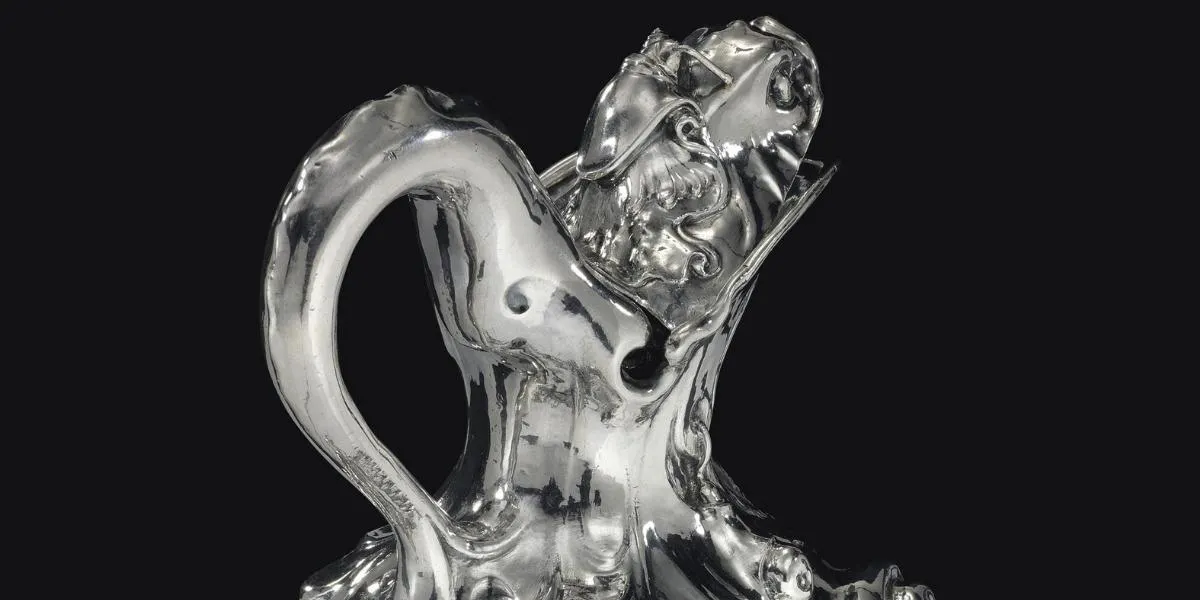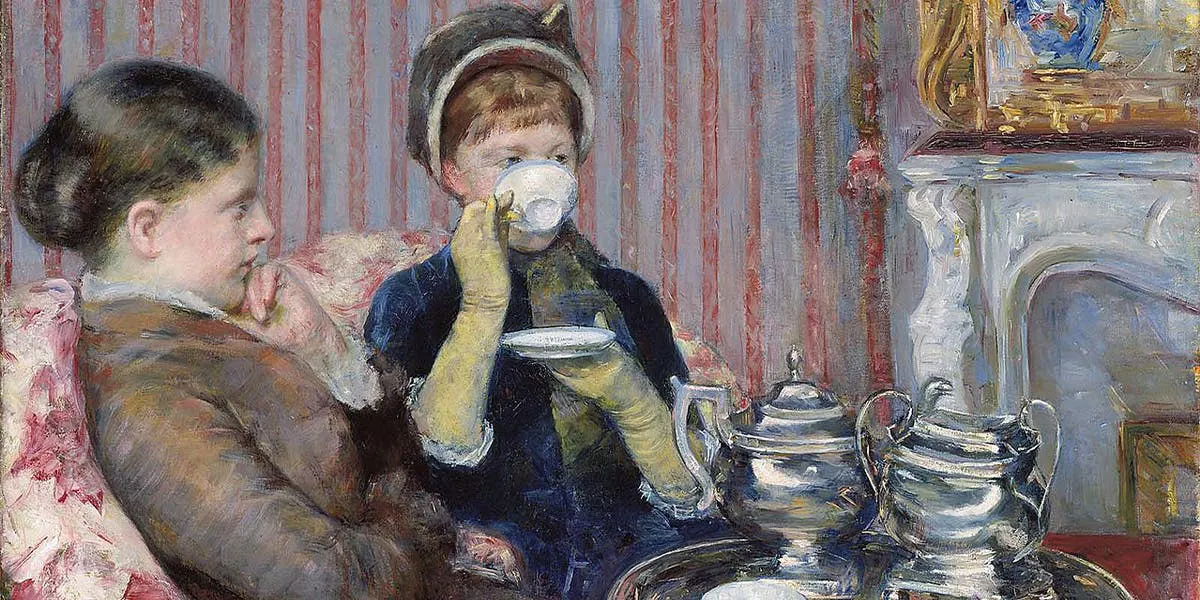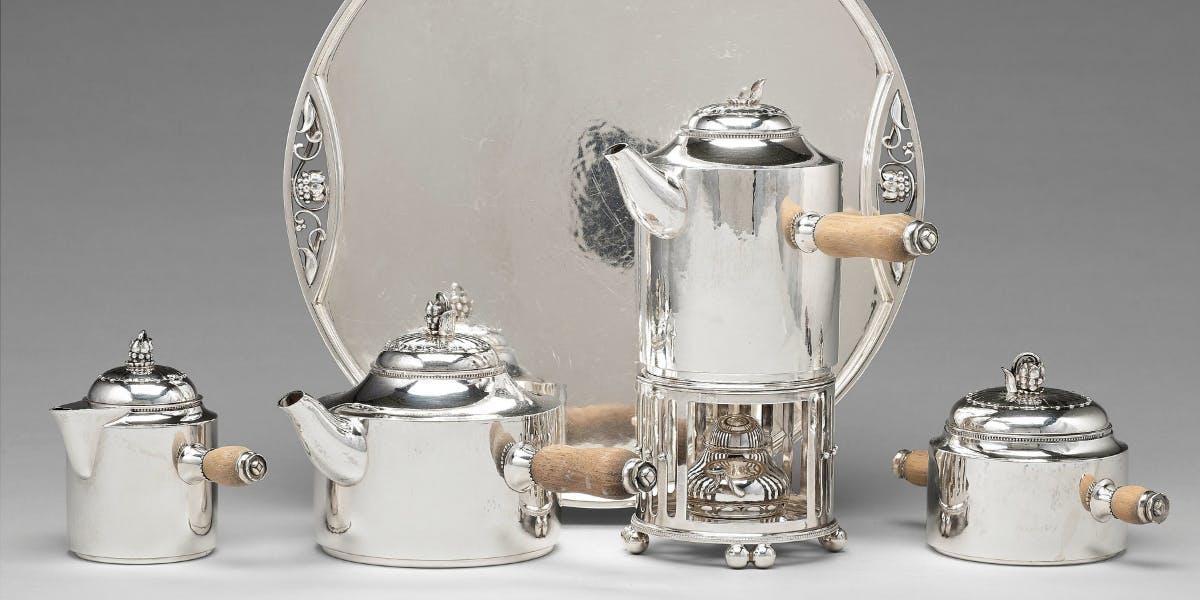
Take a visit to Hellerup Cemetery in the northwestern part of Denmark and one can note a particular engraving on one of the tombstones. On the teardrop-shaped stone that marks Georg Jensen's burial site, the engraving reads ‘silversmith’ and ‘sculptor’. For posterity, Jensen's artistic abilities were what made him a creative guiding star.
However, it wasn’t obvious to the young Jensen that his future lay in the creative field, even though this is how we remember him today. He had as great an interest in the business world as in the creation, which made his first active year with a small, manageable business well-suited to him. Jensen spent a lot of time in his small shop in Copenhagen with his employees, where he could combine his creativity with his business sense. But as the demand for his design increased, less and less of Jensen's time was spent running the business.
People who possess both creativity and entrepreneurial spirit undeniably seem to be a recipe for success – today Georg Jensen is an internationally-recognized brand known for its fantastic craftsmanship. Thanks to his humble dream, Georg Jensen is appreciated not only for his functionality but also for his artistic design.
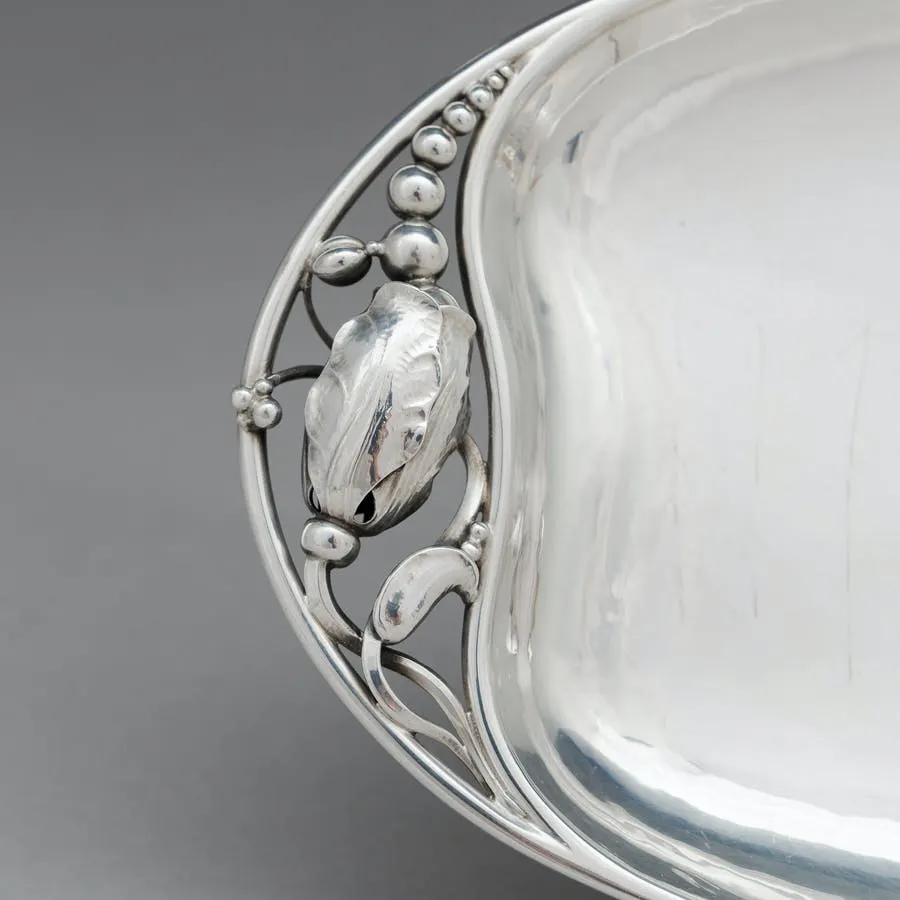
The 19th century was a revolutionary century for Danish craftsmanship. The first half was a national golden age for Danish furniture, and during the rest of the century, attention was also paid to Danish handicrafts, with silver and ceramics in the forefront. Georg Jensen was born in Denmark in 1866 and the prevailing artistic spirit suited him perfectly. The years 1895-1915 were especially important for both the burgeoning Danish craft and Jensen himself. The Danish style Skønvirke was introduced, where the German Art Nouveau style, the French Art Nouveau and the British Arts and Crafts movement were mixed with Nordic national romanticism.
Related: A Brief History of Furniture Design
Although traditional furniture was challenged by modern technologies and by new materials when new means of mass production entered the scene, Danish craftsmanship wasn’t significantly affected. Jensen, and many with him, focused on the craft and were relatively uninterested in the promise of new mass production. Jensen was artistically inclined and had sculpted in ceramics since childhood. As a youth, he studied at the Royal Danish Academy of Fine Arts for Architecture, Design and Conservation.
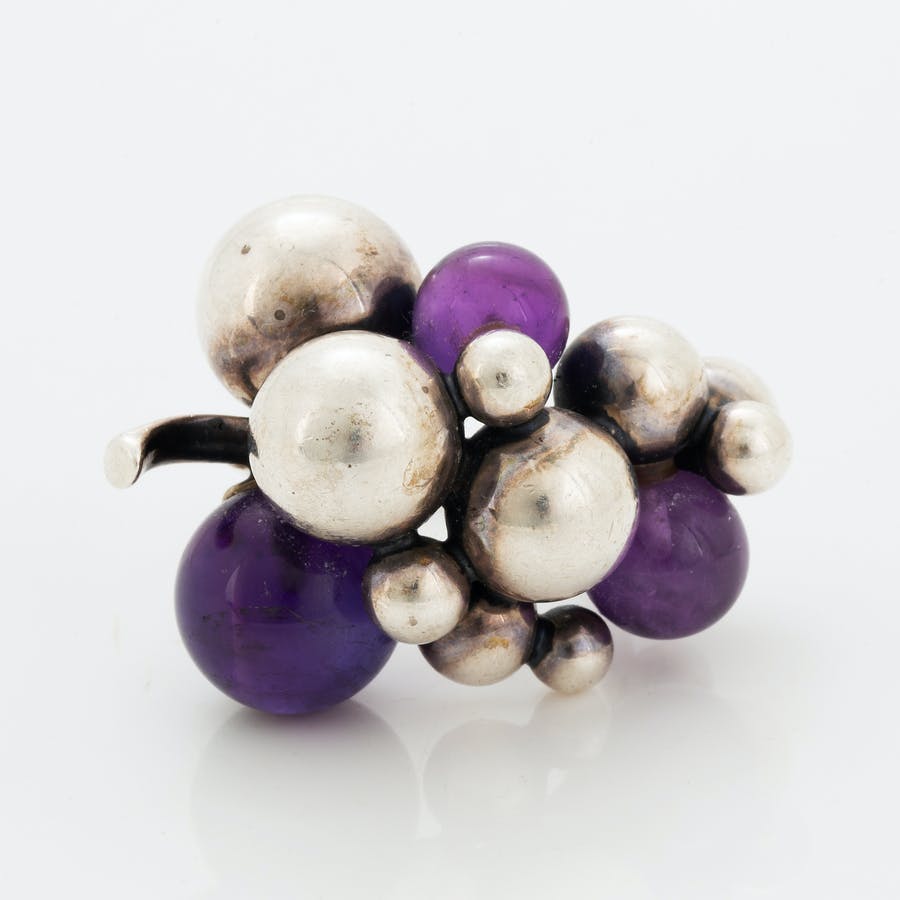
After graduating, Jensen first worked as a sculptor and later as a ceramicist. His work was appreciated, but rarely generated actual sales. He spent a few years with Mogens Ballin, another Danish artisan. Ballin worked on designing decorative works in precious metal, inspired by the prevailing Art Nouveau style. After a trip to Paris, Jensen was inspired by the new decorative art objects and the contemporary jewelry he encountered. In 1904, he opened a goldsmith's workshop under his own auspices in Copenhagen.
Related: Arne Jacobsen: The Father of Danish Functionalism
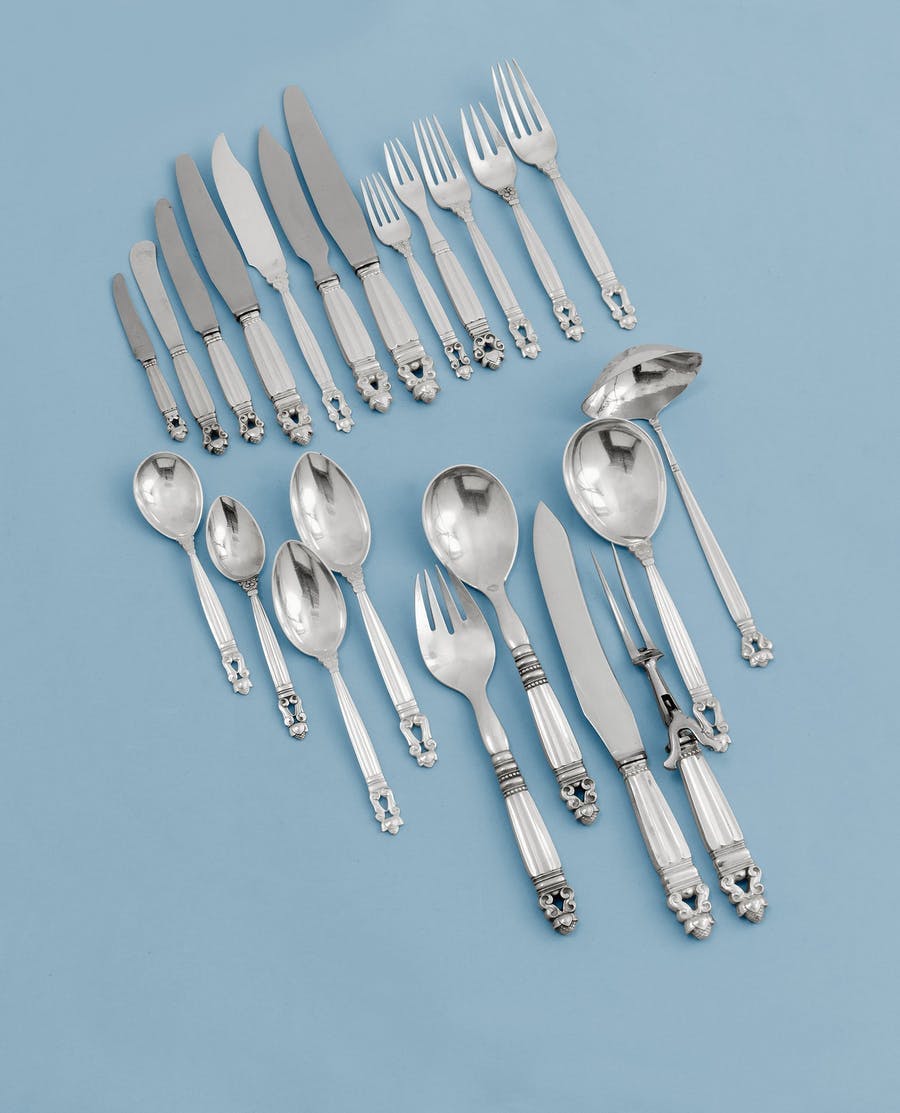
Together with his employees, Jensen filled his shop window with new goods every morning. As the goods were sold, the windows were filled with new pieces. The years Jensen worked for Ballin had given Jensen a reputation as a skilled goldsmith and business went well. Jensen was very productive and had ideas for new pieces almost every day. He often designed pieces around themes of animals, fruit and flowers. His design was both modern and traditional – the classic Danish design language accompanied by international influences.
Related: The 9 Most Popular Jewelry Brands
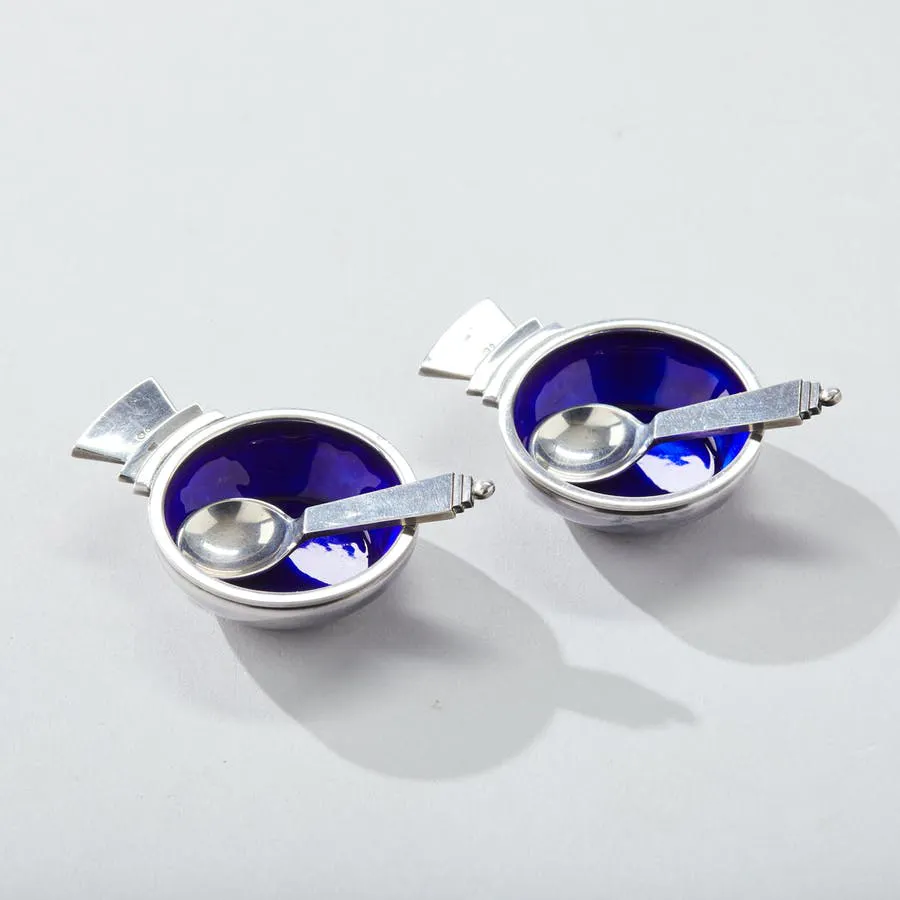
During his first years as self-employed, Jensen primarily made jewellery. These pieces were easy to produce and sold well. Over time, the previously skeptical Jensen introduced elements of mass production into his business, but only as long as the new means of production didn’t require him to compromise his design or his craft. The new methods of production allowed Jensen to introduce utensils into his business, such as kitchen utensils and food silverware.
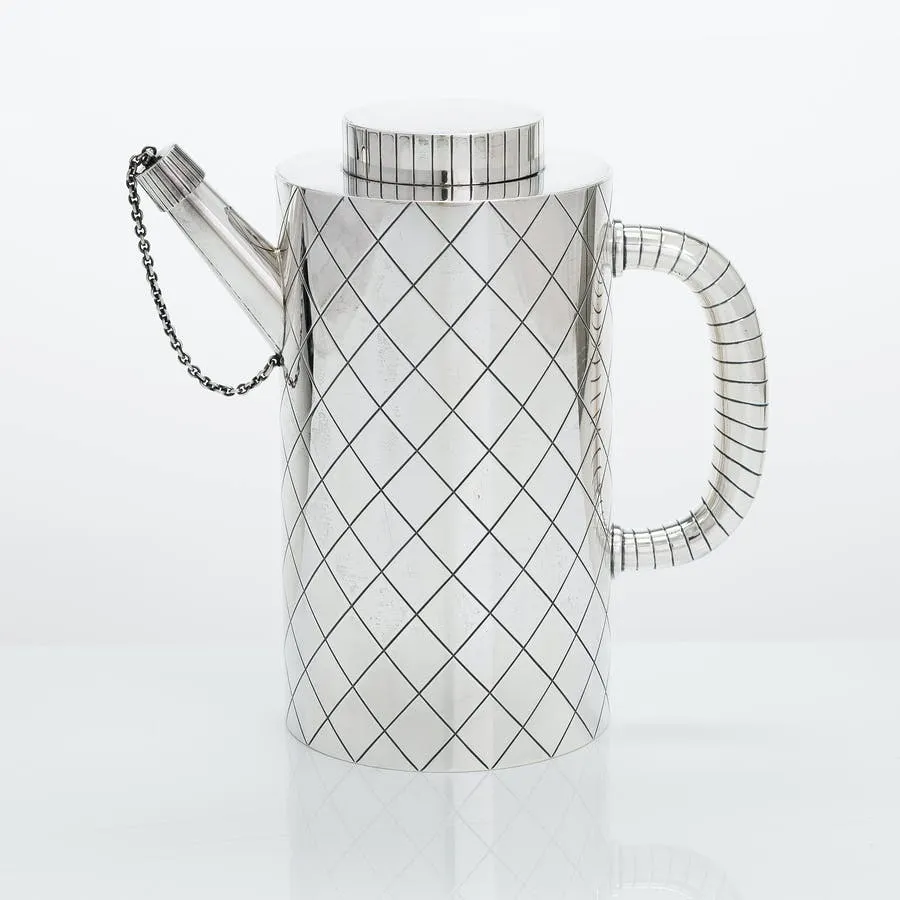
In 1910, Jensen had the chance to create a complete collection of kitchen and serving tools, when the then Paladshotellet in Copenhagen asked Jensen to design all of their silver work.
Over the next two decades, word of Georg Jensen's reputation spread around the world, and in 1910 he won a gold medal for his work at that year's world exhibition in Brussels. Five years later, the newspaper magnate William Randolph Hearst bought almost all of Jensen’s pieces and brought them to the United States for the World's Fair in San Francisco in 1915. In 1924, Georg Jensen opened a store in New York, where the flagship store can still be visited.
Related: 10 Reasons to Buy Vintage
The works that are perhaps Jensen's most popular are the brand’s food silverware. Jensen himself designed thirteen different sets of cutlery, some of which are only denoted by a number. The eight collections that got actual names are Continental, Beaded, Blossom, Rope, Lily of the Valley, Akkeleje, Viking and Fuchsia. Of these, only Continental, Beaded and Blossom are still produced today. The other collections can only be found on the secondary market and auction.
Want more design articles, straight to your inbox? Sign up to our newsletter here
After Jensen's death in 1935, the company has had a number of talented designers as artistic leaders who continue the tradition Jensen began in 1904. Jensen's first successor was Harald Nielsen, who introduced a stricter design language than Jensen initially had. One of the perhaps most influential artistic leaders after Jensen was his good friend Johan Rohde, who, among other things, designed the iconic Acorn pattern. Another significant leader was Nanna Ditzel, who also designed furniture and textiles with great success. Both Rohde and Ditzel left their personal mark on the brand while maintaining the legacy of its founder.
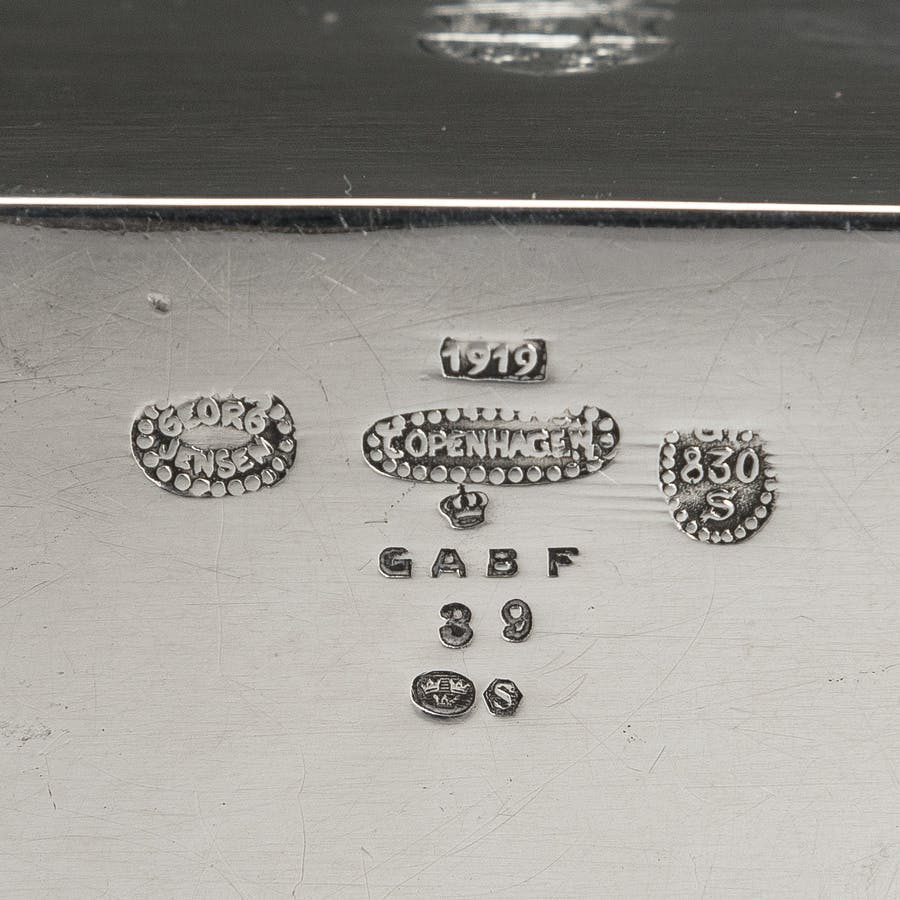
Some of the most valuable and sought-after Georg Jensen objects are those created by Jensen himself, which have a stamp with Jensen's initials engraved in silver. His earliest works have the marking of his initials overlapping, which was later replaced by a new stamp where his initials were placed side by side within an embossed circle.
Today, Georg Jensen objects are sold for large sums at auction. Smaller cutlery sets from the post-war period can go for a few hundred pounds, while a full collection of Acorn can go for significantly higher sums. For example, at the auction house Freeman’s, a full set of Acorn kitchen silverware, with serving and food utensils, was hammered in 2010 for $18,750 (£11,569). Tea sets and trays with manufacturing years earlier than 1915 can go for anywhere from a few hundred to several thousand pounds. These rare and unique pieces, which rarely appear at auction, seem to embody the humble dreamer whose work has enchanted an entire world.