For the lover of opera or ballet, an often overlooked theme for the burgeoning art collector is original costumes, stage- and set designs on paper. Prices can be high for the rarer items, but there's also room in the market for the more affordable, especially in the field of vintage lithographic posters. Both areas, irrespective of value, make for a fascinating and intriguing collection.
Related: Why You Should Collect Prints
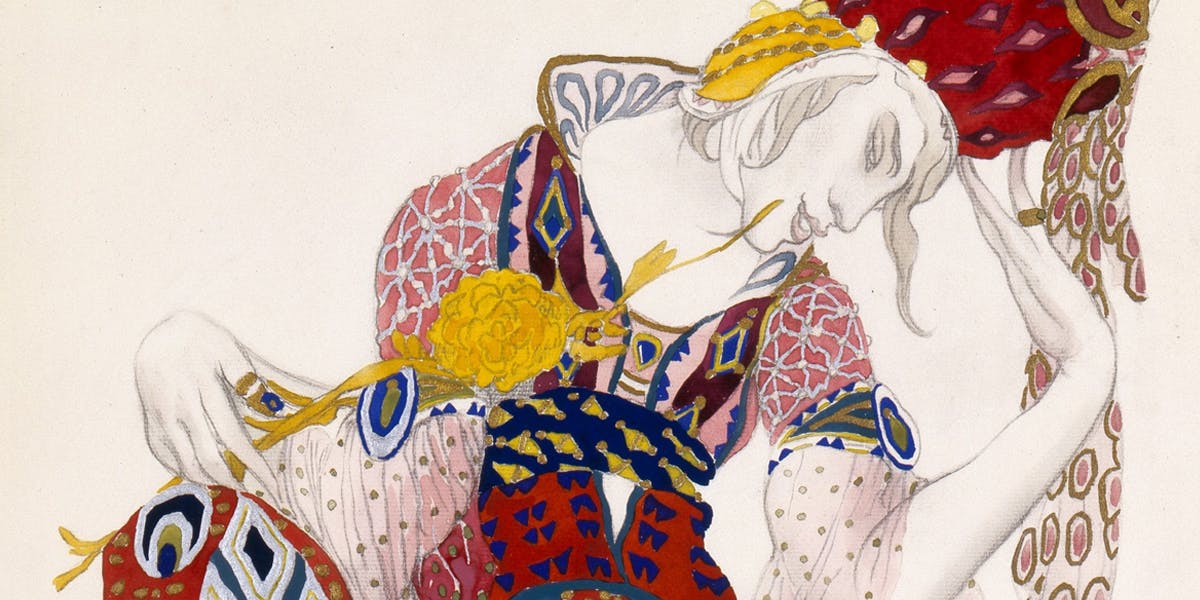
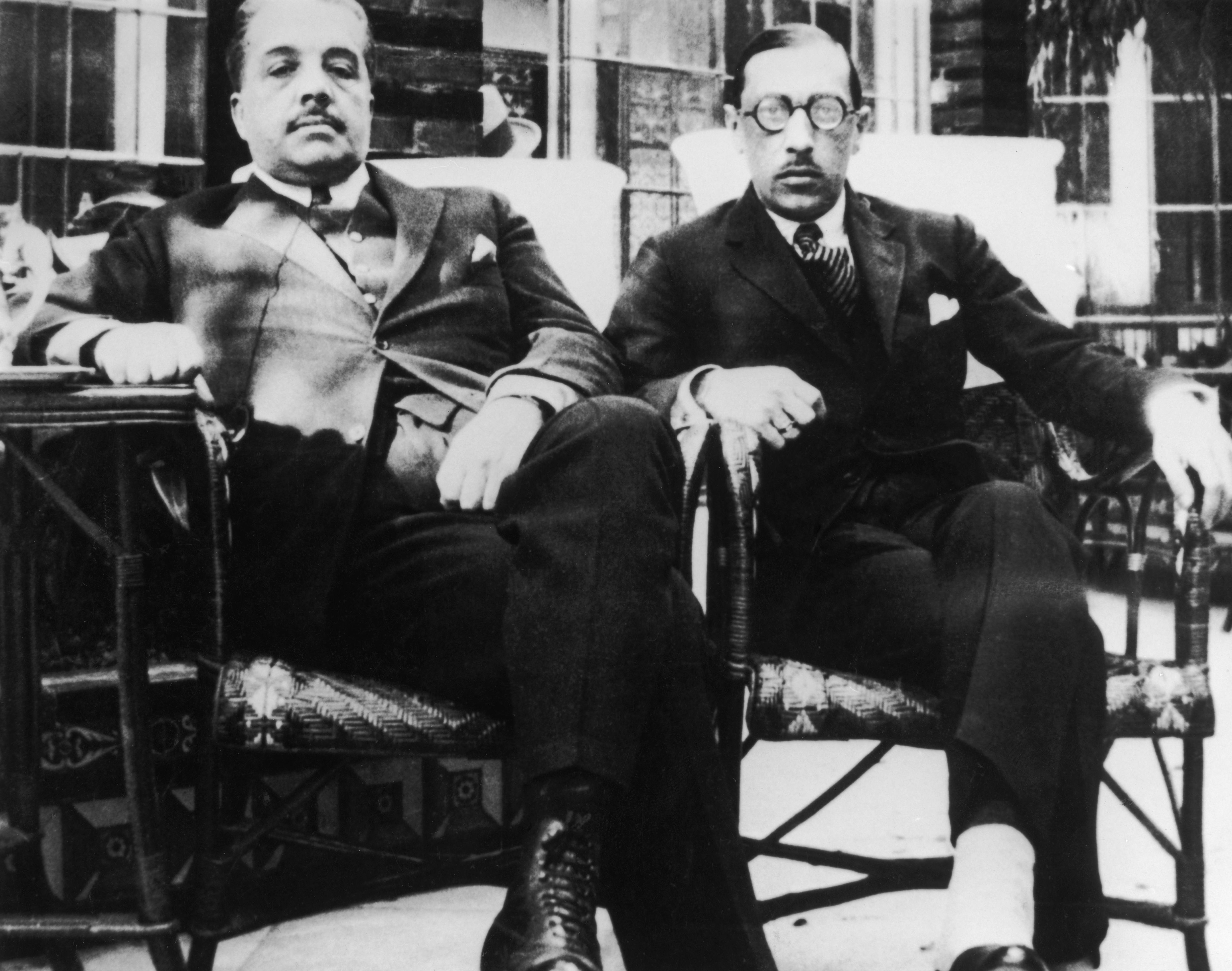
The Ballets Russes continues to inspire serious art collectors and ballet enthusiasts. Founded in 1909 by impresario Sergei Diaghilev and active until the late 1920s, the Ballets Russes is undoubtedly the most influential ballet company of the 20th century. Diaghilev encouraged collaboration: between composers, choreographers, designers and dancers. These included Igor Stravinsky, Claude Debussy, Sergei Prokofiev, Pablo Picasso, Wassily Kandinsky, Henri Matisse and Coco Chanel. A novel idea at the time.
Related: Paul Jacoulet: French Master of Japanese Prints
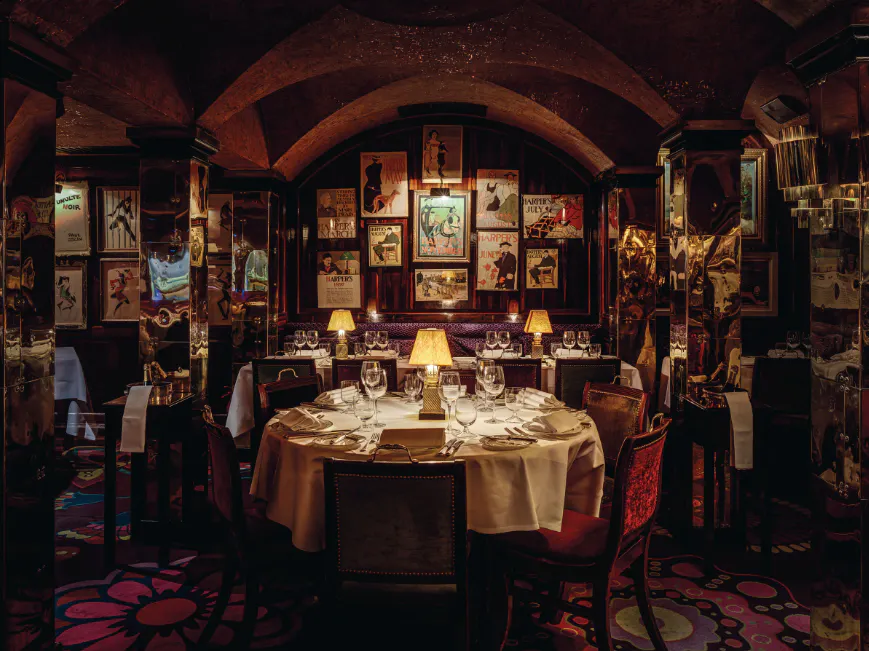
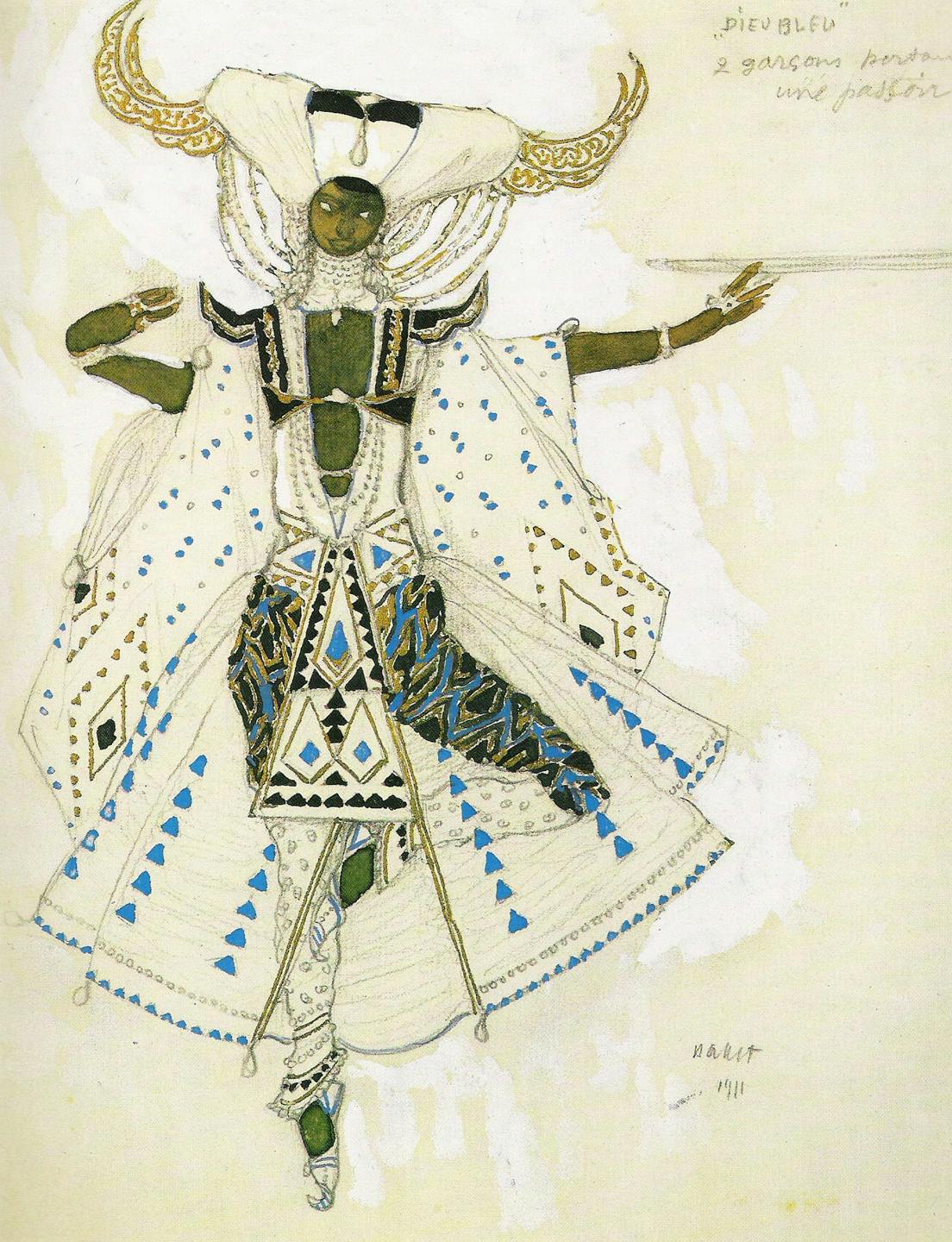
The late Mark Birley, founder of the original Annabel's nightclub in London, and a man of discriminating taste, built up a small but exquisite collection of Ballets Russes costume and set designs, displayed on the glazed terracotta walls of the legendary Buddha Room in the basement at 44 Berkeley Square, directly beneath The Clermont Club. This collection included work by Natalia Goncharova, Alexandre Benois, Léon Bakst, Pavel Tchelitchew, Boris Zvroykin and Sergei Sudeikin. Mark Birley's father, the Society portraitist, Sir Oswald Birley, found inspiration in the colorful exoticism of the Ballets Russes, remarking on the 'barbaric energy' of the dancing when the company first performed in London in 1910. In 1935, he painted Vaslav Nijinsky's daughter – the sensational ballerina, Kyra Nijinska. It's a fabulous portrait, and was one of the star attractions of a 2017 exhibition dedicated to the life and works of Sir Oswald Birley, held at the Philip Mould Gallery in London.
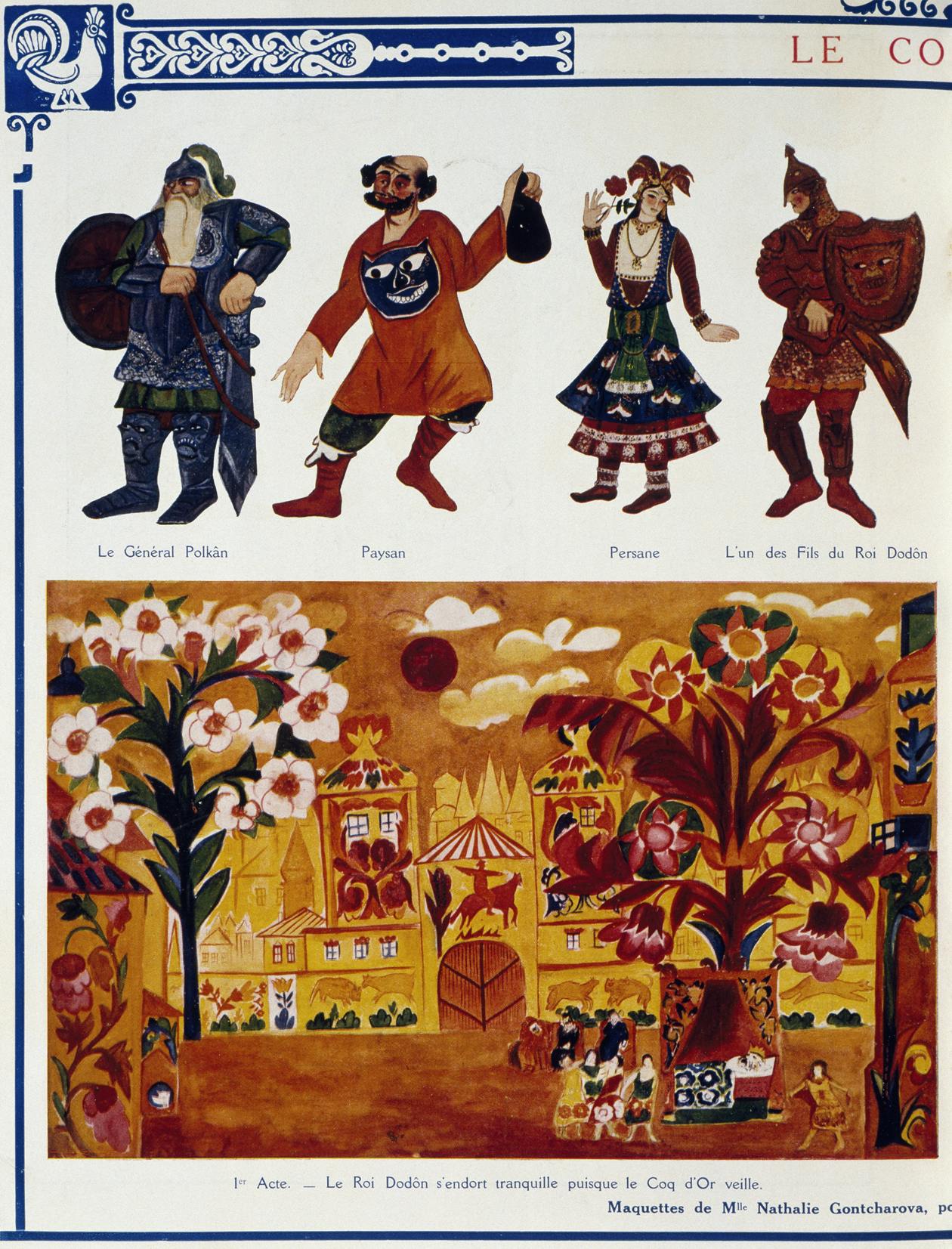
In 2018, Christie's auctioned off the contents of the old Annabel's, triggered by the club's move to new premises a few doors down the square. In a flurry of heavy bidding, the striking Natalia Goncharova sketch, a “revelation of bright color and primitive fantasy” in pencil, gouache, watercolor and gold paint on paper, sold for £330,000. The design shows the Queen of Shamakhan from Diaghilev's unusual fusion of opera and ballet, Le Coq d'Or (based on Alexander Pushkin's 1834-35 poem The Tale of the Golden Cockerel, with a score by Nikolai Rimsky-Korsakov).
Related: Need to Know: Tips for Buying at Auction
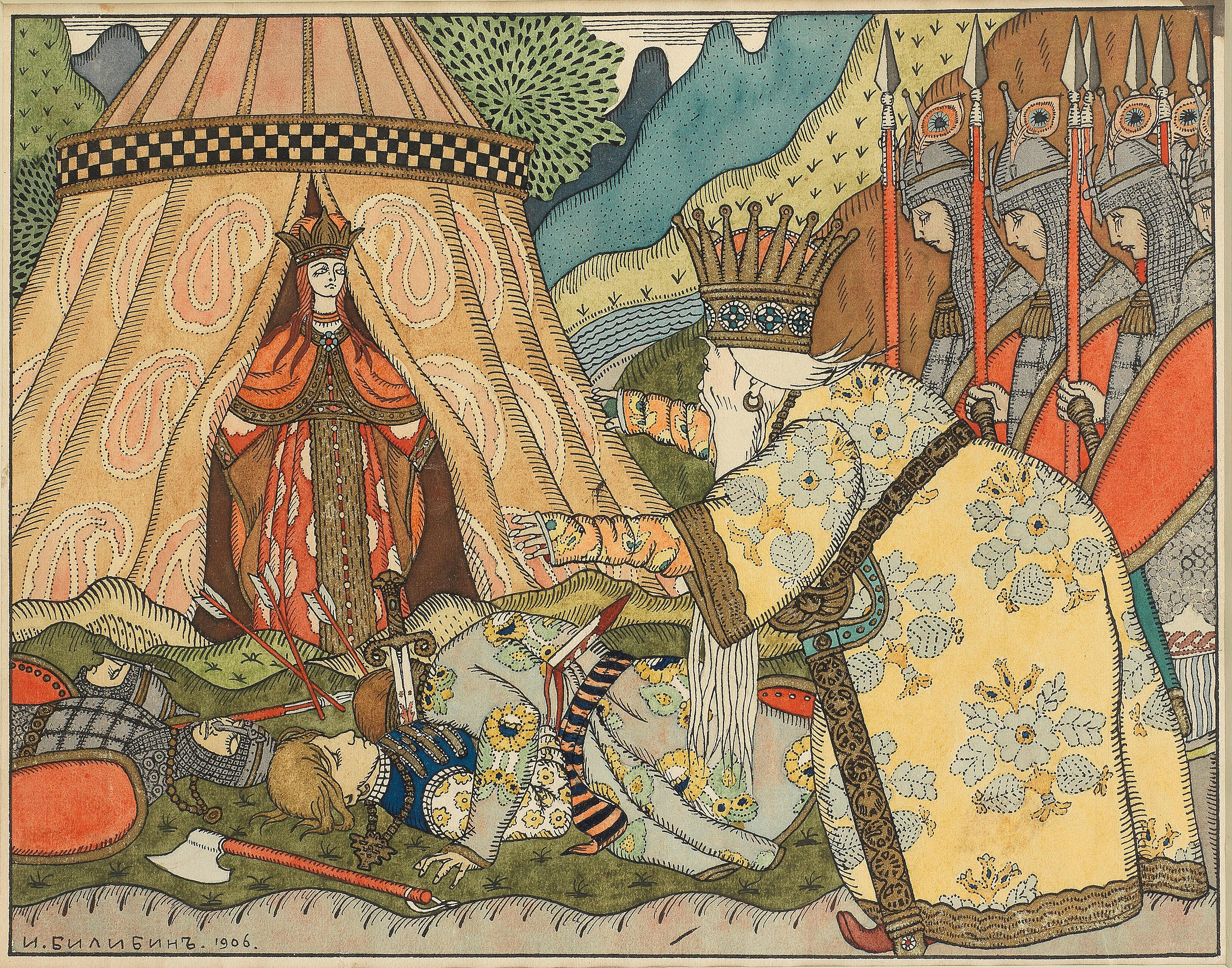
The opera first premiered in Moscow, with set design by Ivan Bilibin. For the subsequent Ballets Russes performance in London and Paris (choreographed by Mikhail Fokine), Goncharova designed both the sets and the costumes. In 1914, the work opened in London and Paris to rapturous reviews. Goncharova's colorful décor established her reputation as a leading painter and stage designer, paving the way for further collaboration between Diaghilev and artists Mikhail Larionov, Picasso and Matisse.
Related: Wildlife Meets Watercolor: Inside Audubon's Birds of America
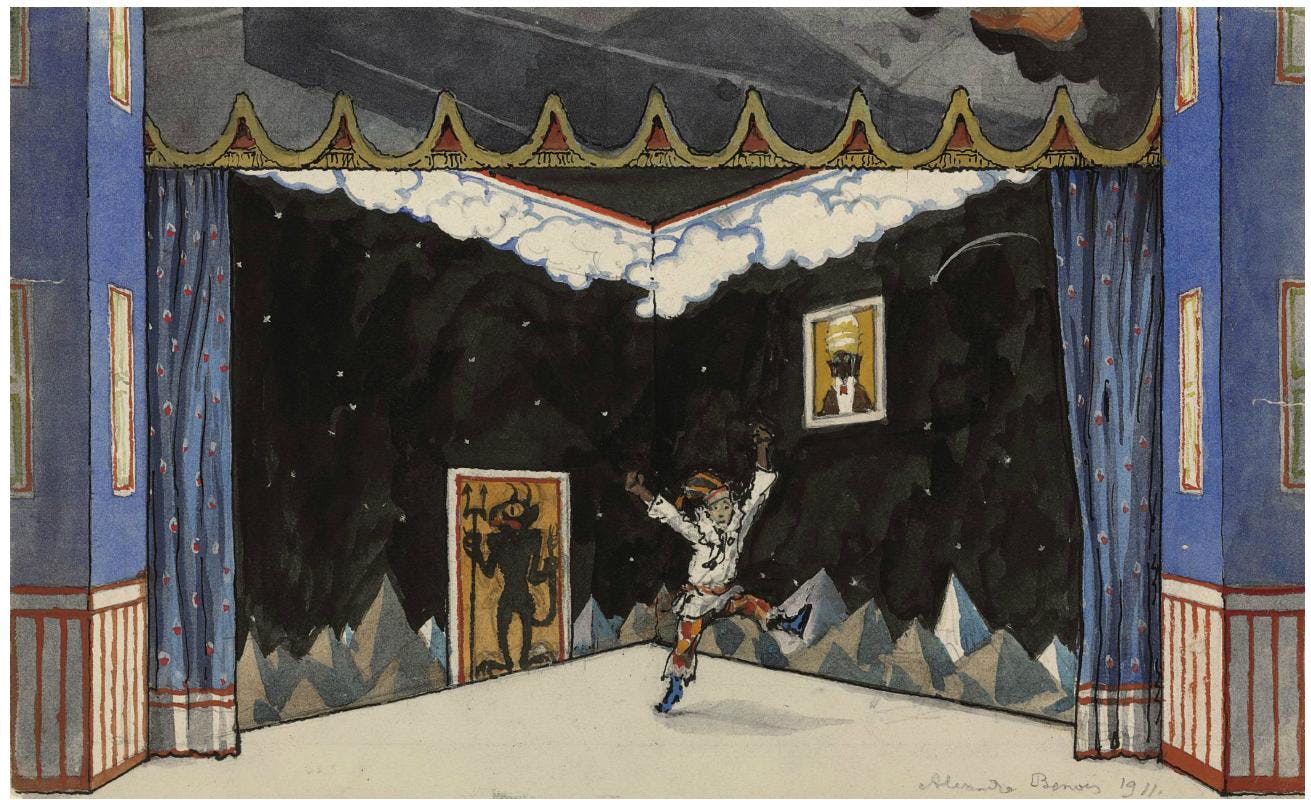
In the same sale, Alexandre Benois' set design for Stravinsky's 'Petrouchka': La Chambre de Petrouchka (in pencil, ink, watercolor and gouache on paper) fetched £11,250 against an estimate of £5,000-7,000. Petrouchka lives inside a puppet theatre, but Benois added a fantastical backdrop, with night sky, stars, moon and iceberg. This work was a later interpretation, signed and dated by Benois in 1936, based on his original designs of 1911. A further costume design by Léon Bakst for the French opera La belle au bois dormant (The Sleeping Beauty), depicting a character dressed in frock coat, late seventeenth-century Cavalier hat and full-bottomed wig, made a flamboyant £12,500. At the same time, Pavel Tchelitchew's designs are especially strong, and his Two designs for Dancing Girls, in pencil, ink, watercolour and gouache, fetched a deserved £25,000 on the day, against an estimate of £10,000-15,000.
Related: 10 Artists Between Genius and Madness
Slightly more affordable is Picasso's poster for the influential Ballets Russes Exhibition, held at the Musée des Arts Décoratifs in the Palais du Louvre in the Spring of 1939. The poster features a distinctively graphic interpretation of the Chinese Conjuror from Erik Satie's avant-garde ballet, Parade. The ballet included set and costume design by Picasso, choreography by Massine and a one-act scenario by Jean Cocteau; the first time either Satie or Picasso had worked on a ballet. Written during the dark days of the First World War and inspired by Parisian music hall, fairground, Hollywood and American silent film, Satie incorporated sirens, the sound of airplane propellers, ticker tape, fog horns and typewriters into his new ballet. Picasso's Cubist costume design also included the use of stiff cardboard. Popular entertainment was considered unsuitable subject material for a serious ballet: in the Spring of 1917, Parade opened at the Théâtre du Châtelet to a scandalous and sensational reception, sparking audience derision and a near-riot, which became the talk of Paris. Forty years later, David Hockney designed a poster for the same ballet.
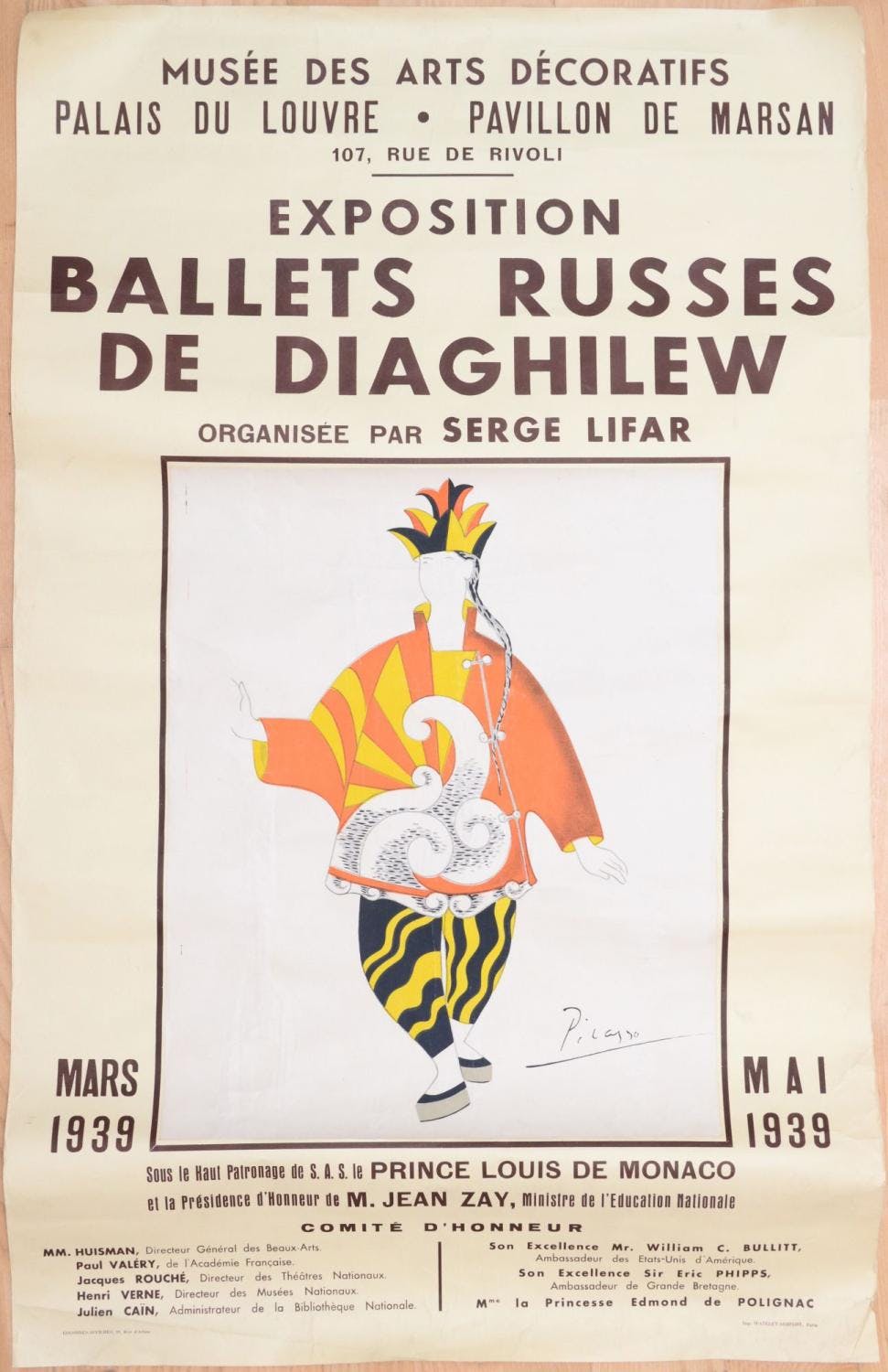
The 1939 retrospective was the first significant celebration of Diaghilev's work. Various posters promoting the exhibition appear to exist. One version (listing the patronage of Prince Louis de Monaco) has Picasso's clown glued directly onto the printed text. Expect an auction estimate in the region of £3,000-5,000, with dealer's prices ranging from upwards of £3,000 to over £6,000. The actual program from the ballet, featuring the same clown pochoir by Picasso, is also valuable, with rare book dealers offering examples for sale at prices exceeding £1,000.
Want to know what your artwork is worth? Value an item with Value My Stuff
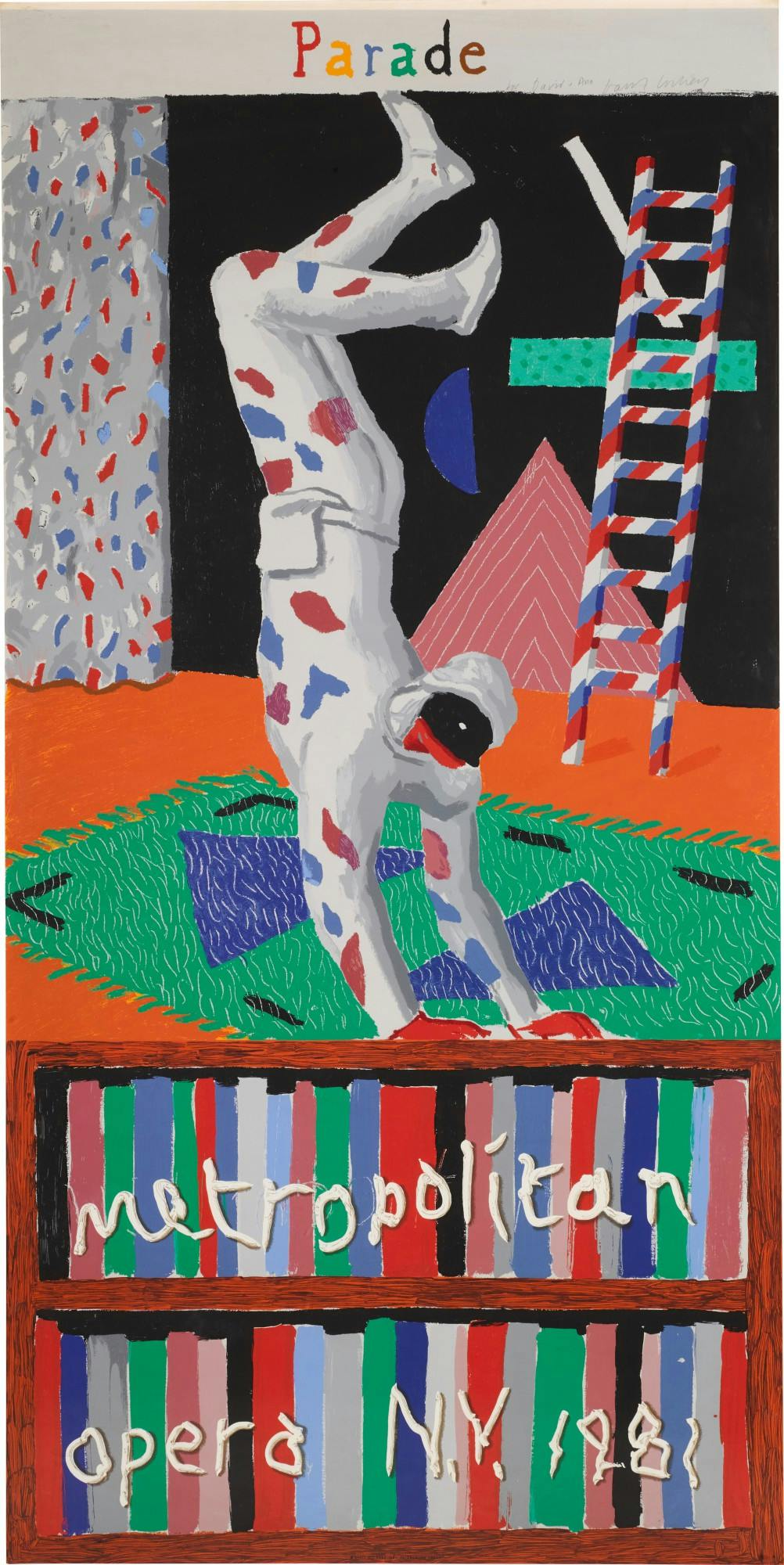
Hockney is a distinguished designer for the stage, and his posters are both affordable and eminently collectable in their own right. Following in the footsteps of Picasso, Hockney designed a series of posters for the revival of Satie's ballet, Parade at the Metropolitan Opera, New York in 1981. The colorful offset lithographic poster comes in two versions, both published by the Petersburg Press. Hockney's cheerful design features a Harlequin set against abstract, colorful shapes. Size matters: the longer, extended version is the more valuable of the two: expect an auction estimate into the early thousands. In contrast, Lyon & Turnbull sold the smaller poster for £600 in August 2021.
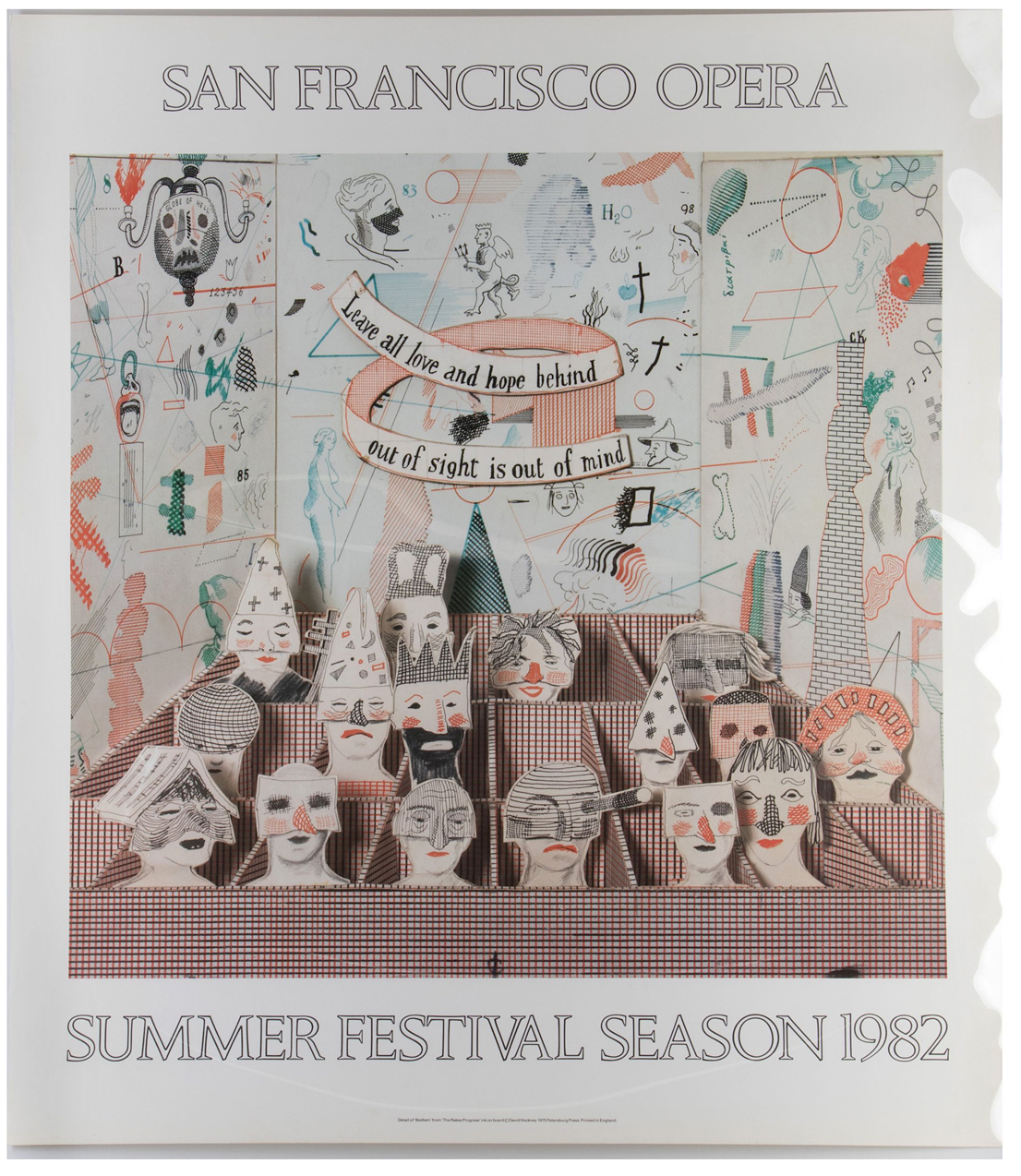
Hockney's set and costume designs for Glyndebourne Opera's The Rake's Progress (1975) and The Magic Flute (Die Zauberflöte) (1977) are superb. For The Rake's Progress, Hockney took the Rabelaisian etchings of the 18th-century artist and satirical caricaturist William Hogarth as a starting point. For The Magic Flute, Hockney produced 35 backdrops, traveling to the ancient sites of Egypt before starting work on the project, inspired by the distinctive, bright, clear light. The Rake's Progress also appears in a poster Hockney designed for the San Francisco Opera revival of 1982. An example fetched £460 at David Duggleby auctions in 2019.
Want more articles on collecting straight to your inbox? Sign up to our free newsletter
Posters aside, Hockney's original costume designs are rare and valuable. His 1977 costume sketch for Papageno – the bird-like star of Mozart's The Magic Flute – fetched £28,000 when it appeared on the auction block at Bonhams, London in March 2021. And a pair of Hockney costume designs, again for The Rake's Progress, secured £16,000. Hockney presented them to Glyndebourne's Head of Wardrobe, the price reflecting the considerable advantage of an indisputable provenance.
In December 2012, Robert Marchant's Peter Langan's feast for David Hockney at Glyndebourne to celebrate the first night of The Rakes' Progress fetched a deserved £40,850 at Christie's, against a modest estimate of £5,000-8000. The panoramic oil on canvas commemorated restaurateur Peter Langan's magnificent picnic held on the lawns of Glyndebourne for Hockney's opening night in 1975, set against a bucolic backdrop of grazing cattle. This painting, perhaps, was the best-known – or certainly, the most memorable work – to hang in the fashionable London restaurant, Langan's Brasserie.
Related: Works of Art on Paper: A Golden Moment
On a completely different tack, but still in step, ballet fans will have fond memories of Powell & Pressburger's beloved ballet film The Red Shoes (1948), starring Moira Shearer and Anton Walbrook, with Walbrook's performance, inspired, in part, by Diaghilev. Film posters for The Red Shoes, in quad format, come up for sale from time to time in various editions. An especially striking example depicts Shearer against a pinkish-red background. As with other film posters, prices vary depending on the country of issue, condition and strength of image. A 1960s British quad, this time featuring the dancing figure of Moira Shearer, plus a yellow background with red typography, can be found for sale on 1stDibs, priced at $2,000.
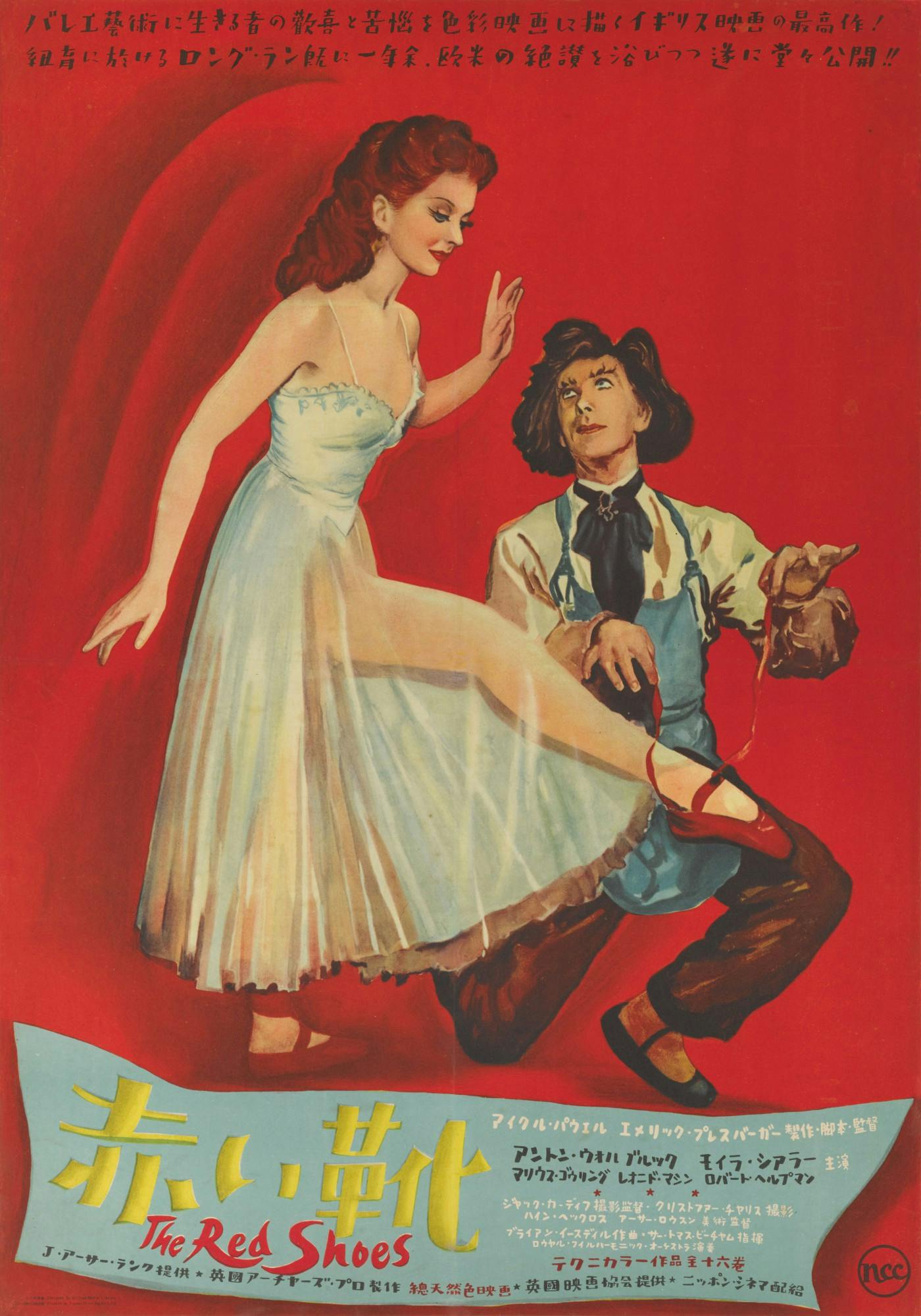
Rarer still are the actual Red Shoes themselves. Moira Shearer's red satin ballet shoes, used in the film, sized a tiny 3 1/2, and signed by Shearer for film make-up artist Tom Smith, came up for sale at Christie's in 2000 – with a sensible 'come and get it' estimate of £6,000-8,000. The shoes made £14,100. As ever, rarity and a water-tight provenance won the day.
Explore more articles on collecting with Barnebys Magazine
Article by Luke Honey
Luke Honey is a former auction specialist (Phillips, Bloomsbury Auctions and Bonhams), turned writer, columnist and antiques dealer. He lives in London with his wife and book-munching whippet.