
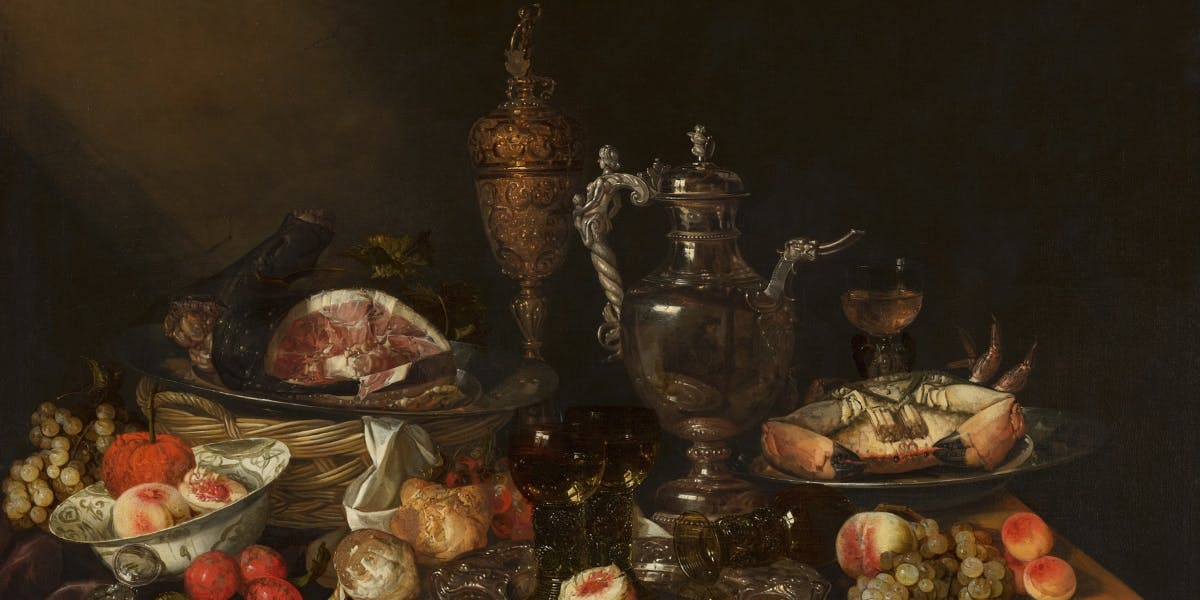
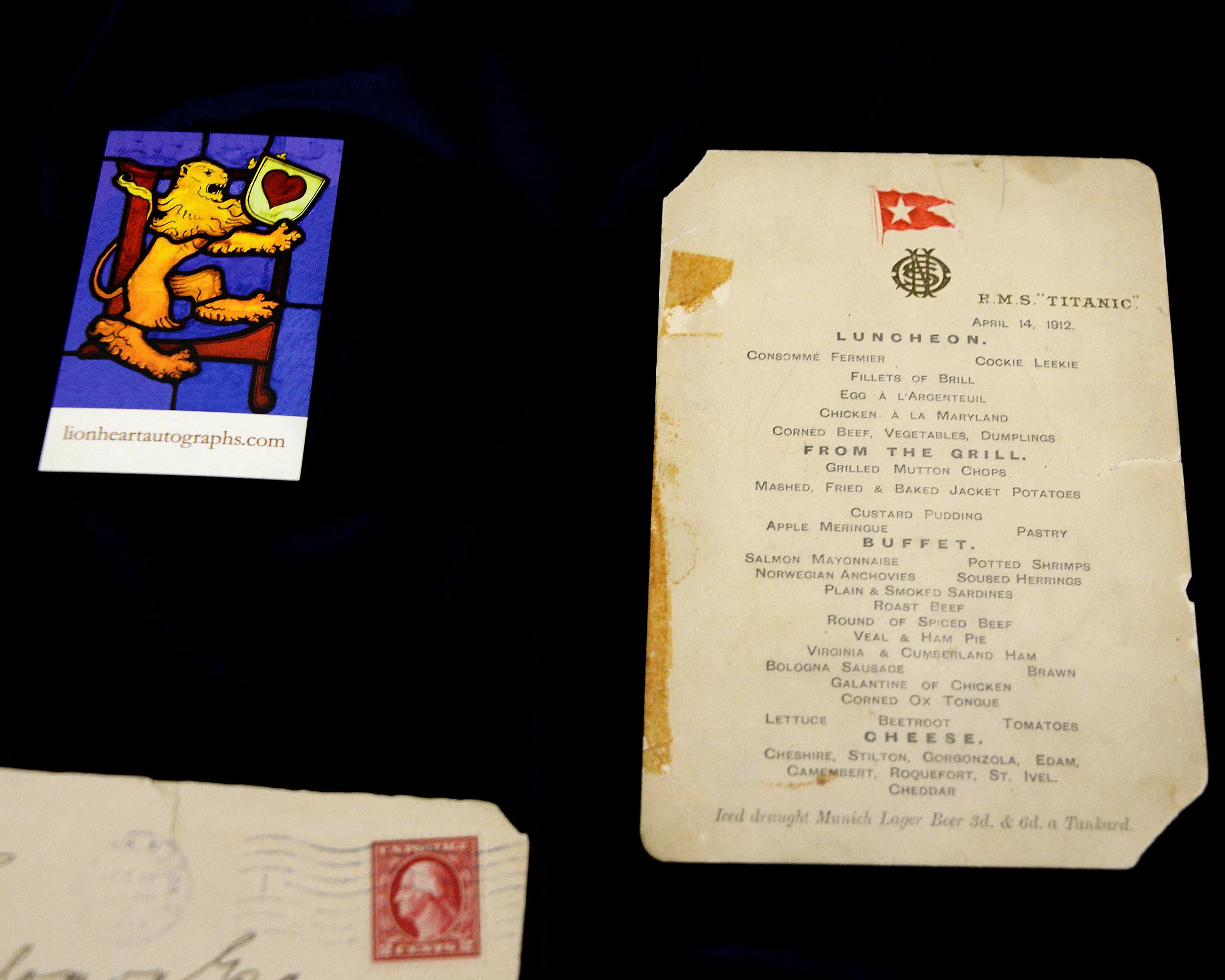
In October 2012, a menu from the first-class restaurant of the R.M.S Titanic sold, at auction, for £60,000. The Luncheon menu – which included Consommé Paysanne, Welsh Rarebit, Melton Mowbray pie and Grilled Mutton chops – belonged to Elise Lurette, one of seven hundred people who survived the sinking.
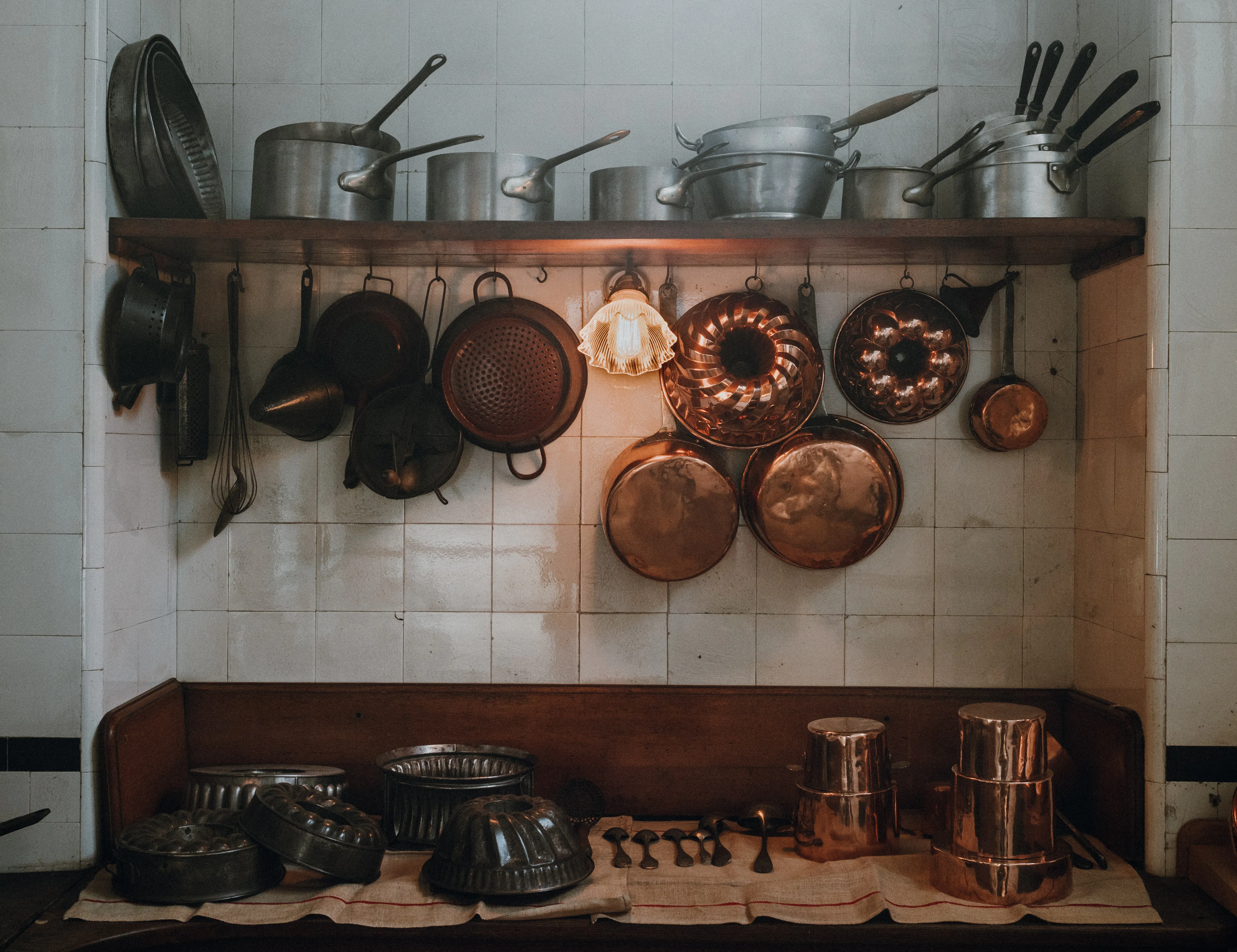
Of course, the final hammer price reflected the menu's rarity and considerable appeal to Titanic collectors and ocean liner obsessives. But 'culinary' antiques – artifacts from kitchens and restaurants of the past – are an often overlooked collectors' field, and for foodies and gourmets with a historical bent, there are rich pickings to be had.
The restaurant, as we know it today, emerged in the late 18th century. La Grand Taverne des Londres, which opened in Paris in 1786, is generally considered the first 'proper' restaurant. And by the early 19th century, there were over 4,000 restaurants in Paris alone. At that time, the standard way of serving a formal dinner was known as 'Service à la Francais'. Numerous dishes were arranged on the table simultaneously in an elaborate and spectacular placement dictated by flavor, geometry and color. The diners then helped themselves, but, by the time the guests received the food, it was often cold. By the mid-19th century, 'Service à la Russe' became fashionable and more similar to how food is served today. Servants handed out dishes course by course, which meant that guests received their food hot.
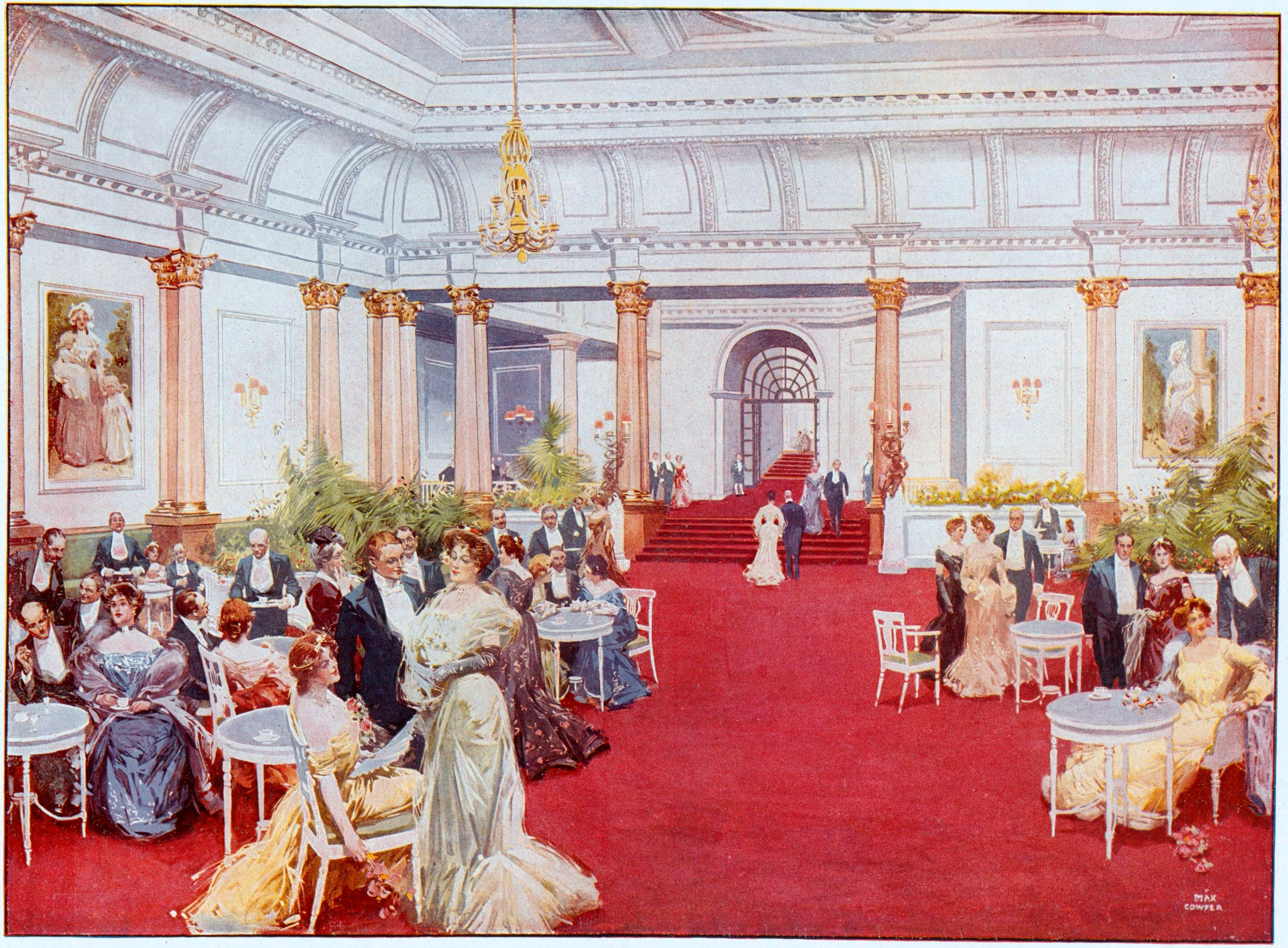
In 1889, theatrical impresario Richard D'Oyly Carte opened London's Savoy Hotel and engaged Caesar Ritz as manager. Ritz then invited Georges Auguste Escoffier to take over the kitchens. Escoffier developed the brigade system, revolutionizing the restaurant kitchen, and streamlining chefs' duties, bringing order and discipline to the kitchen along military lines. The Savoy was an immediate success, attracting an aristocratic and monied clientele, and, for the first time, it became fashionable for Society women to be seen dining in public in evening dress.
Related: Accommodation Meets Art: 7 of the Most Creative Hotels in the World
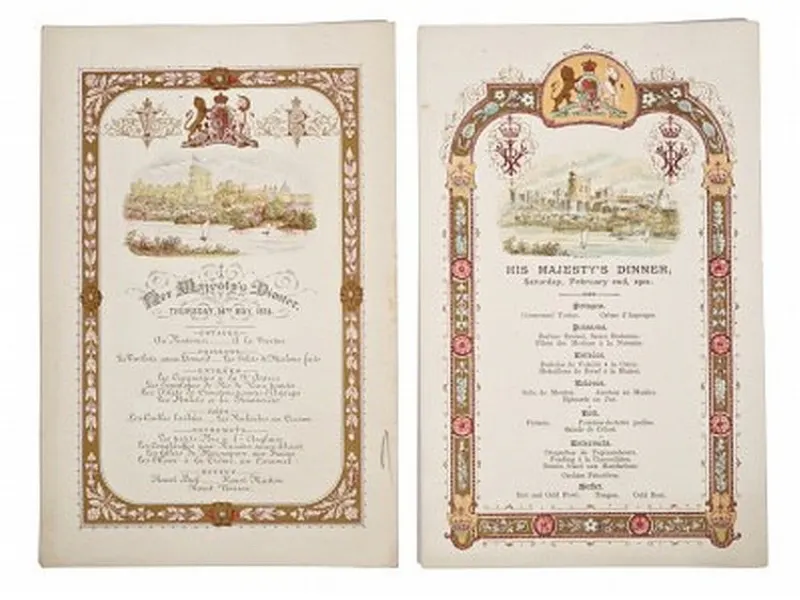
In 2018, two royal menus for Windsor Castle came up for sale at Reeman Dansie auctioneers and sold for a hammer price of £230. Decorated with lithographic illustrations of Windsor Castle, gilt borders and the royal coat of arms, the menus show the elaborate food typically enjoyed by the late Victorian and Edwardian elite. The menu for 'His Majesty's Dinner'– held for Edward VII at Windsor Castle on Saturday, 2nd of February 1901 – included: Turtle Consommé (Consommé Tortoue), Cream of Asparagus Soup (Crème d'Asperges), Braised Barbel in a Breton Sauce of onions, leeks and mushrooms, bound in cream (Barbus Braisée, Sauce Brettonne), Chicken Mousse (Darioles de Volaille à la Crécy), Creamed Spinach (Epinards au Jus), and a side dish of Jerusalem artichokes fried in breadcrumbs (Croquettes de Topinambours).
Related: 8 Artworks to Inspire You to Cook
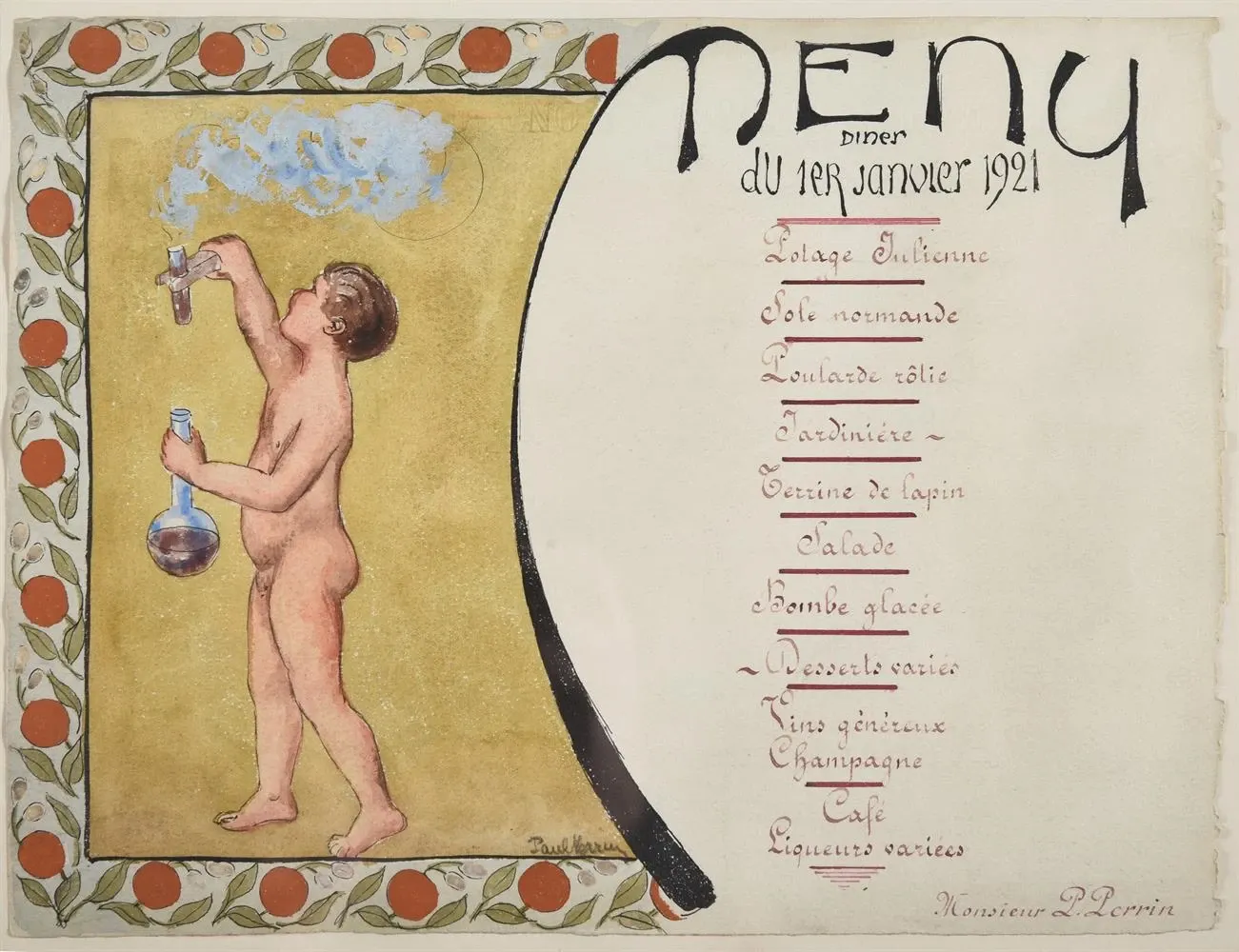
Menus offer a fascinating glimpse into the past and, as historical documents, trace the evolution of changing tastes in food and dining over time. At Dreweatts' recent auction of the contents of Green's, a fashionable restaurant in London's St James's, a framed 1920s dinner menu with a decorative illustration by artist Paul Perrin fetched £130. In contrast to the sophisticated food of the Windsor Castle menus, it championed the simple delights of French country cooking, including 'Sole Normande' and 'Terrine de Lapin'. Likewise, a menu from the Café Royal, dated 1942, and produced under wartime austerity restrictions, shows a remarkable contrast to the luxuries of the Edwardian era: offering 'Fried Filet of Whiting with Tartare Sauce', 'Tripe à la Mode', and the choice between a simple Rhubarb fool, Vanilla Ice Cream or savory, 'Kipper sur Toast'.
Related: The Art of Advertising: Collecting Memorabilia
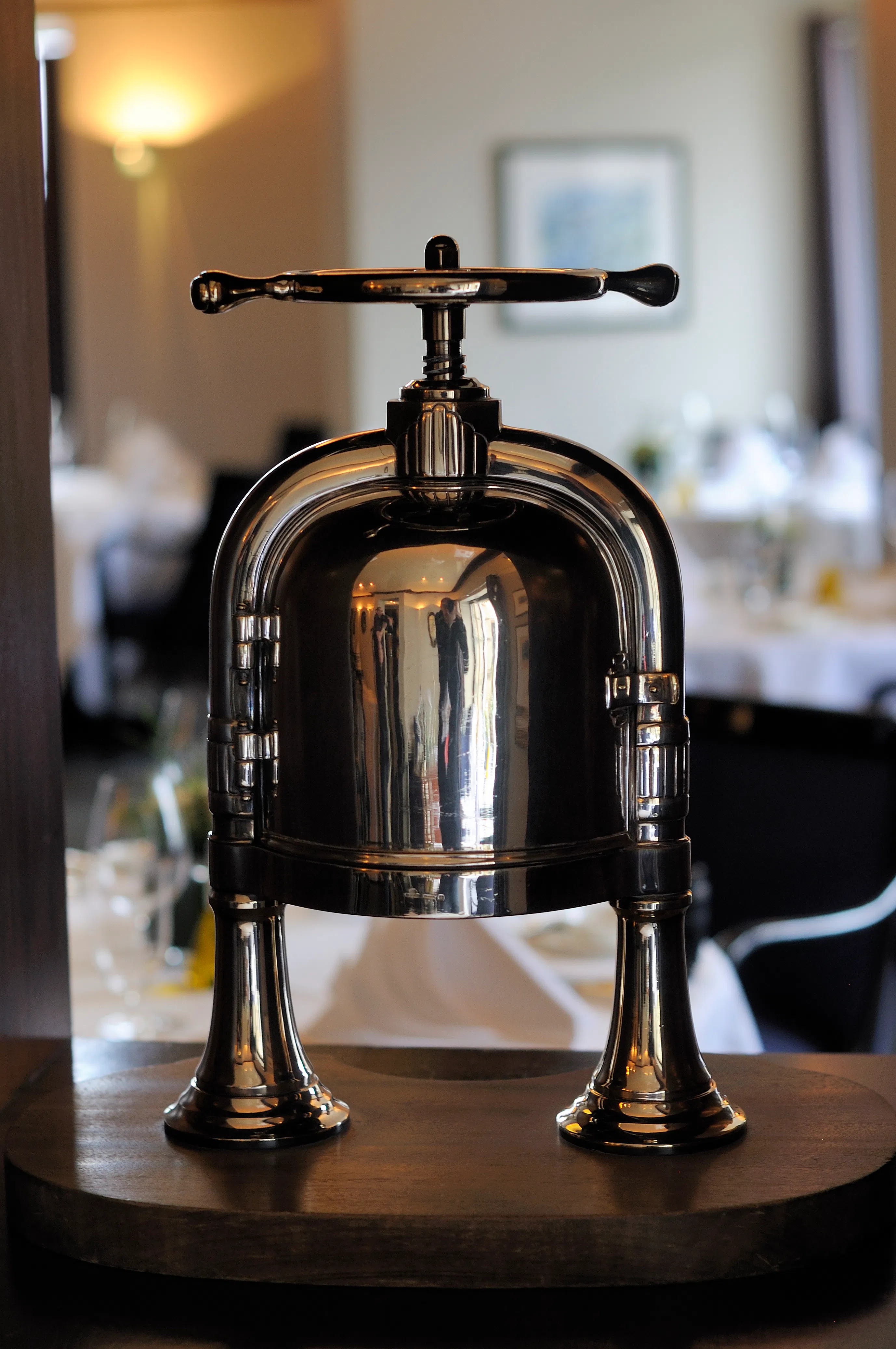
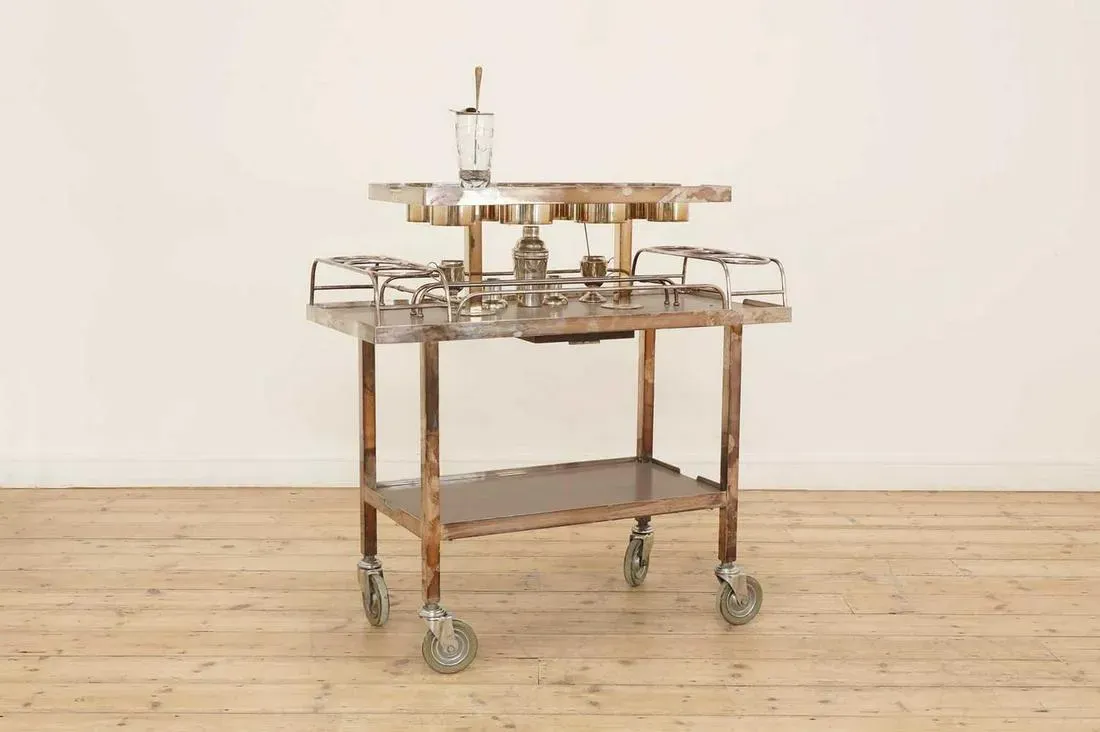
One of the most valuable gadgets from the Pre-War restaurant kitchen is the contraption known as a 'duck press'. Antique silver-plated examples are both desirable and expensive, often selling at auction for thousands of pounds. 'Canard à la rouennaise' is a speciality of the famous La Tour d'Argent in Paris: the duck's carcass is crushed in the press (operated by a wheel), and the juices are extracted to form a rich sauce. Earlier this year, a magnificent 1930s French silver-plated duck press (in the style of Christofle) from the kitchens of The 21 Club, New York, sold for $6,000 at Heritage Auctions, Dallas. That said, a duck press in bronzed cast iron from the legendary London restaurant, Boulestien, sold to a lucky collector for a bargain £85 at Catherine Southern auctions in June last year. But provenance associated with a distinguished restaurant, hotel or nightclub usually commands a premium. At the Christie's auction of the contents of Annabel's – Mark Birley's legendary nightclub (44, Berkeley Square, London), a Victorian silver-plated 'beef wagon' sold for £5,250, against a conservative estimate of £600-1,000. Similarly, a stylish silver-plated, chrome and faux rosewood drinks trolley from the Ritz Hotel fetched £2,800 at Sworders in October of this year.
Related: No Expenses Spared
But if one drink sums up Fin de Siècle decadence, it's absinthe. Known as the 'Green Fairy', absinthe is a concoction of herbs and alcohol distilled from Artemisia absinthium or wormwood. Artemisia contains thujone, which, if taken in significant quantities, encourages hallucinations. By the beginning of the 20th century (until its ban across Europe and America), so much absinthe was being drunk in the bohemian cafés of Europe that the late afternoon was known as the 'Green Hour'. When absinthe spirit is mixed with water, it turns an opaque, cloudy grey-green.
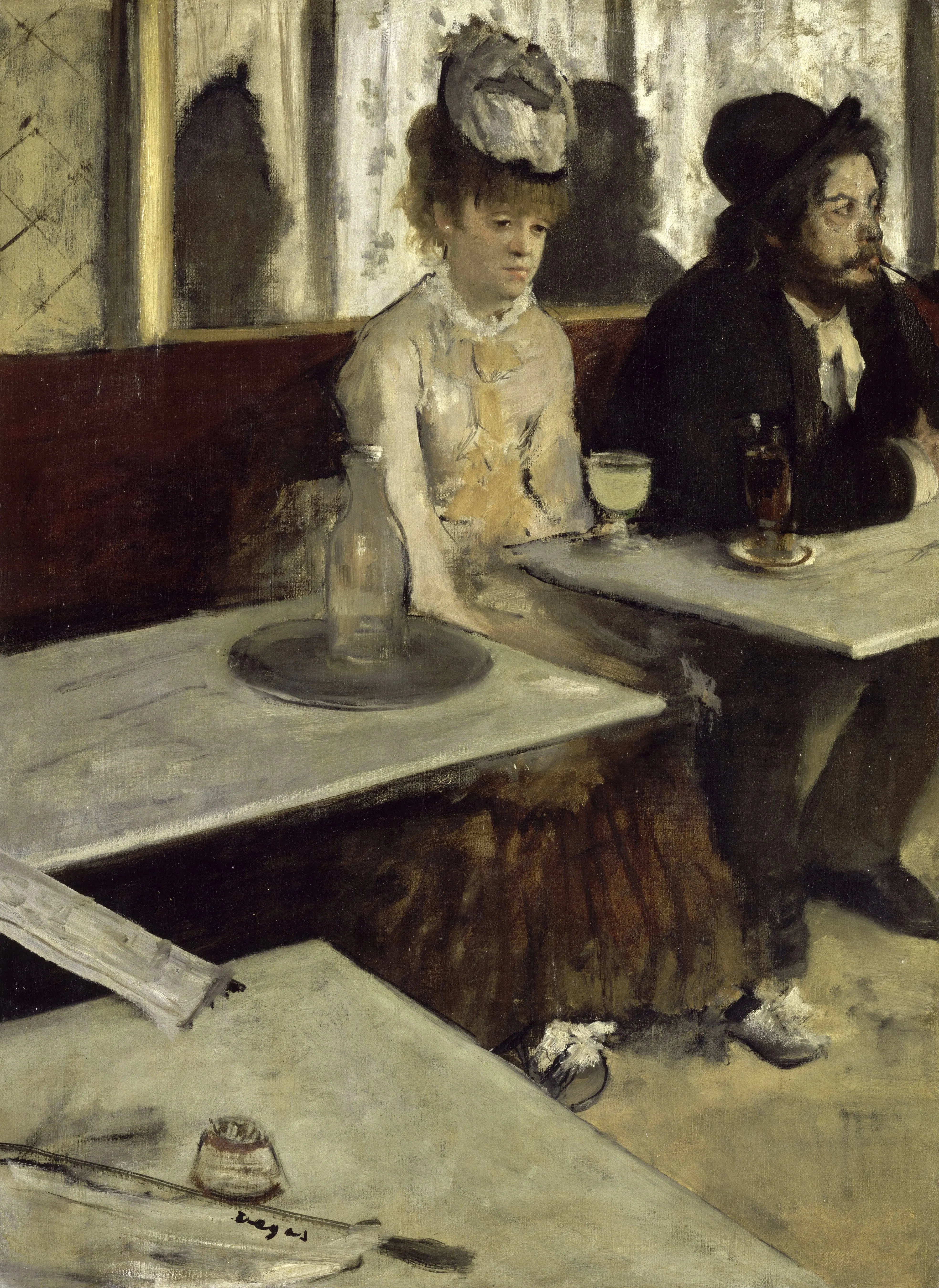
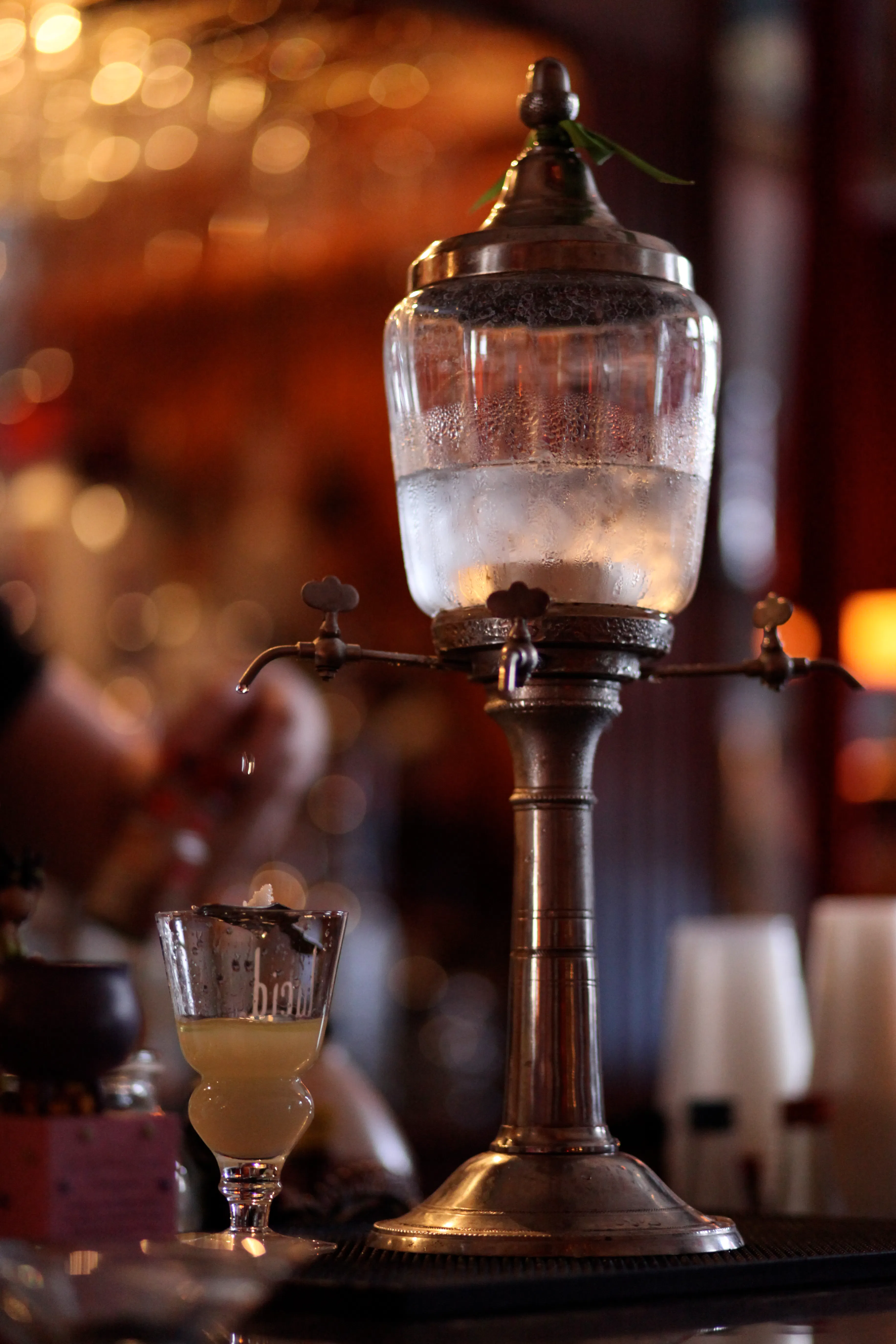
Absinthe is served, traditionally, with considerable ceremony: a lump of sugar is placed on a slotted spoon (often silver or silver-plated), which is placed across the top of an absinthe glass. Iced water is poured from an 'absinthe fountain' (through the spoon) to dilute the neat spirit – a process called 'louching', and the sweetened drink is stirred. Absinthe glasses were often etched at a certain level, so drinkers would know how much water to add. Absinthe spoons often included decorative embellishments, including the Eiffel Tower and leaf and star motifs. Water fountains were used in restaurants, cafés and bars to dilute spirits at the countertop. Antique absinthe fountains are desirable, although collectors need to be aware of reproductions on the market. An authentic pre-war 'Pernod 45' water fountain made £170 at Wright Marshall in Cheshire in September 2017.
Related: 8 Patrons of the Parisian Avant-garde
Wine antiques are always popular, and a discriminating selection of 'tastevins' would make an unusual collection. Tastevins are small, shallow bowls, saucers or dishes, often made from pewter or silver, and used by sommeliers and wine stewards to taste or judge a wine by its color before serving. By the end of the 19th century, tastevins became associated with a decorative and ceremonial function, especially with the growth of societies, clubs and wine orders in France.
Want more articles like this delivered straight to your inbox? Subscribe to our free newsletter!
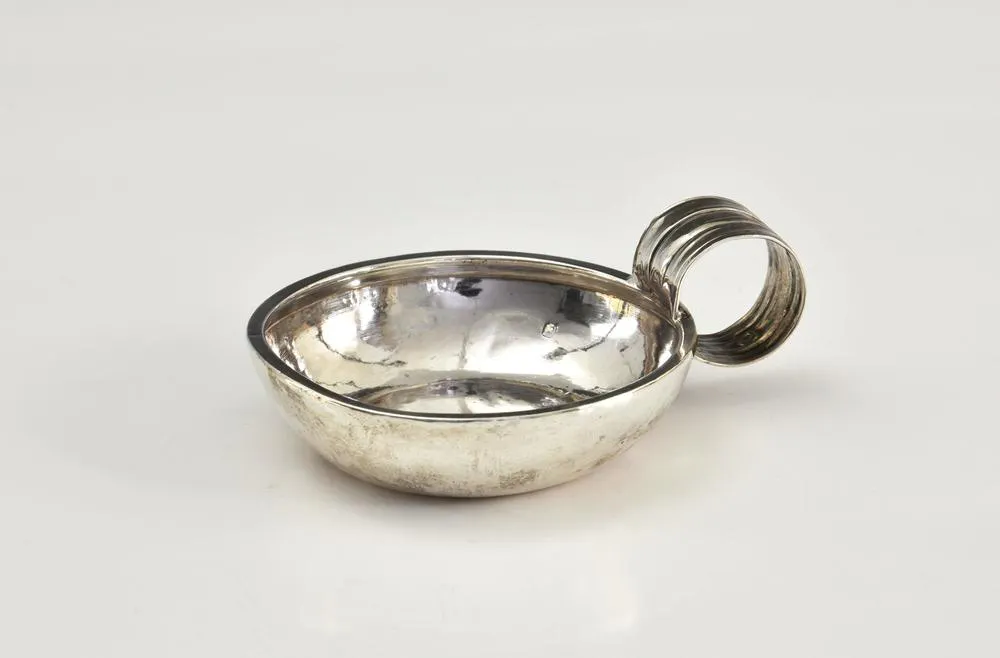
Lyons, Orleans and Paris became known for the manufacture of tastevins, and numerous examples were produced. 18th-century tastevins, however, are scarcer, and more valuable. A beautiful French silver tastevin (dated to Angers, 1792) came up for sale at Dreweatts in 2011, selling for £480. More affordable was a 19th-century example by French silversmith, César Tonnellier (1845-1882), which made £55 at Bigwood Fine Art auctioneers in September.

![Annie Leibovitz, ‘David Hockney, Los Angeles’ [detail], 1983, 44.5 cm x 45.7 cm. Photo: Phillips](https://images.prismic.io/barnebys/7e2b6e27-abdd-4b3b-a80f-ca944efe2158_Hockney.jpg?auto=compress,format)