Born in Philadelphia in 1945 to a contractor and a teacher's aide, Barkley L. Hendricks distinguished himself as a singular artist early on in his life. During his stint at the Pennsylvania Academy of the Fine Arts (PAFA), he became the Academy's first Black pupil to receive two consecutive travel grants, bringing him to Europe in 1966 and North Africa in 1968. His European tour allowed him to discover works by the old masters of European painting, bringing him to the realization that Black subjects were highly underrepresented in Western art. The first portrait Hendricks ever painted, My Black Nun (1964), was born out of his exasperation with the scarcity of Black nuns in Philadelphia: he endeavored to create his own using his imagination. At the green age of 19, Hendricks had already found his niche: the new representation of Black individuals.
In 1970, Hendricks enrolled in a program at Yale that recognized his four years of credits from PAFA, allowing him to earn both a BFA and an MFA in two years. He experimented with line, basic form and color, trying his hand at the two most popular artistic movements of the time, abstraction and minimalism, in a series of basketball hoop paintings. Grenada (1970) is a linear depiction of two basketball lanes painted in black oil on a black acrylic background, with one lane inverted for symmetrical balance. The work is titled after the southern Spanish town with a Moorish palace that Hendricks visited on his travel grant in 1966. The palace's archways are reflected in the jump ball circles, and the black on black suggests a conceptual and cultural connection to both the Moors of North Africa and the urban sport of basketball.
During his time at Yale, obligations to the New Jersey National Guard isolated Hendricks from conventional student life and New Haven's artistic community. Furthermore, he was one of the only two figurative painters enrolled in the art school at a time when most artists were working with abstraction and minimalism. As a result, he spent increasing amounts of time in the photography department, flourishing into an accomplished photographer under Walker Evans' guidance.
Related: The 11 Most Expensive Photographers
In 1971, while still a student at Yale, Hendricks participated in his first major museum exhibition, the controversial Contemporary Black Artists in America show at the Whitney in New York. He exhibited his painting Brown Sugar Vine (1970), a life-sized nude self-portrait. Self-portraits quickly became a common theme in Hendricks' art. For example, in Icon for My Man Superman (1969), Hendricks depicts himself arms crossed, donning a Superman costume, naked from the waist down. The painting's subtitle 'Superman Never Saved Any Black People' references a quote by Bobby Seale, one of the Black Panther Party's founding members.
Upon graduating from Yale in 1972, Hendricks was immediately offered a teaching position at Connecticut College's art department, where he remained until 2010.
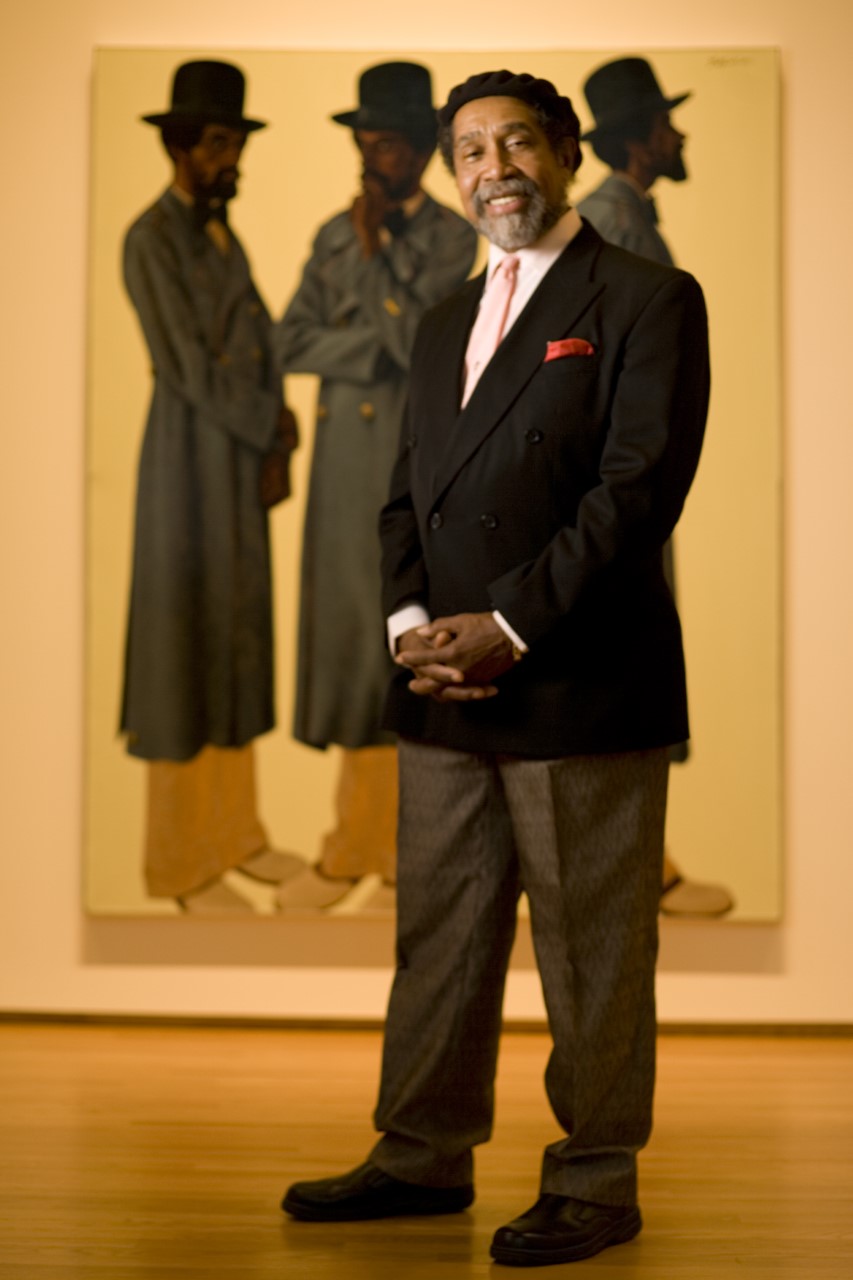
By the mid-1970s, Hendricks had garnered significant attention for his work. He had participated in several exhibitions at Boston's Museum of Fine Art and the Philadelphia Museum of Art, and had had solo shows at the Gibbes Museum of Art in Charleston and ACA galleries New York. Playboy and Essence subsequently printed his magazine profile for Dewar's scotch. However, as a Black artist in the 1970s, large-scale mainstream commercial success was hard to come by.
In his 1974 painting Family Jules: NNN (No Naked Niggahs), the naked subject languidly lounges on a white couch, his head relaxed against the Moroccan tile behind him, hash pipe in hand. In this painting, Hendricks attempts to address the way Black nudes were commonly received in the past – with fear and censorship. The subject is represented as self-aware and confident – owning and willingly participating in his subjectivity, as opposed to the passive subjects commonly seen in classic European female nudes.
Related: Kehinde Wiley: Making a Colorful Difference
Named after Marvin Gaye's iconic 1971 album, Hendrick's 1974 piece What's Going On is an ode to the soul singer's role in popularizing Black culture during the ‘70s. Musical references are frequent in his titles: Lawdy Mama alludes to Nina Simone's song by the same name, Miss Brown to You to Billie Holliday, Sophisticated Lady to Duke Ellington.
Brilliantly Endowed (Self Portrait) (1977) seamlessly merges provocativeness and whimsy. The work depicts the artist standing proudly, his bare and idealized physique on display (a play on the stereotypical public perception of the hyper-masculine Black male), with a self-assured stare that holds the viewer's gaze. The painting's title appropriated New York art critic Hilton Kramer's review, which characterized Hendricks as a ‘brilliantly endowed’ painter. The artist directs the spectator's eyes to this double entendre with a hand casually resting on his upper thigh. The many detailed accessories that the artist wears, despite his nakedness, play up the painting's tongue-in-cheek aspect: a white cap, an earring, glasses, a toothpick in his mouth, a necklace with a golden leg-shaped amulet, a blue-and-yellow wrist band, a joint between his fingers, a silver cuff bracelet and rings, white athletic shoes, and green-and-red striped tube socks. The red and green of his socks set against the black background constitute the colors of the Black Liberation flag.
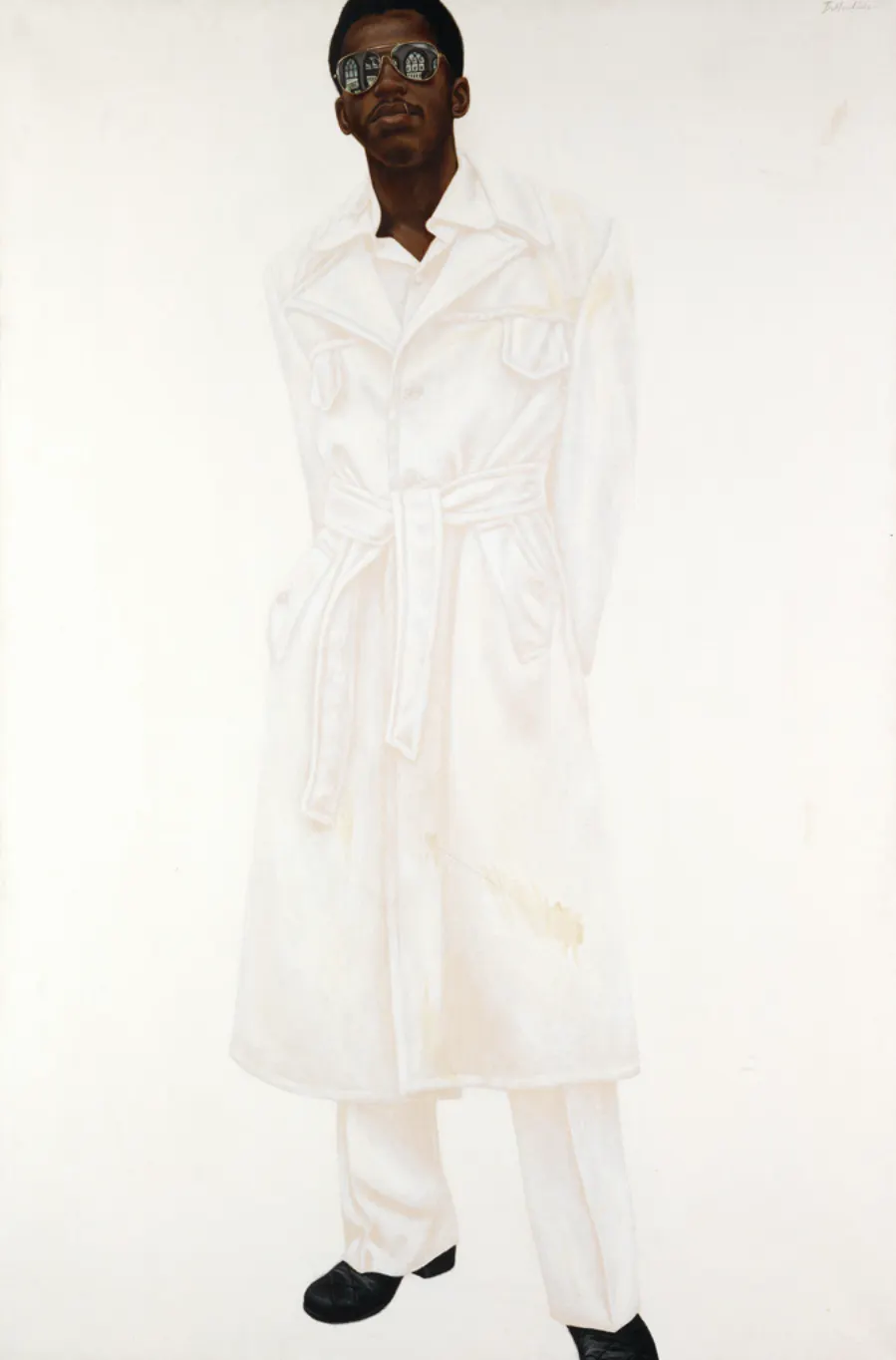
Hendricks painted two other self-portraits that year of 1977. In Slick (Self-Portrait), the white background and suit that Hendricks dons are contrasted against the color of his skin. He comes across as cool, cosmopolitan and stylish – in a look of Marvin Gay-inspired taste. Doc and Ruby's Oldest Boy (Self-Portrait) is a countryside portrayal in which the artist is portrayed against a black backdrop, sporting black clothing and a straw hat, a toothpick hanging from the edge of his smile and a paintbrush in hand. These works comprise Hendricks' 'limited palette' series in which the subjects' attires match the solid, flat background; they are figurative representations demonstrating playful engagement with minimalism. Most prominent in this oeuvre are the white-on-white works among the likes of Dr. Kool (1973), Steve (1976) and Lagos Ladies (Gbemi, Bisi, Niki, Christy) (1978). A variety of other hues, such as red, black and green, also come to light in this series.
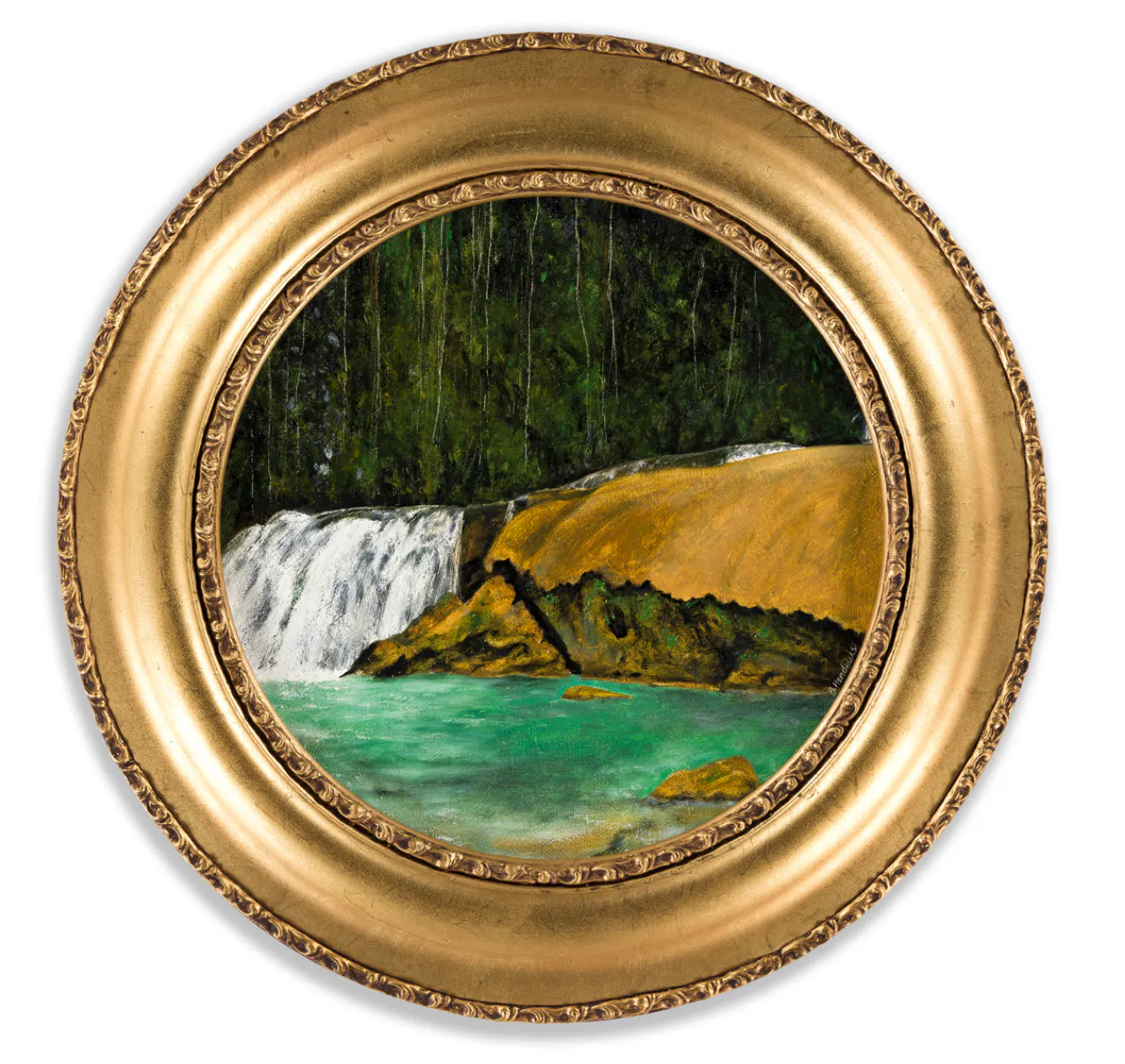
Beginning in the 1980s, Hendricks turned to still life and landscape for fresh subject matter. His Jamaican landscapes, such as Boxing Day in the Quarry #3 (2004), Alligator's Head (2005) and St. Mary's Blues (Sky) (2006),manifest parallels with Old Master plein air paintings (Hendricks also painted on-site). His depictions of sea and sky have afforded him comparisons to the Dutch landscape painter Jacob Van Ruisdael, known for his coastal scenes and the prominence of clouds in his compositions. The choice of Jamaica, a historic island that played a significant role in developing and disseminating Black culture, connects Hendricks’ landscapes to his practice of painting Black bodies. The isolated landscapes and porthole-like frames act as a gateway, affording the images an escapist quality.
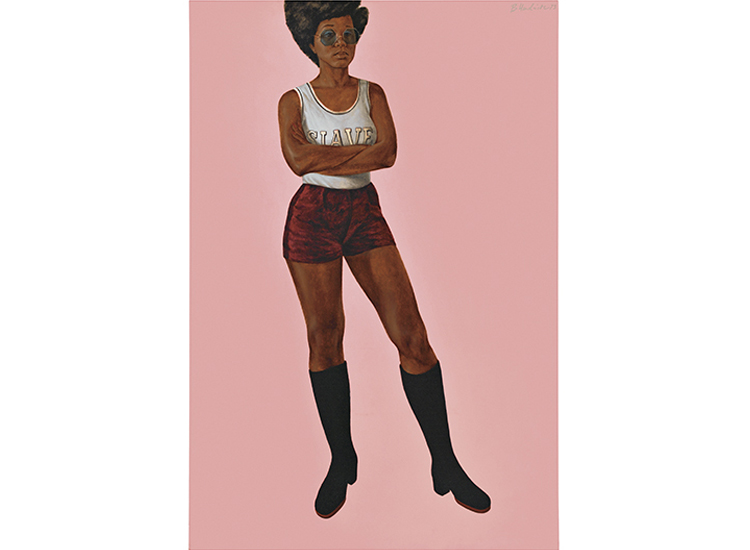
Inspired by the shine and luster of Byzantine icons, Hendricks began experimenting with gold leaf in his paintings, producing the small self-portrait Butch in 1968. This successful outcome led to more extensive works, such as Icon for Fifi (1982) and Lawdy Mama (1969).The arched top of the latter canvas (also of byzantine inspiration) serves to contradict the subject's modern dress and Afro hairdo.
Related: Kerry James Marshall: Writing a New History
Throughout the Black Power movement of the 1960-80s, Barkley attempted to balance the scales and represent Black pride by producing a quantity of honest portraits of everyday people. His friends, family and associates, students and local neighborhood acquaintances figure in these paintings, represented in confident poses and flamboyant attires. In the volatile post-civil-rights-era social climate of the time, Hendricks' true-to-life portrayals of Black and Latino culture challenged the art world's status quo. These paintings were completed at a time when many Black artists were turning to activism under the banner of the Black Arts Movement.
However, Hendricks resisted both the political and Black painter labels afforded to him, arguing that his paintings “were about people that were part of my life”. Hendricks' art transcends simple categorizations and the times in which it was produced. Thanks to a mixture of figurative realism, minimalism and pop art, Hendricks vaults the temporal limitations of postmodern art. His paintings are at once academic in their technique and subversive in their subject matter and attitude.
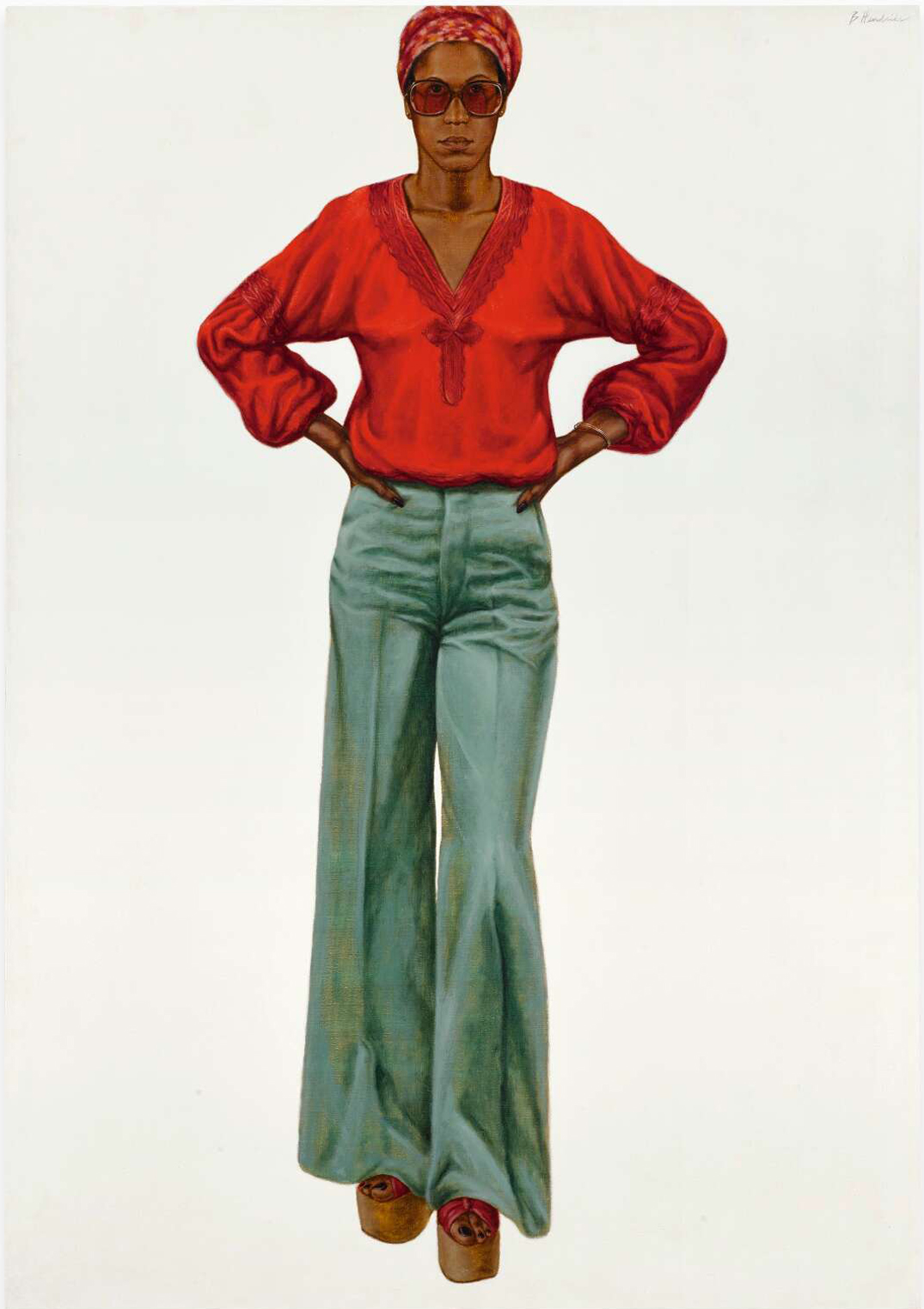
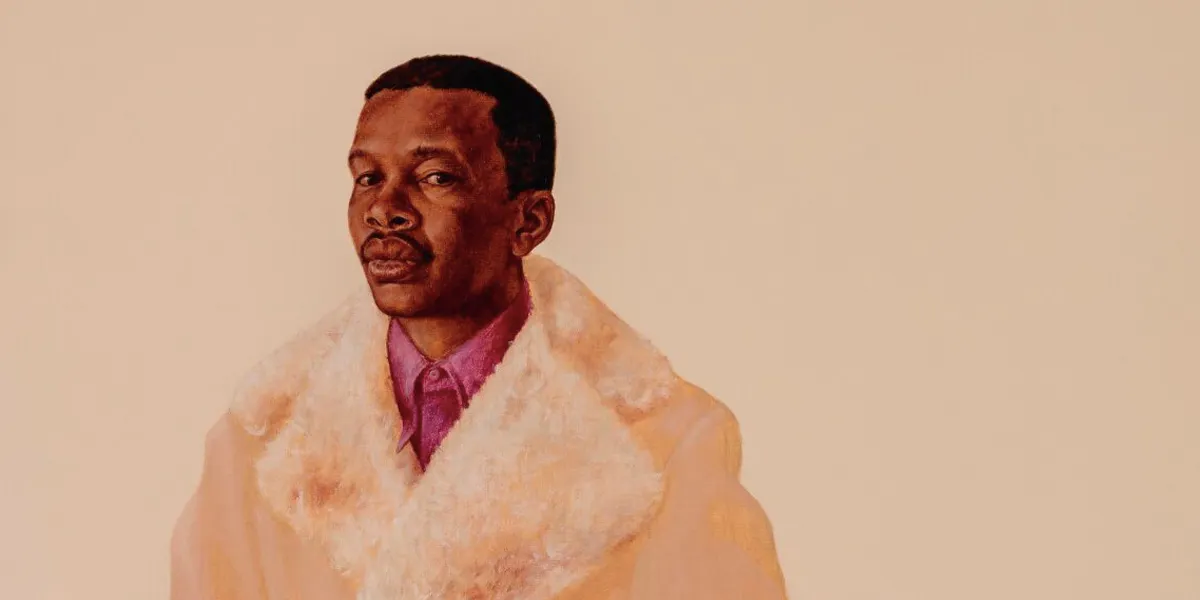
Hendricks remained a neglected figure throughout most of his life and career. However, in recent years, he has started attracting a great deal of attention from elite galleries (notably Jack Shainman), eminent collectors and iconic museums, thanks to a 2008 traveling retrospective organized by Trevor Schoonmaker: Barkley L. Hendricks: Birth of Cool. Although he remains underrepresented in American museum collections, his work is finally gaining the recognition and momentum it deserves. His record was set at auction in May 2023 when his six-foot-tall Stanley, a portrait of artist Stanley Whitney, sold for $6.1 million at Christie's.
Discover more artists with Barnebys Magazine
Article by Noor de Falco