
What will 2025 bring to the auction world? Pontus Silfverstolpe, Barnebys’ co-founder, and Giulia Zileri Dal Verme, Barnebys' Global Senior Editor, share their insights on the trends that shaped 2024 and the opportunities set to define the year ahead.
Fine Art
Giulia: In 2024, works priced under $10,000 made up the majority of global fine art sales, reflecting the continued strength of the entry-level market. Private sales through auction houses also expanded as a complementary avenue to traditional auctions. While high-end auction prices faced volatility, blue-chip works by artists like Basquiat, Warhol, and Hockney remained popular among American collectors, who continue to influence market trends. But global participation is increasing, with Asian and Middle Eastern buyers driving demand and new auction hubs emerging in Singapore, Saudi Arabia, and Shanghai. Collectors are pivoting away from speculative buying, instead focusing on fewer but more meaningful acquisitions. Auctions featuring strong provenance or ties to celebrities are expected to dominate in 2025. Single-owner collections, often curated over decades, are expected to remain the highlights of major sales, as we saw in November with the $200+ million Sydell Miller Collection at Sotheby's.
See also: The New York Marquee Sales: A $6 Million Banana and More

Pontus: The art market is entering a phase of greater maturity, where collecting is less about speculation and more about passion and long-term strategy. While demand for ‘young’ contemporary art may soften, galleries and buyers are turning their attention to established names and historic works. We’re also seeing increased interest in artists who were previously underrepresented, particularly female artists. As the market evolves, the focus will shift from gendered discussions of ‘female art’ to celebrating equality—art is art.
Luxury Goods
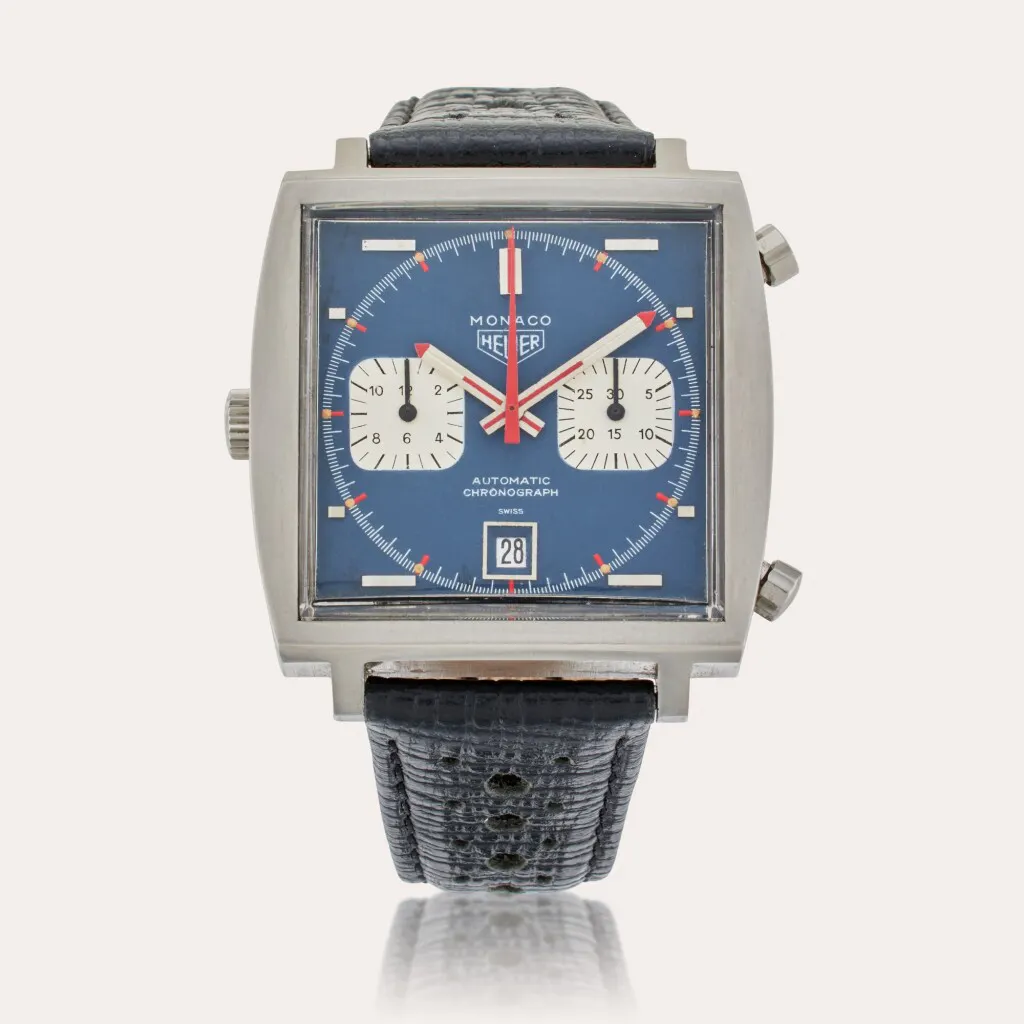
Giulia: In 2024, consumer demand for sustainable practices and the popularity of resale markets propelled auctions of pre-owned luxury goods. Iconic watches from Rolex, Patek Philippe, and Audemars Piguet continued to see robust bidding, with growing interest in independent watchmakers such as F.P. Journe and Richard Mille. In jewelry, historic designs like Bulgari’s Serpenti, Cartier’s Panthère, Van Cleef & Arpels’ Alhambra, and Tiffany & Co.’s Schlumberger pieces have become particularly coveted, with new names likely to emerge in 2025. Hermès Birkin and Kelly bags remained auction powerhouses, but social media spotlighted other vintage favourites, like the Goyard St. Louis tote and Gucci’s Jackie bag. This shift hints at a broader revival of archival fashion. Collectors are also pursuing archival runway pieces from the 1990s and early 2000s, with designs from Jean Paul Gaultier, Alexander McQueen, and Tom Ford among the most searched. As competition for rare finds intensifies, provenance has become a key factor in driving value, with pieces linked to famous figures commanding record prices—such as Steve McQueen’s Heuer Monaco, which sold for $1.4 million, and three coats from Carolyn Bessette-Kennedy’s wardrobe, which were featured in Sotheby’s ‘Fashion Icons’ sale and contributed to its $1.1 million total. With the rise of affluent buyers and heightened demand for vintage clothing and accessories, 2025 is poised to be a standout year for collectors seeking rare finds.
See also: Expert Insights: 3 Questions on Luxury Fashion
Pontus: Our industry is entering a fascinating era of cross-fertilization, where exclusive brands are beginning to actively engage with the secondary market. Looking ahead, I’m confident new categories—like perfumes—will make their way into auctions, further linking fine art and luxury in ways that captivate new audiences.
Collectibles
Giulia: The sports memorabilia market exploded in 2024, fuelled by rare jerseys, game-worn items, and collectibles from icons like Michael Jordan and LeBron James. Younger buyers continue to drive demand, making this market an investment hotspot. Pop culture nostalgia is also booming, including rare comic book editions, vintage superhero comics, limited-edition prints, and movie props. Gaming memorabilia and vintage toys are also emerging as serious categories, with sealed video games and rare consoles commanding strong prices. Expect these trends to remain strong in 2025, with an ever-expanding audience of pop culture enthusiasts.
See also: New Auction Record Set for Vintage Toys
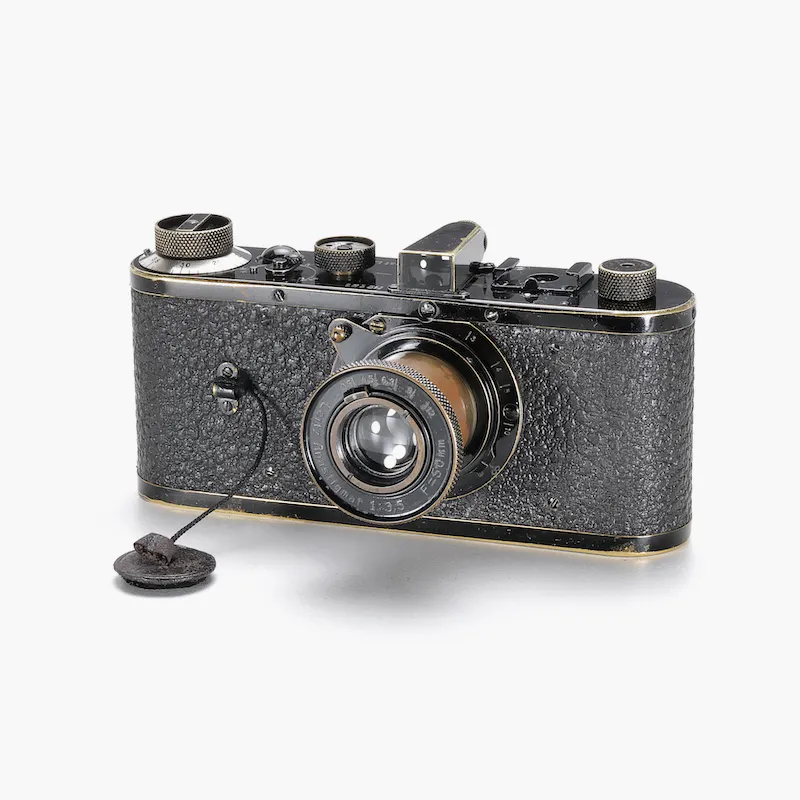
Pontus: While traditional luxury categories like fashion and watches remain dominant, the market for ‘analog’ objects—including coins, musical instruments, books, vinyl records, and cameras—is on the rise. In recent years, auctions have embraced everything from sneakers to Lego, and we will continue to see new categories emerge to attract broader audiences and drive sales. Pop culture memorabilia and vintage toys are perfect examples of how the industry evolves to meet the interests of a new generation of collectors.
Design
Giulia: The market for 20th-century design continues to thrive, with mid-century modern and postmodern furniture remaining very popular. Iconic designers such as Charles and Ray Eames, Le Corbusier, and Josef Frank are staples of the auction scene, as buyers seek both aesthetic appeal and investment potential. Social media also played a key role in 2024, boosting the visibility of specific pieces like the Mario Bellini "Camaleonda" sofa and Michel Ducaroy’s "Togo" chair, which became must-haves for design-conscious collectors. Looking ahead to 2025, we expect a resurgence of retro-futurism, blending 1960s and 70s space-age aesthetics with modern sensibilities. Designs like Joe Colombo’s futuristic chairs and Eero Aarnio’s bubble chair are gathering more attention with their sleek, curving lines and metallic finishes. Even vintage IKEA furniture is gaining traction as a new collectible category, with early and limited-edition designs selling for upwards of $10,000. At the same time, a renewed appreciation for antiques is beginning to take hold, with 2025 poised to mark their full comeback.
See also: The Design Classics of the Future

Pontus: Interior design trends in 2025 will celebrate 1970s-inspired aesthetics, marked by sculptural, organic shapes, playful designs, and natural materials. These imaginative and often daring styles are set to shape demand across both the auction and second-hand markets.
Vintage Cars and Motorcycles
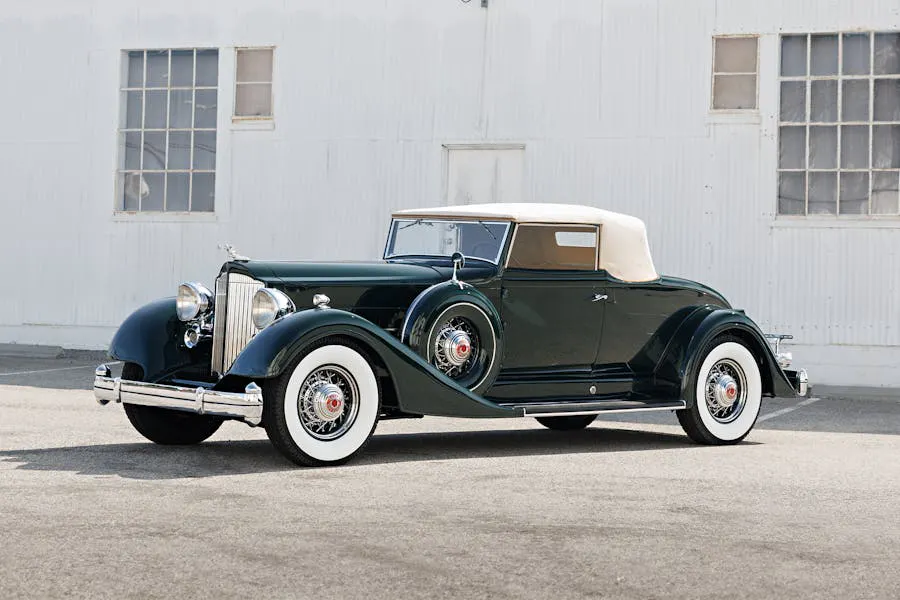
Giulia: Christie’s acquisition of Gooding & Co. in the spring of 2024 demonstrated the strength and long-term potential of the vintage car market. This strategic move shows that the sector remains a highly lucrative investment space, with increasing demand for collectible cars from high-net-worth buyers. Classic cars from luxury brands such as Ferrari, Porsche, and Lamborghini remain particularly sought-after, but antique models are also in high demand. In March, a 121-year-old Mercedes-Simplex sold for over $12 million, making it the most expensive pre-1930s car ever auctioned. This growing market is expected to attract both experienced collectors and new investors in 2025.
See also: This Mercedes Just Became The Most Expensive Antique Car
Wine, Whiskey, and Spirits
Giulia: The wine and spirits auction market saw record growth in 2024, fueled by strong demand from Asian markets and a diversification of collector interests. Fine wines, particularly those from Bordeaux and Burgundy, have remained auction favourites, but wines from regions like California, Australia, and New Zealand have also gained their place in the market, offering growing investment potential. Rare Scotch, Japanese whiskey, and luxury spirits such as Cognac are expected to sustain their momentum in 2025, attracting collectors eager for unique and high-value bottles.
See also: Barnebys’ Guide to Buying Wine at Auction

Want articles like this delivered to your inbox? Subscribe to our free newsletter!
Looking Ahead
Pontus: After an eventful and occasionally turbulent year for the auction industry, we enter 2025 with great confidence. A growing interest in the secondary market continues to drive the industry forward at an incredible pace. As we look ahead, our physical senses will remain central, even as technology—particularly advancements in AI and algorithm-driven personalisation—reshapes user experiences. The future of auctions will depend not only on curation but also on education and inspiration, creating deeper engagement and expanding the industry to new audiences.