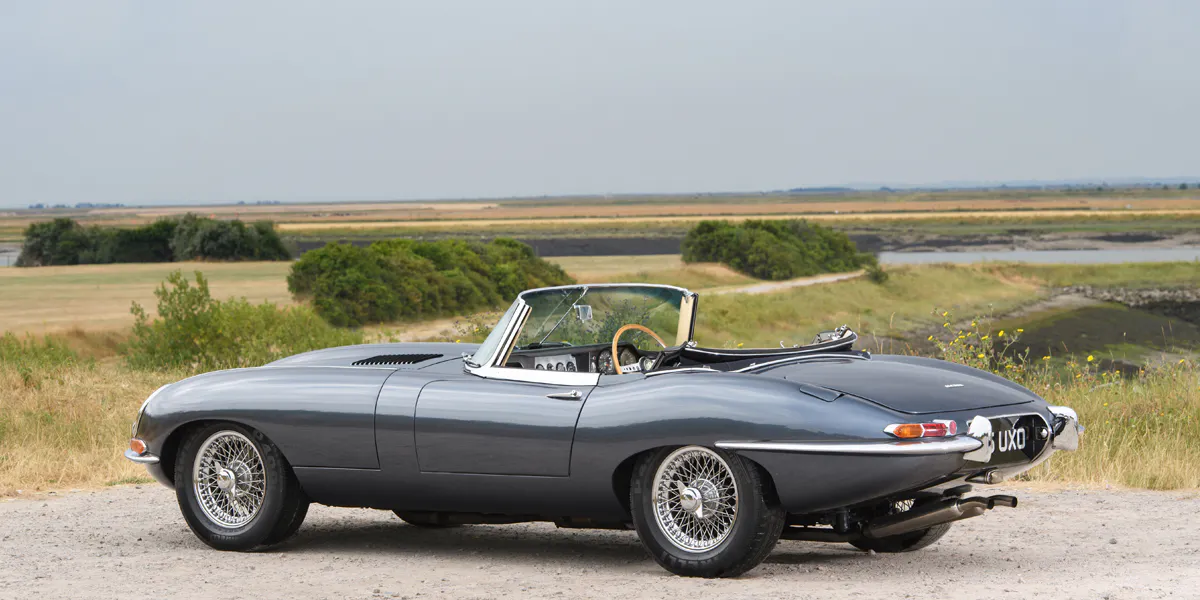
What is it about the Jaguar E-Type that still resonates today?
Is it that in its day it’s was referred to – in the ripe language of the era – as the “greatest crumpet catcher known to man”? (That it attracted members of the opposite sex, in today’s lingo). Is it that Il Commendatore, Enzo Ferrari himself, called it ”the most beautiful motor car in the world”? Is it because its inappropriately long, curvaceous bonnet is often referred to as a cover for a lack of very personal gentlemanly pride? The fact that it has become synonymous with Great Britain in the swinging sixties, conjuring up images of long hair, very short skirts, fab music and liberated sex?
Or is it its blistering performance of 0-60 in under 7 seconds, and a top speed of 150mph? Or the fact that it has been voted the sexiest motor car of all time on countless occasions? – It’s beginning to sound like the E-Type itself is the “crumpet”. If you aren’t already convinced, here are 8 reasons to love the Jaguar E-Type.
1. A waiting list like never before
Want to know what your classic car is worth? Find out with VMS
Sixty years ago, on 15 March 1961, the all-new Jaguar E-Type was launched to the public at the Geneva Motor Show. Never before had any motor car, and possibly since, created such a wow factor. The order book was promptly filled and only celebrities and racing drivers could get their hands on one. Jaguar’s E-Type was developed as a production road car following the brand’s extraordinary achievements on the racetrack, in particular the 24 Hours of Le Mans where Jaguar C-Types and then D-Types won outright victory no fewer than five times during the 1950s. The E-type has a pedigree like few others. More importantly, at its launch it was positioned on the market as a relatively affordable production sports car – less than half the price of an Aston Martin or one third of the price of a Ferrari. An E-Type could have been yours for £1,550 in 1961, assuming you didn’t mind joining the long waiting list.
2. Sensational shape
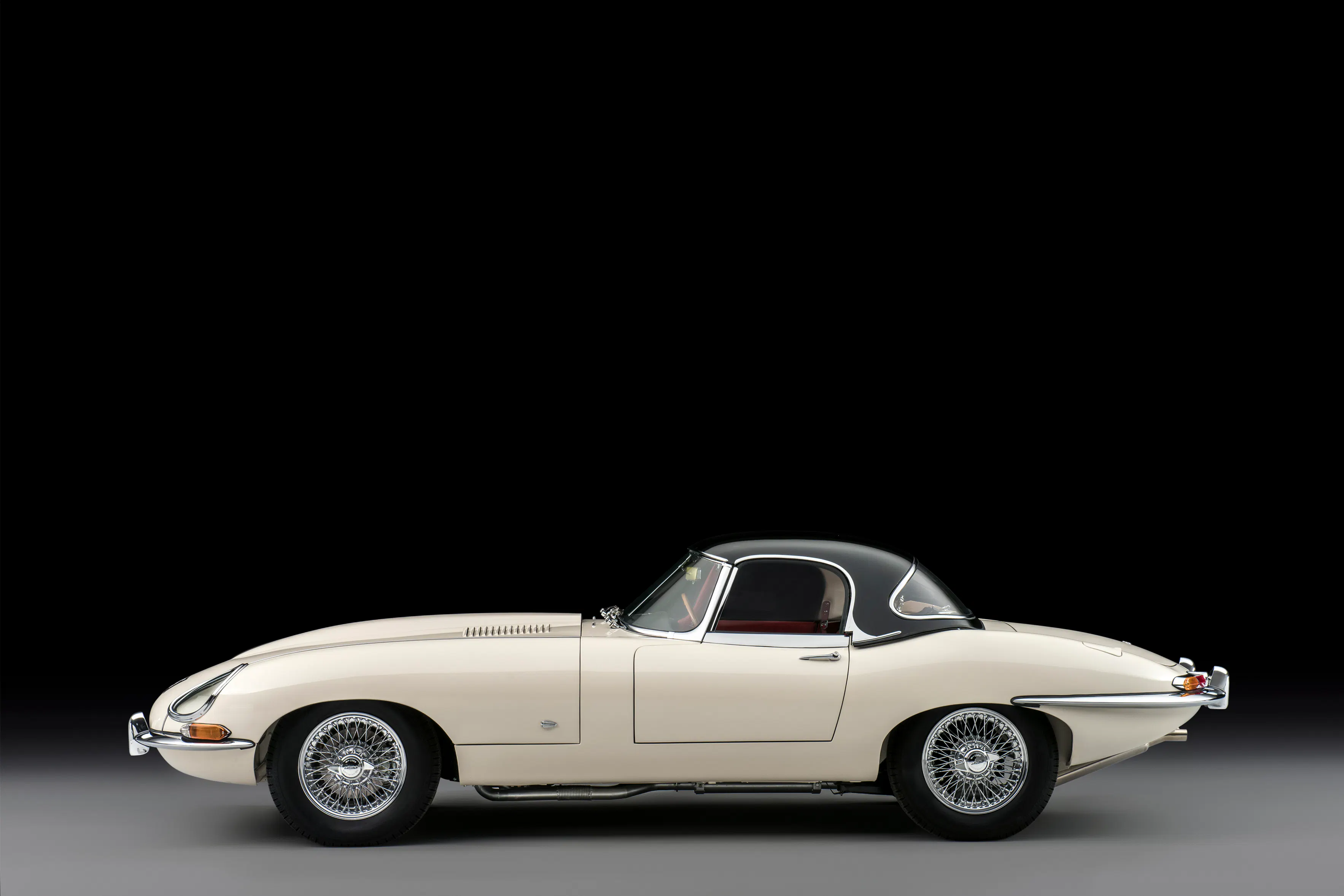
Jaguar Chief, Sir William Lyons, was a businessman first and foremost, whereas Enzo Ferrari was perhaps more a sportsman. Enzo Ferrari only sold his motor cars to the public in order to fund his highly successful racing endeavors, whilst Lyons only went racing in order to promote the quality and reliability of his road-destined motor cars. However, the E-Type took onboard many of the developments and lessons learned on the racetrack evolving from the D-Type racer and the E-Type prototypes E1A & E2A. Jaguar’s chief designer, the unassuming Malcolm Sayers, was an aircraft engineer and aerodynamicist and had learnt his craft working for the Bristol Aeroplane Company during the war. It’s not hard to see the influence of aerodynamics and the wind on the E-Type’s sensational shape.
Related: Ferrari: Leader of the Pack
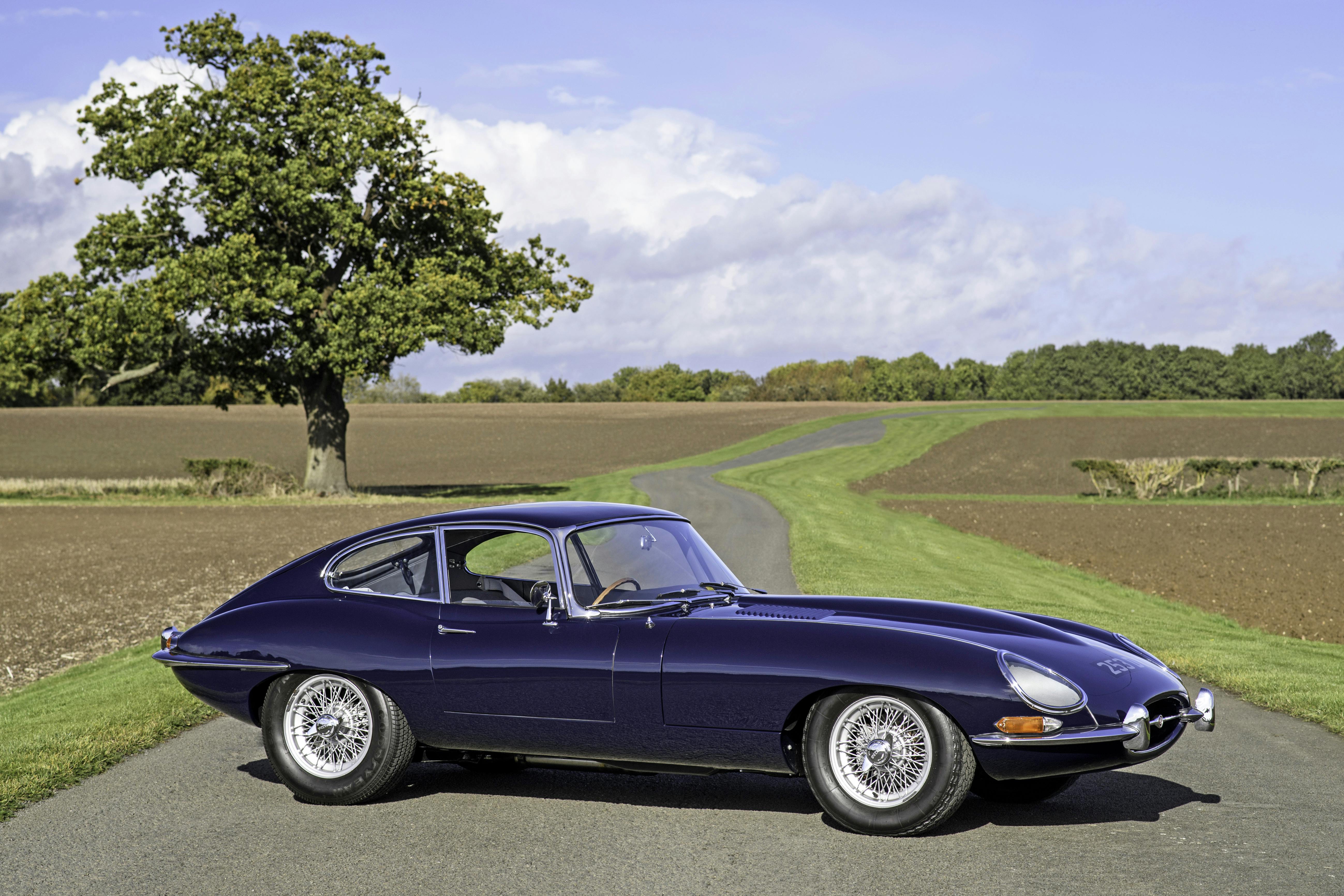
The E-Type was originally conceived as a Roadster, or open-two-seater, and it was William Lyons himself who envisaged the closed Coupe version. Reportedly, Lyons was in the workshop looking at the roadster taking shape when he picked-up some long tubing from the floor, draped it from the top of the windscreen to the rear of the car, stood back and said, Let’s build that. Many today, including myself, feel that the early Coupe is the most beautiful of all E-Types, but there will always be something special about top-down, wind-in-the hair motoring on English Country lanes or Californian highways.
3. It’s extremely sporty – and sophisticated
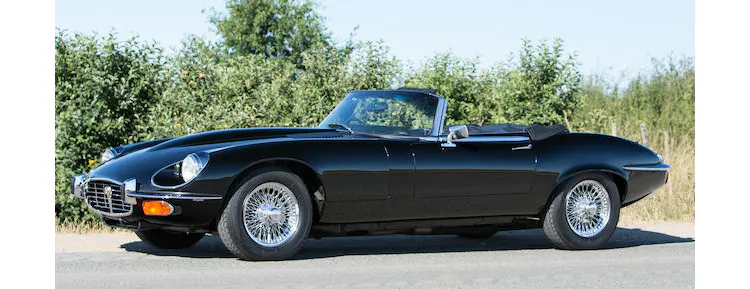
During its thirteen-year production run, the E-Type was built in three distinct Series. Some insist the first Series, being the first of the breed, is the purest and therefore best. During the first Series production, the original six-cylinder engine was enlarged from 3.8 liter to 4.2 liter, and the gearbox improved with synchromesh on all forward gears. Over the following years, the E-Type evolved from a pretty raw sports car with obvious links to its predecessor, the racing D-Type, into a more comfortable yet still extremely sporting grand tourer.
Related: Alfa Romeo: a Symbol of Italian Style and Design
The biggest change came in 1971 when the trusty, powerful and robust 6-cylinder twin cam XK motor was replaced by an all-new and highly sophisticated 5.3 litre V12 motor. The new Series 3 E-Type was also longer, had flared wheel arches and a new chrome grille. Safety legislation, mainly from the USA, Jaguar’s biggest market, began to take its toll on the purity of the original design as did the fuel crisis on sales. Interestingly, during the classic car boom of the late 1980s, it was the V12, Series 3 E-Type that was most highly prized, yet today collectors covet the very early examples. Jaguar ended E-Type production in 1974 with the launch of fifty Commemorative editions.
4. Affordability
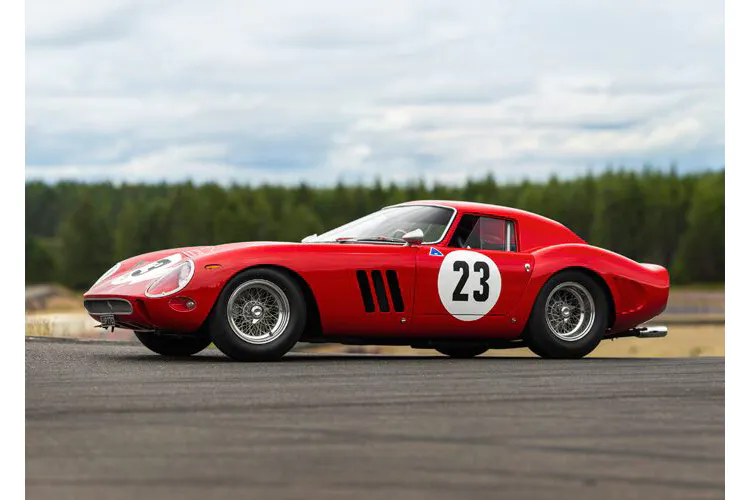
The irony of the E-Type’s success is that today, as beautiful and highly sought after as they are, in value terms they are nowhere even close to the $60 million plus it would take to acquire the most highly prized of all collector’s motor cars, the Ferrari 250 GTO. Just 36 examples of the Ferrari 250 GTO were built to race under the rules of the day, whereas Jaguar built over 70,000 E-Types in 3 Series over a thirteen-year production run. The million-dollar question is, had the E-type been built in such extremely low numbers what it’s value might be today, or, conversely, what might a 250 GTO be worth today had Ferrari made 20,000 of them?
Related: This is the World's Most Expensive Car
Prices for road-going production E-Types range between £50,000 to £350,000 ($70,000-500,000) depending on model, condition and provenance. Racing variants and extremely special examples are worth considerably more. Legend has it that Cubby Broccoli, James Bond producer, originally approached William Lyons to use the E-Type as 007’s steed but Lyons declined saying that they, Jaguar, had no need for the extra publicity. The Aston Martin DB5 is now the most famous motor car in the world – next to Chitty Chitty Bang Bang of course!
Want more articles like this directly to your inbox? Subscribe to our newsletter here.
5. Fond memories (and a comic book secret agent)
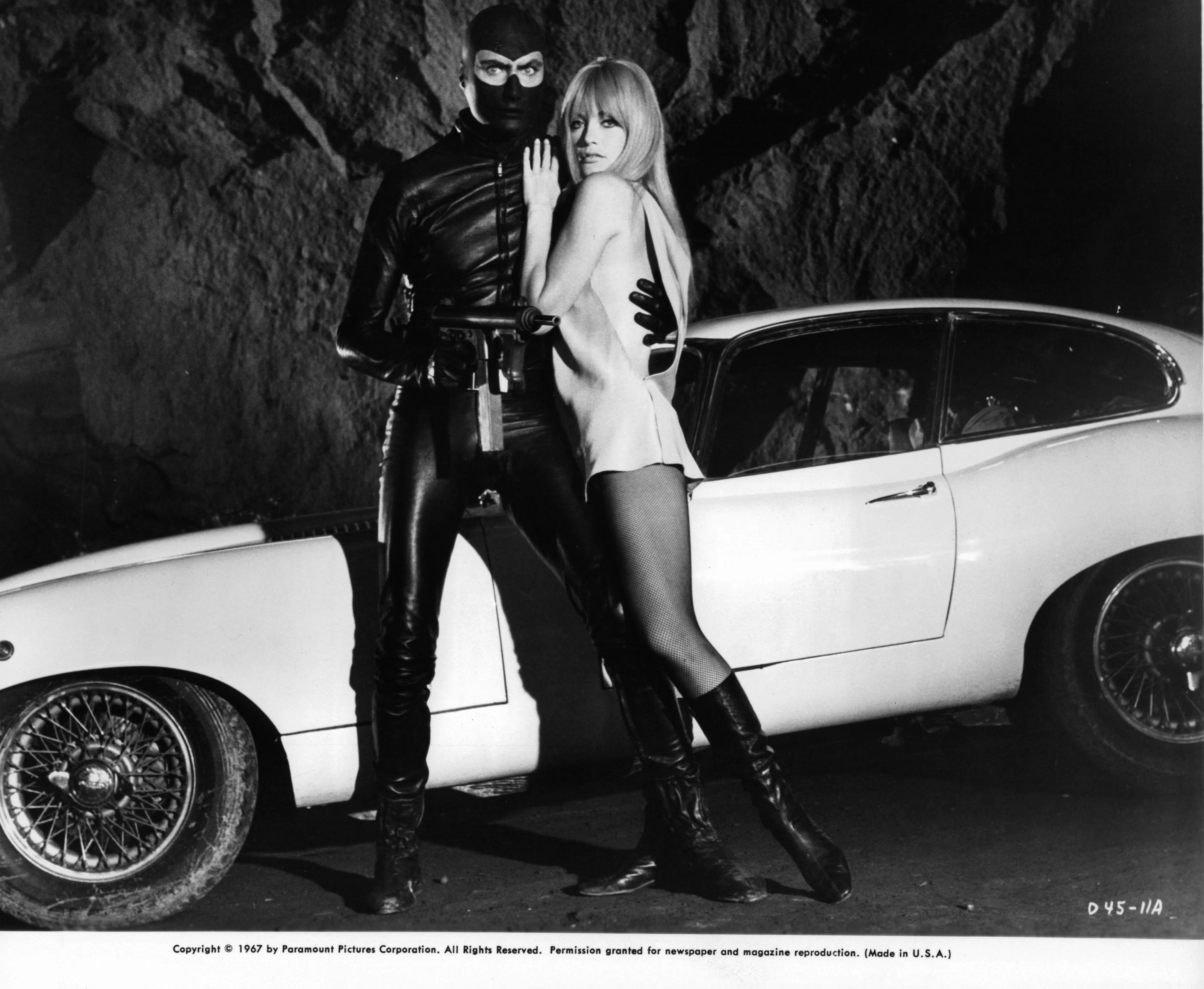
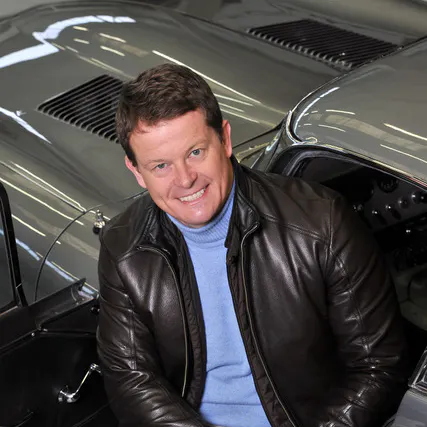
I’ve now owned my E-Type, a 1961 gunmetal grey Fixed Head Coupe for more than thirty years. As far back as I can remember, I have always loved E-Types from the first time my father jealously pointed one out to me on the streets of London when I was a child. For many years, my E-Type was my only car and together we’ve made several trips to the South of France. I also used it as my daily runabout when I was living in Milan. In Italy, I would visit clients and they would cheerfully refer to it as la macchina di Diabolik (Diabolik is a stylish, all-black-wearing secret agent in a popular Italian comic book, and he drives a black E-Type FHC).
Related: 10 Most Expensive Classic Cars Ever Sold at Auction
6. Songs for the senses
The senses.
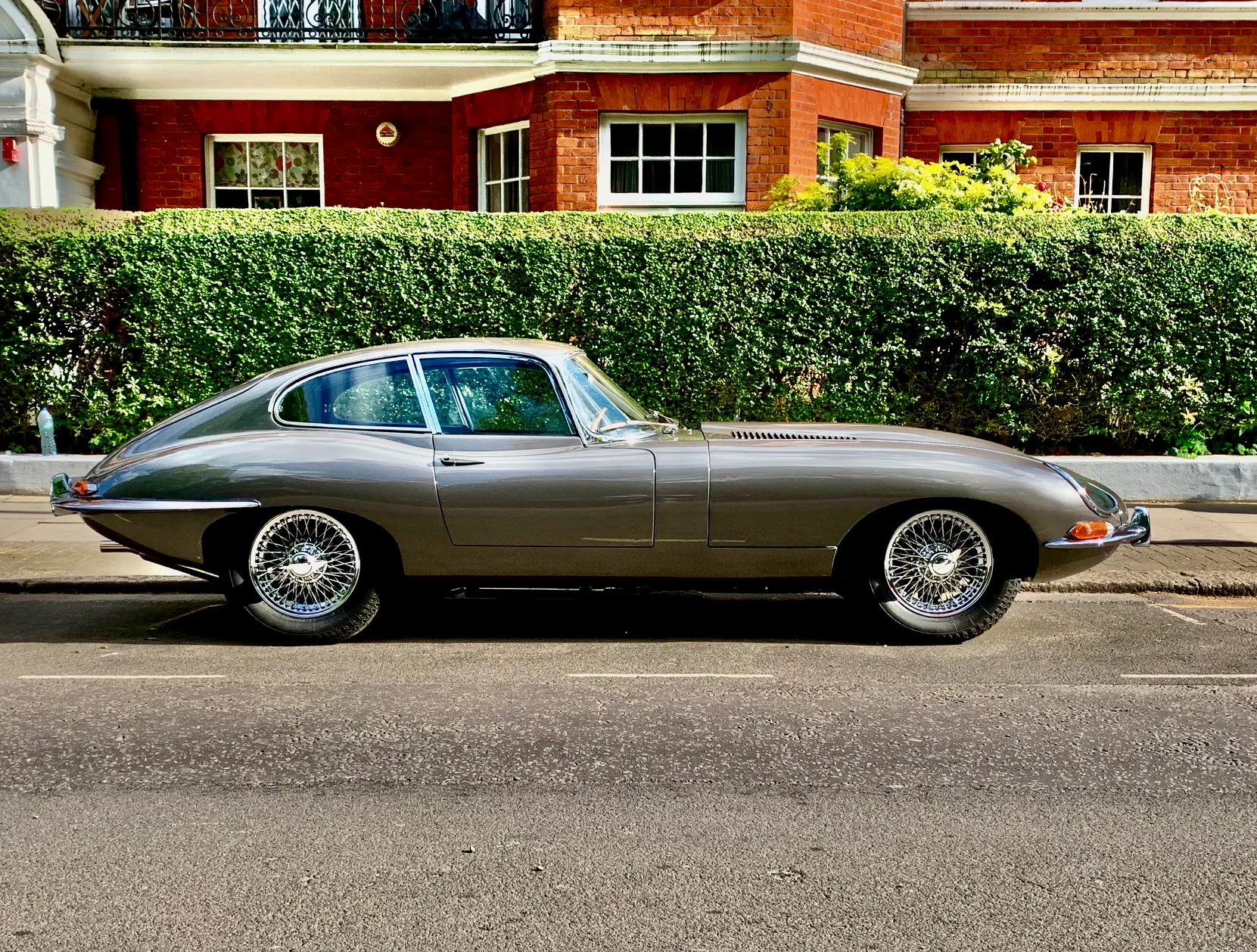
Even now, when I open my garage, I stop to wistfully admire my E-Type. When I open the door of this fine machine and shut it behind me, I anticipate that satisfying, solid clunk, knowing that the time, effort and money spent on perfecting the restoration has been worth it. From the outside, I know that onlookers will admire her. Once I sink into the driving seat, the butter-soft leather wraps me like a glove. My senses reverse into memories of scenic drives and romantic trysts (in contrast to most drives, which, let’s be honest, are usually just a pain). The perfume of the leather, petrol and oil, the grip of the slender, wood-rimmed steering wheel, the palm-grip of the gear-knob, the instrument cluster in calibrated eye line with high-relief dials as well-formed as an exquisitely engineered time-piece – all betoken beauty and fond memories.
I press the starter – with a childlike anticipation, hoping the battery has roused itself in a willing mood – and the starter clicks. It engages. The carbs squirt their juice, the ignition coil sends its shocks and the 6 primed cylinders burst into song. The back wall of the garage is marked by the exhaust in morning musk.
The elements of this confabulation all go to answer our need for nervous anticipation, our lust for excitement and the unexpected – our hunger for beauty in life. And I haven’t even left the garage. Out on the road, my senses come alive to the fruity burble or shrill scream of the tightly-tuned exhaust system. In the rain (yes, sometimes I dare), the flack, flack, flack of wipers thrum back and forth, metronome tempoing with my admiring of the curvaceous bonnet, its pert bulges. Rounding a corner, the soft green arrows and tick, tick, tick, indicates indicators indicating intentions. All my troubles are left behind (savings too, but see point 7).
7. It’s worth it
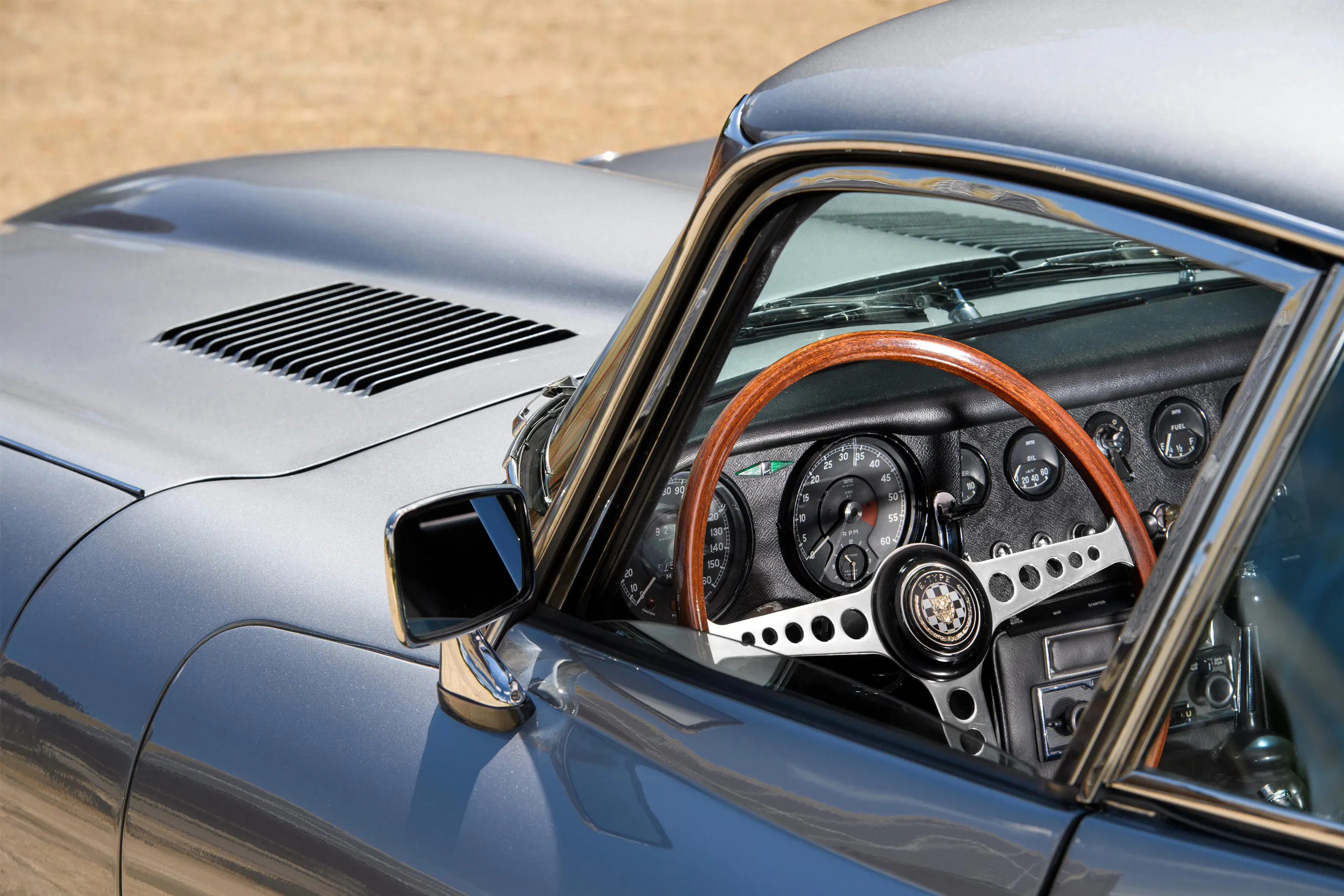
Classic car ownership is a joy. Sure, it’s sometimes troublesome, but stepping back and enjoying the E-Type’s sensuous curves and perfect proportions soon raises the pulse and all is forgiven.
We appreciate beautiful things not for their utility only, but also for what they are in themselves – or more plausibly, for how they appear in themselves.
~ Roger Scruton, Beauty: A Very Short Introduction.
8. Sex appeal (it ensures I still have it)
So what is it about the E-type that makes it so special? Sex appeal, pure sex appeal – we can still have sex drive at sixty, can’t we?