Uncover the secrets of mystery clocks with these five facts:
1. What is a mystery clock?
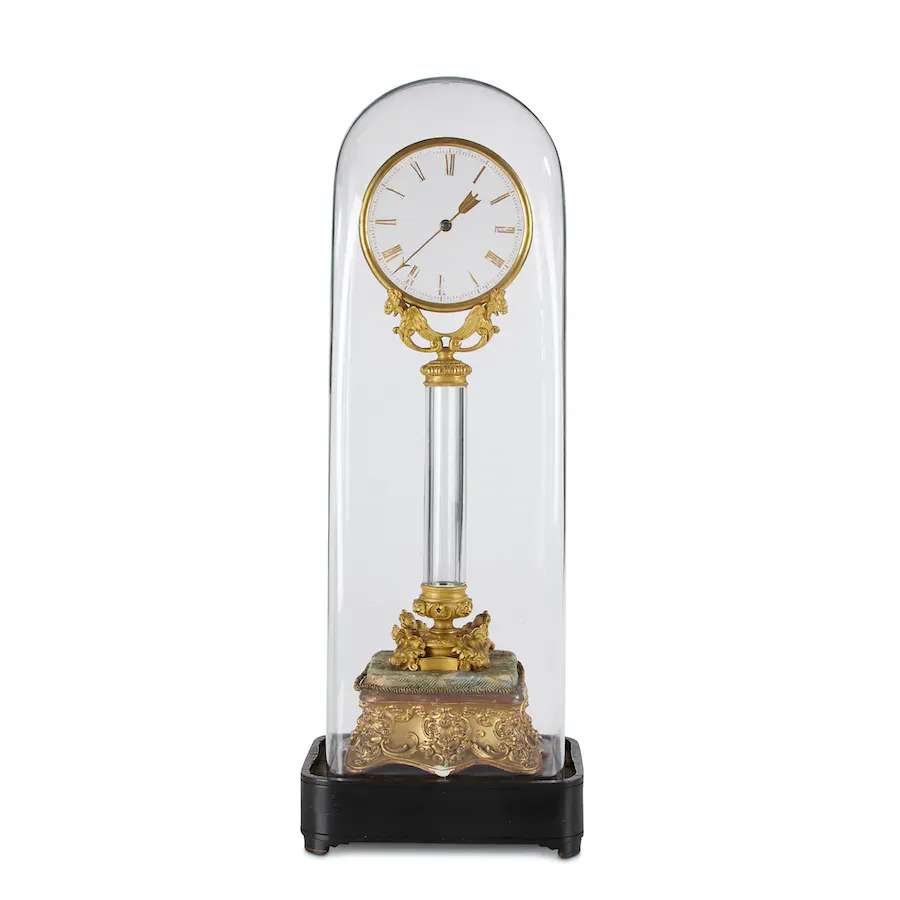
The term mystery clock (in French pendule mystérieuse) means a clock in which one of its basic functions is not apparent to view. Typically, this is the movement of the hands, which seem to circle the dial without a movement driving them.
Related: Inner Beauty: The World of Watch Complications
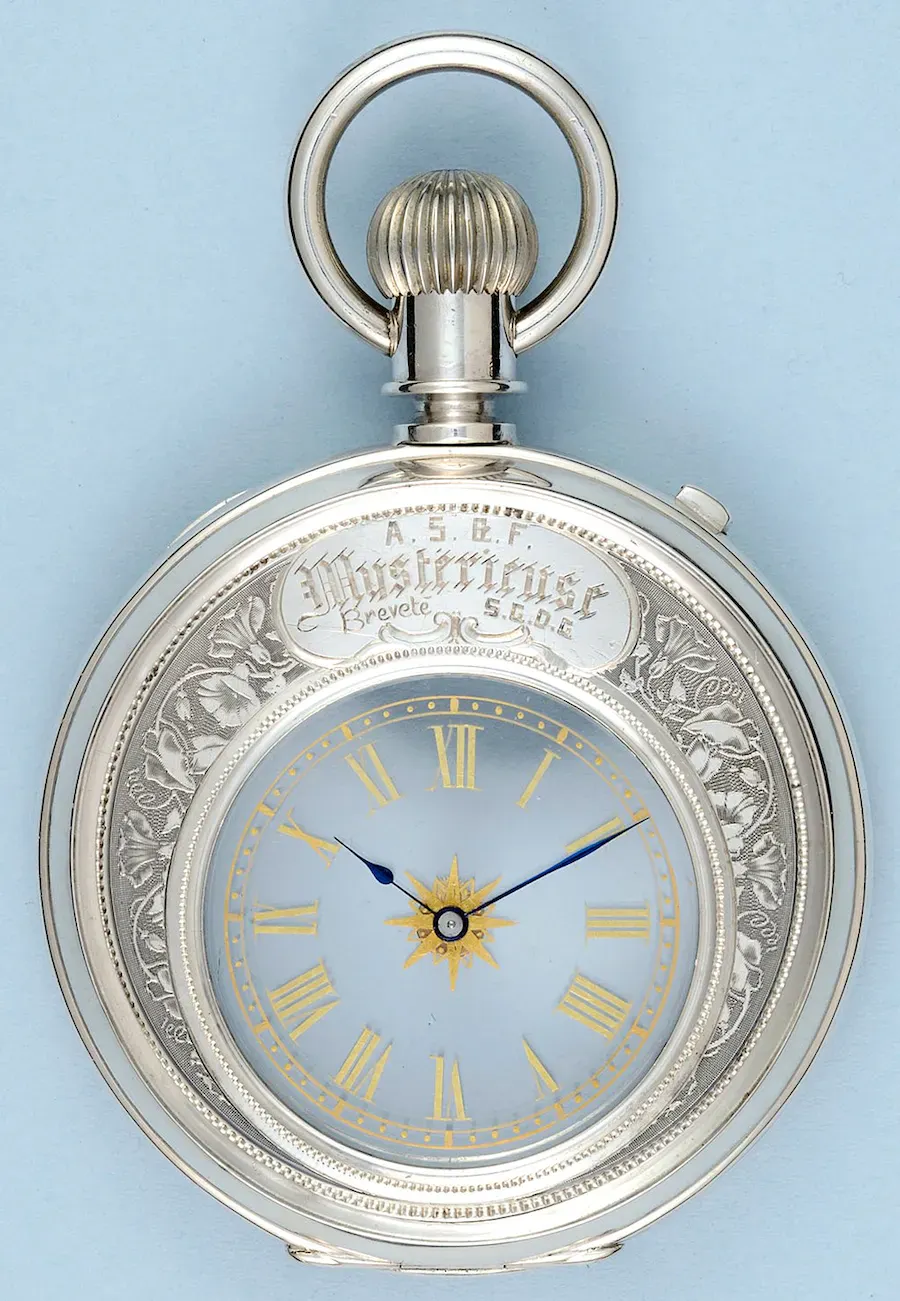
In addition to the larger mystery clocks for mantels, tables or showcases, there are also such mystery pocket watches, called mystery watches (or montre mystérieuse).
2. Who invented the mystery clock?
When the French company Armand Schwob et frère presented a mystery clock invented by watchmaker Hugues Rime at the Paris World Exhibition in 1889, the president of the watchmakers' union of Lyon was unimpressed. For him, it was nothing more than the miniature version of the mystery clocks that the French watchmaker Jean-Eugène Robert-Houdin (1805-1871) had invented decades earlier.
Related: The 10 Most Expensive Watches Ever Auctioned
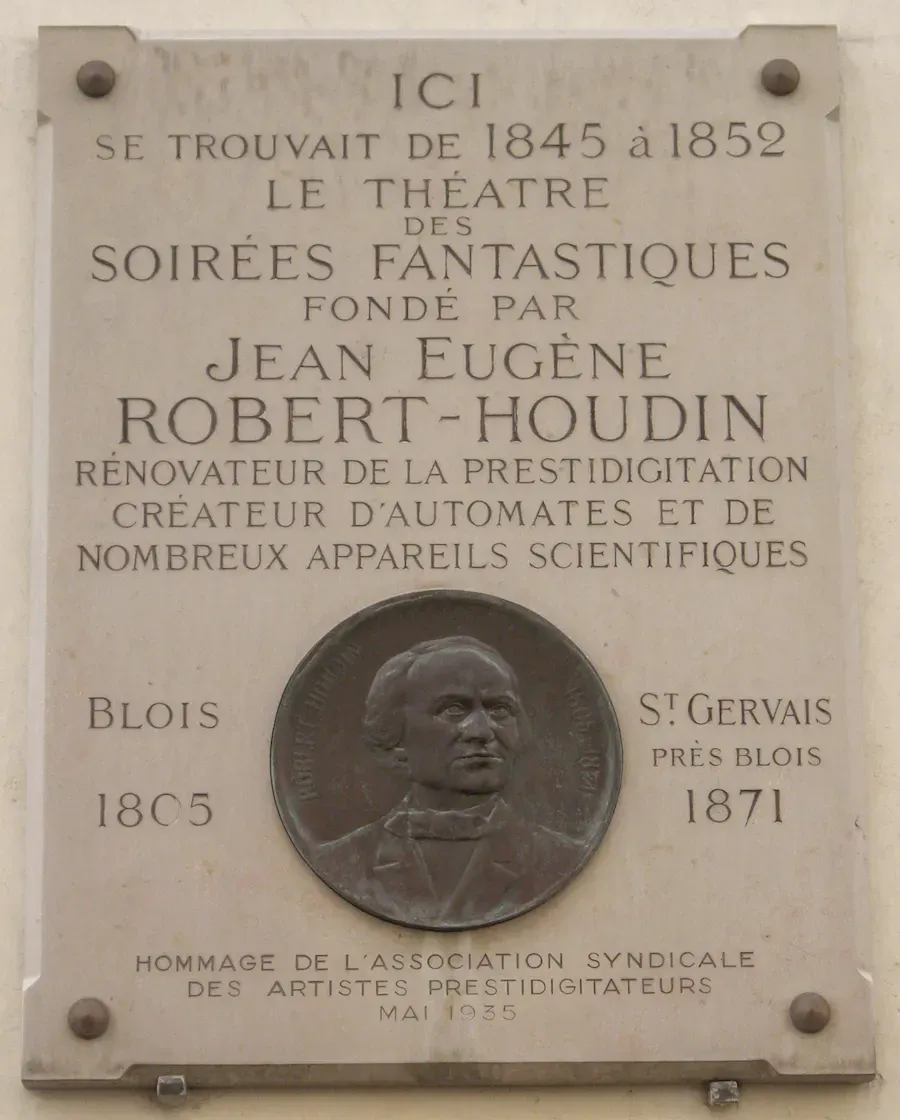
Robert-Houdin had learned the art of watchmaking from his father, but was more interested in the hidden mechanisms of timepieces. He was even more enthusiastic about magic and invented many magic tricks and illusions that are still part of the repertoire of a magician today. With the Théâtre Robert-Houdin in Paris, Robert-Houdins had his own venue for magic shows and became so famous that a certain Erik Weisz from Budapest took up his name and gained world fame as the escape artist and magician Harry Houdini.
3. How does a mystery clock work?
A mystery clock works like any other clock, except that its movement remains invisible. It's still there, of course, but it's in frame or base of the clock. In order to still be able to drive the hands, the ingenuity of the watchmaker is required. The secret is a translucent cog behind the crystal glass dial, which is also translucent - a mesmerizing illusion that, unsurprisingly, was invented by one of the most famous and influential magicians of all time.
Related: The Royal History of the World's Most Expensive Clock
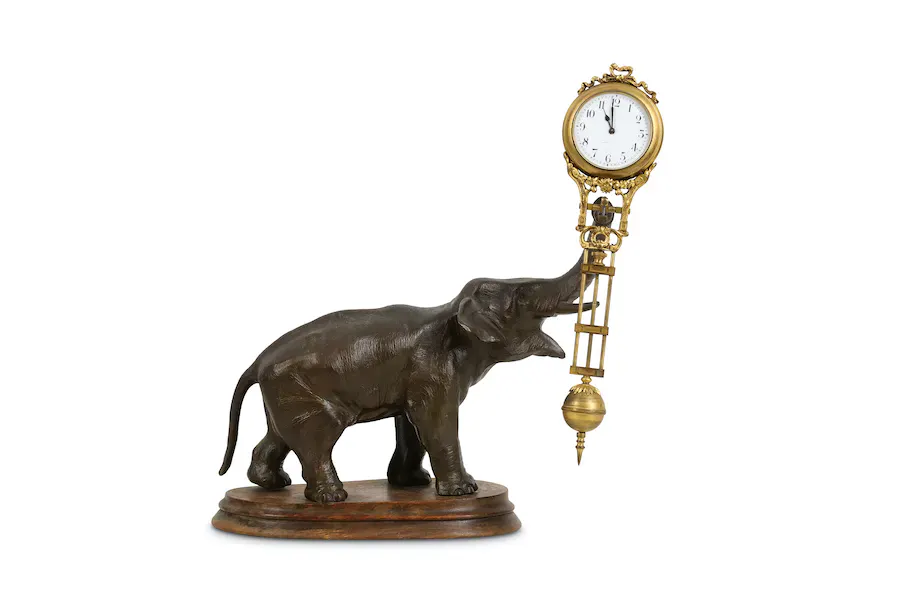
The German watch manufacturer Junghans also made pendulum clocks from the early 20th century, which sometimes carry the suffix "mysterious". However, the secret is not that the hands continue, because the movement is located where it belongs, behind the dial. Rather, what is mysterious is how the pendulum connected to the clock acquires and maintains its momentum.
4. Who are the most famous Mystery Clocks from?
But let's get back to the actual mystery clocks, for which a certain French luxury jeweler has become practically synonymous: Cartier.
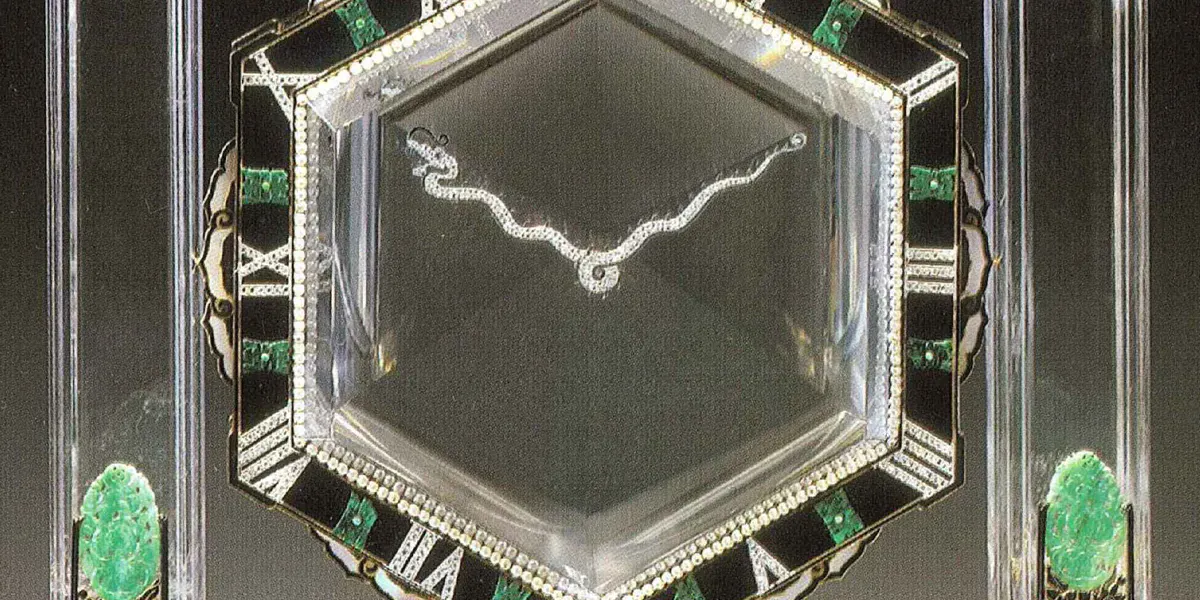
The shared history of Cartier and the mystery clocks began 110 years ago and originated in the extremely capable hands of master watchmaker Maurice Coüet, who was inspired by Robert-Houdin's invention. The first model that Coüet created was a classic mantel clock in shape, but with a case made entirely of rock crystal. The hour and minute hands seemed to float above the glass dial, while the movement was hidden in the base. Coüet named the watch Pendule Mysterieuse Modèle A, the name "Model A" being inspired by Ford's "Model T" automobile, which had first rolled off the assembly line a few years earlier.
Related: Cartier: A Love Affair
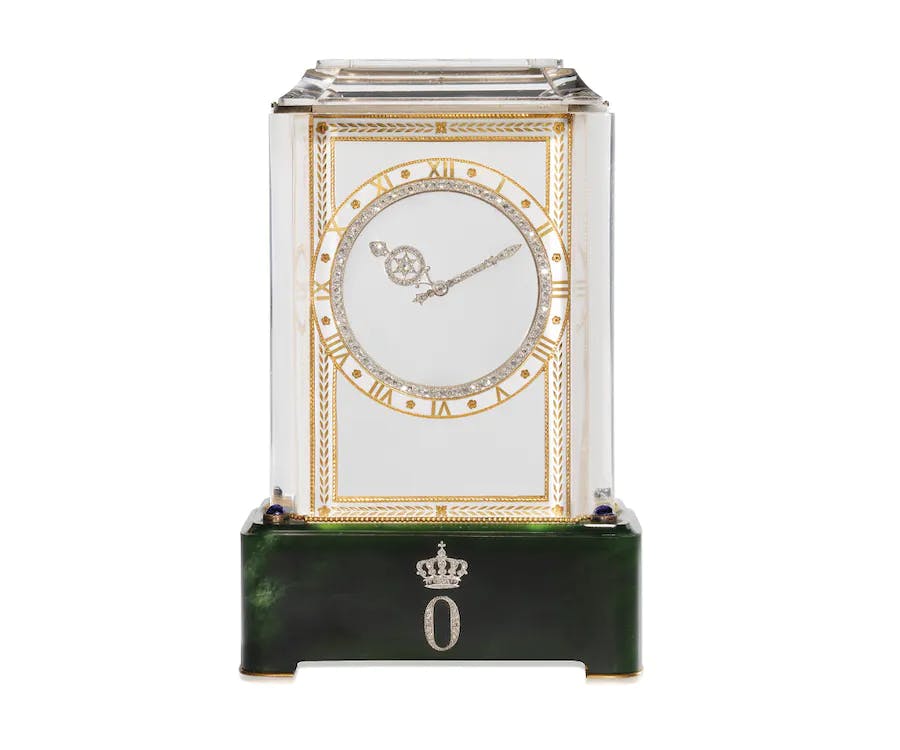
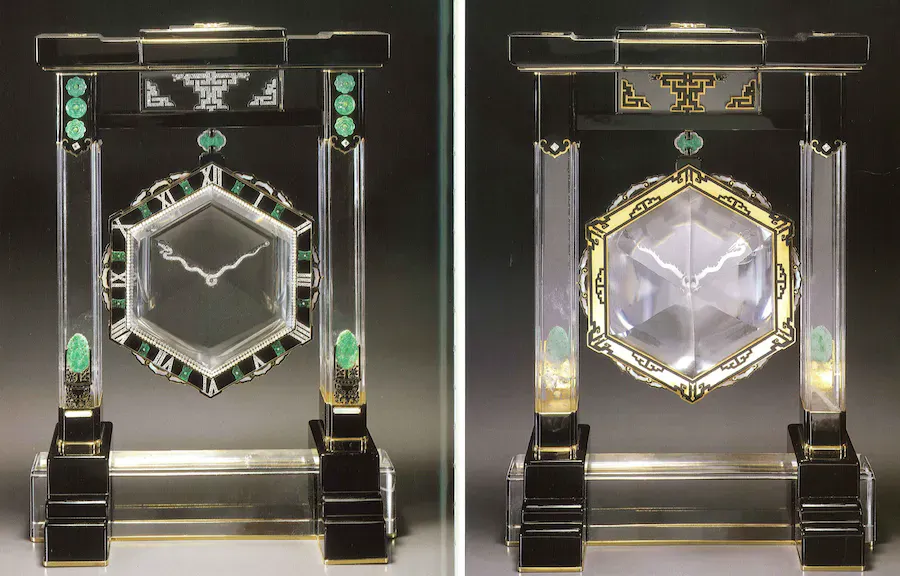
The success of Modèle A prompted Cartier to continue the Pendule mystérieuse project, which led to the launch in 1920 of other watches consisting of a single column, as well as the so-called Portique watches, which perfectly embodied the Art Deco style. Far Eastern inspirations also often flowed into the design of the clocks, for example for the extremely rare Portique pendules, which are reminiscent of Japanese Shinto shrines, or for the series whose bases consisted of animal figures such as the Maharajah of Nawanagar's elephant clock.
Related: Pocket Watches: History, Revival, Trends & Tips
As far as the materials to be used, the artists in the Cartier studios did not have to exercise restraint: only high-quality and valuable materials were used for the mystery clocks, including jade, onyx, gold, diamonds and rock crystal.
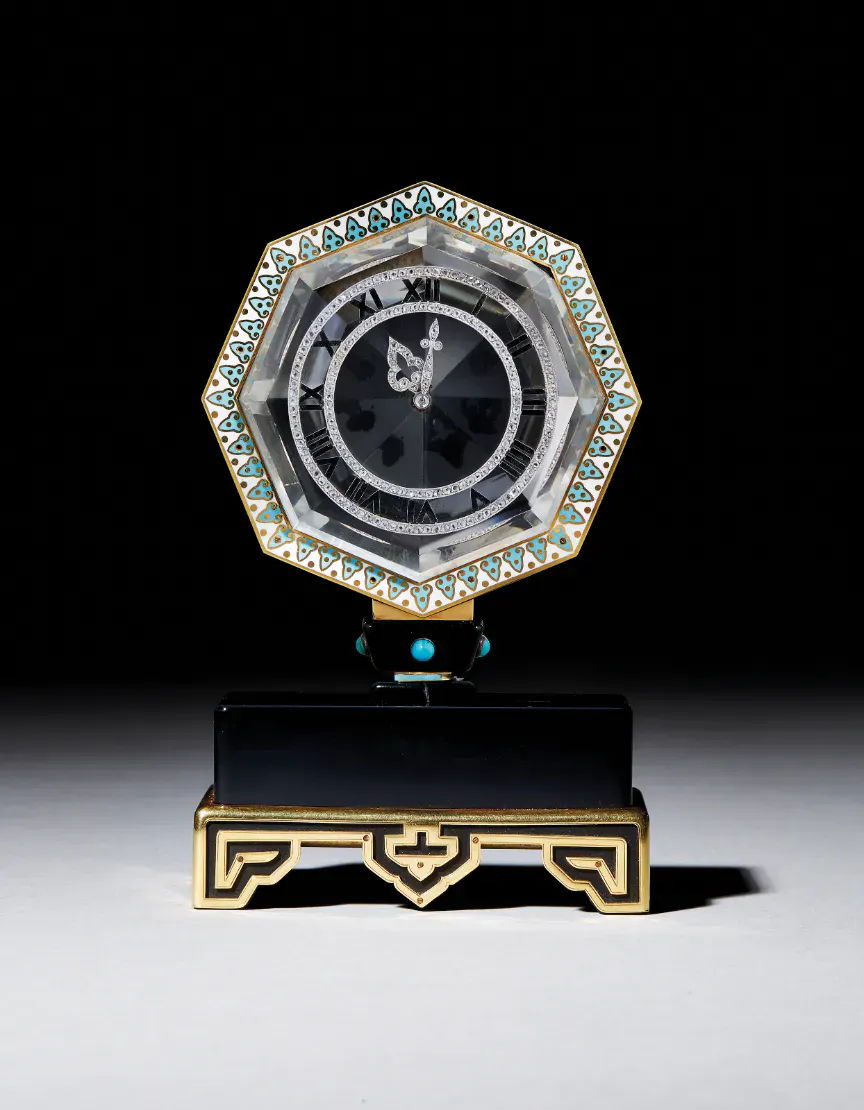
Cartier is still producing its fascinating Mystery Clocks to this day, even if production dropped significantly during the time of the Great Depression and the Second World War. The prestigious objects combine the highest watchmaking and craftsmanship like no other.
5. Which mystery clock is the most expensive in auction history?
The most expensive mystery clock in auction history comes from Cartier" the Pendule Mystérieuse Portique No. 4 from 1924, one of only six watches of this type made by Cartier in those years. It changed hands at Antiquorum in November 1996 for CHF 1,818,500 ($1.32 million).
Want articles like this straight to your inbox? Then register today for our free newsletter !
Discover more articles about collectibles in Barnebys Magazine!