Porcelain making in France traces its origins to the early 18th century, drawing inspiration primarily from Chinese porcelain. Over time, numerous factories have emerged, cultivating exceptional expertise in the craft.
Chantilly porcelain
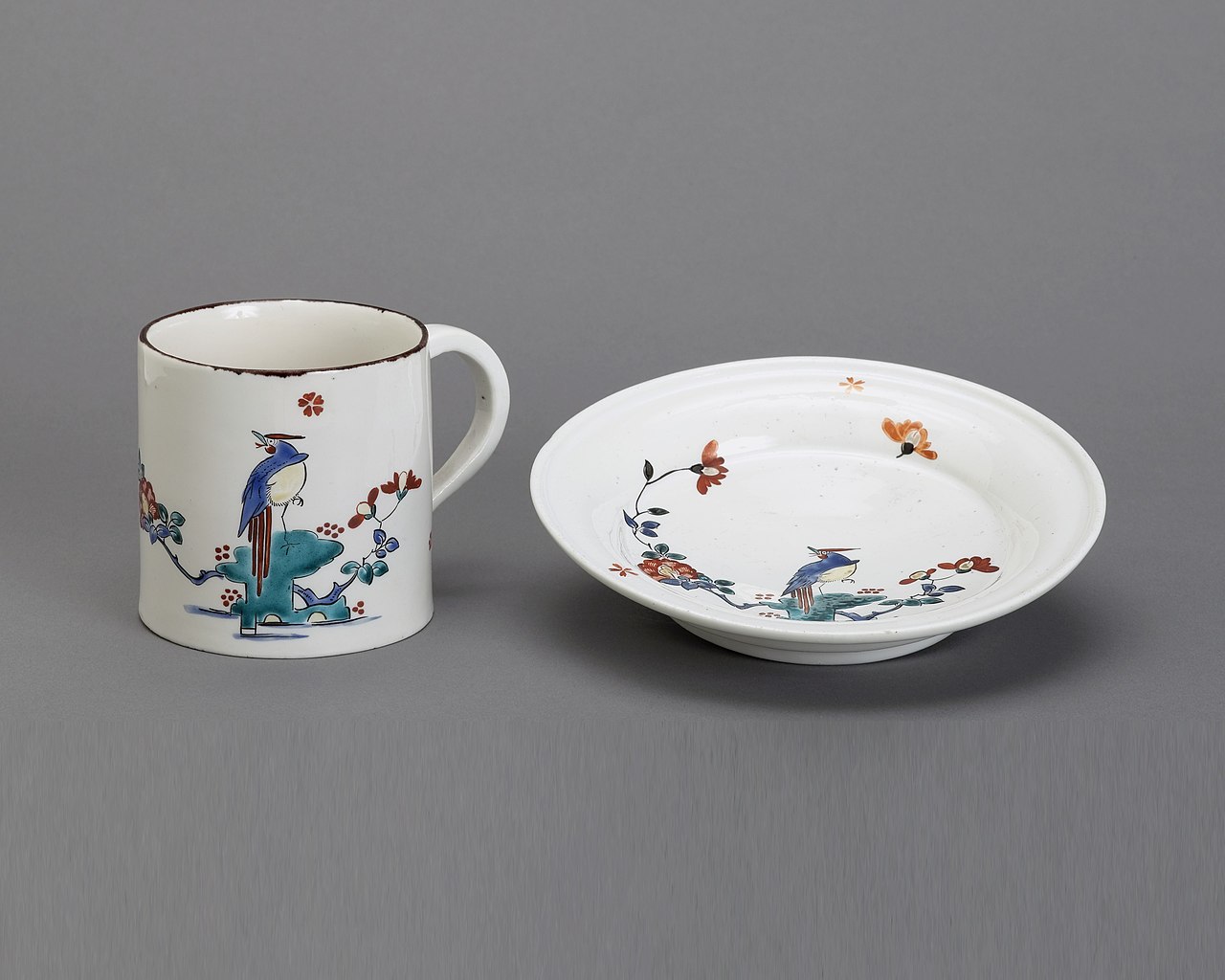
Chantilly porcelain refers to the porcelain made in Chantilly, in the Oise region of France. It all started in the early 18th century when Louis Henri de Bourbon founded the factory in 1725. He was inspired by the charm of Chinese porcelain and the prestige of Meissen hard-paste porcelain in Germany.
Related: Collecting Like a King: Meissen Porcelain 101
When it was created, chemist Cicaire Cirou developed a soft porcelain paste for the Duc de Bourbon, which was different from earthenware. Chantilly porcelain had big dreams of surpassing Meissen porcelain, but making hard porcelain wasn't possible yet because it lacked kaolin, a vital ingredient for top-quality porcelain.
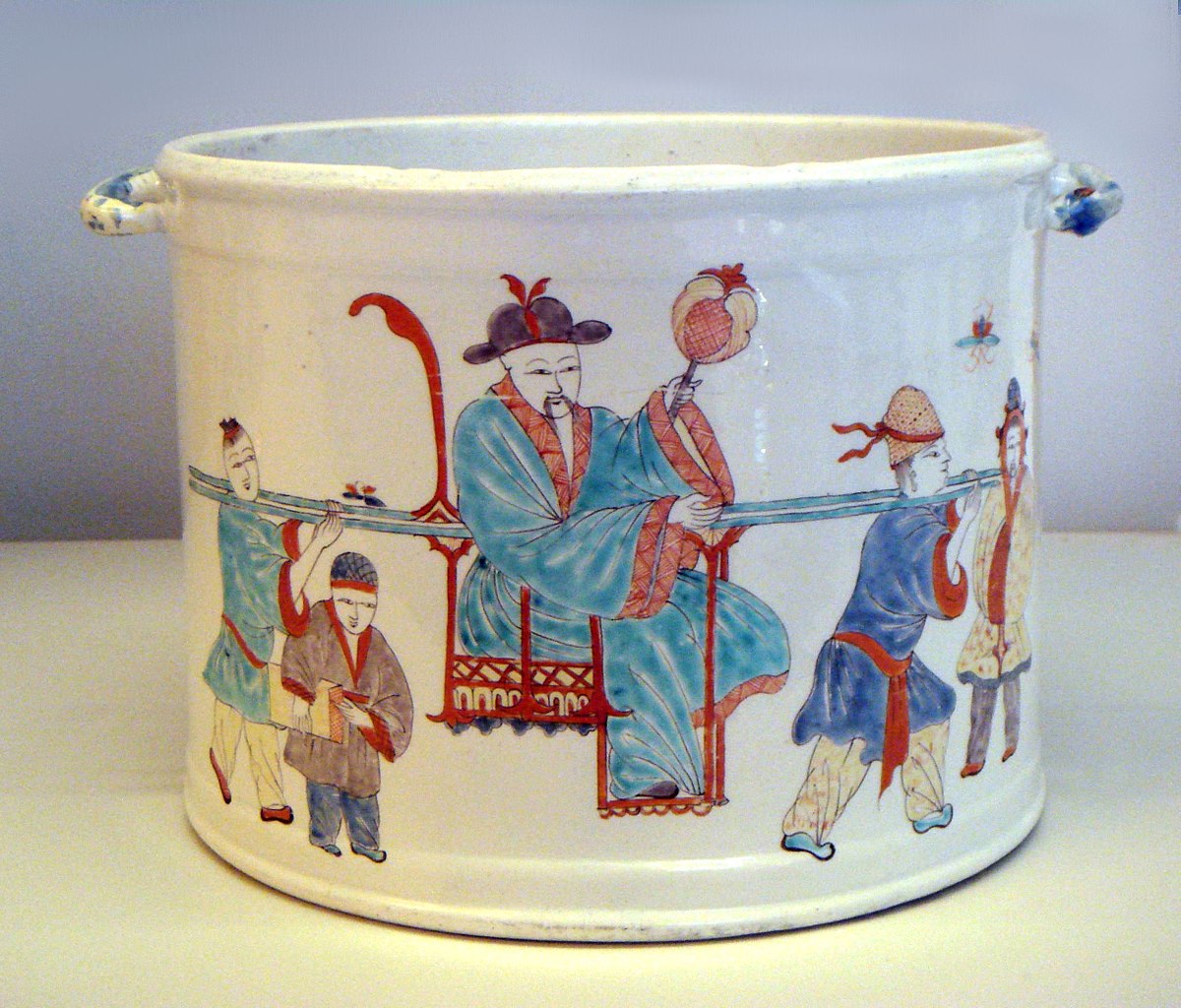
Chantilly porcelain pieces frequently featured floral patterns, pastoral scenes, and intricate decorations, drawing inspiration from the opulent collections of nobility and Japan. The color scheme encompassed hues of blue, white, pink, and gold. A distinctive feature of Chantilly porcelain was the hunting horn motif, typically painted on the underside of the pieces in blue, green, or orange, and sealed with varnish.
Related: A Timeline of Chinese Porcelain: Neolithic to Modern
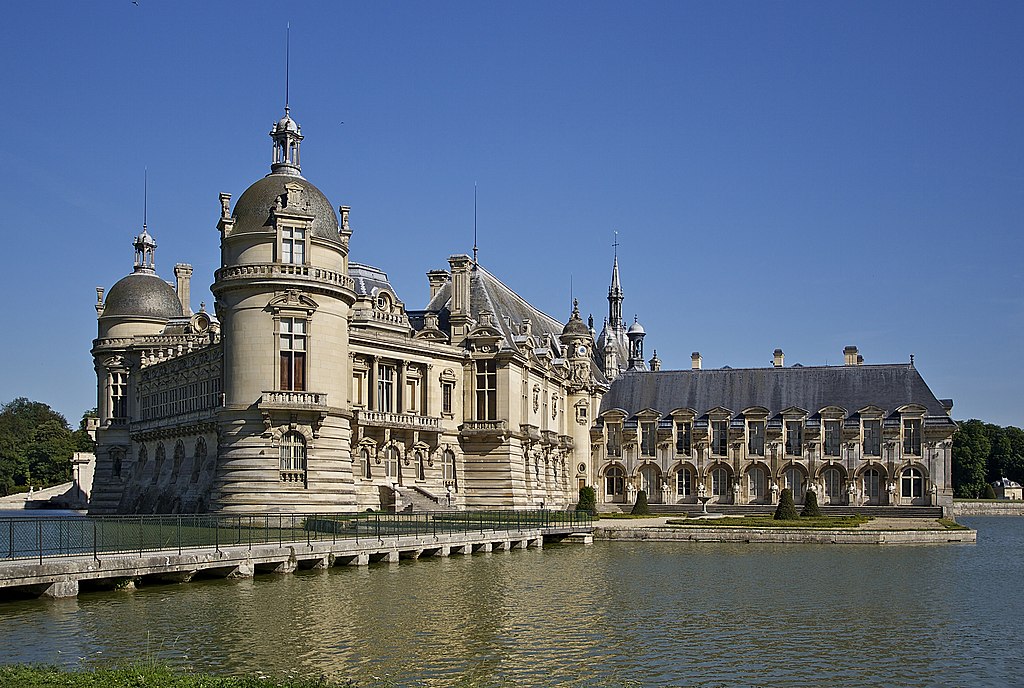
The factory ceased operations towards the late 18th century, yet its manufacturing legacy endures. Presently, collectors prize Chantilly porcelain for its historical significance and craftsmanship. While the original production has ceased, the term 'Chantilly porcelain' is still being used today, referring to pieces crafted during the factory's era.
Limoges porcelain
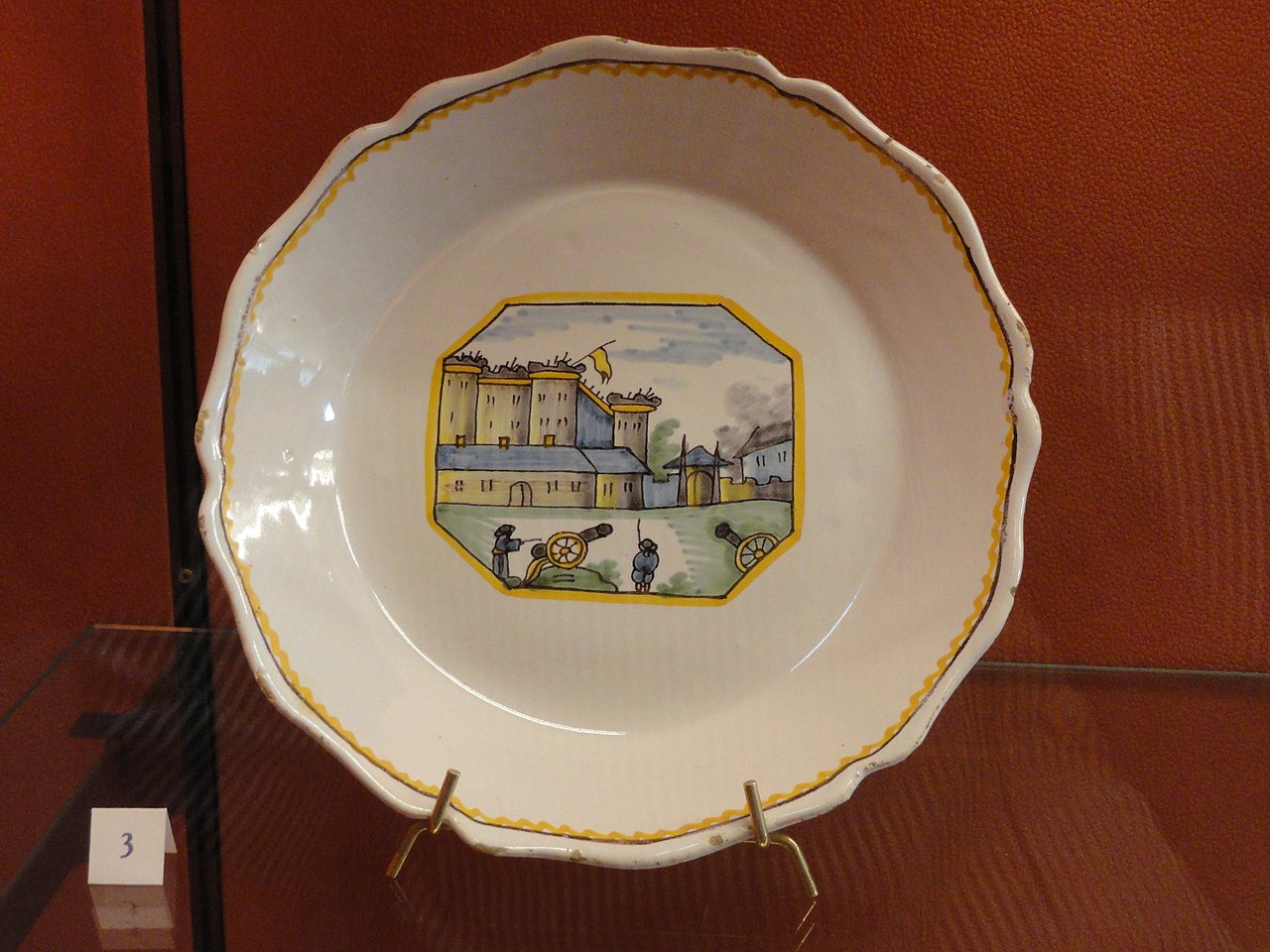
In Germany, the advent of hard porcelain production in 1705 was facilitated by the discovery of a substance closely resembling kaolin. Conversely, in France, kaolin was only unearthed near Limoges between 1765 and 1770. The establishment of the Limoges factory naturally coincided with this pivotal discovery.
Related: Rosenthal: Art at the Table
Limoges porcelain production experienced significant growth in the 19th century, marked by the establishment of numerous prestigious factories. The renown of Limoges porcelain hinges on its pristine whiteness and delicate craftsmanship. It finds frequent application in the creation of luxury goods, including fine dinnerware, tableware, ornamental figurines, jewelry, and decorative objects.
Related: Arts & Crafts Jewelry: a Pure Art Form
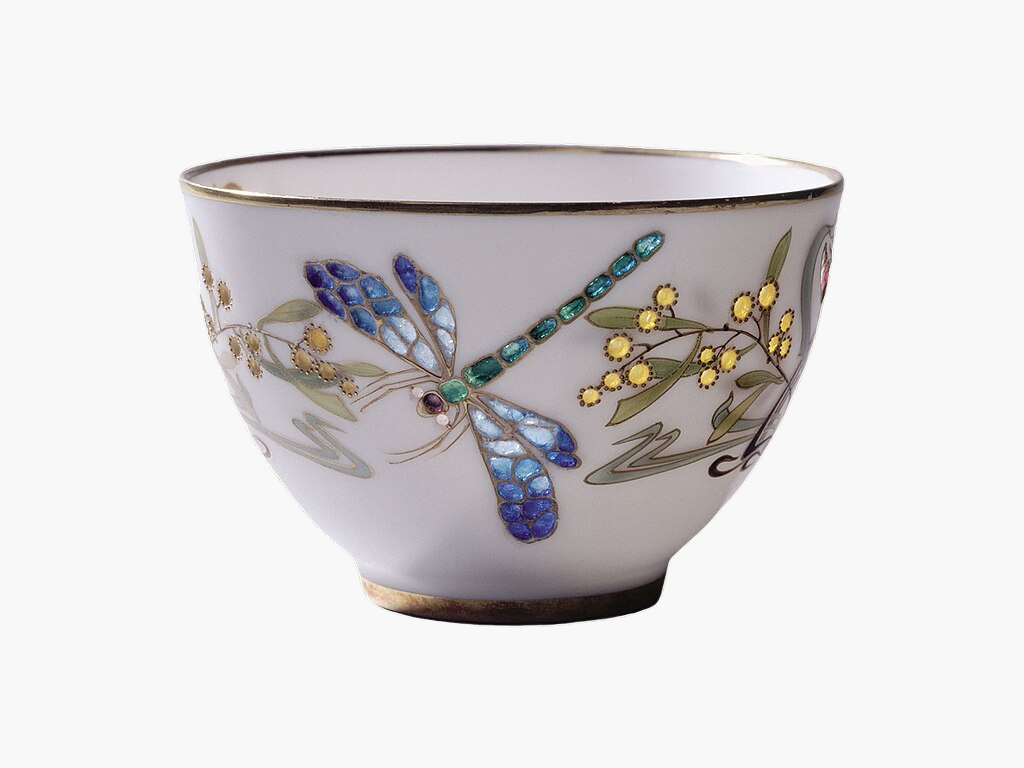
Limoges porcelain pieces are frequently characterized by their delicate patterns, gilded accents, and intricate details. The Limoges region emerged as a significant hub for porcelain production in Europe, rivaling renowned factories like Sèvres.
Related: KPM Berlin: The Royal Porcelain Pioneer

Today, all porcelain crafted in this region bears a distinctive green chrome seal inscribed with 'Limoges France', alongside initials or symbols denoting individual manufacturers. Presently, there are approximately a dozen factories, with several bestowed the prestigious 'Living Heritage Company' designation. In 2008, Limoges porcelain was recognized in France's inventory of intangible cultural heritage. Revered as collector's items, Limoges pieces are esteemed for their quality and refined aesthetic allure.
Sèvres porcelain
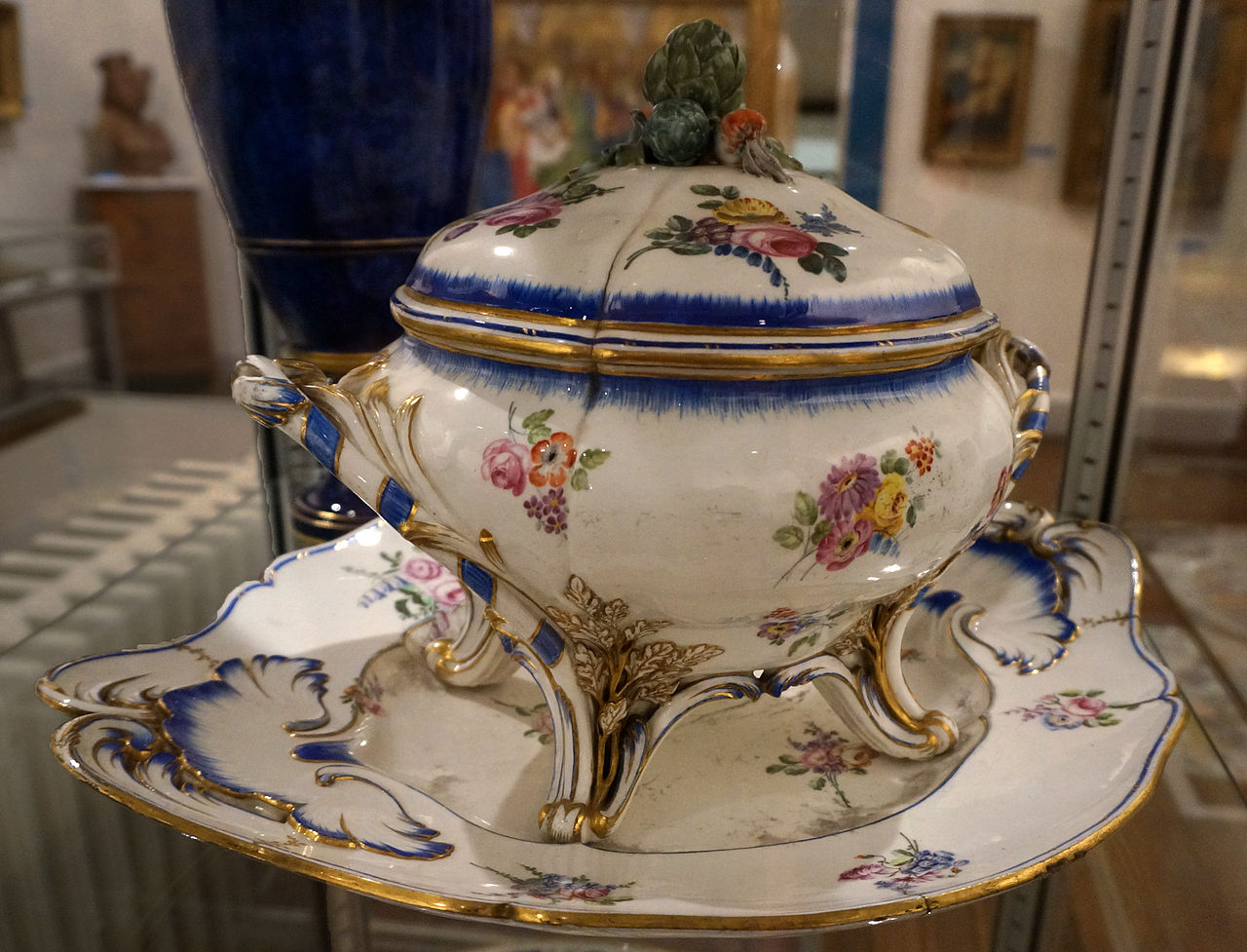
Sèvres porcelain derives its name from the royal factory founded in Sèvres in 1740. Renowned as one of the oldest and most esteemed porcelain factories in Europe, the Sèvres factory boasts a rich heritage.
Related: Flora Danica Porcelain: Serving the Art of Botany
In its early years, similar to other porcelain makers, Sèvres primarily produced soft porcelain. The method's secret was uncovered by Louis-François I Gravant. In an attempt to compete with German counterparts, Sèvres also pursued the creation of hard porcelain, but without success until the discovery of the kaolin deposit. This discovery marked a significant turning point for Sèvres porcelain.
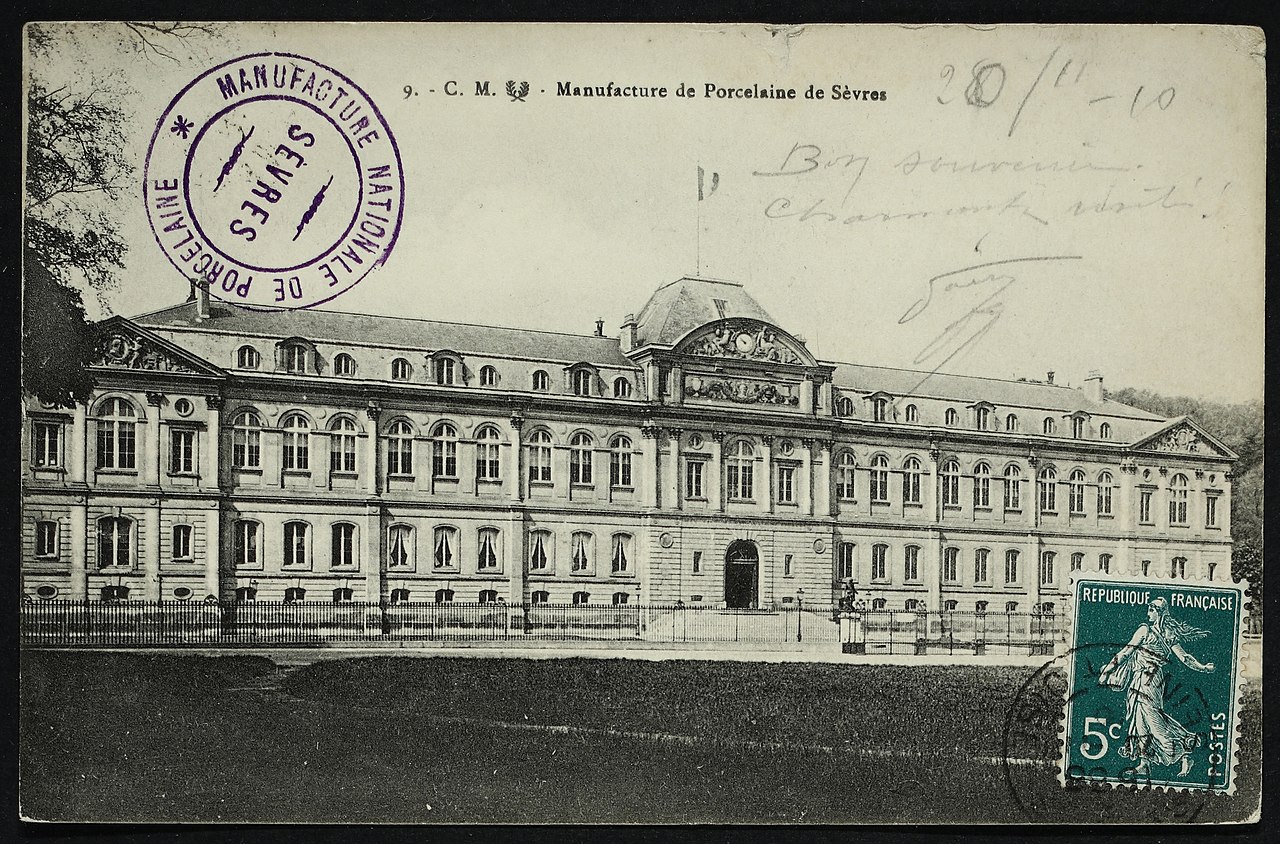
Initially established to cater to the needs of the French royal court, Sèvres porcelain was frequently employed in crafting luxury items for the royal family and aristocracy.
Want more articles like this straight to your inbox? Subscribe to our free newsletter!
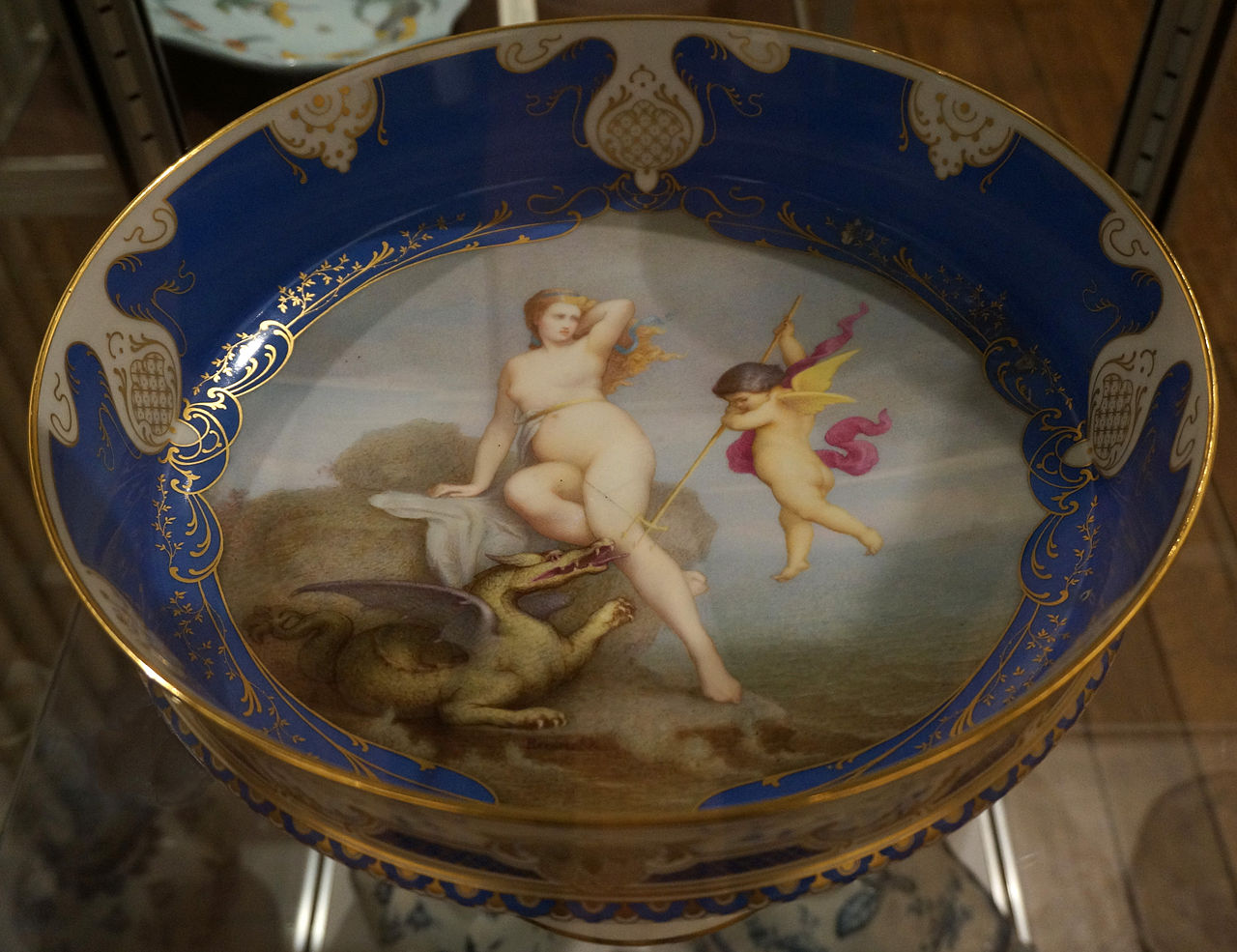
Throughout the centuries, the Sèvres factory has continuously evolved to align with prevailing artistic and technical movements. Its repertoire encompasses a diverse array of porcelain objects, ranging from vases, plates, and dinner services to figurines and ornaments. Adorned with floral motifs, mythological scenes, royal portraits, and other intricate decorations, Sèvres porcelain epitomizes sophistication.
Related: The Schwarzburg Studios: Porcelain, Foxes and Female Creation
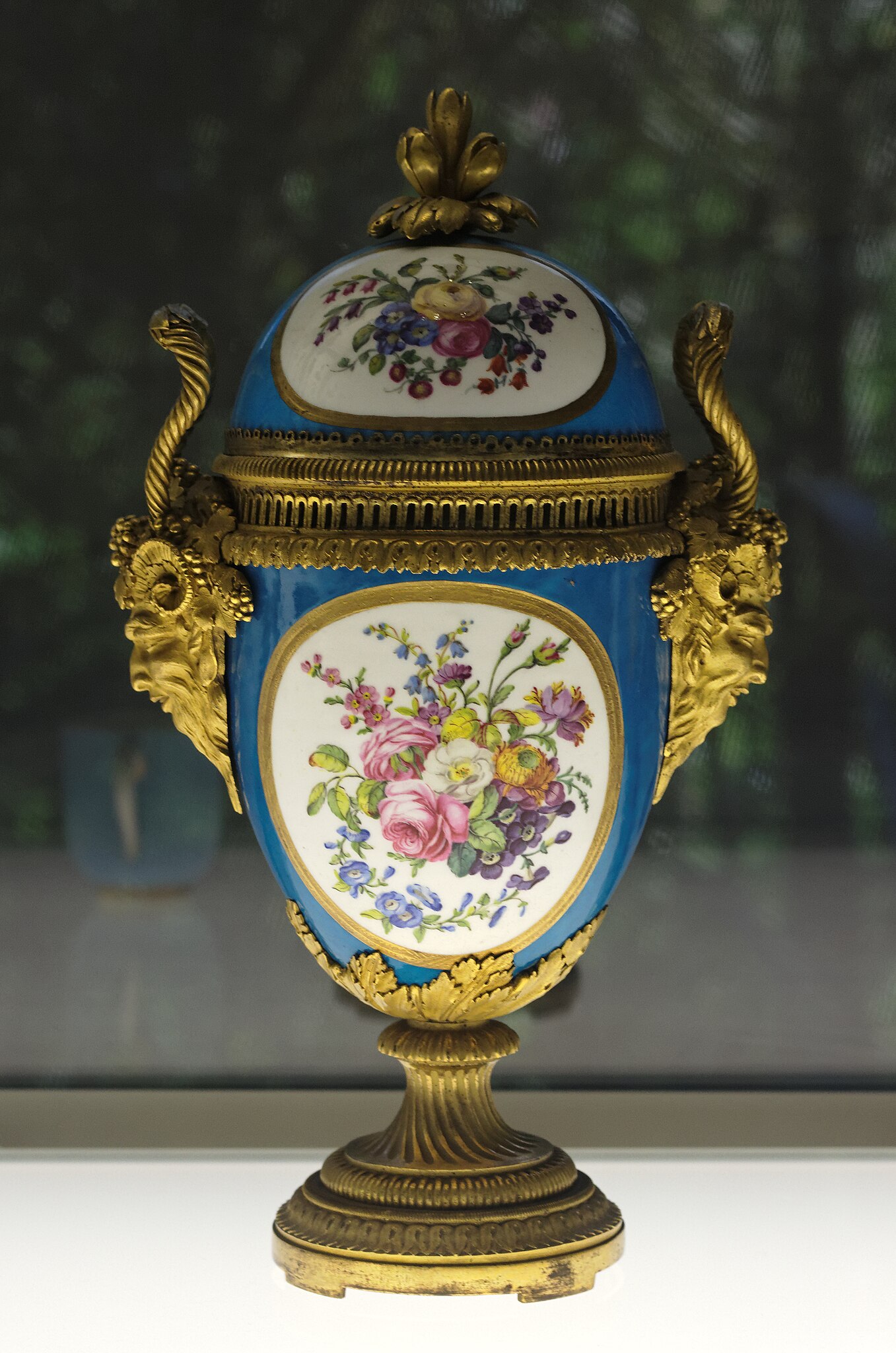
The Sèvres factory remains operational to this day, maintaining its tradition of crafting high-quality porcelain. Vintage Sèvres pieces retain significant value and are cherished by collectors and enthusiasts of fine art.
Related: Rococo: The Art of Shells and Idylls
Besides the present-day factory, Sèvres is also home to the Cité de la Céramique, a museum situated within the premises of the former royal factory. This museum hosts an extensive array of ceramics, showcasing the progression of ceramic techniques and styles over time. Additionally, the Cité de la Céramique features a workshop where contemporary artists can hone their craft.